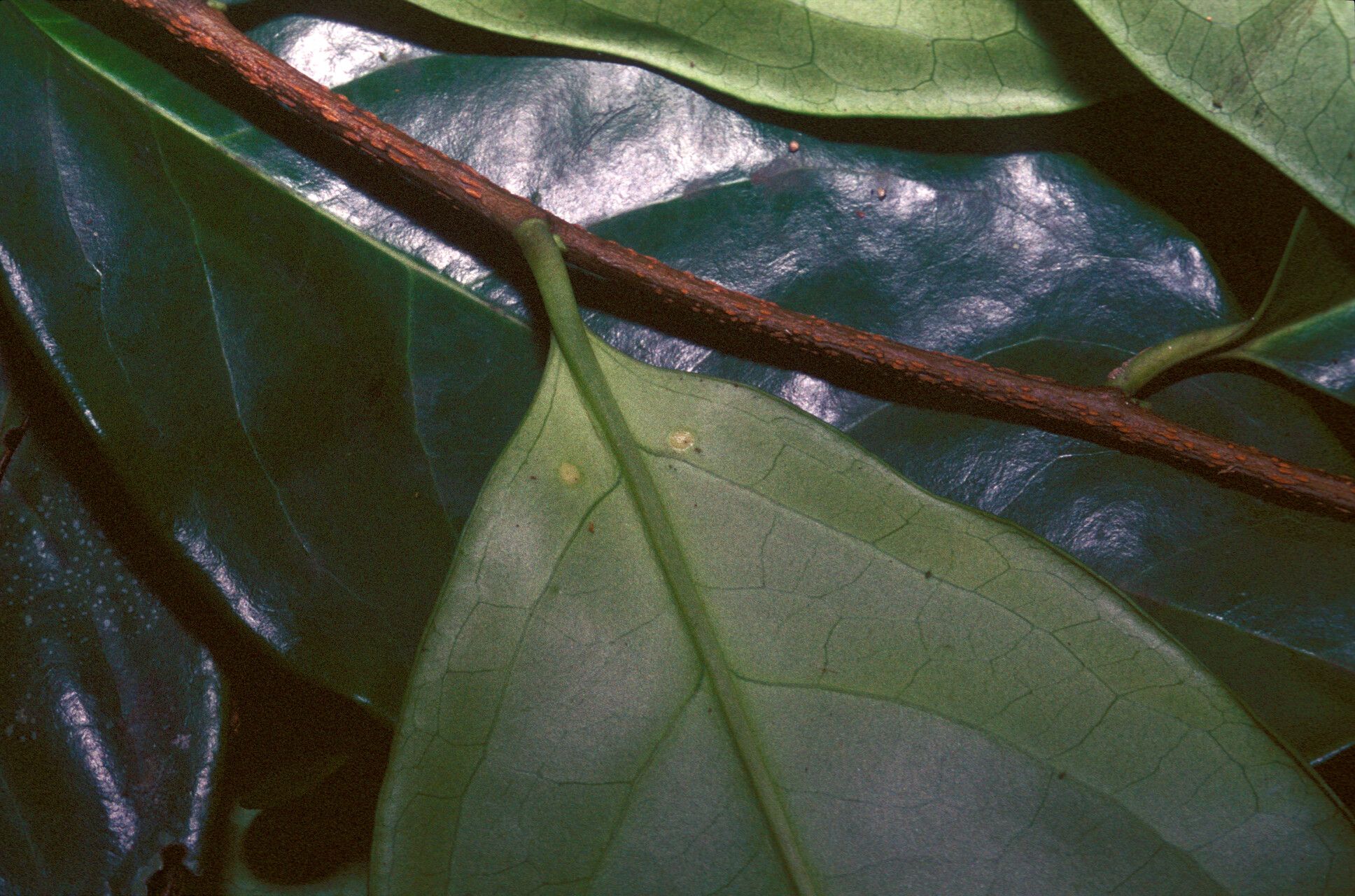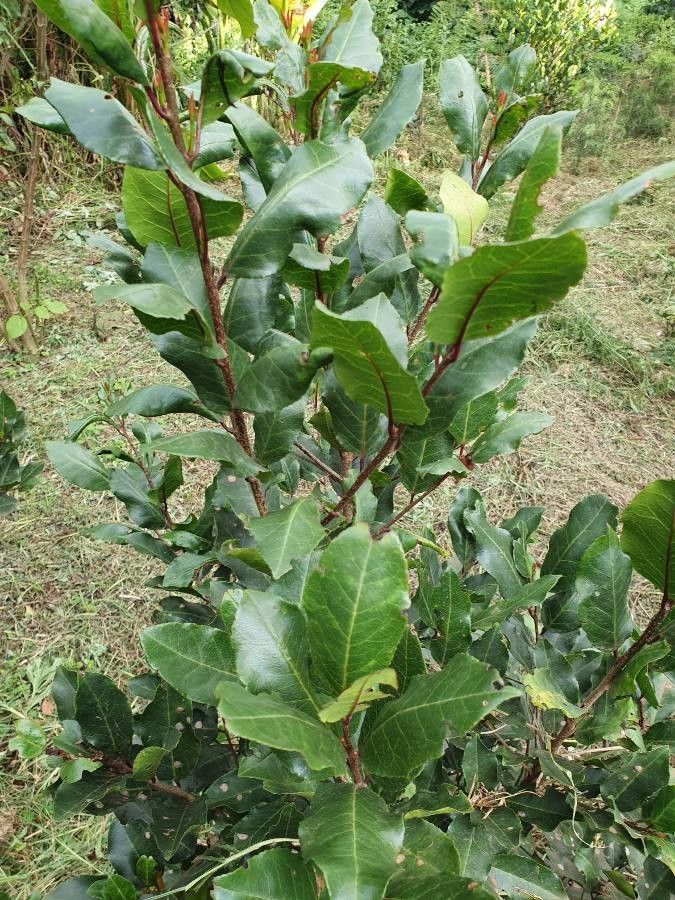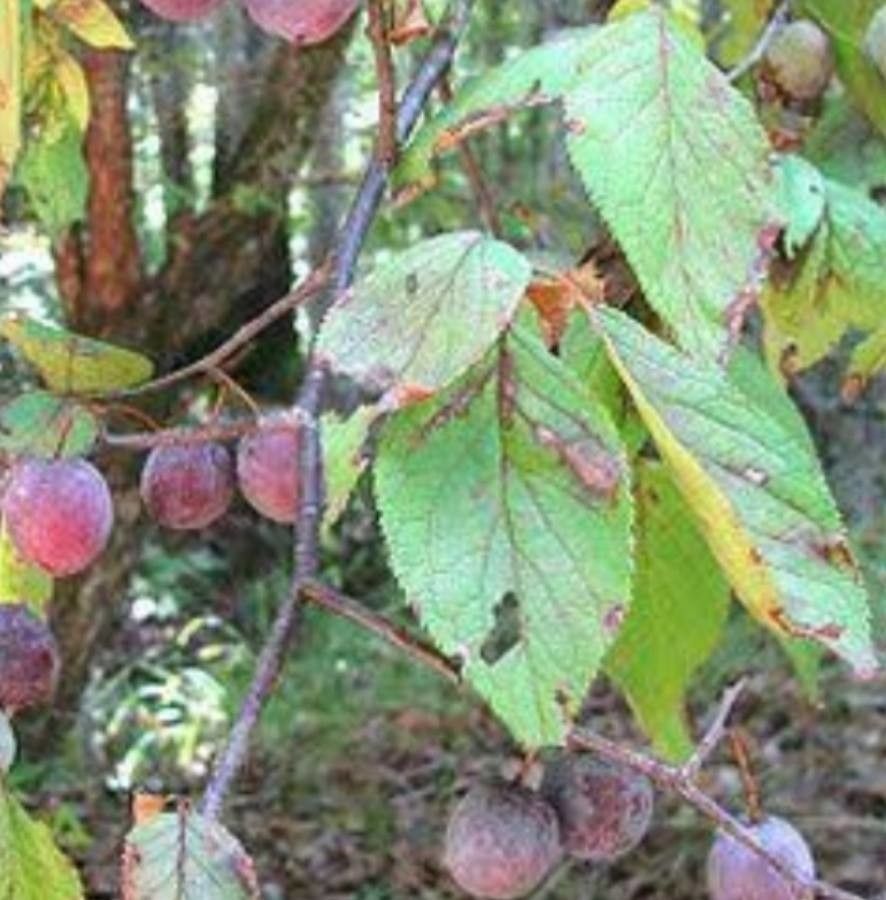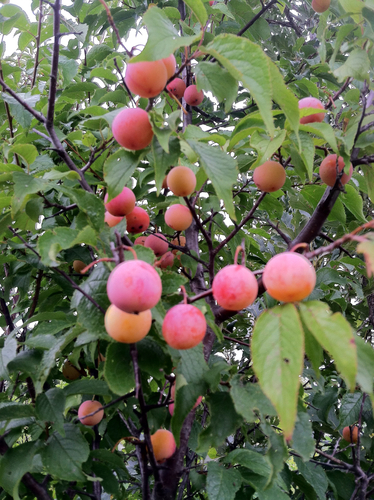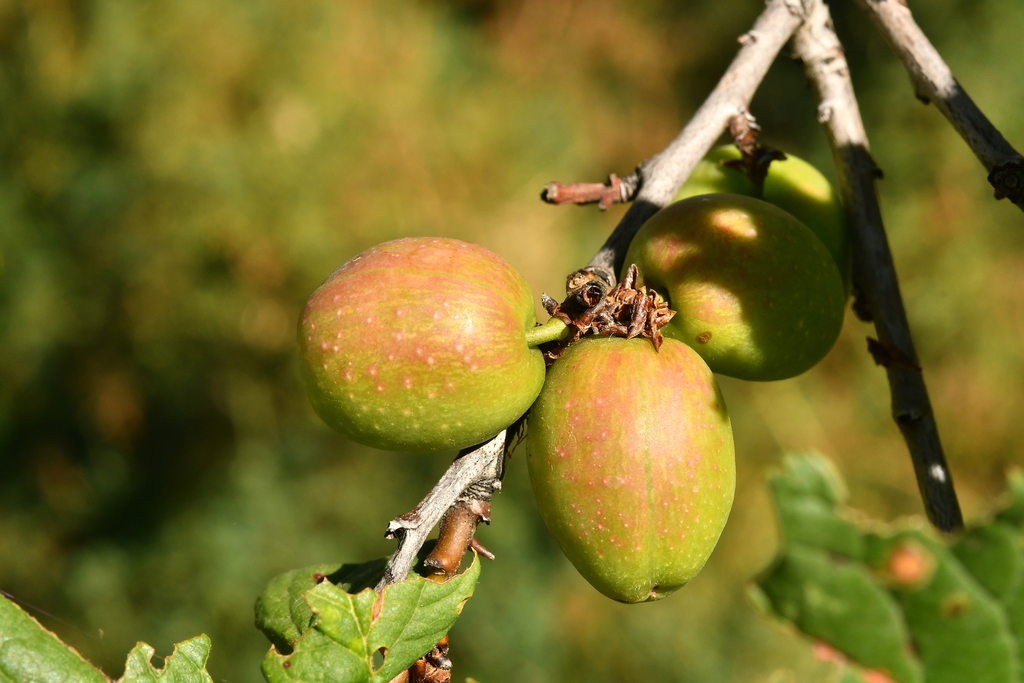
Prunus brigantina, commonly known as the wild cherry or Scottish cherry, is a deciduous tree belonging to the Rosaceae family. Native to Europe, it thrives in diverse habitats such as woodlands, hedgerows, and scrublands. This tree can grow up to 10 meters tall and features a rounded crown adorned with dark green leaves that turn a vibrant yellow or red in autumn.
The wild cherry blooms from April to May, producing small white flowers with five petals. These blooms are followed by small red cherries that ripen from July to August. The fruit is edible but has a sour taste, making it ideal for use in jams or liqueurs.
Prunus brigantina prefers well-drained soils but is adaptable to various soil types, including clay. It flourishes best in full sun but can tolerate partial shade.
This tree holds cultural significance in Scotland, where its hard wood was traditionally used to make bagpipes. Its bark also has medicinal properties, historically used to treat coughs and colds.
Overall, Prunus brigantina is an attractive ornamental tree with cultural and medicinal importance. It provides a food source for wildlife, particularly birds, which feed on its fruit during the autumn months.
Marmot plum is resistant to disease and is generally not susceptible to illnesses. In terms of care, this plant is fairly low-maintenance. Planted outdoors it needs minimal watering, and larger specimens typically do not require pruning. Smaller plants, however, should be pruned after they finish blooming. Marmot plumt is suitable for anyone with an outdoor area, like a garden or a deck, and does not demand much gardening experience.
How to keep Prunus Brigantina.
Light
Marmot plum is native to open habitats, like sunny meadows and forest edges, that offer abundant light. It performs best in Full Sun but can also tolerate Partial Sun, adapting well to a range of sunlight conditions.
Fertilizer
The Marmot plum needs adequate nutrients to achieve optimal fruit production. Apply fertilizer in early spring to encourage new growth and bloom development. Regular feeding keeps the plant healthy, yields tastier fruit, and prevents nutrient-deficiency problems such as yellowing leaves and poor fruit production.
Botanical profile.
- Plant Type
- Shrub
- Life Cycle
- Perennial
- Genus
- Prunus
- Family
- Rosaceae
- Hardiness Zone
- 5-8
- Mature Height
- 3.05 m to 4.88 m
- Mature Spread
- 2.13 m to 3.96 m
- Leaf Color
- Green, Dark Green
- Leaf Type
- Deciduous
- Flower Color
- White
- Flower Size
- 2.03 cm to 3.05 cm
- Bloom Time
- Early spring, Mid spring
- Planting Time
- Spring, Autumn
- Harvest Time
- Mid summer, Late summer
- Native Area
- Italy, France