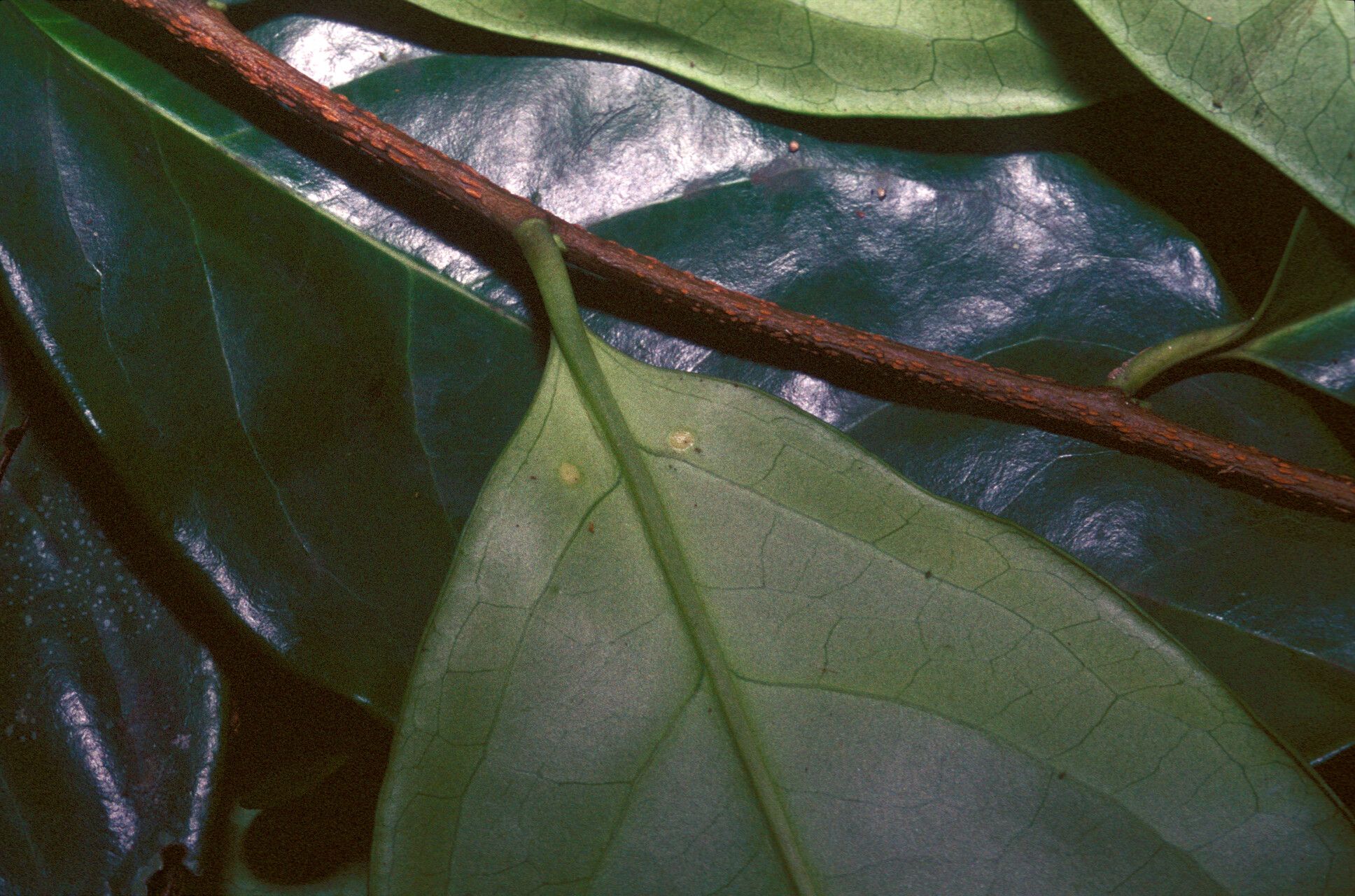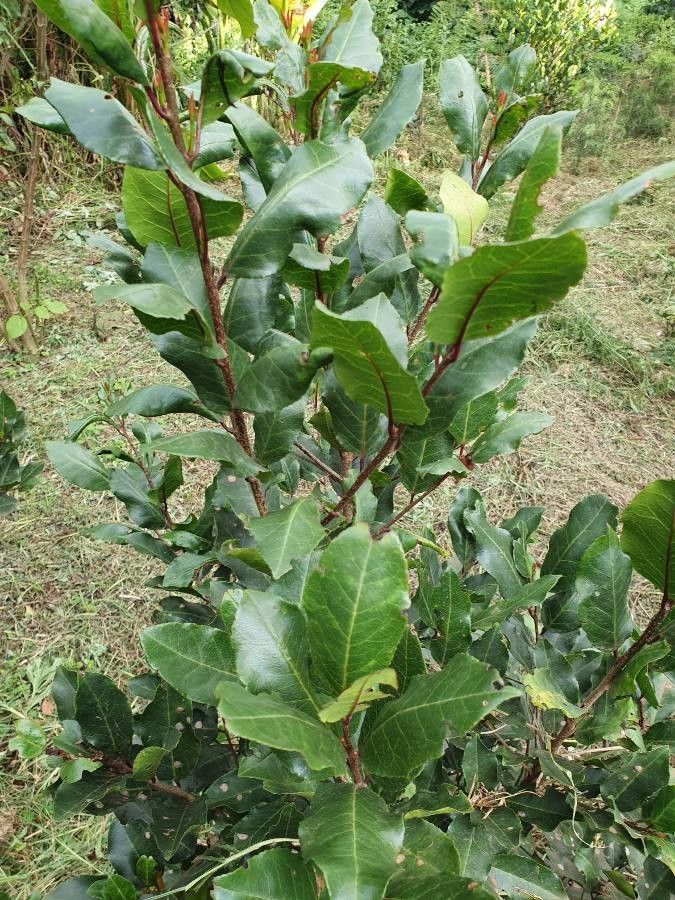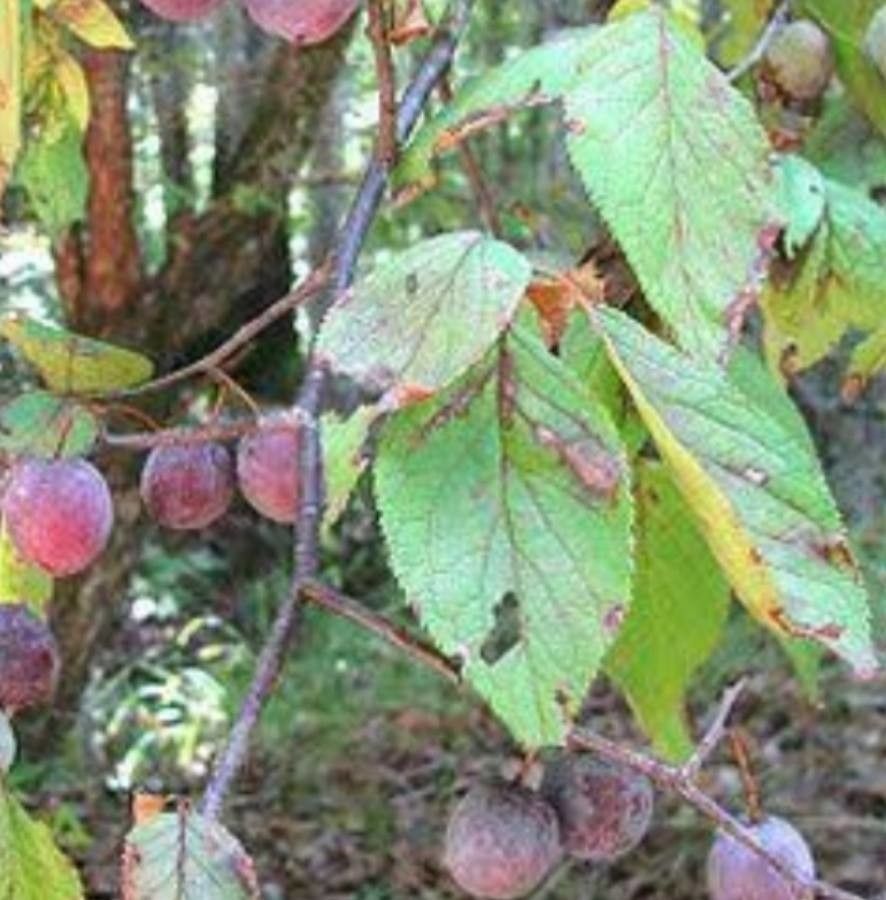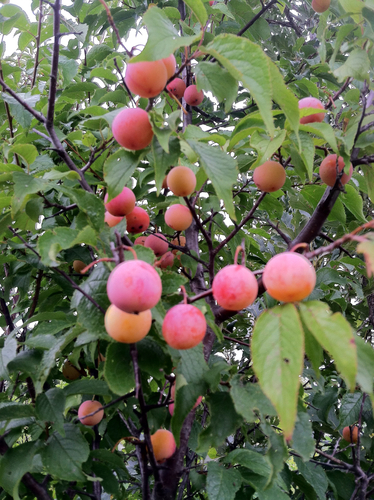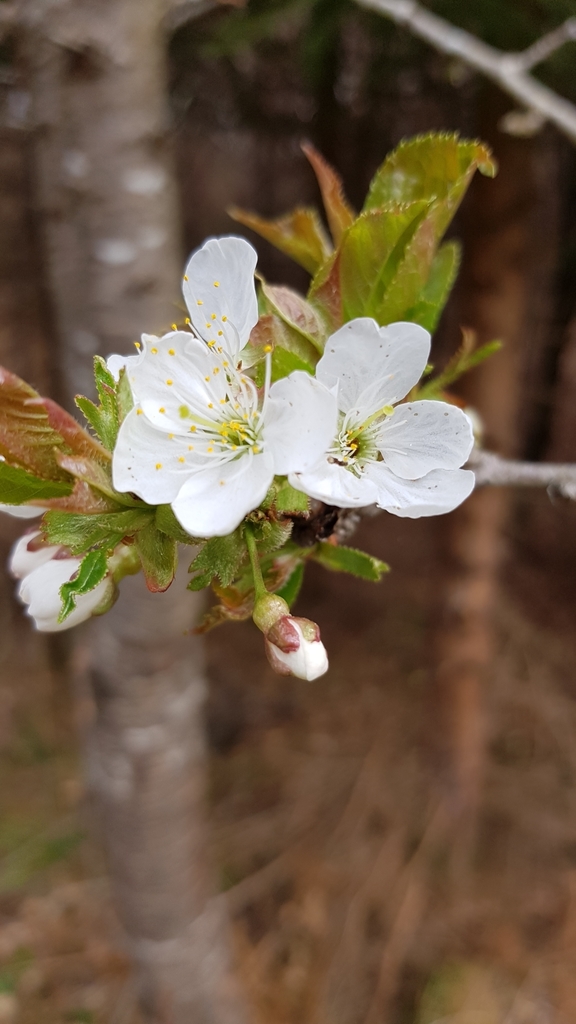
Prunus avium, commonly known as sweet cherry, is a deciduous tree that belongs to the Rosaceae family. It is native to Europe and western Asia but has been widely cultivated around the world for its delicious fruit. The tree can grow up to 30 feet tall and features a broad, spreading canopy with dark green leaves that turn yellow in autumn.
The sweet cherry fruit is round or heart-shaped with smooth skin that ranges from yellow to dark red. It has juicy flesh with a sweet flavor and can be enjoyed fresh or used in jams, pies, and other desserts.
Prunus avium prefers well-drained soil and full sun exposure but can tolerate some shade. It blooms in early spring with clusters of white or pink flowers, which are followed by fruit in late spring or early summer.
The tree is also valued for its ornamental qualities, providing beautiful blooms in the spring and lush foliage throughout the summer. Its wood is used for making furniture, musical instruments such as guitars and violins, and other decorative items.
Overall, Prunus avium offers both aesthetic value through its beautiful flowers and foliage, and nutritional value through its delicious fruits, making it an excellent addition to any garden or orchard.
Sweet cherry trees, known for their appealing red fruits, are a popular choice among cherry species. These trees draw attention when laden with ripe cherries, producing the well-loved cherry varieties we often enjoy. Their sweet and refreshing taste has earned them the name "sweet cherry," as they are favorites among many.
The sweet cherry is largely disease-resistant and is usually not susceptible to illnesses. Regarding care, this plant is fairly low-maintenance. When grown outdoors it needs only minimal watering, and larger specimens typically do not require pruning. Smaller plants, however, should be pruned after they have finished blooming. Sweet cherryt is appropriate for anyone with outdoor space, such as a garden or a deck, and does not demand much prior experience in plant care.
How to keep Prunus Avium.
Light
Sweet cherry favors unimpeded sunlight. Throughout its growth stages, plenty of sun promotes its health and development. In its native range, it commonly prospers in locations with plentiful light. Excessive exposure may harm the plant, as can insufficient light. Still, it tolerates moderate shade to some extent.
Water
Sweet cherries, native to temperate regions, thrive in well-draining soil with moderate watering needs, typically requiring water every 1-2 weeks. Once the plant is established, it becomes drought-tolerant. During the colder months, sweet cherry trees enter dormancy, leading to reduced water requirements as their metabolic activities slow down.
Humidity
This plant will thrive in moderate humidity, which is probably the level in your home. However, misting it a few times a week can be very beneficial. Make sure the room has good ventilation.
Temperature
Sweet cherry naturally occurs in areas with cool winters and mild summers. The plant does best at temperatures of 41 to 95 ℉ (5 to 35 ℃) and can withstand frost during its winter dormancy. In spring, 59 to 68 ℉ (15 to 20 ℃) is ideal for flowering. In hotter summers, moderate temperatures by providing shelter and shade.
Fertilizer
The sweet cherry plant needs adequate nutrients to achieve optimal fruit production. Fertilize in early spring to support new growth and bloom development. Regular fertilization helps the plant remain healthy, produce more delicious fruit, and prevents nutrient deficiency problems like yellowing leaves and poor fruit production.
Pruning
To ensure sweet cherry trees flourish, it's important to prune them strategically. This involves removing dead, diseased, or crossed branches to enhance air circulation and sunlight exposure. Pruning should be done in late winter to minimize stress on the trees, improve fruit quality, and prevent the spread of disease. This helps promote healthy growth and increases yield.
Botanical profile.
- Plant Type
- Tree
- Life Cycle
- Perennial
- Genus
- Prunus
- Family
- Rosaceae
- Hardiness Zone
- 5-9
- Mature Height
- 6.1 m to 24.99 m
- Mature Spread
- 7.92 m
- Leaf Color
- Green, Orange, Red
- Leaf Type
- Deciduous
- Flower Color
- White
- Flower Size
- 2.54 cm
- Bloom Time
- Mid spring, Late spring
- Planting Time
- Spring, Autumn
- Harvest Time
- Early summer, Mid summer
- Native Area
- Libya, Turkey, Sweden, Austria, Slovakia, Montenegro, Slovenia, Morocco, Croatia, Belarus, Russia, Germany, Romania, Belgium, Moldova, Portugal, Netherlands, France, Tunisia, Czech Republic, Bulgaria, Armenia, Poland, Greece, Ukraine, Serbia, Norway, Italy, Spain, Switzerland, Denmark, Iran, Albania, Ireland, United Kingdom, Hungary, Algeria, Azerbaijan
Other names.
Reader questions.
When should I water my sweet cherry?
Determining when to water your sweet cherry involves observing various signs. First, check the soil moisture level by inserting your finger about 2 inches into the soil; if it feels dry, it's time to water. Wilting or discoloration of the leaves are indicators of dehydration, as is the presence of cracked soil surface or fruit that appears smaller than expected or soft. Additionally, consider the weather patterns in your area; a prolonged period without rainfall necessitates watering. Be cautious of watering too early or too late to avoid risks like root diseases from over-watering or plant stress and possible death from under-watering.
Why is it necessary to put fertilizer on my Sweet cherry plant?
Plants, especially fast growing types, deplete the soil of nutrients as they continue to grow. Therefore, regular fertilization is necessary to provide Sweet cherry with the necessary nutrients for its health and the production of delicious fruit. If plants are not fertilized for an extended period, they may experience various problems. Nutrient deficiency can lead to issues with the foliage, such as yellow leaves or leaves with a reddish color. It can also result in deformities in leaf shape, withered tips, or dieback in large parts of the plant. Some nutrient deficiencies can even cause problems with the bark, slower growth, poor shoot development, and a lack of fruit production.
What are the sunlight requirements for sweet cherry plants?
Sweet cherry plants thrive best with plenty of unobstructed solar exposure. For optimal health and growth, they require over 6 hours of sunlight daily, classifying them as full sun plants. However, they can also manage in conditions offering about 3-6 hours of sunlight, known as partial sun. It's essential to observe how sunlight moves through your garden throughout the day, picking spots that ensure a balanced exposure for your plants. Too much or too little sunlight can be detrimental, but they do reasonably well in moderate shade as well.
What are the ideal growing conditions for sweet cherry?
Sweet cherry, or Prunus avium, thrives in environments with cool winters and mild summers, benefiting from temperatures ranging between 41 to 95°F (5 to 35°C). The plant has a notable cold resistance, allowing it to withstand frost during its dormant winter period without requiring special frost protection measures. Ideal flowering conditions in the spring are temperatures between 59 to 68°F (15 to 20°C). In regions with hotter summers, it's recommended to provide shelter and shade to adjust the temperature. Before the first freeze in autumn, watering the plant abundantly to ensure the soil is moist can help prevent drought and water scarcity during the winter and early spring.
How should I water my sweet cherry?
Watering your sweet cherry effectively requires a few key considerations. Ensure the soil around the plant remains consistently moist but not waterlogged by watering deeply and directly towards the plant's base, avoiding the foliage. A watering can with a long spout is ideal for precision, minimizing foliage wetness. Sweet cherry thrives in well-draining soil, so be sure any excess water can drain away easily to prevent root rot.
When should I fertilize my Sweet cherry tree?
The best time to fertilize Sweet cherry trees is in early spring, just before the buds start to appear. During this time, the tree uses the stored reserves from winter to grow new branches. Since a lot of energy is needed for the development of blooms, it is recommended to fertilize about 2 to 4 weeks before the expected blooming period. This allows enough time for the nutrients to be absorbed by the soil and distributed throughout the tree. While it is possible to continue fertilizing during spring, it is advised against fertilizing in autumn. This is because late foliage development can occur, which makes the leaves susceptible to damage during winter.
How can artificial lighting support sweet cherry indoor plants?
For sweet cherry plants growing indoors where natural sunlight is limited, especially during winter or in less sunny spaces, artificial lighting is a crucial alternative. It supports optimal growth by providing necessary light wavelengths, promoting healthier development. LED lights are recommended due to their adjustability to supply specific light wavelengths needed by plants. Full sun plants need 30-50W/sq ft, partial sun plants 20-30W/sq ft, and full shade plants 10-20W/sq ft of artificial light. The light source should be placed 12-36 inches above the plant, mimicking natural sunlight conditions, and it's advisable to keep the lights on for 8-12 hours per day to match natural daylight hours.
How should I protect sweet cherry from low temperatures?
Sweet cherry shows good tolerance to cold and typically doesn't require special frost protection measures during winter. However, if winter temperatures are expected to drop significantly, protecting the tree by wrapping the trunk and branches with materials like non-woven fabric or cloth is recommended. This precaution helps to prevent the branches from becoming brittle and dry when spring arrives, potentially leading to a lack of new shoots. Additionally, keeping the soil moist before the first freeze in autumn can help the plant during colder months.
How much water does sweet cherry really need?
The sweet cherry's water needs are determined by various factors including pot size, root depth, and plant size, with a medium-sized pot typically requiring about 1 to 1.5 liters of water per session. Proper hydration is reflected in lush, vibrant leaves and soil that feels evenly moist without being oversaturated. It's crucial to balance the watering regime to prevent both over and under-watering, which can result in yellowing leaves, root rot, or weakened growth.
When is it not a good idea to add fertilizer to my Sweet cherry tree?
Here are some tips for fertilizing Sweet cherry trees: 1. Avoid fertilizing in the first year of growth, and only provide fertilizer if necessary. 2. If you pruned 20% or more of the plant the previous year, do not fertilize. 3. Do not fertilize diseased or damaged plants, as it can do more harm than good. 4. Remember that fertilizer is not a cure-all and address the root cause of any issues before considering fertilization. 5. Avoid fertilizing after the peak of summer to prevent excessive growth before winter. 6. Do not fertilize Sweet cherry trees during hot and dry periods, as dry soil does not deliver fertilizer effectively. 7. Fertilizing during this time can stimulate growth that requires more water, which may not be available. 8. Apply fertilizer earlier in the season when temperatures are cooler. 9. Be cautious about inadvertently giving nearby plants or lawns a double-dose of fertilizer, as Sweet cherry trees can absorb it.
What are the symptoms of light deficiency or overexposure in sweet cherry plants?
Sweet cherry plants may show various symptoms if they receive too little or too much light. Light deficiency can lead to smaller leaves, leggy or sparse growth, faster leaf drop, slower or no new growth, and lighter-colored new leaves. Overexposure, on the other hand, may cause chlorosis (leaves turning yellow), sunscald (damage from intense light resulting in pale or necrotic areas on leaves), leaf curling, wilting (due to loss of water), and leaf scorching (brown, dry edges on leaves). These symptoms indicate that the plant's light conditions need to be adjusted to prevent further stress.
What should I do if my sweet cherry experiences high temperatures?
If the sweet cherry is exposed to temperatures above its tolerance during summer, the leaves may lighten in color, tips may become dry and withered, and the plant could be more susceptible to sunburn. To mitigate these issues, trim away any sunburned or dried parts of the plant. Moving the plant to a location with shade during the midday and afternoon sun or using a shade cloth can protect it from excessive heat. It is also advisable to water the plant in the morning and evening to maintain soil moisture and alleviate heat stress.