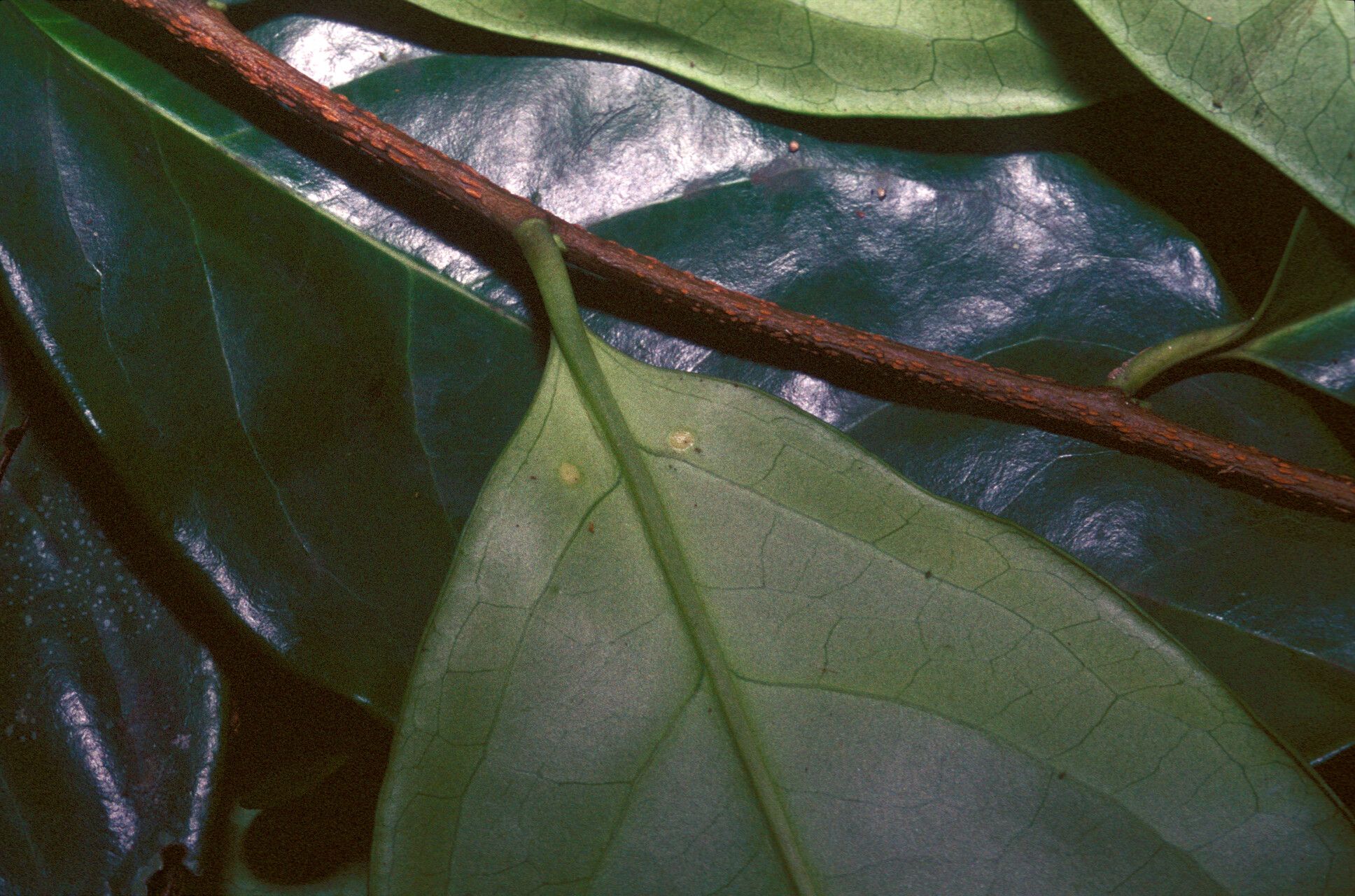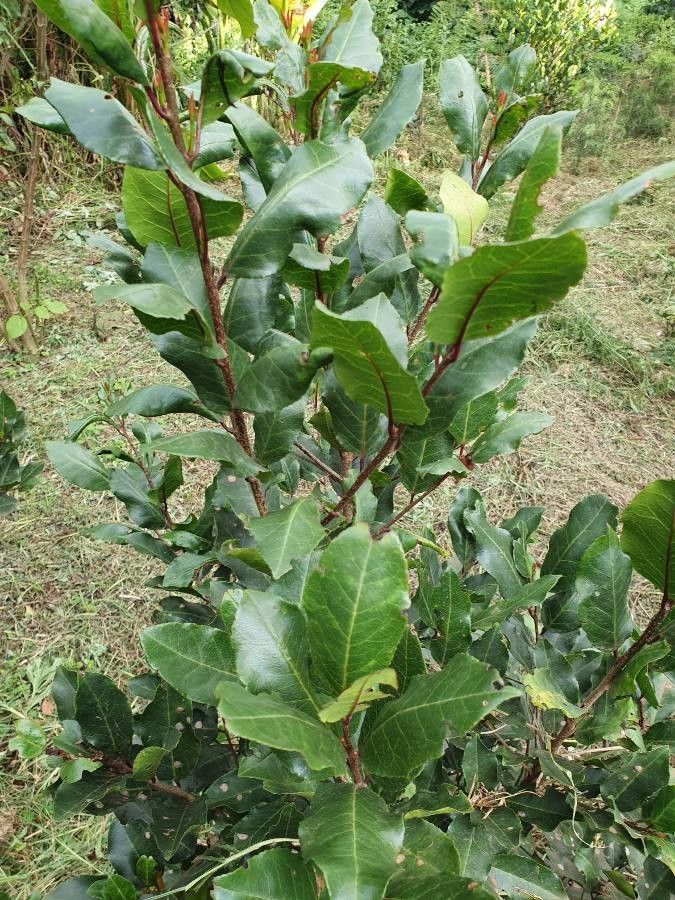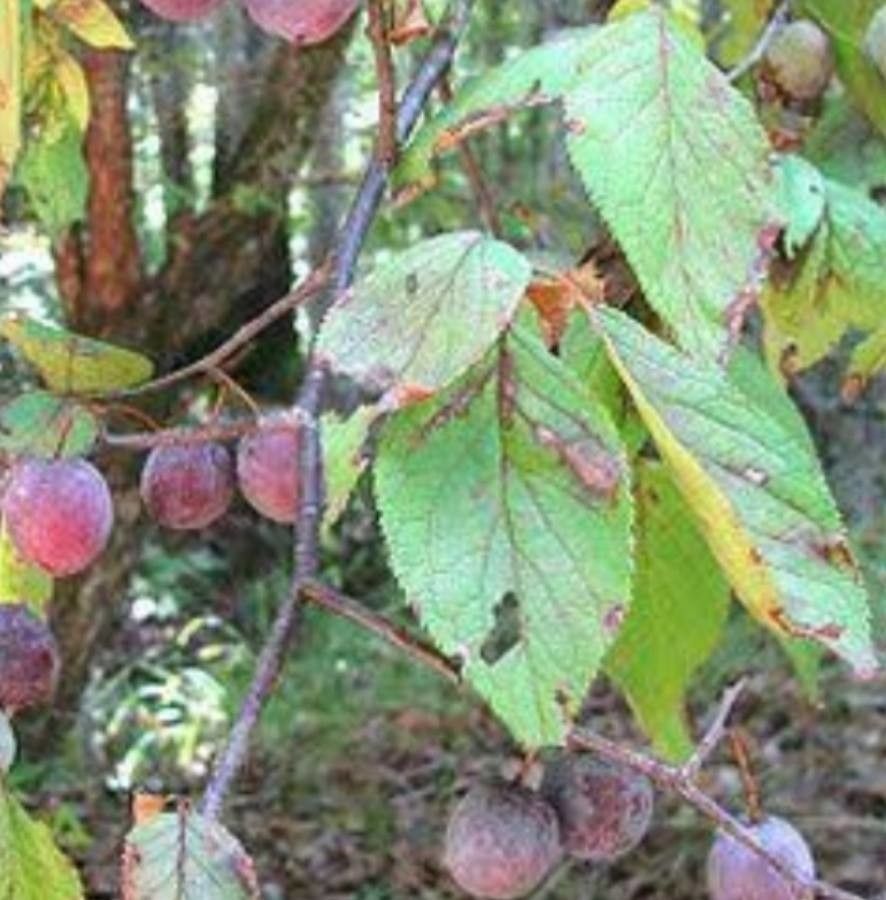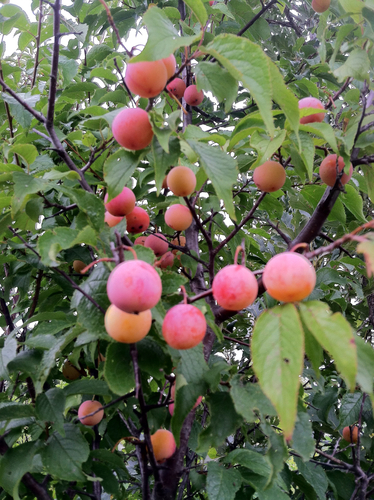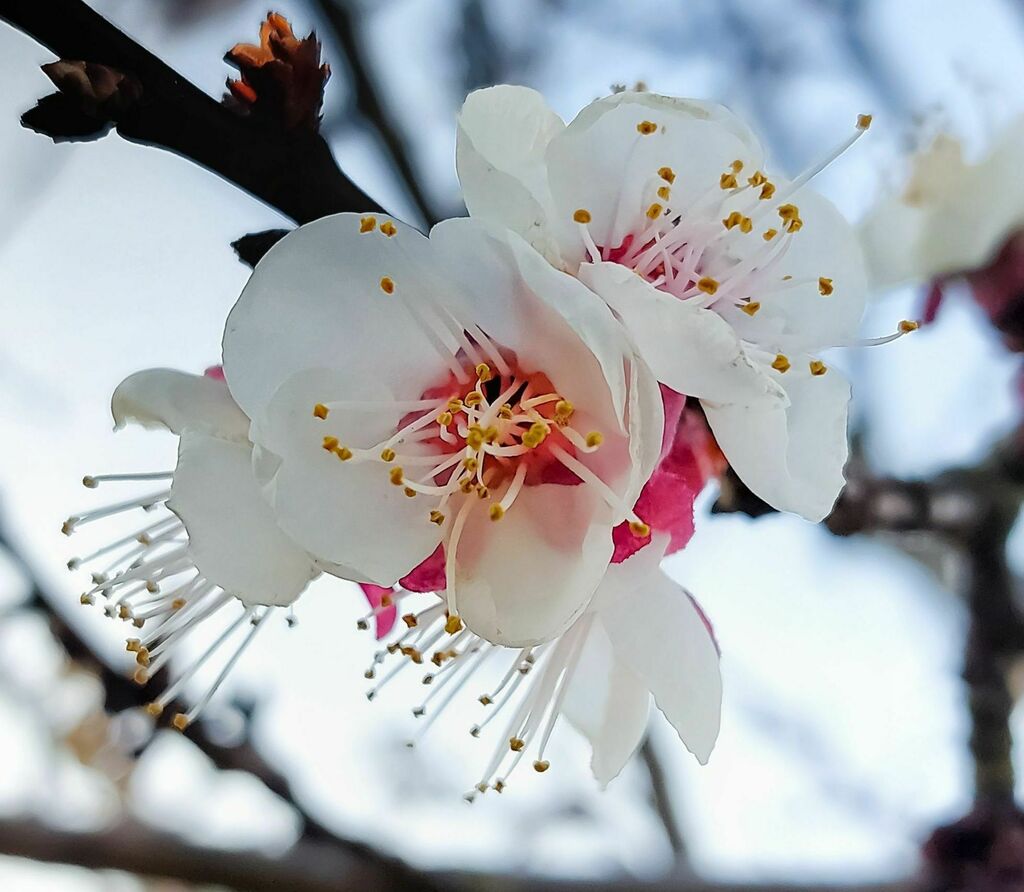
Prunus armeniaca, commonly known as the apricot tree, is a deciduous fruit tree in the Rosaceae family. Native to China and Central Asia, it has been cultivated for thousands of years for its delicious fruit. The apricot tree can grow to a height of 6-10 meters and features a spreading canopy with ovate leaves measuring 5-9 cm in length. Its pinkish-white flowers, each with five petals, bloom in early spring before the leaves appear.
The fruit of Prunus armeniaca is a drupe and varies in size from 2 cm to 4 cm, depending on the cultivar. It has a velvety skin that turns from yellow-orange to deep orange-red when ripe, with juicy flesh inside that contains a single large seed or pit.
Apricots are rich in vitamins A, C, and E, as well as potassium, fiber, and antioxidants, making them an excellent addition to any diet. They can be eaten fresh or dried, and are also used in making jams, pies, and tarts.
Apricots are enjoyed worldwide, except in Antarctica. However, their seeds contain a toxic compound called amygdalin, which some companies market as "Vitamin B17." When ingested, amygdalin is metabolized into cyanide in the body. The human body can generally tolerate the small amounts of cyanide produced by consuming apricot seeds. FUN FACT · FROM THE LIBRARY
For optimal growth, Prunus armeniaca requires full sun exposure and well-drained soil, though it can tolerate some shade. The tree is susceptible to pests like aphids and mites, but these can be managed with organic treatments such as neem oil spray.
In summary, Prunus armeniaca is a wonderful addition to any garden, not only for its delicious fruits but also for its ornamental value, making it a perfect choice for garden enthusiasts.
The origin of the Armenian plum is a subject of debate. This fruit was known in Armenia during ancient times and has been cultivated there for so long that many believe it originated in the region. Its botanical name, Prunus armeniaca, reflects this assumption, which is why it is commonly referred to as the Armenian plum.
Apricot is fairly resistant to disease and is usually not susceptible to illnesses. In terms of maintenance, this plant is fairly low-maintenance. When grown outdoors it needs only minimal watering, and larger specimens typically do not require pruning. Smaller plants, however, should be pruned after they have finished blooming. Apricott is appropriate for anyone who has an outdoor area, such as a garden or a deck, and it does not demand extensive gardening experience.
How to keep Prunus Armeniaca.
Light
The apricot plant does best and grows more vigorously when it receives continuous light throughout the day. It can tolerate some shade, but that can negatively affect its growth. Native to open landscapes, it became accustomed to abundant light, which shapes its ideal growth habit. Excessive light can cause leaf scorch, while too little light reduces flowering and fruiting.
Water
Apricots originate from temperate regions and prefer consistent moisture, though they can withstand short periods of drought. It is best to water apricot plants every 1-2 weeks, letting the soil dry out slightly between waterings. During the dormant colder months, the plant needs less water as it conserves resources.
Humidity
This plant will thrive in moderate humidity, which is probably the level in your home. However, misting it a few times a week can be very beneficial. Make sure the room has good ventilation.
Temperature
Apricot plants naturally thrive where average temperatures range from 20 to 30 ℃ (68 to 86 ℉). They can, however, tolerate temperatures as low as -30 ℃ (-22 ℉) during dormancy. In their growing season they prefer temperatures between 5 and 35 ℃ (41 and 95 ℉). In winter, protection should be provided if temperatures fall below -20 ℃ (-4 ℉) to prevent damage to the tree.
Fertilizer
The apricot plant needs adequate nutrients for optimal fruit production. Fertilize in early spring to encourage new growth and flower development. Regular feeding keeps the plant healthy, yields more delicious fruit, and prevents nutrient-deficiency problems such as yellow leaves and poor fruit production.
Pruning
To help apricots thrive, it's best to prune them in late winter. Start by removing any dead or diseased branches to improve air circulation and allow more light to reach the tree's interior. Thinning the canopy and trimming back vigorous shoots will also promote the tree's health and increase fruit yield. However, be careful not to prune too heavily, as this can stress the tree.
Pot & Repot
When repotting Apricot, select a pot 1-2 inches (2.5–5.1 cm) larger with ample drainage. Use a well-draining potting mix. Repot in spring or fall, making sure the root ball is slightly lower than the rim of the flower pot. Water thoroughly after repotting and place in a warm spot with indirect sunlight.
Botanical profile.
- Plant Type
- Tree, Shrub
- Life Cycle
- Perennial
- Genus
- Prunus
- Family
- Rosaceae
- Hardiness Zone
- 5-9
- Mature Height
- 3.05 m to 11.89 m
- Mature Spread
- 6.1 m
- Leaf Color
- Green
- Leaf Type
- Deciduous
- Flower Color
- White
- Flower Size
- 2.03 cm to 4.57 cm
- Bloom Time
- Mid spring, Late spring
- Planting Time
- Spring, Autumn
- Harvest Time
- Early summer, Mid summer
- Native Area
- Japan, China
Other names.
Reader questions.
How should I water my Apricot tree in the most effective way?
To ensure excellent root development in your plants, it's a good idea to place a garden hose at the base of the plant. Avoid spraying water directly on the leaves, as this can be detrimental. If your plants are outdoors and exposed to direct sunlight, keep in mind that the leaves will need more water. You can use bubblers or soaker hoses to effectively moisten the roots. When adding or removing plants, use soaker hoses that cover the entire garden or bed to ensure deep root penetration. After watering, make sure to drain any excess water and wait for the soil to dry before watering again. To prevent diseases, water at ground level instead of spraying the leaves. On sunny days, consider spraying the entire bush with water. Whether your plants are potted or in the ground, remember that Apricot plants prefer deep watering rather than light sprinkling.
Why do I need to add nutrients to my Apricot tree?
Plants need nutrients from the soil to grow, but the fast-growing types can quickly deplete these nutrients. So, it is important to regularly fertilize Apricot trees to give them an extra supply of nutrients. This not only keeps the trees healthy but also helps them produce more delicious fruit. When plants are not fertilized for a long time, they can face various issues. Nutrient deficiency can cause problems like yellow leaves, reddish color, shape deformities, withered tips, or even dieback in large areas of the plant. Additionally, it can also lead to bark disorders, slow growth, poor shoot development, and a lack of fruit production.
What are the sunlight requirements for an Apricot plant?
An Apricot plant requires full sun, which is defined as more than 6 hours of sunlight a day, to thrive and grow healthy. It can also grow under partial sun, about 3-6 hours of sunlight a day. It's crucial to observe how sunlight moves through your garden to find spots that offer a balance of light and shade, ensuring your plants grow happily.
What are the essential growth conditions for an Apricot plant?
The apricot plant, also known as Prunus armeniaca, thrives in environments where the average temperature ranges from 20 to 30°C (68 to 86°F). It is capable of withstanding temperatures as low as -30°C (-22°F) during its dormant phase. For optimal growth, the temperature should be between 5 to 35°C (41 to 95°F) throughout its growing season. Although the apricot plant has strong cold resistance, it's advisable to protect it if winter temperatures are expected to fall below -20°C (-4°F). This might include wrapping the trunk and branches with insulating materials such as non-woven fabric. Additionally, it's recommended to water the plant abundantly before the first freeze of autumn to ensure the soil remains moist, enhancing the plant's resilience against drought and water scarcity in colder months.
What should I do if I give too much or too little water to an Apricot plant?
When an Apricot plant is overwatered, it can display yellowing, dropping, and wilting leaves, as well as a dull and unhealthy appearance with mushy stems. In such cases, it is advisable to adjust your watering schedule accordingly. However, wilting can also be a sign of under watering, characterized by crispy and dry leaves. To address this, check the soil for dryness and give the plant a thorough watering when necessary. Although enough water will help the Apricot recover, the damaged root system may result in continued dryness and yellowing leaves for a few days. Once the plant returns to normal, the yellowing of leaves will cease. When caring for Apricots indoors, it is important to regularly check the moisture levels in the pot and avoid overwatering. Look out for black spots on the leaves, and if present, allow the soil to dry out by refraining from watering for a few days. Overwatering can lead to root rot, indicated by discolored and slimy roots. If root rot is detected, consider transplanting the plant to a different pot and preventing excessive moisture in the soil. For Apricot plants grown outdoors, ensure that the soil is adequately moist by digging a little deeper during planting. If the soil feels too dry, it may signify underwatering, in which case the plant requires sufficient watering to aid in its recovery.
When should I fertilize my Apricot tree?
The best time to fertilize your apricot tree is in early spring, right before the buds emerge. During winter dormancy, the tree uses its stored reserves to grow new buds. To support the development of blooms, it's important to provide enough energy through fertilization about 2 to 4 weeks before the expected blooming period. This allows the nutrients to penetrate the soil and be absorbed by the plant. While you can continue to fertilize during the spring, it's not recommended to do so in autumn. Fertilizing in autumn can cause excessive foliage growth late in the season, making the leaves vulnerable to damage during winter.
How does continuous light exposure affect Apricot plants?
The Apricot plant benefits from continuous light exposure throughout the day for better growth and health. While it can handle some shade, too little light can negatively impact its growth. Originating from open landscapes where it is accustomed to abundant light, the Apricot's optimal growth habit is influenced by plentiful sunlight. However, overexposure to sun can cause leaf scorch, and inadequate light may affect flowering and fruiting.
How do low temperatures affect the Apricot plant, and what measures can be taken?
The Apricot plant is known for its cold tolerance, performing best when temperatures are above its minimum growth threshold. During winter, maintaining temperatures above the critical low is essential to avoid damage. If temperatures dip below this critical threshold, you might not notice immediate changes during winter, but come spring, the branches may become brittle and dry, leading to a lack of new shoot emergence. To combat this, it's suggested to prune any dead branches in the spring that have failed to produce new leaves, ensuring healthier growth and maintenance.
How much water does my Apricot need?
To properly water apricot plants, especially those planted in pots, it is best to give them a gallon of water at a time and ensure that the soil is soaked. Since the soil in pots tends to dry out faster, watering every 3 to 5 days is necessary, especially in colder regions. The ideal time to water is early in the morning when the soil is dry. You can check if the plant needs watering by examining the top 2-3 inches of soil, and if it is dry, it is time to water the plant thoroughly. During hot days, it is important to check the moisture daily as the heat can quickly dry out the pot's soil. In case you have a garden, irrigation of the soil is also required. If you live in a hot climate, watering once a week should suffice, but make sure the soil is about 2 to 3 inches dry before watering. Be cautious not to overwater if there has been a lot of rainfall to avoid root rot. To conserve more water, especially when the apricot plants are outdoors, adding 3 to 4 inches of mulch can be beneficial. Keep in mind that sandy soil drains faster, so more frequent watering is necessary. On the other hand, with clay soil, watering can be less frequent, allowing the plant to dry out for 2-3 days without risking root rot. To track your watering schedule, you can mark the date on the calendar and pay attention to the leaves drooping, as this indicates that watering might be needed.
When is the best time to not fertilize my Apricot tree?
Here are some tips for fertilizing Apricot plants: 1. In the first year of growth, it's best to avoid fertilizing Apricot altogether. Only provide fertilizer if it is absolutely necessary. 2. If you pruned 20% or more of the plant the previous year, do not fertilize. 3. Do not fertilize plants that are diseased or damaged, as this can make the problem worse. Instead, address the root cause before considering fertilization. 4. Avoid fertilizing after the peak of summer, as this can lead to excessive growth right before winter. 5. During hot and dry times of the year, it's best not to fertilize Apricot. Dry soil is not as effective at delivering fertilizer, and stimulating growth during this time can put additional strain on water resources. 6. It's best to apply fertilizer earlier in the season when temperatures are cooler. 7. Be mindful that Apricot plants can absorb fertilizer that has been applied to nearby plants or lawns. Be cautious to avoid accidentally giving plants a double-dose of fertilizer.
Can artificial lighting be used for Apricot plants, and how?
Yes, artificial lighting can be a vital solution for Apricot plants when natural sunlight is insufficient, especially during winter or in less sunny spaces. Indoor plants benefit from LED lights, which can mimic specific wavelengths needed for plant growth. Full sun plants require 30-50W/sq ft, partial sun plants need 20-30W/sq ft, and full shade plants require 10-20W/sq ft of artificial light. The light source should be placed 12-36 inches above the plant, and the duration should mimic natural daylight hours, typically 8-12 hours per day.
How does high temperature affect the Apricot plant, and what solutions are available?
During the warmer months, it is crucial to keep the Apricot plant's environment below the maximum suitable growth temperature to prevent stress and damage. Exceeding the tolerable maximum temperature can cause the leaves to lighten in color, edges to dry and wither, and increase the plant's susceptibility to sunburn. To protect your plant, trim away any sun-damaged sections and relocate it to a shaded area during the peak sun hours, or alternatively, utilize shade cloth. Regular watering in the early morning and late evening can help keep the soil at a consistent moisture level, further mitigating heat stress.