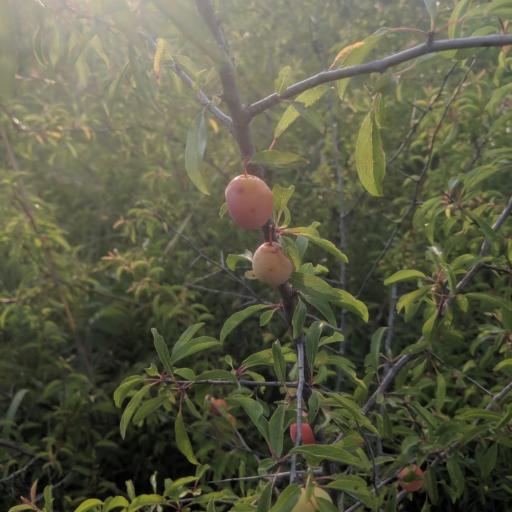
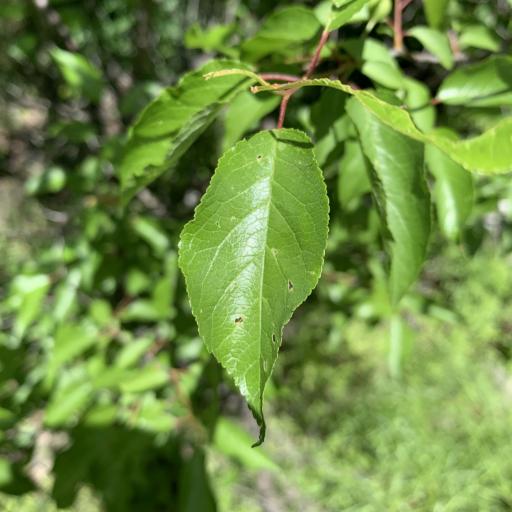
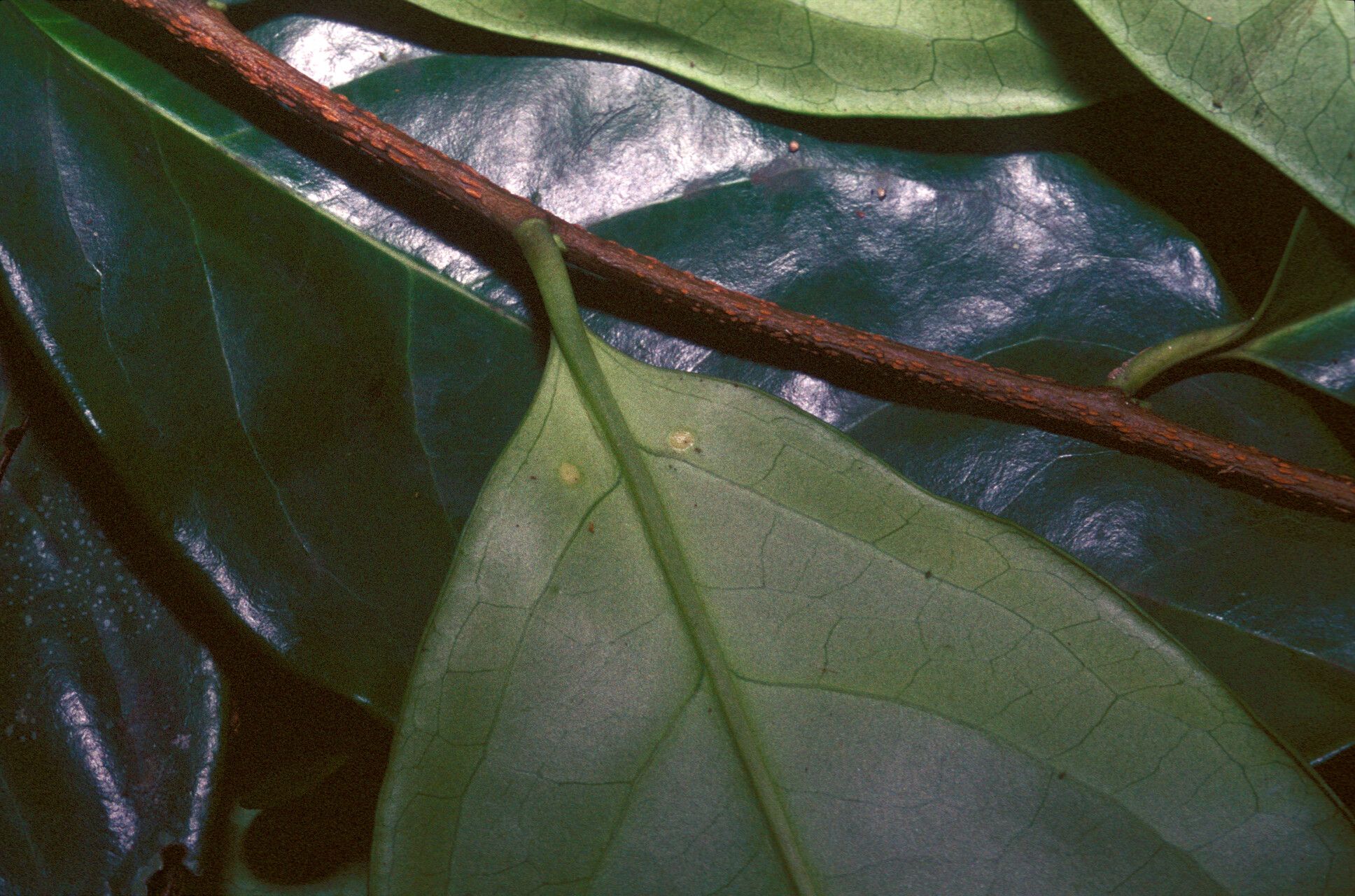
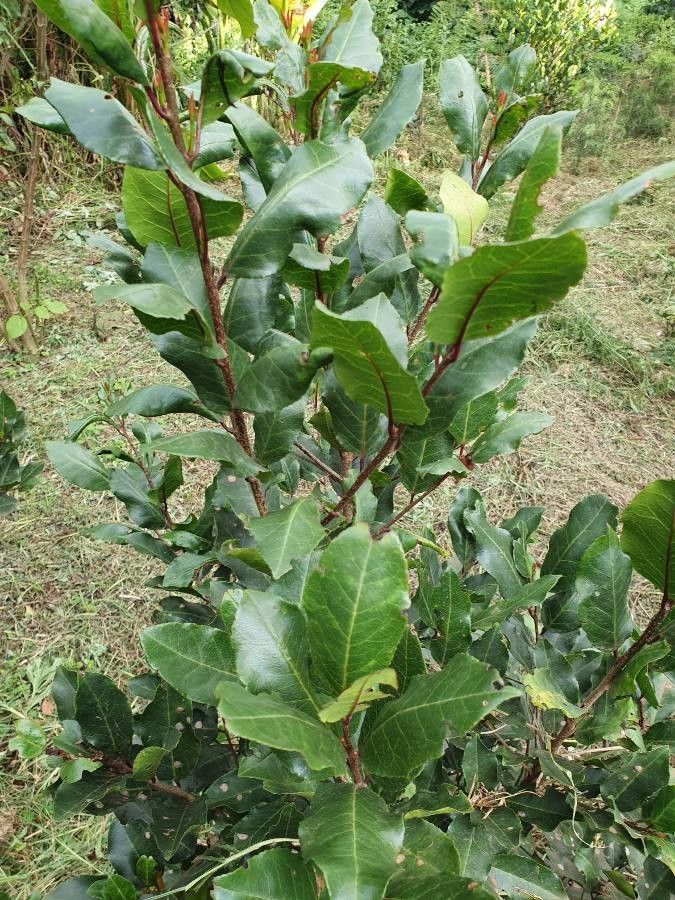
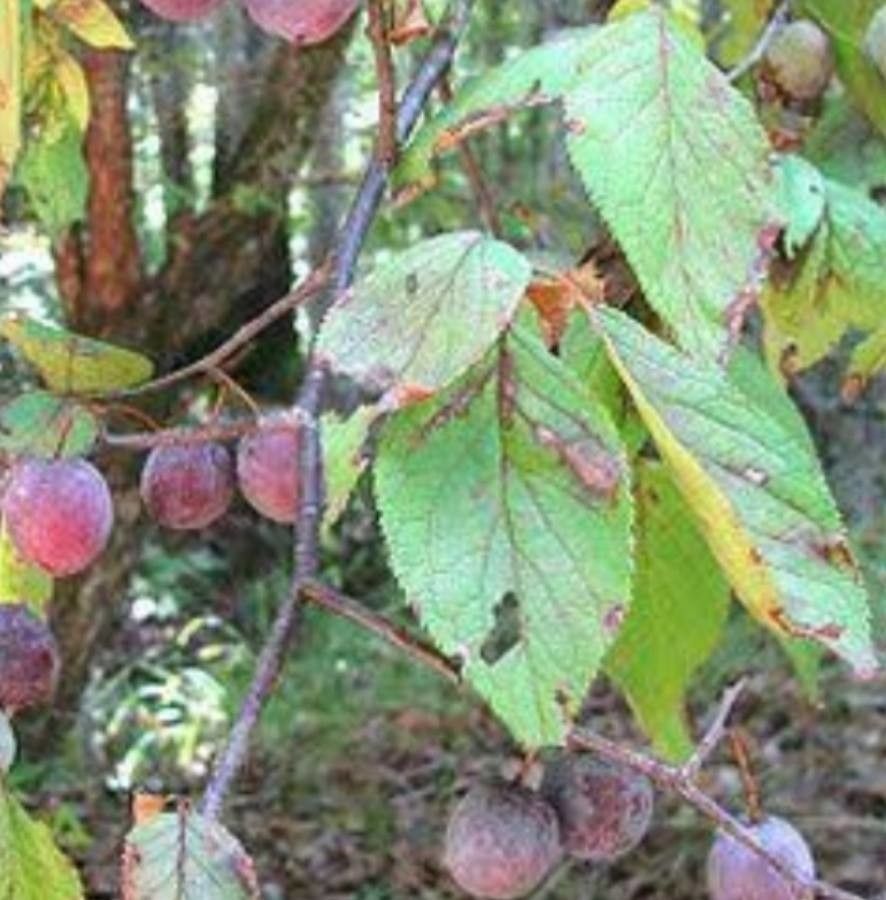
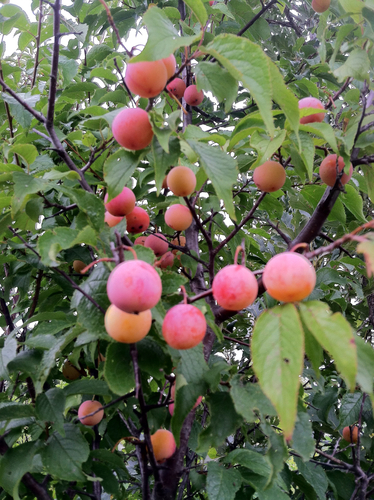
Prunus angustifolia, known commonly as Chickasaw plum, Cherokee plum, Florida sand plum, sandhill plum, or sand plum, is a North American species of plum-bearing tree. It was originally cultivated by Native Americans before the arrival of Europeans While Prunus is the classical name for European plums, angustifolia refers to its narrow leaves.
The Chickasaw plum has strong disease resistance and is usually not susceptible to diseases. In terms of care, this plant is fairly low-maintenance. Planted outdoors, it needs only minimal watering, and larger specimens typically do not require pruning. Smaller plants, however, should be pruned after they have finished blooming. The Chickasaw plum is appropriate for anyone with an outdoor area, such as a garden or deck, and does not demand extensive care experience.
How to keep Prunus Angustifolia.
Light
The chickasaw plum does best in locations where it receives sunlight for most of the day. It is somewhat resilient and can tolerate situations with only moderate sun exposure. Too little sun can compromise the plant's health, while too much can cause plant stress.
Temperature
The chickasaw plum's native growth environment corresponds to a temperature range of 5 to 35 ℃ (41 to 95 ℉). The plant likewise prefers that range for optimal growth. Throughout the seasons, it is important to keep moderate temperatures and provide adequate ventilation to prevent heat stress and frost damage.
Fertilizer
Fertilize your Chickasaw plum in early spring to encourage healthy growth. Regular fertilization improves overall health, leading to vigorous development, greater tolerance of difficult conditions, and enhanced resistance to pests and diseases. Follow a specific fertilization schedule for your Chickasaw plum to keep foliage vibrant, richly colored, and lush in appearance.
Pot & Repot
When repotting Chickasaw plum, select a pot 1-2 inches (2.5–5.1 cm) larger with ample drainage. Use a well-draining potting mix. Repot in spring or fall, ensuring that the root ball is slightly lower than the rim of the flower pot. Water thoroughly after repotting and place in a warm spot with indirect sunlight.
Botanical profile.
Other names.