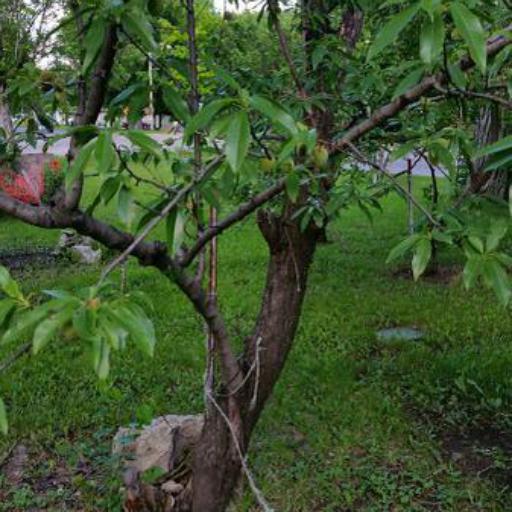
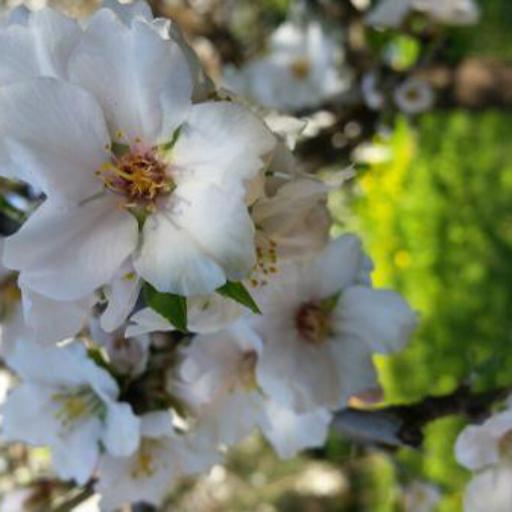
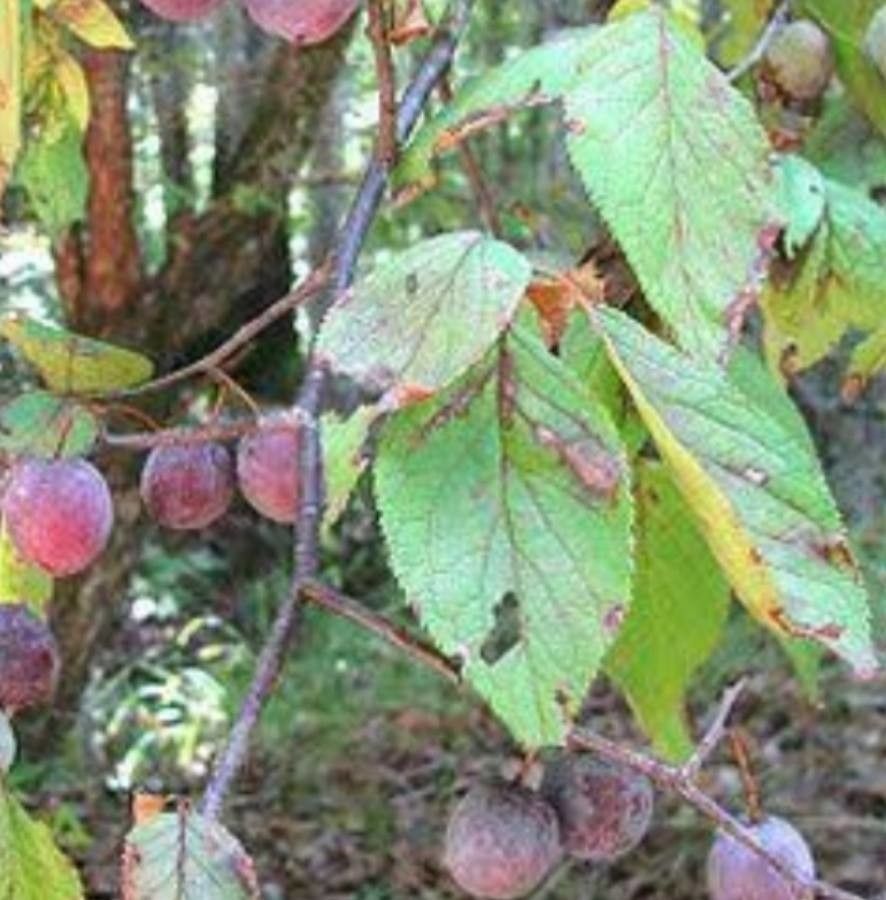
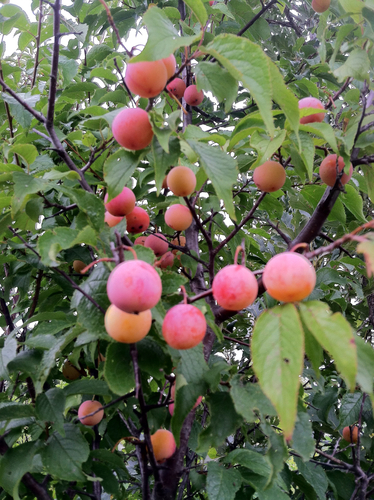
The almond is a species of tree from the genus Prunus. Along with the peach, it is classified in the subgenus Amygdalus, distinguished from the other subgenera by corrugations on the woody shell (endocarp) surrounding the seed.
Almond shows strong resistance to disease and is typically not susceptible to illnesses. Regarding care, this plant is fairly low-maintenance. When grown outdoors it needs only light watering, and larger specimens usually do not require pruning. Smaller specimens, however, should be pruned after they finish blooming. Almondt is well suited for anyone with an outdoor area, such as a garden or a deck, and does not demand much experience in plant care.
How to keep Prunus Amygdalus.
Light
Almond grows best in a setting that gets plenty of daylight. This greatly improves its overall growth and health. In its natural habitat, the plant evolved to tolerate continuous exposure to sunlight. Both excessive and insufficient light can hinder its healthy growth.
Humidity
This plant will thrive in moderate humidity, which is probably the level in your home. However, misting it a few times a week can be very beneficial. Make sure the room has good ventilation.
Temperature
Almonds originate from temperate climates and prefer a temperature range of 50 to 89.6 °F (10 to 32 ℃). In colder seasons, it would be beneficial to adjust the environment to match these conditions for optimal growth.
Fertilizer
The almond plant needs adequate nutrients for optimal fruit production. Apply fertilizer in early spring to encourage new growth and bloom development. Regular fertilization keeps the plant healthy, results in more delicious fruit, and prevents nutrient-deficiency problems like yellow leaves and poor fruit production.
Botanical profile.
- Plant Type
- Tree
- Life Cycle
- Perennial
- Genus
- Prunus
- Family
- Rosaceae
- Hardiness Zone
- 6-8
- Mature Height
- 4.88 m to 7.92 m
- Mature Spread
- 4.88 m
- Leaf Color
- Green, Yellow
- Leaf Type
- Deciduous
- Flower Color
- White, Pink
- Flower Size
- 3.05 cm to 5.08 cm
- Bloom Time
- Early spring, Mid spring
- Planting Time
- Spring, Autumn
- Harvest Time
- Mid summer
- Native Area
- Uzbekistan, Nepal, Tajikistan, Syria, Turkey, Kyrgyzstan, Kazakhstan, Iraq, India, Bhutan, Iran, Pakistan, Turkmenistan, Lebanon
Other names.