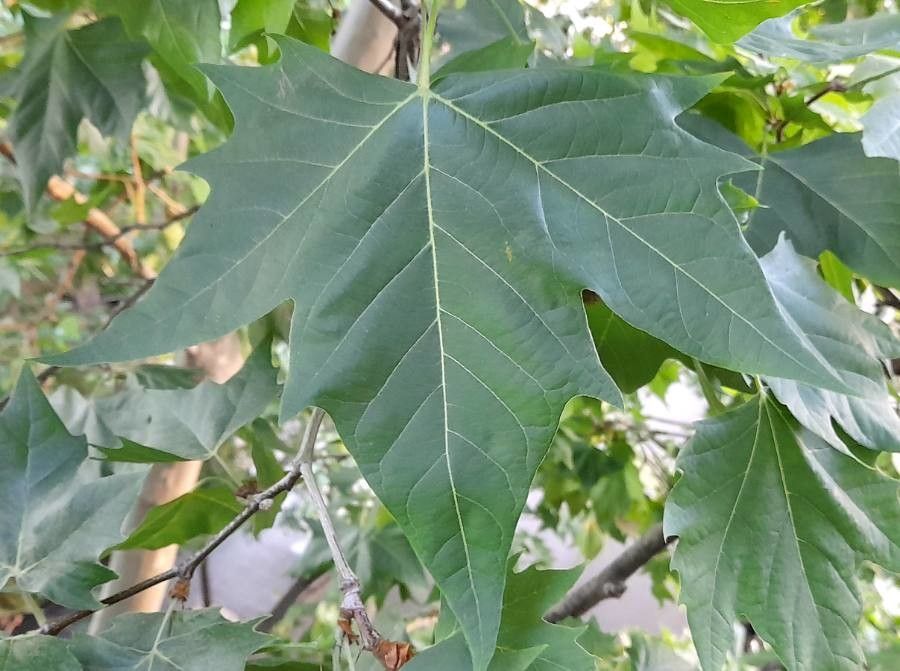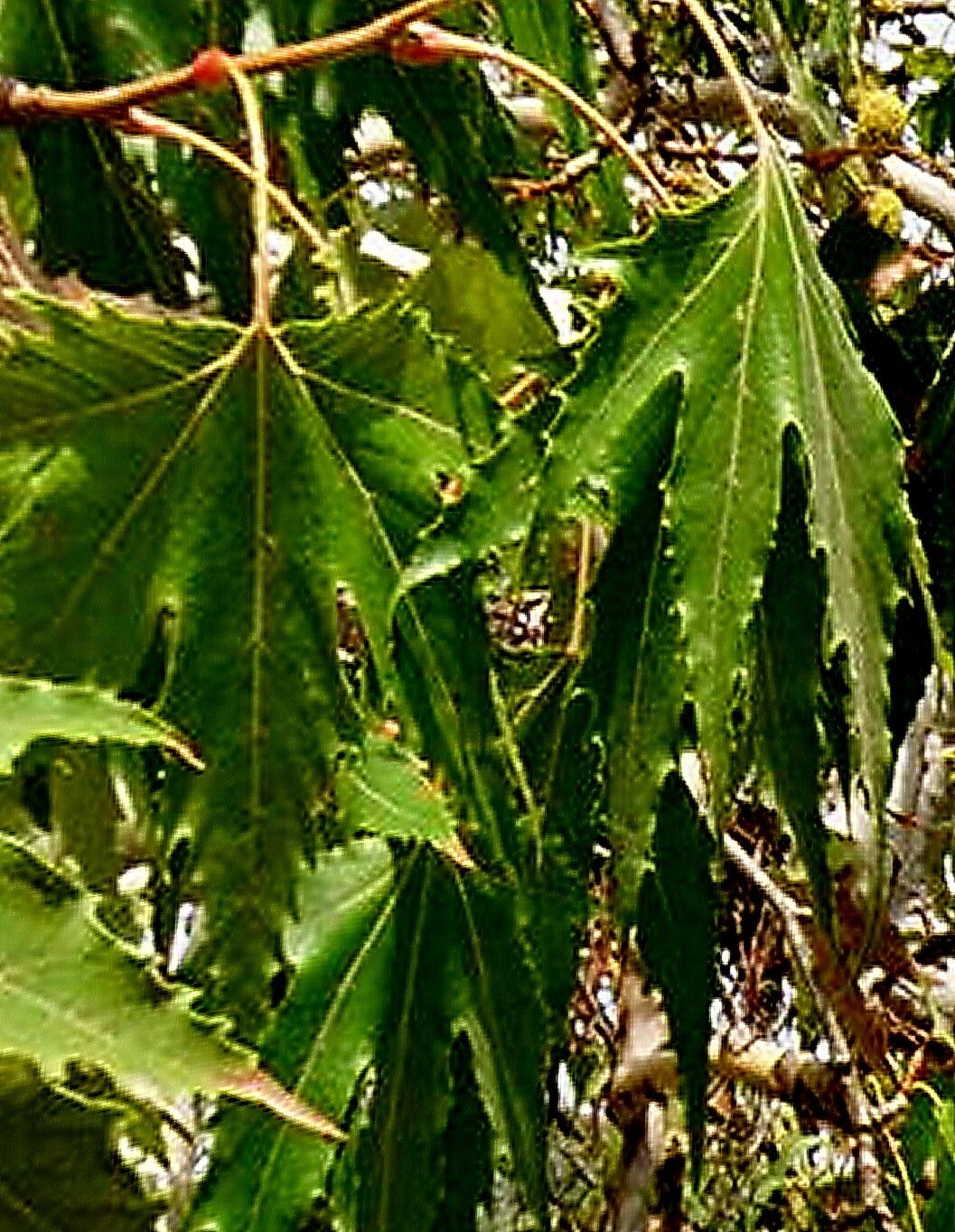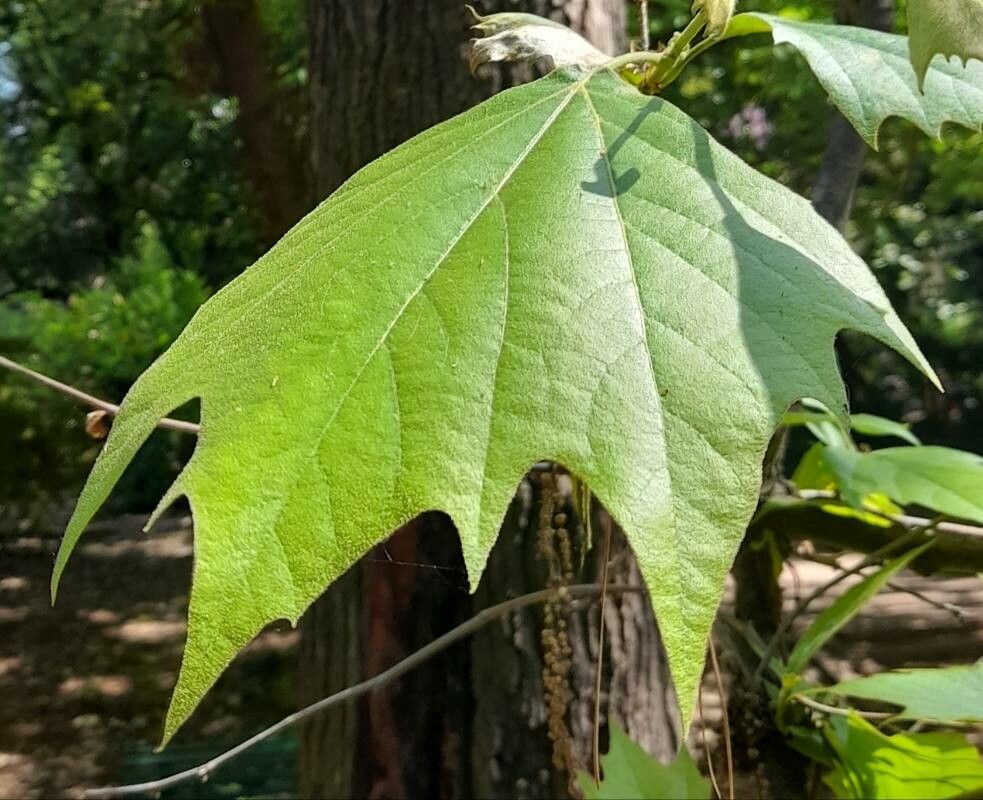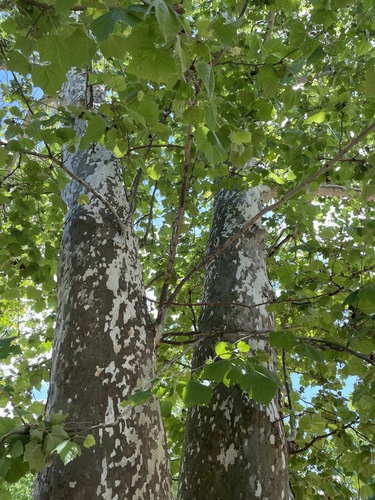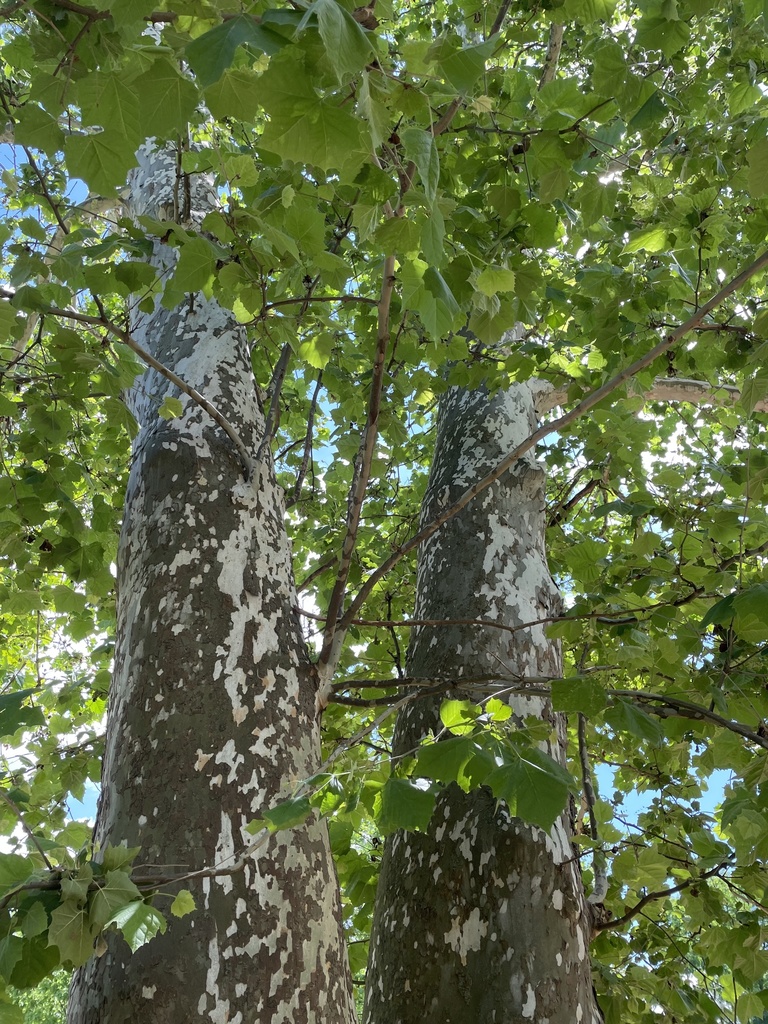
Platanus orientalis, the Old World sycamore or Oriental plane, is a large, deciduous tree of the Platanaceae family, growing to 30 m (98 ft) or more, and known for its longevity and spreading crown. In autumn its deep green leaves may change to blood red, amber, and yellow.
Oriental plane is resistant to many diseases and is generally not susceptible to them. Regarding care, this plant is fairly low-maintenance. When grown outdoors, it needs little watering, and larger plants typically do not require pruning. However, smaller plants should be pruned after they bloom. Oriental planet is suitable for anyone with an outdoor area, such as a garden or deck, and does not need much gardening experience.
How to keep Platanus Orientalis.
Light
The oriental plane does best in full sun all day, though it can also persist when exposed to sunlight for only part of the day. Native to sunlit habitats, these trees favor a bright environment. However, too much sun can cause sunscald, while extended shade may slow their growth.
Water
The Oriental plane thrives in temperate climates, where it requires moderate moisture but can also tolerate drought. To support its efficient water retention, it should be watered every three weeks. This tree prefers well-draining soil and is resilient in various conditions, but it is important to avoid waterlogging to ensure optimal growth.
Temperature
The Oriental plane is native to climates where temperatures range from 50 to 95 °F (10 to 35 ℃). It does best under these conditions, though it can tolerate slight variations. Seasonal adjustments to temperature may be necessary to maintain optimal conditions.
Fertilizer
Fertilize your Oriental plane in early spring to encourage healthy growth. Regular feeding improves overall health, producing vigorous growth, increased tolerance of harsh conditions, and better resistance to diseases and pests. Keep a consistent fertilization schedule for your Oriental plane to maintain vibrant, deeply colored foliage and a lush appearance.
Pruning
The Oriental plane is a deciduous tree known for its broad leaves and attractive bark. To maintain its health, prune the tree in early spring to remove any dead or crossing branches. Focus on light maintenance pruning to improve airflow and sunlight exposure. Regular pruning strengthens the tree's structure and reduces the risk of disease.
Toxicity
Platanus orientalis has no toxic effects reported.
Further reading →
The toxicity and danger assessments provided are for reference only. We do not assure their accuracy, so it's crucial not to depend on them. Seek professional advice when necessary for accurate guidance.
Botanical profile.
- Plant Type
- Tree
- Life Cycle
- Perennial
- Genus
- Platanus
- Family
- Platanaceae
- Hardiness Zone
- 6-10
- Mature Height
- 29.87 m
- Mature Spread
- 29.87 m
- Leaf Color
- Green
- Leaf Type
- Deciduous
- Flower Color
- Tan
- Flower Size
- 2.03 cm to 3.05 cm
- Bloom Time
- Late spring, Early summer
- Planting Time
- Spring, Autumn
- Harvest Time
- Mid summer, Late summer
- Native Area
- Tajikistan, Turkey, Montenegro, Cyprus, Bulgaria, Greece, Croatia, Slovenia, Lebanon, Uzbekistan, Russia, Serbia, Afghanistan, Iraq, Syria, Italy, Iran, Albania, Azerbaijan, Turkmenistan
Other names.
Reader questions.
What's the best way to water my Oriental plane tree?
To ensure excellent root development, place a garden hose at the base of the plant rather than directly spraying the leaves. If the plant is outdoors in direct sunlight, the leaves will need more watering. You can also use bubblers or soaker hoses to moisten the roots and cover the entire garden or bed. After adding or removing plants, water deeply and allow excess water to drain before watering again. It is best to water at ground level to prevent diseases. On sunny days, consider spraying the entire bush with water. Whether potted or in-ground, remember that Oriental plane plants prefer deep watering over light sprinkling.
Why do I have to use fertilizer on my Oriental plane tree?
No matter which type of Oriental plane tree you have, regular fertilization is crucial for ensuring its overall health. By providing the right nutrients, you can promote stronger growth and enhance its ability to withstand difficult growing conditions, as well as resist diseases and pests. Maintaining the foliage of your Oriental plane is important for its aesthetic appeal. To achieve this, it is essential to establish a specific and consistent fertilization routine that caters to the needs of your particular tree. This will encourage the development of vibrant, lush leaves with a deep color.
How much sunlight is required for optimal plant growth?
Optimal plant growth requires varying degrees of sunlight, depending on the plant's specific needs. Full sun plants thrive with more than 6 hours of direct sunlight per day, while partial sun plants need about 3-6 hours. It's essential to watch how sunlight moves through your garden, choosing spots that provide a perfect balance of light and shade, to ensure that your plants grow healthy and strong.
What is the native climate for the Oriental plane?
The Oriental plane (Platanus orientalis) is native to climates with a temperature range of 50 to 95 °F (10 to 35 °C). It thrives best under these conditions and can adapt to modest fluctuations. These trees have a strong cold resistance, allowing them to withstand most winter conditions without special frost protection measures. However, in areas where temperatures are expected to drop below -25°C, it's important to protect them by wrapping the trunk and branches with insulating materials. Additionally, ample watering before the first freeze helps prevent drought stress during colder months.
What should I do if I give the Oriental plane tree too much water or too little water?
An overwatered Oriental plane may show several signs of distress. The leaves may turn yellow, drop off, and become wilted. The plant's overall appearance may appear drab and unhealthy, with mushy stems. When these symptoms start to appear, it is advisable to adjust your watering schedule when feasible. However, wilting can also indicate under watering. In this case, the leaves may become crispy and dry instead of soft and wilted. If the soil is dry and simply watering is not sufficient, it is recommended to thoroughly water the plant. Adequate watering can help the Oriental plane recover. However, even after recovery, the plant may still display dryness and yellowing leaves due to damage to the root system. Eventually, the yellowing leaves will cease. When keeping an Oriental plane indoors, it is essential to regularly assess the moisture levels in the pot. Be cautious not to overwater. If black spots are observed on the plant, allow the soil to dry by refraining from watering it for a few days. Overwatering can lead to root rot. If root rot is evident, it may be necessary to transfer the plant to a different pot, especially if discolored and slimy roots are observed. It is important to actively prevent root rot by avoiding overly soggy soil. When planting an Oriental plane outdoors, it is advisable to dig a little deeper. If the soil feels excessively dry when checked with your fingers, it may indicate that the plant is being underwatered. Adequate watering is crucial for the plant's recovery.
When should I fertilize my Oriental plane tree for the best results?
To properly care for your Oriental plane tree, it is recommended to fertilize it for the first time in late winter or early spring. This will provide the necessary nutrients for healthy growth once the weather warms up. Additionally, if you live in a warm climate region, it can be beneficial to give your tree an extra round of fertilizer in early fall. This will provide added nutrients for the following growing season and help the tree better withstand winter cold without damage. Fertilizing earlier will also promote the growth of new branches that can withstand the chilly winter temperatures.
Can the Oriental Plane tree grow in both full sun and partial sun conditions?
Yes, the Oriental Plane tree can thrive under both full sun and partial sun conditions. It prefers the full intensity of the sun throughout the day but can also survive with sunlight exposure for only part of the day. Originating from sun-filled ancestral habitats, these trees can tolerate a range of sunlight conditions, though excessive sunlight may lead to sunscald, and prolonged shade could result in slowed growth.
How does the Oriental plane react to low temperatures?
The Oriental plane is cold-tolerant, thriving best when temperatures are above 10°C and should be kept above -15°C during winter. Despite its resilience, when temperatures fall below -25°C, the tree may not show immediate damage, but come spring, its branches can become brittle and dry, failing to produce new shoots. The recommended solution for this is to prune away any dead branches in the spring that have not produced new leaves.
How frequently should I water my Oriental plane?
The Oriental plane tree prefers to be watered deeply but less often. For potted plants, soak them in a gallon of water each time to account for the limited water storage. In cold regions, water every 3 to 5 days, ideally in the morning when the soil is dry. Look for dry soil about 2-3 inches down as an indication that watering is needed. On hot days, check for moisture daily to prevent soil from drying out. In a garden, water once a week in hot climates when the top 2-3 inches of soil become too dry. Take rainfall into account to avoid overwatering and root rot. Use mulch to conserve water when planting outdoors. Sandy soil requires more frequent watering, while clay soil can go 2-3 days without watering to prevent root rot. Keep track of watering dates and watch for drooping leaves as a sign of needing water.
When is it not a good time to fertilize my Oriental plane tree?
There are a few specific times in the year when you should avoid fertilizing your Oriental plane. The first is during the early and mid-winter months, when the plant is dormant and doesn't need any nourishment. It's also not a good idea to fertilize during late spring and summer, as the weather is typically hotter and drier. These conditions can negatively affect the plant's response to fertilization. To prevent any problems, it's best to stick to a fertilization schedule that only includes feeding in early spring and early fall.
What artificial lighting requirements do indoor plants have?
Indoor plants require adequate lighting, especially when natural sunlight is insufficient. Artificial lights, such as LED lights tailored to provide specific wavelengths, can significantly enhance growth. Full sun plants need 30-50W/sq ft of artificial light, partial sun plants require 20-30W/sq ft, and full shade plants need 10-20W/sq ft. It's important to properly mimic natural daylight hours, keeping the artificial light source 12-36 inches above the plants for 8-12 hours per day to promote healthier growth.
What should be done if the Oriental plane is exposed to high temperatures?
During the summer, it is important to keep the Oriental plane below 35°C. Exposure to temperatures exceeding 41°C can cause the leaves to lighten in color, become dry, and wither at the tips, making the plant more susceptible to sunburn. To mitigate these effects, the sunburned and dried parts should be trimmed away. Moving the plant to a shaded location or using a shade cloth can protect it from the harsh midday and afternoon sun. Ensuring the soil remains moist through watering in the morning and evening is also crucial.