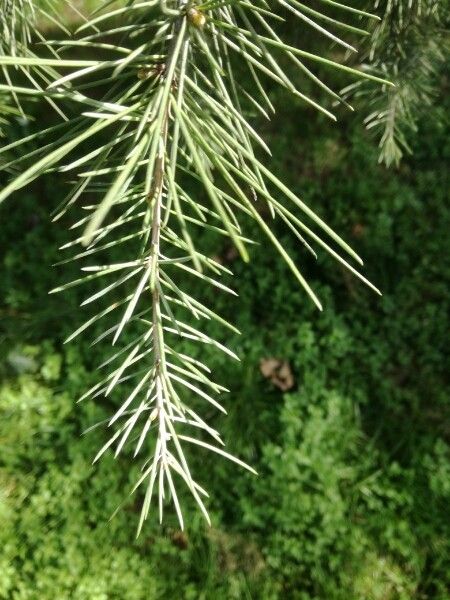
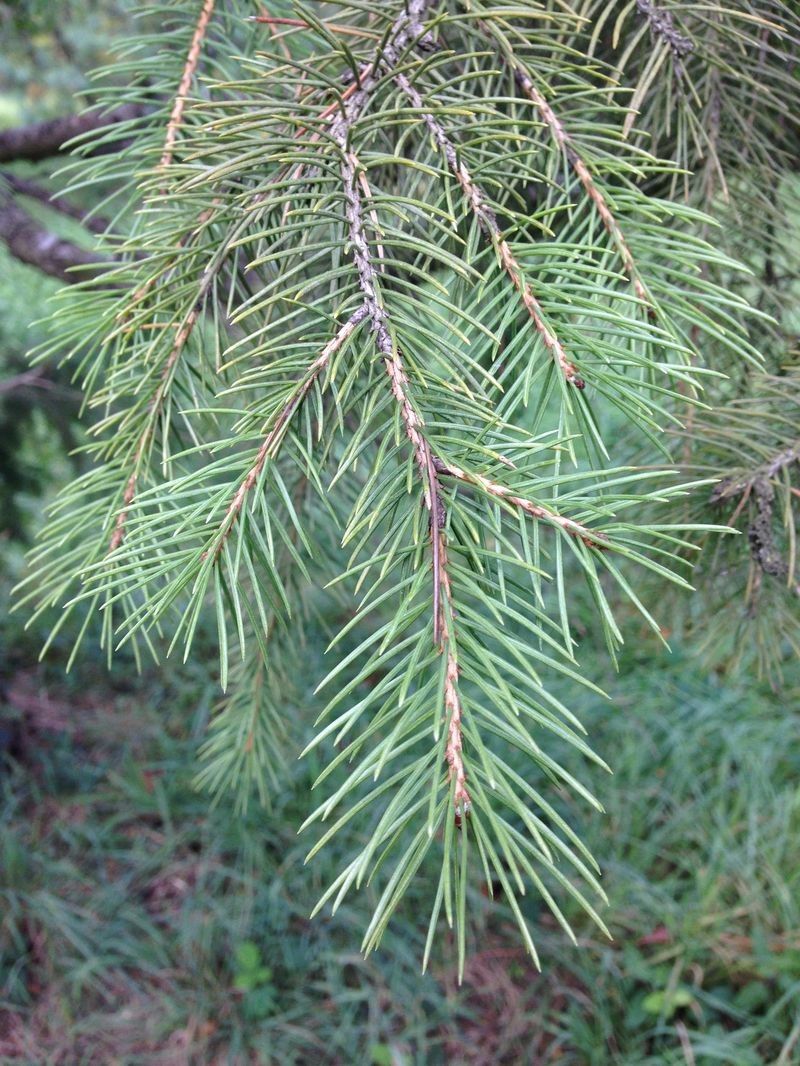
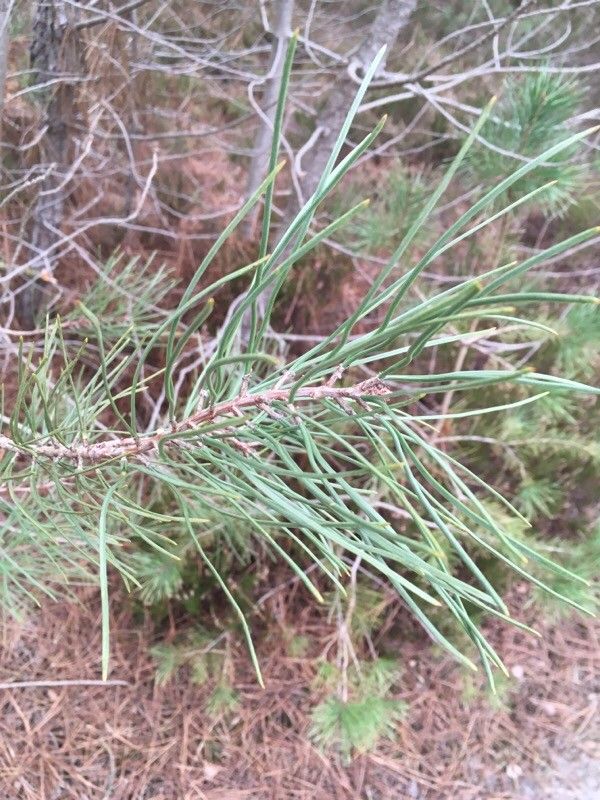
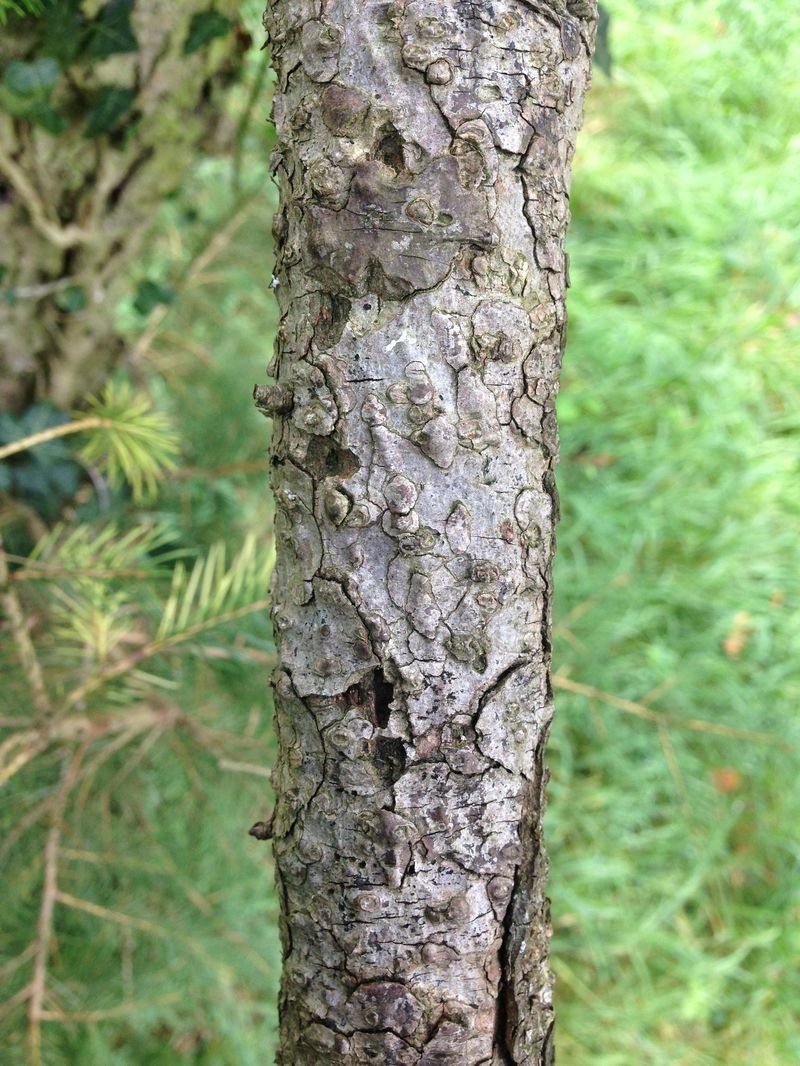
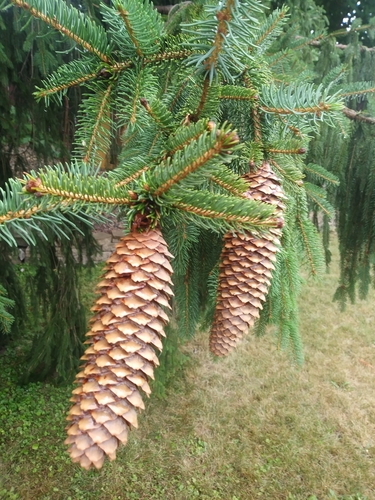
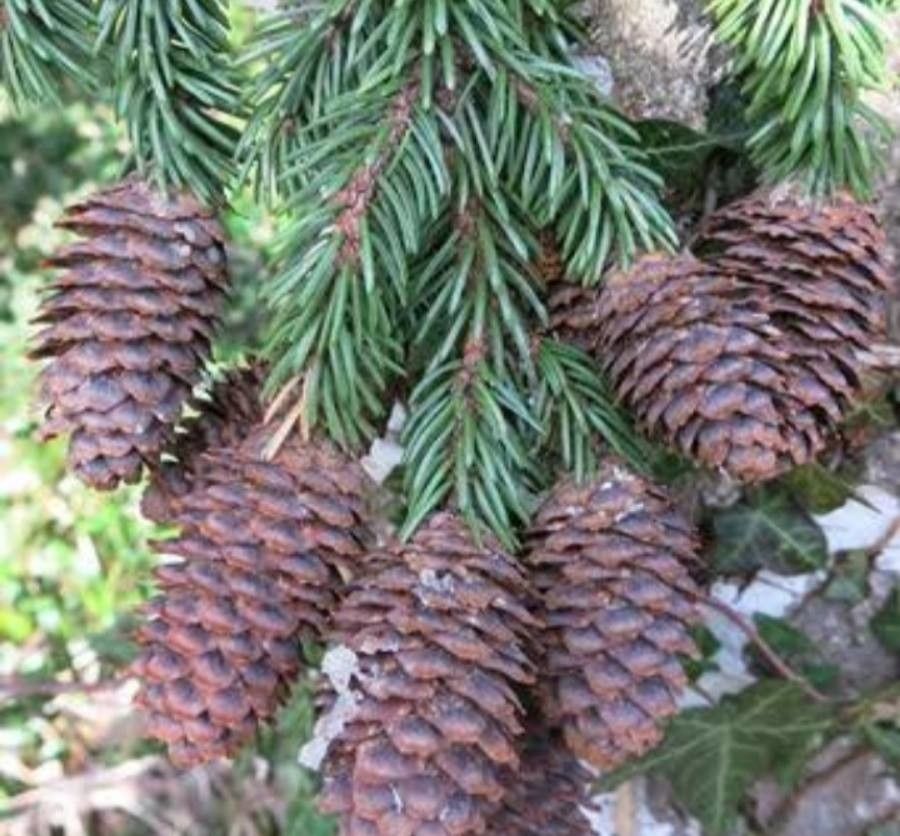
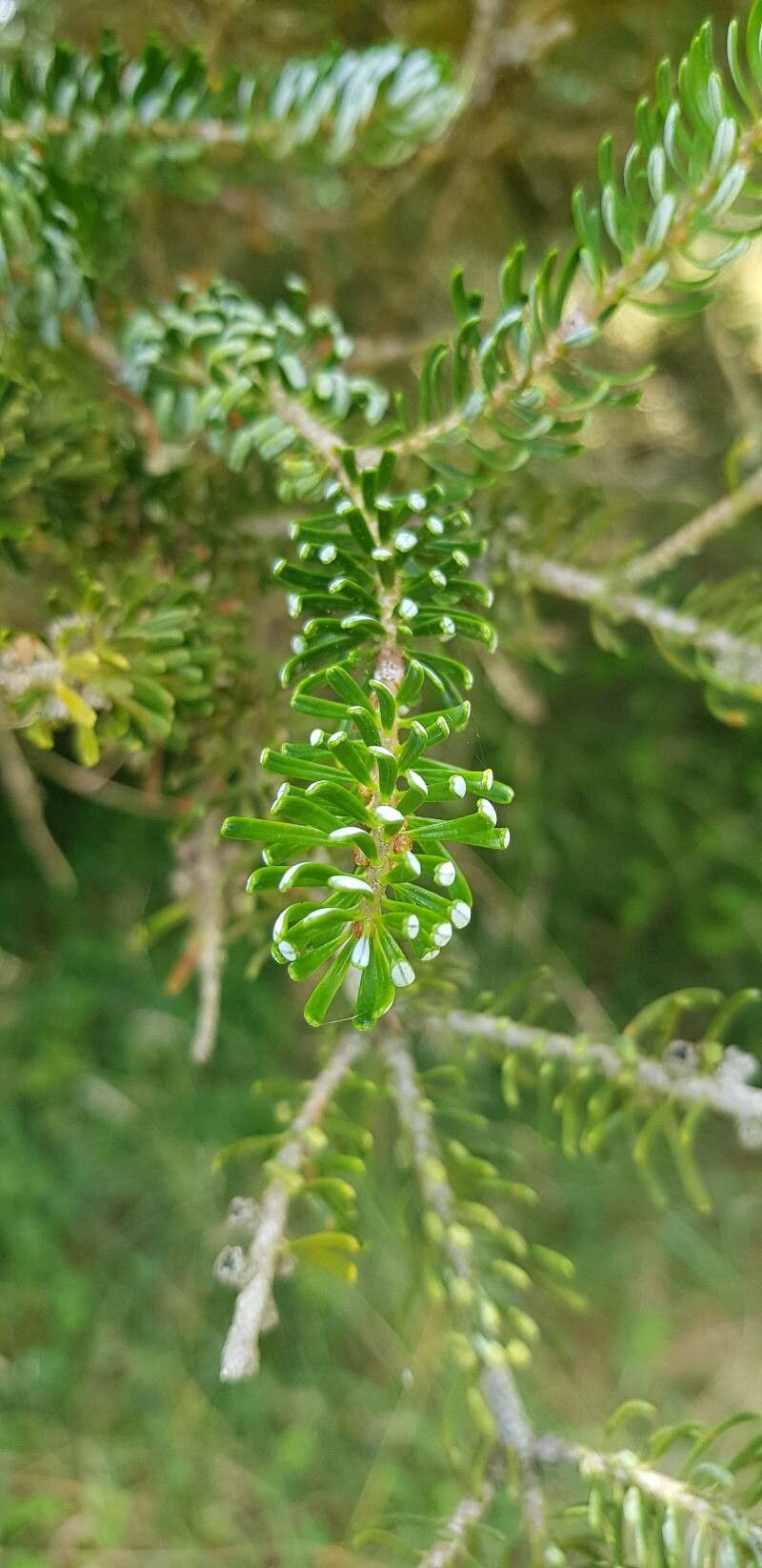
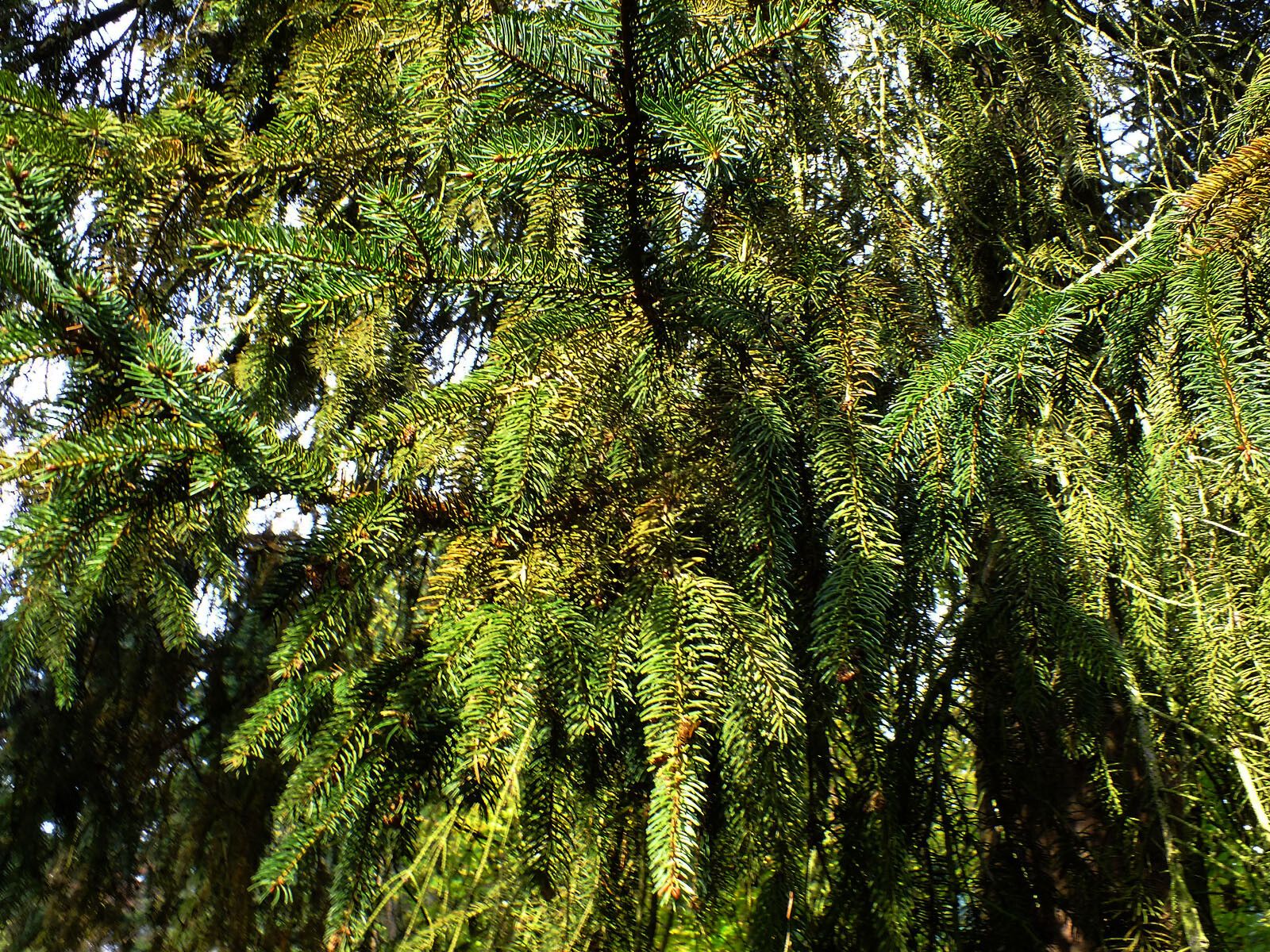
Picea wilsonii is a species of conifer in the family Pinaceae. It is found only in China.
Wilson's spruce resists disease well and is generally not susceptible to illnesses. Regarding care, this plant is fairly low-maintenance. Planted outdoors, it needs only minimal watering, and larger specimens typically do not require pruning. Smaller specimens, however, should be pruned once they have finished blooming. Wilson's spruce is suitable for anyone with an outdoor area, such as a garden or deck, and does not demand extensive care experience.
How to keep Picea Wilsonii.
Light
Wilson's spruce performs best in unshaded, full-strength sunlight. Its vigor and healthy development rely heavily on that light exposure. Native to areas with abundant sun, it may be harmed by either too little or too much light. Though its sunlight needs stay relatively steady through its growth stages, its best health depends on finding the right balance.
Water
Wilson's spruce flourishes in cool, moist highland areas and prefers environments with moderate humidity. It should be watered every 1 to 2 weeks, ensuring the soil partially dries out between waterings. As an evergreen, Wilson's spruce requires consistent moisture during the growing season to maintain optimal health and promote continuous growth.
Temperature
Wilson's spruce is originally native to cool yet mild climates, but it can tolerate temperatures ranging from 32 to 77 °F (0 to 25 ℃). For optimal care, provide cooler conditions in winter and prevent overheating in summer.
Fertilizer
Wilson's spruce has particular nutrient needs and does not require heavy fertilization. Spring is the best time to fertilize for optimal growth. Supplying nutrients improves its health, increases its resistance to pests and diseases, and helps maintain its long lifespan.
Pruning
Wilson's spruce has a dense, pyramidal shape and blue-green needles, making it an attractive addition to any landscape. To keep it healthy and well-shaped, it's important to prune it properly. The best time to prune is in late winter, when the tree is dormant. Focus on removing any damaged branches and thinning out crowded areas. This improves light and air circulation, promoting healthy growth and helping the tree maintain its shape.
Botanical profile.
- Plant Type
- Tree
- Life Cycle
- Perennial
- Genus
- Picea
- Family
- Pinaceae
- Hardiness Zone
- 2-6
- Mature Height
- 49.99 m
- Mature Spread
- 4.57 m
- Leaf Color
- Dark Green
- Leaf Type
- Evergreen
- Flower Color
- Yellow, Green
- Bloom Time
- Mid spring, Late spring
- Planting Time
- Spring
- Harvest Time
- Late summer, Early fall, Mid fall
- Native Area
- China
Other names.
Reader questions.
What are the sunlight requirements for Wilson's spruce?
Wilson's spruce requires full sun exposure, thriving best in environments where it can enjoy the unfiltered intensity of the sun for its vigorous and healthy growth. It originates from conditions with plentiful sunlight and needs more than 6 hours of direct sunlight daily. However, it's crucial to observe the garden and select spots that ensure a balance between light and shade, as both too little and too much light can negatively impact its health.
What is the native climate of Wilson's spruce?
Wilson's spruce, scientifically known as Picea wilsonii, originates from climates that are both chilly and mild. It is adaptable to a range of temperatures from 32 to 77 °F (0 to 25 °C). To care for it optimally, it is crucial to maintain cooler temperatures during winter and avoid overheating during summer months. This spruce variety is notably adept at tolerating cold conditions and does not necessitate extra frost protection in winter. Nonetheless, it is advisable to water the plant abundantly prior to the first freeze of autumn to ensure the soil remains moist and enters a frozen state, thereby mitigating drought and water scarcity risks for the plant throughout winter and early spring.
How can artificial lighting benefit indoor-grown Wilson's spruce?
Indoor plants like Wilson's spruce require adequate lighting for optimal growth, especially when natural sunlight is insufficient, such as in winter or less sunny spaces. Artificial lights offer a vital solution, with LED lights being a popular choice due to their ability to provide specific wavelengths of light needed by plants. For full sun plants, 30-50W/sq ft of artificial light is needed, 20-30W/sq ft for partial sun plants, and 10-20W/sq ft for full shade plants. The light source should be placed 12-36 inches above the plant to mimic natural sunlight, ensuring the plant receives 8-12 hours of light per day.
How does Wilson's spruce react to low temperatures?
Wilson's spruce exhibits exceptional tolerance to cold temperatures, thriving well even when winter temperatures drop slightly below -40°C (-40°F). Despite this high level of cold tolerance, it's crucial to keep the winter temperature above -40°C to prevent damage. If temperatures fall below this threshold, you might not notice immediate changes during winter; however, in spring, the branches may turn brittle and dry, and new shoots may fail to emerge. To address this issue, it's recommended to prune any dead branches that have not produced new leaves come spring.
What are the common symptoms of light deficiency in Wilson's spruce?
When Wilson's spruce is grown in conditions of suboptimal lighting, it may show symptoms such as small leaves, leggy or sparse growth, faster leaf drop, slower or no new growth, and lighter-colored new leaves. These symptoms indicate a lack of chlorophyll and essential nutrients, primarily due to inadequate sunlight.
What should I do if Wilson's spruce is exposed to high temperatures?
Wilson's spruce struggles with high temperatures, particularly exceeding 25°C (77°F), leading to significant leaf drop and, in extreme cases, the entire plant may wither and die. To mitigate damage under such conditions, you should trim away any sunburned or dried-up parts of the plant. Additionally, relocating the plant to a shaded area away from the midday and afternoon sun can be beneficial. Employing a shade cloth might also help in creating sufficient shade. Ensuring the soil remains moist by watering the plant in the morning and evening is vital under high temperature stress.
What are the symptoms of excessive sunlight exposure in Wilson's spruce?
Excessive sunlight exposure can lead to several symptoms in Wilson's spruce, including chlorosis, sunscald, leaf curling, wilting, and leaf scorching. Chlorosis results in leaves losing their green color, sunscald leads to damaged plant tissues, leaf curling is a defense mechanism to reduce water loss, wilting occurs when the plant can't maintain hydration, and leaf scorching appears as dry, brown edges on leaves.
How can one mitigate light-related issues for Wilson's spruce, both indoors and outdoors?
To ensure optimal growth for Wilson's spruce, gradually move plants to sunnier locations, aiming for at least 6 hours of direct sunlight daily. Use south-facing windows for indoor plants and keep curtains open. Artificial light sources can supplement sunlight, especially for large plants. Outdoors, move plants gradually to avoid sunburn. Observe the environment for obstructions to sunlight and consider pruning or transplanting to brighter locations. Note that parts of the plant affected by insufficient light may not recover, but new growth will be healthy with improved light exposure.