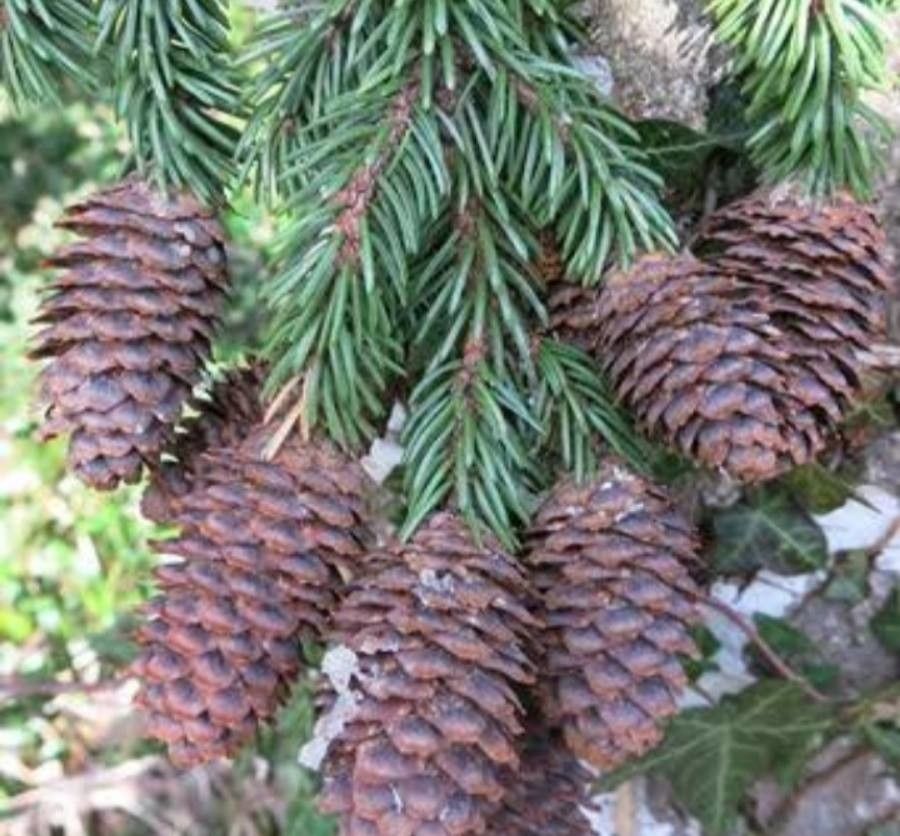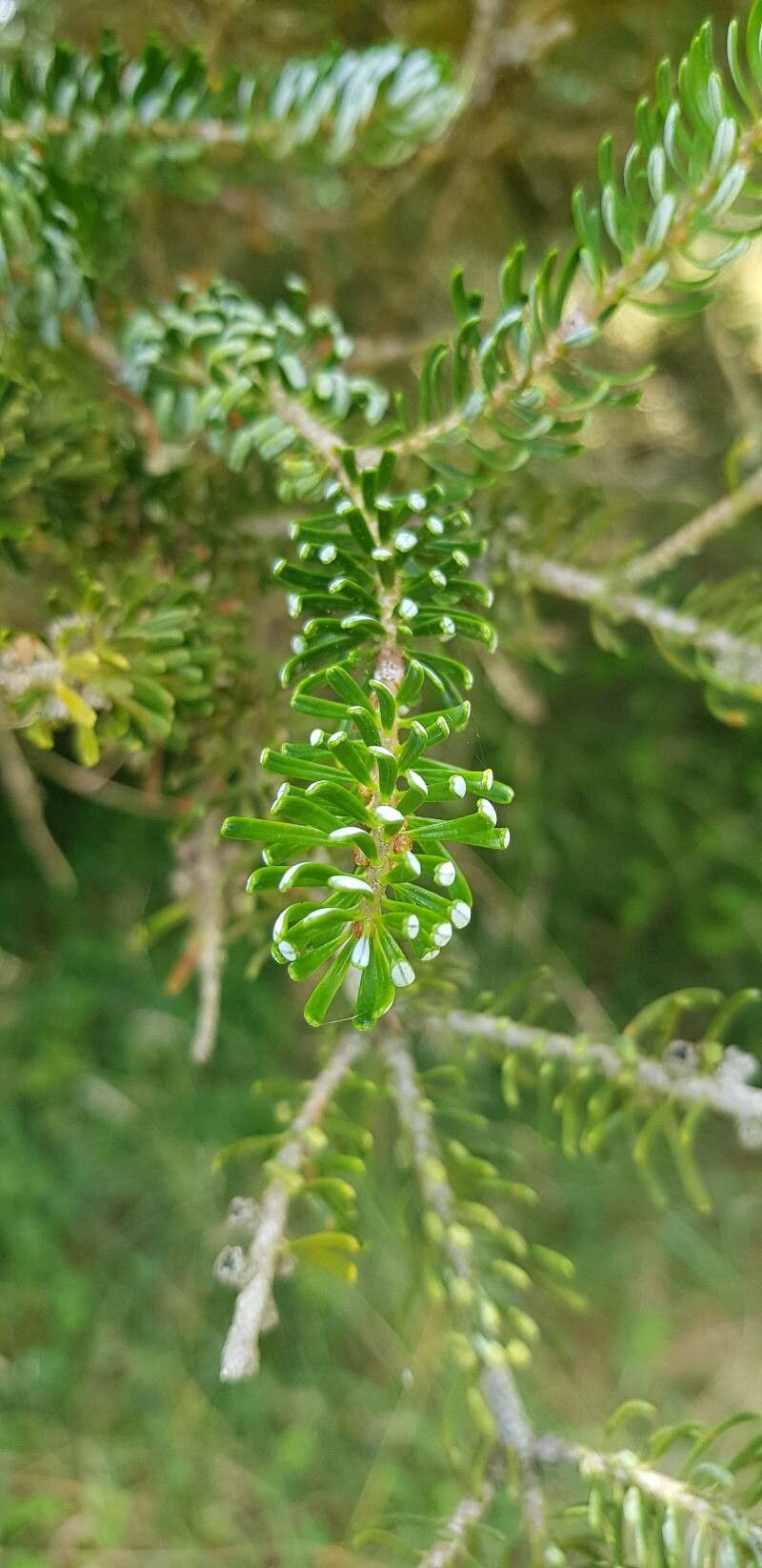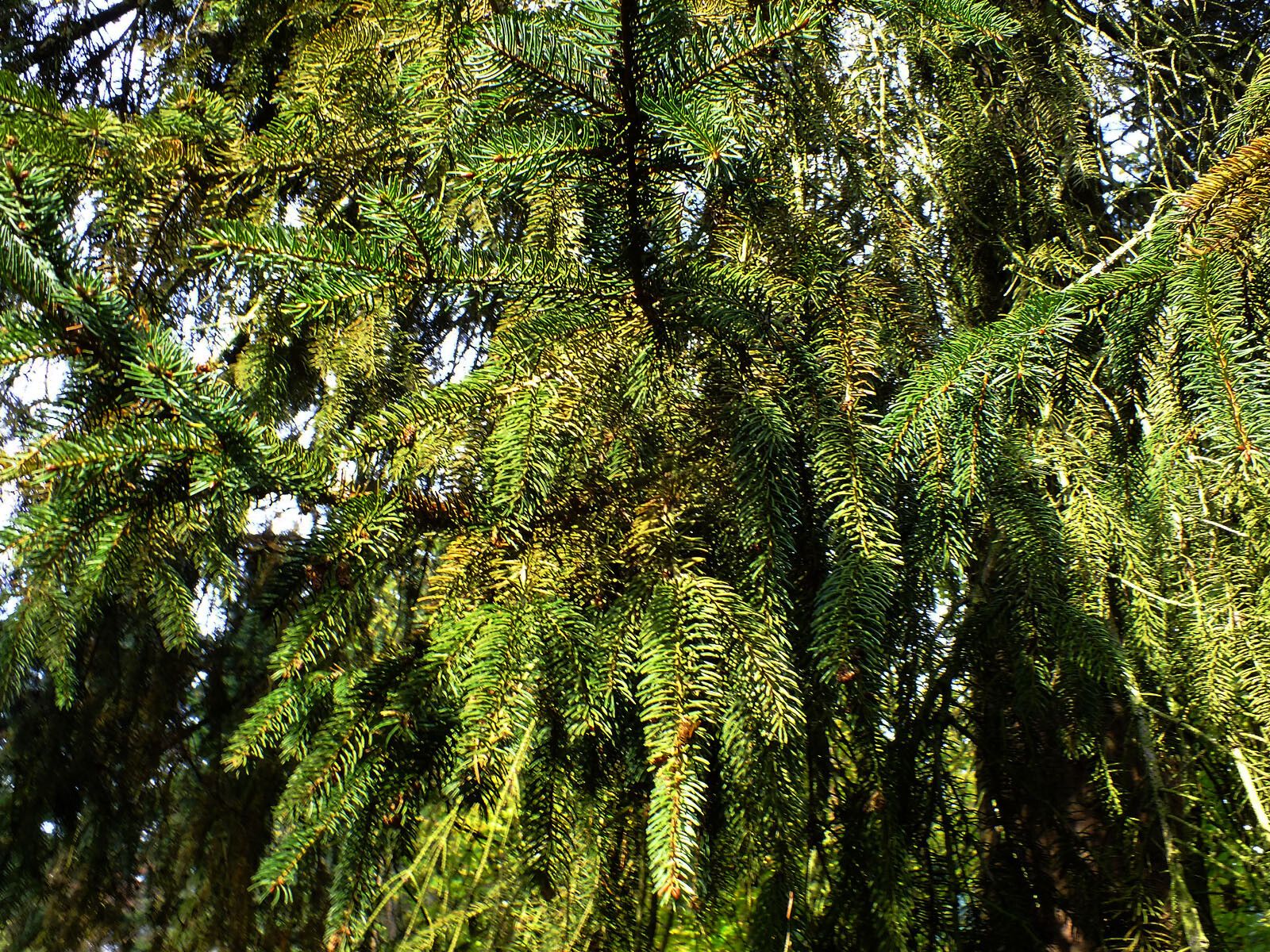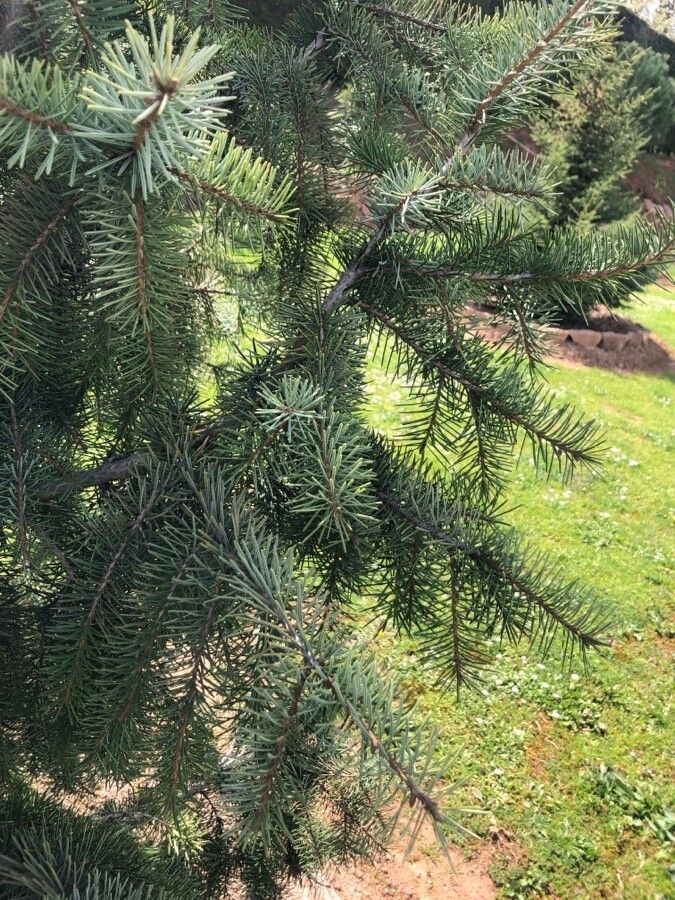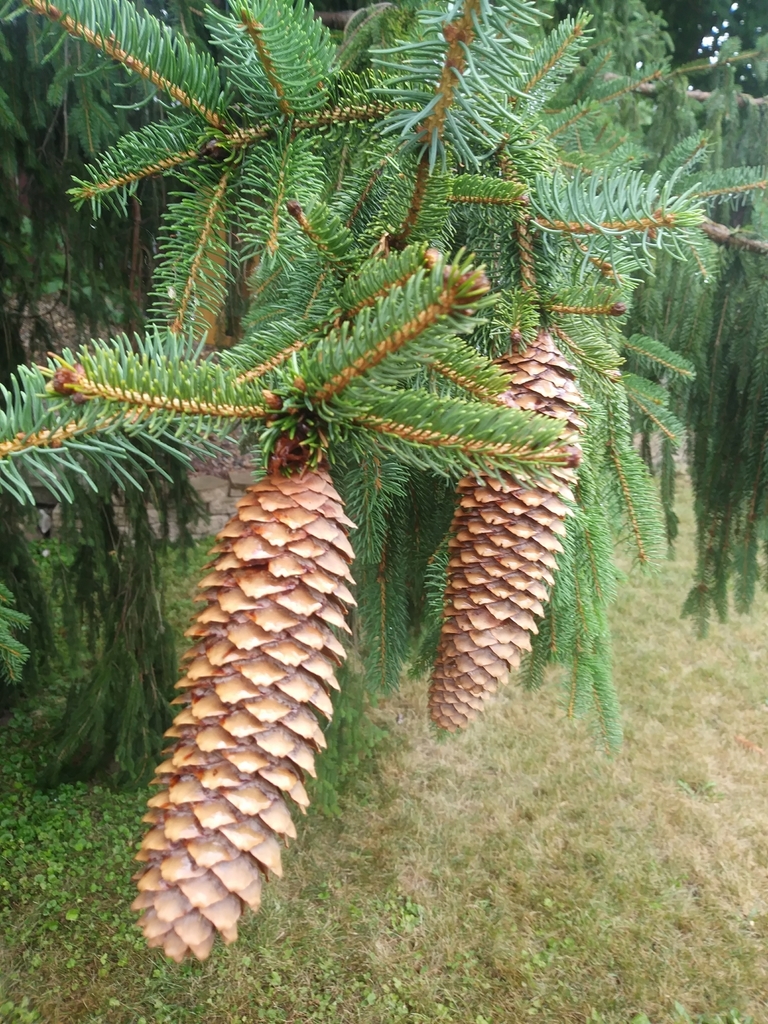
Picea abies, commonly known as the Norway spruce, is a large evergreen coniferous tree native to Europe and parts of Asia. It can grow up to 60 meters tall and features a conical shape with dense branches covered in dark green needles. The tree's bark is gray-brown and scaly.
The Norway spruce is widely cultivated for its timber, which is used in construction, paper production, and the crafting of musical instruments. It also has ornamental value as a Christmas tree.
The plant prefers moist soils with good drainage and can withstand cold temperatures down to -40°C. It grows best in full sun but can also tolerate partial shade.
The Norway spruce found on Fulufjället Mountain in Sweden is popularly known as the world's oldest tree. However, it is actually the oldest known clonal tree, named Old Tjikko. Its roots are estimated to be 9,562 years old. FUN FACT · FROM THE LIBRARY
In addition to its economic value, the Norway spruce provides significant ecological benefits such as carbon sequestration and serving as a habitat for wildlife like birds and squirrels.
Overall, Picea abies is an important species both economically and ecologically, thanks to its versatility in various industries and its ability to provide wildlife habitats while sequestering carbon from the atmosphere.
The Norway spruce is an evergreen conifer that is likely the most common spruce found across the United States and Canada. It is originally native to central and northern Europe, including Norway, which is how it got its name.
The Norway spruce is resistant to disease and is generally not susceptible to illnesses. Regarding care, this tree is fairly low-maintenance. Planted outdoors, it needs only light watering and larger specimens typically do not require pruning. Smaller specimens, however, should be pruned after flowering. The Norway spruce is suitable for anyone with outdoor space, such as a garden or deck, and does not demand extensive gardening experience.
How to keep Picea Abies.
Light
Norway spruce grows best when given ample light, but can also tolerate sites with moderate illumination. In the wild it develops well where light is abundant. Too much or too little light can affect its growth, leading to stunted or sparse development.
Water
The Norway spruce, which originates from cool and moist regions in Europe, thrives with regular watering. For optimal growth, it's best to water it every 1-2 weeks, ensuring that the soil remains consistently moist. This evergreen tree is well-suited to outdoor climates, as its nature helps retain moisture, especially in cooler environments.
Humidity
This plant will thrive in moderate humidity, which is probably the level in your home. However, misting it a few times a week can be very beneficial. Make sure the room has good ventilation.
Temperature
The Norway spruce is indigenous to parts of Europe with cool to cold climates. It favors temperatures from 32 to 90 °F (0 to 32 °C) and can endure lows down to -40 °F (-40 °C). In summer it does best with cooler conditions and moderate humidity. In winter it tolerates frost and snow, provided it is not exposed to extreme freezing temperatures for long periods.
Fertilizer
The Norway spruce has distinct nutrient needs and does not require heavy fertilization. Spring is the best time to apply fertilizer for optimal growth. Supplying nutrients enhances its health, increases its resistance to pests and diseases, and helps maintain its long lifespan.
Pruning
The Norway spruce has a pyramidal shape with evergreen needles. To keep it healthy, prune it from early to late winter. Focus on removing dead wood and thinning out crowded areas to improve air circulation. Be careful not to cut the main leader. Instead, trim side branches just above healthy buds to preserve the tree's health and structure.
Pot & Repot
When repotting Norway spruce, select a pot 1-2 inches (2.5–5.1 cm) larger with ample drainage. Use a well-draining potting mix. Repot in spring or fall, making sure the root ball sits slightly lower than the rim of the flower pot. Water thoroughly after repotting and place in a warm spot with indirect sunlight.
Botanical profile.
- Plant Type
- Tree
- Life Cycle
- Perennial
- Genus
- Picea
- Family
- Pinaceae
- Hardiness Zone
- 2-7
- Mature Height
- 29.87 m to 62.18 m
- Mature Spread
- 7.62 m to 9.14 m
- Leaf Color
- Green
- Leaf Type
- Evergreen
- Flower Color
- Red, Yellow
- Flower Size
- 2.54 cm to 7.62 cm
- Bloom Time
- Early summer, Mid summer
- Planting Time
- Spring, Autumn
- Harvest Time
- Mid summer, Late summer, Early fall
- Native Area
- Sweden, Austria, Czech Republic, Slovakia, Montenegro, Bulgaria, Poland, Greece, Croatia, Slovenia, Belarus, Serbia, Russia, Lithuania, Norway, Germany, Italy, Switzerland, Estonia, Finland, Albania, Romania, Latvia, France
Other names.
Reader questions.
When Should I Water My Norway Spruce?
Watering your Norway Spruce at the right time is crucial for its health and development. Check the moisture level of the soil around the base by inserting your finger or a moisture meter into the soil. If the top 1 to 2 inches are dry, it's watering time. Observe the leaves and needles; if they appear droopy, lackluster, or change color to brown or yellow, the plant needs water. Also, during the pre-flowering stage, ensure consistent watering to prevent bud drop. In hot temperatures and sunny periods, the water requirement increases, so monitor and water accordingly. Avoid watering too early when the soil is moist to prevent root rot, and don't water too late after the soil has been dry for too long as it may stress or kill the plant.
Why is it necessary to put fertilizer on my Norway spruce plant?
Encouraging healthy growth in Norway spruce involves fertilizing in the spring. It's important to remember that this plant has a long lifespan and requires support. Adding nutrients to the soil not only enhances its health but also improves its ability to withstand common pests and diseases that can hinder growth or reduce its lifespan.
What are the sun requirements for Norway spruce?
Norway spruce requires full sunlight for more than 6 hours a day to thrive best. However, it can also adapt to partial sun conditions, receiving about 3-6 hours of sunlight. It's essential to notice how sunlight moves through your garden to pick spots that ensure the right balance of light and shade, enhancing the plant's growth and health.
What is the native habitat and preferred climate of the Norway spruce?
The Norway spruce, with its botanical name Picea abies, is native to regions in Europe that experience cool to cold climates. It thrives in temperatures ranging between 32 to 90°F (0 to 32°C), demonstrating a remarkable capacity to withstand chilling lows down to -40°F/Celsius. This species benefits from cooler summer temperatures coupled with moderate humidity and is well adapted to endure frost and snow during winter months, provided that it is not subjected to extreme freeze conditions for prolonged durations.
How Should I Water My Norway Spruce?
Watering your Norway Spruce properly involves using the deep watering method to ensure that moisture reaches the deep roots without oversaturating the soil surface. Utilizing special tools like a soil moisture meter can help in assessing the exact moisture content, preventing both over-watering and under-watering. Always focus the water on the soil around the base rather than on the foliage to avoid fungal infections. Avoid watering the trunk directly to prevent stem rot. Ensure the spruce is planted in well-draining soil and consider adding mulch around the base to help retain soil moisture.
When should I put fertilizer on my Norway spruce tree?
Norway spruce differs from garden annuals and perennials as it doesn't need excessive nutrients to thrive. The growing medium often falls short in providing sufficient nutrients for healthy growth. To fertilize Norway spruce optimally, it is recommended to do so during spring before new growth emerges.
What are the essentials for growing Norway spruce?
Norway spruce thrives best in abundant light, mirroring its natural habitat where it grows healthily with generous sunlight exposure. While it can endure moderate light levels, both excessive and insufficient light can hinder its growth, leading it to become stunted or sparse. To supplement light, especially for indoor plants during less sunny seasons or in less sunny spaces, artificial lighting can be a vital solution. LED lights, chosen for their capability to provide specific light wavelengths, should be used to meet the plant's light requirements. Full sun plants necessitate 30-50W/sq ft, partial sun plants need 20-30W/sq ft, and full shade plants require 10-20W/sq ft of artificial light. The artificial light source should be placed 12-36 inches above the plant and turned on for 8-12 hours daily to mimic natural daylight conditions.
How should Norway spruce be cared for during winter?
To prepare Norway spruce for winter, it's advisable to water the plant thoroughly before the first freeze of autumn. This ensures that the soil remains moist as it freezes, which is crucial for preventing drought and ensuring the plant has access to water during the winter and early spring. Despite its high tolerance for cold temperatures, Norway spruce does not require additional frost protection measures, making it an ideal choice for gardeners in cold climates.
How Much Water Does Norway Spruce Really Need?
The Norway Spruce, accustomed to the moist soil conditions of its natural habitat, requires significant water for its large size and extensive root system. Mature spruces should be watered deeply to saturate their root system, while potted plants or younger trees need enough water until the top 6-8 inches of soil feel moist. The right amount of water will keep the needles vibrant and full. Avoid both under-watering and over-watering, as these can lead to browning or yellowing of needles, root rot, and other health issues. Regular watering is vital, particularly during periods of drought, to meet the spruce's hydration needs effectively.
When is it not a good idea to fertilize my Norway spruce tree?
Norway spruce, unlike some plants, does not need regular fertilization. Excess nutrients can actually harm it, leading to die-back. To care for Norway spruce, it is best to only apply fertilizer once in the spring and avoid doing so in the summer, fall, and winter. Additionally, refrain from adding any organic matter to the soil during these seasons.
What are some important symptoms of light deficiency or excessive exposure in Norway spruce?
Norway spruce, being an outdoor plant that thrives in full sunlight, may exhibit symptoms if the light conditions are not optimal. Light deficiency can lead to small, mature leaves, leggy or sparse growth, early leaf drop, halted growth, or lighter-colored leaves. On the other hand, excessive sunlight can cause chlorosis, sunscald, leaf curling, wilting, and leaf scorching. These symptoms indicate either a lack of sufficient sunlight or too much exposure, impacting the plant's ability to photosynthesize and maintain health.
What are the symptoms of low temperature stress on Norway spruce, and how can it be managed?
Norway spruce is exceptionally cold-tolerant, but it's still vulnerable if winter temperatures plummet below -40°C/F. Although the plant may not exhibit immediate distress over the winter, affected branches may turn brittle and dry by spring, failing to sprout new shoots. To mitigate this, gardeners are advised to prune away any dead branches in the spring, which helps promote the growth of new, healthy shoots.