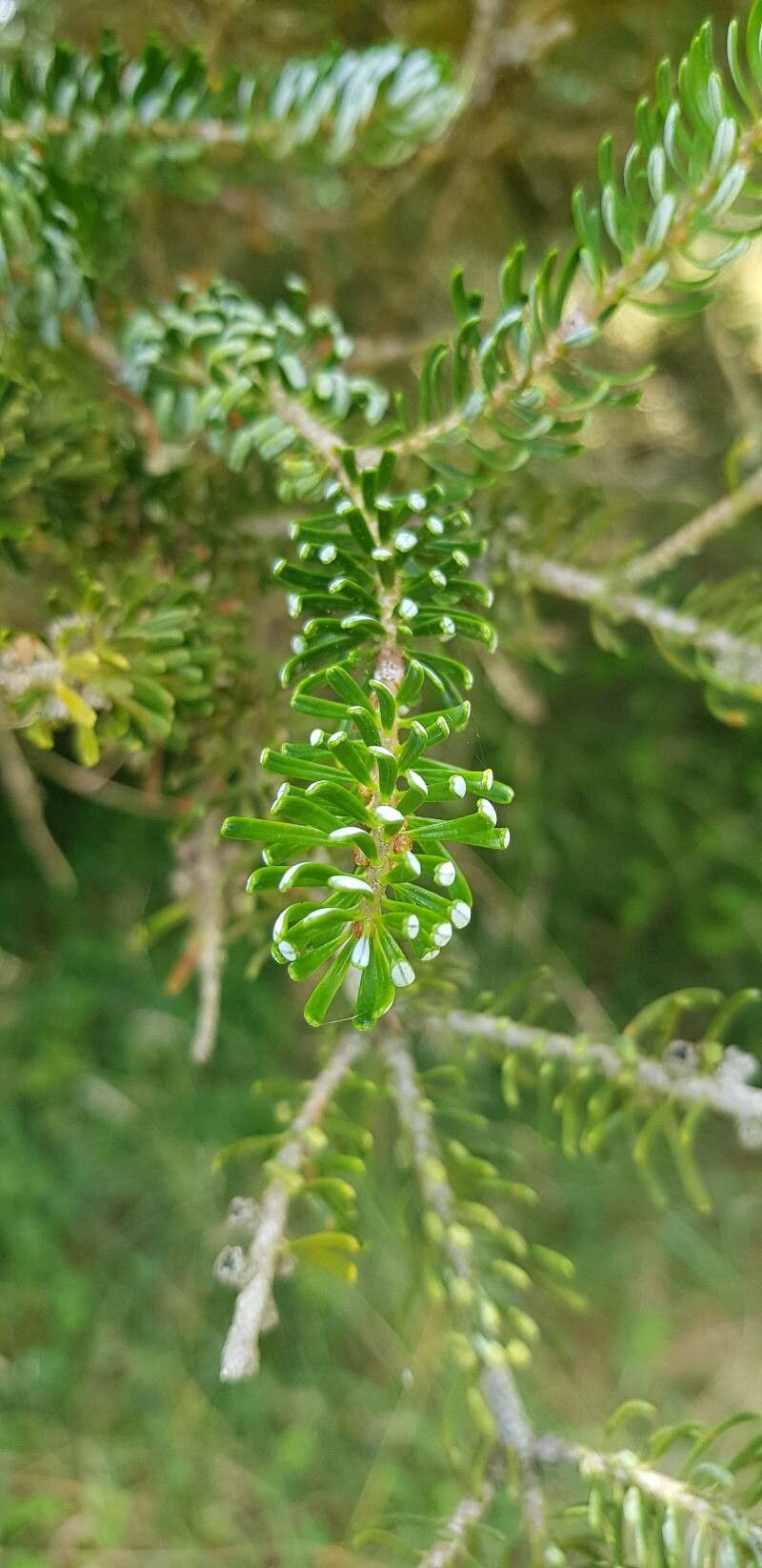
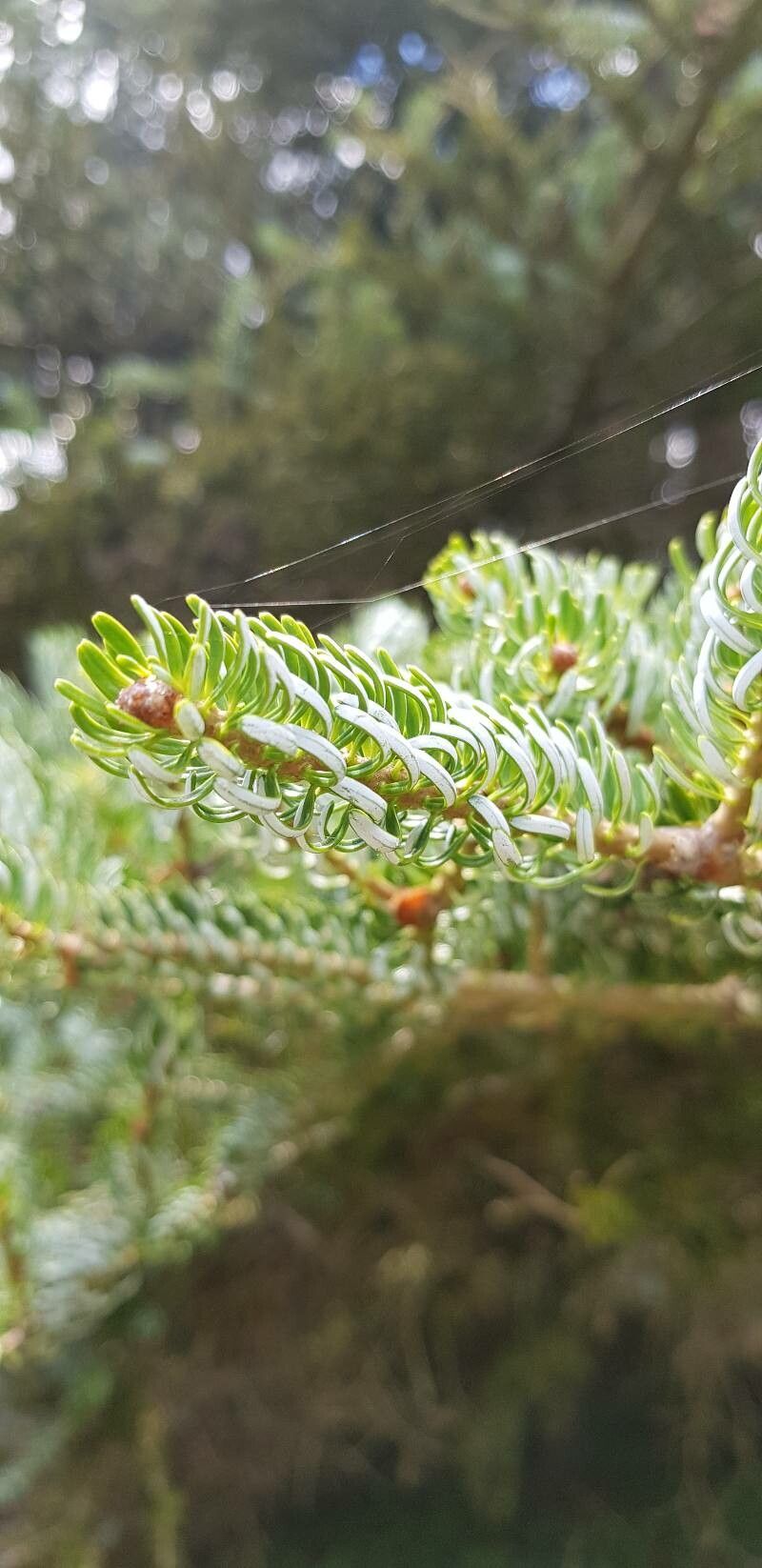
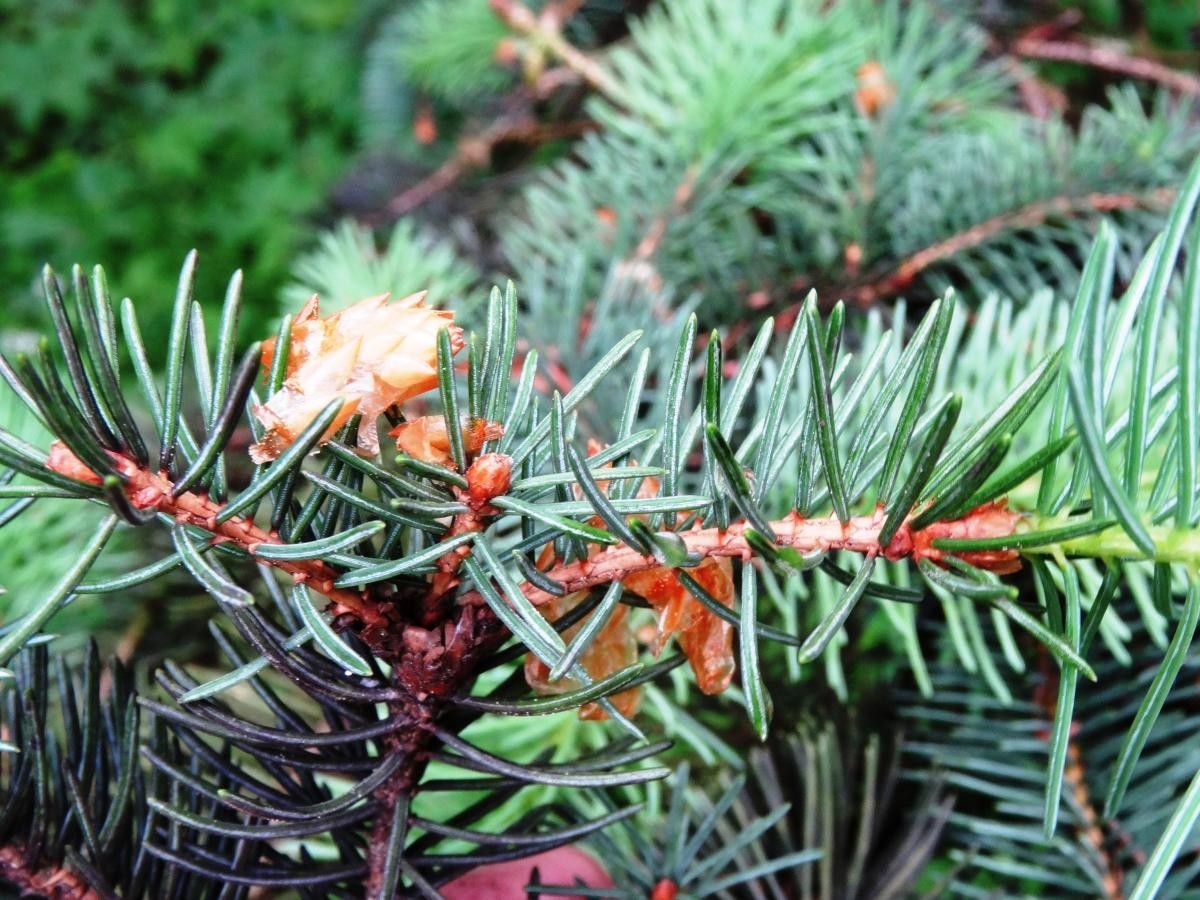
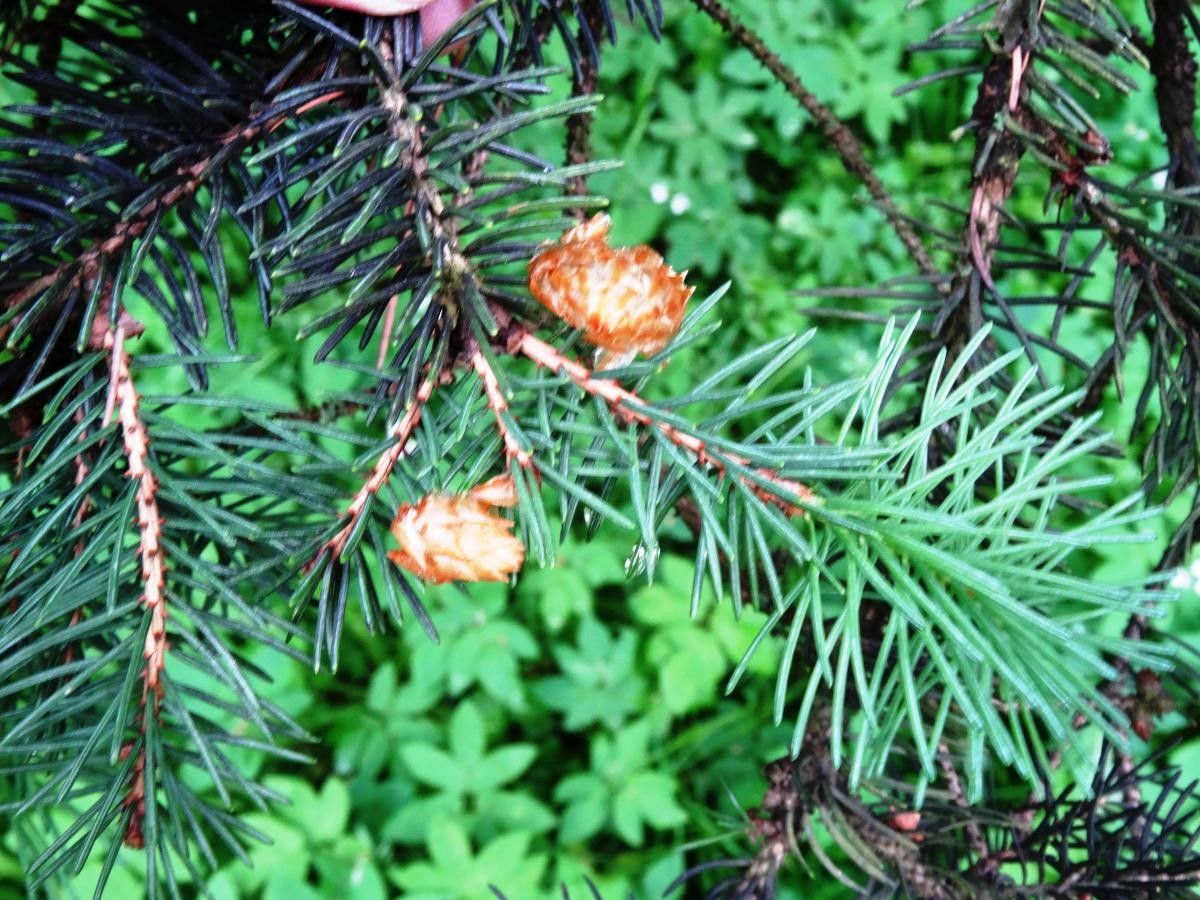
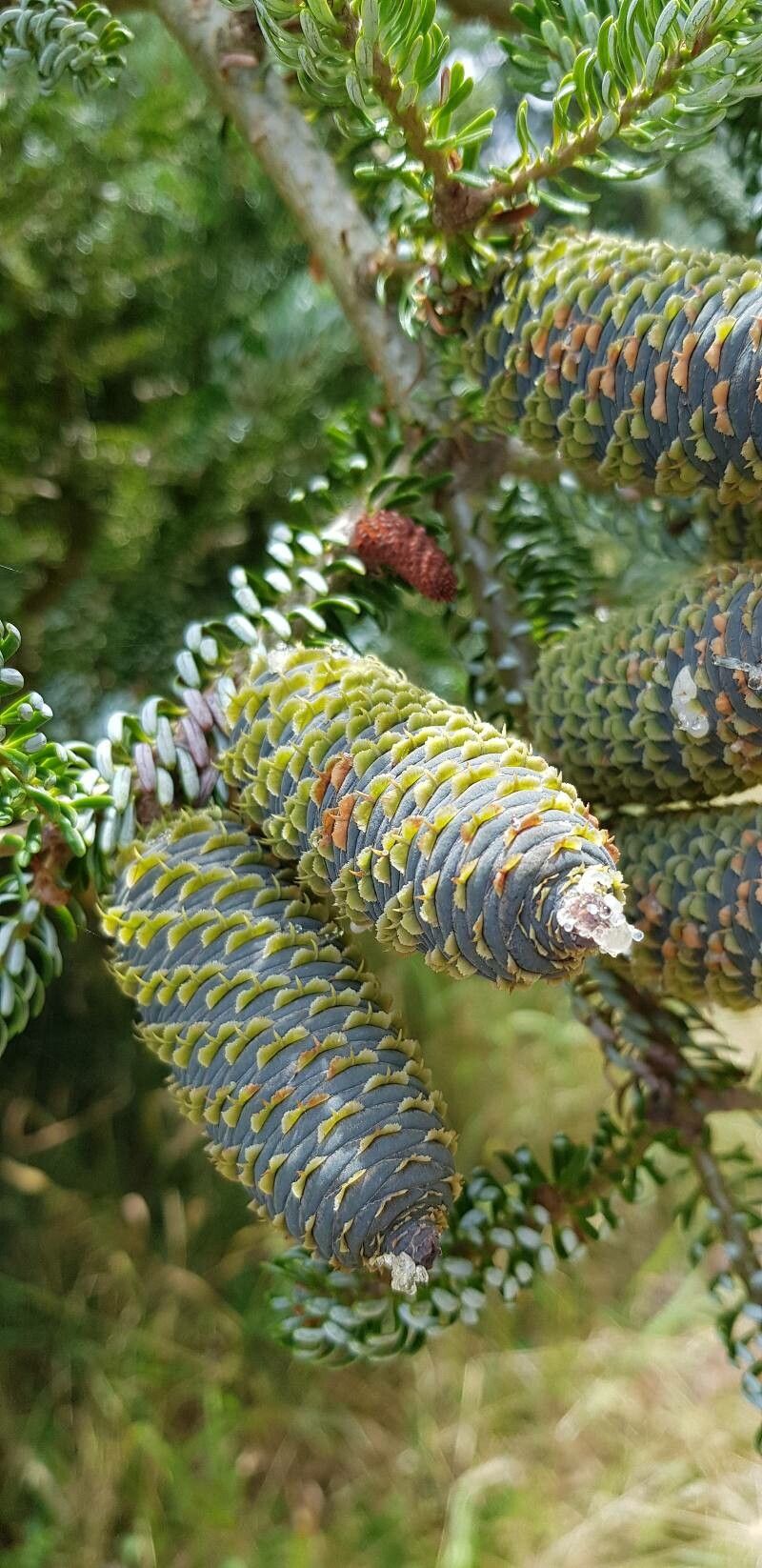
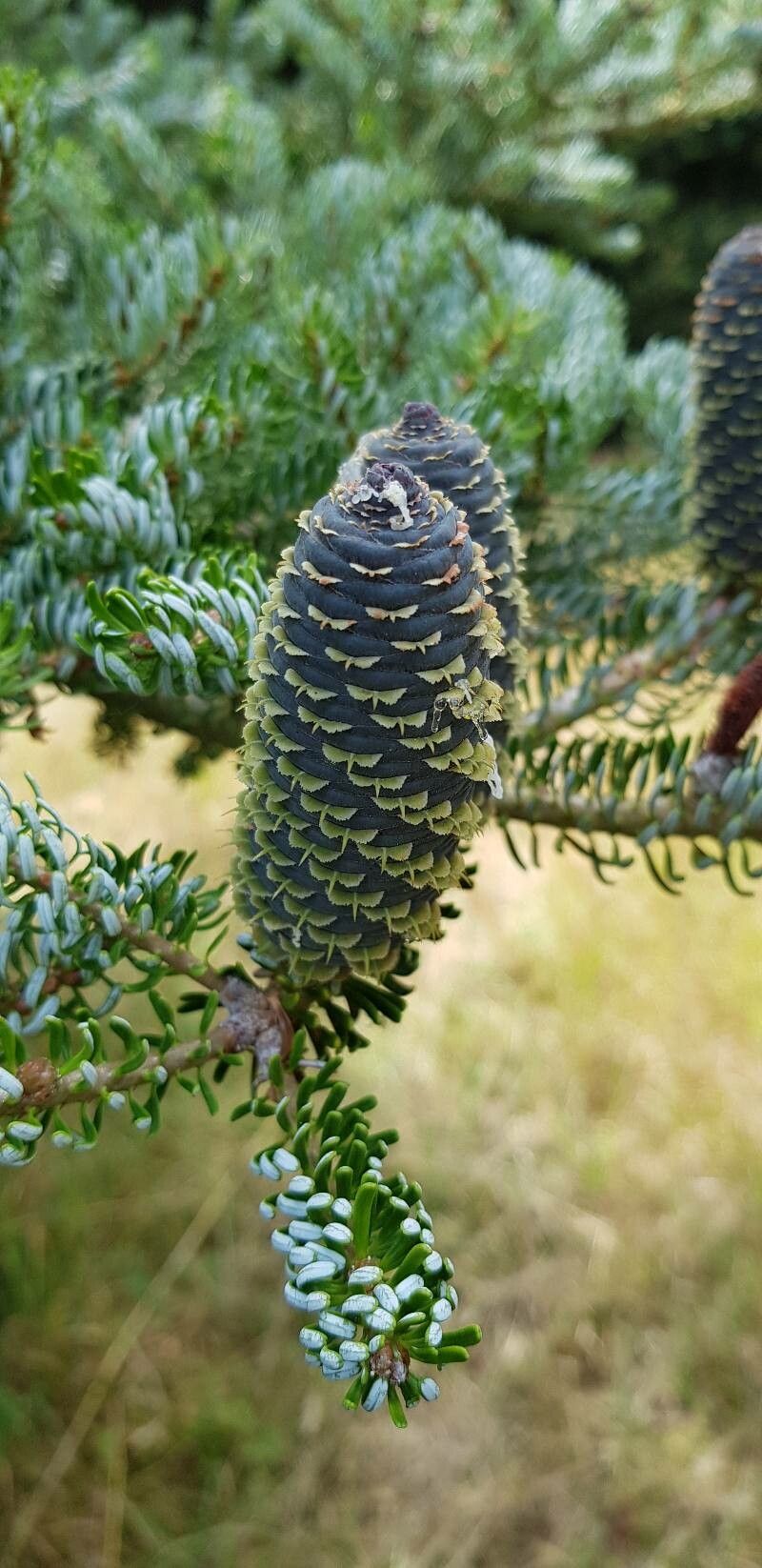
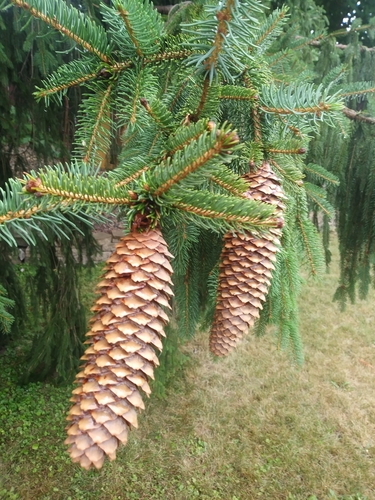
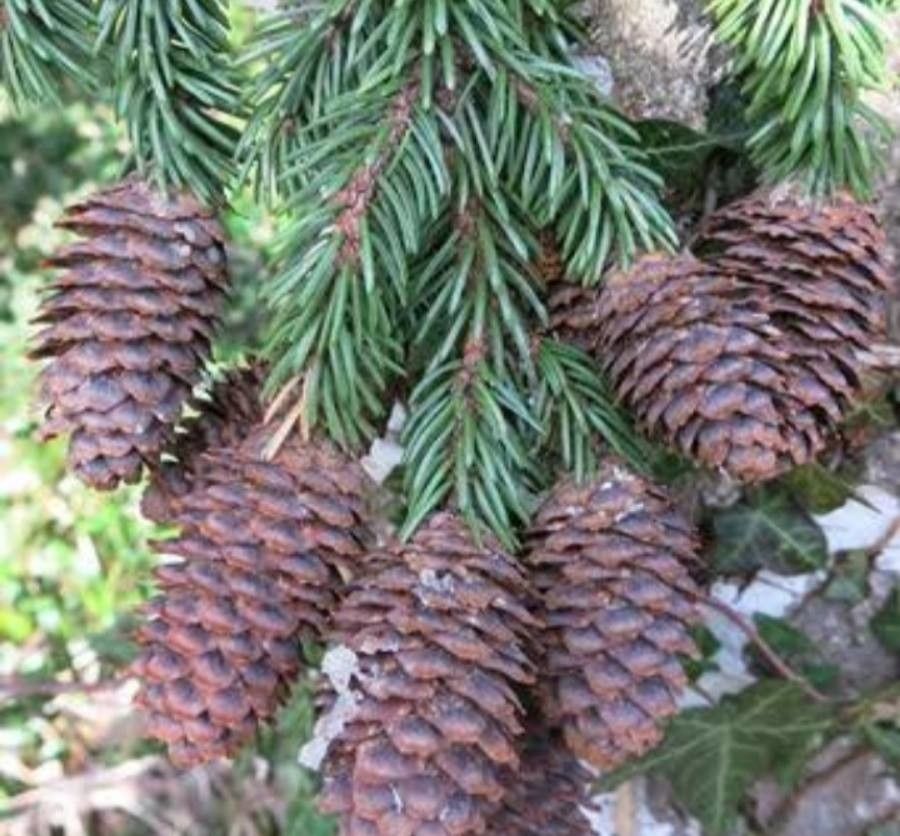
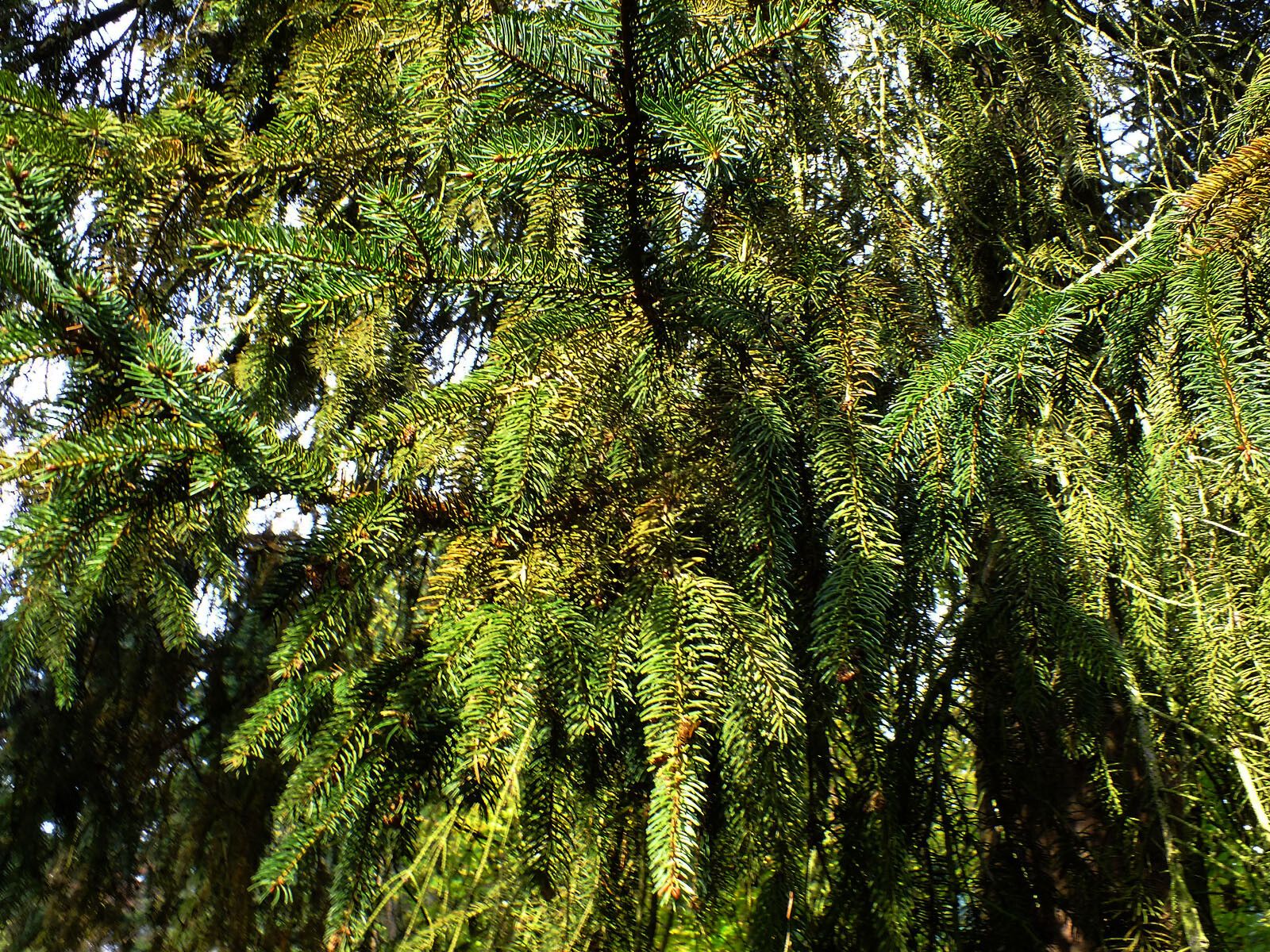
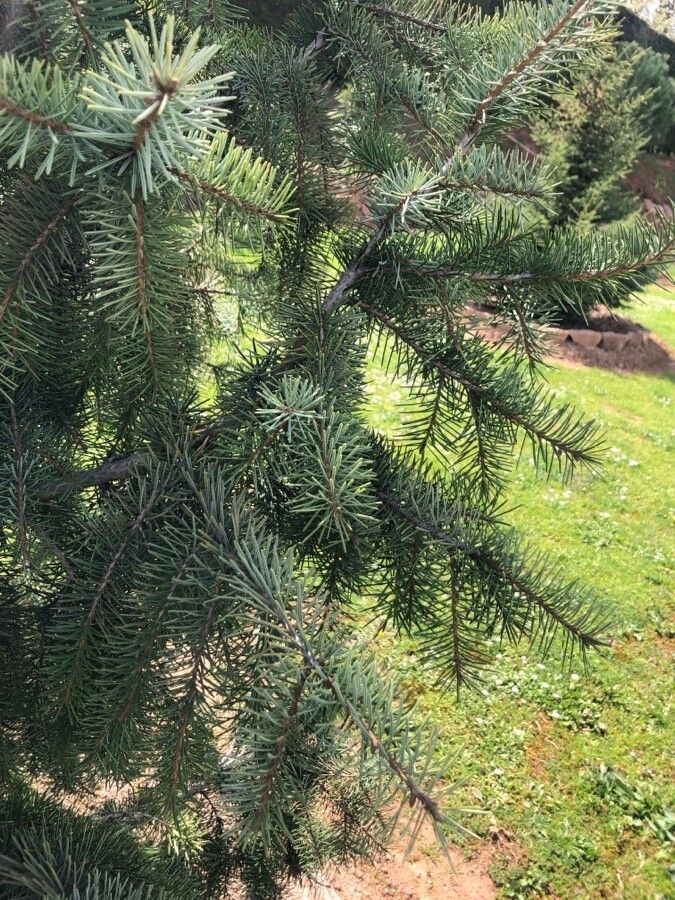
Picea asperata (dragon spruce; Chinese: 雲杉) is a spruce native to western China, from eastern Qinghai, southern Gansu and southwestern Shaanxi south to western Sichuan.
Orange spruce is highly resistant to disease and is generally not susceptible to illnesses. Regarding upkeep, this plant needs relatively little attention. When grown outdoors it demands minimal watering, and larger specimens typically do not require pruning. Smaller specimens, however, should be trimmed once they have finished blooming. Orange spruce is appropriate for anyone with an outdoor area, such as a garden or a deck, and does not call for extensive plant-care experience.
How to keep Picea Asperata.
Light
The orange spruce thrives when it receives ample sunlight, as light energy is essential for its photosynthesis and overall health. However, excessive exposure can cause damage. Native to regions with abundant light, its various growth stages require sufficient sun exposure.
Water
Orange spruce is a drought-tolerant tree that efficiently manages water because of its mountainous habitat. It should be watered every 1-2 weeks. This tree thrives best when grown outdoors in cooler climates, where the rainfall and temperature are similar to its natural environment.
Temperature
Orange spruce originates from habitats that generally experience temperatures ranging from 32 to 77°F (0 to 25°C). This plant does best within that temperature range and may require seasonal adjustments to replicate those conditions.
Fertilizer
The orange spruce has specific nutrient needs and does not require heavy fertilization. Fertilizing in spring is the best time to encourage optimal growth. Supplying nutrients enhances its health, increases its resistance to pests and diseases, and helps sustain its long lifespan.
Pruning
The orange spruce is known for its vibrant, orange-tinted foliage and requires careful pruning for optimal growth. To care for this tree, prune it during its dormant season, which is from early to late winter. Focus on removing dead branches and thinning out overcrowded areas to improve air circulation and maintain its natural shape. This will encourage healthier growth while preserving its natural beauty.
Botanical profile.
- Plant Type
- Tree
- Life Cycle
- Perennial
- Genus
- Picea
- Family
- Pinaceae
- Hardiness Zone
- 2-6
- Mature Height
- 24.99 m to 39.93 m
- Mature Spread
- 7.92 m
- Leaf Color
- Green, Blue
- Leaf Type
- Evergreen
- Flower Size
- 7.62 cm to 15.24 cm
- Bloom Time
- Mid spring, Late spring
- Planting Time
- Spring, Summer, Autumn
- Harvest Time
- Late summer, Early fall, Mid fall
- Native Area
- China
Other names.
Reader questions.
What are the sunlight requirements for an Orange Spruce?
Orange spruces need a specific amount of sunlight to thrive, categorized into full sun and partial sun. Full sun means the plant requires more than 6 hours of sunlight a day, whereas partial sun refers to needing about 3-6 hours of sunlight. It's crucial to observe the movement of sunlight through your garden to find the ideal location that provides the right balance of light and shade needed for the happiness and health of your plants.
What is the native environment of the Orange spruce?
The Orange spruce, or Picea asperata, is native to environments that endure temperatures ranging from 32 to 77°F (0 to 25°C). It thrives best within this temperature range, indicating that it requires conditions that mimic these temperatures for optimal growth. Moreover, the Orange spruce is highly cold-tolerant, needing no extra frost protection during winter. However, it is recommended to water the plant well before the first freeze in autumn to ensure the soil is moist when it enters a frozen state. This preparation helps prevent drought and water scarcity for the plant during the colder months.
What are the essentials for growing an Orange Spruce?
The orange spruce, botanically named Picea asperata, requires generous exposure to sunlight for photosynthesis and overall health, originating from regions with ample light. Different growth stages may demand varying levels of sun exposure. When natural sunlight is insufficient, artificial lighting can be a viable solution. For instance, indoor plants benefit from LED lights, due to their ability to mimic natural light spectra. The intensity and duration of artificial light should be tailored to the plant's needs, with full sun plants requiring 30-50W/sq ft, partial sun plants 20-30W/sq ft, and full shade plants 10-20W/sq ft of artificial light, placed 12-36 inches above the plant for 8-12 hours per day.
How should you care for Orange spruce in low temperatures?
Orange spruce is exceptionally cold-tolerant, capable of withstanding winter temperatures above -40°C. Despite its hardiness, if temperatures fall below this extreme, the plant may not show immediate damage during winter, but come spring, the branches may turn brittle and dry, with no new shoots emerging. To manage this, in spring, it's advised to prune any dead branches that have failed to produce new leaves, aiding the plant's recovery and encouraging new growth after a harsh winter.
What symptoms indicate an Orange Spruce is receiving inadequate sunlight?
Inadequate sunlight can cause several symptoms in an Orange Spruce, including small leaves, leggy or sparse growth, faster leaf drop, slower or halted new growth, lighter-colored new leaves, chlorosis, sunscald, leaf curling, wilting, and leaf scorching. These symptoms range from the physical appearance, such as changes in leaf size and color, to growth patterns, indicating the plant's struggle with light deficiency and potential overexposure to sunlight.
What care does Orange spruce need in high temperatures?
The Orange spruce struggles with high temperatures, particularly above 25°C, which can lead to significant leaf drop, and in severe cases, the entire plant may wither and die. To mitigate heat stress, trim away the sunburned and dried-up parts of the plant. It's essential to move the plant to a location with shade, particularly from the midday and afternoon sun, or use a shade cloth. Additionally, watering the plant in the morning and evening will help keep the soil moist, providing some relief from the heat.
How can I address sunlight-related issues in an Orange Spruce?
To address sunlight-related issues in an Orange Spruce, consider indoor solutions like gradually moving the plant to sunnier locations to ensure at least 6 hours of direct sunlight daily, using south-facing windows, and supplementing with artificial light if necessary. For outdoor plants, moving them gradually to sunnier spots can help, but avoid sudden changes to prevent sunburn. If sunlight is blocked by physical obstructions, pruning or transplanting might be necessary. Note that affected plant parts may not recover, but new growth should be healthy with improved light conditions.