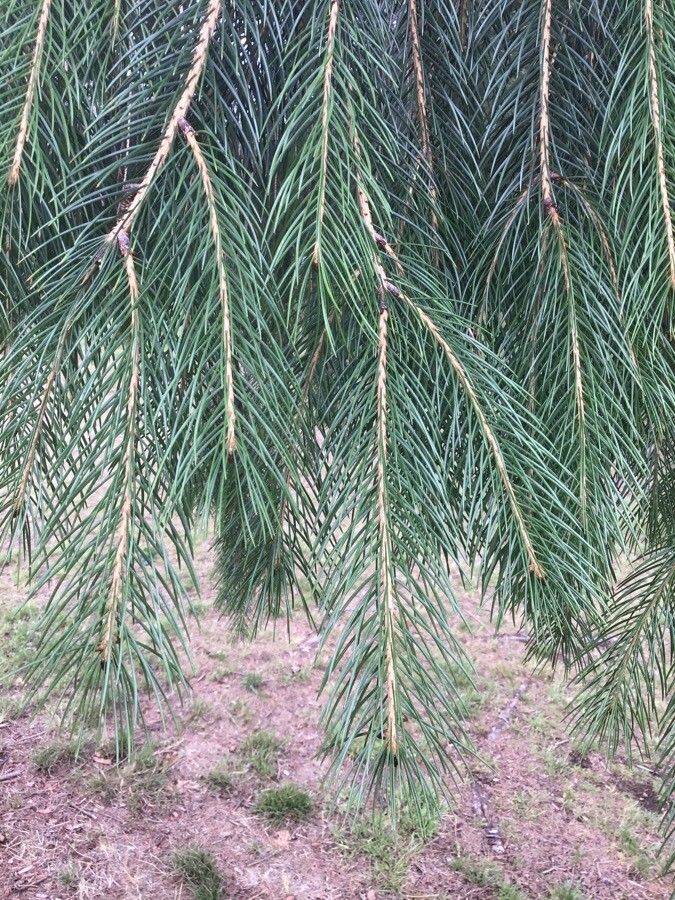
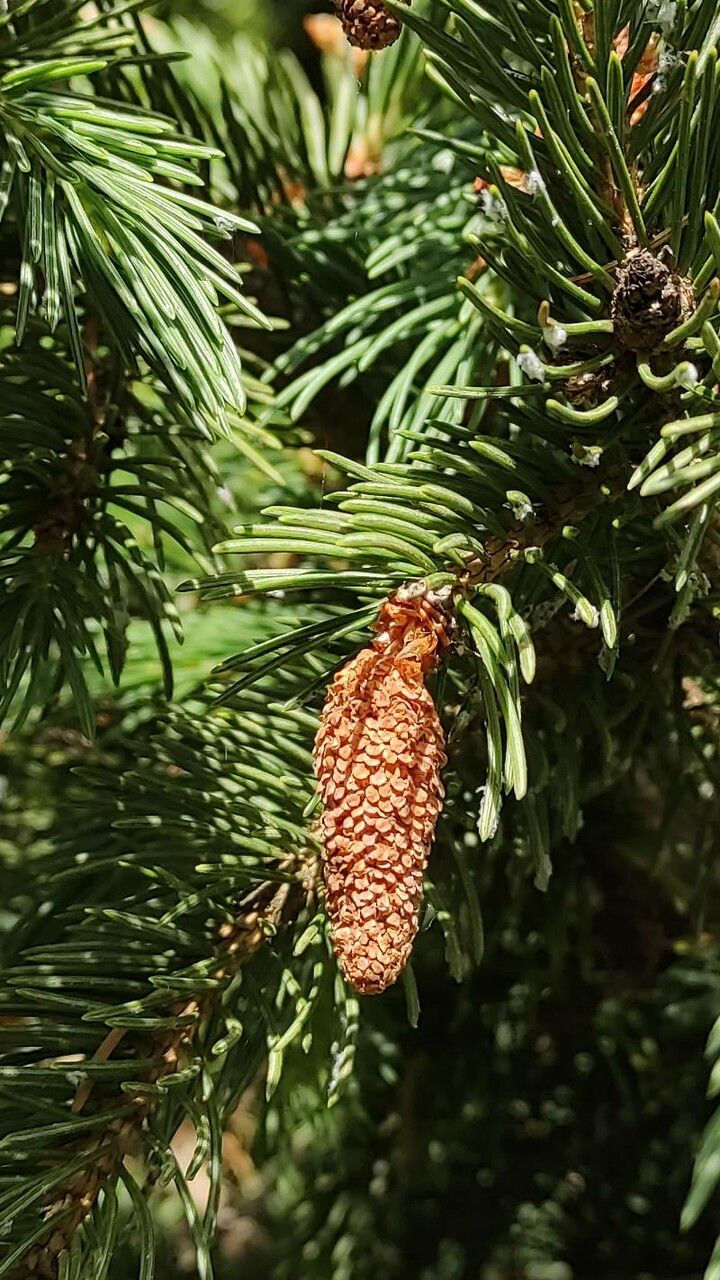
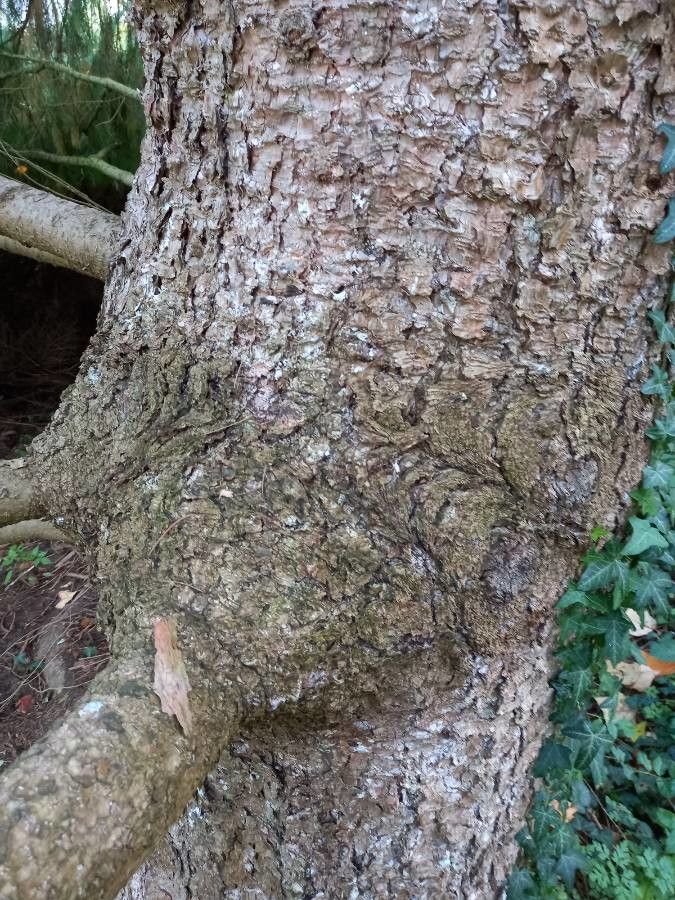
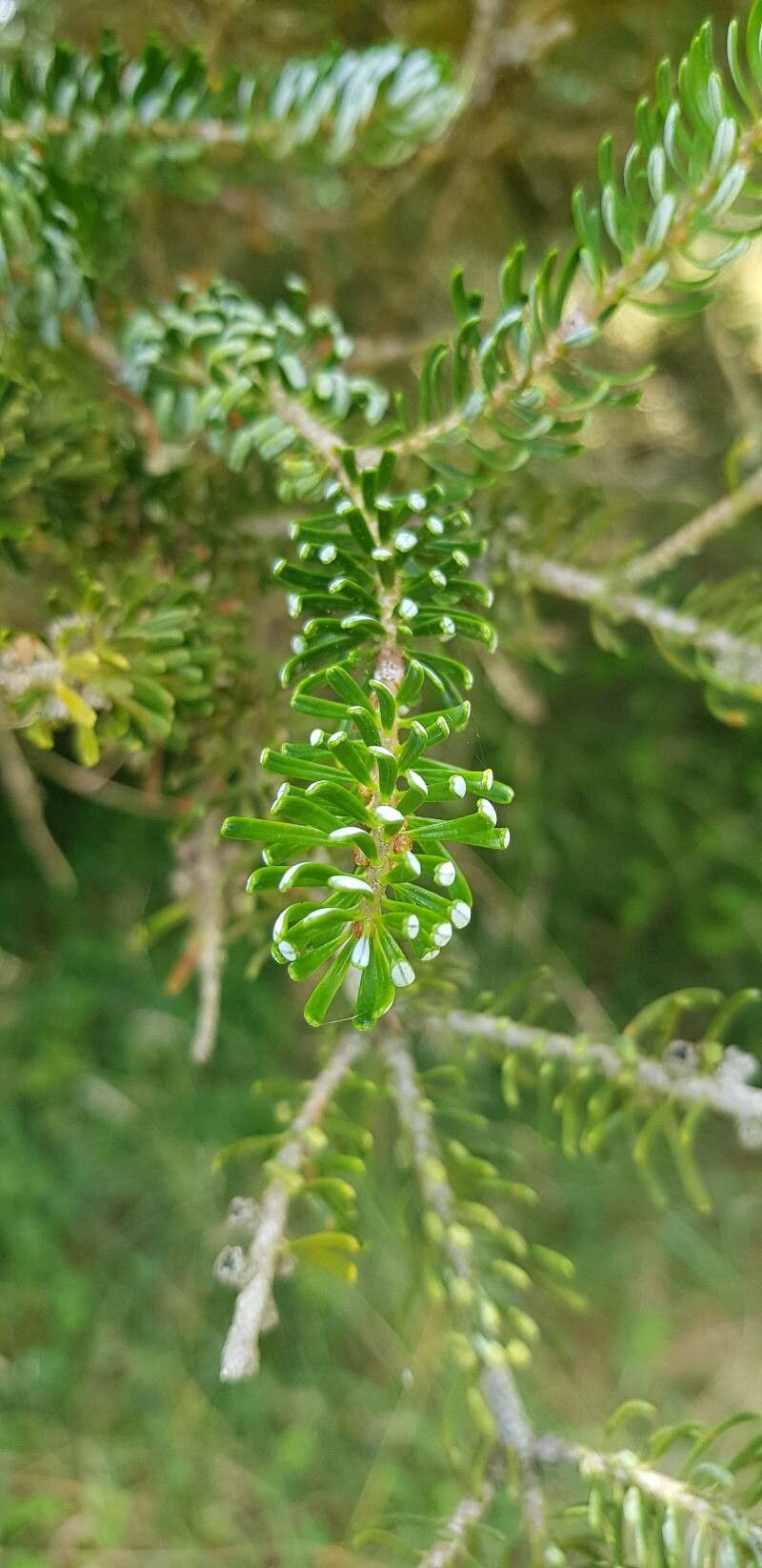
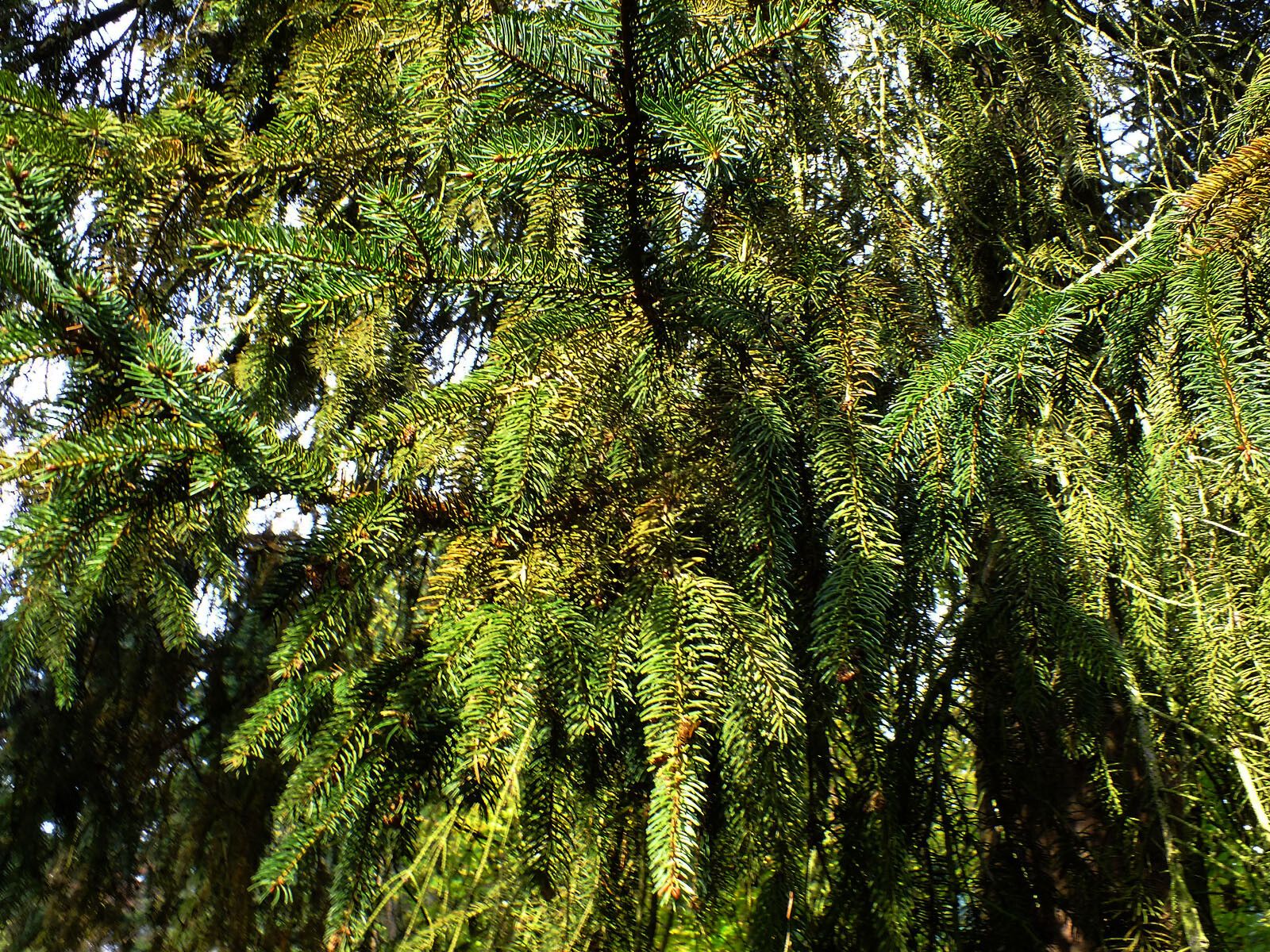
Picea smithiana, commonly known as the Himalayan spruce, is a large evergreen conifer native to the Himalayan regions of India, Pakistan, and Afghanistan. This tree can reach heights of up to 60 meters and has a conical shape characterized by dense branches covered in needle-like leaves. The needles are bluish-green and can grow up to 6 centimeters long.
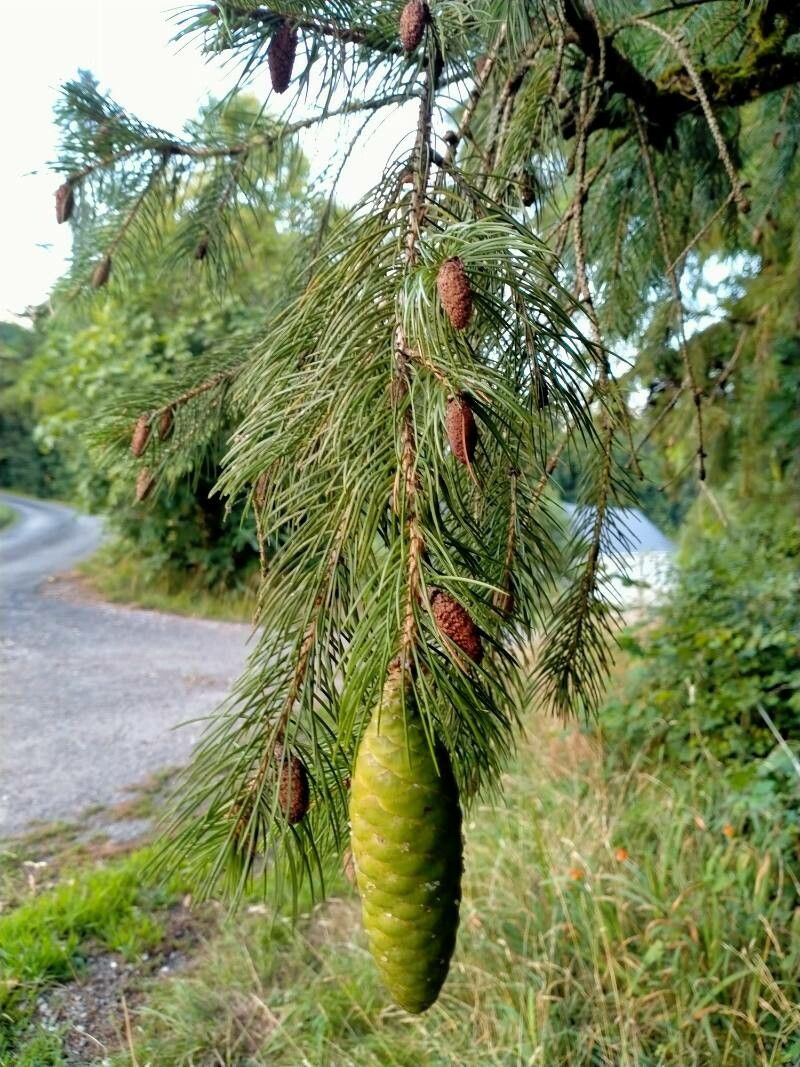
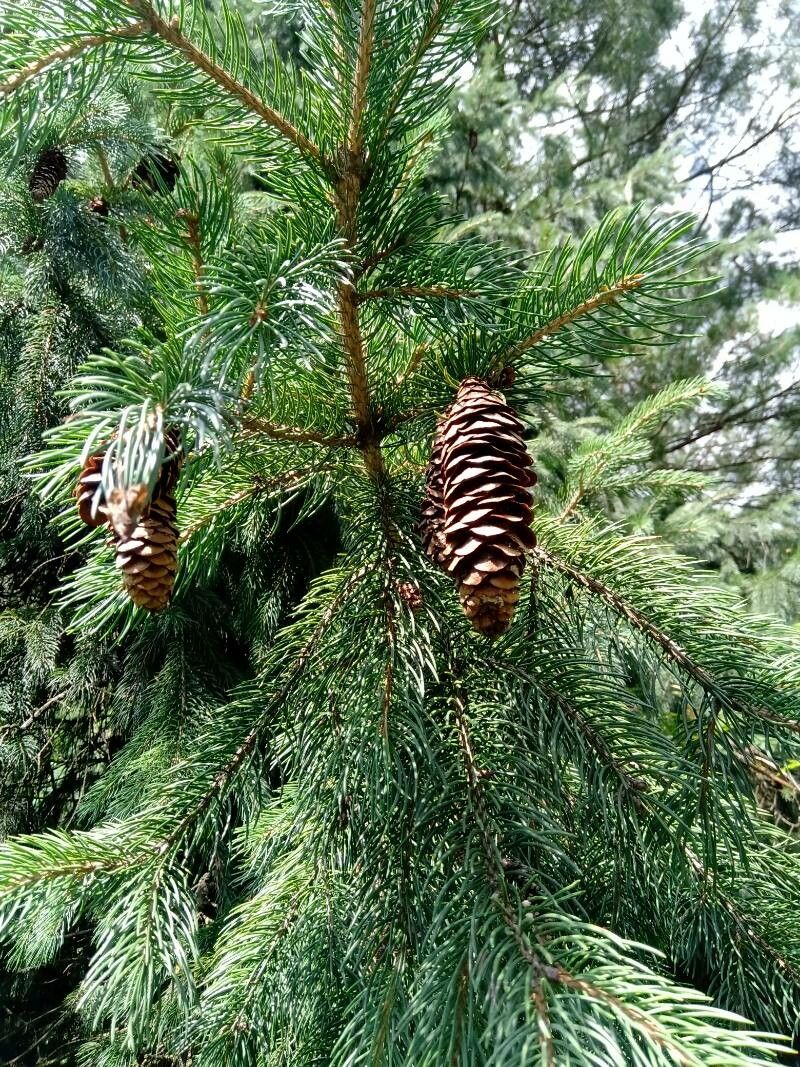
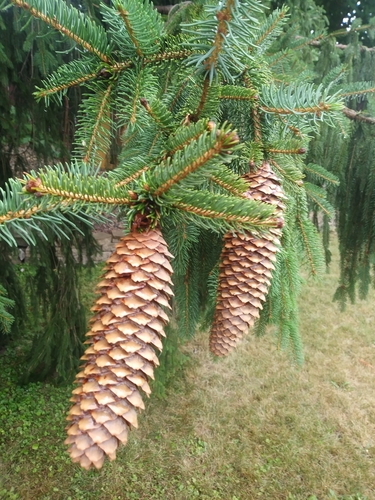
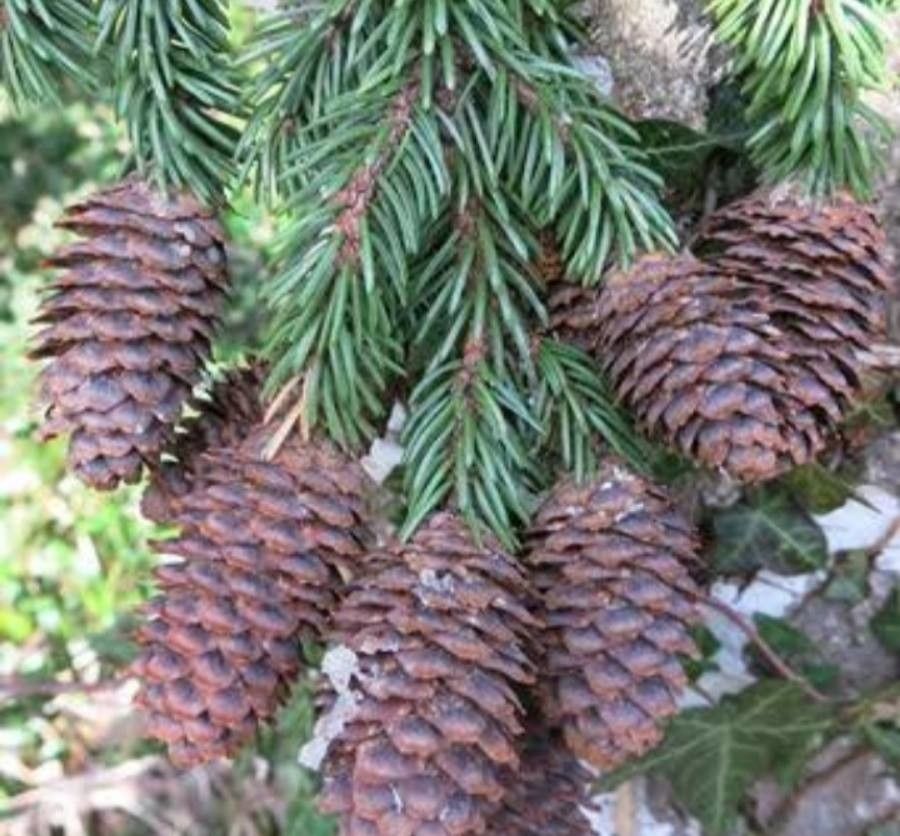
The tree produces cylindrical cones that can grow up to 20 centimeters in length. Initially green, these cones turn brown as they mature, eventually releasing small seeds that are dispersed by the wind.
Picea smithiana is valued as an important timber tree due to its strong wood, which is used for various construction purposes, such as building houses, bridges, and furniture. Additionally, its attractive appearance makes it popular for ornamental landscaping.
This plant thrives in cool climates with high rainfall but can also tolerate dry conditions once established. It grows best in well-drained soils with a pH range of 5 to 7.
Overall, Picea smithiana plays an important role both economically and aesthetically. It is a vital part of the ecosystem, whether growing naturally or planted intentionally by humans for timber production or landscaping projects.
Morinda spruce resists disease well and is typically not susceptible to illnesses. As for maintenance, this plant is fairly low-maintenance. When grown outdoors it needs only minimal watering, and larger specimens usually do not require pruning. Smaller plants, however, should be trimmed after they finish blooming. Morinda sprucet is suitable for anyone with an outdoor area, such as a garden or deck, and does not demand much plant-care experience.
How to keep Picea Smithiana.
Light
Morinda spruce is native to open habitats like sunny meadows and forest edges where light is plentiful. It prospers in full sun but can also tolerate partial sun, adapting well to different light conditions.
Water
After transplanting a Morinda spruce, water the plant 5 to 7 times every 5 to 7 days using a solution with rooting powder to encourage root growth. It's important to keep the soil moist, but avoid allowing any standing water, as this can lead to root rot. After this initial period, water the spruce approximately every 10 days, adjusting the frequency based on the weather conditions. If you notice the leaves softening or drooping, increase the watering frequency accordingly.
Fertilizer
Morinda spruce has distinct nutrient needs and does not require heavy fertilization. Spring is the best time to apply fertilizer for optimal growth. Supplying nutrients improves its health, increases resistance to pests and diseases, and helps preserve its long lifespan.
Pruning
Morinda spruce benefits from pruning between early and late winter, concentrating on the removal of dead or overcrowded branches to improve its health and structure. It is important to avoid heavy pruning to prevent the tree from going into shock. Pruning during this time coincides with the tree's dormancy, reducing stress and promoting vigorous growth in the spring, which ultimately enhances its resilience.
Botanical profile.
- Plant Type
- Tree
- Life Cycle
- Perennial
- Genus
- Picea
- Family
- Pinaceae
- Hardiness Zone
- 5-8
- Mature Height
- 21.34 m to 30.48 m
- Mature Spread
- 6.1 m to 10.06 m
- Leaf Color
- Dark Green
- Leaf Type
- Evergreen
- Flower Size
- 15.24 cm
- Bloom Time
- Mid spring, Late spring
- Planting Time
- Spring, Summer, Autumn
- Harvest Time
- Late summer, Early fall, Mid fall
- Native Area
- Nepal, Afghanistan, India, Pakistan, China
Other names.