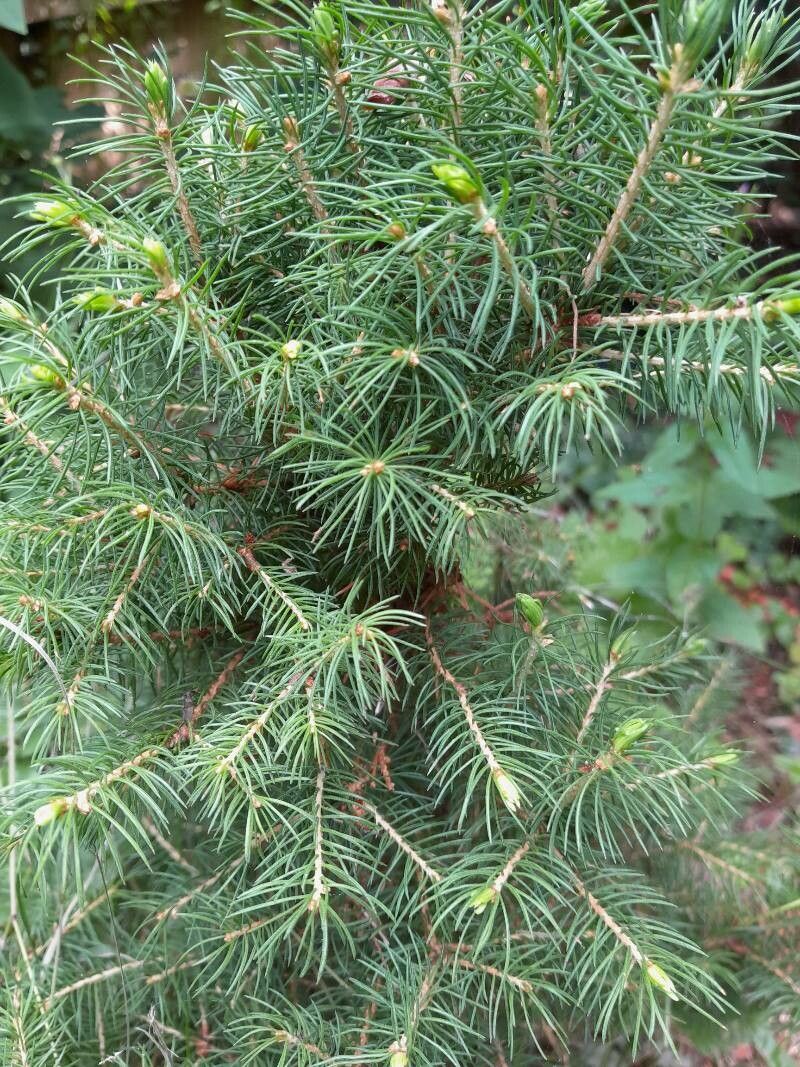
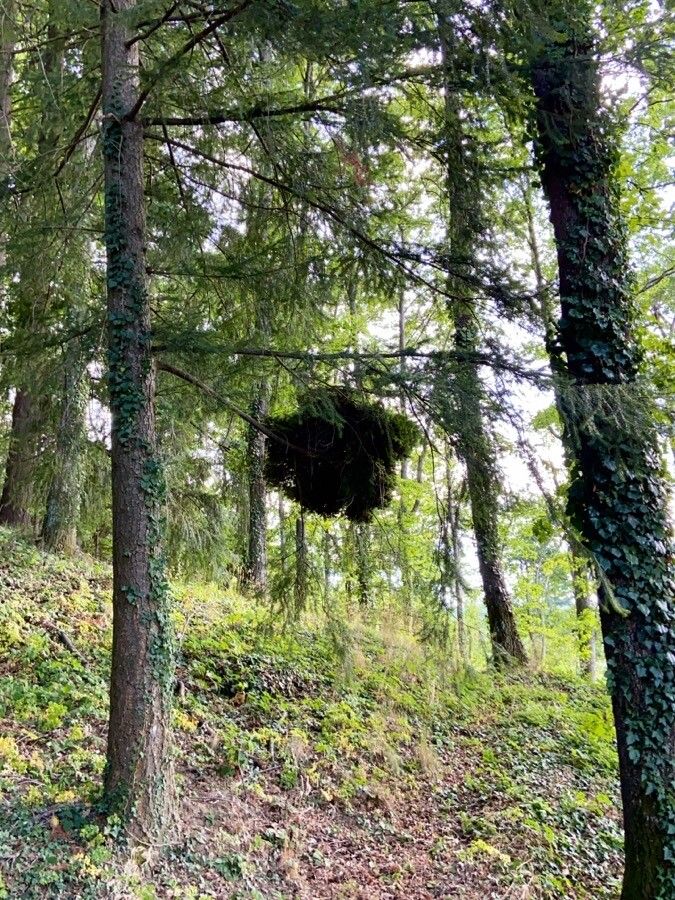
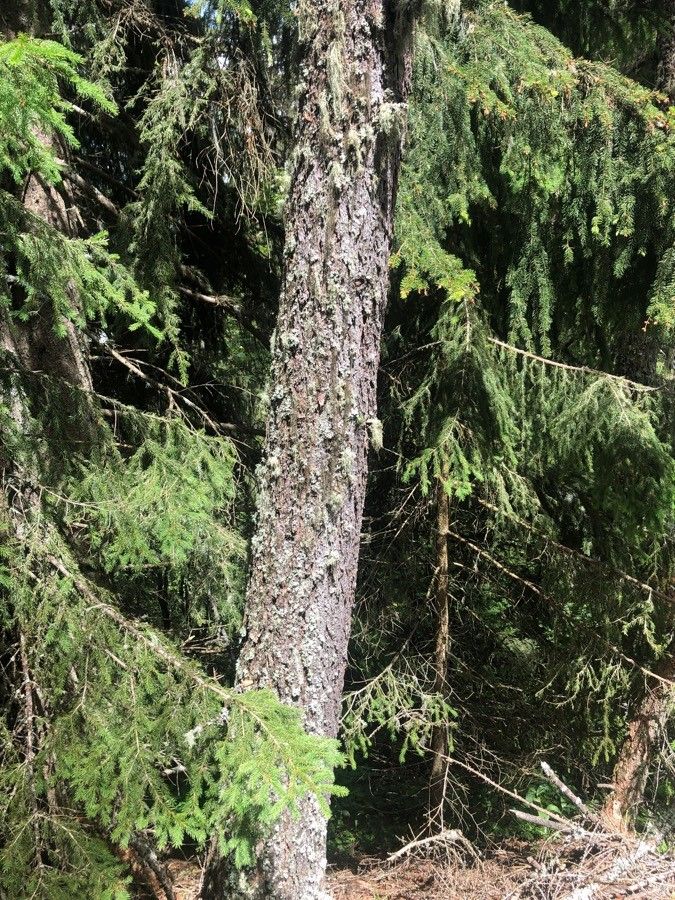
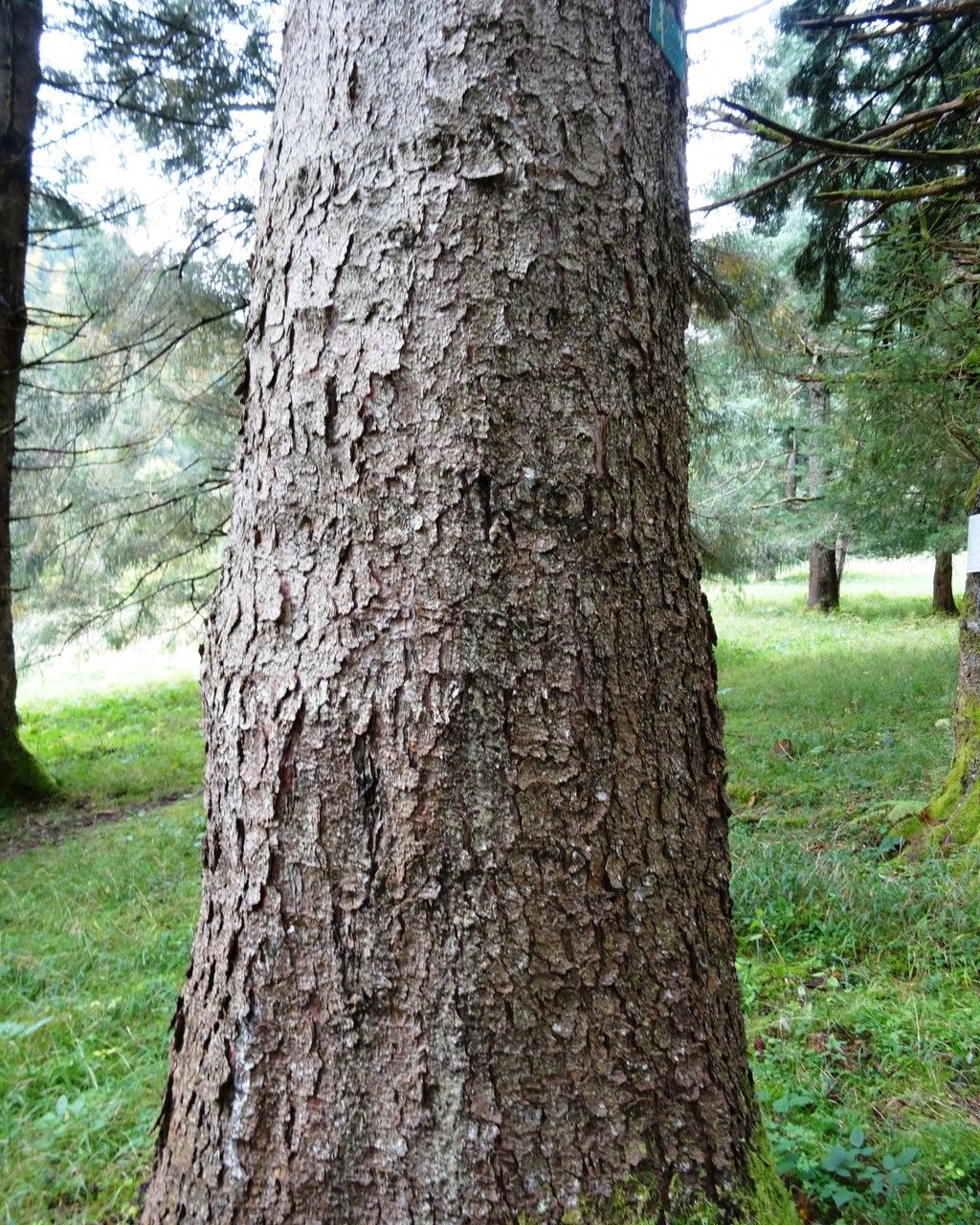
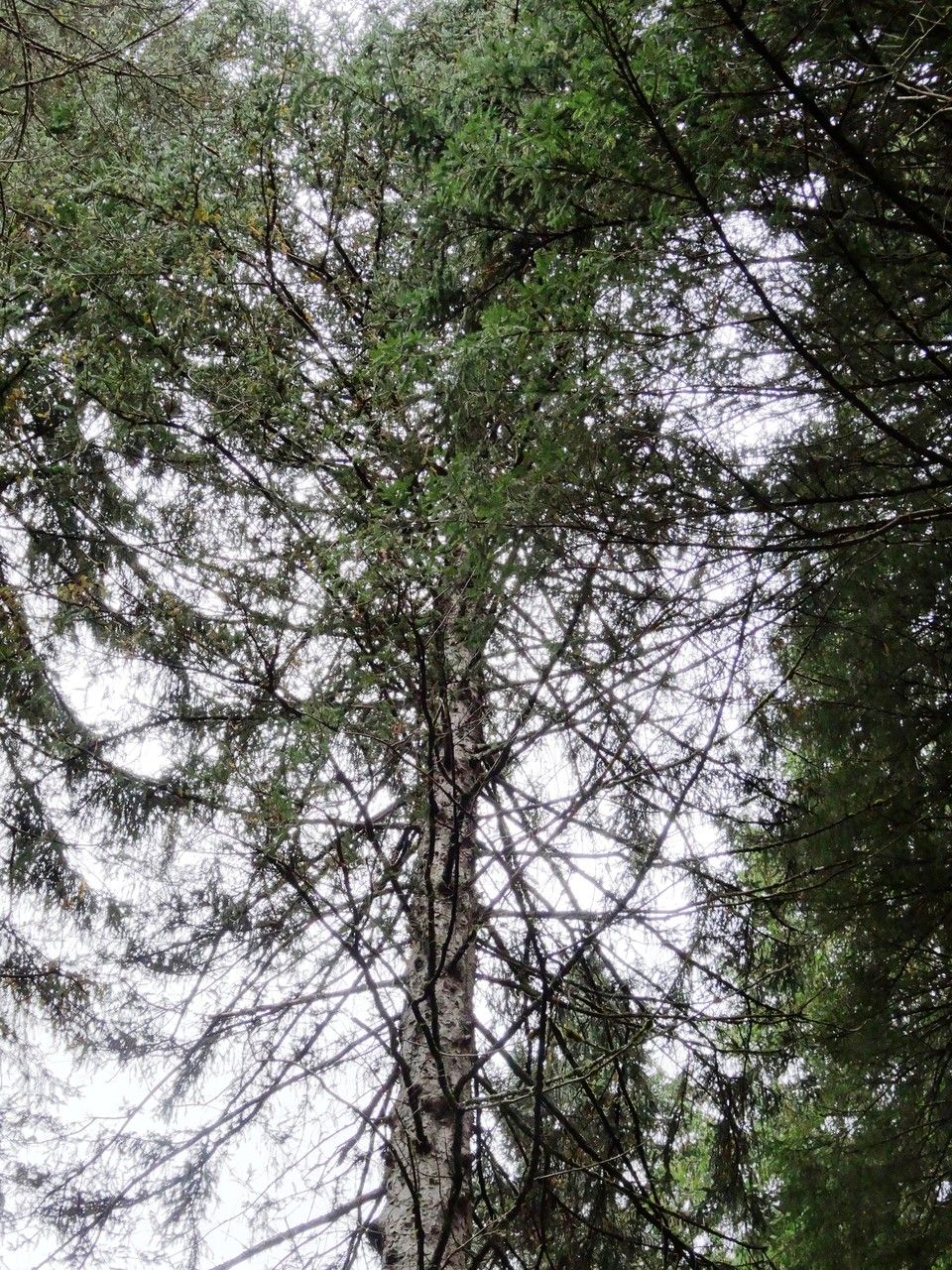
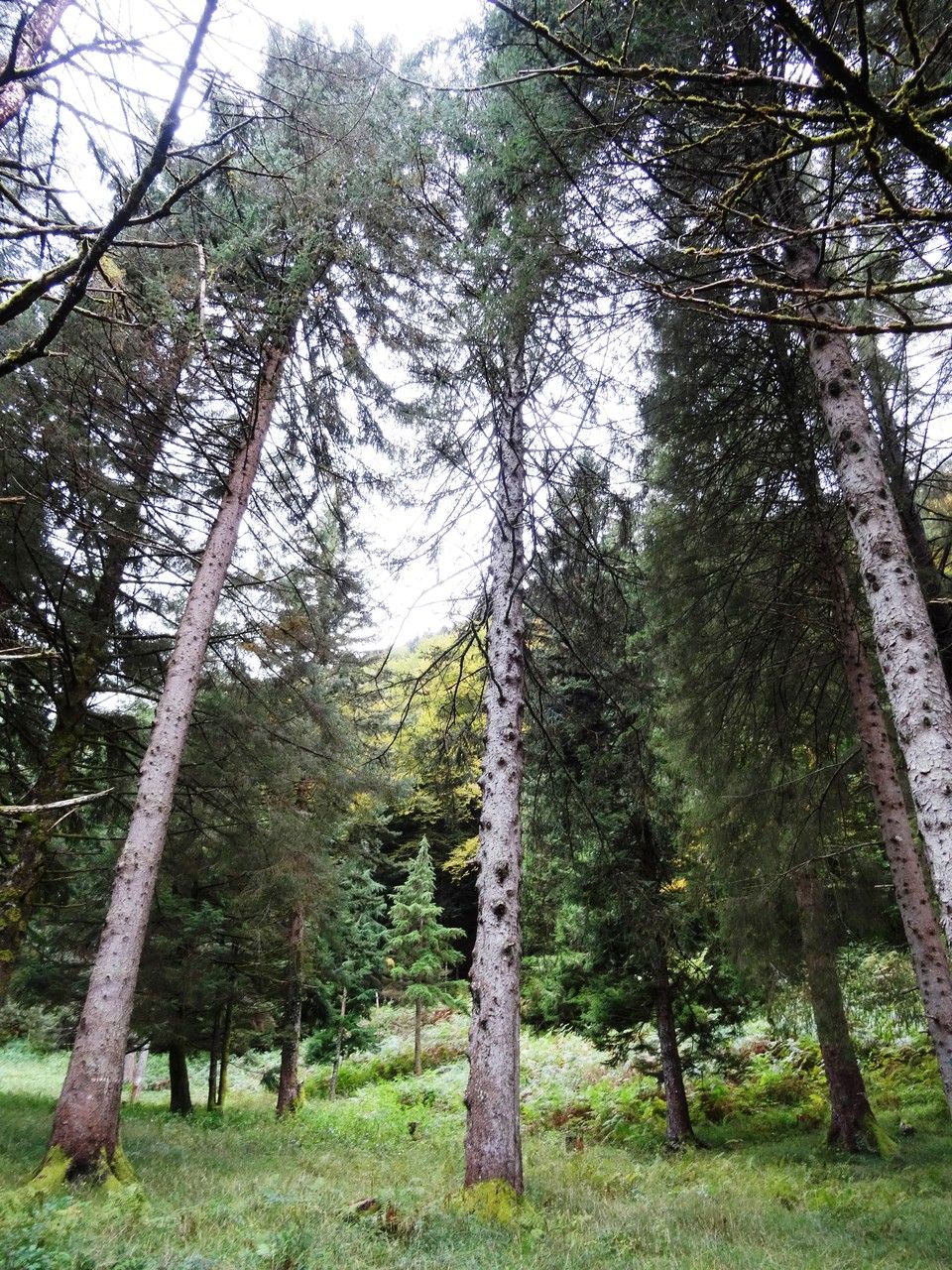
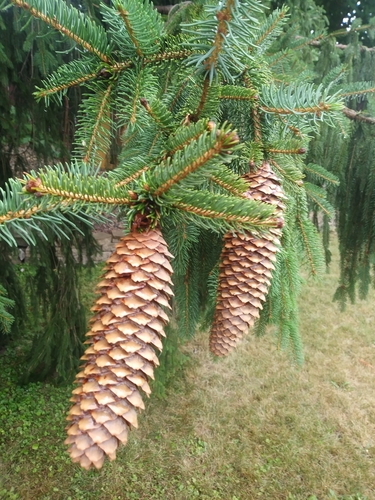
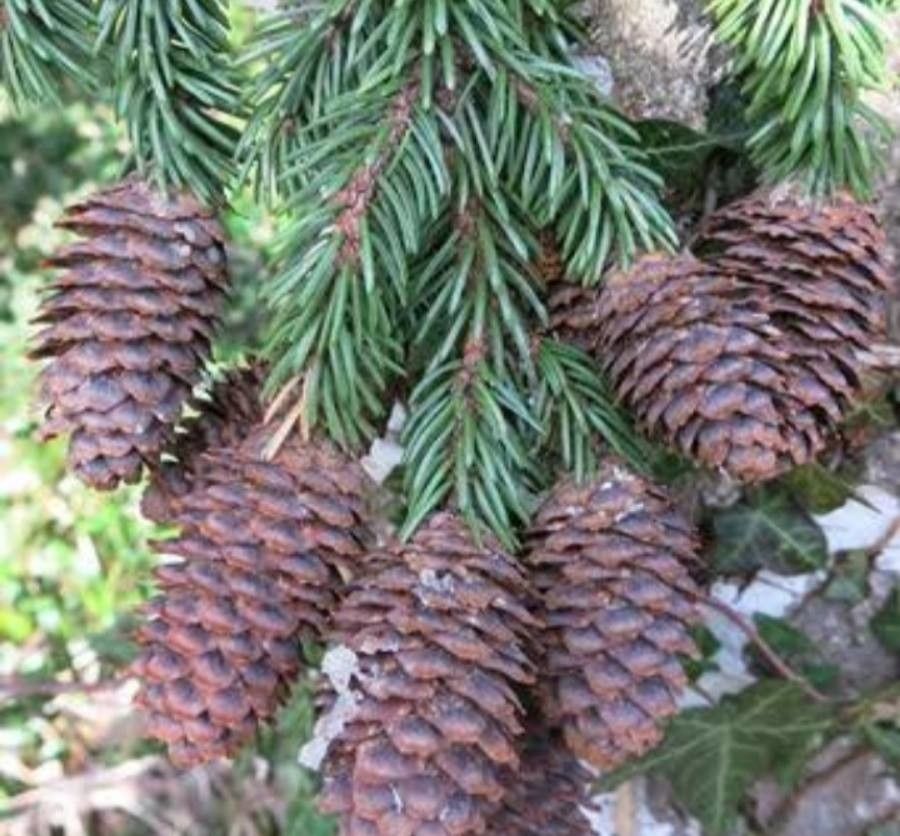
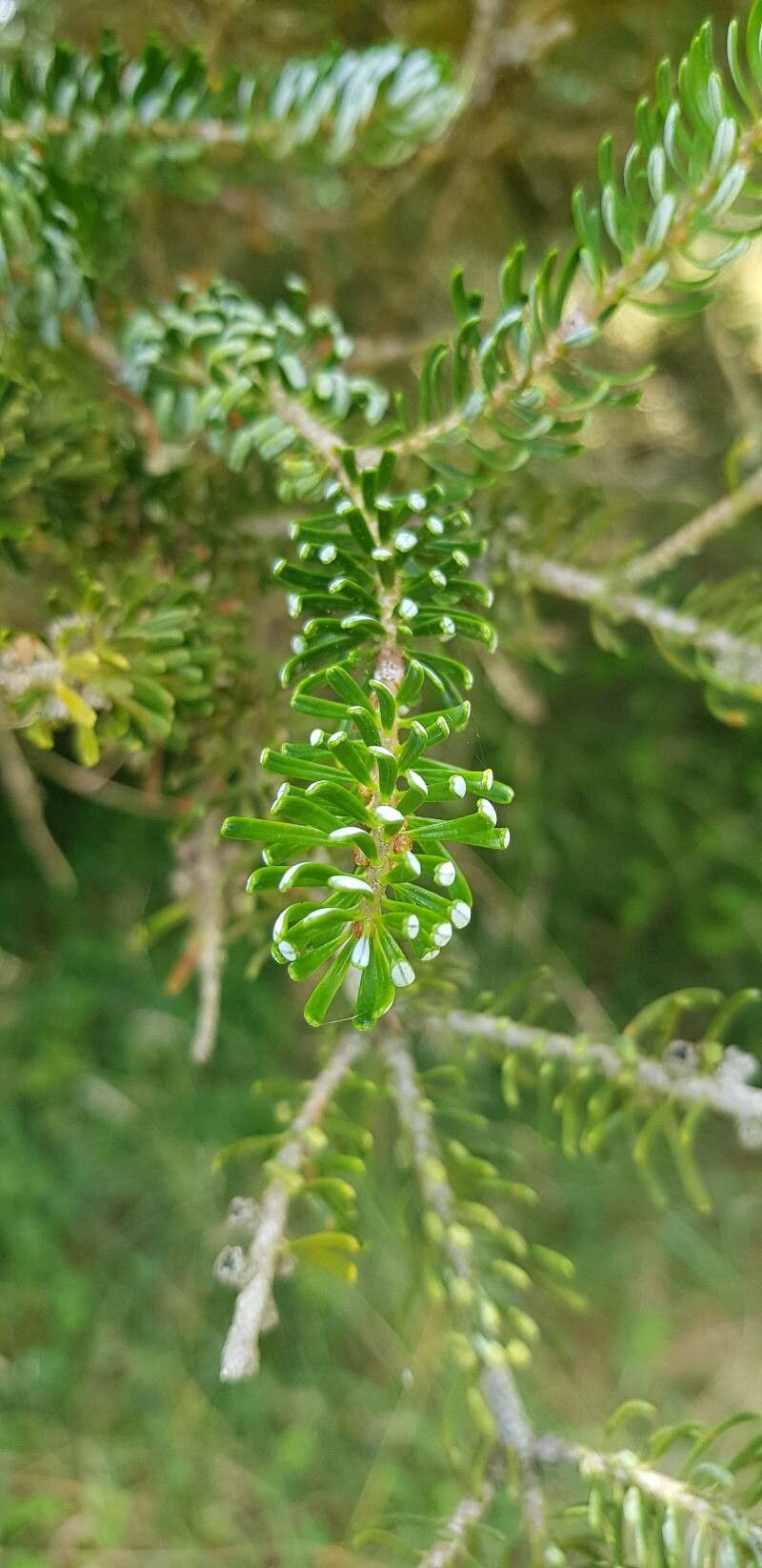
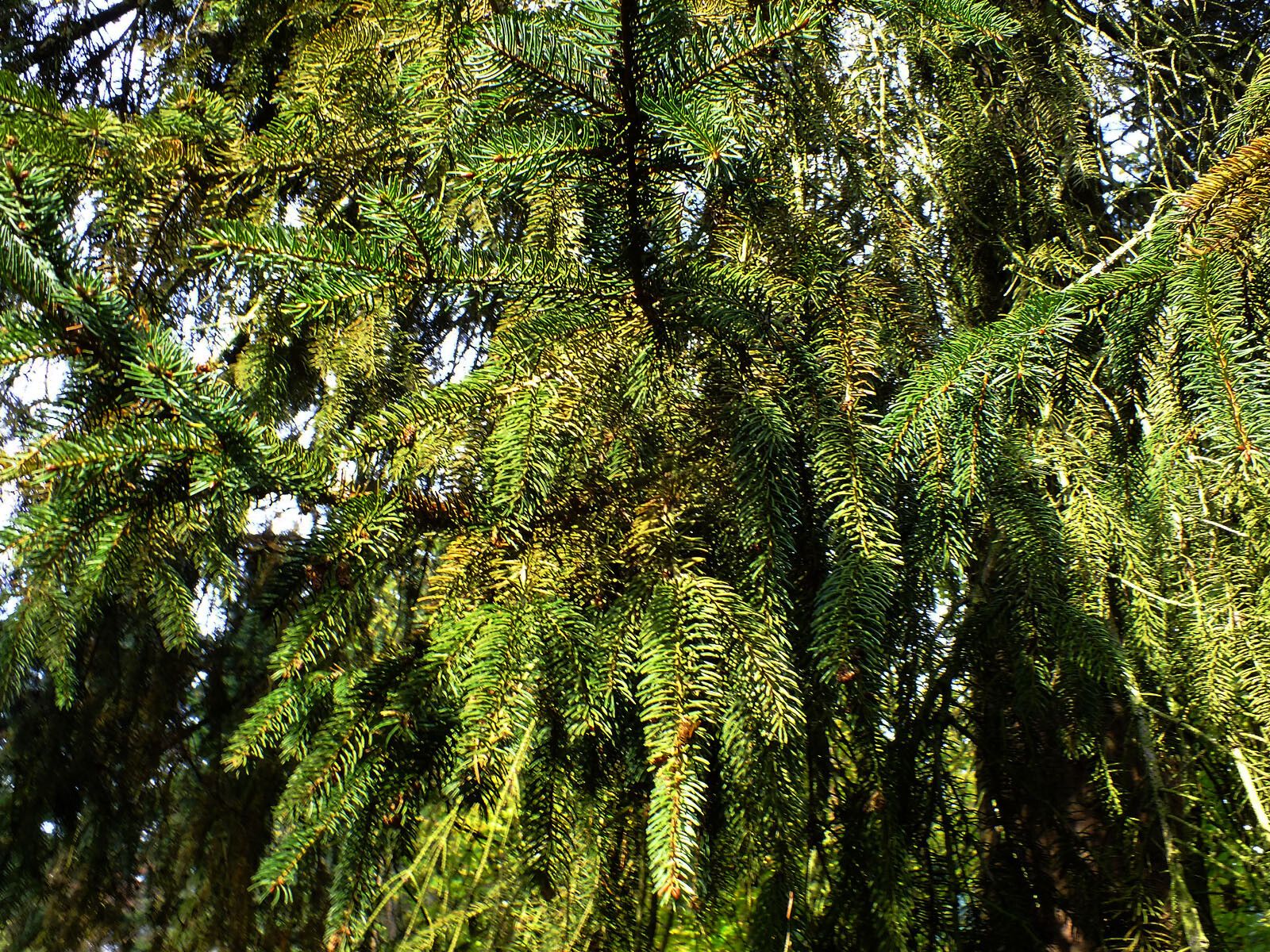
Picea morrisonicola, commonly known as Morrison spruce, is a species of evergreen coniferous tree in the Pinaceae family. Native to Taiwan, it thrives in the central mountain range at elevations of 2,000 to 3,000 meters. This tree can reach heights of up to 30 meters and features a conical shape with dense blue-green foliage made up of short needles. Its cylindrical cones can measure up to 10 cm in length.
Morrison spruce is a significant timber species in Taiwan, valued for its high-quality wood that is commonly used in construction, furniture making, and building materials. It is also prized for its ornamental beauty, making it a popular choice for landscaping.
The tree prefers well-drained soils rich in organic matter and requires full sun for optimal growth. While it necessitates regular watering during dry periods, it is also capable of withstanding occasional droughts.
Despite its importance, Picea morrisonicola faces threats from deforestation due to human activities such as logging and land conversion for agriculture. To combat these threats, the Taiwanese government has implemented conservation efforts, including reforestation programs aimed at restoring degraded forests where this tree naturally grows.
The Taiwan spruce is resistant to disease and typically not susceptible to illnesses. Regarding care, this plant is fairly low-maintenance. When grown outdoors it needs little watering, and larger specimens usually do not require pruning. Smaller specimens, however, should be pruned after they finish blooming. The Taiwan spruce is appropriate for anyone with an outdoor area, such as a garden or deck, and does not demand extensive care experience.
How to keep Picea Morrisonicola.
Light
Taiwan spruce is native to open habitats—such as bright meadows and forest margins—that provide plenty of light. It prefers Full Sun but will also tolerate Partial Sun, adjusting well to different light levels.
Water
The Taiwan spruce is native to high-altitude regions and thrives in cool, humid conditions. It prefers consistent moisture but can tolerate brief periods of dryness. Regular weekly watering helps maintain its evergreen foliage, while careful water management during colder months prevents desiccation.
Fertilizer
Taiwan spruce has specific nutrient needs and does not require excessive fertilization. Spring is the best time to apply fertilizer for optimal growth. Providing nutrients enhances its health, increases its resistance to pests and diseases, and helps sustain its long lifespan.
Pruning
The Taiwan spruce has dense foliage and a conical shape. It is best to prune this tree from early to late winter by removing dead or damaged branches. Light trimming can help enhance its shape, but heavy pruning is not recommended. Pruning during the dormant season minimizes sap loss and stress, leading to stronger growth in the spring.
Botanical profile.
- Plant Type
- Tree
- Life Cycle
- Perennial
- Genus
- Picea
- Family
- Pinaceae
- Hardiness Zone
- 5-8
- Mature Height
- 49.99 m
- Mature Spread
- 14.94 m
- Leaf Color
- Green
- Leaf Type
- Evergreen
- Flower Color
- Purple
- Flower Size
- 6.35 cm
- Bloom Time
- Mid spring, Late spring
- Planting Time
- Spring, Summer
- Harvest Time
- Late summer, Early fall, Mid fall
- Native Area
- China
Other names.
Reader questions.
What are the sunlight requirements for Taiwan Spruce (Picea morrisonicola)?
Taiwan Spruce (Picea morrisonicola) thrives in various sunlight conditions. Full sun, which is defined as receiving more than 6 hours of direct sunlight daily, is ideal for its growth and well-being. Alternatively, it can also grow well in partial sun, characterized by about 3 to 6 hours of sunlight each day. It's important to observe the movement of sunlight through your garden to ensure you plant your Taiwan Spruce in a location that offers a good balance of light and shade, fostering its happiness and health.
What is the Taiwan spruce?
The Taiwan spruce, known botanically as Picea morrisonicola, is a species of spruce native to the region it is named after. Specific information about its essentials, such as care details, and symptoms of issues it might face seems to be missing or not provided in this reference.