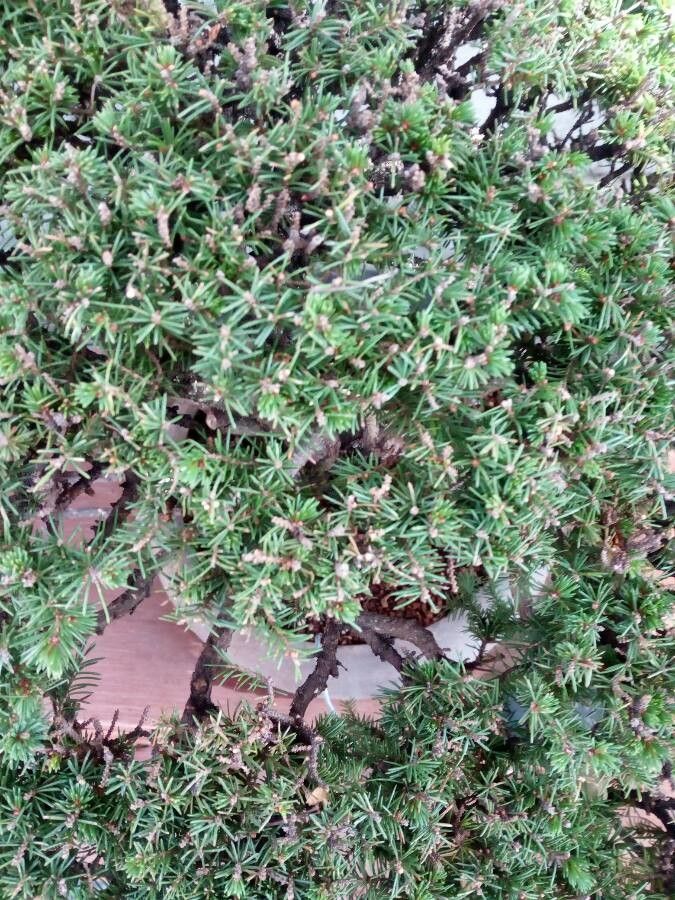
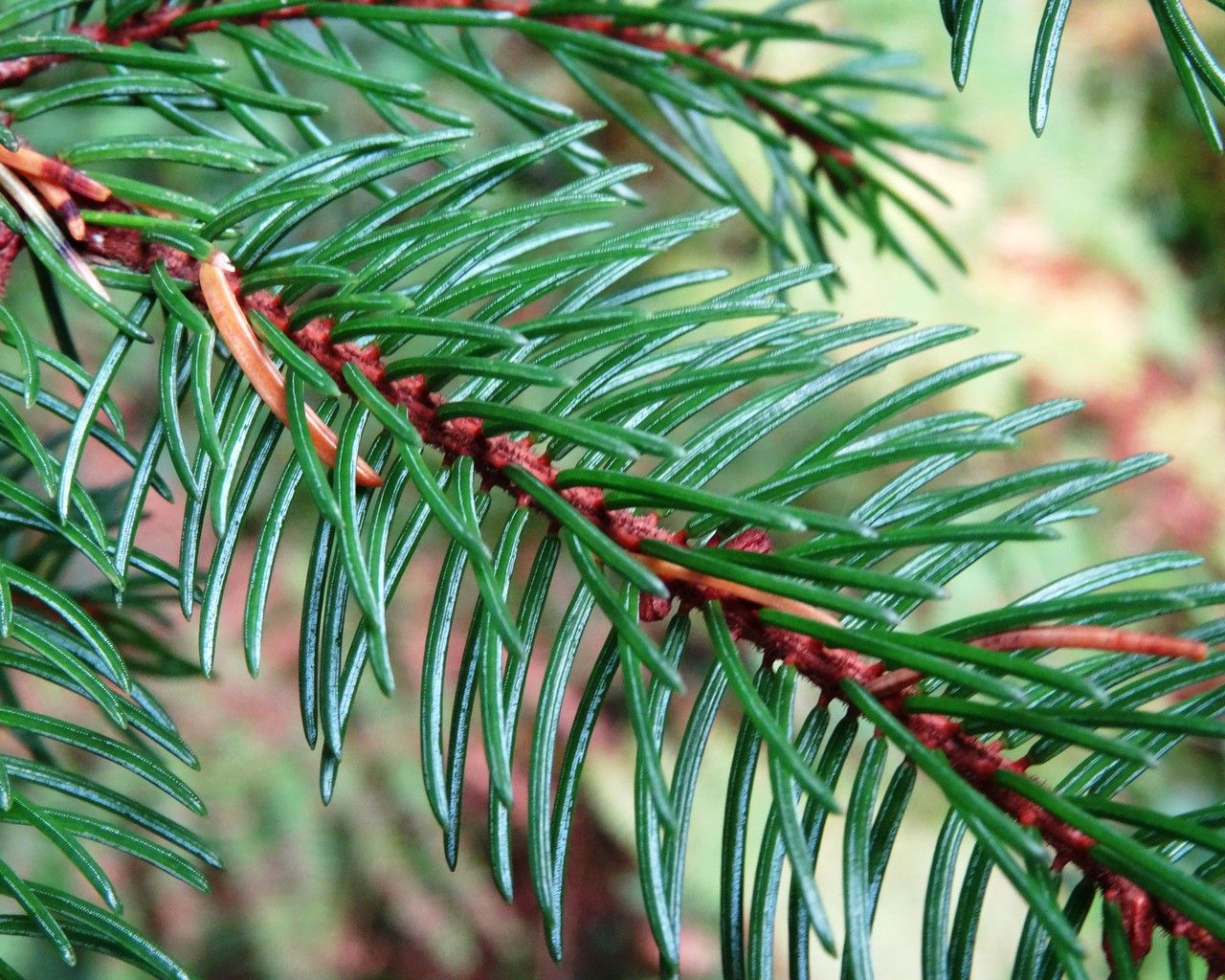
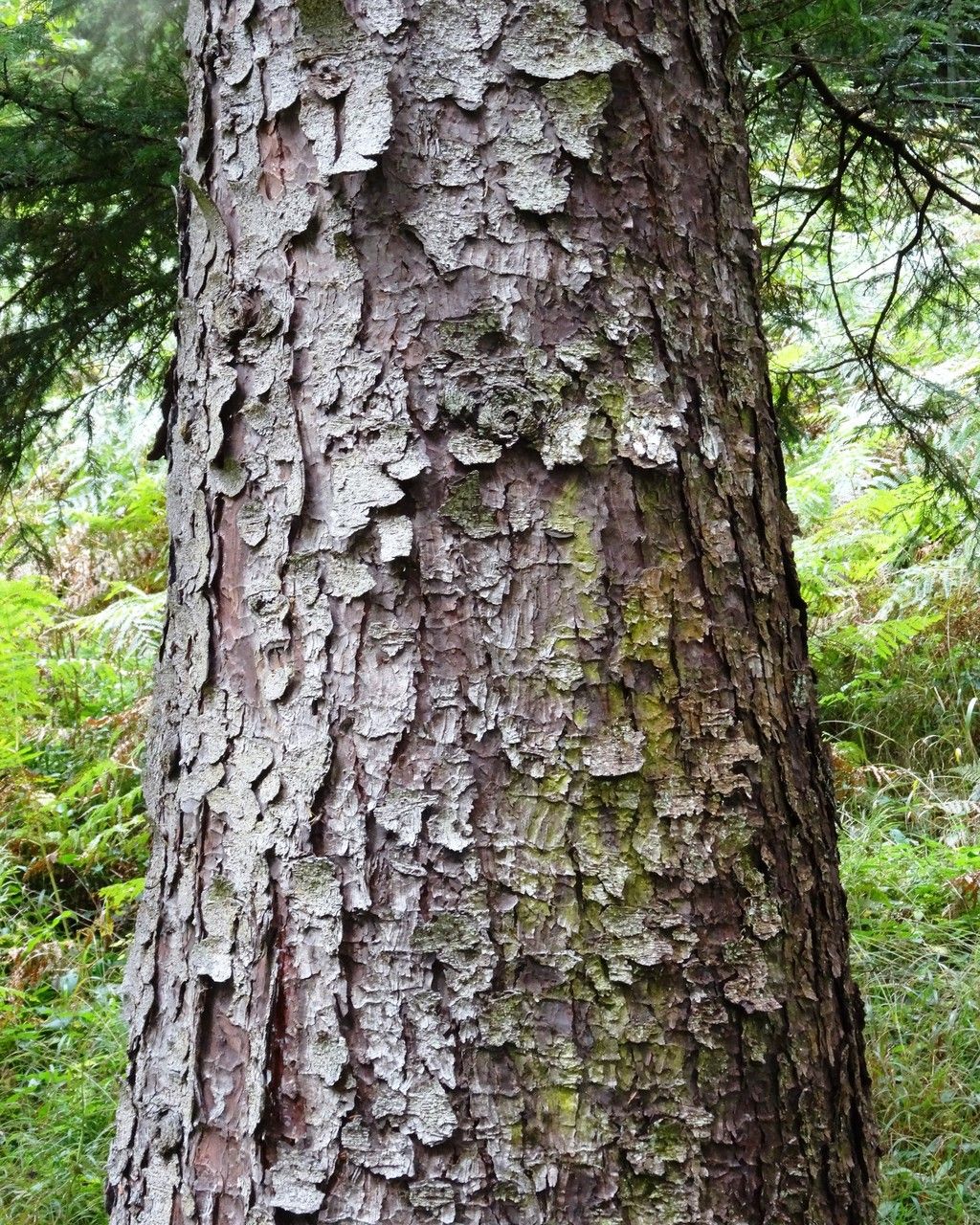
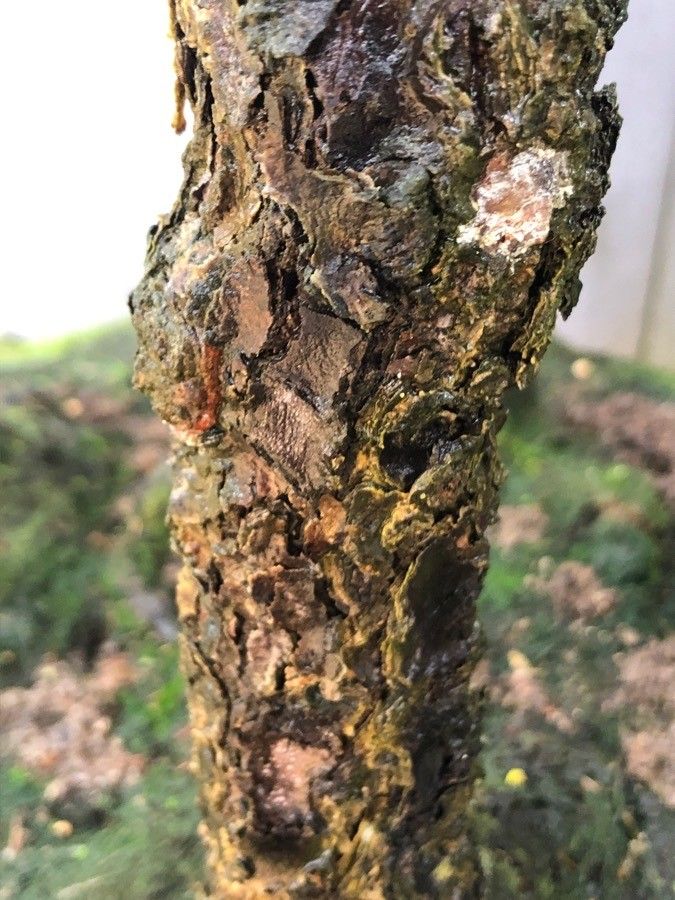
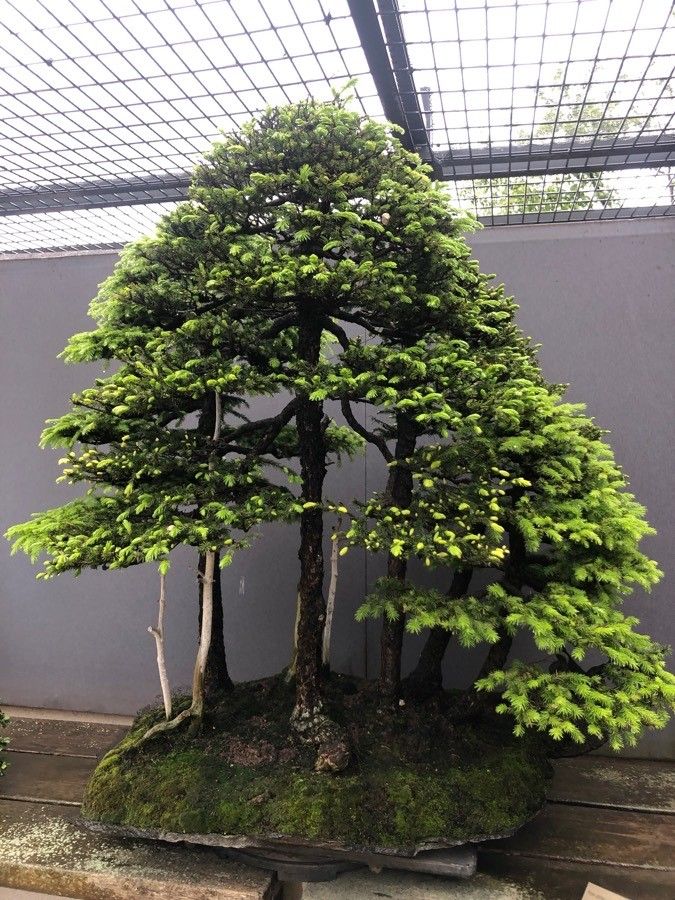
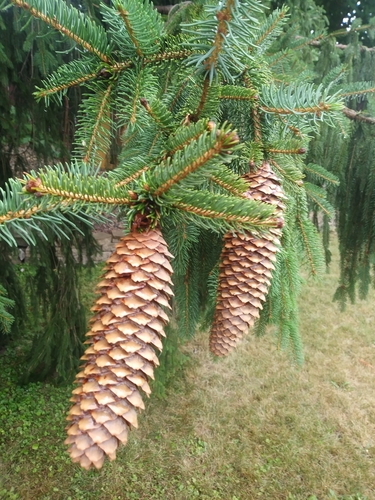
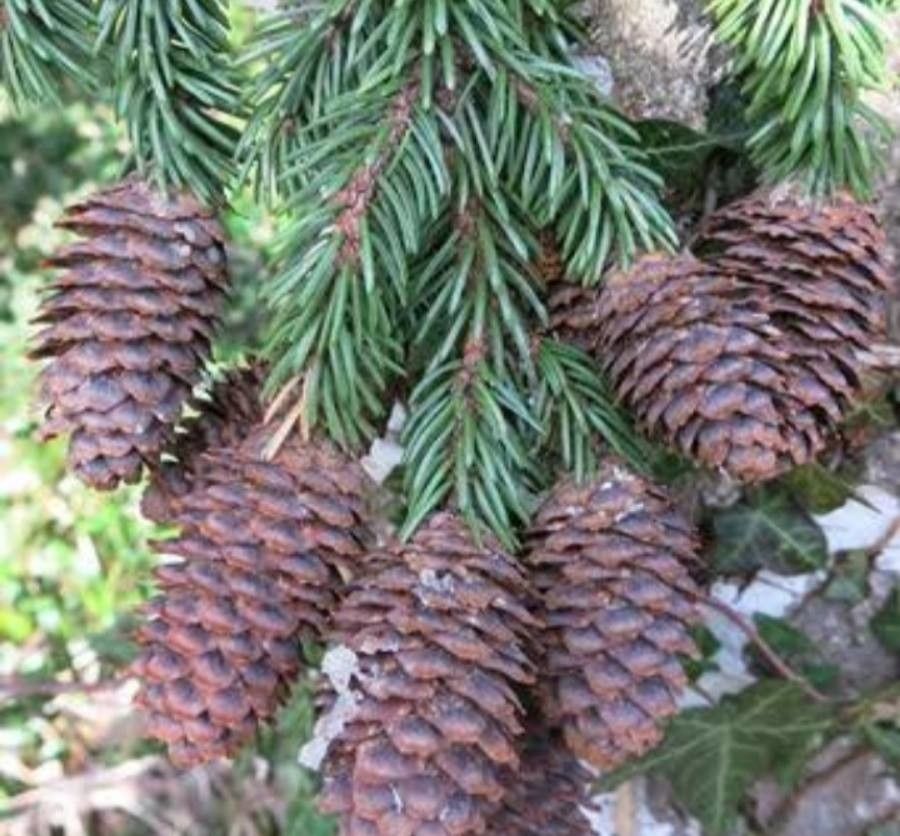
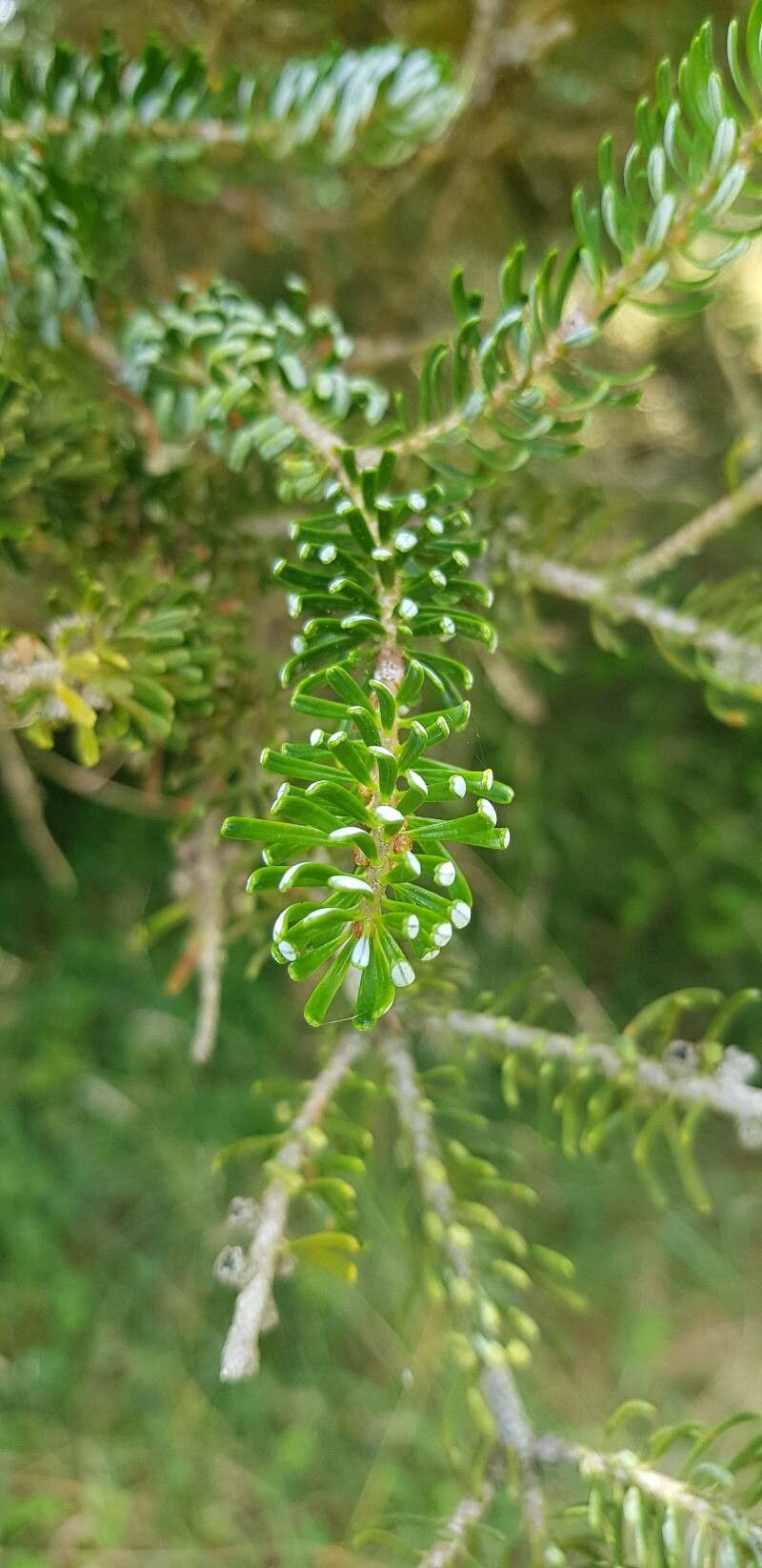
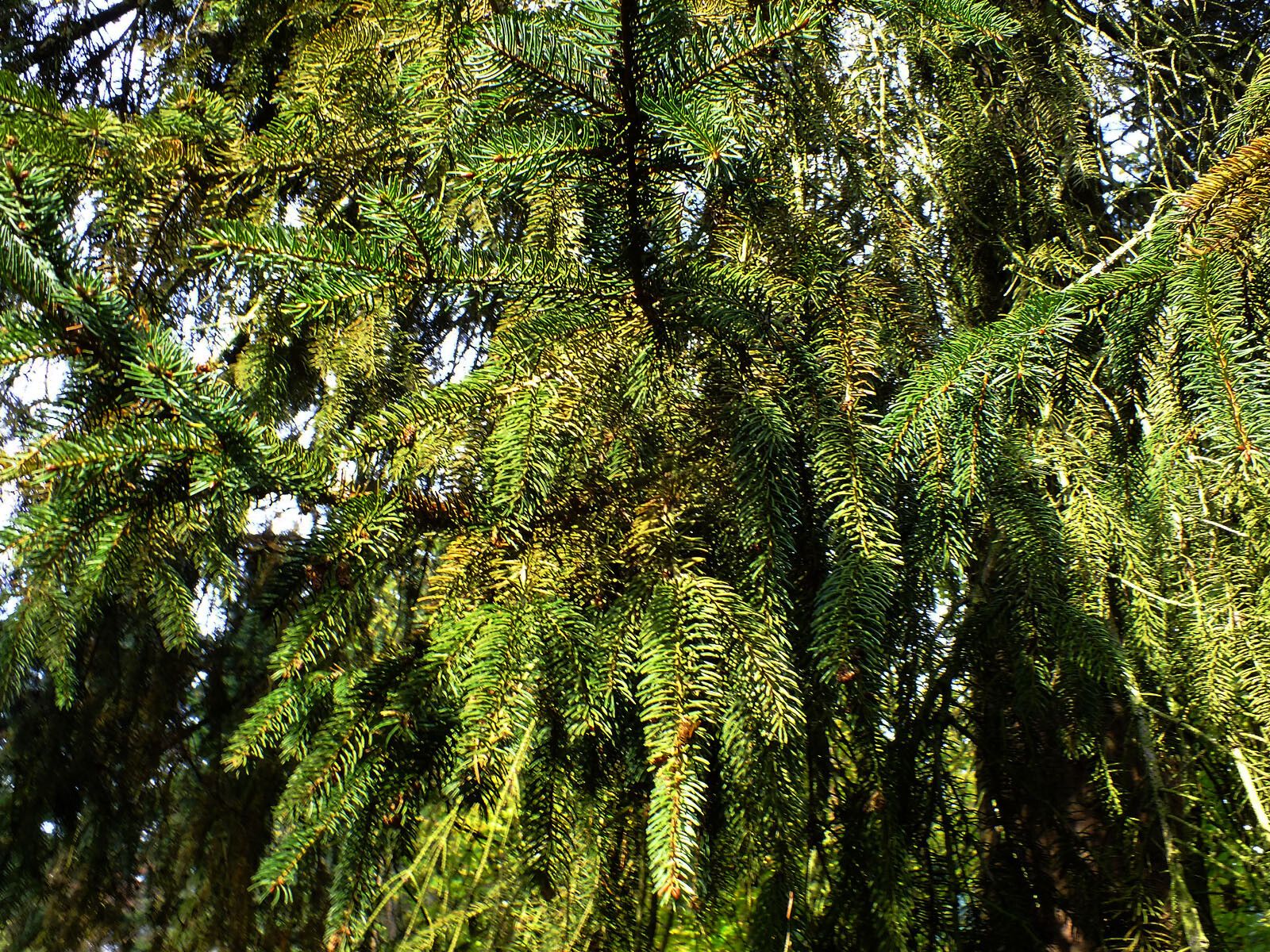
Picea glehnii, the Sakhalin spruce or Glehn's spruce, is a species of conifer in the family Pinaceae. It was named after a Russian botanist, taxonomist, Sakhalin and Amur river regions explorer, geographer and hydrographer Peter von Glehn (1835—1876), the person who was the first to describe this conifer. In Japan people call this tree アカエゾマツ, which means “red spruce”.
Sakhalin spruce has strong resistance to disease and is usually not susceptible to illnesses. Regarding care, this plant is fairly low-maintenance. When planted outdoors it needs only minimal watering, and larger specimens generally do not require pruning. Smaller plants, however, should be pruned after they have finished blooming. Sakhalin spruce is well suited to anyone with an outdoor area, such as a garden or deck, and does not demand much prior plant-care experience.
How to keep Picea Glehnii.
Light
Sakhalin spruce comes from open habitats, such as sunny meadows and forest edges, which provide ample light. It performs best in Full Sun but can also tolerate Partial Sun, adapting well to a range of sunlight conditions.
Water
The Sakhalin spruce thrives in high humidity and moisture-rich environments, needing watering every 1-2 weeks. This evergreen maintains its foliage year-round and requires consistent hydration to ensure a lush appearance.
Temperature
Sakhalin spruce is found in northern areas and high mountain regions. It is very sensitive to temperature and prefers cool conditions and good ventilation in summer. Hot summer temperatures can harm Sakhalin spruce and may even kill it. Providing suitable shade and regular misting during the hot summer months can help it get through the season smoothly. Generally, Sakhalin spruce does not require special winter protection, but it is important to water it adequately before the ground freezes.
Fertilizer
Sakhalin spruce has particular nutrient needs and does not require heavy fertilization. Spring is the best time to apply fertilizer for optimal growth. Providing nutrients enhances its health, increases its resistance to pests and diseases, and helps sustain a long lifespan.
Pruning
The Sakhalin spruce features dense evergreen foliage and flourishes in cool, moist environments. To promote better air circulation, prune in early spring by removing any dead or damaged branches. Light trimming helps maintain its shape and encourages vigorous growth, which in turn reduces the risk of pests and fosters a healthier plant.
Botanical profile.
- Plant Type
- Tree
- Life Cycle
- Perennial
- Genus
- Picea
- Family
- Pinaceae
- Hardiness Zone
- 3-7
- Mature Height
- 24.38 m to 30.48 m
- Mature Spread
- 3.96 m to 6.1 m
- Leaf Color
- Dark Green
- Leaf Type
- Evergreen
- Bloom Time
- Late spring, Early summer
- Planting Time
- Spring, Summer, Autumn
- Harvest Time
- Late summer, Early fall, Mid fall
- Native Area
- Russia, Japan
Other names.
Reader questions.
What are the sunlight requirements for Sakhalin spruce (Picea glehnii)?
Sakhalin spruce (Picea glehnii) thrives in conditions where it can receive varying amounts of sunlight throughout the day. For optimal growth, areas that provide full sun, meaning above 6 hours of direct sunlight, are ideal. However, it can also adapt to partial sun environments, requiring about 3-6 hours of sunlight daily. It's important to observe the way sunlight moves through your garden to identify the best spots that offer a healthy balance of light and shade for your plants, ensuring they remain happy and healthy.
What is the Sakhalin spruce?
The Sakhalin spruce, known botanically as Picea glehnii, is a species of spruce. It does not have additional details provided in this context regarding its essentials or symptoms associated with it.