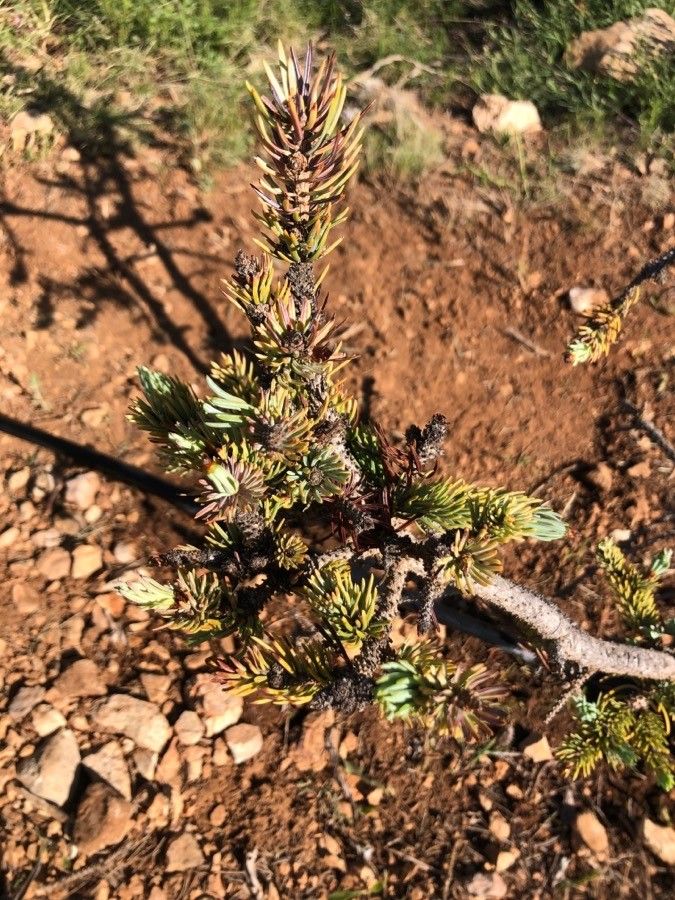
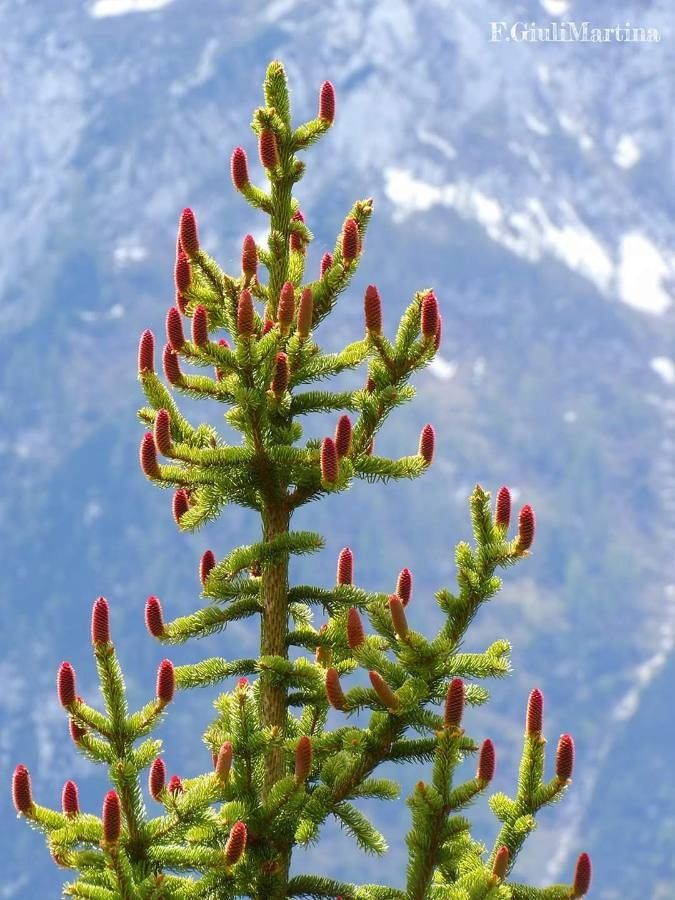
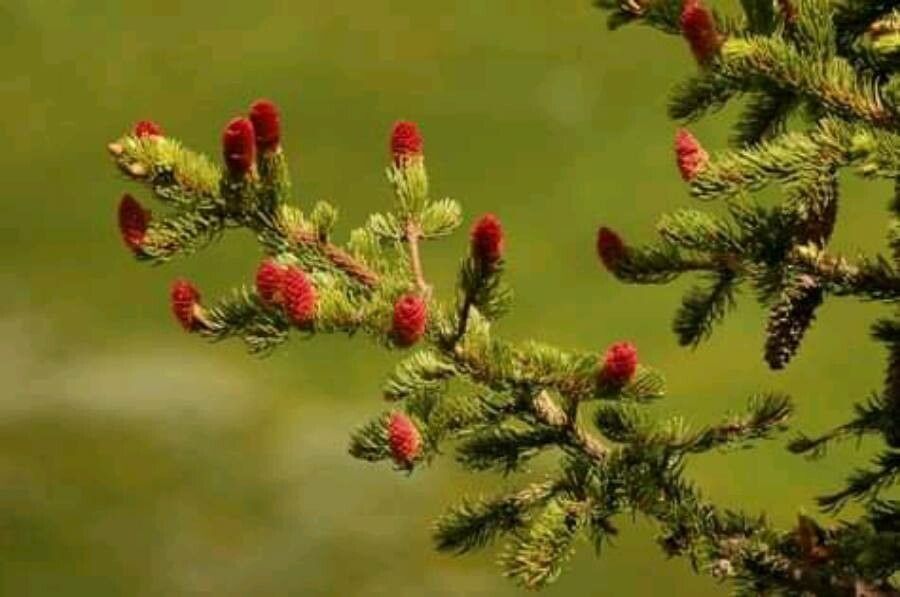
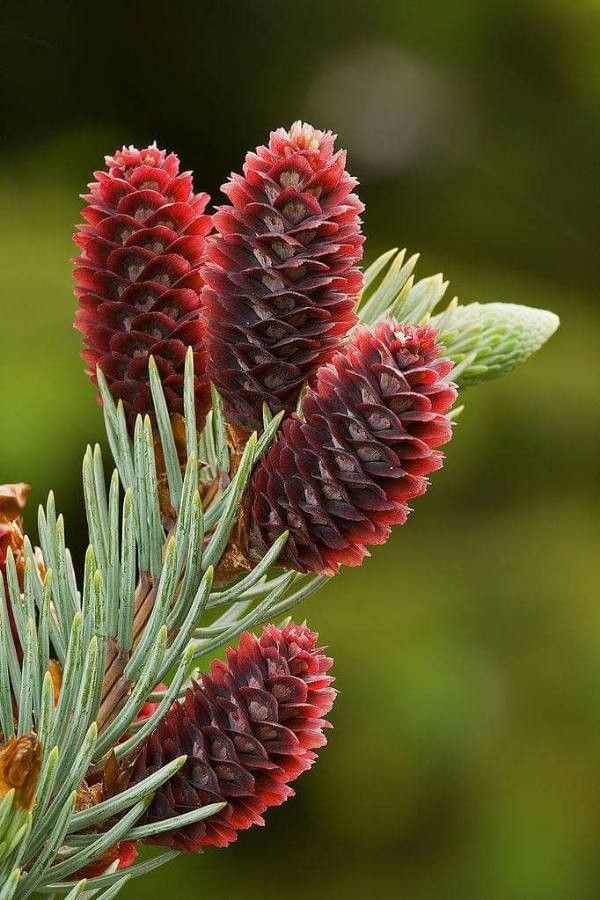
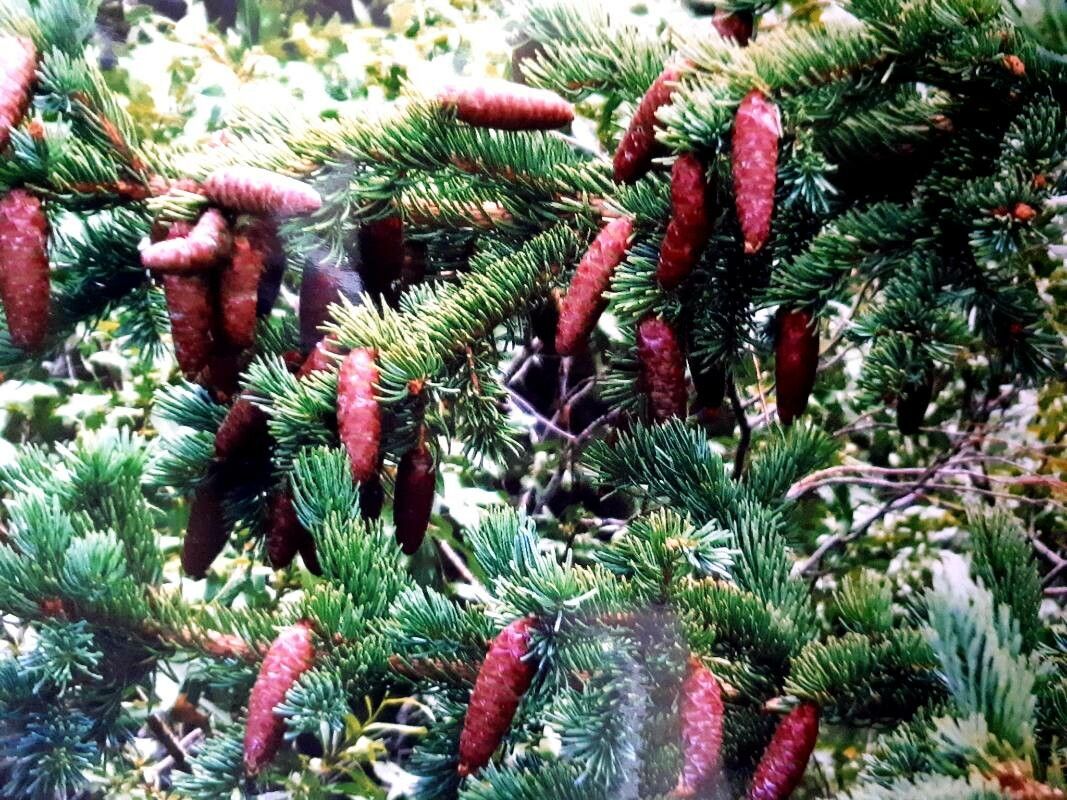
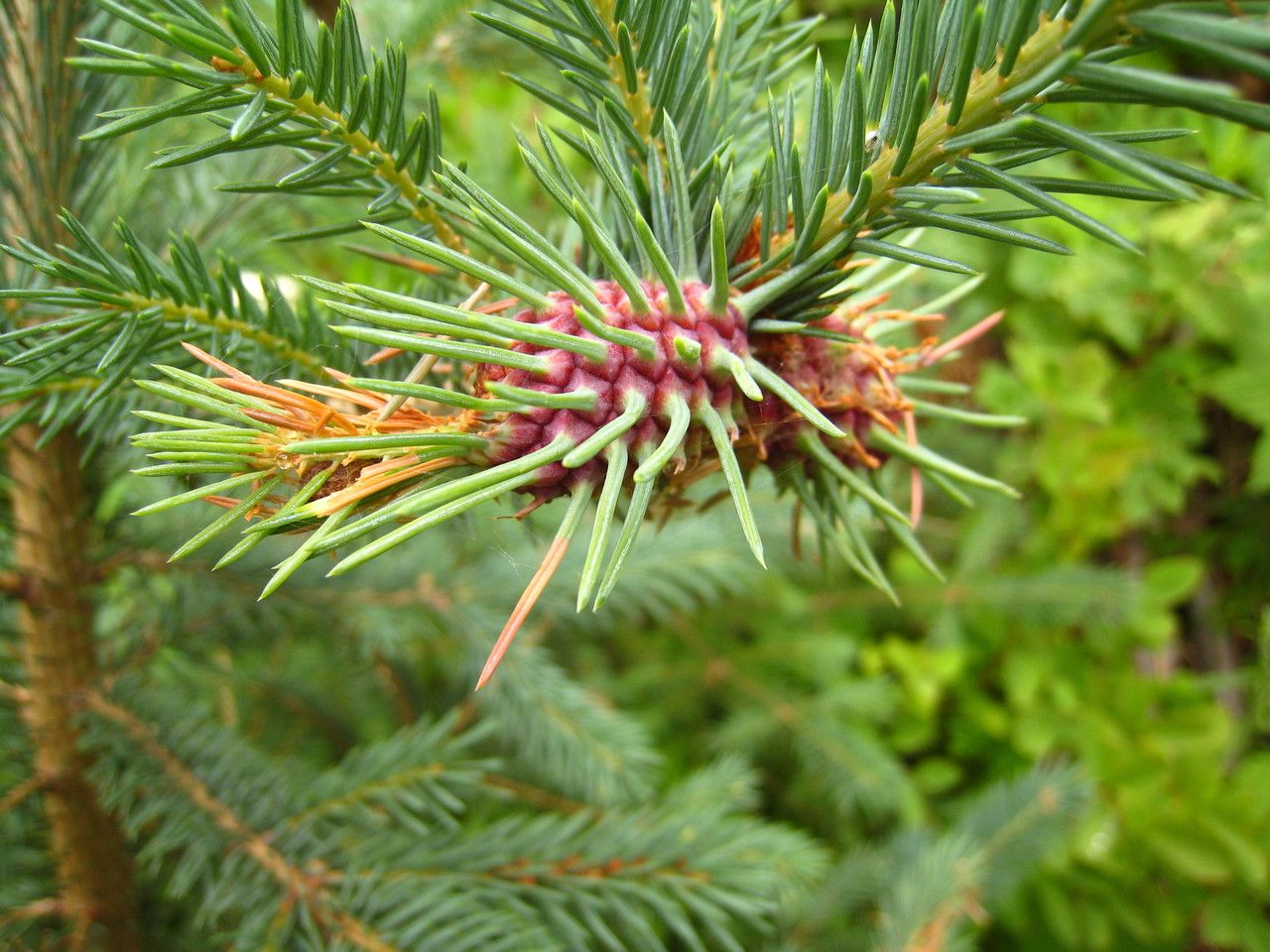
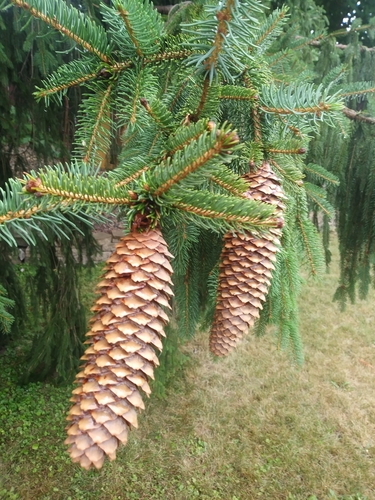
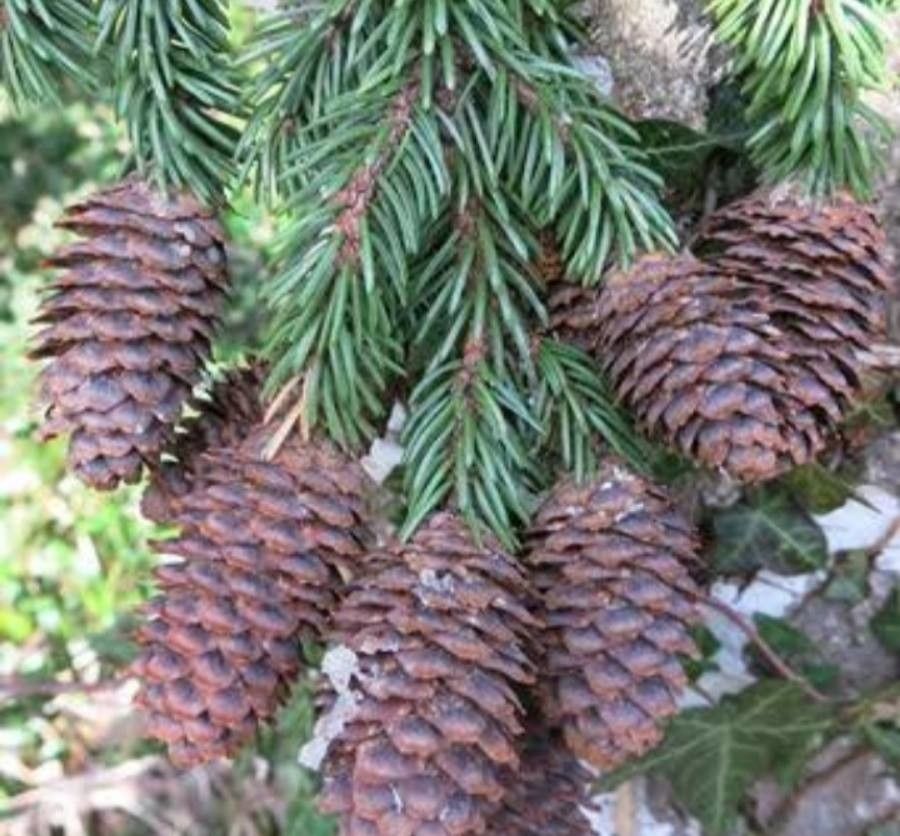
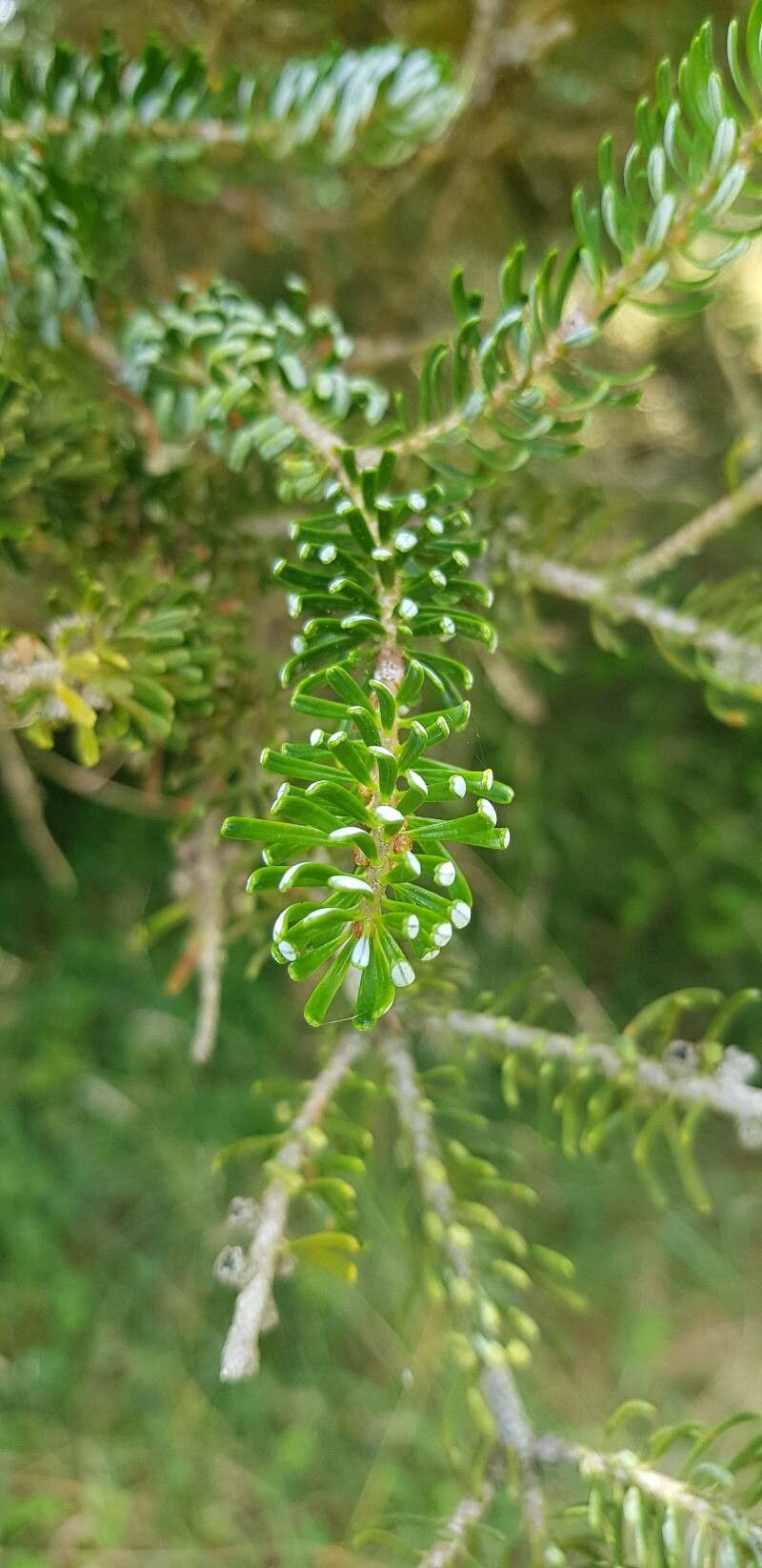
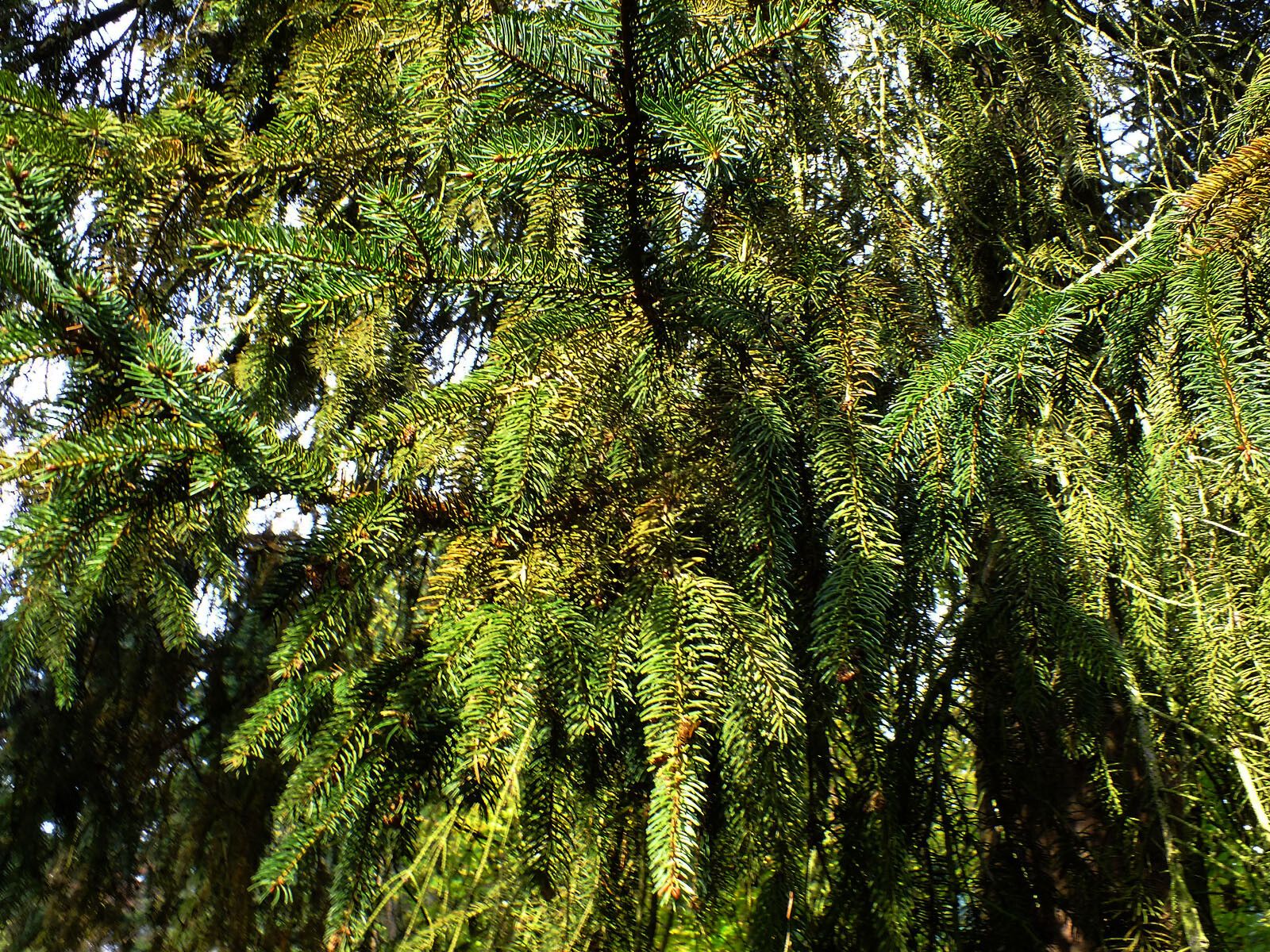
Picea engelmannii, commonly known as Engelmann spruce, is a coniferous tree species native to the western United States and Canada. This tall, slender tree can reach heights of up to 60 meters and features a narrow crown. The bark is thin, scaly, and grayish-brown in color.
The needles are four-sided and approximately 2-3 cm long, displaying a blue-green hue on the upper surface and two white stripes underneath. The tree produces cones that can grow up to 10 cm long, characterized by thin scales with rounded tips.
Engelmann spruce trees thrive in cool climates and moist soils, though they can tolerate some drought conditions once they are well-established. They are commonly found in high-altitude forests along mountain ranges such as the Rockies.
The wood of Picea engelmannii is used for various purposes, including construction lumber, paper pulp production, and musical instruments like guitars and violins, owing to its excellent resonance properties.
Overall, Picea engelmannii is an ecologically significant species with considerable economic importance due to its versatile wood properties, making it a valuable resource for many industries today.
Engelmann spruce has strong resistance to disease and is generally not prone to illnesses. In terms of care, this plant is fairly low-maintenance. When grown outdoors, it needs minimal watering, and larger plants typically do not require pruning. However, smaller plants should be pruned after they have bloomed. Engelmann spruce is suitable for anyone with an outdoor area, such as a garden or a deck, and does not demand much experience in plant care.
How to keep Picea Engelmannii.
Light
The engelmann spruce does best in locations that get abundant sunlight every day, though it can be grown in places with moderate light. Because it comes from sunny habitats, its growth is helped by those conditions. Both too much and too little light can negatively affect the plant's health.
Water
Engelmann spruce thrives in cooler, moister climates, where it prefers moderate and consistent hydration. Watering every 1 to 2 weeks is ideal, although it can withstand short periods of dryness. As an evergreen, the Engelmann spruce efficiently retains its needles, helping to minimize water loss. This makes it well-suited for areas with variable precipitation.
Temperature
The engelmann spruce prefers a cool climate with average temperatures from 0 to 20 ℃ (32 to 68 ℉). It grows in its native high-elevation habitats where night temperatures fall to the freezing point throughout the year. In summer it needs cooler conditions to thrive but can tolerate highs up to 32 ℃. In winter it can withstand temperatures as low as -58 ℃.
Fertilizer
Engelmann spruce has specific nutrient needs and does not require heavy fertilization. Spring is the best time to fertilize for optimal growth. Supplying nutrients enhances its health, increases resistance to pests and diseases, and helps preserve its long lifespan.
Pruning
Engelmann spruce, characterized by its needle-like leaves and conical shape, should be pruned between early and late winter. To keep the tree healthy, remove any dead branches and thin out crowded areas to allow more light to penetrate. Pruning while the tree is dormant reduces stress and promotes growth, improves structural integrity, and enhances its aesthetic appeal, contributing to its long-term vitality.
Pot & Repot
When repotting an Engelmann spruce, select a container 1–2 inches (2.5–5.1 cm) larger with good drainage. Use a well-draining potting mix. Repot in spring or fall, making sure the root ball sits slightly below the rim of the pot. Water thoroughly after repotting and keep the plant in a warm spot with indirect sunlight.
Botanical profile.
- Plant Type
- Tree
- Life Cycle
- Perennial
- Genus
- Picea
- Family
- Pinaceae
- Hardiness Zone
- 3-8
- Mature Height
- 21.34 m to 30.48 m
- Mature Spread
- 4.88 m
- Leaf Color
- Green, Blue, White
- Leaf Type
- Evergreen
- Flower Color
- Yellow, Green
- Bloom Time
- Late spring, Early summer
- Planting Time
- Spring, Summer
- Harvest Time
- Mid summer
Other names.
Reader questions.
How should I water my Engelmann spruce tree?
Watering your Engelmann spruce is a straightforward task. One of the easiest ways to do it is by using your garden hose to slowly soak the soil. For mature trees, your garden hose is the ideal tool because they may need a lot of water. However, for smaller trees, you can use a watering can or other smaller tool. It's important to avoid overhead watering as this can lead to disease, especially for young trees.
Why should I put fertilizer on my Engelmann spruce?
To promote healthy growth in Engelmann spruce, it is recommended to fertilize the plant in spring. Since these trees have a long lifespan, providing support is crucial. Adding nutrients to the soil not only enhances the plant's overall health but also helps it resist pests and diseases that can harm its growth and lifespan.
What are the sunlight requirements for Engelmann Spruce?
Engelmann Spruce requires specific sunlight conditions to thrive optimally. Full sunlight, defined as over 6 hours of direct sunlight a day, is ideal for its growth, while partial sunlight, about 3-6 hours of sunlight a day, can also support its development. It is crucial to observe the movement of sunlight through your garden to identify spots that offer a perfect balance of light and shade, ensuring the plants' well-being.
What are the ideal climatic conditions for Engelmann spruce?
Engelmann spruce thrives in cool climates with average temperatures ranging from 0°C to 20°C (32°F to 68°F). It is native to high elevations where nighttime temperatures drop to freezing levels year-round. During summer, it prefers cooler temperatures and can handle up to 32°C. In winter, Engelmann spruce can adjust to temperatures as low as -58°C. Thanks to its strong cold resistance, special frost protection measures are generally not required, although additional protection may be needed if winter temperatures are expected to fall below -35°C.
What do I do if I give my Engelmann spruce tree too much water or too little water?
Overwatering can occur when the soil doesn't drain well, leading to a decline in your Engelmann spruce. To fix this, you can improve the soil's drainage or move the tree to a better location. If you have your spruce in a pot, you may need to repot it with looser soil and a container that allows for better drainage. Overwatering can also lead to diseases, which should be treated promptly. On the other hand, underwatering is easily resolved by watering more frequently. To determine if your spruce is overwatered, look at the new growth - discolored or easily broken new growth indicates too much moisture. Standing water or slow drainage in the growing area can also be a sign. Underwatered spruces will have sparse, brown leaves. Consider recent rainfall or high temperatures if you see these symptoms to help determine the cause.
When is the right time to put fertilizer on my Engelmann spruce?
Engelmann spruce has different nutrient needs compared to regular garden plants. Unlike annuals and perennials, it does not require a lot of additional nutrients to grow healthily. For optimal growth, it is best to fertilize Engelmann spruce in the spring, before new growth starts.
How essential is sunlight for the growth of Engelmann Spruce?
Sunlight plays a critical role in the healthy development of Engelmann Spruce. Originating from environments that offer abundant sunlight, these plants perform best in areas that receive ample daily sunlight. However, they can also adapt to regions with moderate lighting. Both excessive and insufficient light can negatively affect the plant's health, highlighting the importance of finding the right balance of sunlight.
How should Engelmann spruce be protected in extreme cold?
To protect Engelmann spruce in extreme cold, especially when temperatures are anticipated to drop below -35°C, wrap the trunk and branches with non-woven fabric or cloth. Before the first freeze in autumn, water the plant abundantly to ensure the soil is moist and freezes in this state. This preparation helps prevent drought and water scarcity during winter and early spring, aiding the tree's survival and health.
How often do I need to water my Engelmann spruce tree?
A mature Engelmann spruce is typically drought tolerant and can survive solely on rainfall, requiring little water. During the hottest months, watering once a week may be necessary, but during other seasons, watering may not be needed. However, if the tree has recently been planted, regular watering is important to ensure consistent soil moisture and root establishment. It's crucial to note that standing water is not tolerated by Engelmann spruce, so it's better to avoid overwatering and instead be cautious about watering.
When is it not a good idea to fertilize my Engelmann spruce?
While some plants benefit from regular fertilization, Engelmann spruce does not require excessive nutrients. Over-fertilizing can actually harm it, causing it to decline. Therefore, it is recommended to only apply fertilizer in the spring and abstain from doing so during the other seasons. During the summer, fall, and winter, it is best to avoid adding any fertilizer or organic matter to the soil.
Can artificial lighting be used for Engelmann Spruce and what are the guidelines?
Yes, artificial lighting can be utilized for Engelmann Spruce, particularly when natural sunlight is insufficient, such as during winter or in less sunny spaces. Optimal growth requires adequate lighting; thus, choosing the right artificial light is crucial. LED lights are recommended due to their ability to be customized to provide specific wavelengths needed by plants. Full sun plants need 30-50W/sq ft, partial sun plants 20-30W/sq ft, and full shade plants 10-20W/sq ft of artificial light. The light should be placed 12-36 inches above the plant, mimicking natural sunlight as closely as possible, and provided for 8-12 hours per day.
What symptoms indicate Engelmann spruce is affected by low temperatures, and what are the solutions?
Engelmann spruce is highly cold-tolerant but can be affected when temperatures drop below -35°C. Though the tree might not show noticeable changes during winter, branches can become brittle, dry by spring, and fail to produce new shoots. The recommended solution for such damage is to prune away any dead branches that have not produced new leaves in the spring, encouraging healthier growth.