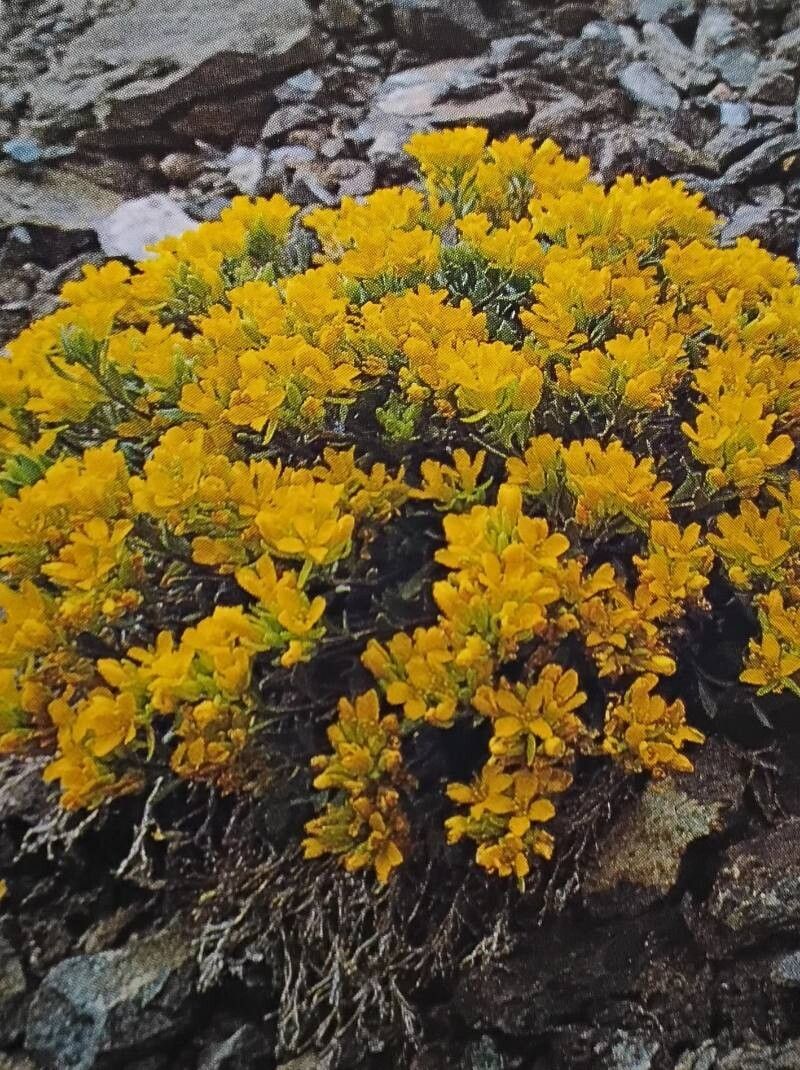
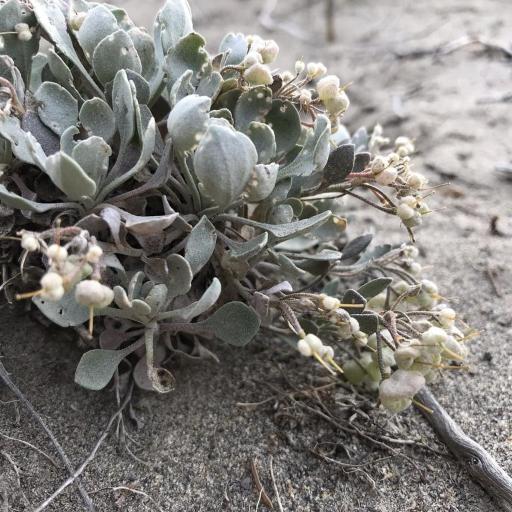
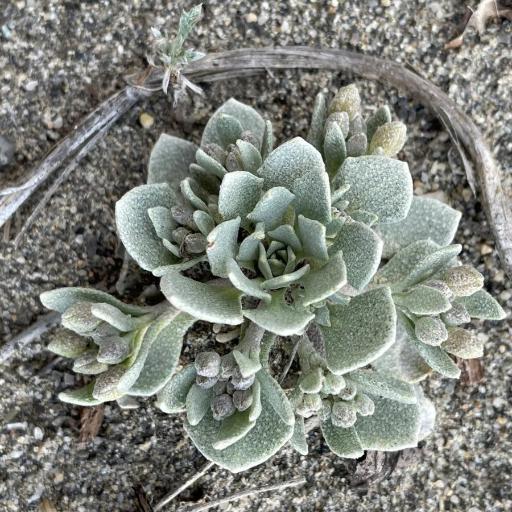
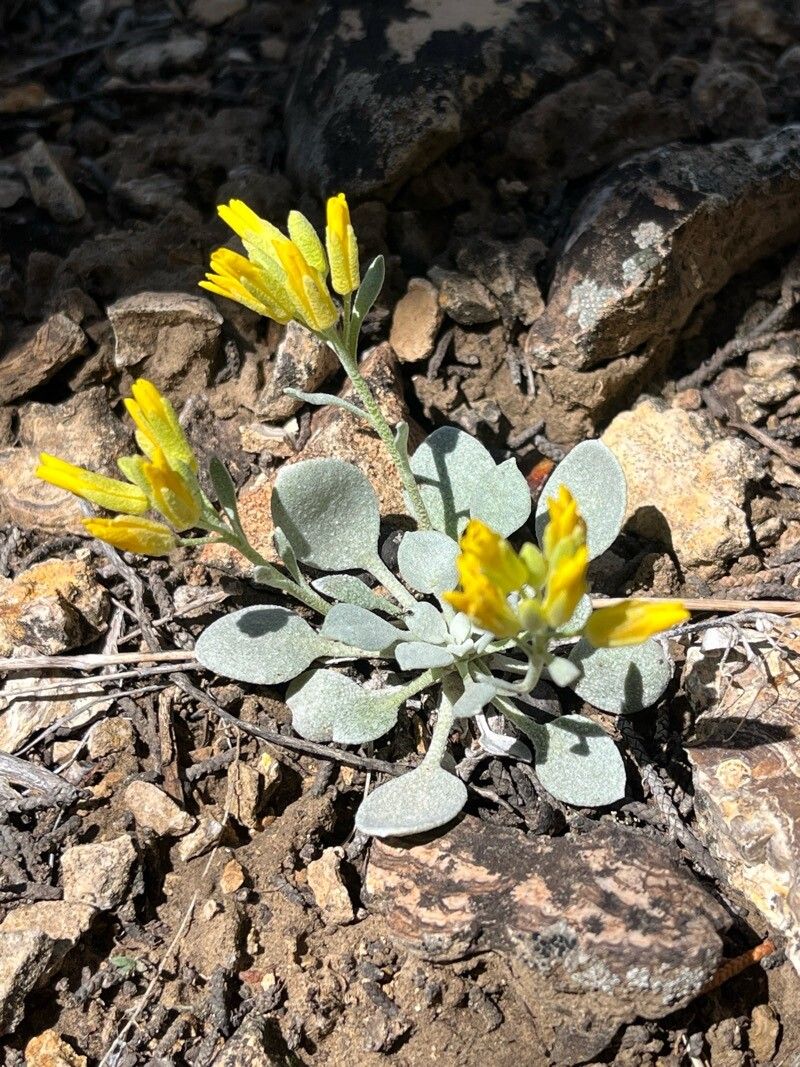
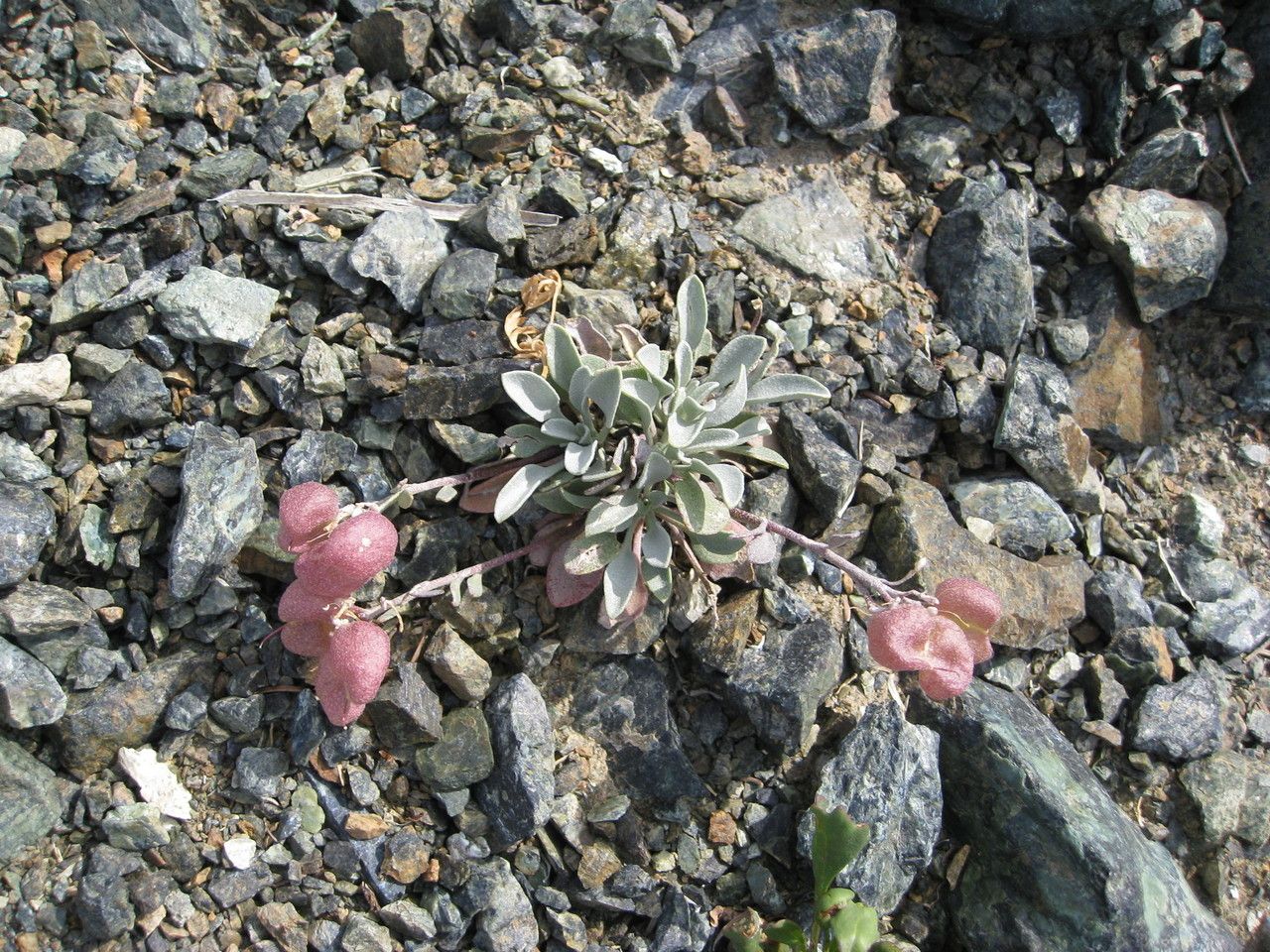
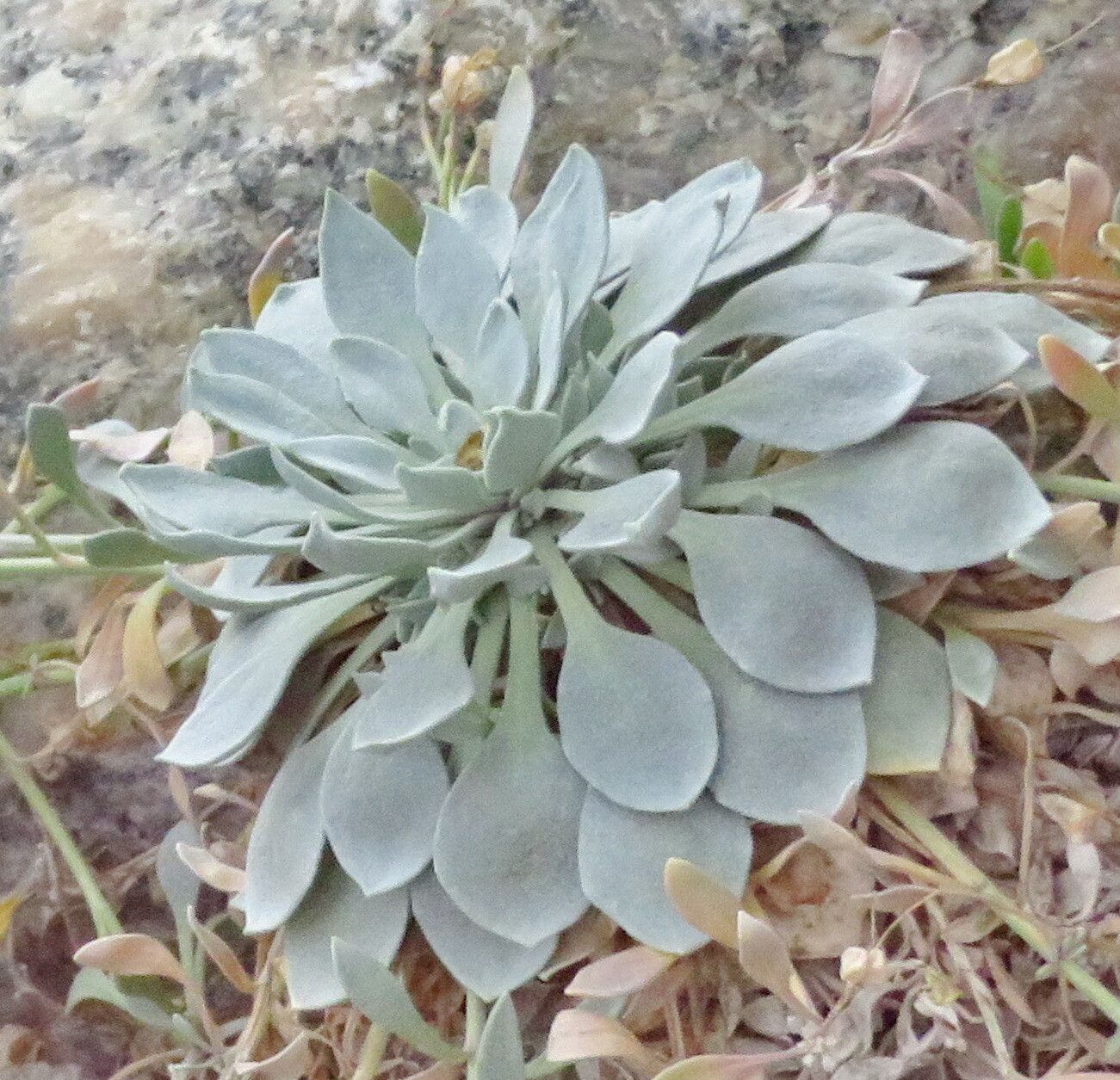
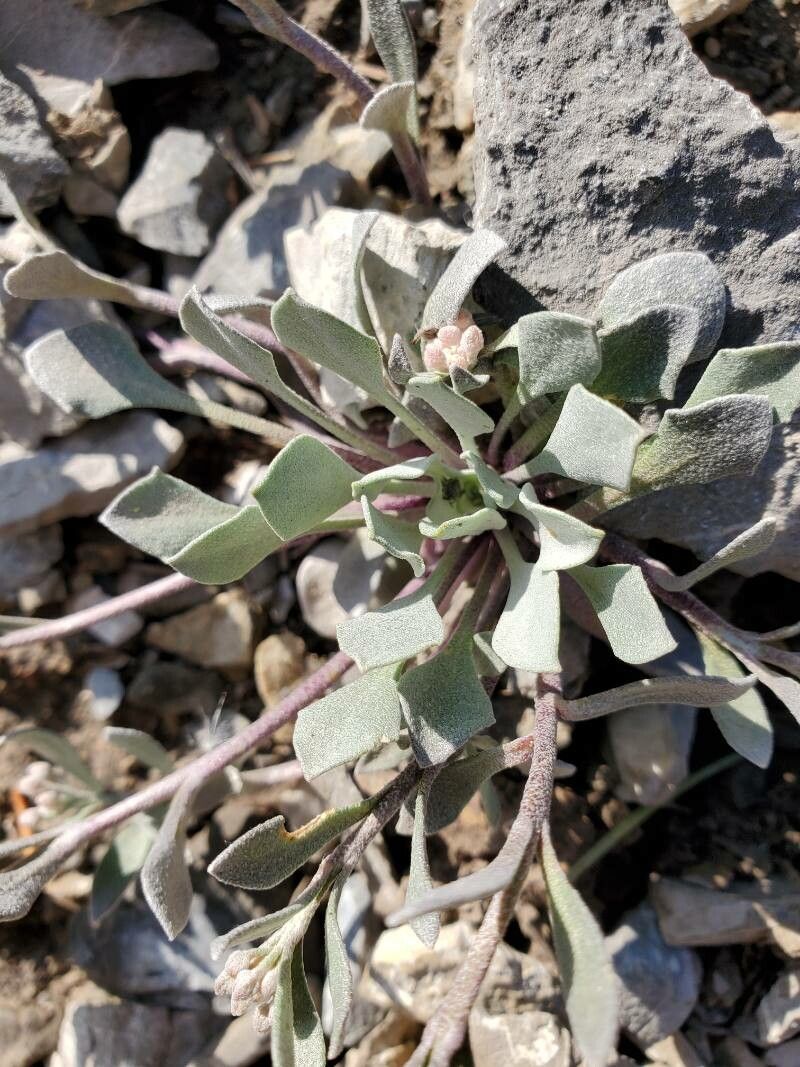
Physaria didymocarpa is a species of flowering plant in the mustard family known by the common name common twinpod. It is native to western North America, including British Columbia and Alberta in Canada and the northwestern United States. This perennial herb produces several decumbent stems from a hairy caudex. The stems are around 10 centimetres (3.9 in) in length and have lance-shaped leaves measuring one or two centimeters long. The ends of the stems have inflorescences which are dense racemes of yellow flowers. The petals are roughly one centimeter long. The fruit is an inflated silicle up to 2 centimetres (0.79 in) long by 2 centimetres (0.79 in) wide which is firm to papery and fuzzy in texture.There are three subspecies of this plant. The ssp. lanata is native to Montana and Wyoming. The ssp. lyrata, a taxon characterized by its very inflated, papery fruits, is endemic to Idaho.
Common twinpod is largely disease-resistant and usually not prone to illnesses. However, it can be vulnerable to pests and diseases present in its surroundings. These problems are generally not serious. In terms of care, the plant requires a moderate level of maintenance. It should be pruned regularly to preserve a neat appearance and support healthy growth. Fertilizing can also help encourage flowering. Common twinpod is suitable for anyone with outdoor space, such as a garden or patio, and does not demand extensive gardening experience. It may need more attention when grown indoors.
How to keep Physaria Didymocarpa.
Light
Common twinpod is a sun-loving, perennial herbaceous plant that originates in open habitats and is often found in meadows and grasslands. It prefers full sun but can also tolerate partial sun.
Fertilizer
One application of fertilizer in spring is generally enough for Common twinpod, though several feedings can optimize growth. Fertilize once every month to a month and a half. Feeding improves the leaves' appearance and function, helping maintain even color and a healthy texture. It also encourages root development and nutrient uptake, supporting the plant's long-term health.
Botanical profile.
- Plant Type
- Herb
- Life Cycle
- Perennial
- Genus
- Physaria
- Family
- Brassicaceae
- Hardiness Zone
- 4-8
- Mature Height
- 10 cm to 30 cm
- Mature Spread
- 15 cm to 25 cm
- Leaf Color
- Green
- Leaf Type
- Evergreen
- Flower Color
- Yellow
- Flower Size
- 1.02 cm to 1.52 cm
- Bloom Time
- Mid spring, Late spring, Early summer
- Planting Time
- Spring, Autumn
- Harvest Time
- Summer
Other names.