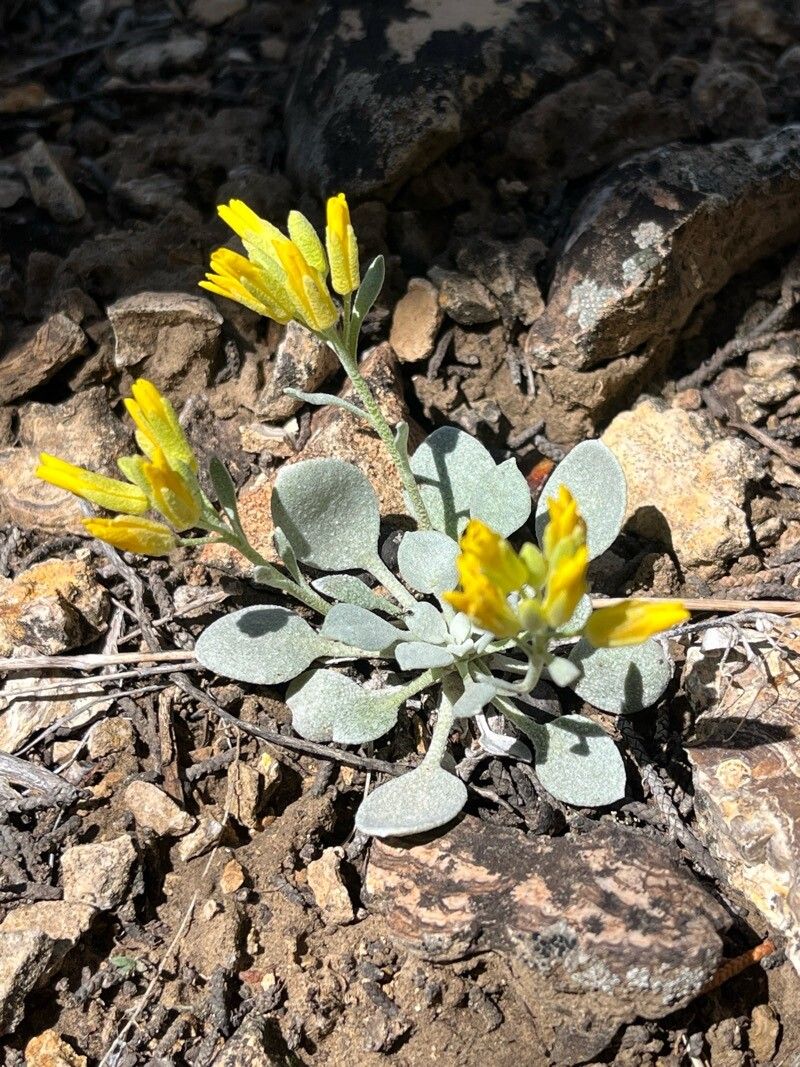
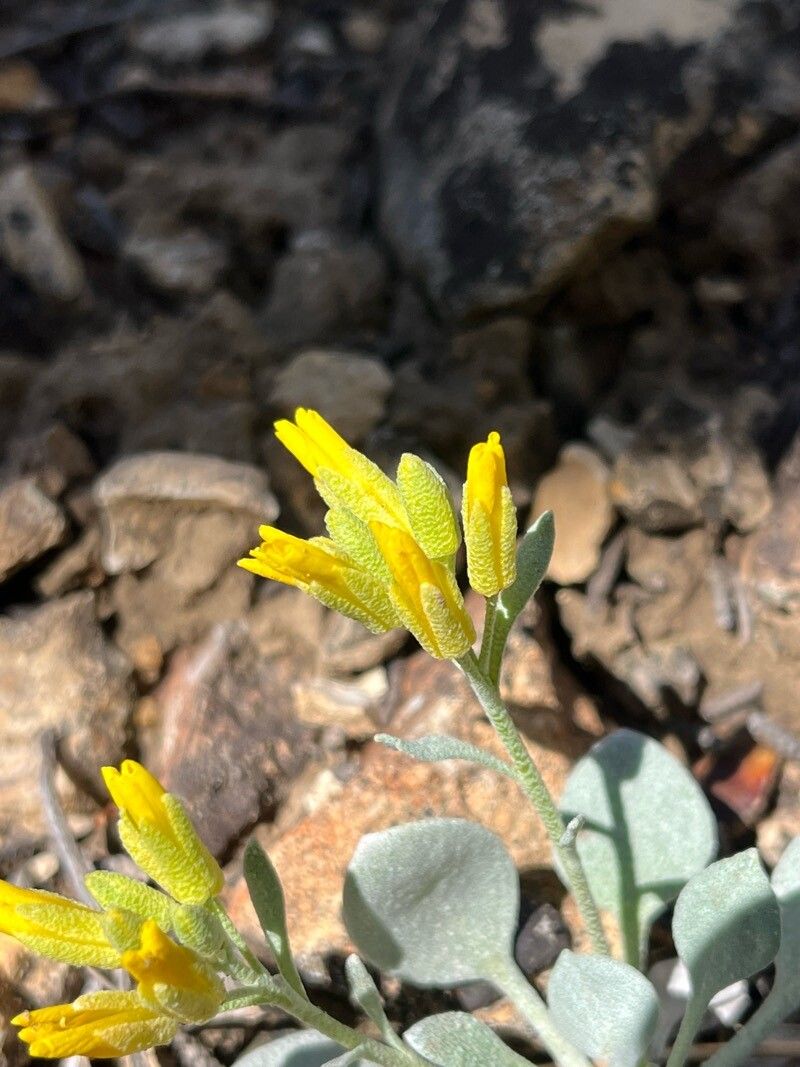
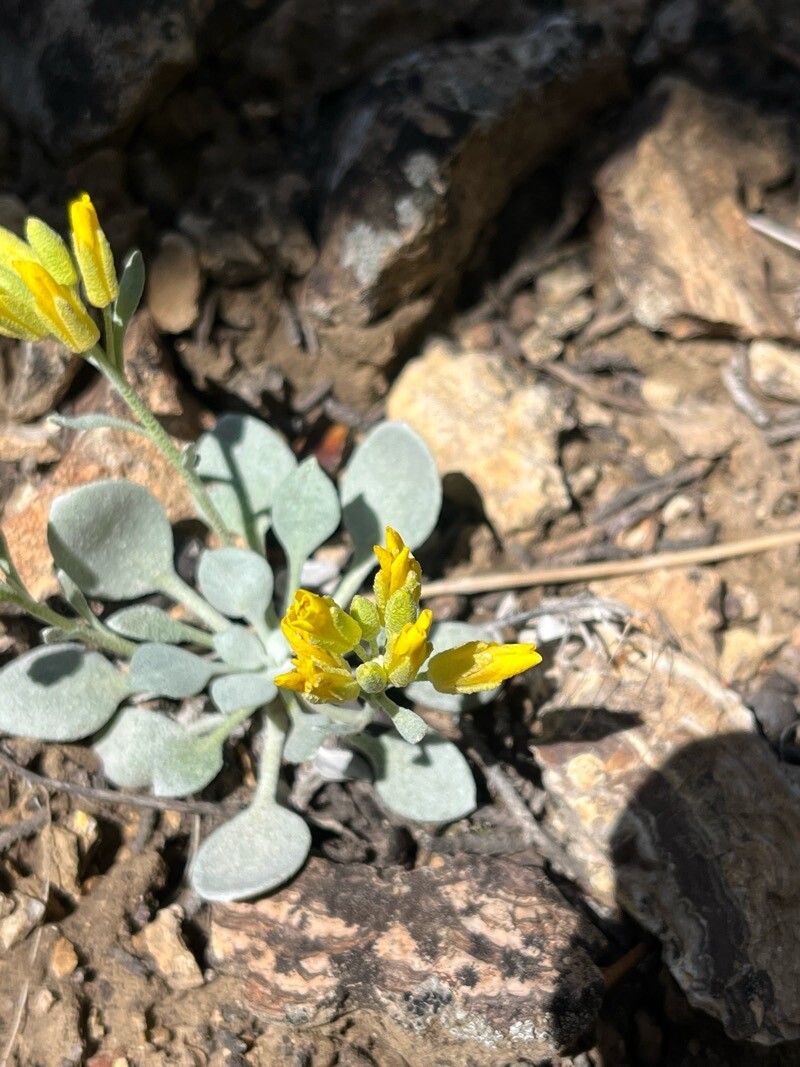
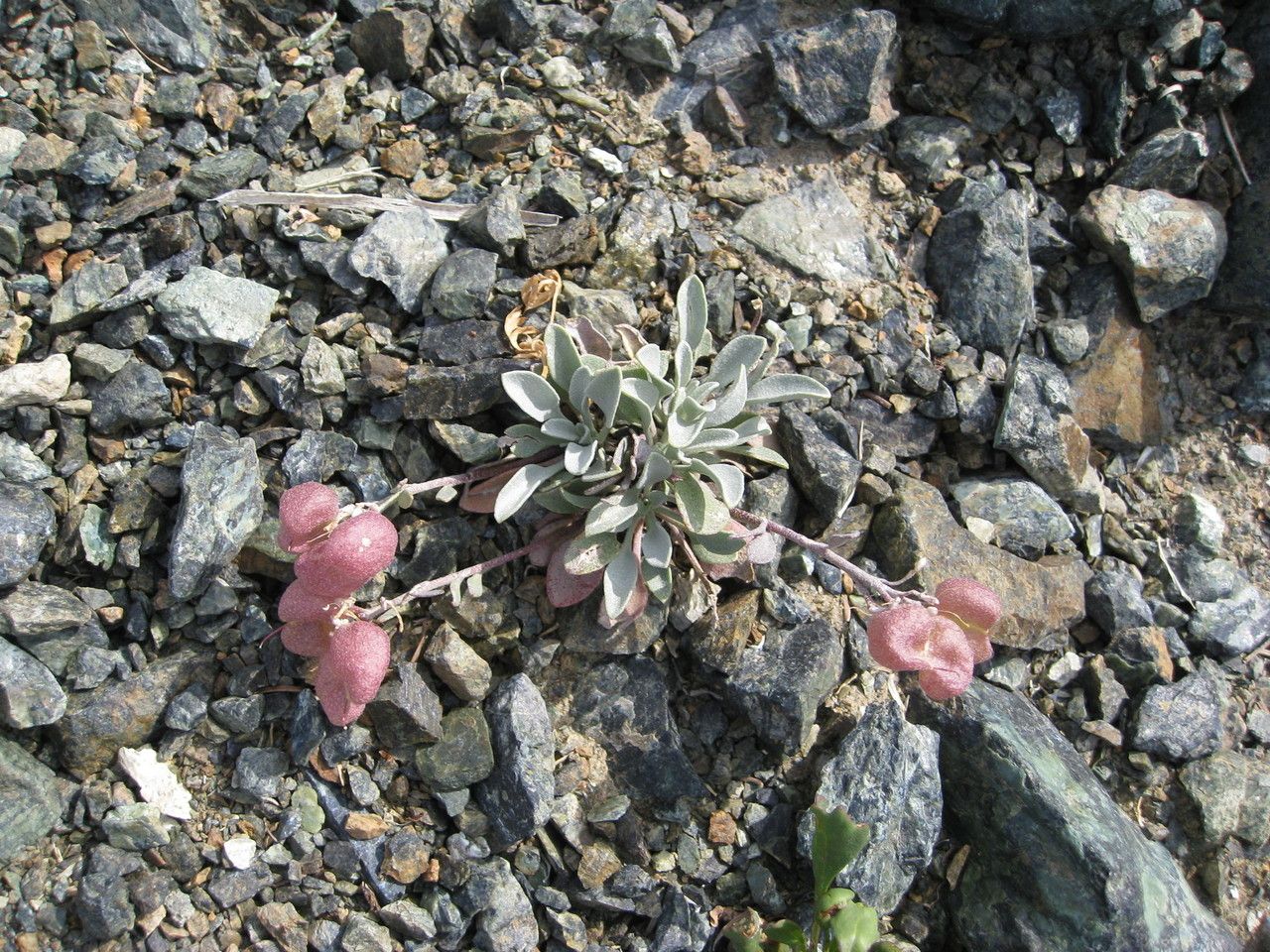
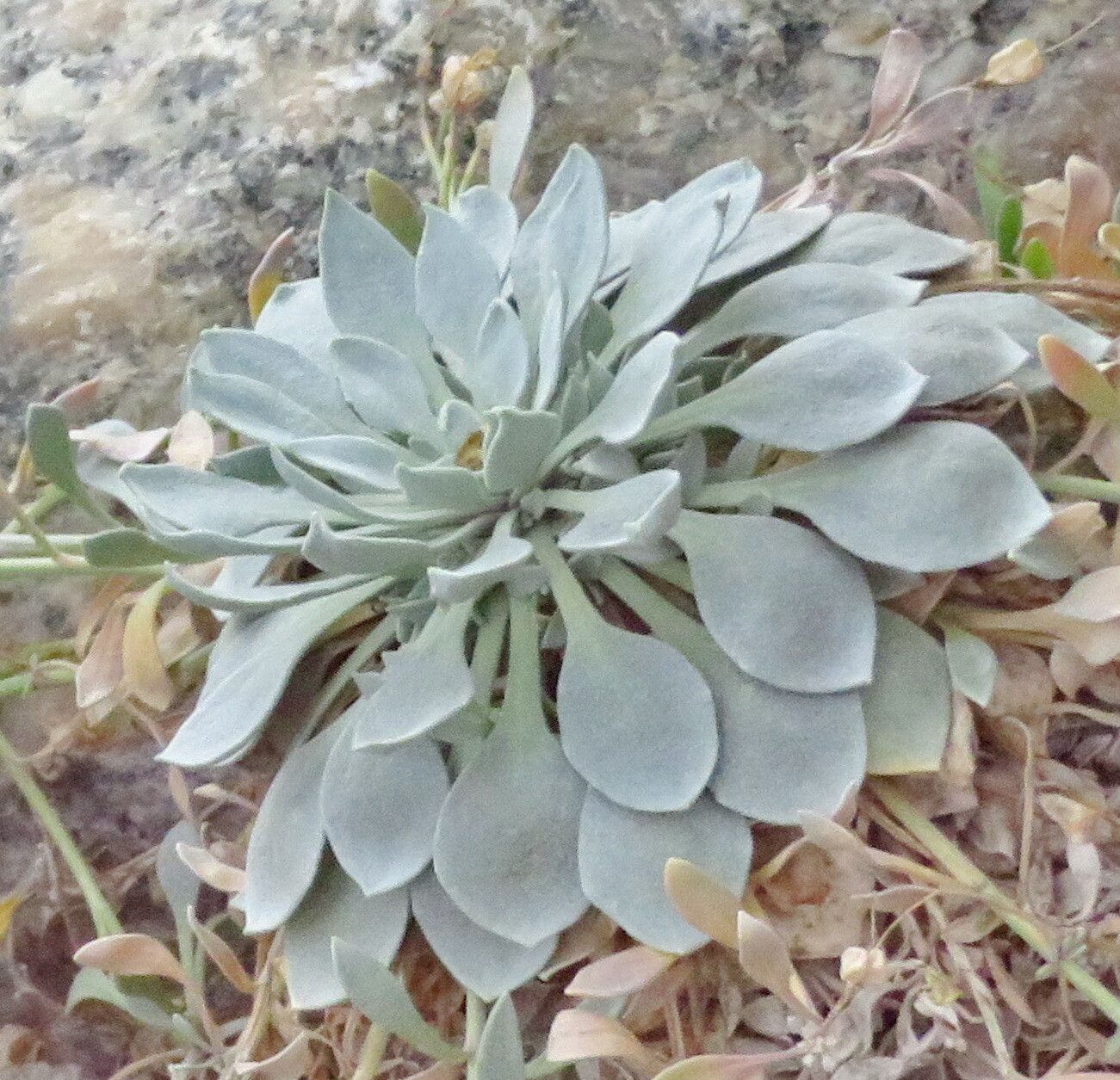
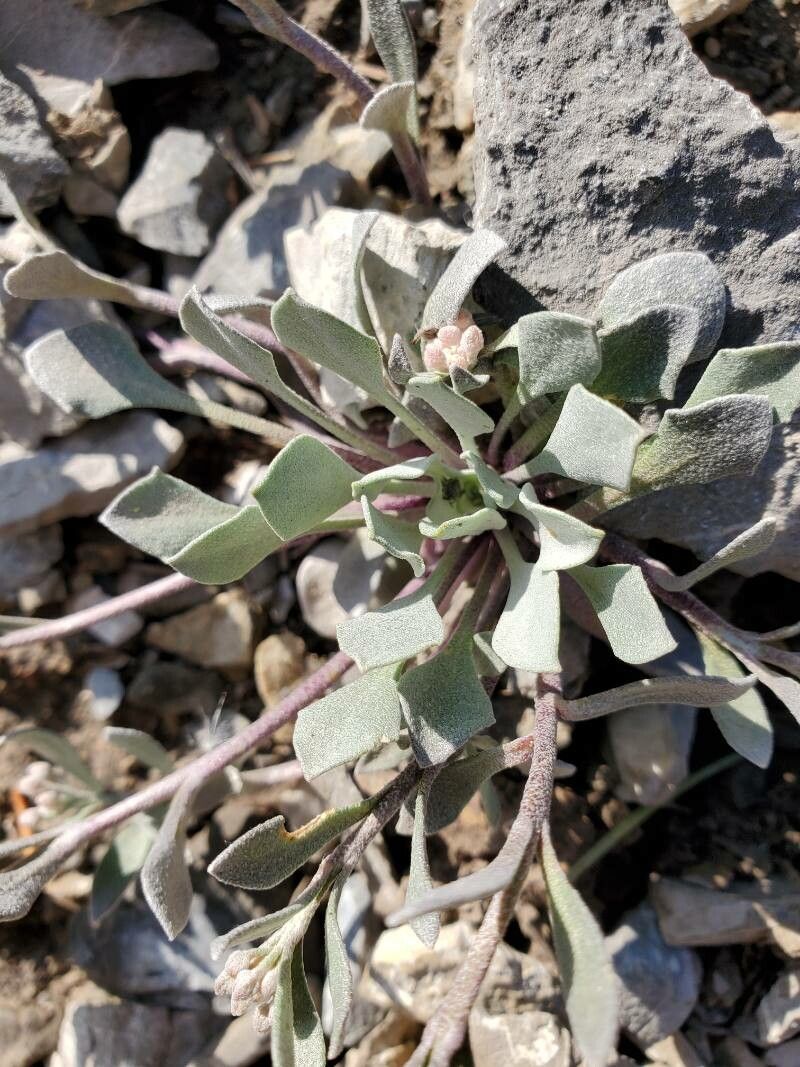
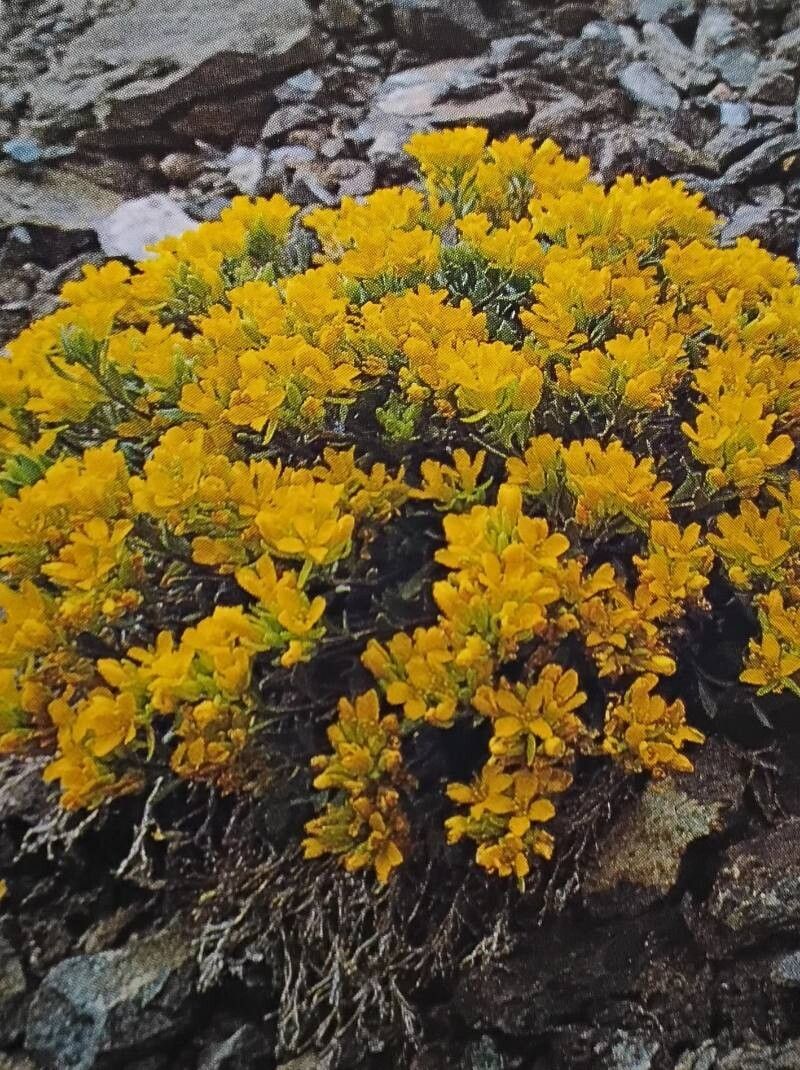
Sharpleaf twinpod has strong disease resistance and is generally not very susceptible to illnesses. Still, it can be affected by pests and diseases found nearby. When infections do occur, they are typically mild. Regarding upkeep, this plant needs a moderate amount of care. Regular pruning is necessary to preserve a neat appearance and support healthy growth. Applying fertilizer can also encourage more abundant flowering. Sharpleaf twinpod is well suited for anyone with outdoor areas like a garden or patio and does not demand extensive horticultural experience. It may need additional attention if grown indoors.
How to keep Physaria Acutifolia.
Light
Sharpleaf twinpod is a perennial, herbaceous plant that favors sunny locations and originates from open habitats, commonly occurring in meadows and grasslands. It prefers full sun but can tolerate partial sun conditions.
Temperature
Sharpleaf twinpod can tolerate a broad range of temperatures, but its distribution may still be limited by different combinations of water and heat. It performs best in warm summer climates with sufficient rainfall or watering. Extended periods of cloudy, rainy weather or prolonged high temperatures can increase the chance of Sharpleaf twinpod dying. In winter, adequate protection from cold can improve the plant's survival rate.
Fertilizer
Typically, one fertilizer application in spring is enough for Sharpleaf twinpod, though repeated feedings can maximize growth. Apply fertilizer every month to six weeks. Feeding improves the leaves' appearance and function, encouraging uniform color and a healthy texture. It also promotes root development and nutrient uptake, supporting long-term plant health.
Pruning
Sharpleaf twinpod benefits from early spring pruning. This process encourages new growth and helps maintain its shape by removing dead stems and reducing overcrowding. Pruning also improves air circulation, encourages abundant flowering, and minimizes the risk of diseases and pests. As a result, the plant displays vibrant blooms throughout the growing season.
Botanical profile.
- Plant Type
- Herb
- Life Cycle
- Perennial
- Genus
- Physaria
- Family
- Brassicaceae
- Hardiness Zone
- 4-8
- Mature Height
- 10 cm to 30 cm
- Mature Spread
- 15 cm to 40 cm
- Leaf Color
- Light Gray
- Leaf Type
- Deciduous
- Flower Color
- Yellow
- Flower Size
- 1.02 cm to 1.52 cm
- Bloom Time
- Early spring, Mid spring
- Planting Time
- Spring, Summer, Autumn
- Harvest Time
- Late spring, Early summer
Other names.