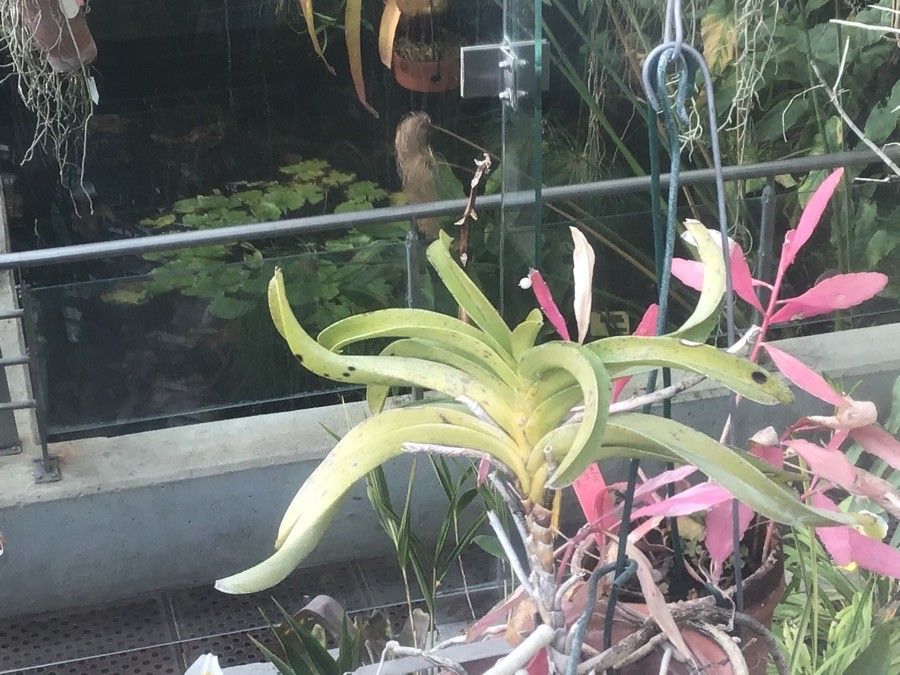
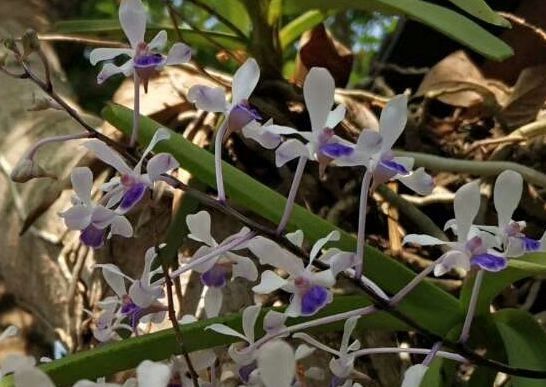
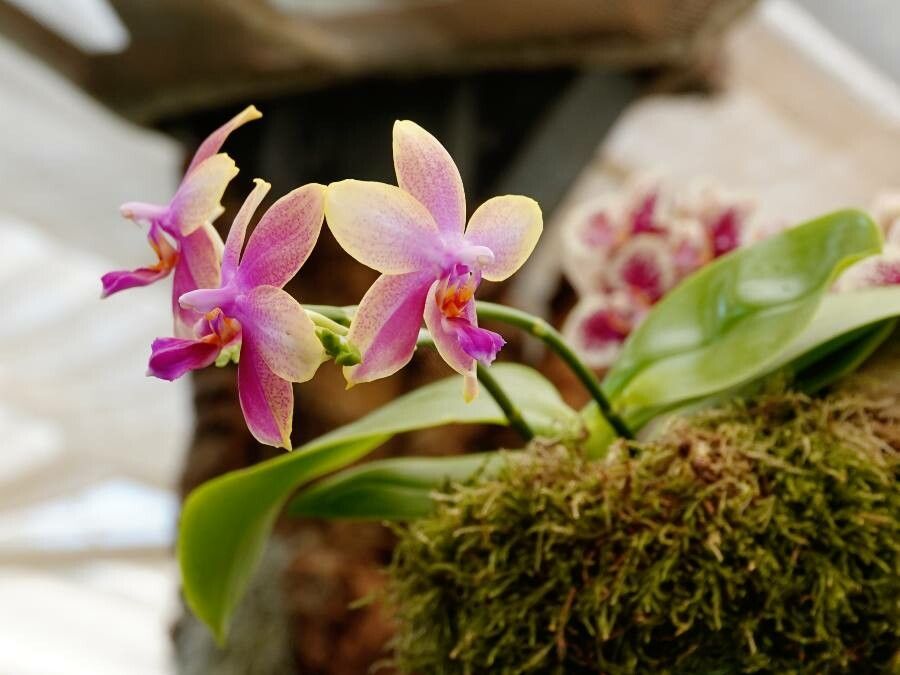
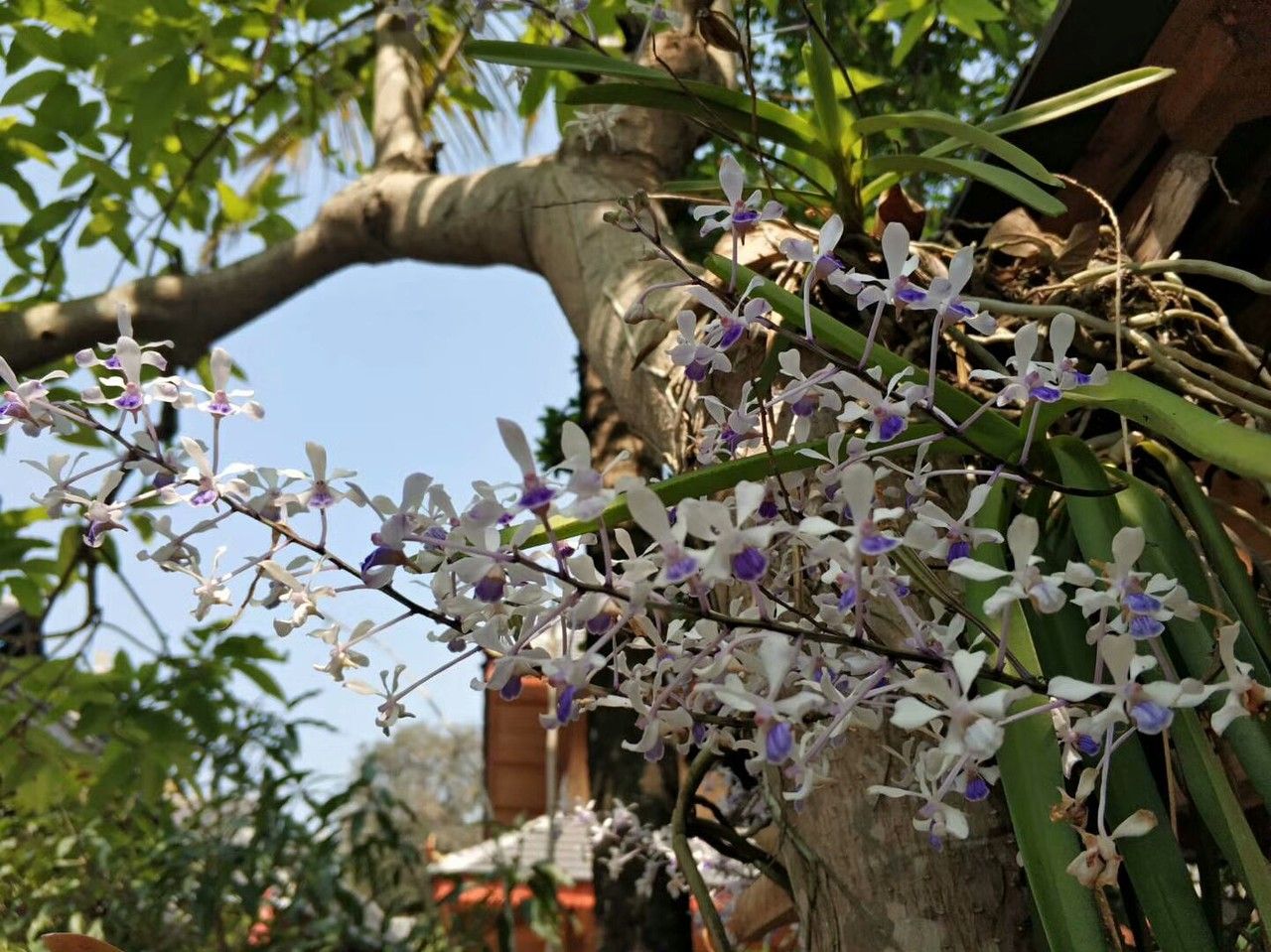
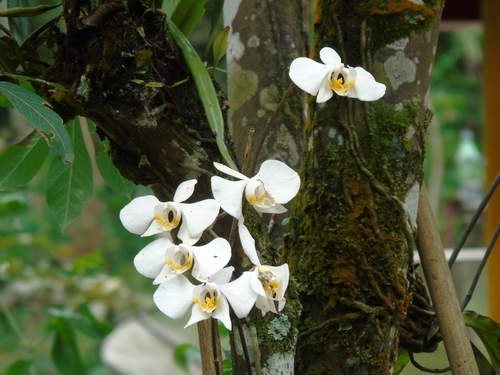
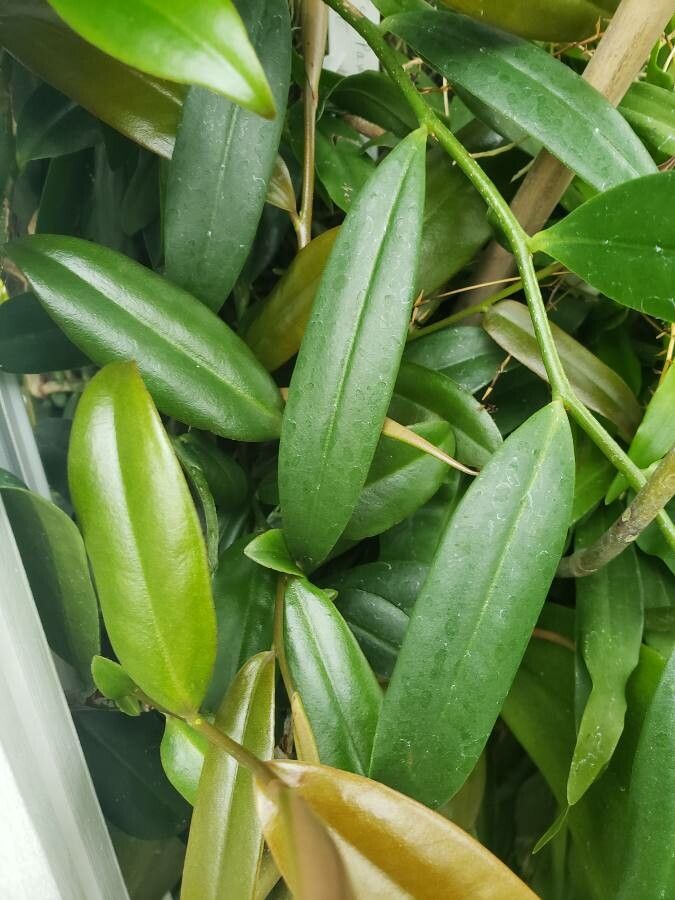
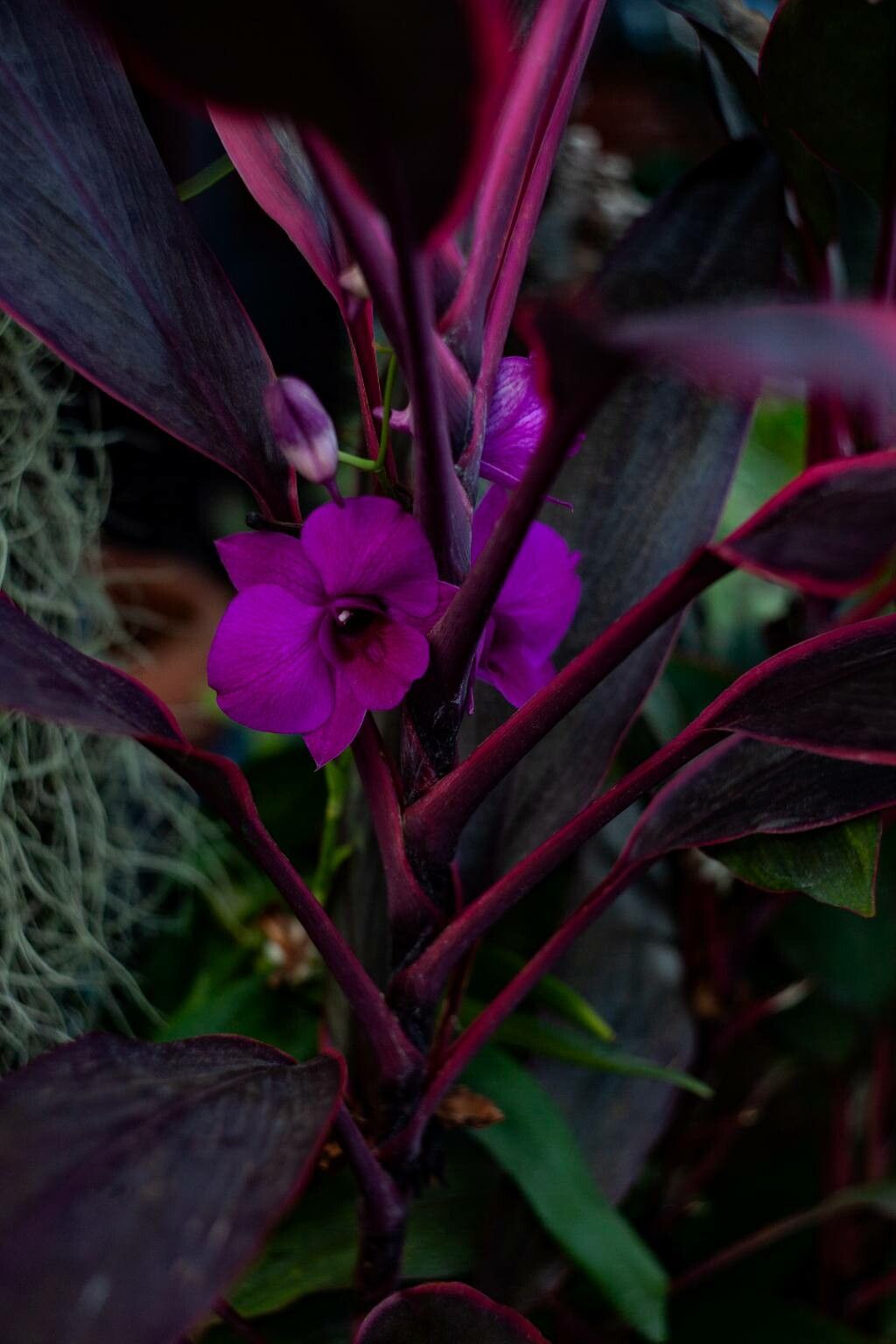
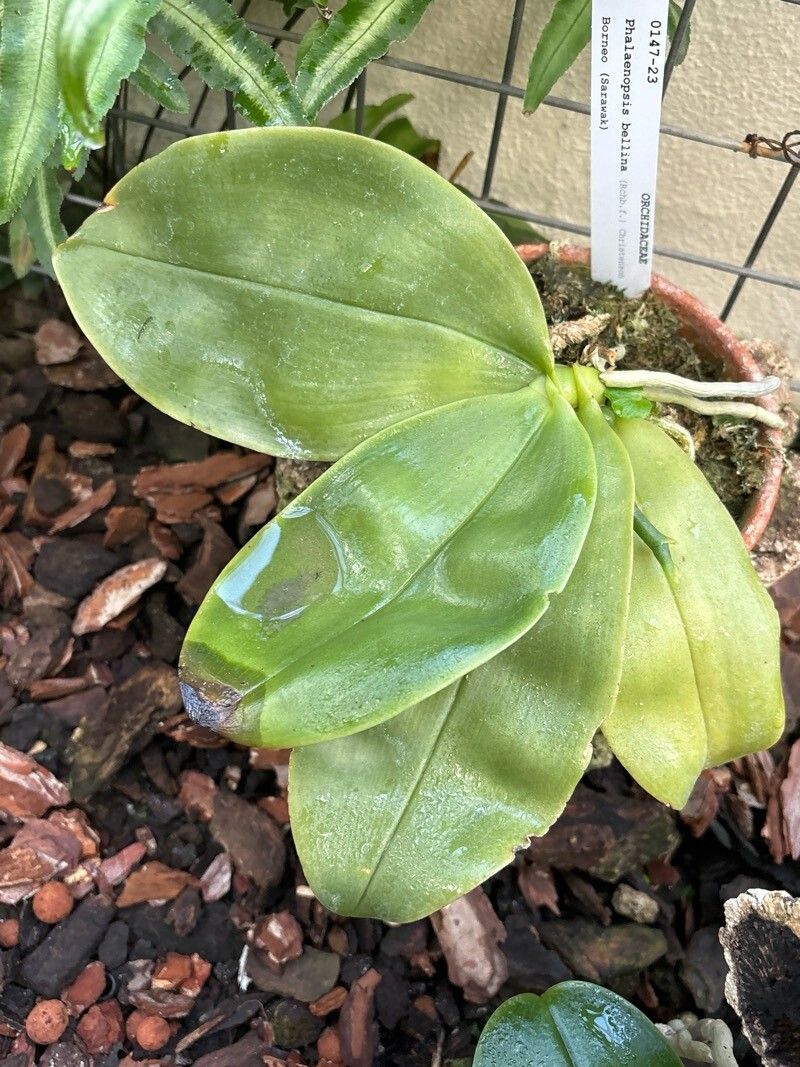
Phalaenopsis wilsonii, also known as 华西蝴蝶兰 (hua xi hu die lan) in Chinese, is a species of epiphyte in the family Orchidaceae, native to China, Tibet, Myanmar and Vietnam. Additionally it has been recorded in India.
Wilson's phalaenopsis is generally disease-resistant and is affected by relatively few insect pests. Its care is considered challenging because it needs high humidity combined with good ventilation and minimal harmful pathogens. Overwatering can cause root rot. While anyone can grow Wilson's phalaenopsis, keeping it healthy and inducing it to bloom again requires more cultivation experience.
How to keep Phalaenopsis Wilsonii.
Light
Wilson's phalaenopsis does best in spots with bright but diffused light, resembling its native forest-floor habitat. While it can tolerate lower light, reduced illumination can hinder its growth and vigor.
Water
Originating from Southeast Asia, Wilson's phalaenopsis flourishes in environments with high humidity and consistent moisture. It requires weekly watering to achieve optimal growth. Typically grown indoors, this plant benefits from controlled ambient moisture, which helps maintain its vibrant foliage throughout the year.
Temperature
Wilson's phalaenopsis comes from habitats where temperatures range from 68 to 105.8 °F (20 to 41 ℃). The plant prefers warm conditions, and any changes should take the seasons into account.
Fertilizer
Proper fertilization is essential for the health and appearance of Wilson's phalaenopsis. Apply fertilizer to Wilson's phalaenopsis during the summer, repeating the application once a month throughout the season. Nutrients supply the energy for growth and help maintain the plant's structures. Fertilizing improves Wilson's phalaenopsis's flower display, ensuring the best blooms.
Pruning
Wilson's phalaenopsis is known for its striking flowers, which flourish with the right pruning techniques. Key methods include removing dead leaves and trimming spent flower spikes just above a node. The best time for pruning is in early spring or late winter, as this improves air circulation and encourages robust reblooming in future cycles.
Pot & Repot
When repotting Wilson's phalaenopsis, pick a slightly larger pot with good drainage, ideally a clear orchid pot. Use a well-draining, orchid-specific potting mix that includes bark or moss. Carefully clean the roots and trim any that are dead or rotting. Repot once flowering is finished, typically in spring or fall, water thoroughly, and place in bright, indirect light. Avoid disturbing the roots after repotting.
Botanical profile.
- Plant Type
- Herb
- Life Cycle
- Perennial
- Genus
- Phalaenopsis
- Family
- Orchidaceae
- Hardiness Zone
- 10-13
- Mature Height
- 20 cm to 30 cm
- Mature Spread
- 25 cm to 34 cm
- Leaf Color
- Dark Green
- Leaf Type
- Evergreen
- Flower Color
- White, Pink, Purple
- Flower Size
- 3.05 cm to 4.06 cm
- Bloom Time
- All year round
- Planting Time
- Spring, Summer
- Harvest Time
- All year round
- Native Area
- Vietnam, China
Reader questions.
What are the sunlight requirements for Wilson's phalaenopsis?
Wilson's phalaenopsis requires partial sun, meaning about 3-6 hours of sunlight daily, but can also grow in full shade with less than 3 hours of sunlight. It's crucial to observe how sunlight moves through your garden, ensuring you choose spots that offer a balance of light and shade suitable for your plants. This plant thrives in substantial yet filtered solar presence, reminiscent of its native forest-floor habitats. However, in environments with lessened light availability, its growth and vitality might be negatively impacted.
What are the ideal temperature conditions for Wilson's phalaenopsis?
Wilson's phalaenopsis thrives in warm environments with temperatures ranging from 68 to 105.8 °F (20 to 41 °C). It is a tropical plant that requires consideration of seasonal variations. It is recommended to maintain indoor temperatures above 20°C, especially during winter when the minimum temperature drops below 5°C to cultivate Wilson's phalaenopsis indoors effectively. Choosing a south-facing window for ample sunlight and maintaining humidity with regular misting or a humidifier are beneficial for the plant's growth.
What should I do if my indoor Wilson's phalaenopsis isn't getting enough natural light?
If your Wilson's phalaenopsis isn't receiving adequate natural light, especially during winter or in less sunny spaces, artificial lighting can be a significant aid. Indoor plants benefit from LED lights, which can be customized to provide specific light wavelengths needed by your plants. For full sun plants, 30-50W/sq ft of artificial light is recommended, 20-30W/sq ft for partial sun plants, and 10-20W/sq ft for full shade plants. The light source should be placed 12-36 inches above the plant, mimicking natural sunlight for 8-12 hours per day.
How should Wilson's phalaenopsis be cared for in cold weather?
In cold weather, particularly when temperatures fall below 5°C, it is crucial to bring Wilson's phalaenopsis indoors to protect it from the cold. The plant should be placed near a south-facing window to ensure it receives enough sunlight. It's also important to maintain adequate humidity by misting the plant regularly or using a humidifier. For outdoors overwintering, the orchid should be in a sheltered position with sunlight and might require a temporary greenhouse or wrapping with plastic film or fabric to maintain warmth.
What are the signs of inadequate lighting on Wilson's phalaenopsis?
Signs of inadequate lighting on Wilson's phalaenopsis include smaller new leaves, leggy or sparse growth, faster leaf drop, slower or no new growth, lighter-colored new leaves, chlorosis (yellowing of leaves), sunscald (damage from intense sunlight), leaf curling, wilting, and leaf scorching. These symptoms indicate that the plant is either receiving too little or too much sunlight, affecting its ability to photosynthesize and maintain overall health.
What are the symptoms and solutions for low temperature exposure in Wilson's phalaenopsis?
Wilson's phalaenopsis does not tolerate low temperatures well, with optimal growth above 20°C. Symptoms of cold exposure include extensive water-soaked necrosis, wilting, and drooping of leaves when temperatures fall below 1°C. The solution involves trimming off frostbitten areas and bringing the plant indoors to a warmer environment. A location near a south-facing window ensures ample sunlight. It is also advised to avoid placing the plant near heaters or air conditioning vents to prevent dry air conditions.
How can I help my Wilson's phalaenopsis adapt to different lighting conditions?
To help your Wilson's phalaenopsis adapt to different lighting conditions, gradually move it to sunnier spots each week until it receives 3-6 hours of direct sunlight daily, allowing it to adjust to changing light conditions. If the plant is large or not easily movable, consider using artificial light. Keep a desk or ceiling lamp on for at least 8 hours daily or invest in professional plant grow lights. For outdoor plants, avoid sudden changes in light intensity to prevent sunburn. Pruning obstructive trees or transplanting smaller plants to sunnier locations with good drainage can also improve sunlight exposure.
How to care for Wilson's phalaenopsis during high temperatures?
During high temperatures, especially above 41°C, Wilson's phalaenopsis should be protected from heat stress. Excessive heat can cause growth cessation, leaf wilting, increased susceptibility to root rot, and sunburn. The solution involves trimming away sunburned or dried parts of the plant and relocating it to a shaded area, particularly away from the midday and afternoon sun. It's also beneficial to water the plant in the morning and evening to maintain moisture for both the plant and its environment.