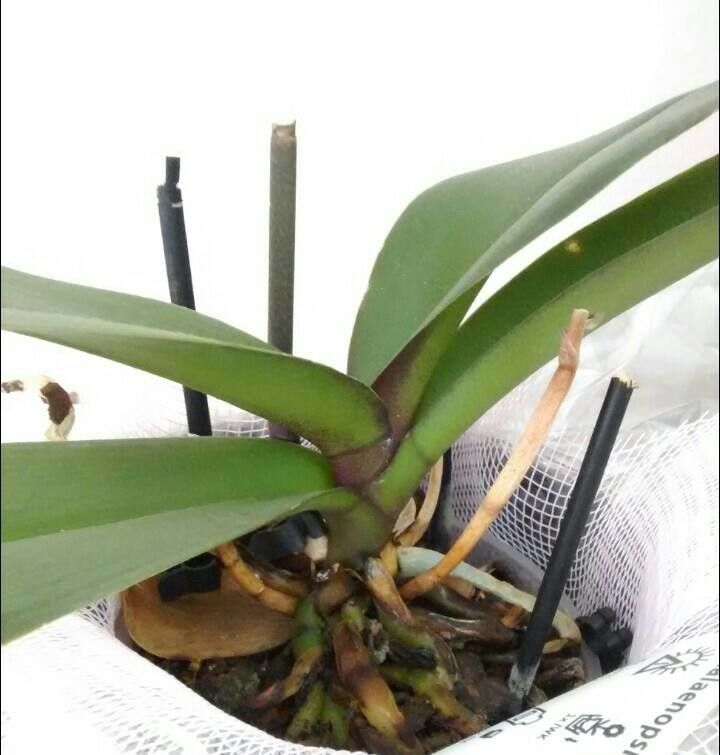
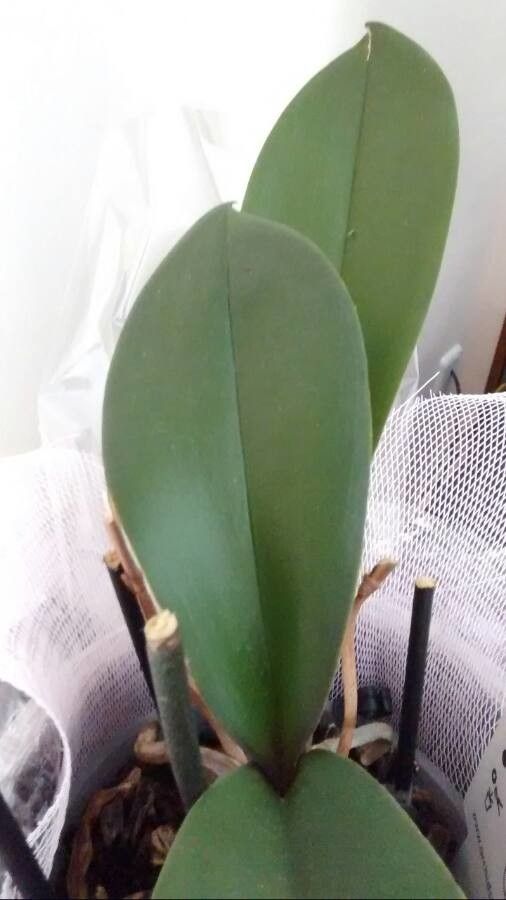
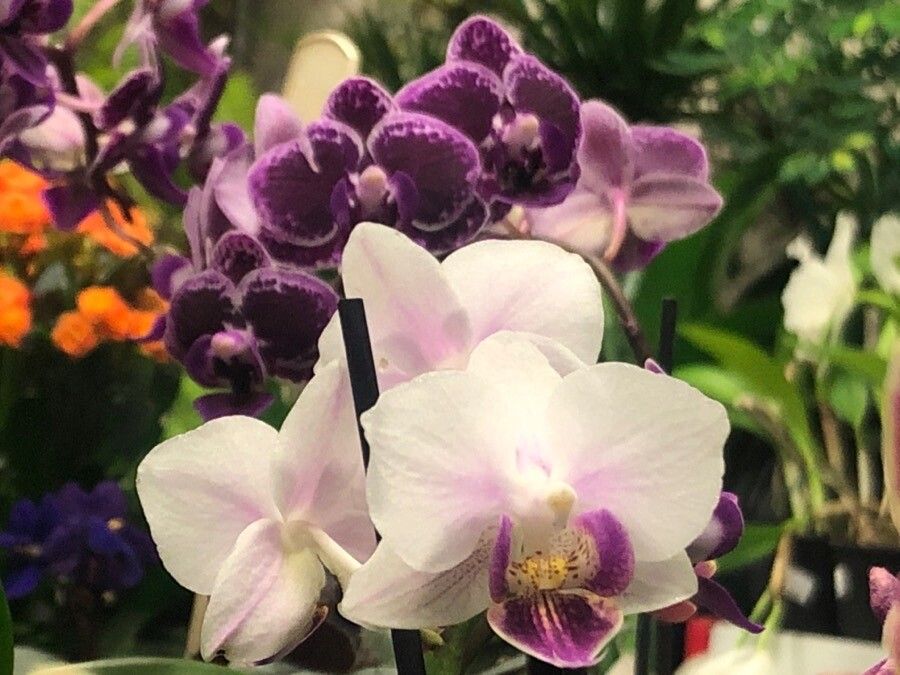
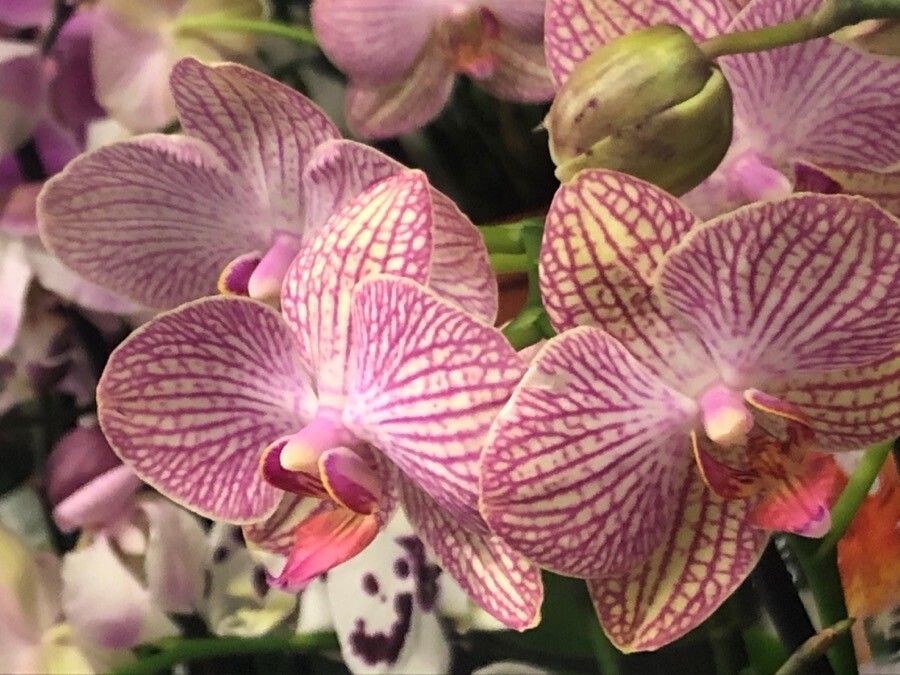
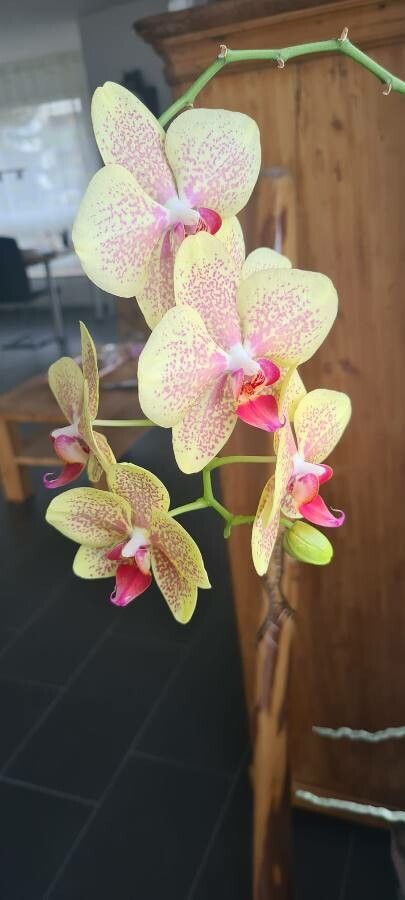
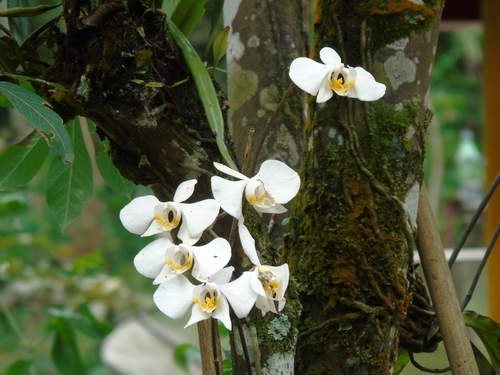
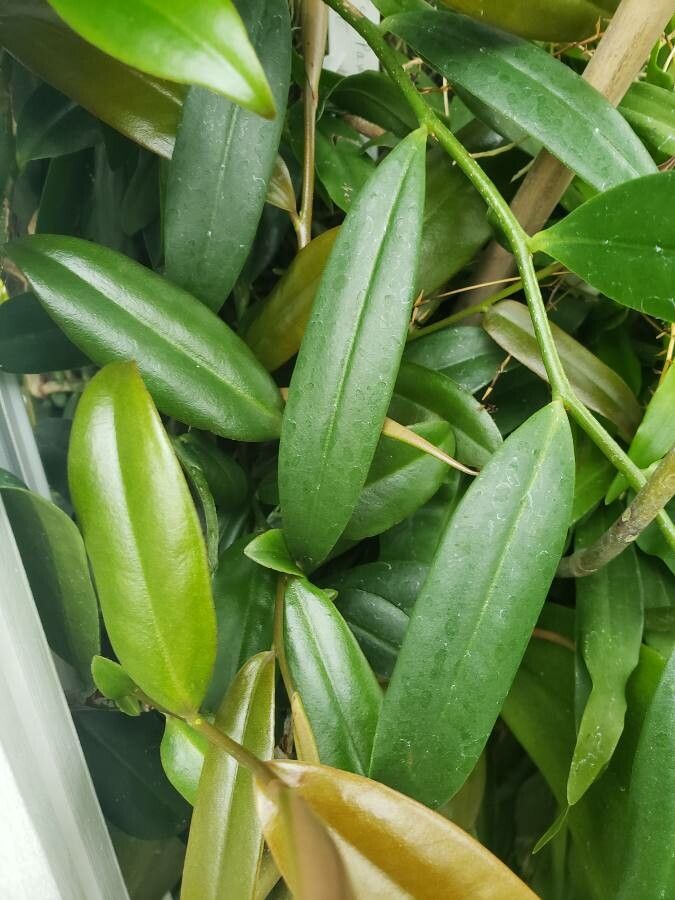
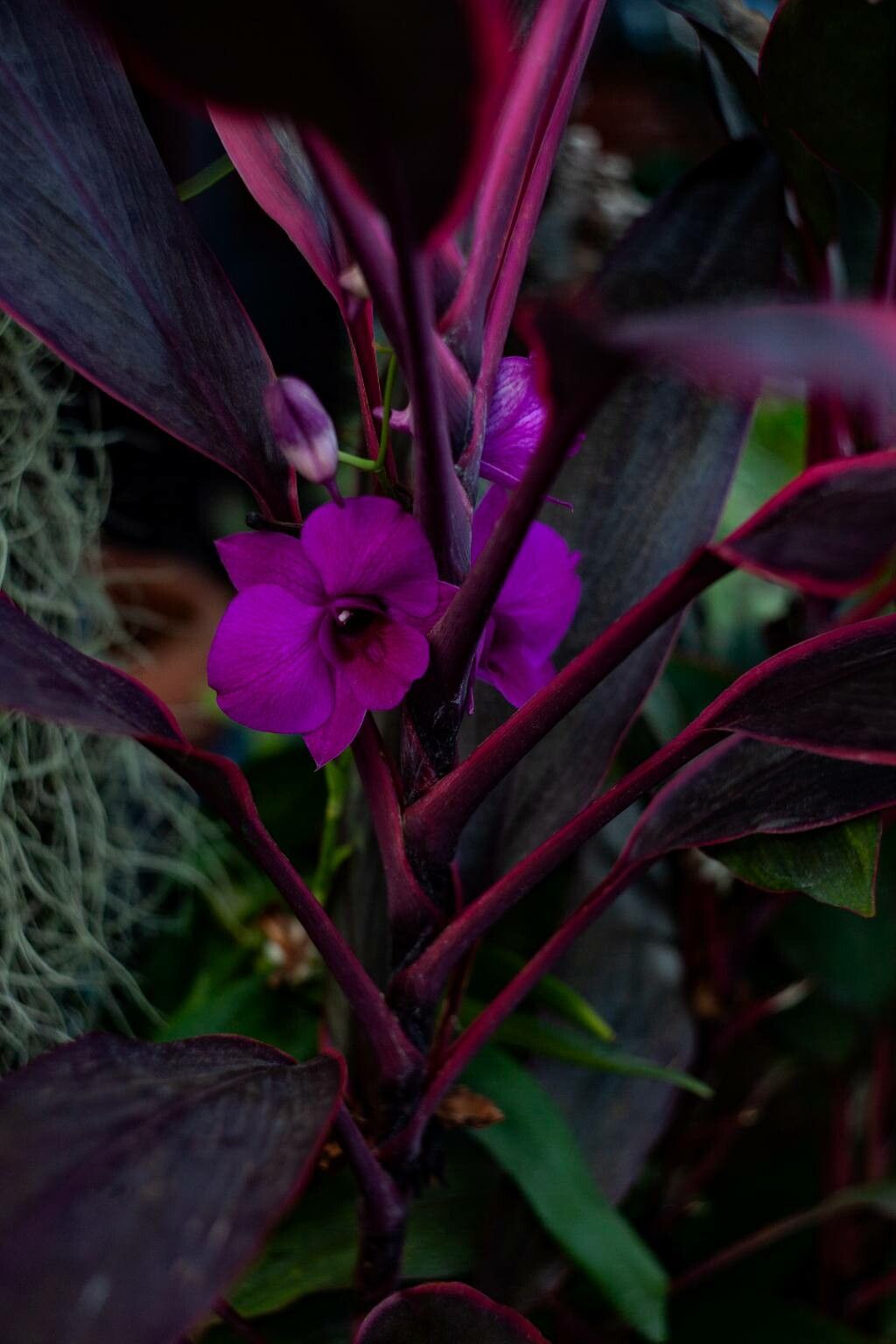
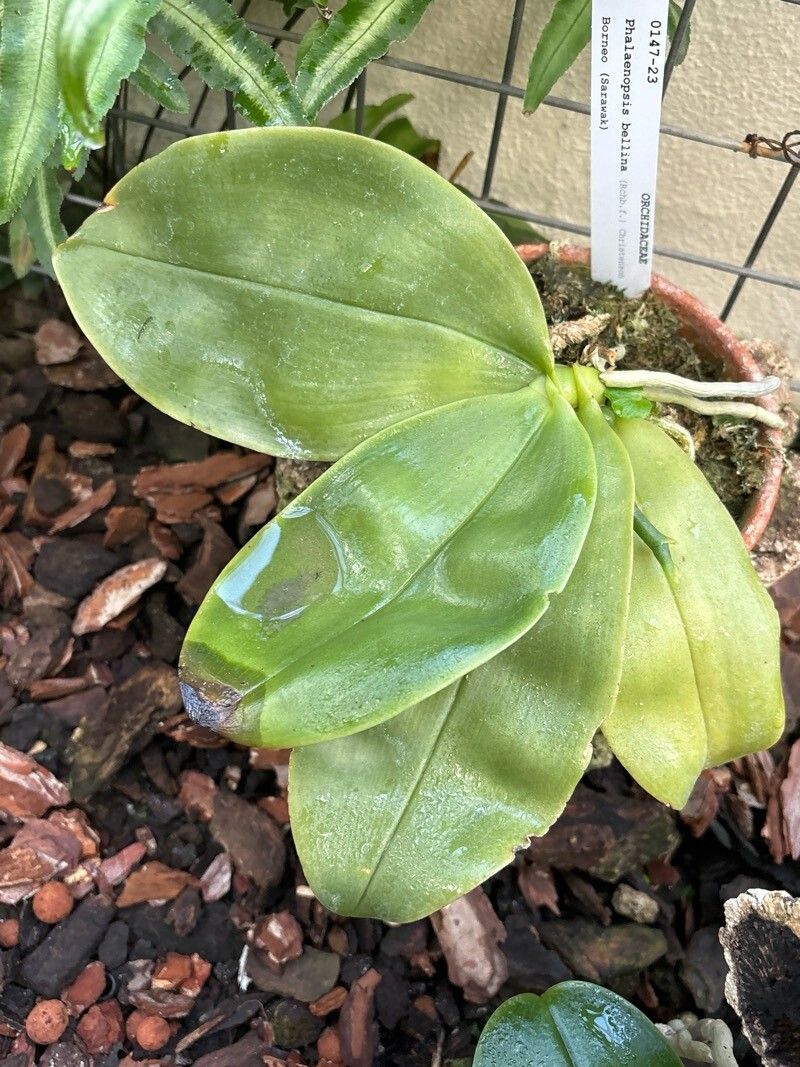
The Phalaenopsis genus or Phalaenopsis orchids is one of the easiest orchid varieties to grow. Its carefree and easy-going nature makes it the best choice for beginners. Native to India, China, and Southeast Asia, the phalaenopsis orchid features dark green, thick, leafy stems carrying striking blooms. These orchids are widely known for their vibrant, elegantly arching flowers that come in a wide array of colors, from white to deep purple to orange-yellow. Their elegantly arching flowers are long-lasting, blooming once a year and flourishing for up to 3 months.
How to keep Phalaenopsis Spp.
Water
Water your Phalaenopsis orchid every week, especially when its exposed roots have turned silvery white. It's best to water them during the mornings to keep the potting soil damp throughout the day. Orchids are not very drought-tolerant but avoid standing water around the stem since this promotes rot. You can cut back watering to every other week in the flowering season.
Temperature
Phalaenopsis orchids thrive in warm climates about 75-85°F (24-29°C) and average room temperatures between 65-70°F (18-21°C). Cooler nights at around 55°F (13°C) may be suitable to encourage flower spike growth. These orchids are considered tropical houseplants, so the greater the temperature, the greater the humidity they need. Place your orchid on a pebble tray filled with water, or consider investing in a humidifier. Ensure that your phalaenopsis gets enough air circulation to prevent rot and fungal diseases.
Fertilizer
Phalaenopsis orchids prefer a weekly dose of weak orchid fertilizer during their growing season. You can cut back feedings to once a month in the winter and blooming season. If you want to encourage a flower spike, apply a flowering fertilizer in September or October.
Pruning
Prune your phalaenopsis orchid after the flowers have faded during its dormancy period. This usually
Toxicity
Phalaenopsis orchids are non-toxic houseplants for people and pets.
Further reading →
The toxicity and danger assessments provided are for reference only. We do not assure their accuracy, so it's crucial not to depend on them. Seek professional advice when necessary for accurate guidance.
Botanical profile.
- Plant Type
- Herbaceous flowering perennial, orchid group
- Genus
- Phalaenopsis
- Family
- Orchidaceae
- Hardiness Zone
- 10 to 12, USDA
- Bloom Time
- Spring and summer; indoors, it is a repeat seasonal bloomer
- Native Area
- Southeast Asia to the Philippines, New Guinea and northern Australia
Other names.