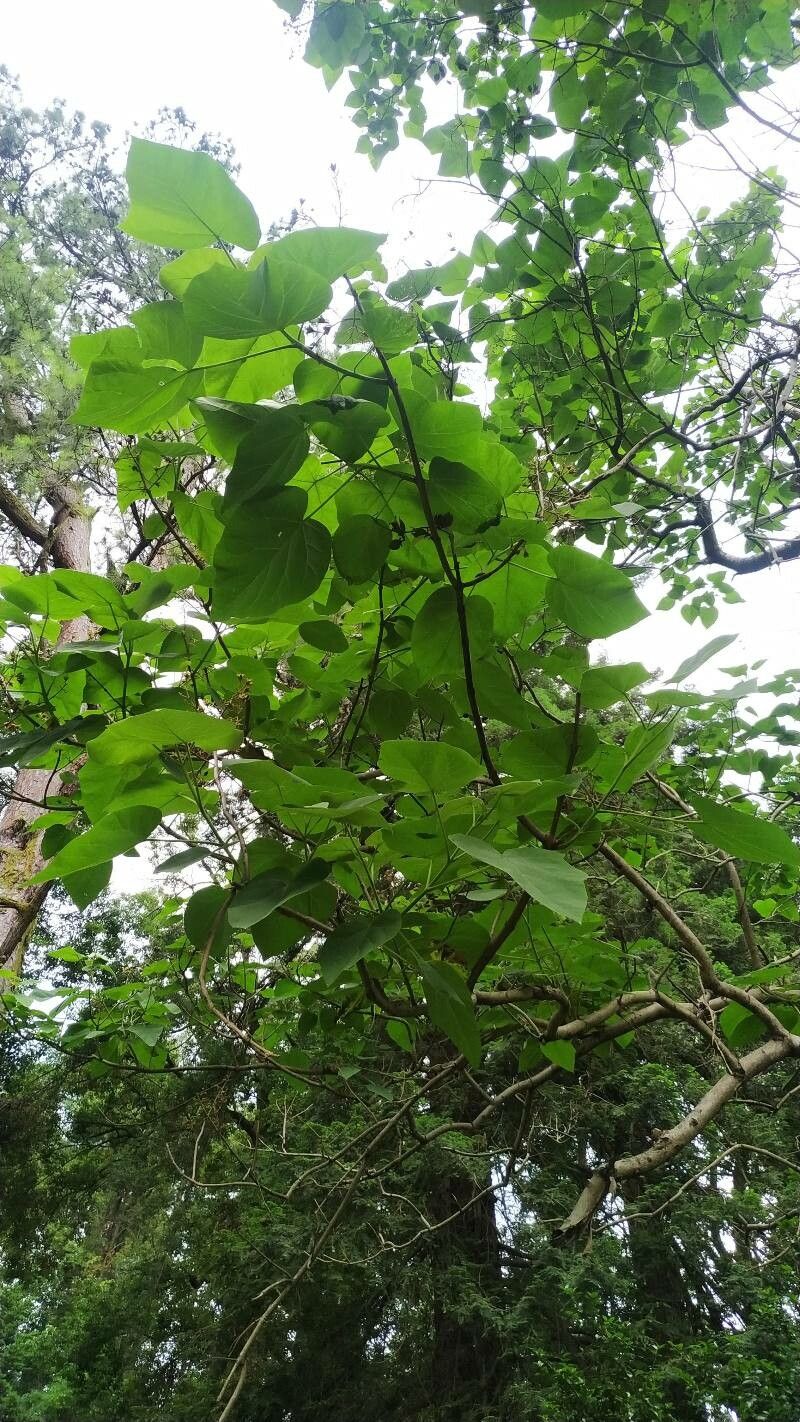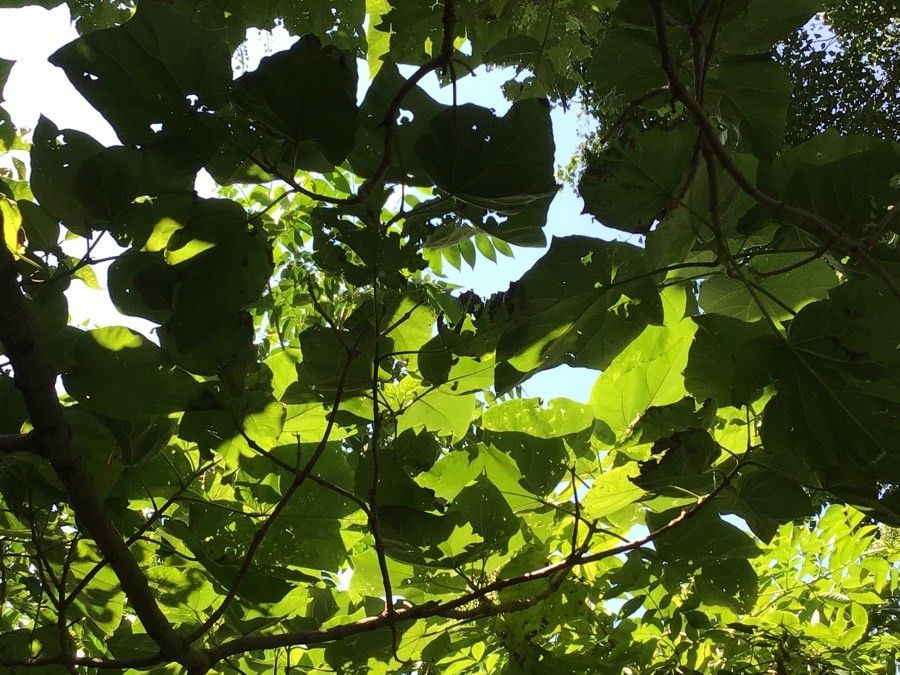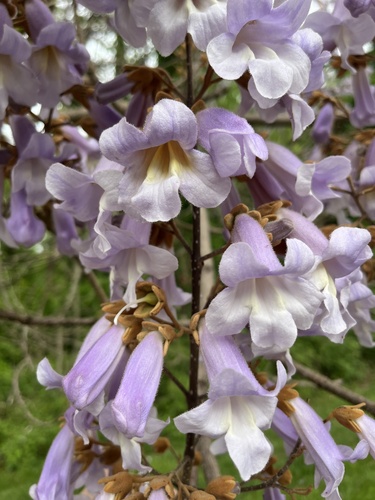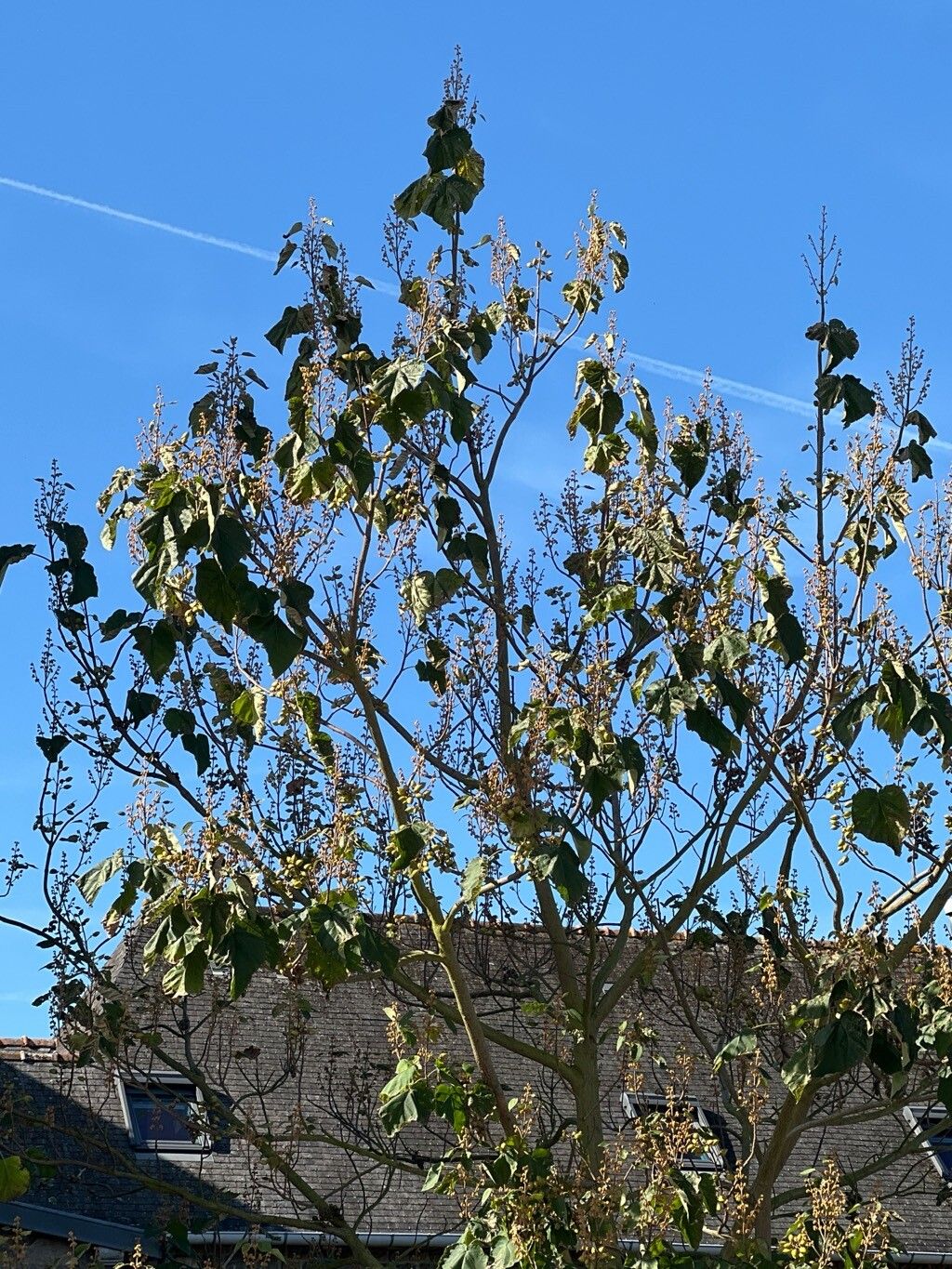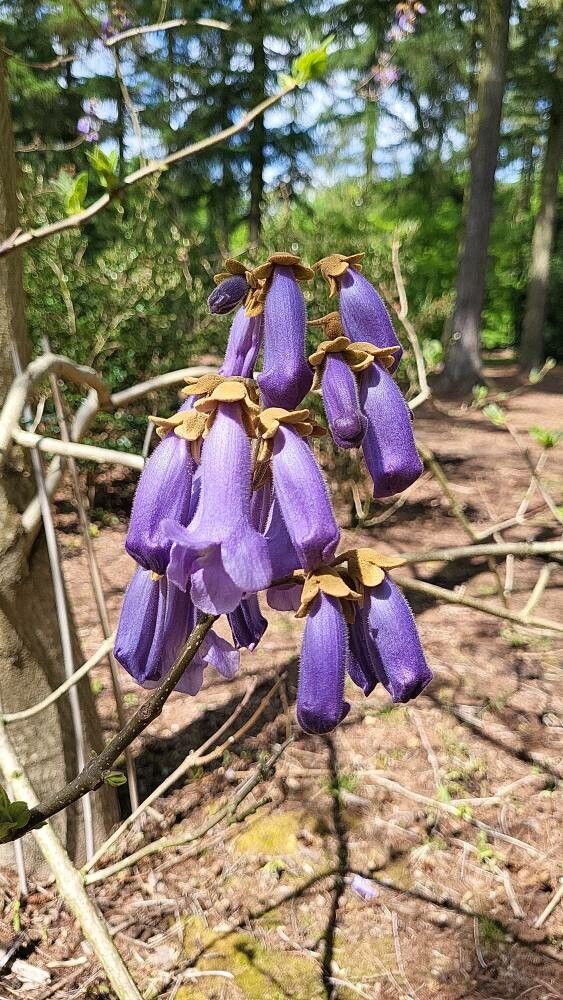
Paulownia elongata is a species of tree in the family Paulowniaceae, native to Asia.
Empress tree is resistant to disease and is generally unlikely to develop illnesses. In terms of care, this plant is relatively low maintenance. When grown outdoors, it needs only minimal watering, and larger specimens typically do not require pruning. Smaller plants, however, should be pruned after they have finished blooming. Empress tree is suitable for anyone with outdoor space, such as a garden or deck, and does not require a lot of care experience.
How to keep Paulownia Elongata.
Light
The Empress tree is native to open spaces like sunny meadows and edges of forests that offer abundant light. It flourishes in full sunlight but can also withstand semi-shade, demonstrating good adaptability to different light environments.
Water
The empress tree thrives in moderate climates and prefers consistent moisture, so it should be watered twice a week. While it can tolerate short periods of dryness, it benefits greatly from rainwater during the growing season, which helps enhance its vitality and supports lush foliage.
Temperature
The Empress tree shows remarkable flexibility in adapting to different weather conditions, be it extremely hot summers or freezing winters. Nonetheless, it has a preferred temperature range for its growth. If temperatures soar too high, the tree can suffer from heat and humidity stress, which may lead to its death. Areas where temperatures are nearing the tree's lowest cold tolerance need to utilize insulation methods to safeguard the plant.
Fertilizer
The timing for the fertilization of the Empress tree is essential. Start the process in early spring and continue it on a monthly basis until the beginning of summer. Providing fertilizer assists in creating beautiful blossoms and supplies the tree with necessary energy during the periods of dormancy and active growth.
Pruning
The Empress tree benefits greatly from pruning in early spring. This process involves removing damaged branches, thinning out crowded areas to improve air circulation, and shaping the canopy to allow better access to light. It's important to use clean tools to prevent the spread of disease. Additionally, avoid heavy pruning to minimize stress on the tree, which will support healthier growth and more abundant flowering.
Botanical profile.
- Plant Type
- Tree
- Life Cycle
- Perennial
- Genus
- Paulownia
- Family
- Paulowniaceae
- Hardiness Zone
- 5-9
- Mature Height
- 14.94 m to 24.99 m
- Mature Spread
- 10.06 m to 14.94 m
- Leaf Color
- Green, Dark Green
- Leaf Type
- Deciduous
- Flower Color
- Lavender, Violet
- Flower Size
- 5.08 cm to 6.35 cm
- Bloom Time
- Mid spring, Late spring
- Planting Time
- Spring, Summer
- Harvest Time
- Summer
- Native Area
- China