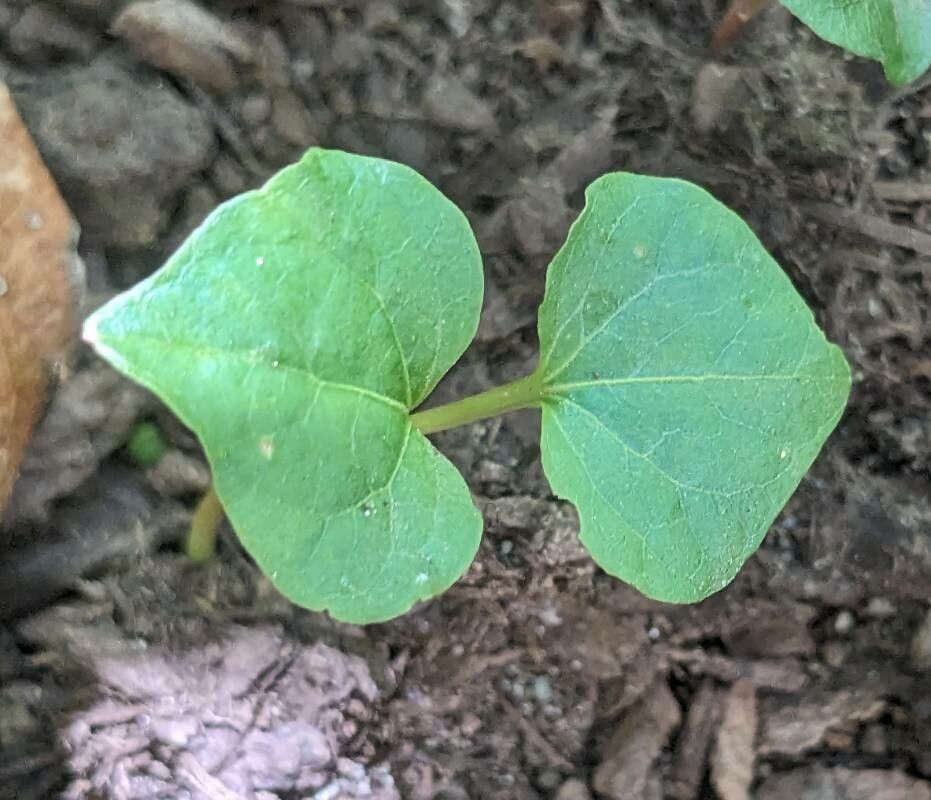
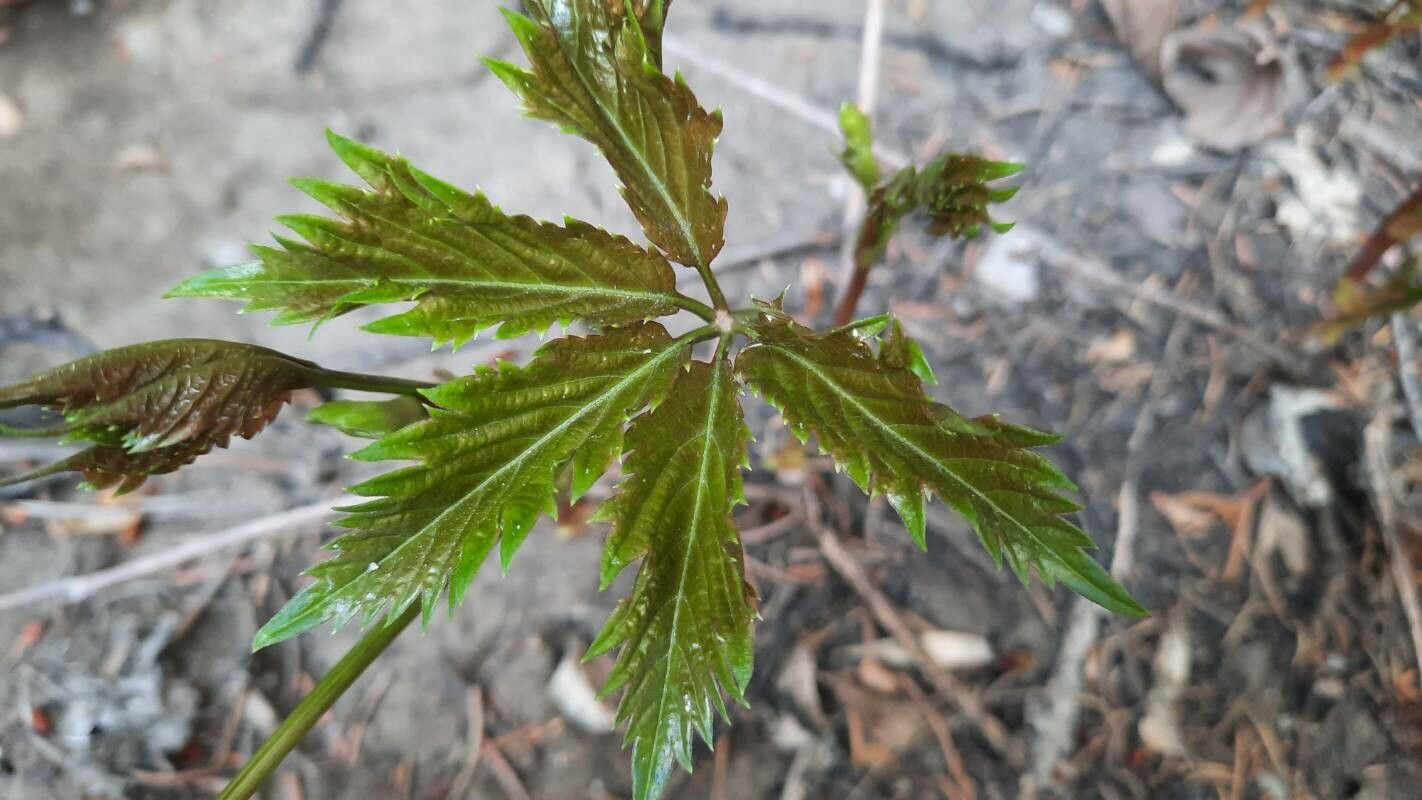
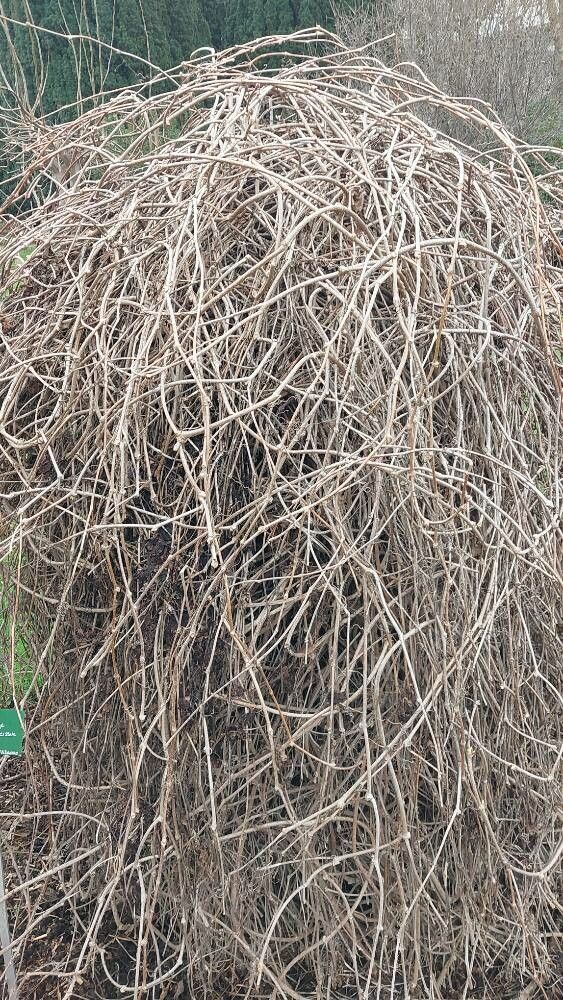
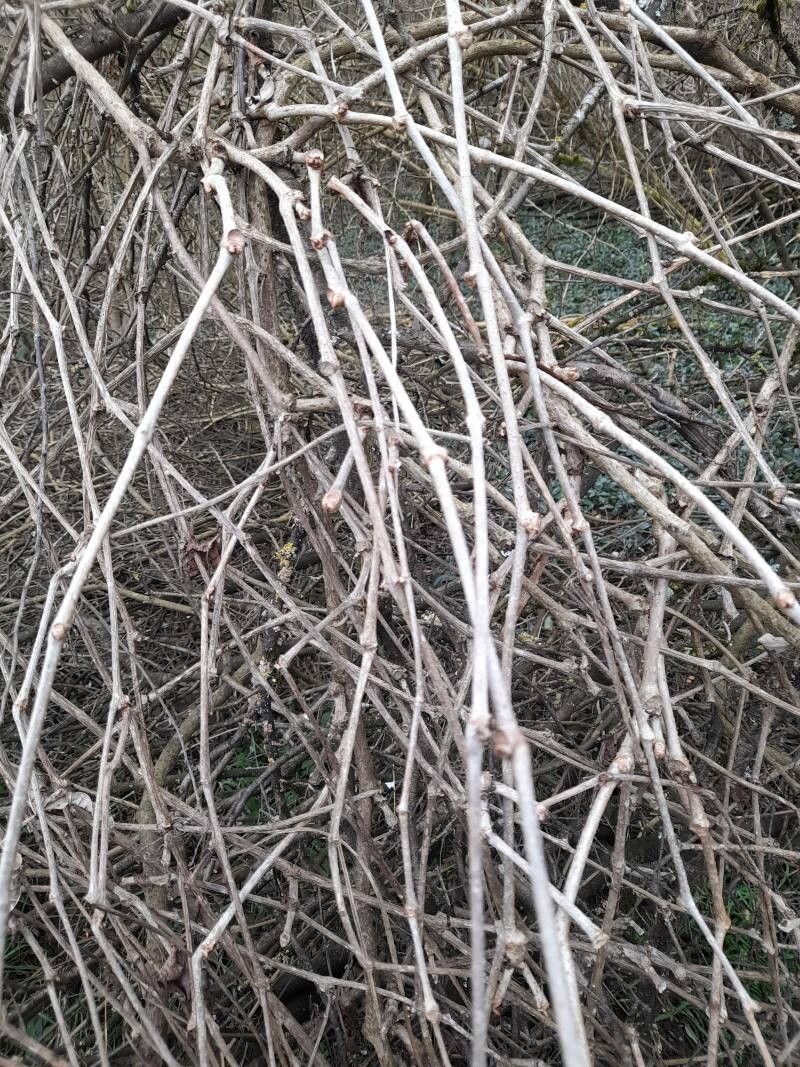
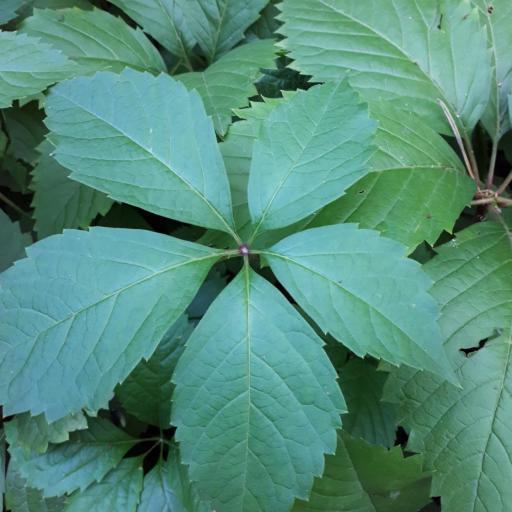
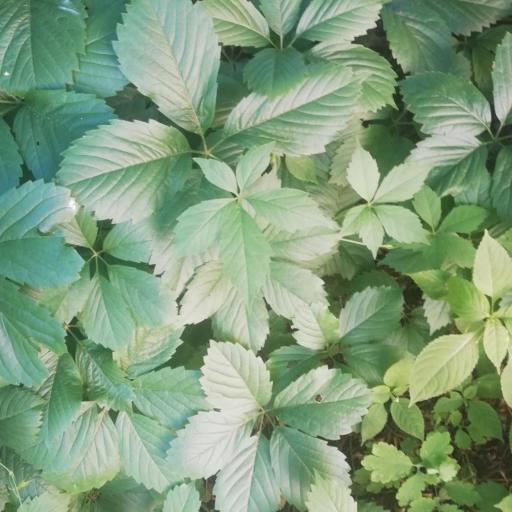
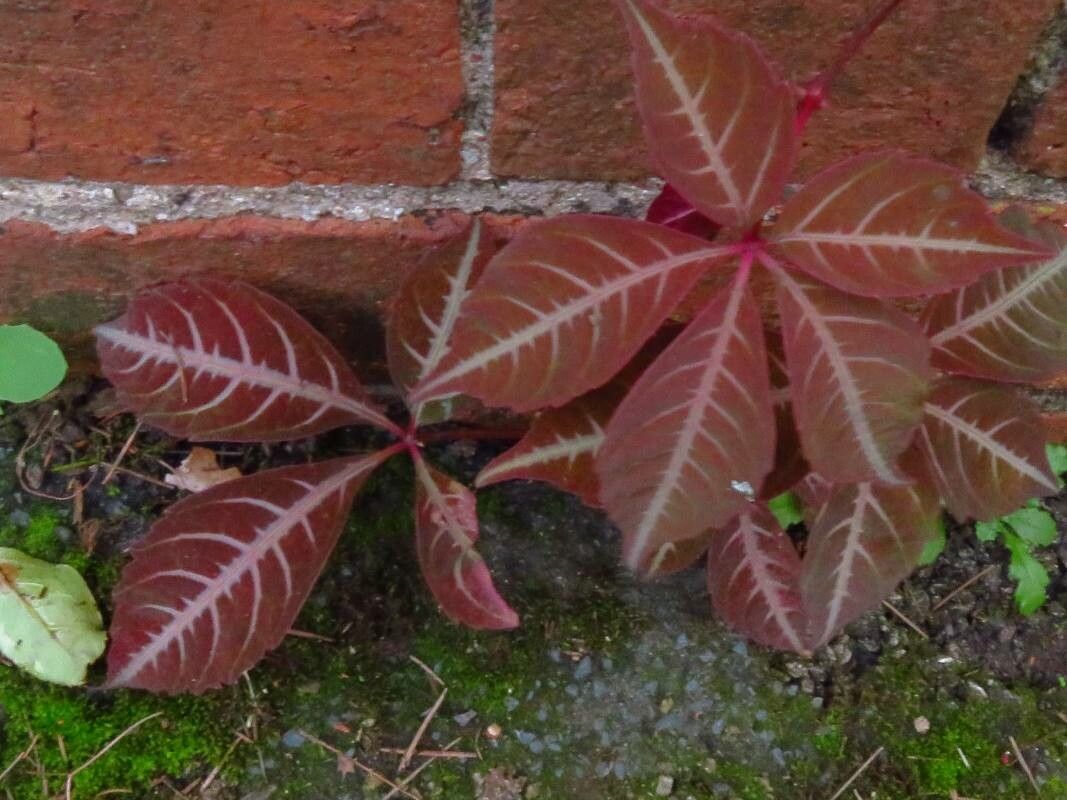
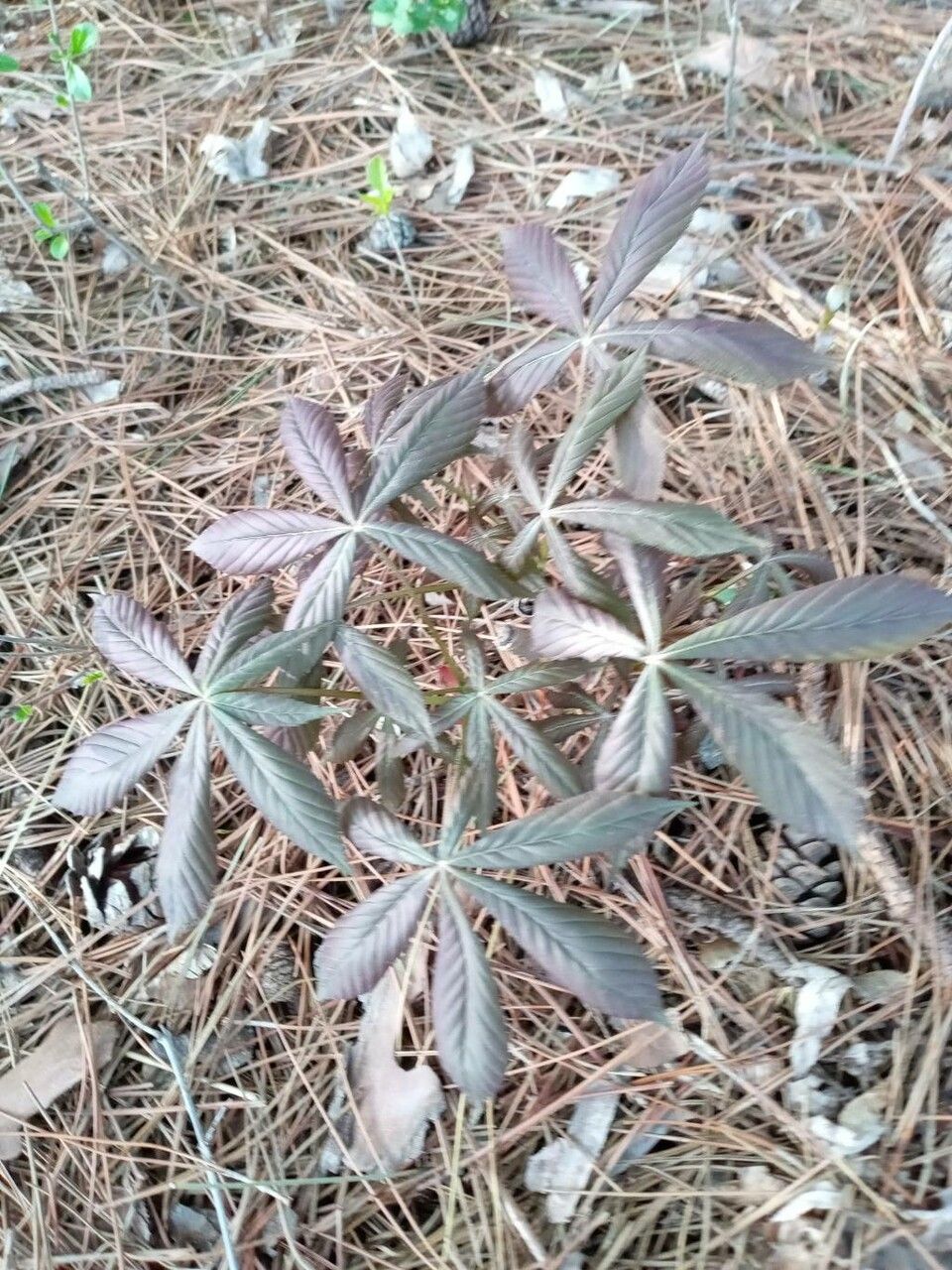
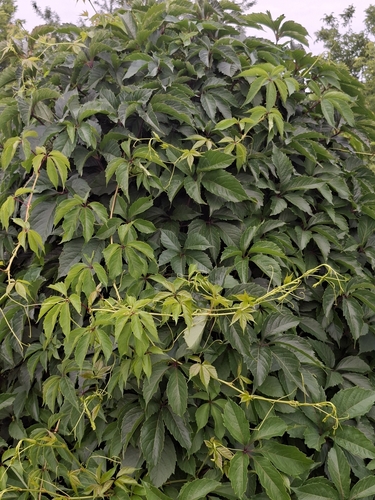
Parthenocissus inserta (syn. Parthenocissus vitacea), also known as thicket creeper, false Virginia creeper, woodbine, or grape woodbine, is a woody vine native to North America, in southeastern Canada (west to southern Manitoba) and a large area of the United States, from Maine west to Montana and south to New Jersey and Missouri in the east, and Texas to Arizona in the west. It is present in California, but it may be an introduced species that far west.
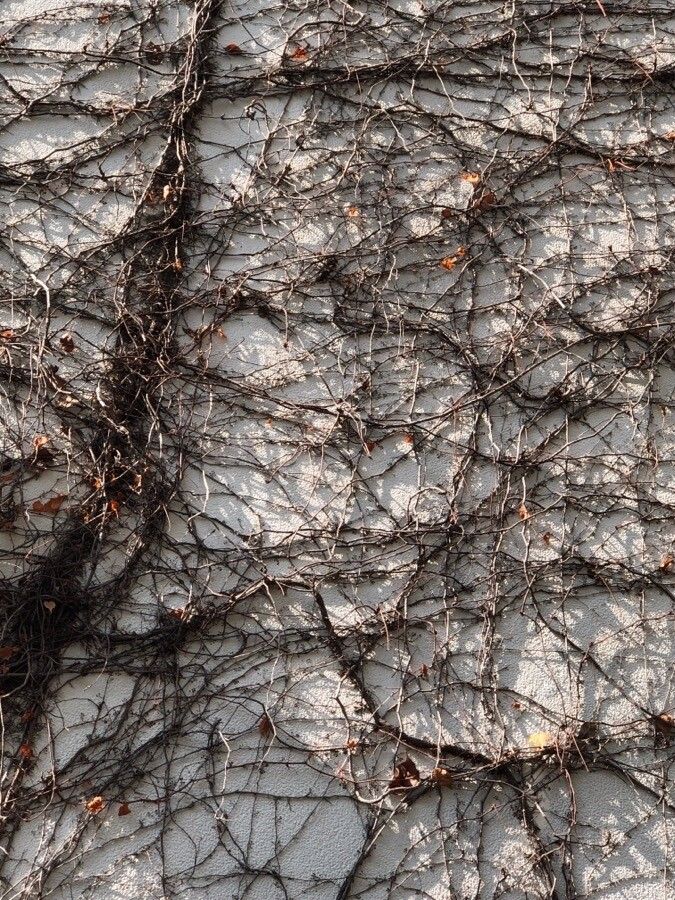
Thicket creeper is a woody vine known for its climbing and sprawling growth. It forms shrubs by climbing and spreading. The berries of this plant contain oxalates, and direct contact with the plant can cause skin irritation, known as dermatitis. Due to its growth habit as a creeper, it is aptly named thicket creeper.
Woodbine shows good disease resistance and is typically not susceptible to diseases. Regarding care, this plant is fairly low maintenance. When grown outdoors it needs only minimal watering, and larger specimens usually do not require pruning. Smaller specimens, however, should be pruned after they finish blooming. Woodbinet is appropriate for anyone with an outdoor area, like a garden or deck, and does not demand extensive care experience.
How to keep Parthenocissus Vitacea.
Light
Woodbine performs best with wide or uninterrupted sunlight all day, yet it can also grow satisfactorily where sunlight is present only for a limited time. Its development in both open and partly shaded settings accounts for this flexibility. Excessive sun or too little light can reduce growth or cause leaves to fade in color.
Water
Woodbine thrives in moist, woodland-like environments and benefits from weekly watering. Although it can withstand short periods of dryness, it performs best outdoors because of its climbing nature. Versatile in different climates, woodbine effectively stores water, which boosts its ability to survive in diverse rainfall patterns.
Temperature
Woodbine is a temperate woody plant that prefers temperatures between 32 and 95 ℉ (0 to 35 ℃). It is native to North America and occurs in various habitats, including woodlands, meadows, and along streams. In hot summer months, it may benefit from some partial shade to help prevent stress.
Fertilizer
Apply fertilizer to your Woodbine in early spring to encourage healthy growth. Regular feeding improves overall health, producing vigorous growth, increased tolerance to difficult conditions, and enhanced resistance to pests and diseases. Follow a consistent fertilization schedule for your Woodbine to keep foliage vibrant, deeply colored, and lush in appearance.
Pruning
Pruning woodbine in early spring is beneficial for both the plant's health and your ability to manage it. Start by removing any dead or damaged stems. Next, thin out overcrowded areas and trim back long vines to improve the plant's shape. Be sure to use clean, sharp tools to prevent the spread of disease. This practice not only enhances air circulation but also makes maintenance easier throughout the year.
Pot & Repot
Repot Woodbine in early spring, selecting a pot only slightly larger than the current one that provides proper drainage. Use a well-draining potting mix and position the root ball at the same level as before. Gently tease apart any root-bound roots. After repotting, water thoroughly and place the plant in a warm, shady spot. Regular pruning helps control size and encourages new growth.
Botanical profile.
- Plant Type
- Vine
- Life Cycle
- Perennial
- Genus
- Parthenocissus
- Family
- Vitaceae
- Hardiness Zone
- 3-9
- Mature Height
- 20.12 m
- Mature Spread
- 14.94 m to 20.12 m
- Leaf Color
- Green, Blue, White
- Leaf Type
- Deciduous
- Flower Color
- Yellow, Green
- Flower Size
- 6.35 cm to 12.70 cm
- Bloom Time
- Early summer, Mid summer
- Planting Time
- Autumn, Winter
- Harvest Time
- Mid summer
Other names.