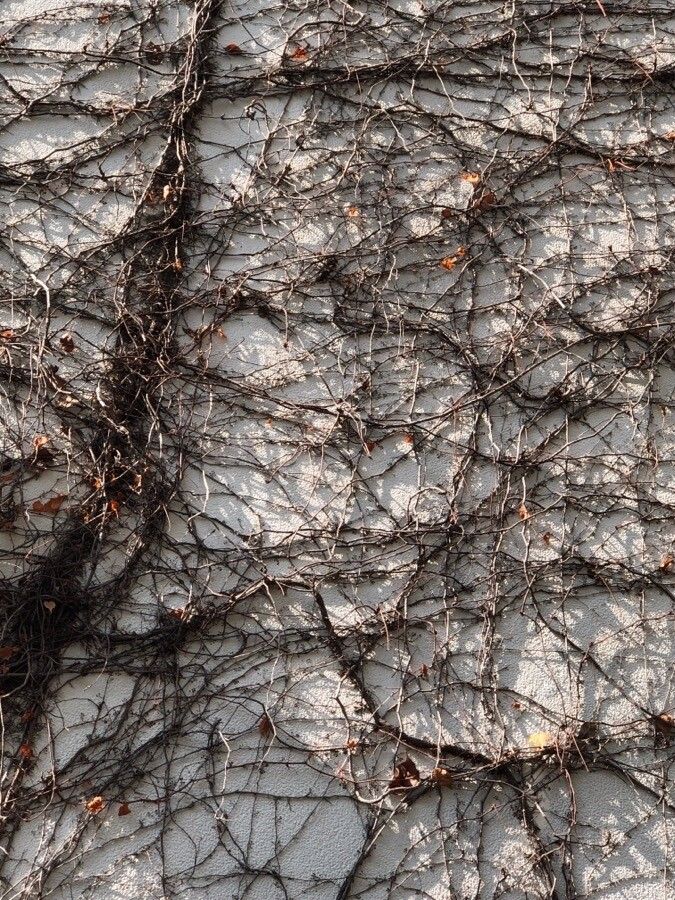
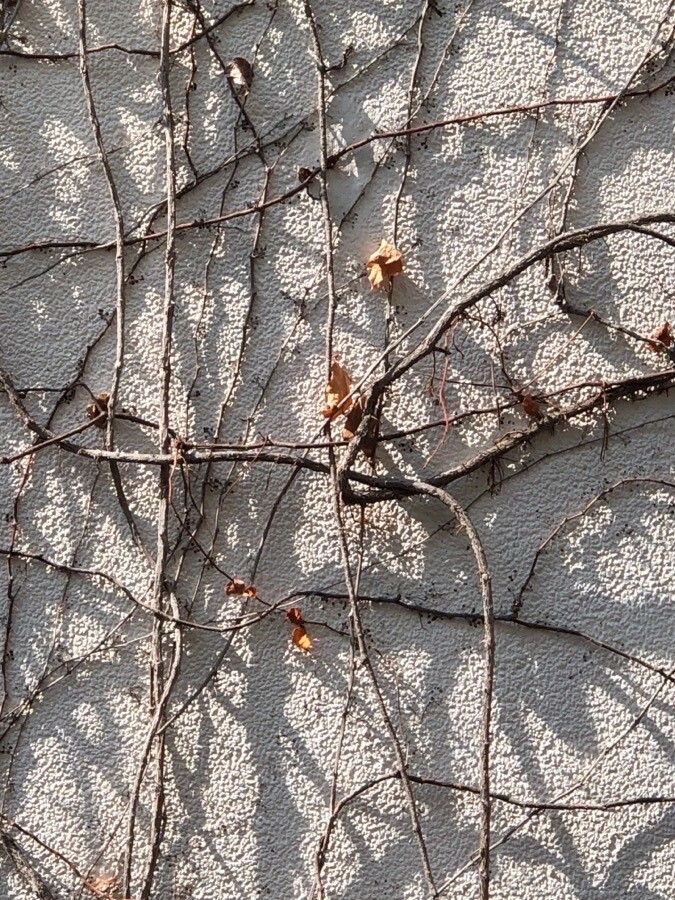
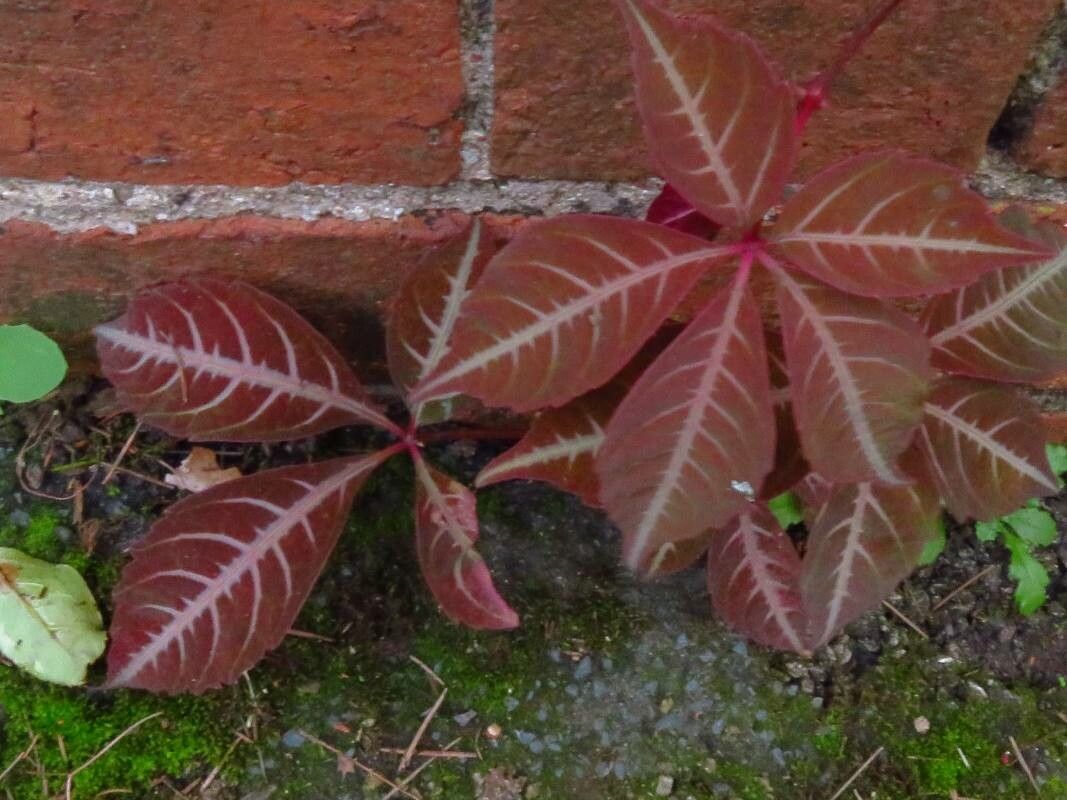
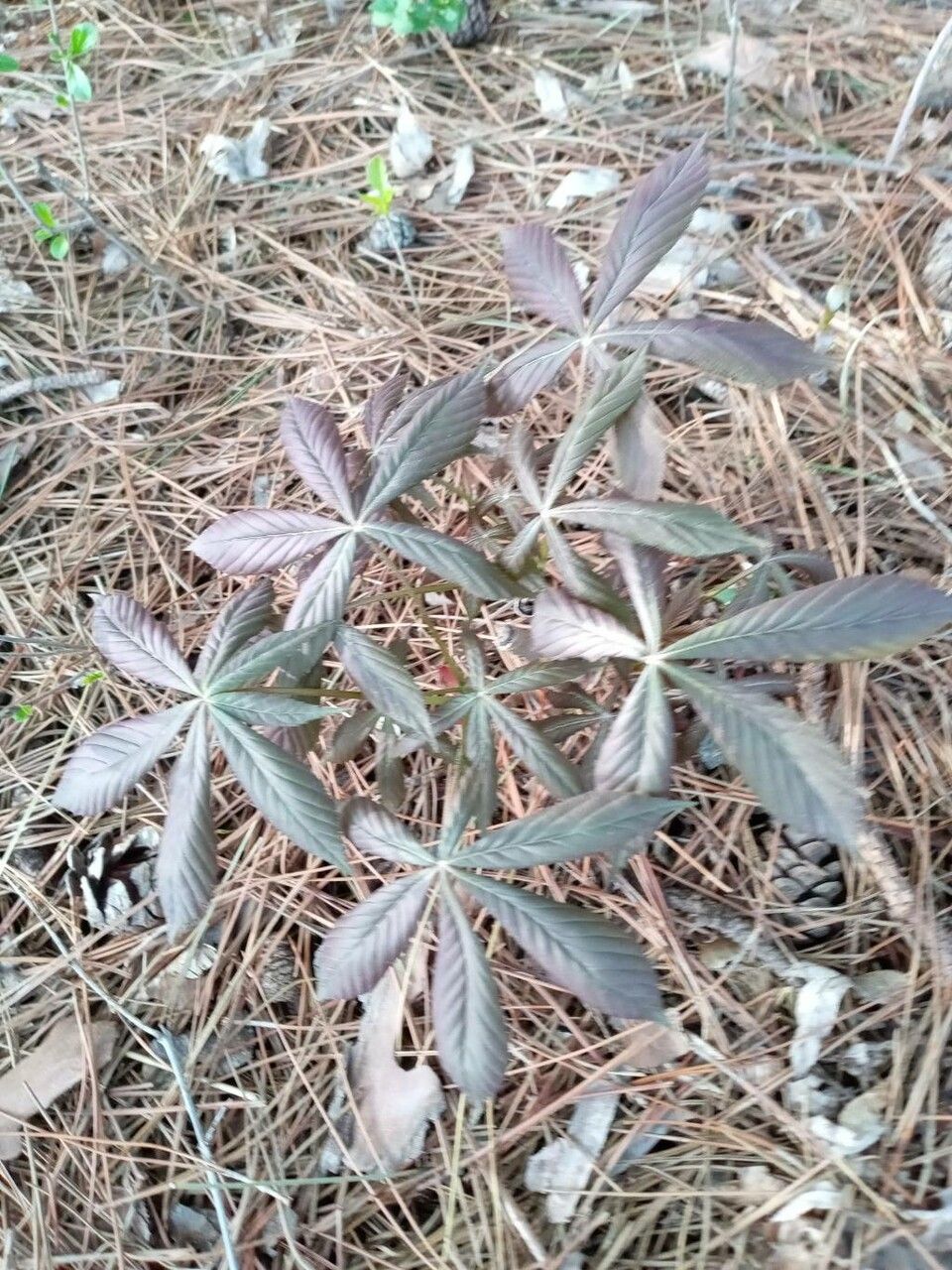
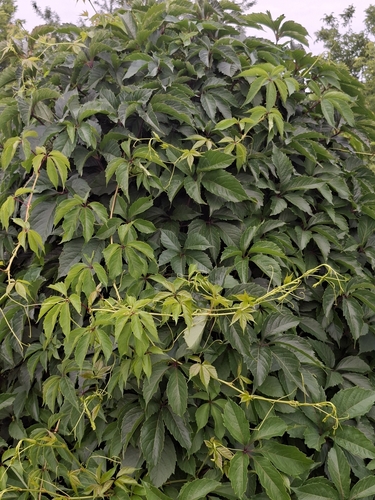
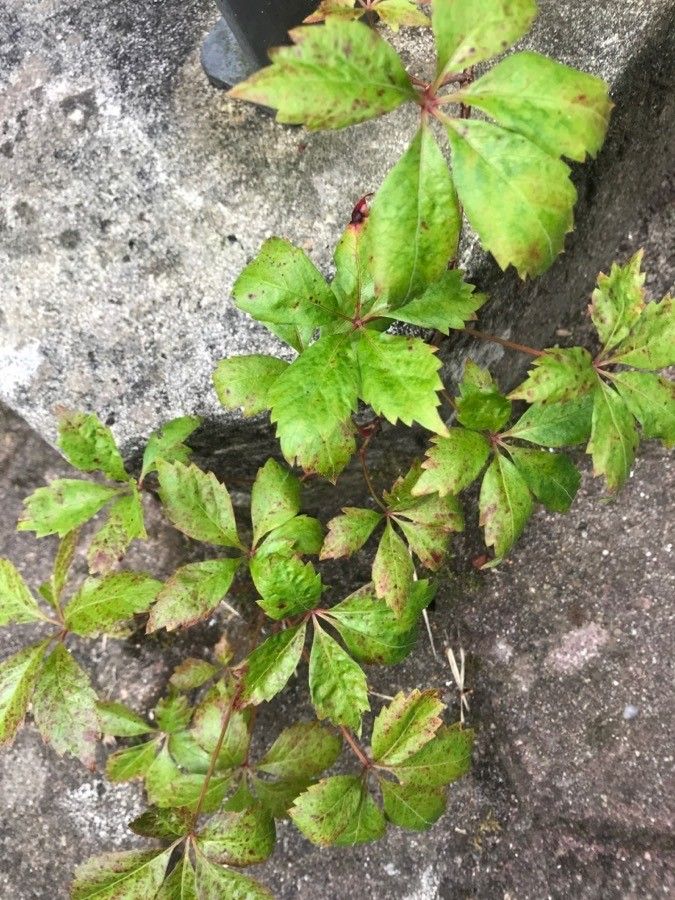
Parthenocissus dalzielii (Gagnepain 1911) is a creeper related to the grapevine family. It is a native plant of East and South-east Asia. In China it is found in Anhui, Fujian, Guangdon, Guangxi, Henan, Hubei, Hunan, Jiangsu, Jiangxi, Sichuan and Zhejiang. It is commonly used in Hong Kong by the government as part of slope stabilization. Its Chinese name is 爬山虎.
The diverse-leaved creeper has strong disease resistance and is generally not susceptible to illnesses. In terms of care, this plant is fairly low-maintenance. When grown outdoors it needs only minimal watering, and larger specimens typically do not require pruning. Smaller plants, however, should be trimmed after they finish blooming. The diverse-leaved creeper is suitable for anyone with outdoor space, such as a garden or a deck, and does not demand extensive care experience.
How to keep Parthenocissus Dalzielii.
Light
Diverse-leaved creeper is native to habitats like forest understories and rocky areas, where it grows in natural shade. It prefers partial sun but can tolerate full sun or full shade, showing its versatile and hardy nature.
Water
The diverse-leaved creeper thrives in stable environments, needing consistent soil moisture. It should be watered twice a week. Although it has moderate drought tolerance and can adapt to various climates, the plant requires sufficient hydration during its active growth period to ensure healthy foliage development.
Temperature
Diverse-leaved creeper is highly adaptable to a range of climatic conditions, from blistering summers to cold winters. Nonetheless, it prefers a particular temperature range for optimal growth. If temperatures become too high, the plant is susceptible to heat and humidity stress, which can cause it to die. In areas where temperatures approach the lower limit of its cold tolerance, taking insulating measures to protect the plant is necessary.
Fertilizer
Timing is important when fertilizing Diverse-leaved creeper. Begin in early spring and apply every month until early summer. Fertilizer promotes lovely blooms and supplies energy both during dormant periods and in active growth phases.
Pruning
Strategic pruning improves the health of the diverse-leaved creeper by removing dead stems and controlling excessive growth through trimming new shoots. The best time to prune is in early spring, using clean tools. This promotes better air circulation and sunlight penetration, while also helping to prevent disease.
Botanical profile.
- Plant Type
- Vine
- Life Cycle
- Perennial
- Genus
- Parthenocissus
- Family
- Vitaceae
- Hardiness Zone
- 7-10
- Mature Height
- 10.06 m to 20.12 m
- Mature Spread
- 4.88 m to 10.06 m
- Leaf Color
- Green, Dark Green
- Leaf Type
- Deciduous
- Flower Size
- 0.25 cm to 0.51 cm
- Bloom Time
- Early summer, Mid summer
- Planting Time
- Spring, Summer
- Harvest Time
- Late summer, Early fall, Mid fall
- Native Area
- China
Reader questions.
What are the sun requirements for a Diverse-leaved creeper?
The Diverse-leaved creeper, known botanically as Parthenocissus dalzielii, thrives in varying sunlight conditions, necessitating about 3-6 hours of sunlight daily to be categorized under partial sun. For areas defined as full shade, it requires less than 3 hours of sunlight. It is essential to observe the movement of sunlight through your garden carefully and select locations that provide an ideal mix of light and shade, ensuring the plant's health and happiness.
What is the name of the plant discussed?
The plant discussed is known as the Diverse-leaved creeper.
Are there any special warnings about sunlight for the Diverse-leaved creeper?
Yes, when planting the Diverse-leaved creeper (Parthenocissus dalzielii), it's crucial to monitor the way sunlight interacts with your garden. Selecting the right spot ensures the plant receives the necessary balance of light and shade, which is vital for its well-being. The perfect balance promotes the happiness and health of the plant.
What is the botanical name of the Diverse-leaved creeper?
The botanical name of the Diverse-leaved creeper is Parthenocissus dalzielii.