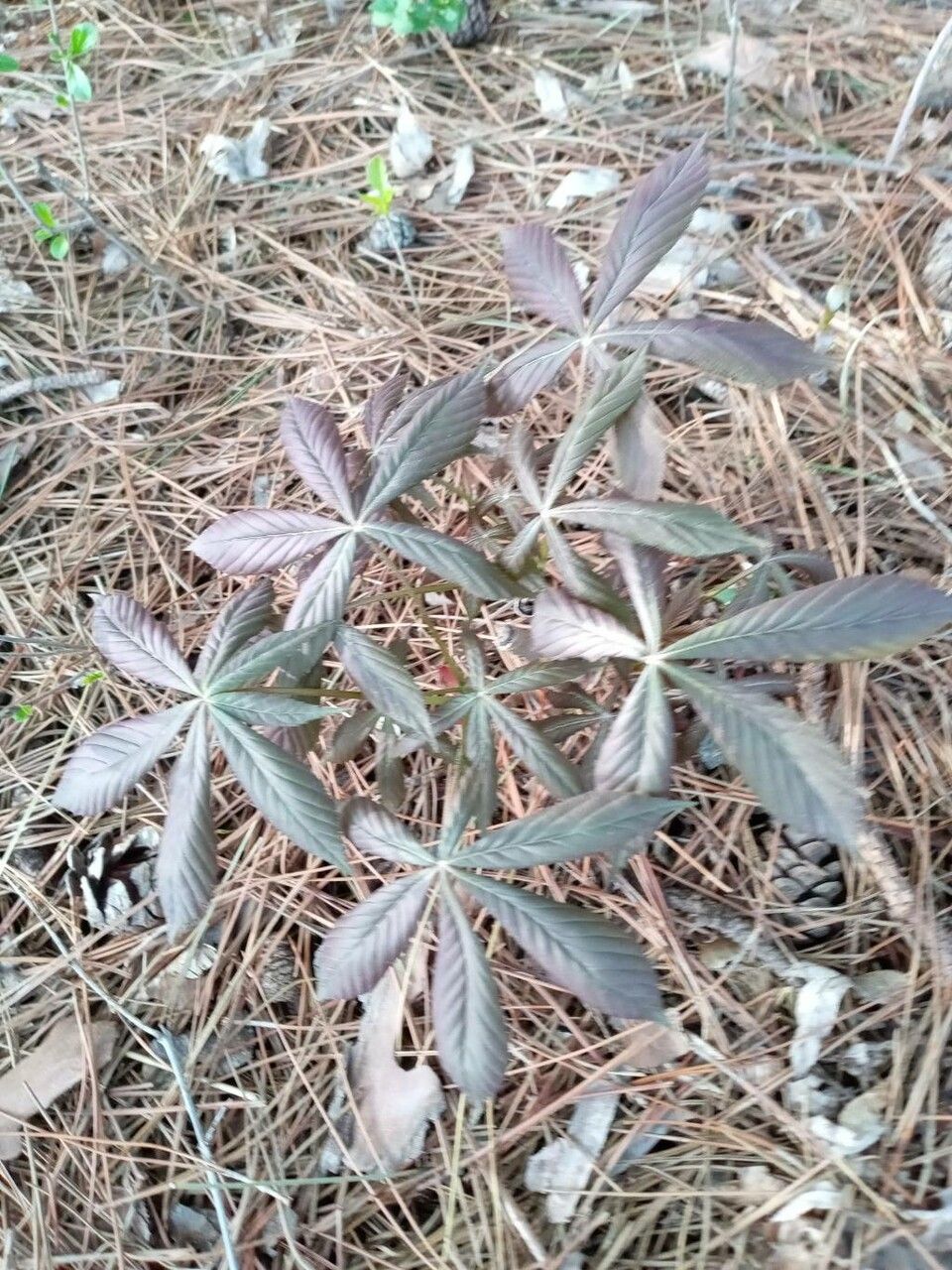
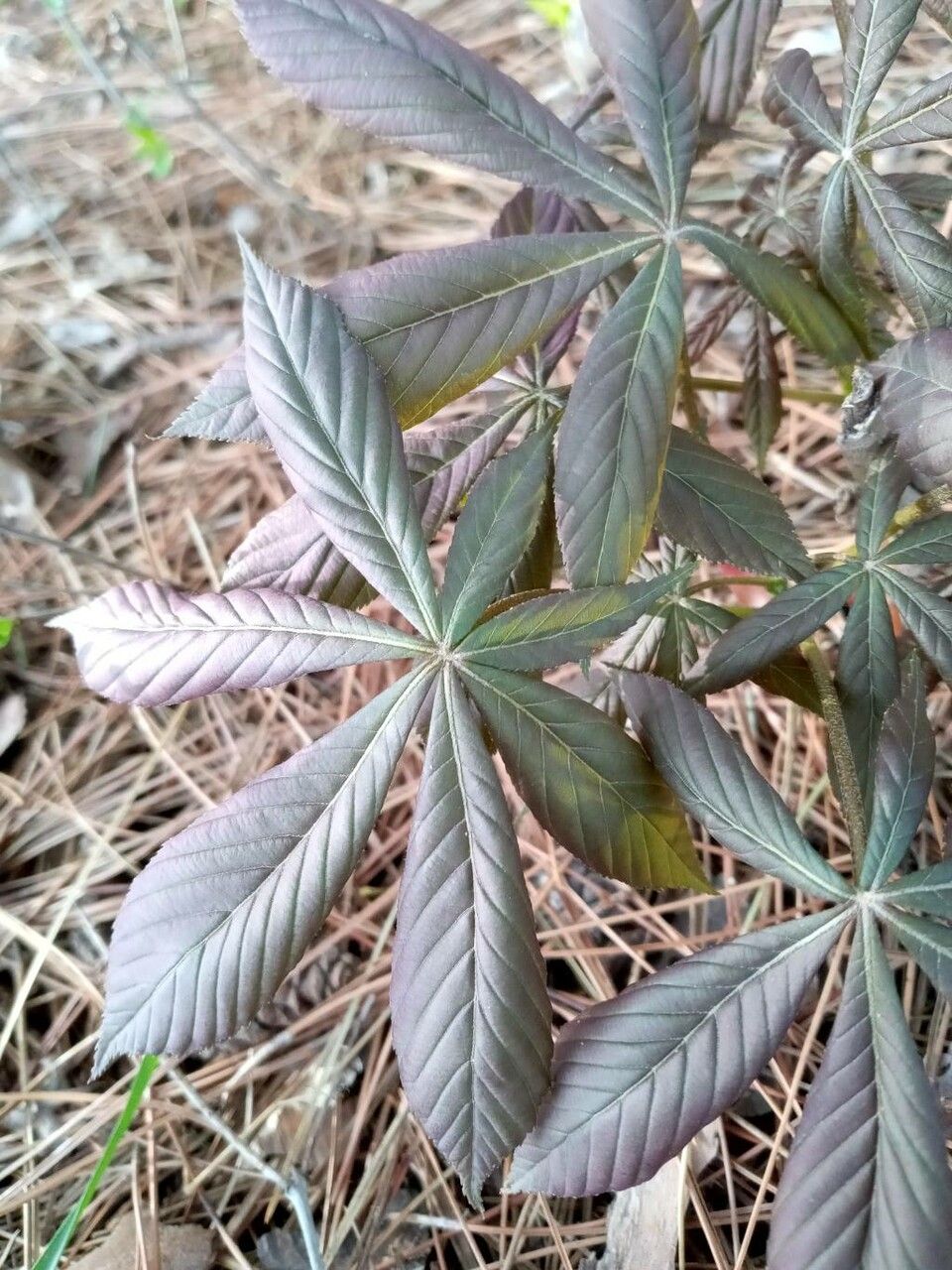
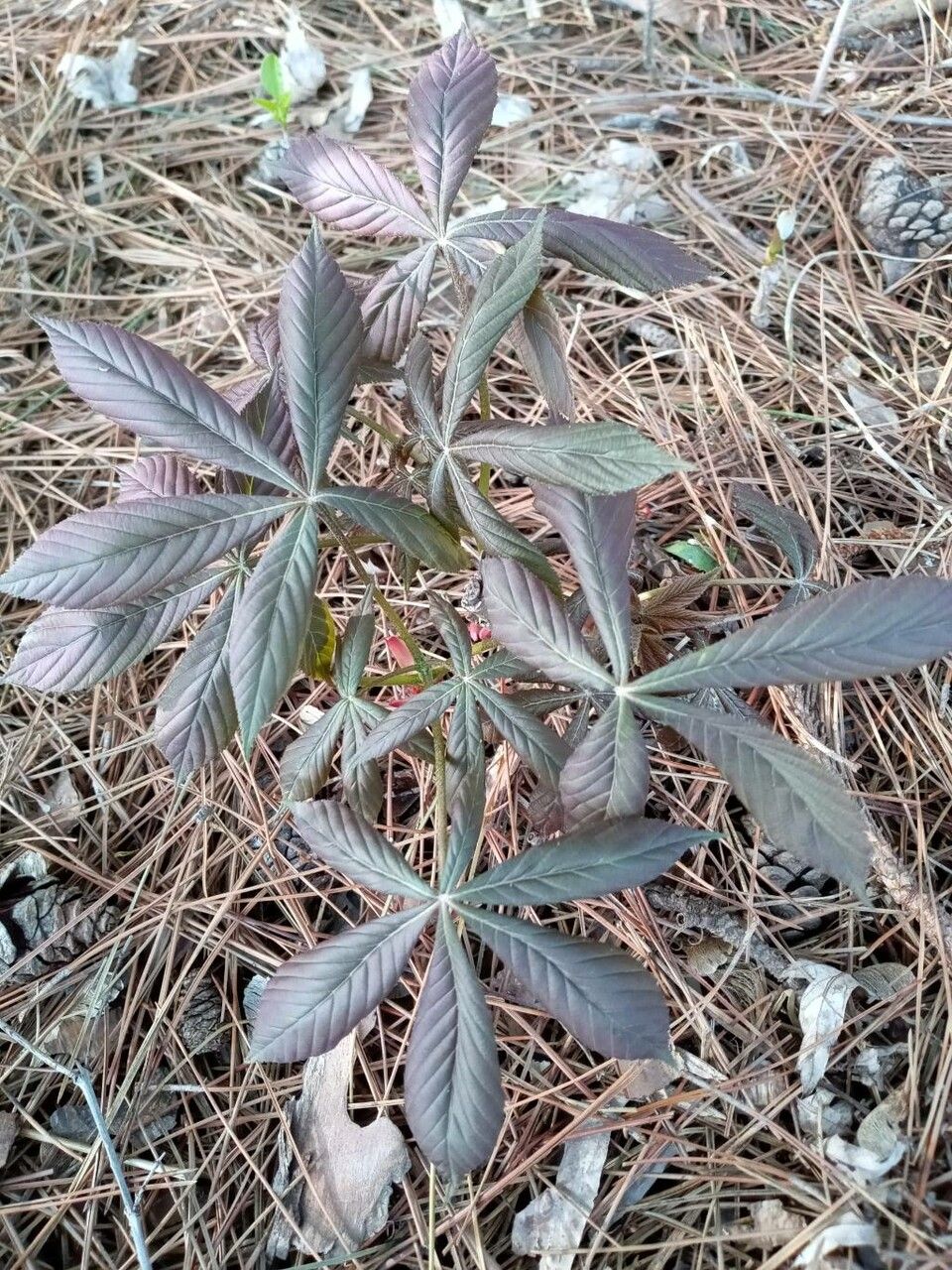
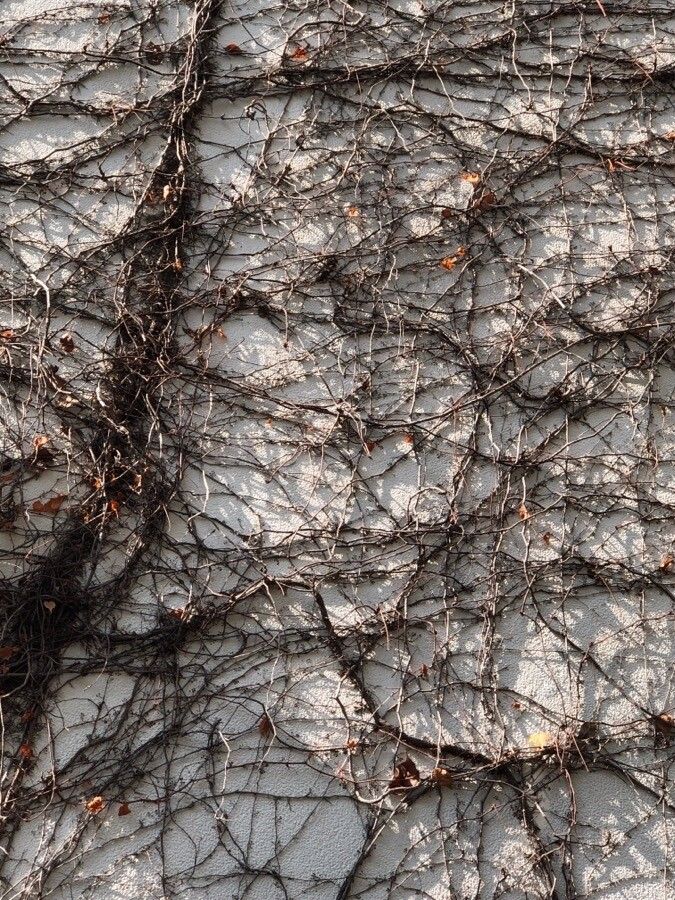
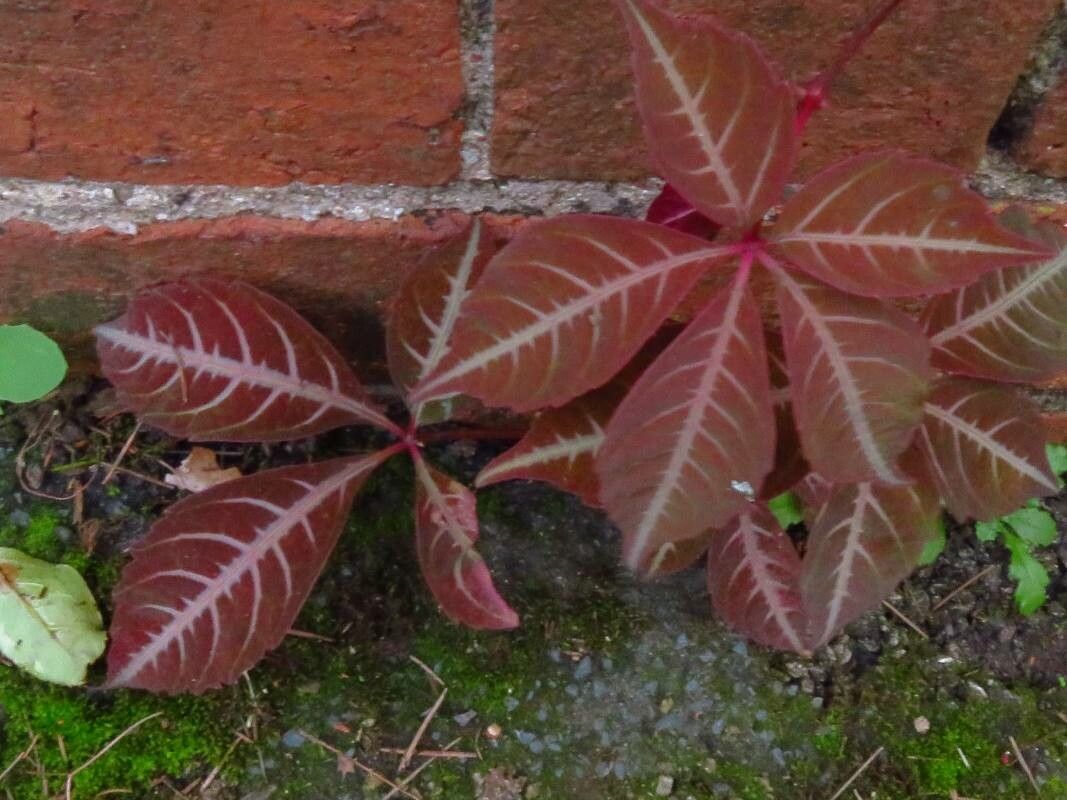
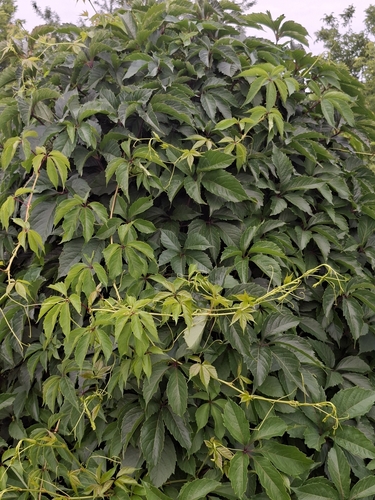
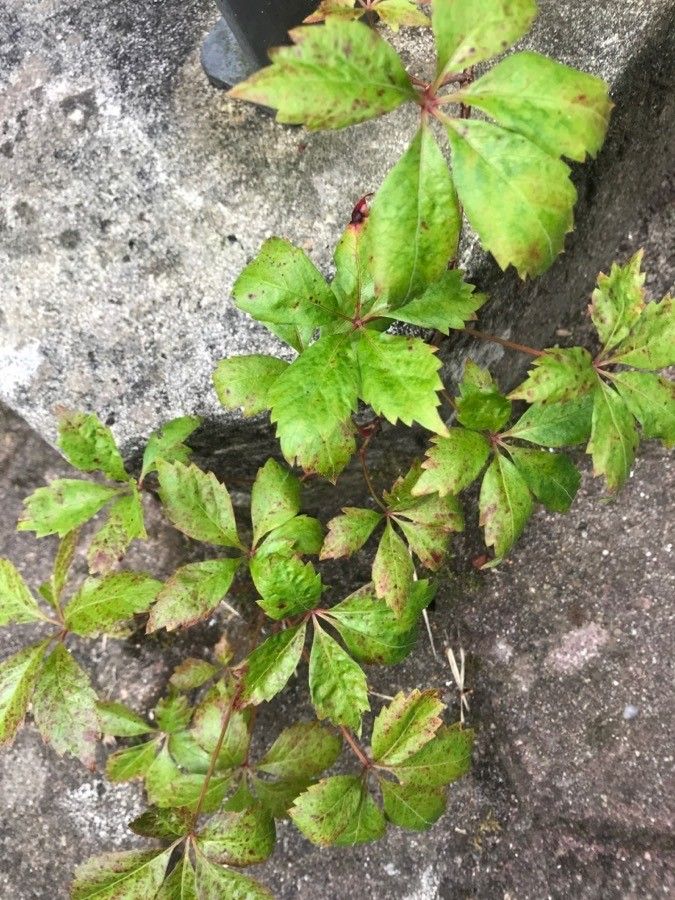
Sevenleaf creeper has good disease resistance and is generally not prone to disease. Regarding care, this plant is relatively low maintenance. When grown outdoors it needs minimal watering, and larger specimens usually do not need pruning. However, smaller plants should be pruned after they finish blooming. Sevenleaf creeper is suitable for anyone with outdoor space, such as a garden or deck, and does not demand much care experience.
How to keep Parthenocissus Heptaphylla.
Light
Sevenleaf creeper is native to habitats such as forest understories and rocky areas, where it grows in natural shade. It prefers partial sun but can adapt to full sun or full shade, reflecting its versatile and hardy nature.
Water
The sevenleaf creeper is well-suited for humid environments and prefers consistent moisture while avoiding waterlogging. It has moderate drought tolerance and does best when watered twice a week. Typically grown outdoors, the sevenleaf creeper experiences vigorous growth during the rainy season when more water is available.
Temperature
Sevenleaf creeper shows considerable adaptability to a variety of climate conditions, whether facing blistering summers or cold winters. Still, it has a preferred temperature range for growth. When temperatures become excessively high, the plant is vulnerable to heat and humidity stress, which can cause it to die. In areas where temperatures approach the lower limit of its cold tolerance, it is important to use insulation measures to protect the plant.
Fertilizer
Fertilize your Sevenleaf creeper in early spring to encourage healthy growth. Regular feeding improves overall health, leading to vigorous growth, better tolerance of harsh conditions, and increased resistance to diseases and pests. Stick to a consistent fertilization schedule for your Sevenleaf creeper to ensure foliage stays vibrant, deeply colored, and lush in appearance.
Pruning
To ensure the healthy growth of the sevenleaf creeper, it's best to prune it in early spring. This helps manage its size and improve air circulation. Start by removing any dead branches and trimming back the vigorous shoots. This encourages dense foliage, prevents overgrowth, and maintains the plant's aesthetic appeal. Following these pruning techniques supports the overall health and structure of the plant, as recommended by horticultural experts.
Botanical profile.
- Plant Type
- Vine
- Life Cycle
- Perennial
- Genus
- Parthenocissus
- Family
- Vitaceae
- Hardiness Zone
- 5-9
- Mature Height
- 3.66 m to 10.97 m
- Mature Spread
- 3.05 m to 4.88 m
- Leaf Color
- Green, Dark Green
- Leaf Type
- Deciduous
- Flower Color
- Yellow, Green
- Flower Size
- 2.54 cm
- Bloom Time
- Early summer, Mid summer
- Planting Time
- Spring, Autumn
- Harvest Time
- Late summer, Early fall, Mid fall
Reader questions.
What are the sunlight requirements for the Sevenleaf creeper?
The Sevenleaf creeper, scientifically known as Parthenocissus heptaphylla, thrives under specific sunlight conditions to maintain its health and growth. It requires partial sun, meaning about 3-6 hours of sunlight a day, to flourish. For those areas in your garden where sunlight is less generous, less than 3 hours of sunlight (full shade) could suffice. It's important to observe how sunlight moves through your garden throughout the day. This observation will help you determine the best spots that provide the ideal balance of light and shade required for the happiness and well-being of your Sevenleaf creeper.
What is Sevenleaf Creeper?
Sevenleaf creeper, known botanically as Parthenocissus heptaphylla, is a plant species recognized by its distinct name. Although the provided information does not include specifics about the plant's essentials, such as its care, habitat, or uses, nor does it detail any potential symptoms related to the plant, the name alone identifies it as a unique member of the botanical world.