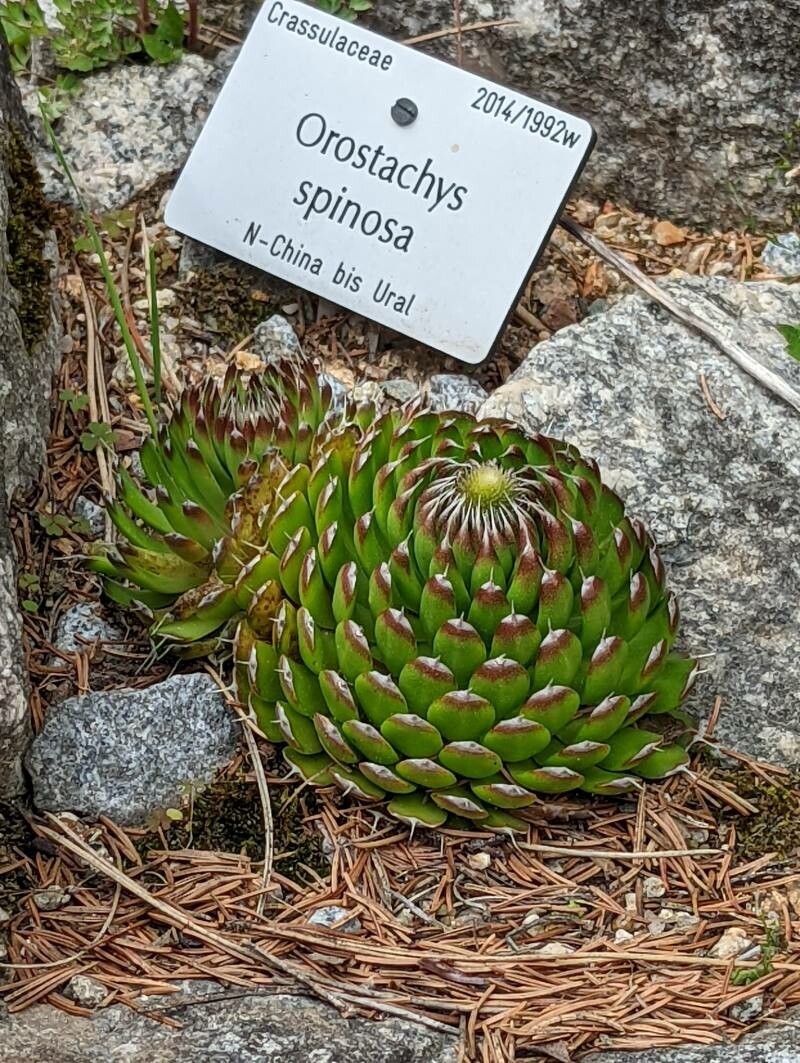
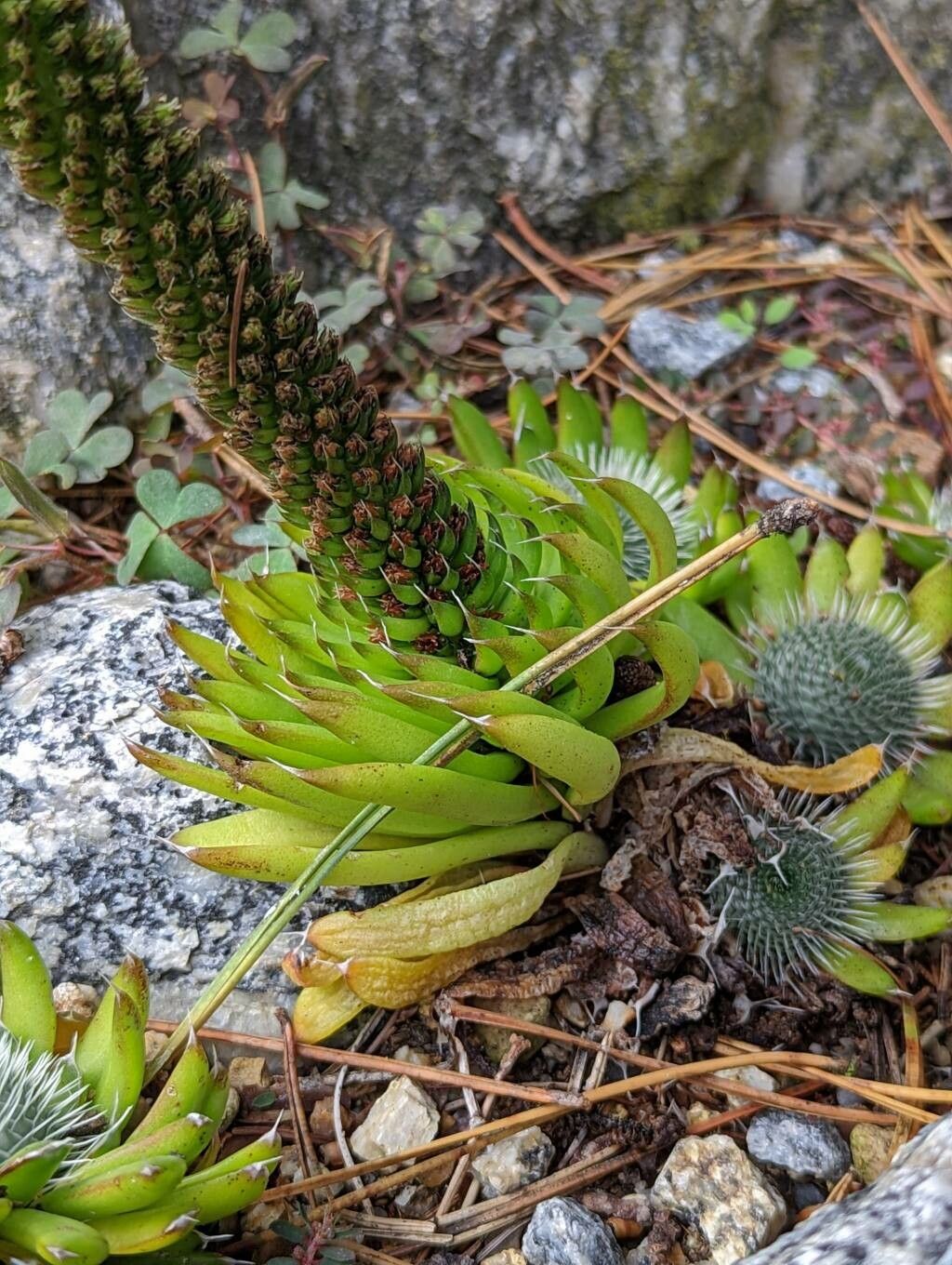
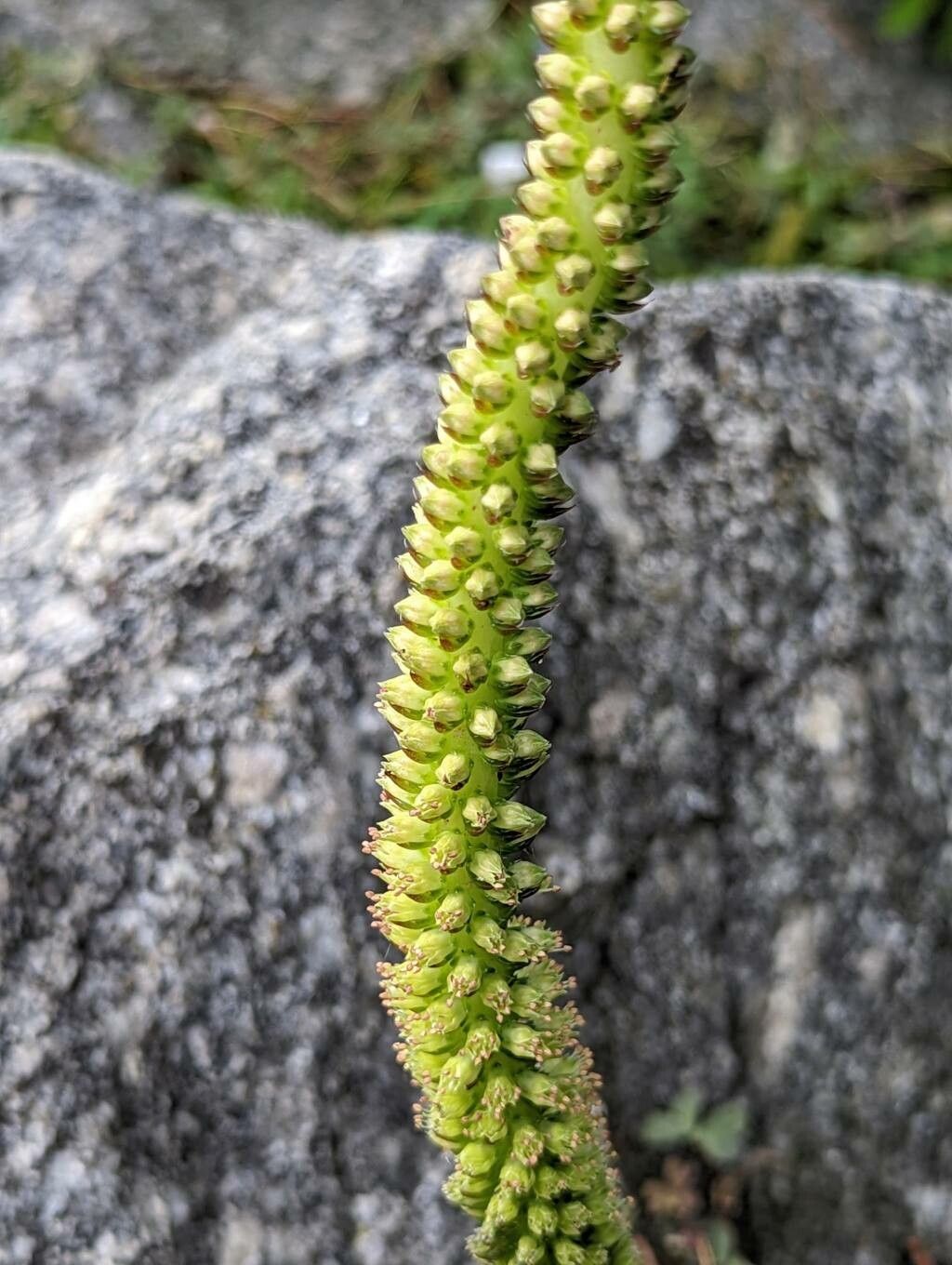
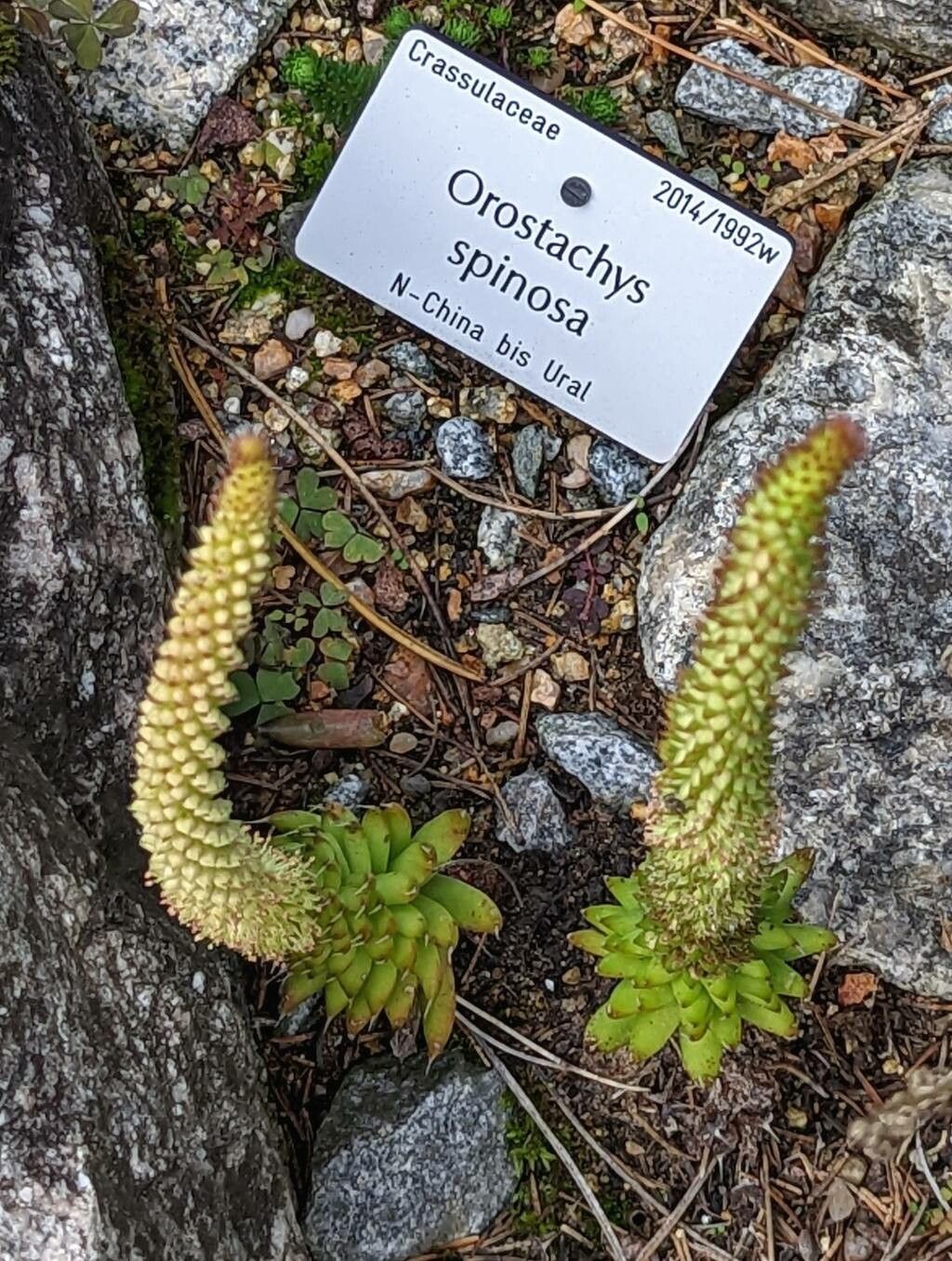
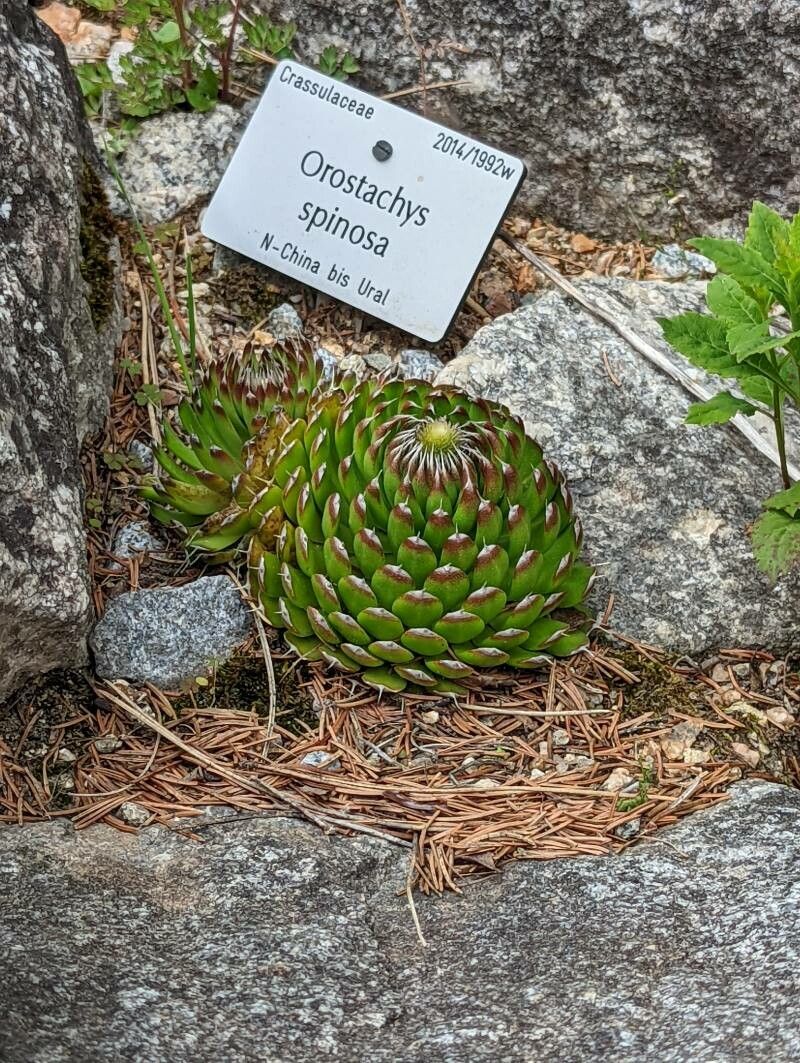
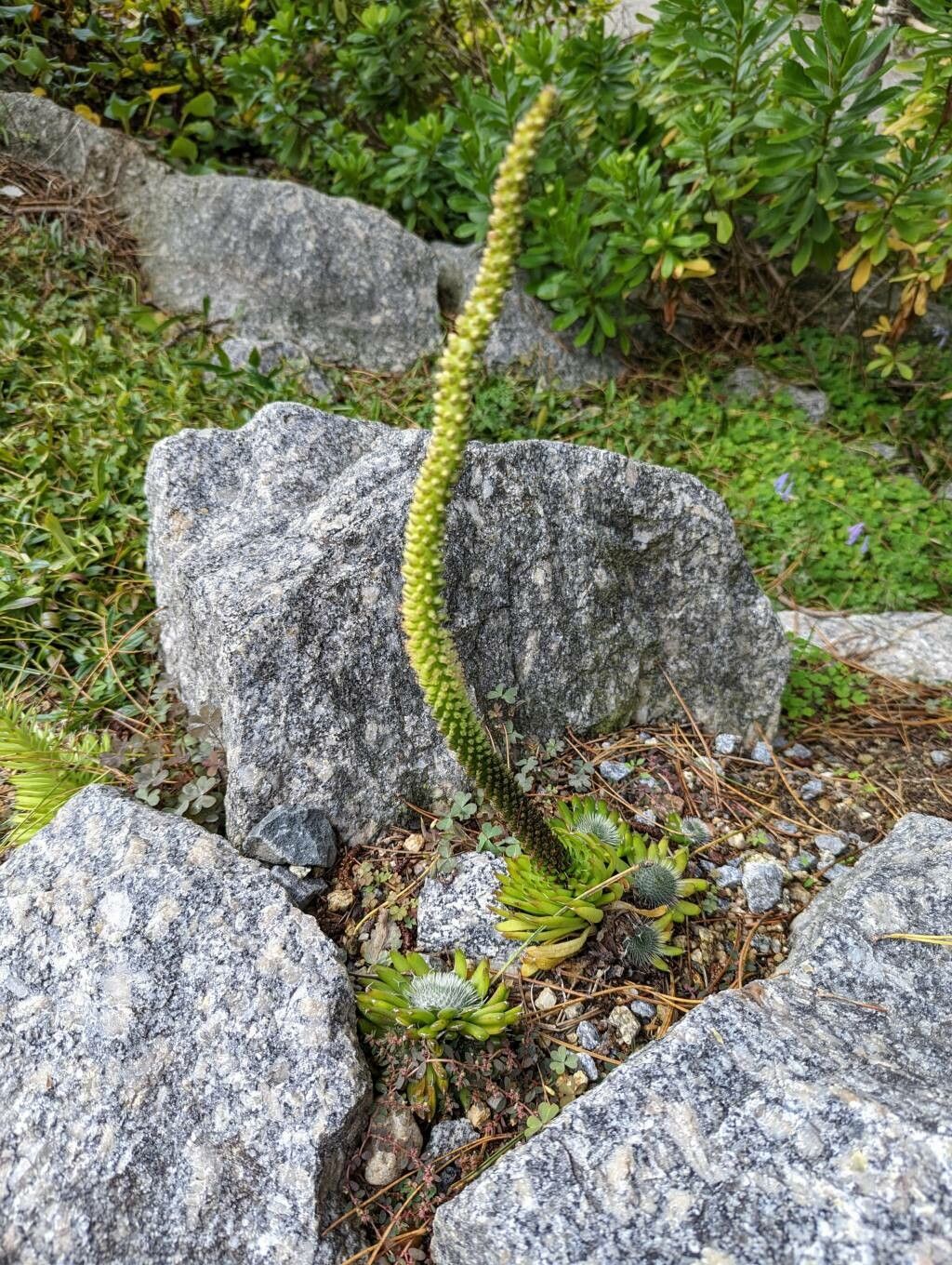
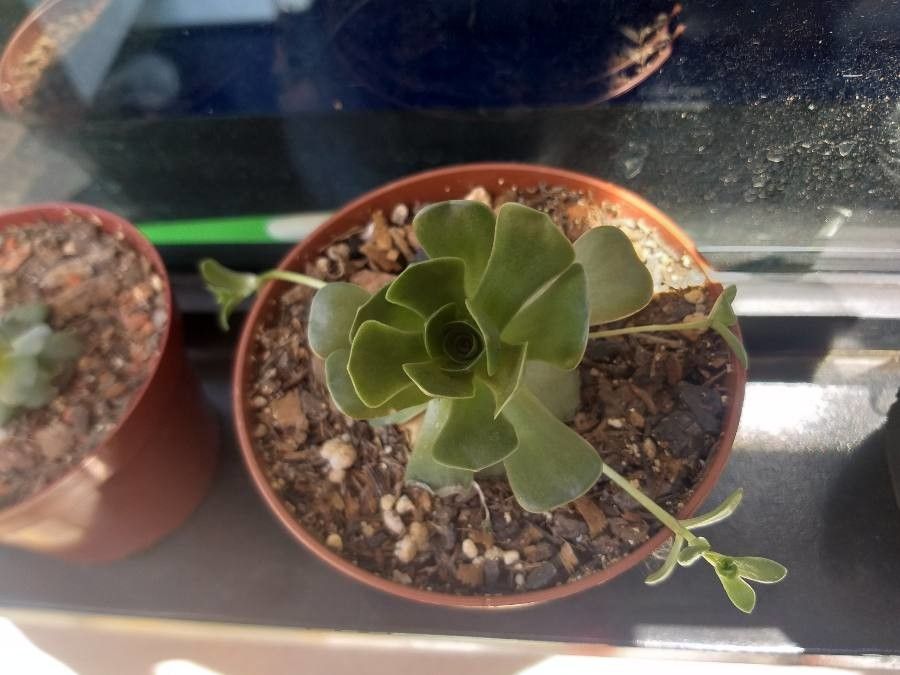
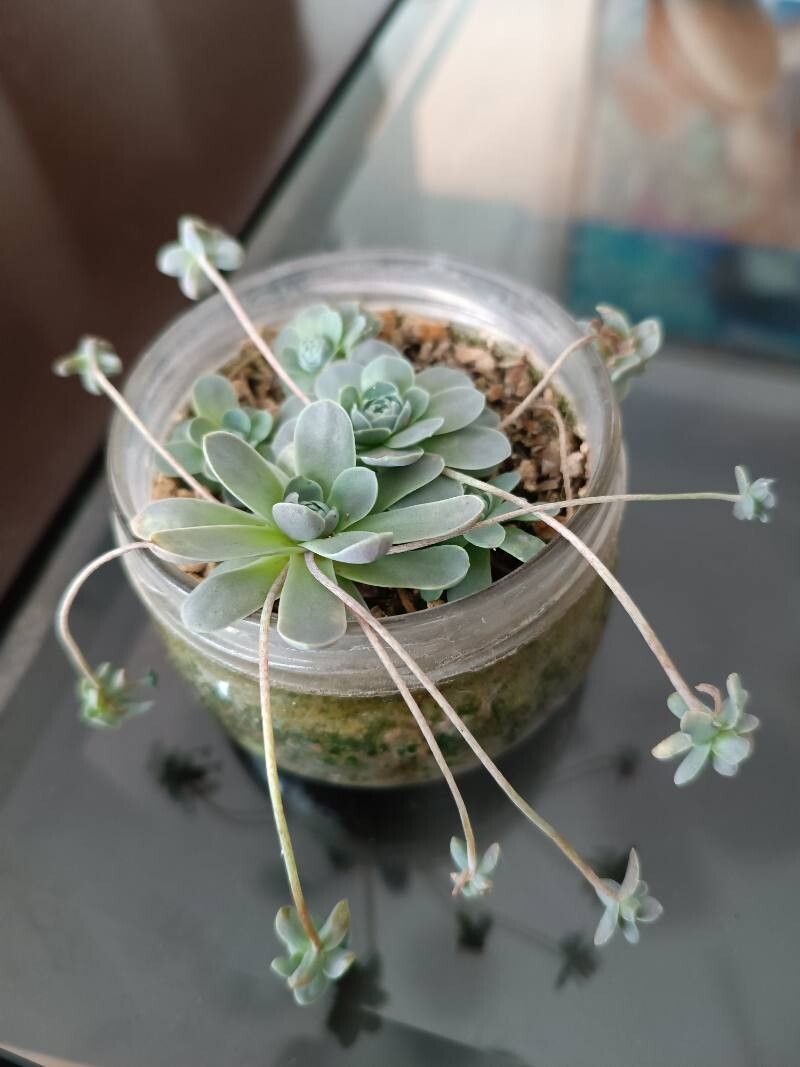
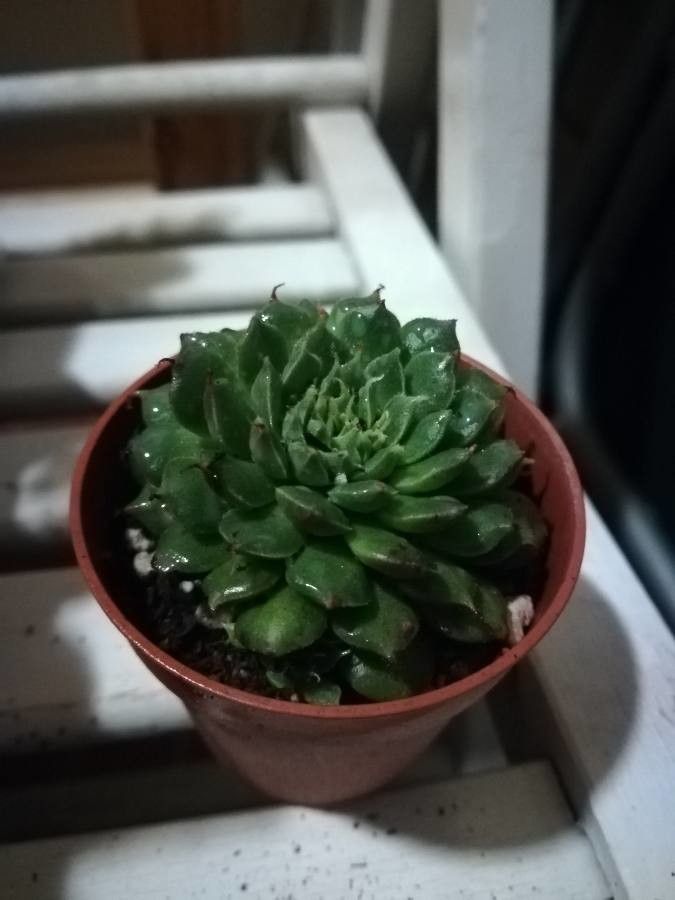
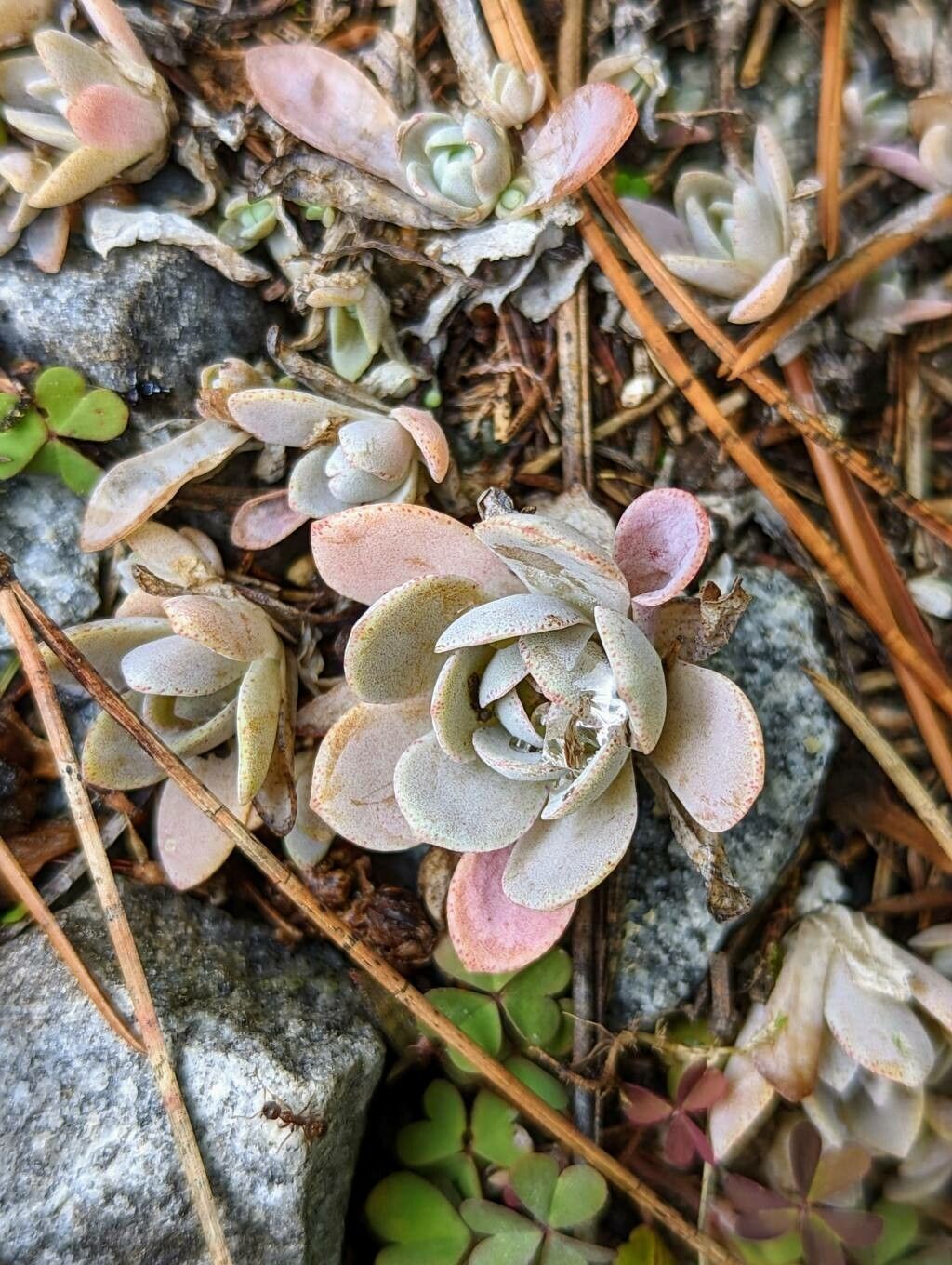
spiny pennywort has moderate disease resistance but is more sensitive to humidity. It becomes susceptible to disease when humidity is high and is prone to root rot during dormancy. In terms of care, spiny pennywort is drought-tolerant but requires more water in the active growing season. Watering should be greatly reduced or stopped entirely during the dormant period. spiny pennywort is appropriate for people with some growing experience, though it can be hard to care for, particularly during dormancy. It is especially well suited to those who can devote time to its care in the winter months.
How to keep Orostachys Spinosa.
Light
Native to dry regions, spiny pennywort favors full sun, with its native habitat marked by intense sunlight and scarce shade. It can also tolerate partial sun, giving it some flexibility in its growth.
Water
Orostachys spinosa needs to be watered infrequently, with the schedule adjusted according to environmental conditions. During its dormancy period, water the plant less often, about once every 1 to 2 weeks. In the summer, the best time to water is in the evening. Keep an eye on the plant and soil moisture for any signs of drought, and adjust the watering frequency accordingly. The type of pot can affect aeration, so take this into account when determining how often to water.
Temperature
Spiny pennywort can tolerate some heat, but it mainly does best in cooler seasons and goes dormant in summer. In very hot summer conditions, give it shade to prevent scorching from strong sunlight. Watering should be cut back or stopped during the hottest part of the year to avoid root rot. Winter and spring are when spiny pennywort grows vigorously. If temperatures do not fall too low, it will continue to grow steadily.
Fertilizer
For spiny pennywort, small amounts of fertilizer applied once or twice a year during the growing season are sufficient. Do not fertilize in winter or summer when the plant is dormant. Cut back on fertilizer for repotted plants and wait a couple of months after repotting before feeding. Fertilizing promotes healthy growth and encourages flowering.
Pruning
Orostachys spinosa is a hardy succulent that forms a beautiful rosette and thrives in rocky soils. To keep the plant healthy, prune it in early spring to remove any dead foliage and improve airflow. Make sure to use clean tools to prevent infection. Additionally, ensure the plant is well-watered before pruning to aid in recovery and encourage vigorous growth.
Botanical profile.
- Plant Type
- Succulent, Herb
- Life Cycle
- Perennial
- Genus
- Orostachys
- Family
- Crassulaceae
- Hardiness Zone
- 4-9
- Mature Height
- 10 cm
- Mature Spread
- 10 cm
- Leaf Color
- Green, Gray, Silver
- Leaf Type
- Deciduous
- Flower Color
- White
- Flower Size
- 0.51 cm to 1.02 cm
- Bloom Time
- Late summer, Early fall
- Planting Time
- Spring, Summer, Autumn
- Harvest Time
- Mid fall, Late fall
- Native Area
- Russia, Kazakhstan, Mongolia, Koppen, South Korea, China
Other names.
Reader questions.
What are the sun requirements for Orostachys spinosa?
Orostachys spinosa, also known by its botanical name Orostachys spinosa, thrives under specific sunlight conditions to ensure its growth and happiness. The plant requires full sun, meaning it should receive above 6 hours of sunlight daily. For those areas in your garden that might not get as much sunlight, partial sun conditions, about 3-6 hours of sunlight, are also suitable for this plant. It's important to observe how sunlight moves through your garden throughout the day to choose spots that offer the right balance of light and shade, according to the plant's needs.