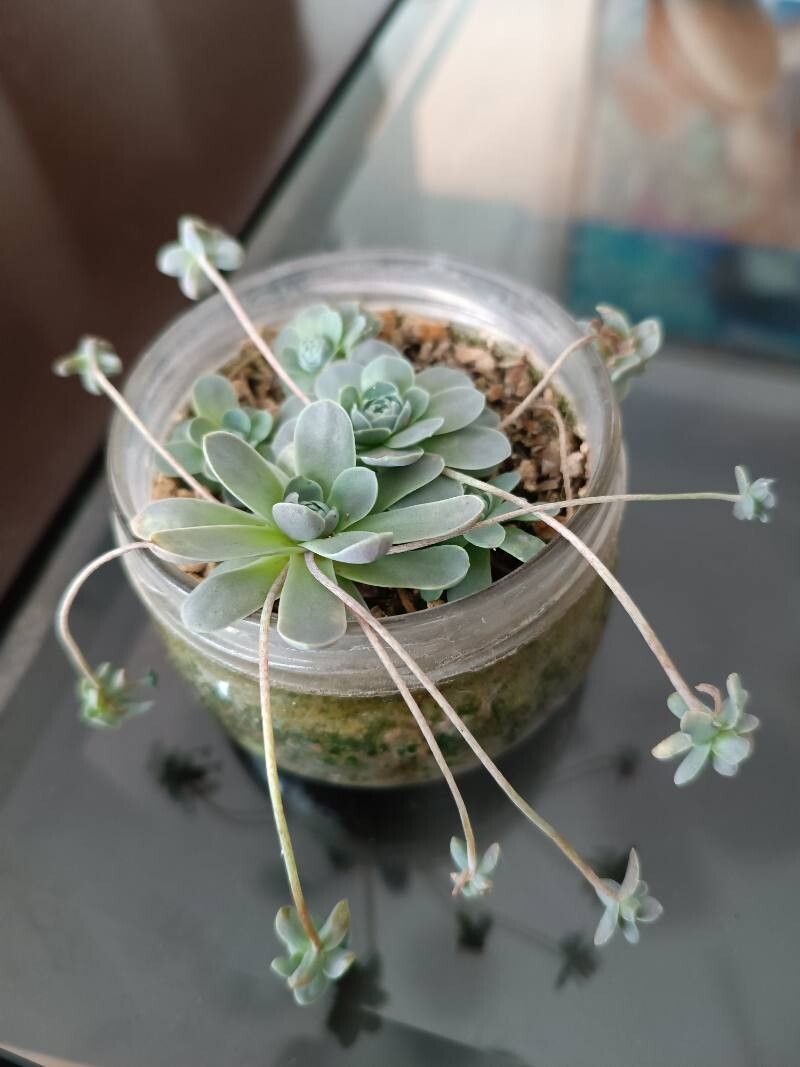
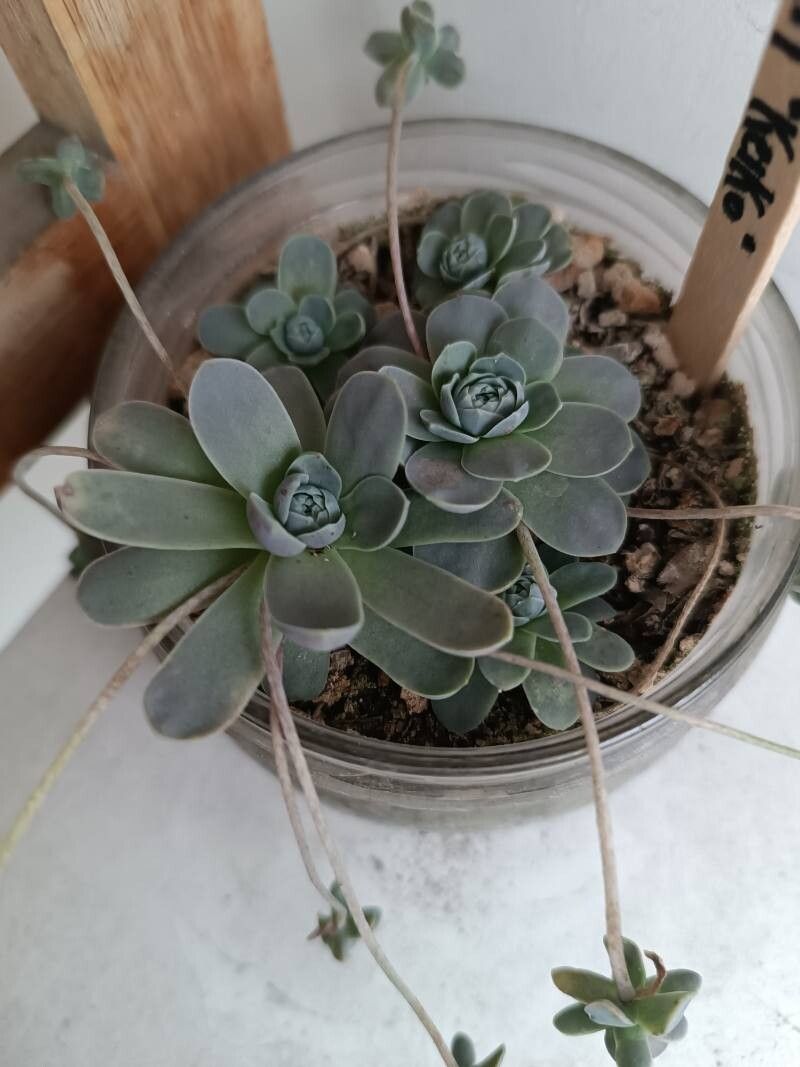
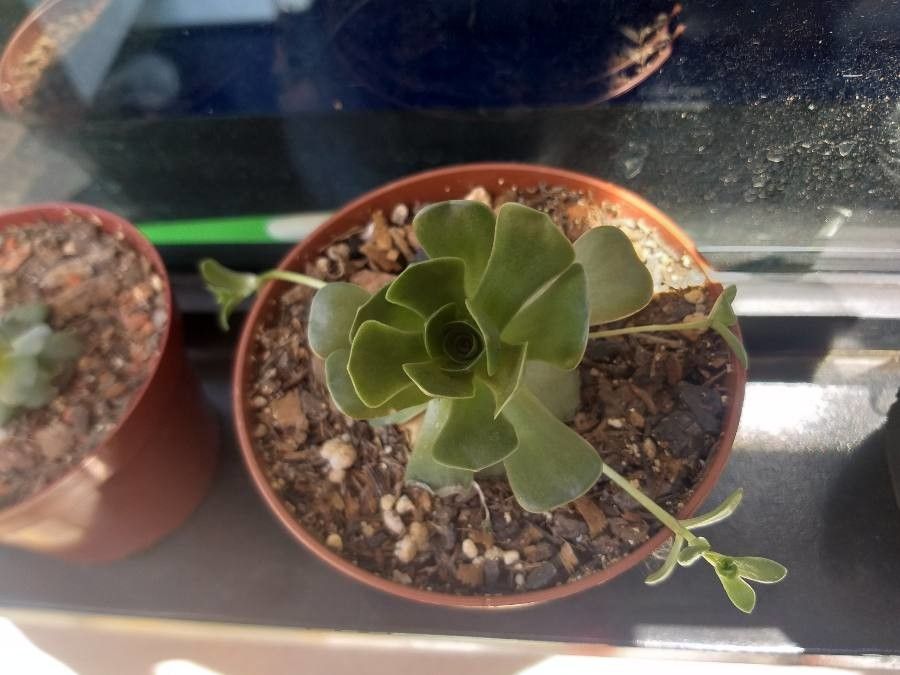
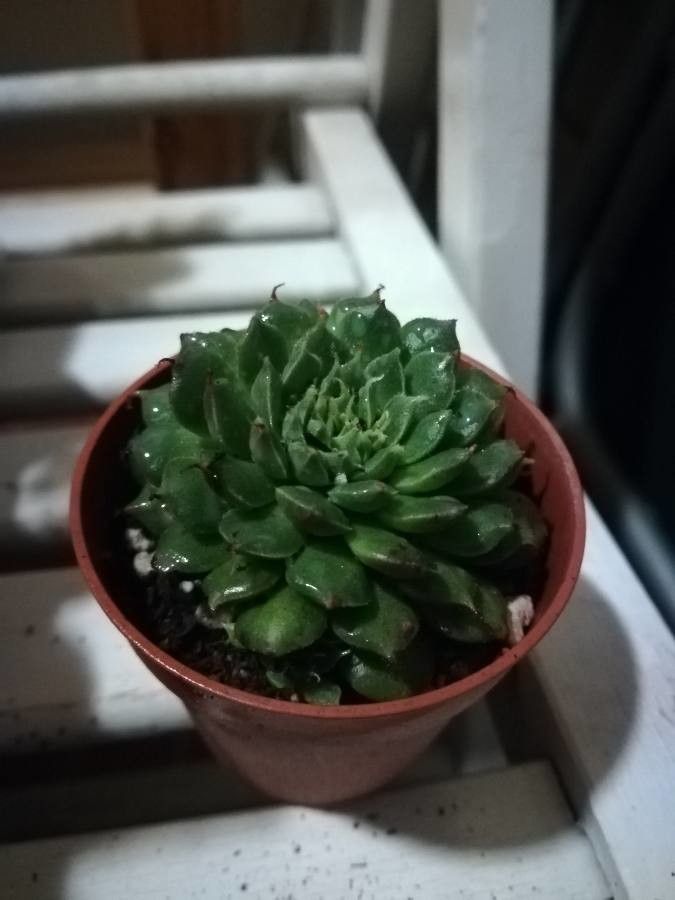
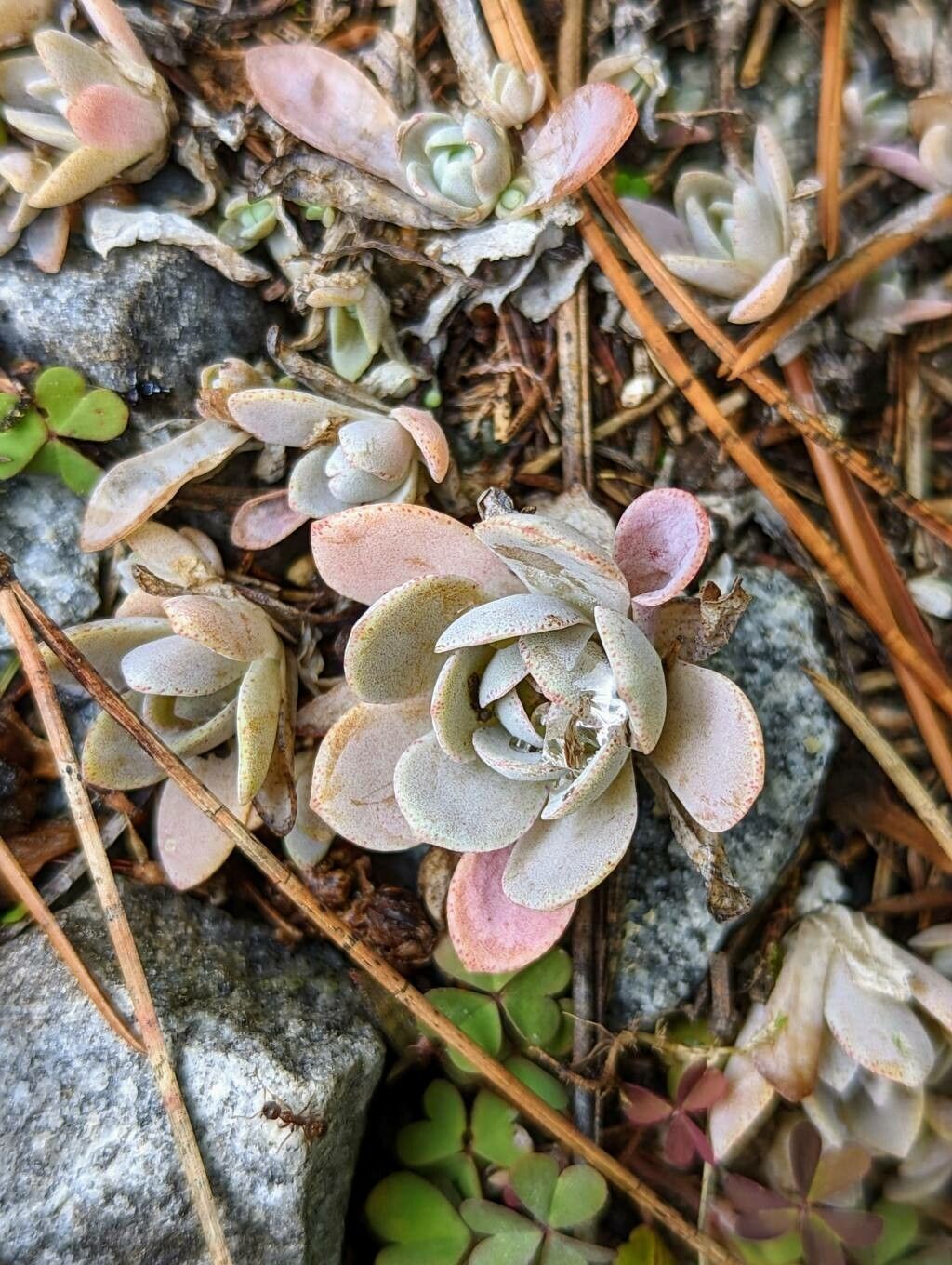
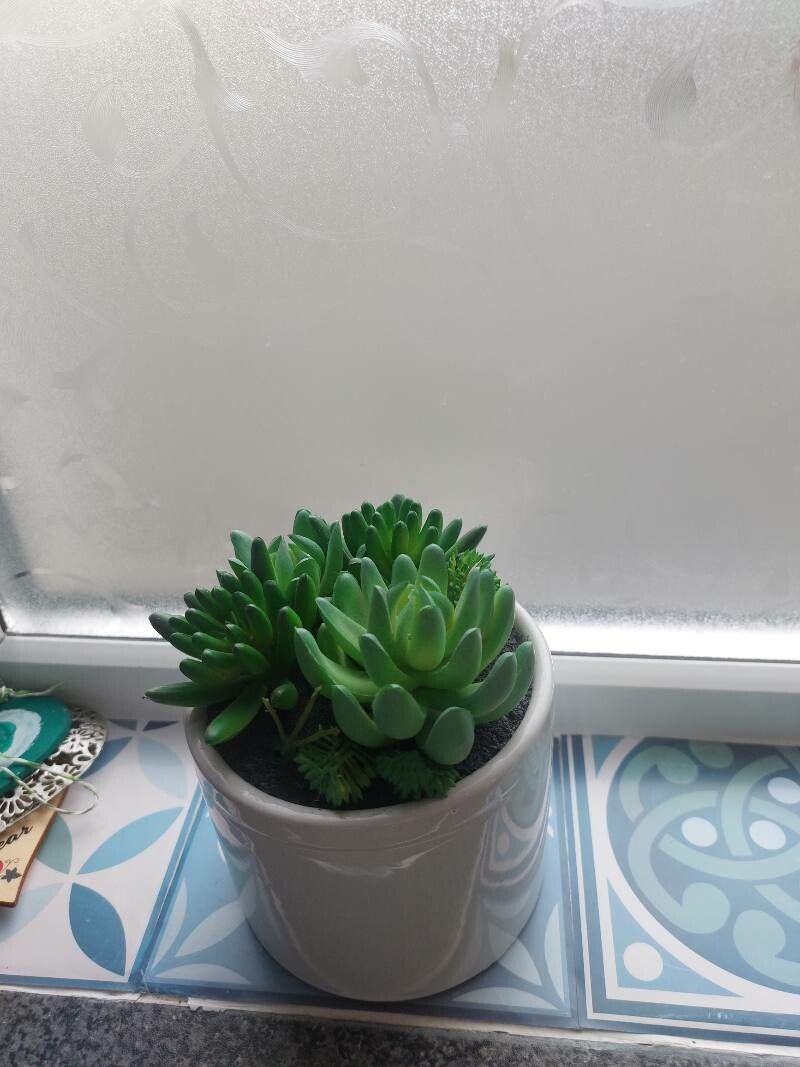
Chinese dunce cap has moderate resistance to disease but is relatively sensitive to humidity. It becomes prone to illness when humidity is high and is liable to develop root rot during dormancy. Regarding care, Chinese dunce cap tolerates drought but requires more water in the growing season. Watering should be greatly reduced or stopped entirely during the dormant period. Chinese dunce cap is appropriate for growers with some experience, though it can be challenging to care for, particularly during dormancy. It is particularly well suited to those who can dedicate time to its care during the winter months.
How to keep Orostachys Boehmeri.
Light
The chinese dunce cap grows best with plenty of light, similar to its native setting without any cover overhead. This light keeps it healthy and encourages growth. But too much light can make the plant wither, while too little will cause stunted growth.
Water
The Chinese dunce cap is well-suited for rocky and low-moisture environments due to its high drought tolerance. This plant stores water in its fleshy leaves, requiring watering only once every three weeks. When grown indoors, it's important to use well-draining soil to prevent root rot. Perfect for dry climates, the Chinese dunce cap's minimal watering requirements make it ideal for areas with challenging humidity conditions.
Temperature
Chinese dunce cap is naturally found in habitats where temperatures are mainly between 50 and 95 °F (10 to 35 ℃). This temperature band is its comfort zone for healthy growth. Making seasonal adjustments to reproduce these conditions will support the plant's optimal development.
Fertilizer
For the Chinese dunce cap plant, moderate amounts of fertilizer twice or once annually during the growth period are adequate. Refrain from fertilizing during summer and winter when the plant is in its dormant stage. After repotting, lessen the amount of fertilizer and wait a few months before adding fertilizer again. The provision of fertilizer aids in healthy development and promotes flowering.
Pruning
To keep large succulent plants, such as the Chinese Dunce Cap, looking their best, consider pruning them in both the spring and autumn. This involves removing any redundant or overly dense branches. If you wish to propagate the plant, cut sturdy stems that have 5 to 6 leaves. Treat the cut area with sulfur powder and make sure the soil is slightly moist to encourage rooting.
Pot & Repot
Repot the Chinese Dunce Cap every two years during the spring. Use a shallow, wide pot to help prevent root rot. After repotting, keep the soil lightly moist and place the plant in a location with bright, indirect light for optimal growth. The Chinese Dunce Cap grows slowly and has a unique conical shape, so these conditions will help it thrive.
Botanical profile.
- Plant Type
- Succulent
- Life Cycle
- Perennial
- Genus
- Orostachys
- Family
- Crassulaceae
- Hardiness Zone
- 6-10
- Mature Height
- 30 cm
- Mature Spread
- 5 cm
- Leaf Color
- Green, Gray
- Leaf Type
- Evergreen
- Flower Color
- White
- Flower Size
- 0.51 cm to 0.76 cm
- Bloom Time
- Mid summer
- Planting Time
- Spring, Summer
- Harvest Time
- Mid summer
- Native Area
- Japan