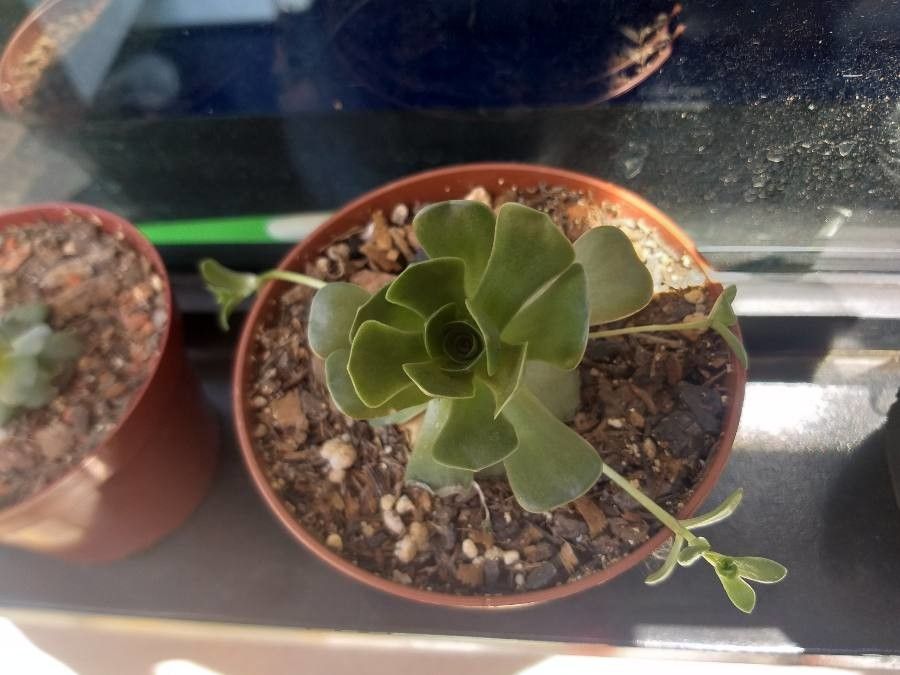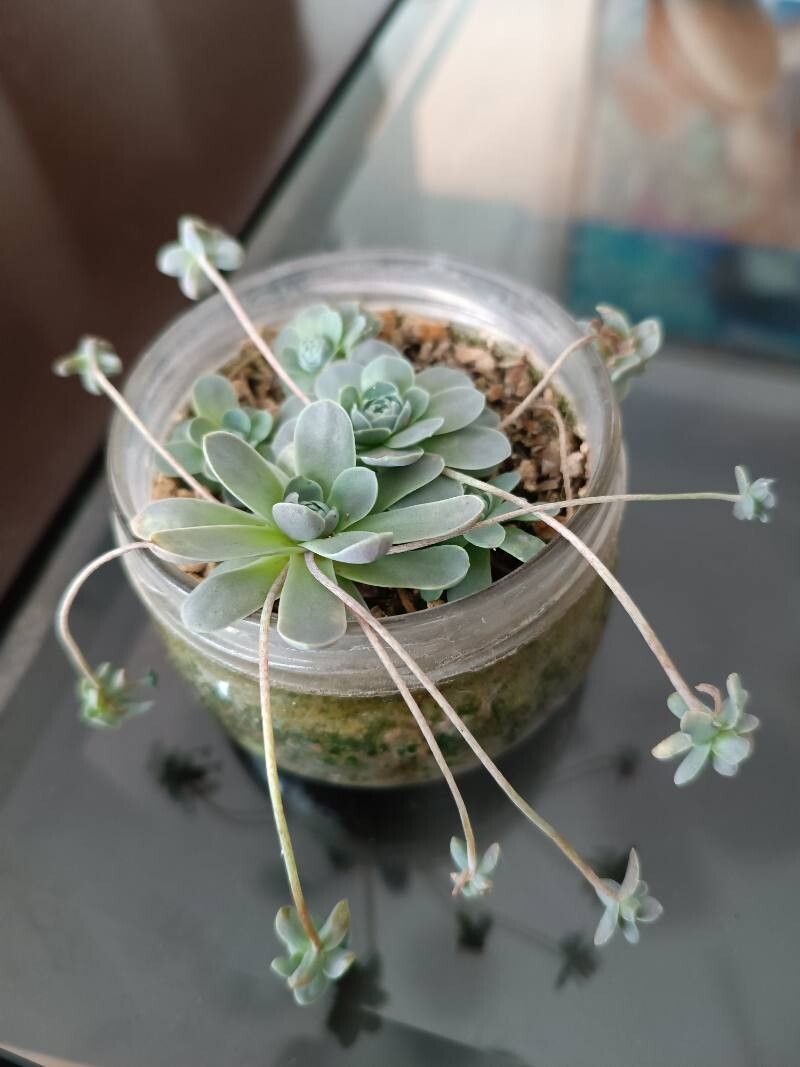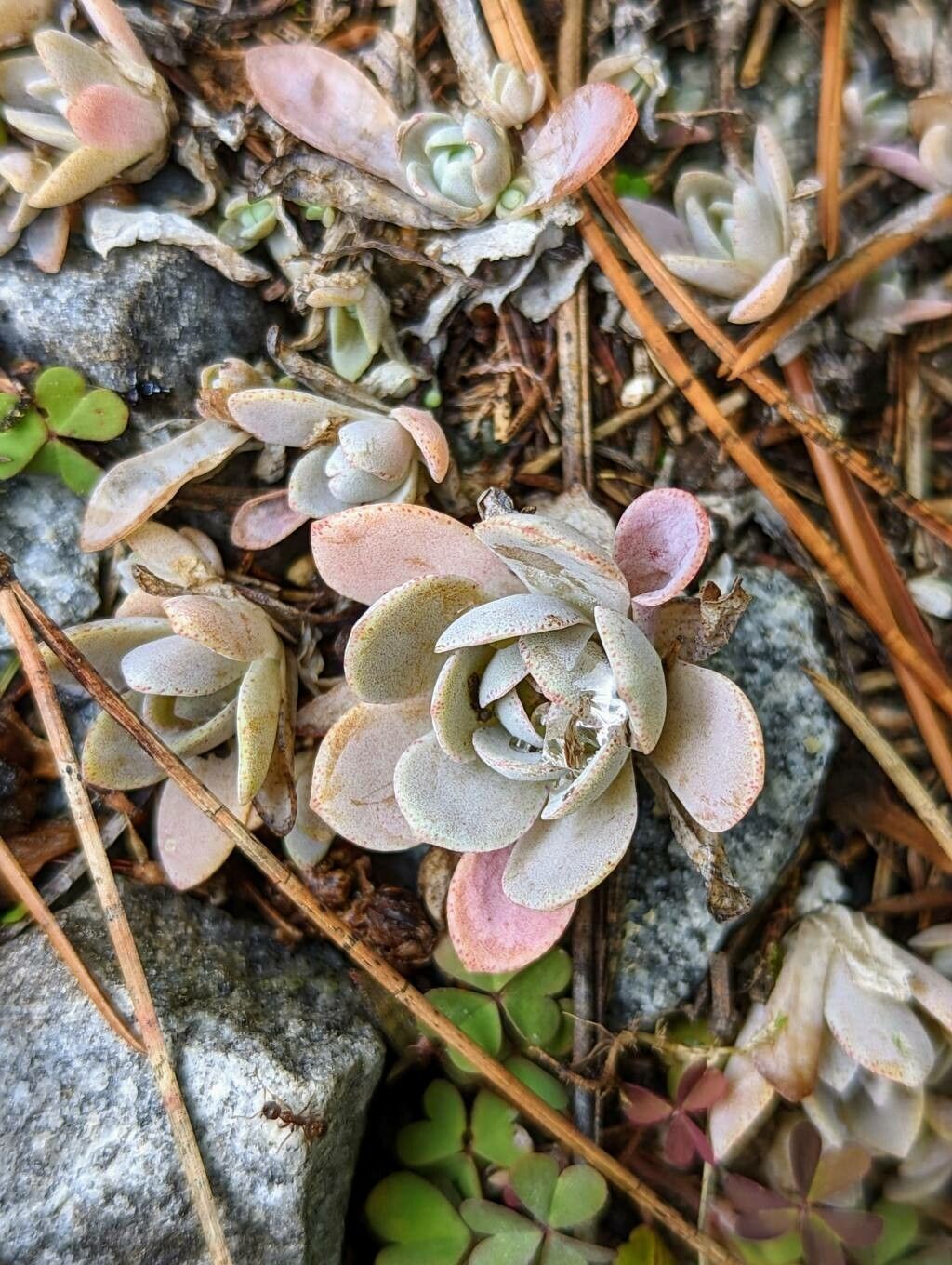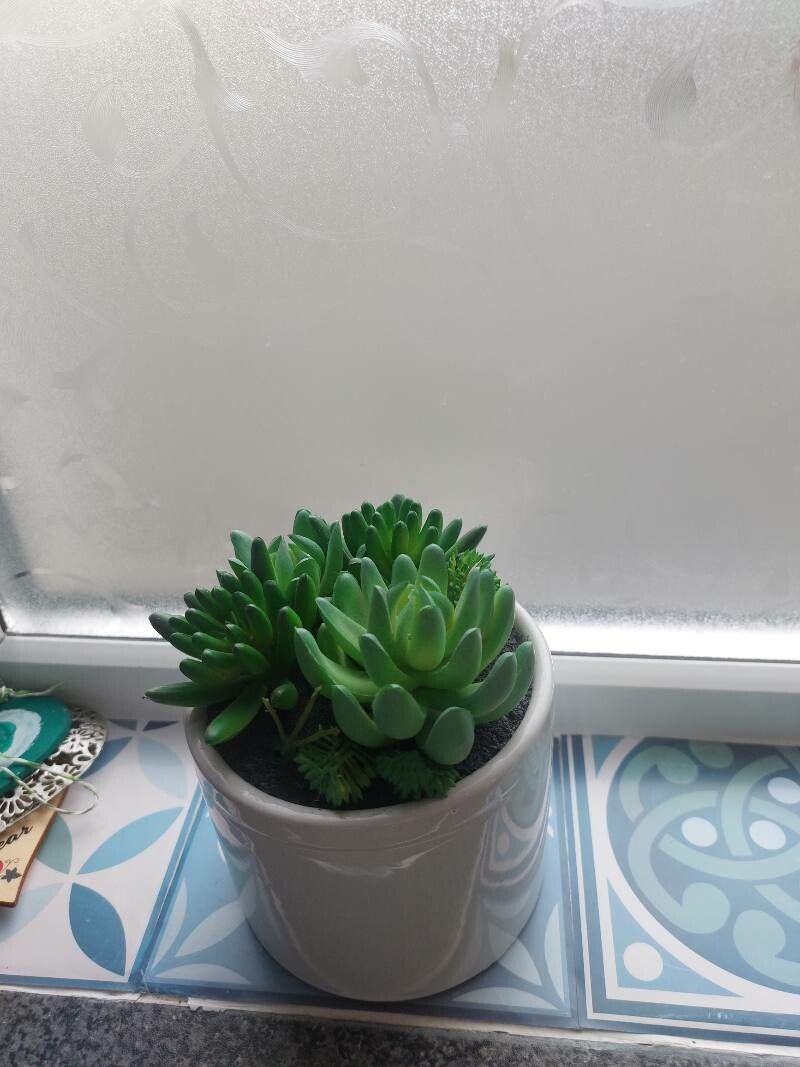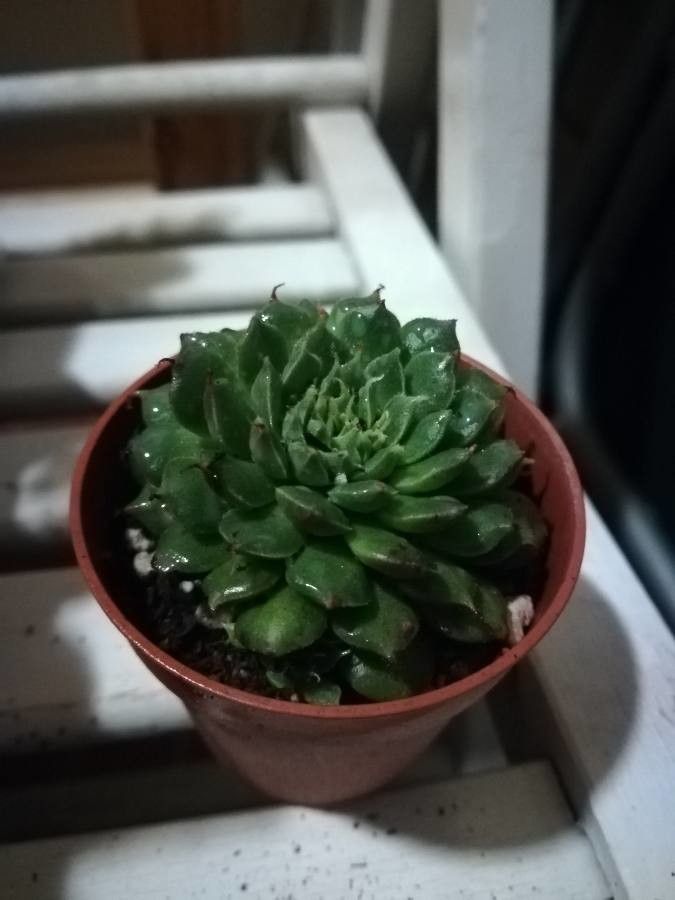
Dunce's caps has moderate resistance to disease but is more sensitive to humidity. It becomes susceptible to illness in high-humidity conditions and is liable to develop root rot during dormancy. Regarding care, Dunce's caps tolerates drought yet requires increased watering in the growing season. Watering should be greatly reduced or halted entirely while it is dormant. Dunce's caps is best for growers with some experience, as it can be challenging to maintain, especially during dormancy. It is particularly well suited to people who can dedicate time to its care throughout the winter months.
How to keep Orostachys Fimbriata.
Light
Dunce's caps prospers when exposed to sunlight for a full day, although it can still grow well in spots with less sun. Coming from sun-abundant habitats, it needs plenty of light for healthy development. Both excessive light and inadequate light can potentially impede its growth.
Water
Dunce's caps thrive in rocky crevices with minimal moisture, needing watering only every two weeks. Preferring a dry environment and full sun, they excel in well-draining soil, making them ideal for rock gardens or container planting.
Temperature
Dunce's caps is native to environments with moderate temperatures, ideally between 41 to 95 °F (5 to 35 °C). As seasonal temperatures fluctuate, observe how your dunce's caps responds and adjust its placement, or provide temperature control if necessary.
Fertilizer
For Dunce's caps, light applications of fertilizer once or twice a year during the growing season are adequate. Do not fertilize in winter or summer when the plant is dormant. Cut back on fertilizer for recently repotted plants and wait a couple of months after repotting before feeding. Fertilizing helps maintain healthy growth and promotes flowering.
Pruning
To maintain the shape of a dunce's cap, prune any redundant or dense branches in the spring and autumn. Use knives, scissors, and sulfur powder for cutting. For propagation, choose sturdy stems with 5-6 leaves, apply sulfur powder to the cut wound, and slightly moisten the soil before planting the stem.
Pot & Repot
To maintain healthy dunce's caps, a small rosette-forming succulent, repot them every two years in the spring. Choose a pot that is slightly larger than the root ball to minimize stress. Use well-draining soil and water moderately, ensuring the plant receives plenty of light for optimal growth. With proper care after repotting, your dunce's caps will thrive.
Botanical profile.
- Plant Type
- Succulent
- Life Cycle
- Perennial
- Genus
- Orostachys
- Family
- Crassulaceae
- Hardiness Zone
- 5-9
- Mature Height
- 10 cm to 40 cm
- Mature Spread
- 37 cm
- Leaf Color
- Light Green, Pale Green
- Leaf Type
- Semi-evergreen
- Flower Color
- White, Pink
- Flower Size
- 0.51 cm to 0.76 cm
- Bloom Time
- Late summer, Early fall
- Planting Time
- Spring
- Harvest Time
- Early fall, Mid fall
- Native Area
- Koppen, South Korea, Mongolia, China
Other names.
Reader questions.
What are the sunlight requirements for Dunce's caps?
Dunce's caps, or Orostachys fimbriata, thrive under a full day's exposure to sunlight, managing well even in areas with lesser sunlight due to its origin from environments abundant in sunlight. It requires ample light for healthy growth; however, both overexposure and insufficient light can hinder its development. The plant needs above 6 hours of sunlight for full sun exposure and about 3-6 hours for partial sun. It's important to observe how sunlight moves through your garden to ensure plants receive the perfect balance of light and shade, ensuring their happiness.
What are the ideal growing conditions for Dunce's caps?
Dunce's caps thrive in environments with moderate temperatures, ideally ranging between 41 to 95 °F (5 to 35 °C). As the seasons change, it's crucial to monitor the plant's response to temperature fluctuations and adjust its positioning or provide temperature control accordingly. The plant prefers heat and enters a dormant state in winter. When temperatures drop below -20°C, Dunce's caps should be moved indoors and placed near a south-facing window for maximal sunlight exposure. If natural light is insufficient, supplemental lighting can be considered. In cooler temperatures below 5°C, the plant's growth slows, necessitating reduced watering to prevent root rot. For outdoor plants, cease watering during low temperature periods. In very cold temperatures, consider using a temporary greenhouse or wrapping the plant with plastic film or fabric for insulation.
How can artificial lighting support the growth of indoor Dunce's caps plants?
Indoor Dunce's caps plants require adequate lighting for optimal growth. When natural sunlight is insufficient, especially in winter or less sunny spaces, artificial lighting offers a crucial alternative. LED lights are a popular choice as they can be customized to provide specific wavelengths needed by the plants. Depending on their sunlight needs, indoor plants may need 30-50W/sq ft for full sun exposure, 20-30W/sq ft for partial sun, and 10-20W/sq ft for full shade plants. The light source should be placed 12-36 inches above the plant, mimicking natural sunlight as closely as possible, and provided for 8-12 hours per day.
How does Dunce's caps react to low temperatures?
Dunce's caps is best suited to high temperatures and struggles with low temperatures, thriving when the temperature is above 5°C. During winter, ensuring the temperature stays above -20°C is crucial for the plant's health. Exposure to temperatures falling below -25°C can weaken the plant, leading to wilt and a high risk of root rot. Mild frost damage may not show symptoms immediately, but the plant will progressively wither after a week. In such cases, trimming the frostbitten areas and checking for root rot is advisable. If roots are rotted, they should be removed, allowing for propagation through cuttings. It's recommended to move the plant to a warm environment indoors near a south-facing window to ensure it receives ample sunlight. Supplemental lighting can be used if natural sunlight is insufficient.
What are the symptoms of light deficiency in Dunce's caps?
When Dunce's caps experience suboptimal lighting conditions, they may show several symptoms indicating light deficiency, such as smaller new leaves, leggy or sparse growth, faster leaf drop, delayed or no new growth, and the development of lighter-colored or yellow leaves (chlorosis). Excessive sunlight exposure can also cause damage leading to sunscald, leaf curling, wilting, and leaf scorching, highlighting the need for balanced light exposure.
How should Dunce's caps be cared for in high temperatures?
During the summer, it's essential to keep Dunce's caps below 35°C to prevent the plant from ceasing growth, experiencing water loss, wilting, and becoming more susceptible to sunburn. Exposure to temperatures above 38°C necessitates immediate care, including removing sunburned and decayed parts of the plant. Providing shade from the afternoon sun until the plant recovers and resumes growth is crucial. In instances of root rot, cease watering until new roots develop, indicating recovery.
What solutions are available for Dunce's caps struggling with inadequate sunlight?
For indoor Dunce's caps, gradually moving the plants to a sunnier location to achieve at least 6 hours of direct sunlight daily is recommended, using south-facing windows and keeping curtains open for maximum exposure. If moving the plant isn't feasible, artificial light from lamps or professional grow lights for at least 8 hours a day can compensate for lack of natural light. Outdoors, similarly, gradually moving plants to sunnier spots and minimizing sunburn risks are key. Pruning obstructing trees and considering transplanting to sunnier locations with ample sunlight and good drainage can also benefit the plants. It's crucial to adapt these changes gradually to avoid shock and ensure the health of new growth.