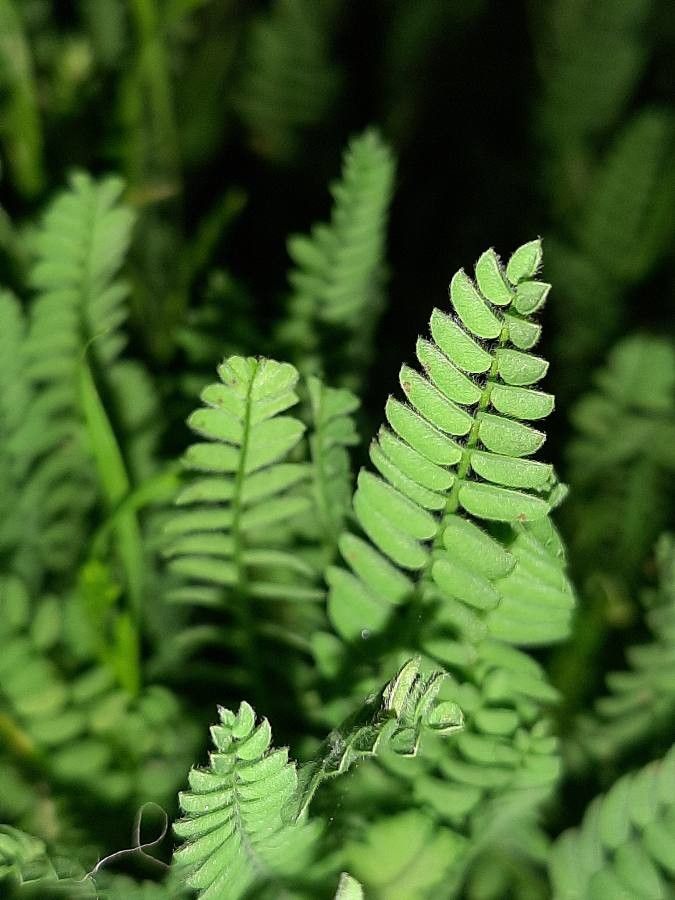
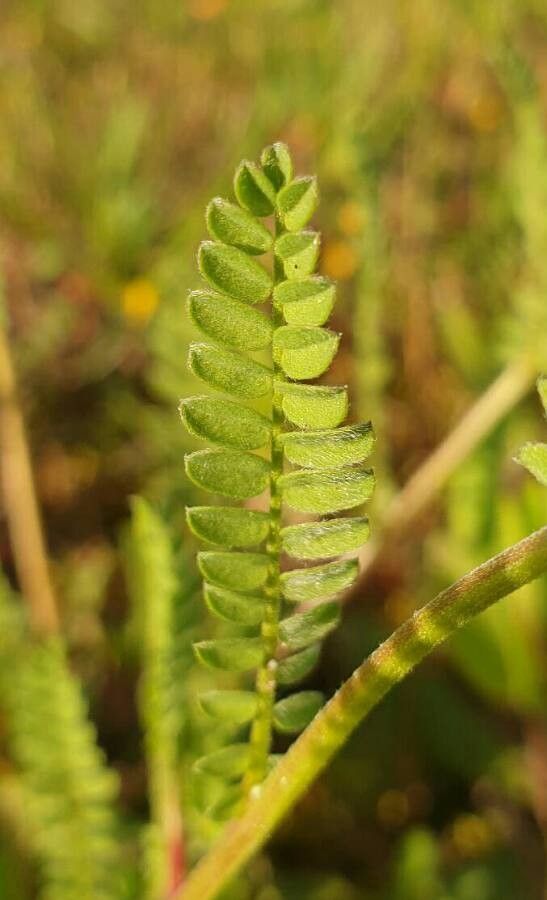
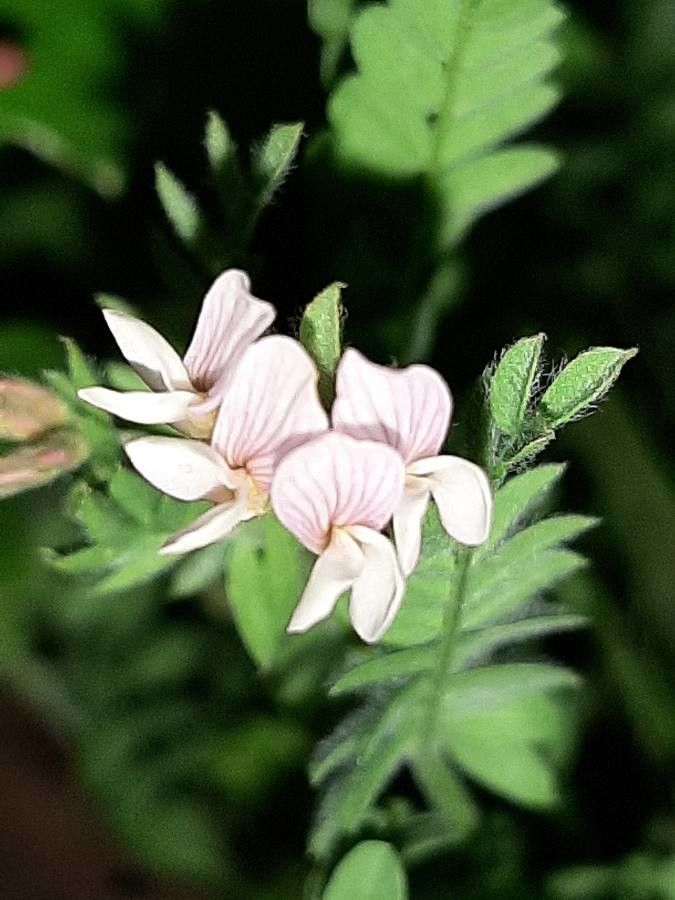
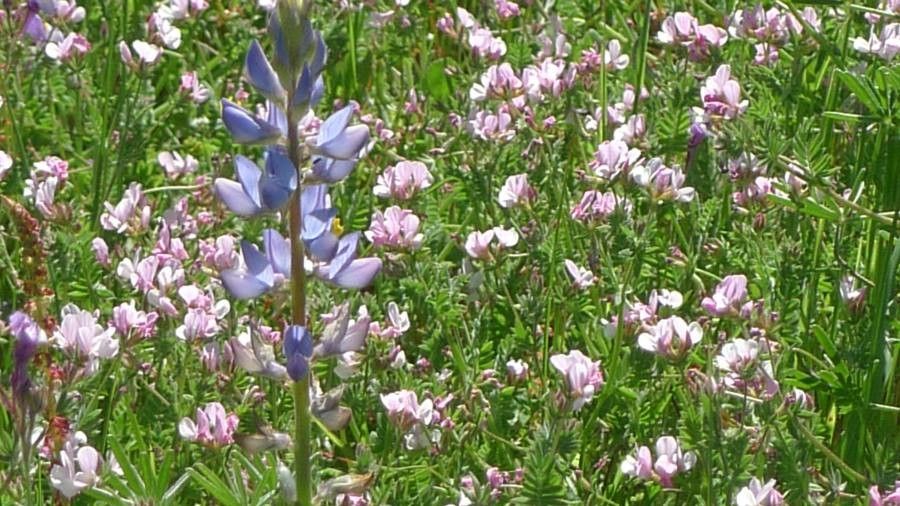
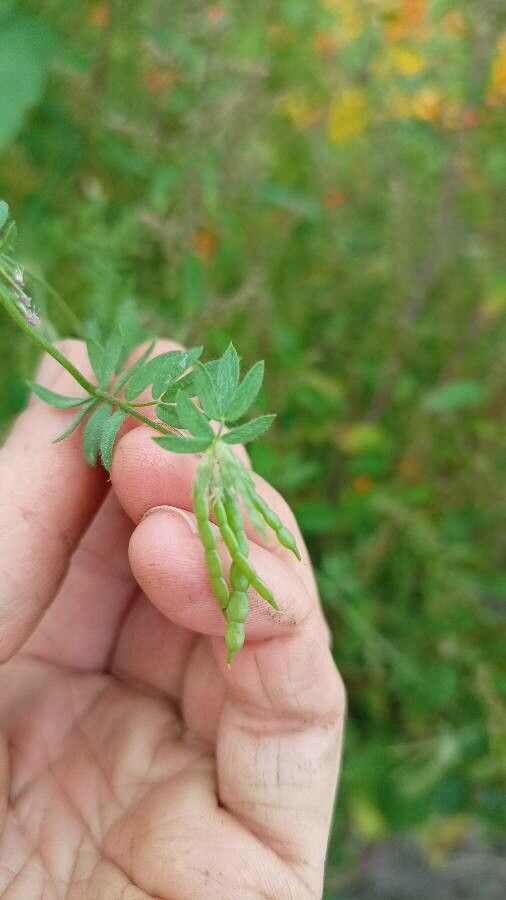
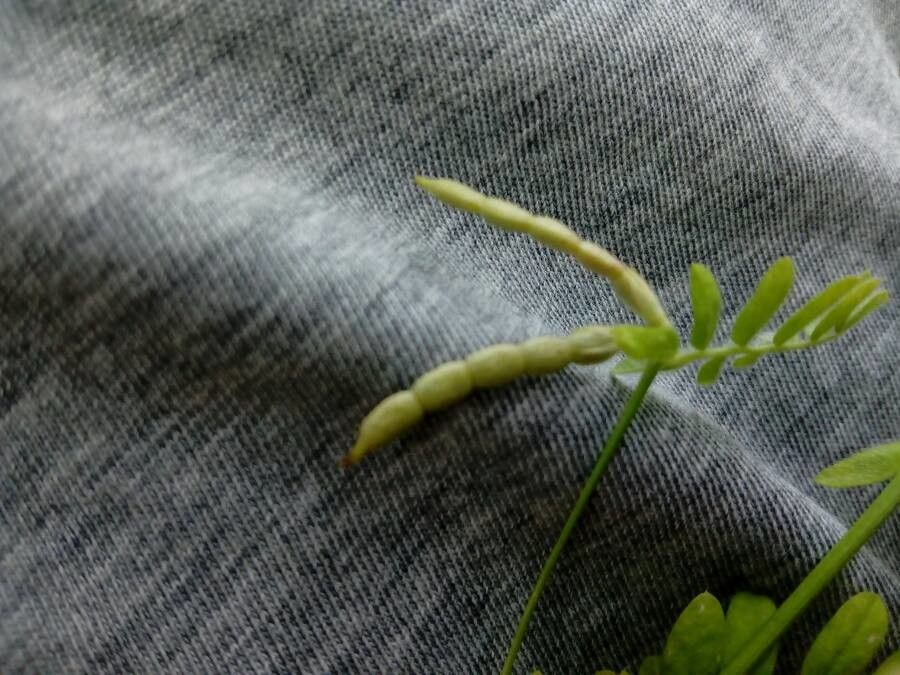
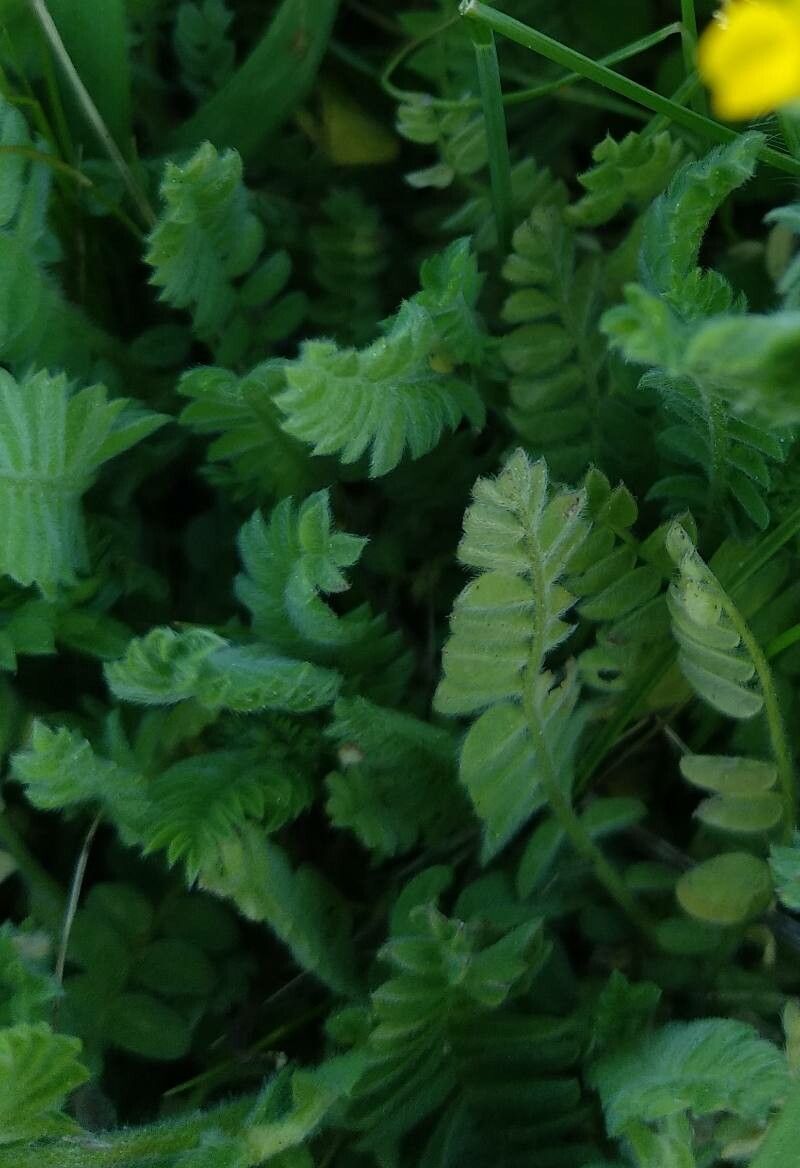
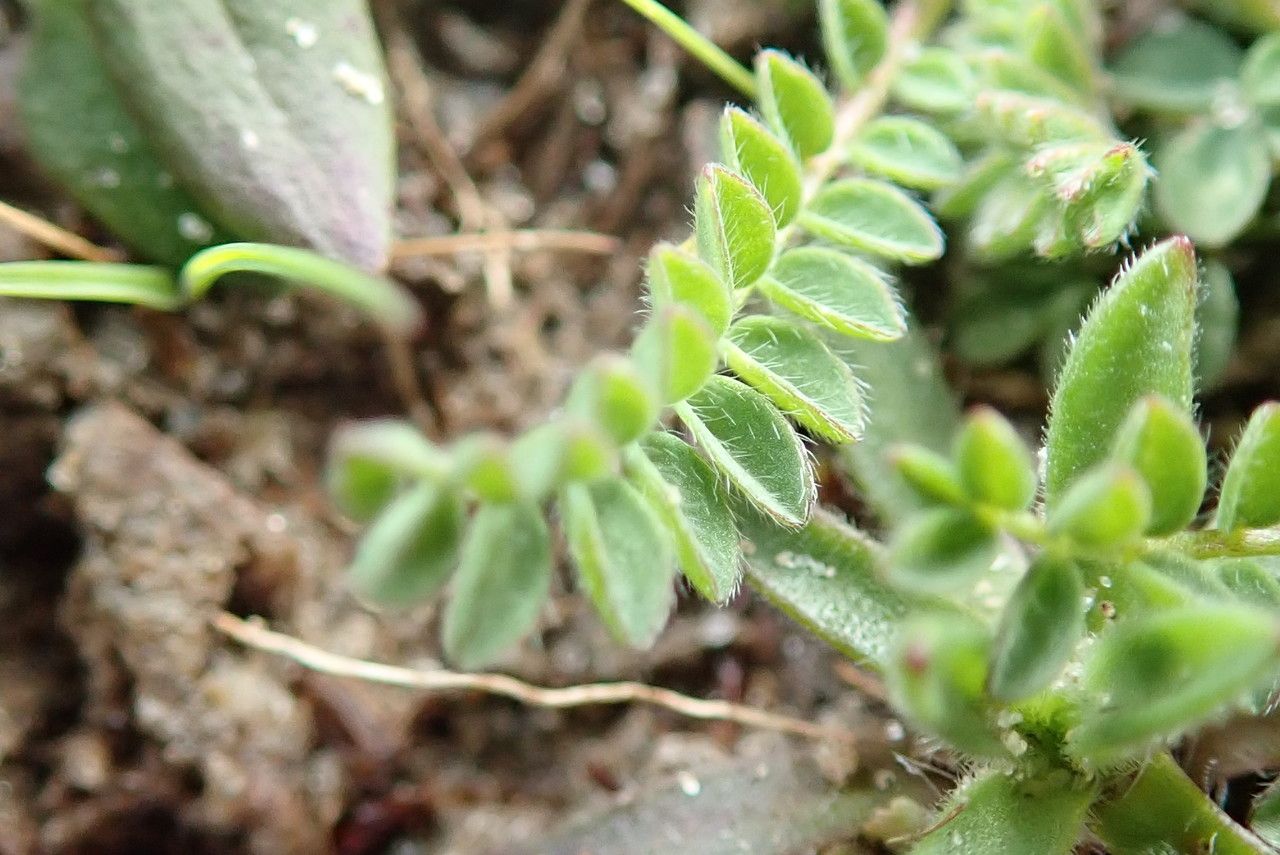
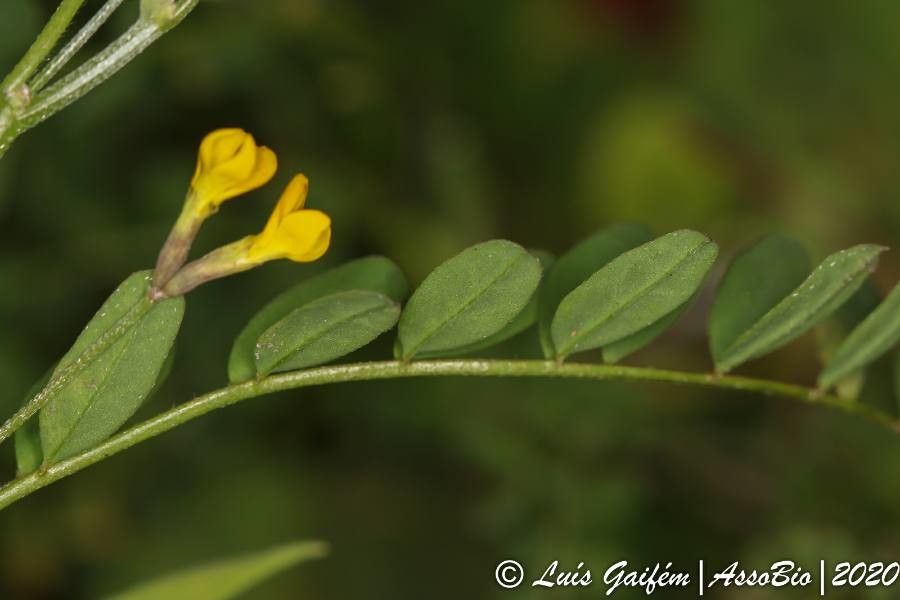
Ornithopus sativus, the serradella or common birdsfoot, is a species of flowering plant in the family Fabaceae. It is native to Southwestern Europe and Northwest Africa in Portugal, western Spain, northern Morocco and Algeria, and southwestern France and has been introduced as a legume forage to many locations around the world, including most of central and eastern Europe, Turkey, the Caucasus, the Azores, South Africa, Kenya, Java, most of Australia, the North Island of New Zealand, southern Chile, and California. It is known for producing a high‑quality forage in highly acidic, nutrient‑poor soils.
Common bird's-foot is fairly resistant to disease and typically does not suffer from many illnesses. Still, it can be affected by pests and diseases found in its environment. When infections do occur, they are generally mild. Regarding upkeep, this plant needs a moderate amount of care. It should be pruned regularly to preserve its appearance and encourage healthy growth. Applying fertilizer can also help increase blooming. Common bird's-foot is a good choice for anyone with outdoor areas like a garden or patio and does not demand extensive gardening experience. If grown indoors, it may need more attention.
How to keep Ornithopus Sativus.
Light
Common bird's-foot comes from bright, open environments and thrives in full sun. It can tolerate partial sun but favors direct sunlight for optimal growth. This plant, which may be annual or biennial, is noted for its sun-loving nature.
Water
Common bird's-foot flourishes in climates akin to the Mediterranean, which are characterized by wet winters and dry summers. Once it is established, this plant becomes drought-tolerant and needs only minimal watering. During its growing phase, irrigate the plant twice a week. It thrives best in full sun and requires well-draining soil to prevent root rot.
Temperature
Common bird's-foot can tolerate a wide range of temperatures, but its distribution may still be restricted by particular combinations of moisture and heat. It does best in warm summer conditions with sufficient rainfall or irrigation. Extended periods of cloudy, rainy weather, as well as prolonged high temperatures, increase the risk of Common bird's-foot dying. In winter, shielding the plant from cold can raise its chances of survival.
Fertilizer
Common bird's-foot benefits from regular, dilute fertilizer applications to encourage healthy leaf growth. You should feed Common bird's-foot roughly once a month during the summer. Nitrogen is vital for foliage, and providing nitrogen-rich sources helps Common bird's-foot thrive.
Pruning
To promote healthy growth, prune common bird's-foot from early to late spring by removing any dead or damaged stems. Make careful cuts close to the base to prevent disease and improve air circulation. Regular trimming helps maintain the plant's shape and vigor, aligning with its natural growth cycle for optimal health and blooming.
Botanical profile.
- Plant Type
- Herb
- Life Cycle
- Annual
- Genus
- Ornithopus
- Family
- Fabaceae
- Hardiness Zone
- 7-10
- Mature Height
- 30 cm to 61 cm
- Mature Spread
- 20 cm to 40 cm
- Leaf Color
- Green, Dark Green
- Leaf Type
- Semi-evergreen
- Flower Color
- Pink, White
- Flower Size
- 0.51 cm to 0.76 cm
- Bloom Time
- Late spring, Early summer, Mid summer
- Planting Time
- Spring, Autumn
- Harvest Time
- Mid summer, Late summer, Early fall
Other names.