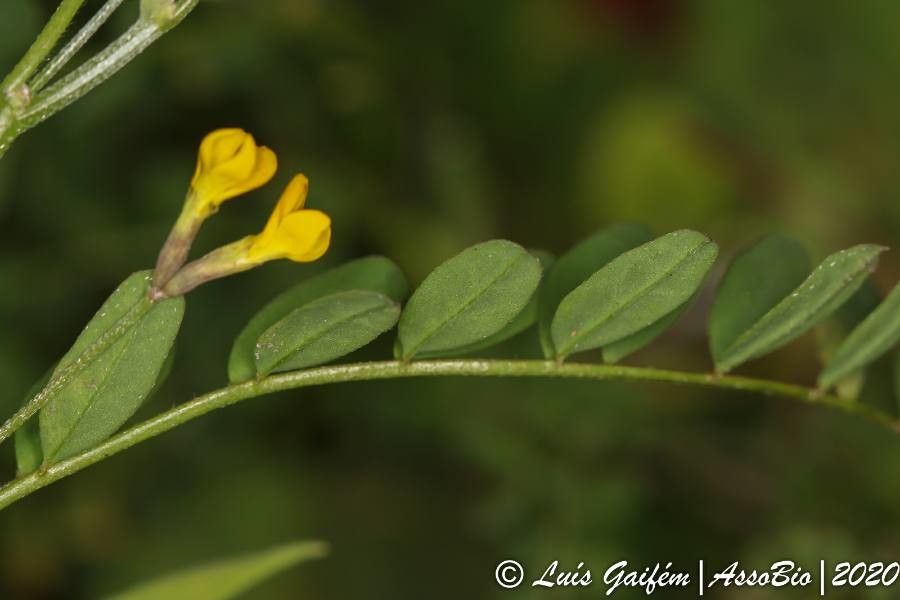
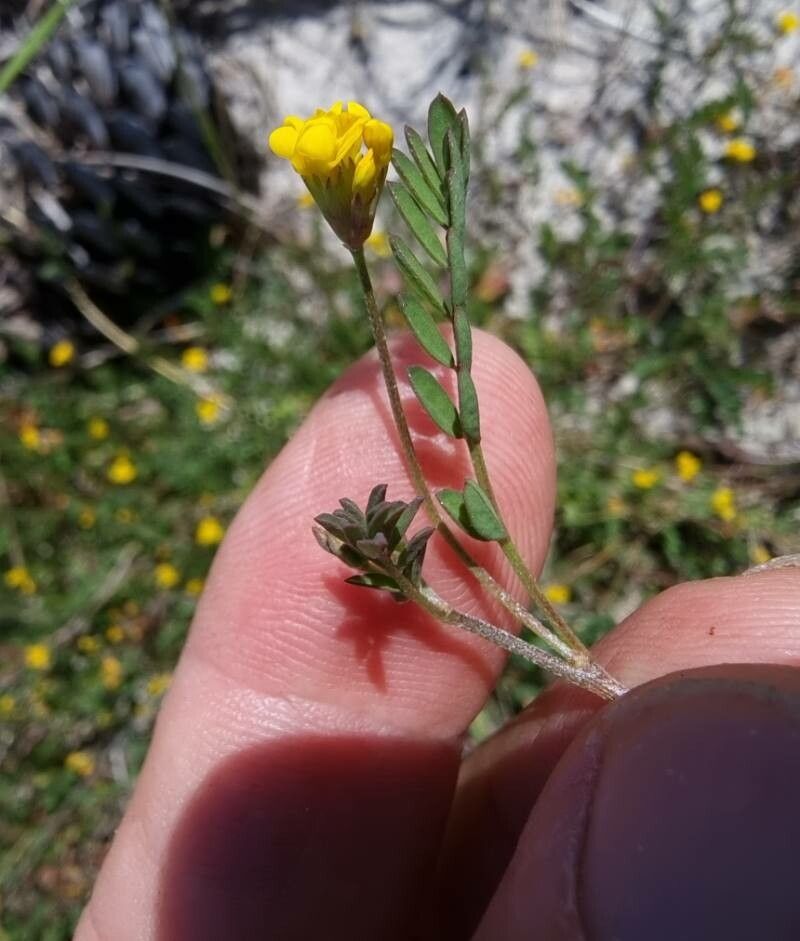
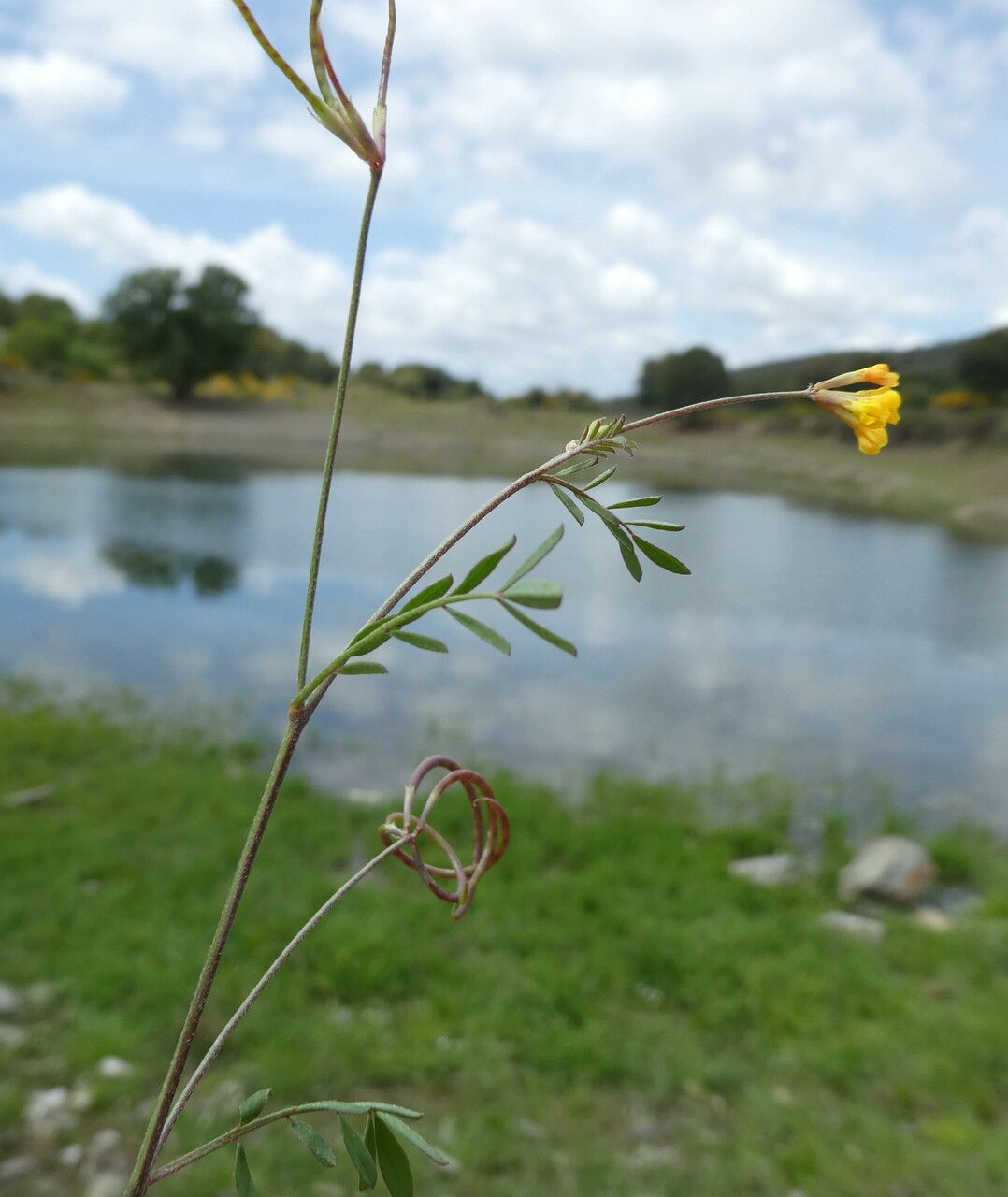
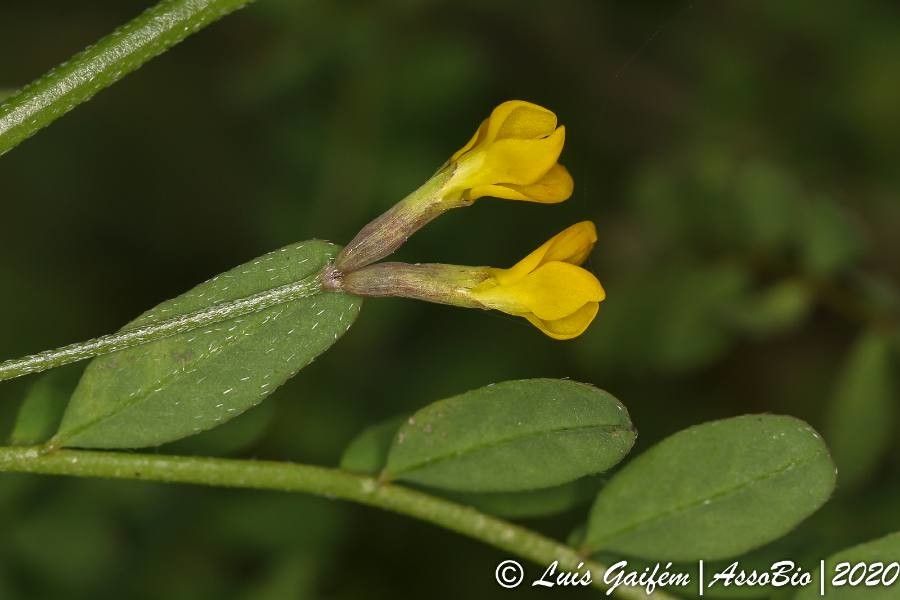
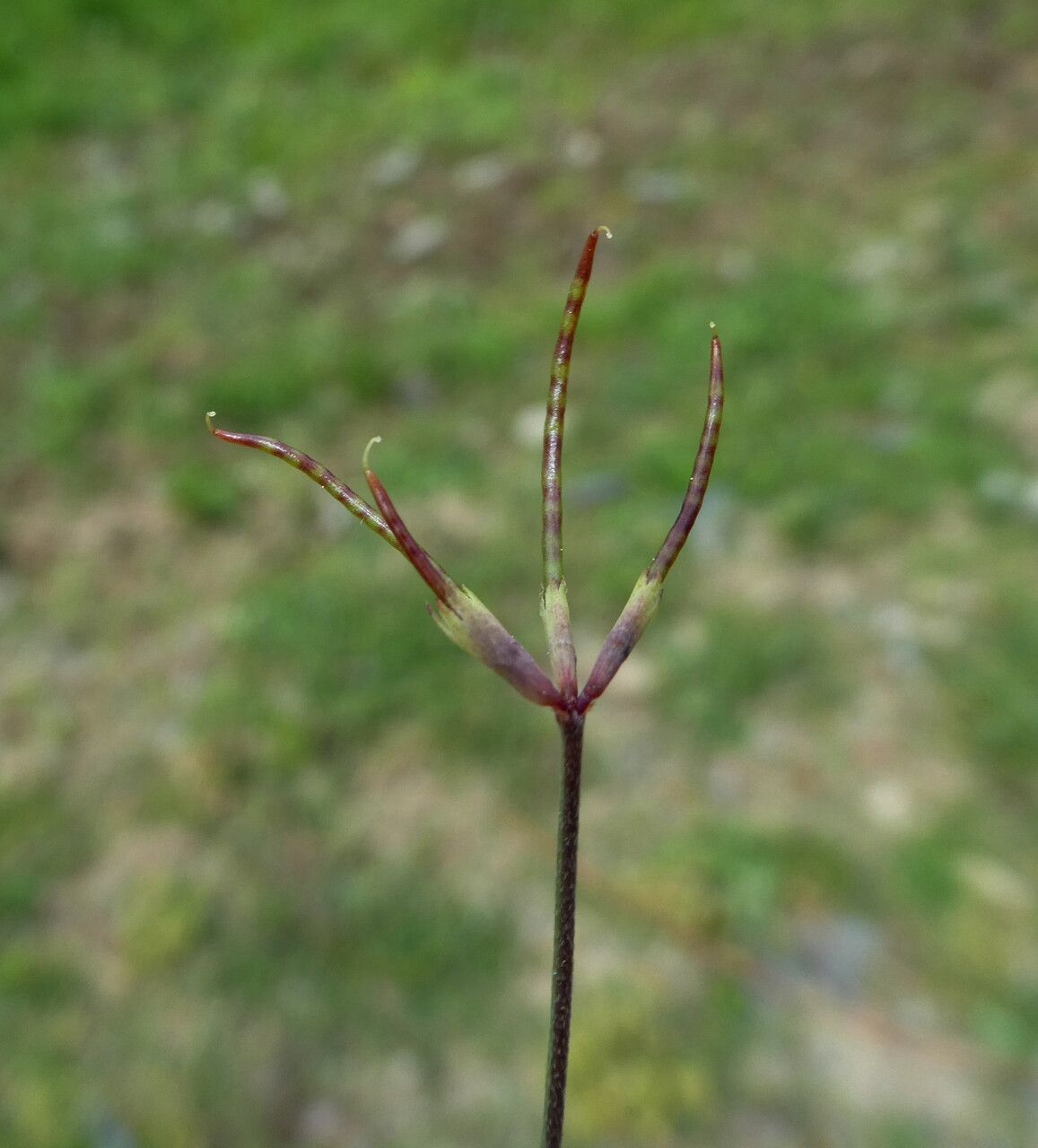
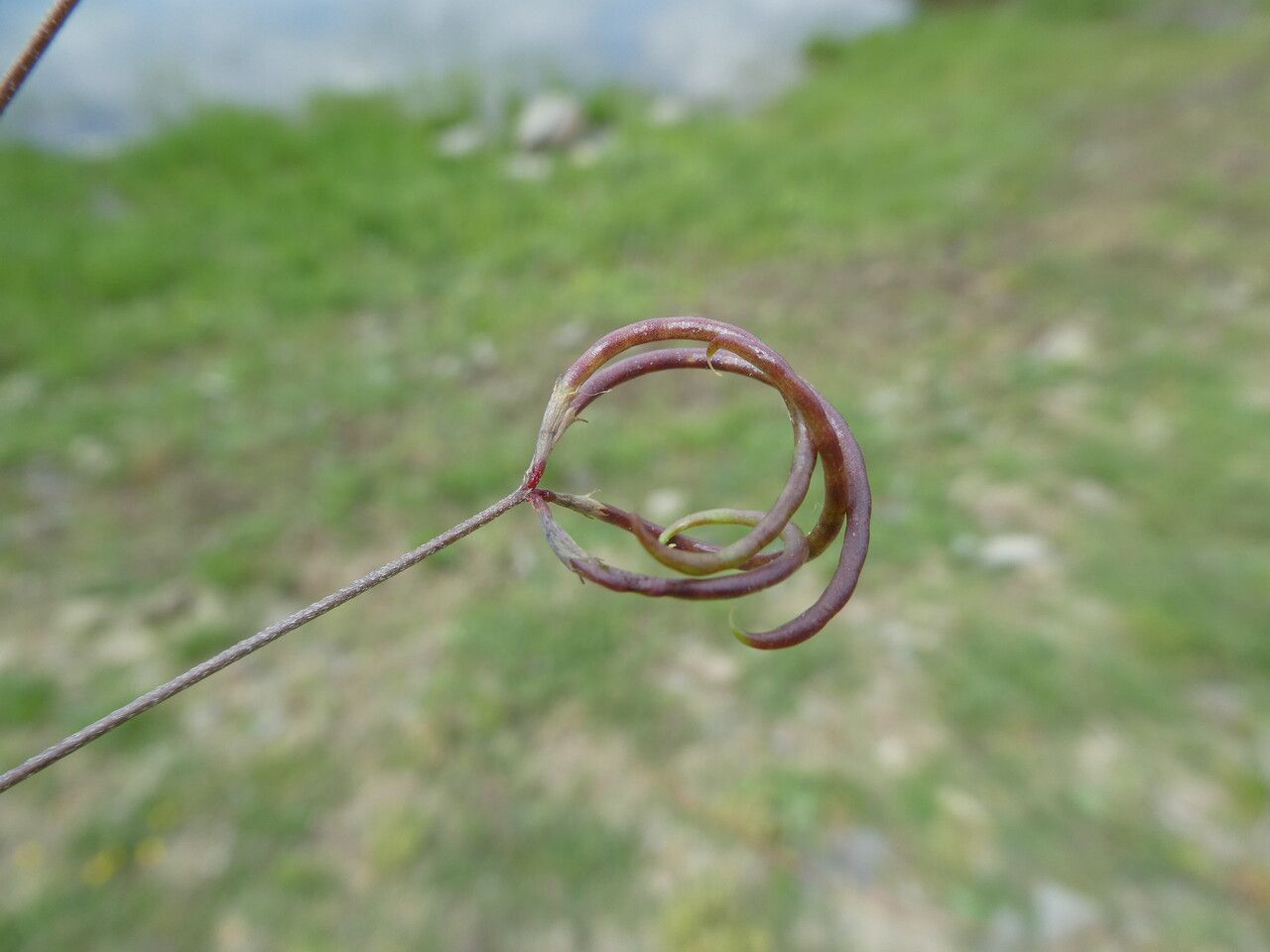
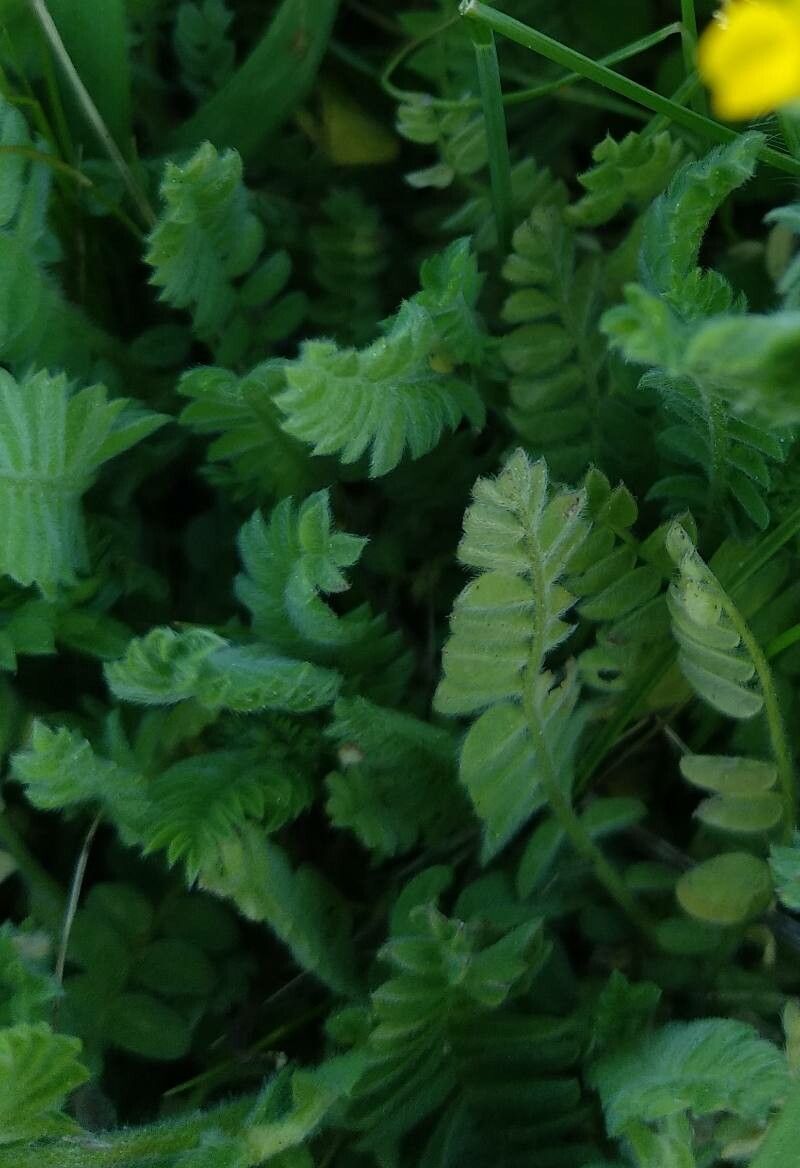
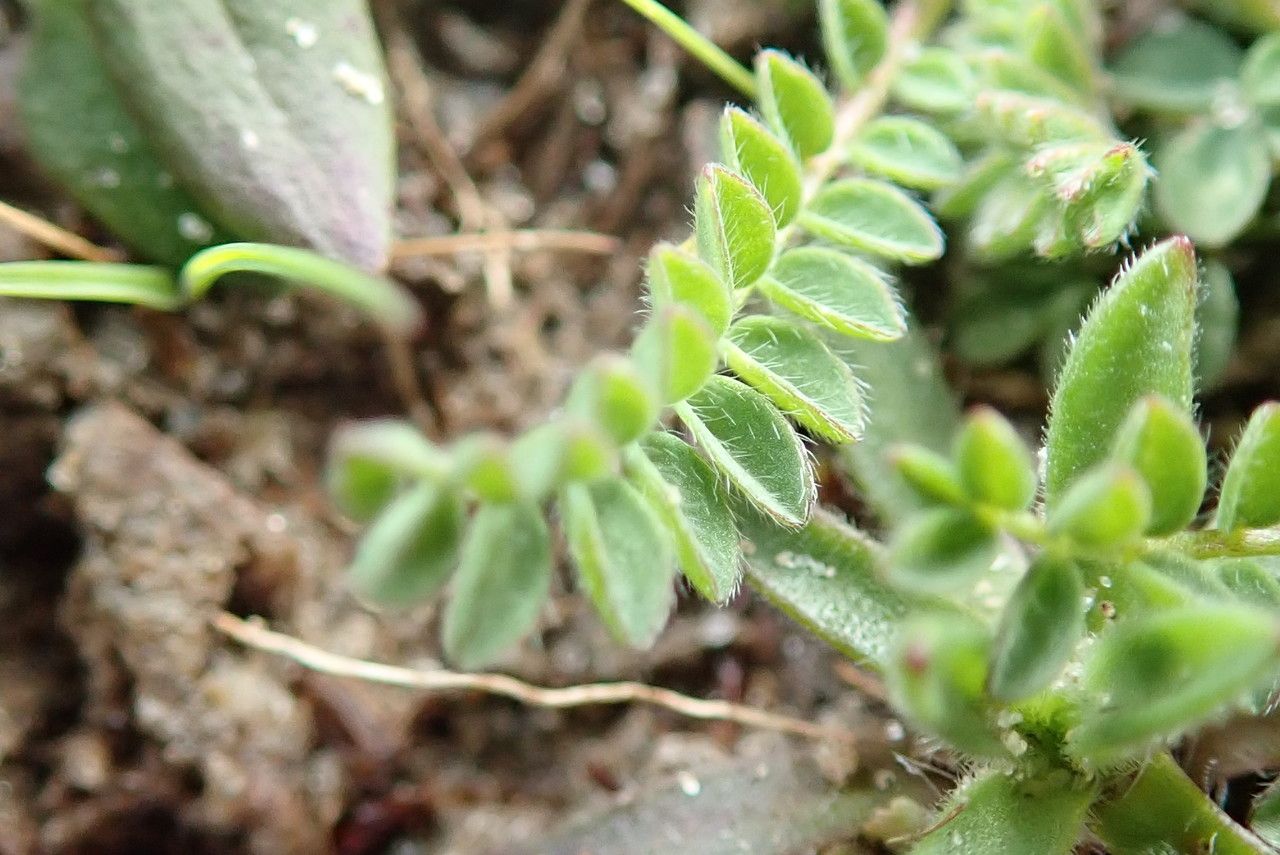
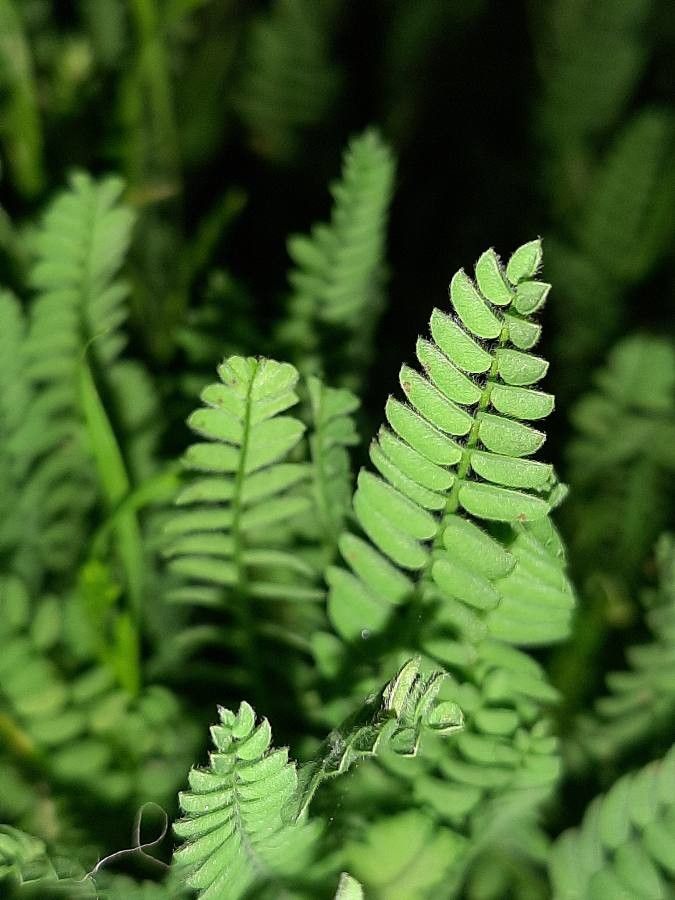
Ornithopus pinnatus, the orange birdsfoot, is a plant in the Fabaceae family. It was first described as Scorpiurus pinnata in 1768 by Philip Miller in The Gardeners Dictionary. In 1907, George Claridge Druce assigned it to the genus Ornithopus.It is native to Western Europe, the Mediterranean Region and Macaronesia but is found elsewhere as an introduced species.
Yellow bird's-foot has good disease resistance and is generally not prone to illnesses. However, it can be affected by pests and diseases present in its surroundings. These infections are usually not severe. In terms of care, this plant requires a moderate amount of maintenance. It needs regular pruning to maintain a neat appearance and healthy growth. Fertilizing can also help promote flowering. Yellow bird's-foot is suitable for anyone with outdoor space, such as a garden or patio, and does not require much care experience. It may need more attention when grown indoors.
How to keep Ornithopus Pinnatus.
Light
Yellow bird's-foot comes from bright, open habitats and does best in full sun. It can tolerate partial sun but prefers direct sunlight for best growth. This plant, which can be annual or biennial, is recognized for its sun-loving nature.
Water
The yellow bird's-foot flourishes in conditions similar to those of the Mediterranean, preferring moderate humidity and dry soil. For optimal growth, water the plant twice a week. It is best suited for outdoor settings and is a resilient, drought-tolerant flowering plant, making it an excellent choice for enhancing landscapes.
Temperature
Yellow bird's-foot can tolerate a wide range of temperatures, but its distribution may still be restricted by different combinations of moisture and heat. It grows best in warm summer conditions with adequate rainfall or watering. Long periods of cloudy, rainy weather or extended high temperatures increase the chance of Yellow bird's-foot dying. In winter, protecting the plant from cold can improve its survival.
Fertilizer
Yellow bird's-foot benefits from regular, mild fertilizer applications to encourage healthy leaf growth. Fertilize Yellow bird's-foot about once a month during the summer. Nitrogen is essential for foliage, and providing nitrogen-rich sources helps Yellow bird's-foot thrive.
Pruning
The Yellow Bird’s-foot is a plant known for its bright yellow flowers and delicate, feathery foliage. It thrives with light pruning done from early to late spring. To encourage healthy growth, trim away any dead stems, but avoid heavy pruning. Always use clean tools to reduce stress on the plant, and keep its seasonal growth cycle in mind for the best results.
Botanical profile.
- Plant Type
- Herb
- Life Cycle
- Annual
- Genus
- Ornithopus
- Family
- Fabaceae
- Hardiness Zone
- 7-10
- Mature Height
- 10 cm to 40 cm
- Mature Spread
- 15 cm to 30 cm
- Leaf Color
- Light Green
- Leaf Type
- Semi-evergreen
- Flower Color
- White, Pink
- Flower Size
- 0.25 cm to 0.51 cm
- Bloom Time
- Mid spring, Late spring, Early summer
- Planting Time
- Spring, Autumn
- Harvest Time
- Summer
- Native Area
- Turkey, Tunisia, Italy, Spain, France, United Kingdom, Greece, Croatia, Morocco, Algeria, Lebanon, Portugal
Other names.