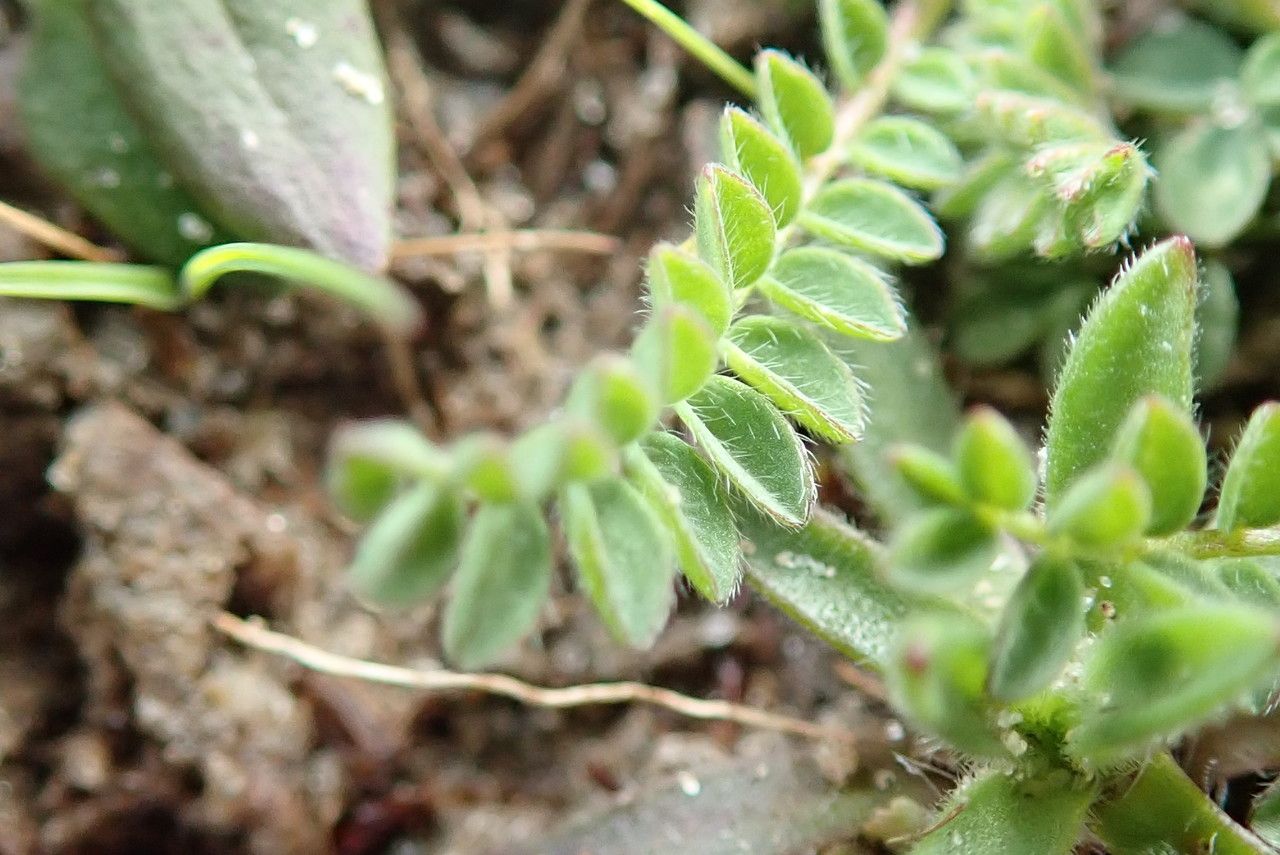
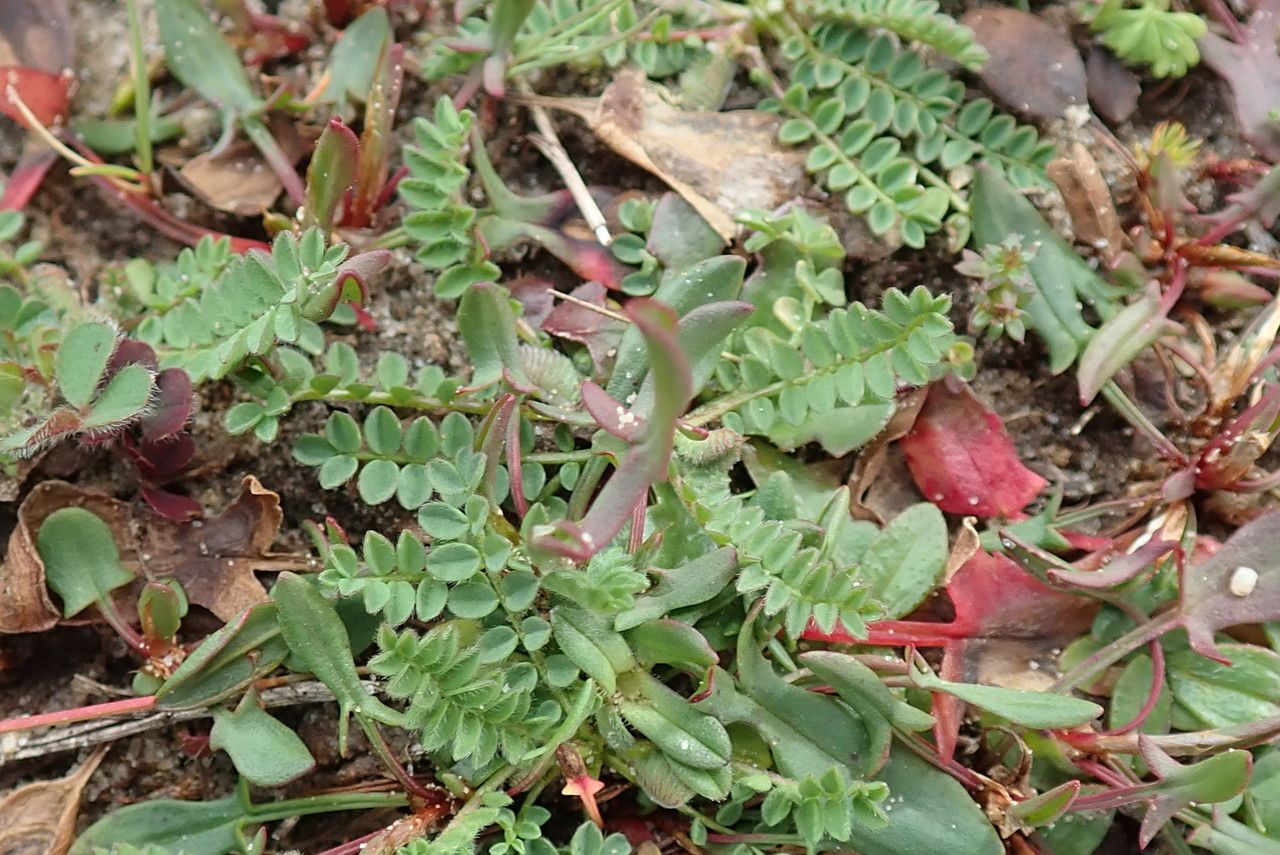
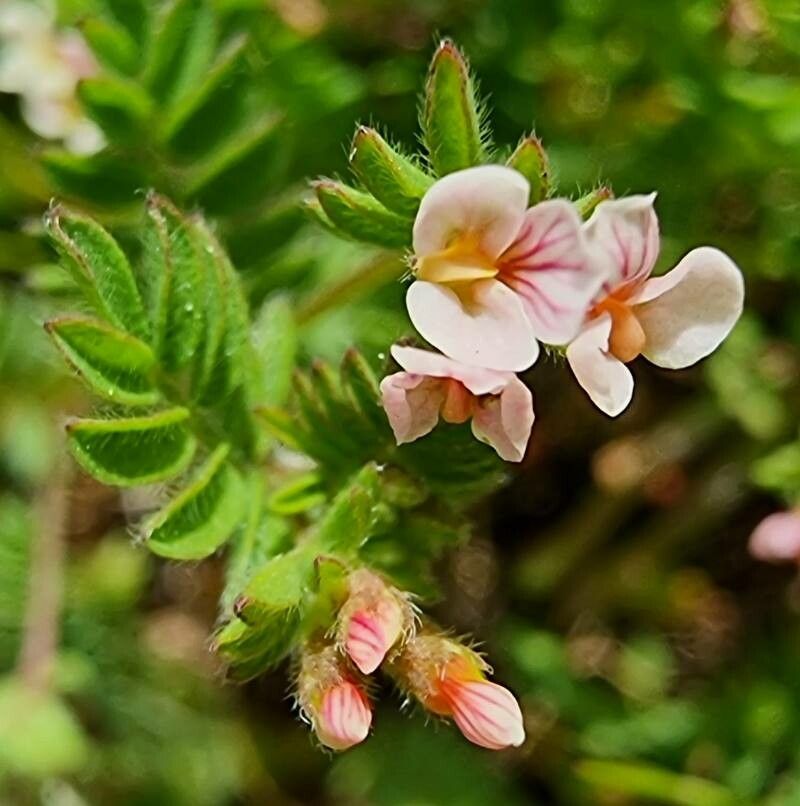
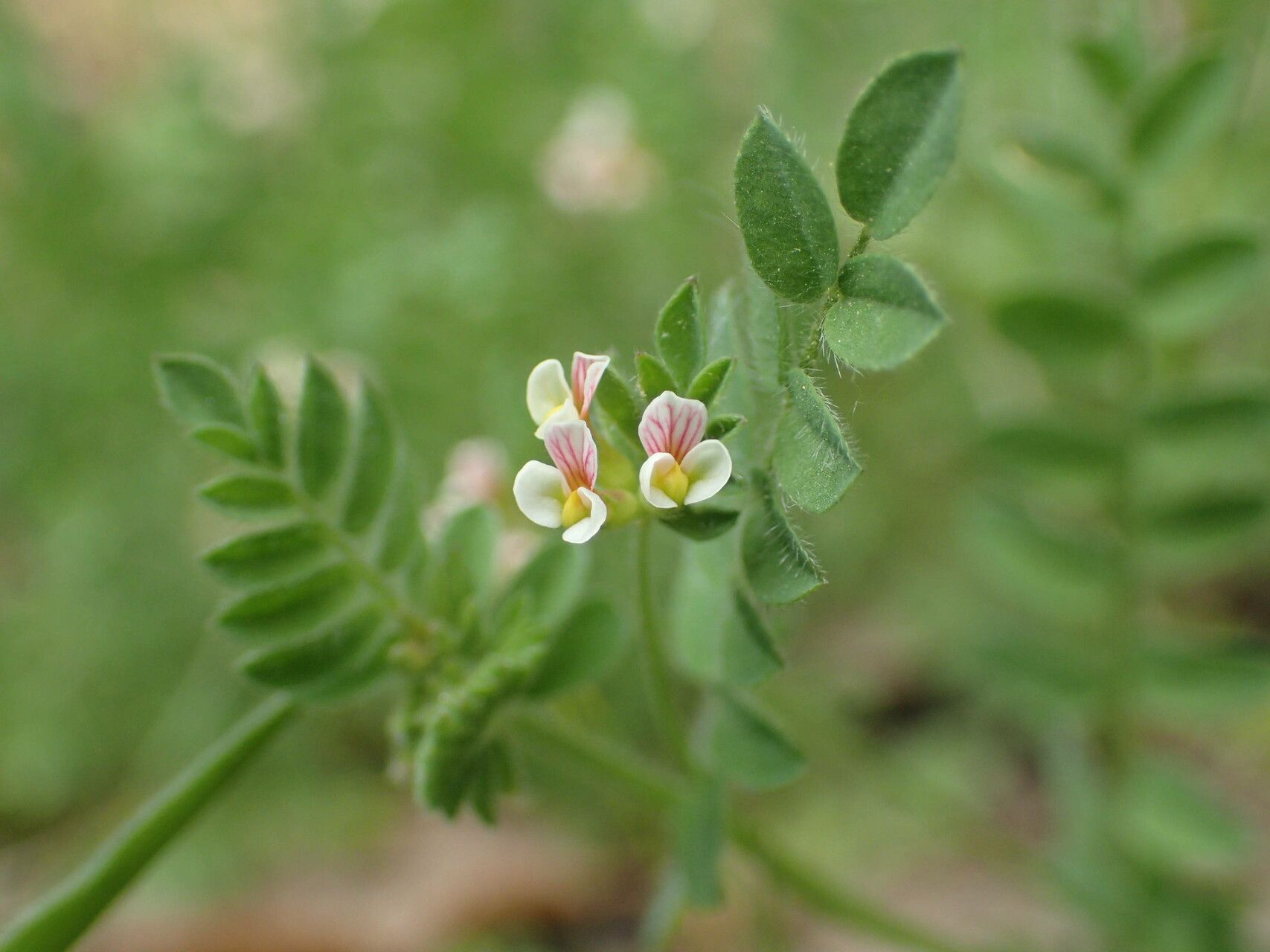
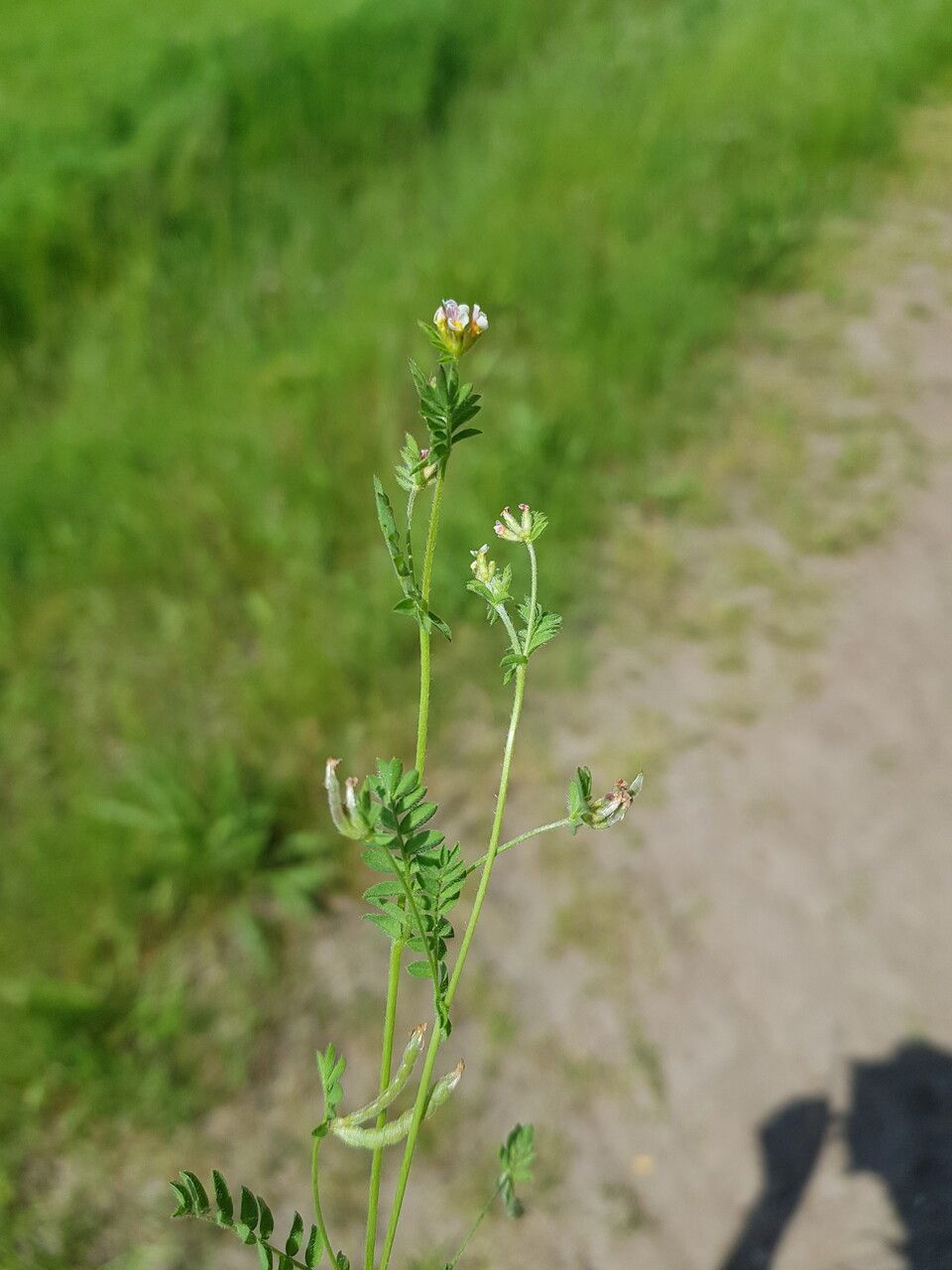
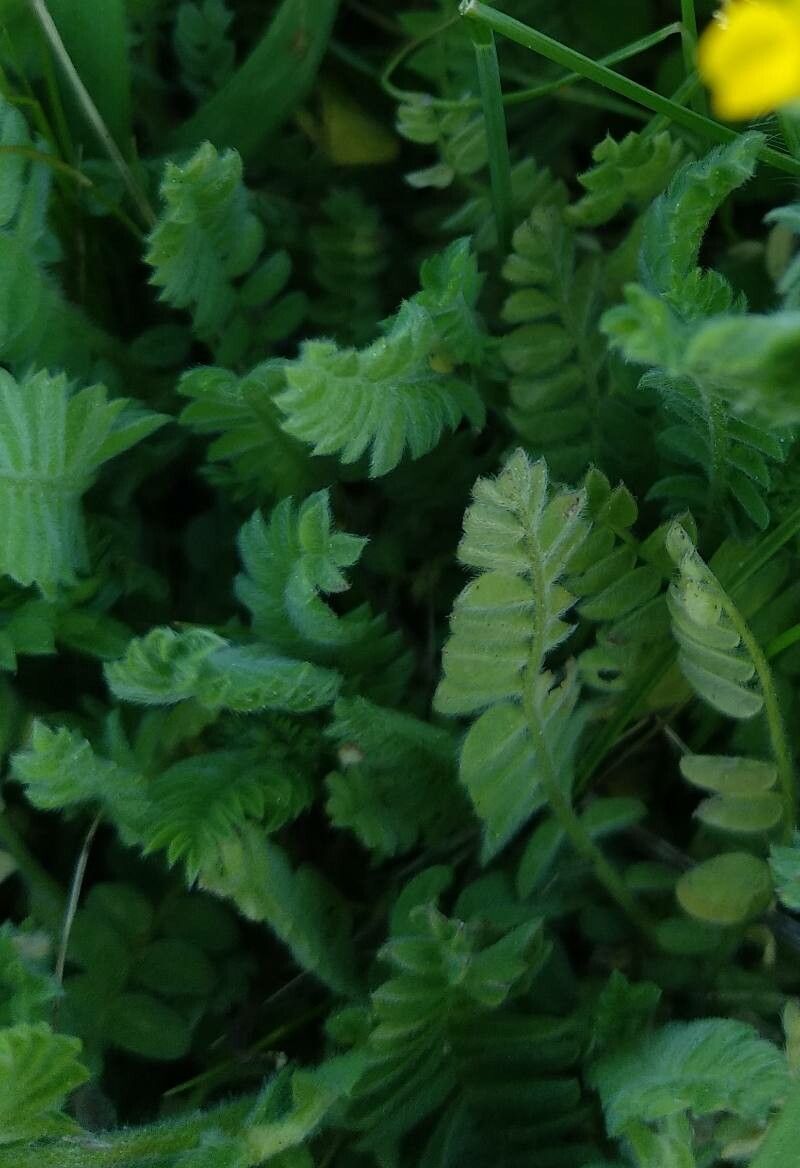
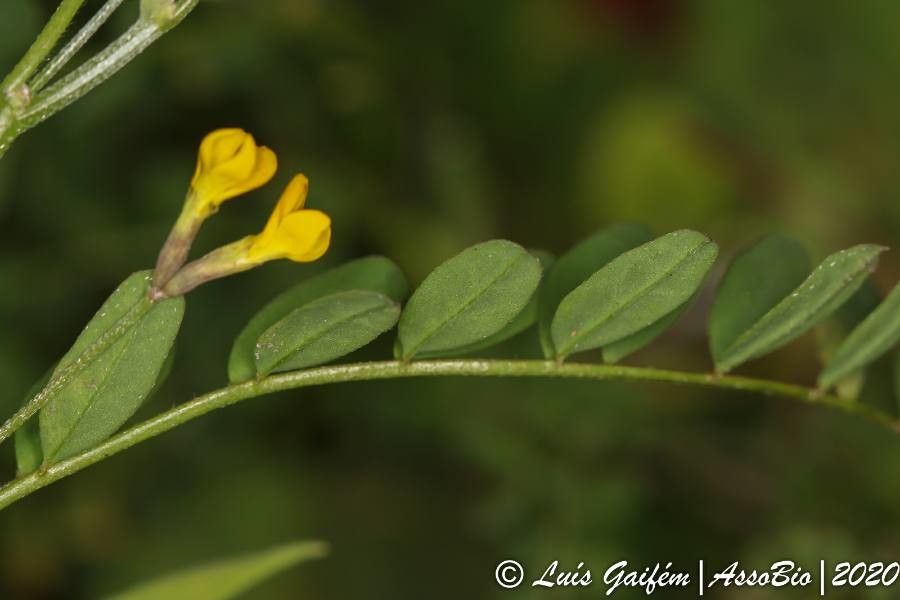
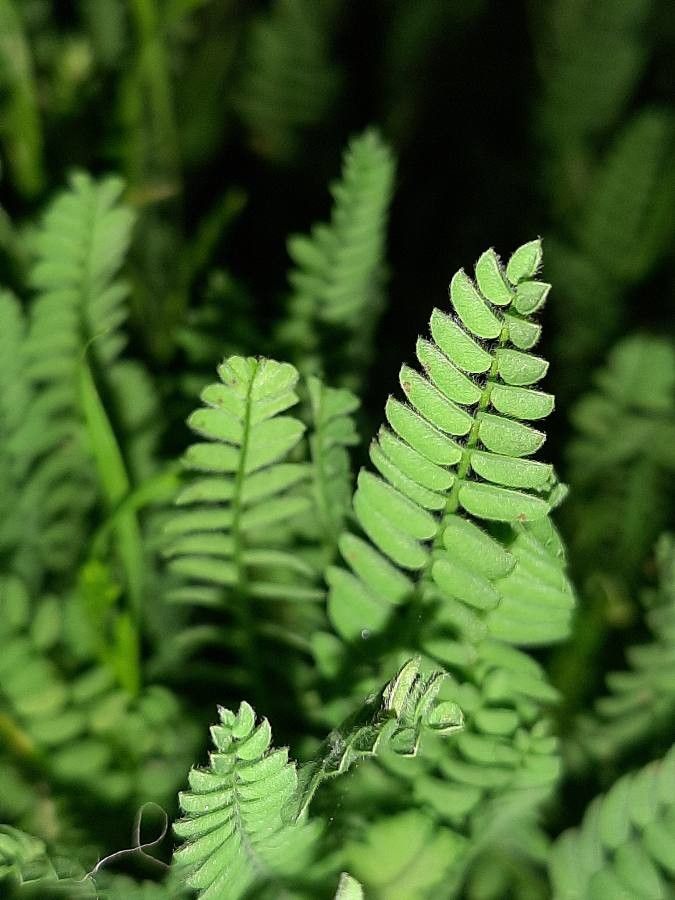
Ornithopus perpusillus or little white bird's-foot, is a plant species of the genus Ornithopus.
Little white bird's-foot is fairly disease-resistant and usually not prone to illness. Still, it can be affected by pests and diseases present in its surroundings. These problems are typically not serious. For care, the plant needs moderate maintenance. It should be pruned regularly to keep a good appearance and encourage healthy growth. Fertilizing can also help stimulate flowering. Little white bird's-foot is suitable for anyone who has an outdoor area, such as a garden or patio, and does not demand extensive care experience. It may need more attention when grown indoors.
How to keep Ornithopus Perpusillus.
Light
Little white bird's-foot comes from bright, open environments and flourishes in full sun. It can tolerate partial sun but prefers direct sunlight for optimal growth. This plant, which can be annual or biennial, is known for its sun-loving nature.
Water
The little white bird's-foot, native to temperate regions, thrives in conditions of moderate moisture, striking a balance between retaining water and withstanding drought. To maintain this balance, it's best to water the plant weekly. When grown outdoors in meadows, the little white bird's-foot benefits from natural rainfall, which typically reduces the need for frequent manual watering.
Temperature
Little white bird's-foot prefers temperatures of 68 to 95 °F (20 to 35 ℃) and flourishes in naturally temperate climates. Adjustments may be required during chillier seasons to maintain optimal growth.
Fertilizer
Little white bird's-foot benefits from regular, mild fertilizer applications to encourage healthy leaf growth. You should fertilize Little white bird's-foot about once a month during the summer. Nitrogen is essential for foliage, and supplying nitrogen-rich sources helps Little white bird's-foot thrive.
Pruning
The little white bird's-foot plant features delicate white flowers and pinnate leaves. To encourage growth and flowering, prune it from early to late spring. Use sharp tools to remove dead stems, which helps ensure good air circulation. Be careful not to cut more than one-third of the plant to minimize stress and promote vigorous regrowth.
Botanical profile.
- Plant Type
- Herb
- Life Cycle
- Annual
- Genus
- Ornithopus
- Family
- Fabaceae
- Hardiness Zone
- 6
- Mature Height
- 40 cm
- Mature Spread
- 3 cm
- Leaf Color
- Light Green
- Leaf Type
- Deciduous
- Flower Color
- Pink, White
- Flower Size
- 0.25 cm to 0.51 cm
- Bloom Time
- Mid spring, Late spring, Early summer
- Planting Time
- Spring, Summer, Autumn
- Harvest Time
- Summer
- Native Area
- Germany, Portugal, Italy, Spain, Switzerland, Czech Republic, Denmark, Romania, France, Poland, Ireland, United Kingdom, Croatia, Algeria, Belgium, Netherlands
Other names.
Reader questions.
How should I water my Little white bird's-foot plant?
To water Little white bird's-foot, you have several options: a garden hose with a spray nozzle, a watering can, or any other watering tool you prefer. This plant is not too fussy about the type of water it receives, so rainwater, tap water, or filtered water will all suffice. Avoid watering from above because it could harm the leaves and flowers and contribute to disease. One effective method is using a drip irrigation system, which delivers water evenly and directly to the soil. If you have a potted Little white bird's-foot, you can follow a similar approach but use a cup, watering can, or tap water to directly water the soil.
What are the ideal conditions for growing Little white bird's-foot?
Little white bird's-foot, botanically known as Ornithopus perpusillus, prefers temperate climates with temperatures ranging from 68 to 95°F (20 to 35°C). Although this plant is highly cold-tolerant, adjustments may be necessary during chillier seasons to ensure optimal growth. It does not require additional frost protection measures in winter. However, it is recommended to water the plant generously before the first freeze in autumn to keep the soil moist and prevent drought and water scarcity during winter and early spring.
What should I do if I give my small white bird's-foot plant too much water or not enough water?
The solution for underwatering Little white bird's-foot is straightforward. When you see that your plant is dry, water it more regularly. Overwatering, however, can be a bigger problem if not detected early. Overwatered plants can develop diseases that can lead to their decline and death. To prevent this, choose a sunny location with good drainage for your plant. If your potted bird's-foot is overwatered, consider changing to a new pot with better drainage and adding loose soil during repotting.
How does Little white bird's-foot react to low temperatures?
Little white bird's-foot is extremely cold-tolerant and can withstand winter temperatures above -25°C. If temperatures drop below this threshold, you might not notice any immediate changes during the winter. However, there may be a decreased sprouting or even a complete lack of sprouting in the following spring. To manage this, remove any parts of the plant that have failed to sprout in spring.
How many times a week should I water my small white bird's-foot plant?
Little white bird's-foot requires regular watering throughout the growing season. In spring, water the plant once a week. As the season becomes warmer, increase the watering rate to two to three times a week. However, avoid excessive watering, as it can harm the plant. Keep the soil moist, but not wet, regardless of the watering frequency. Watering a potted Little white bird's-foot is slightly different. Potted plants may dry out faster, so water them a few times a week instead of just once.
What should I do if Little white bird's-foot is exposed to high temperatures?
Little white bird's-foot does not tolerate high temperatures well. Growth will cease, and the plant becomes more susceptible to rot when the temperature exceeds 35°C. To help the plant cope with high temperatures, trim away any sunburned and dried-up parts. Then, move the plant to a location that provides shade from the midday and afternoon sun or use a shade cloth to create shade. Additionally, watering the plant in the morning and evening can help keep the soil moist and reduce heat stress.
How much water does my small white bird's foot plant need?
Determining how much water to give your Little white bird's-foot can be done in a few different ways. Some gardeners prefer to rely on the feel of the soil to gauge moisture levels. In this method, you would water until the top six inches of soil feel moist. Another option is to use a specific measurement. Typically, around two gallons of water per week is recommended, but adjust accordingly based on temperature and soil dryness. However, adhering strictly to guidelines can result in overwatering if your plant needs less water. If you're growing your Little white bird's-foot in a container, a different approach is necessary. In this case, you should water until all the layers of dry soil are moistened. Check for moisture by inserting your finger into the soil or look for a slight flow of excess water from the pot's drainage holes.
How can I know if I am giving enough water to my small white bird's-foot plant?
Avoiding overwatering Little white bird's-foot plants can be challenging because they have deep roots that need weekly moisture. However, these plants are highly vulnerable to root rot and may also develop browning from excessive watering. Underwatering is less of a concern as these plants can survive without supplemental watering for some time. However, if the plant goes too long without water, it may wilt and exhibit dry leaves.
What is the best way to water my Little white bird's-foot plant all year round?
The water needs of your Little white bird's-foot plant will increase as the season progresses. During spring, watering once a week is sufficient. However, when summer arrives and the weather gets hotter, you may need to water your plant about three times per week. This is especially important if your Little white bird's-foot is grown in a container, as the soil in containers tends to dry out faster than ground soil in warm weather. In autumn, as the temperature cools down and the sun is not as intense as in the summer, your Little white bird's-foot may require slightly less water, while still being in bloom.
How should I water my Little white bird's-foot plant as it grows?
Throughout the year, Little white bird's-foot goes through different growth stages, each with varying water requirements. When starting from a seed, it's important to provide more water during germination to maintain consistent soil moisture. As the plant grows above the soil, it will need slightly less water than during the seedling phase. Once mature, regular watering once a week is sufficient. During flower development, giving slightly more water can be helpful.
How is watering Little white bird's-foot different when done inside or outside?
Most Little white bird's-foot tend to prefer growing outdoors rather than indoors due to several reasons. Firstly, these plants typically grow tall, which may not be suitable for indoor spaces. Secondly, Little white bird's-foot require more daily sunlight than most indoor locations can offer. However, if you do manage to create a suitable indoor growing environment, you may need to water your Little white bird's-foot more frequently compared to an outdoor setting. This is because indoor locations are often drier due to HVAC units, and the soil in containers can dry out faster compared to soil in the ground.