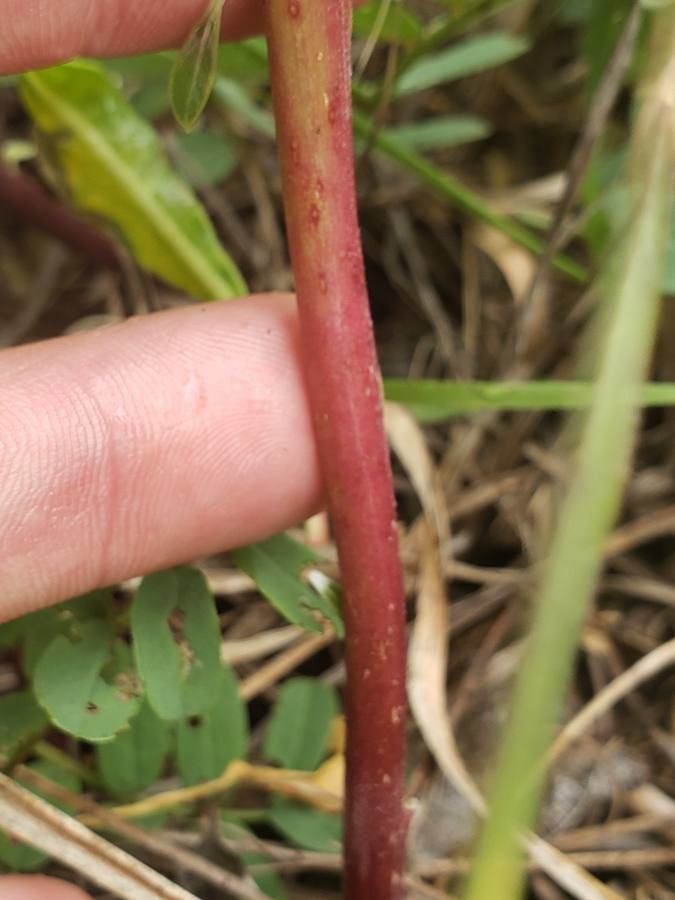
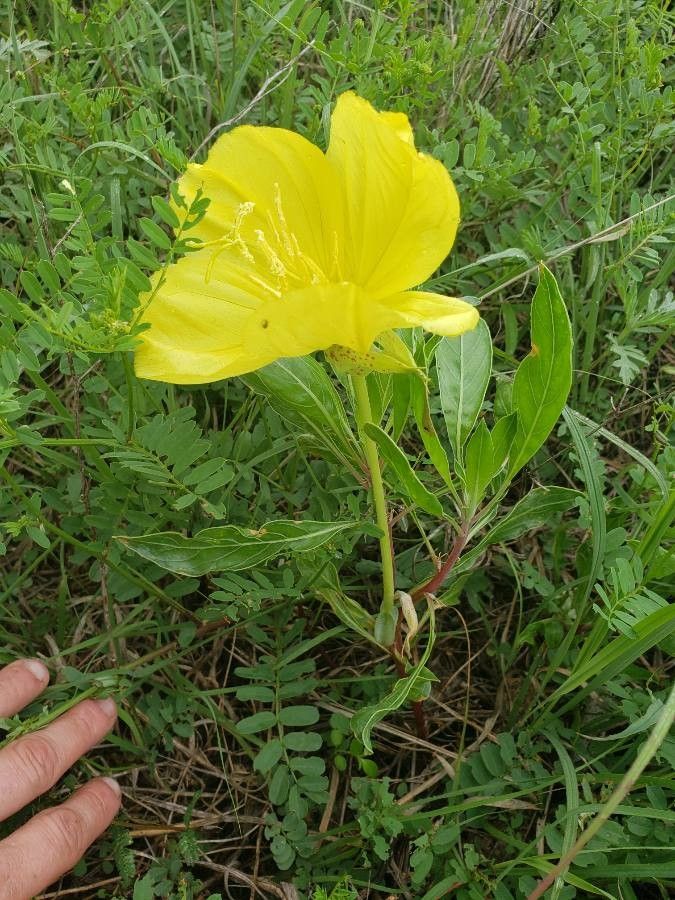
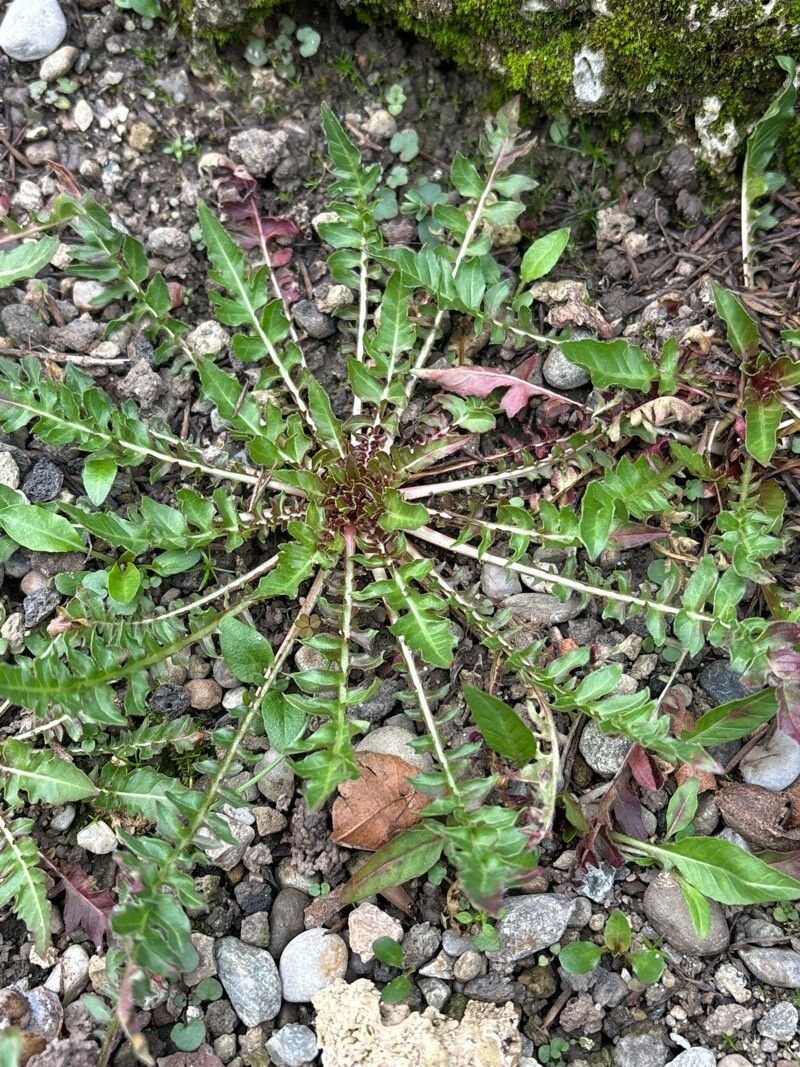
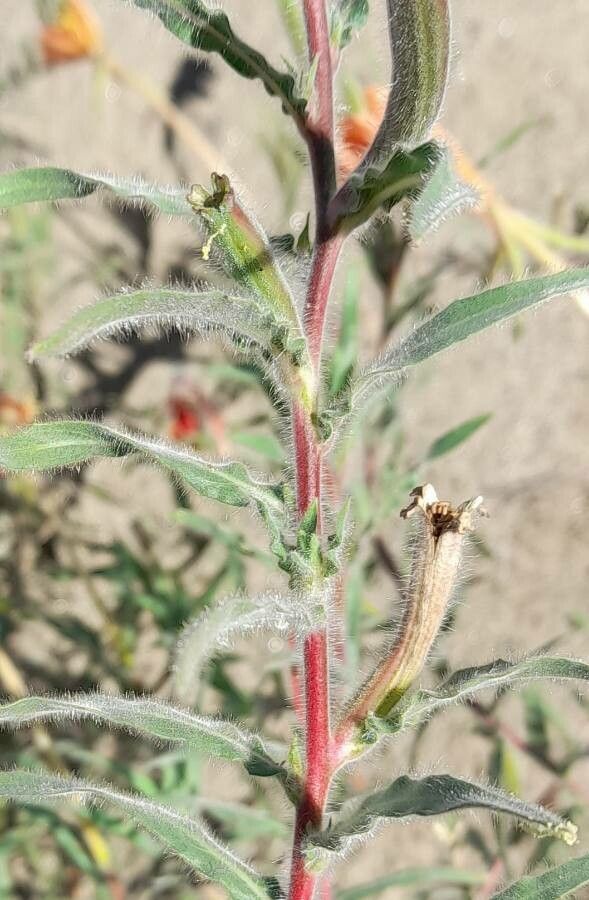
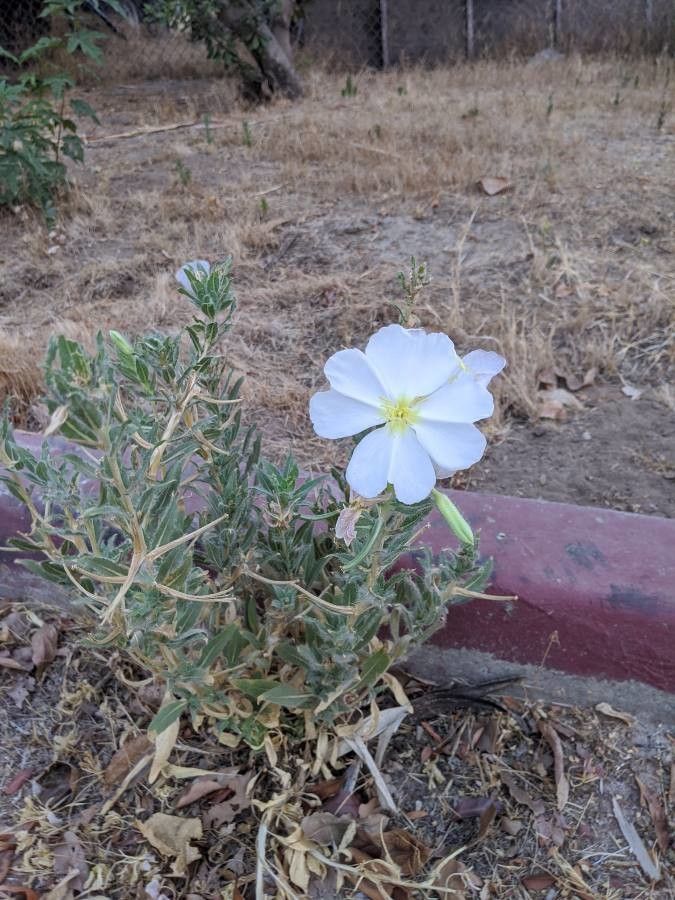
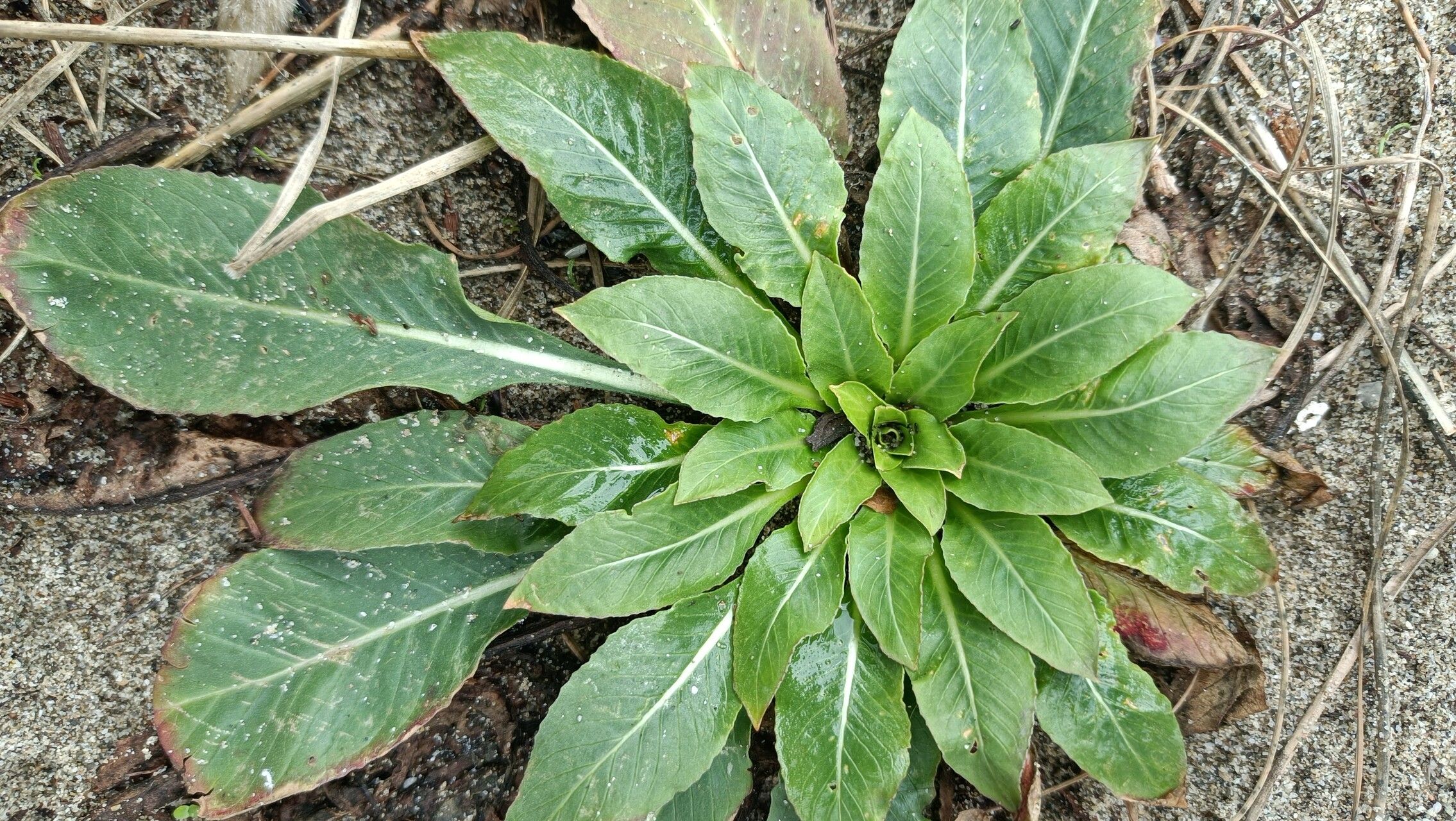
Oenothera triloba, commonly known as the three-lobed evening primrose, is a herbaceous perennial plant in the Onagraceae family. Native to North America, it thrives in various habitats, including prairies, meadows, and open woods.
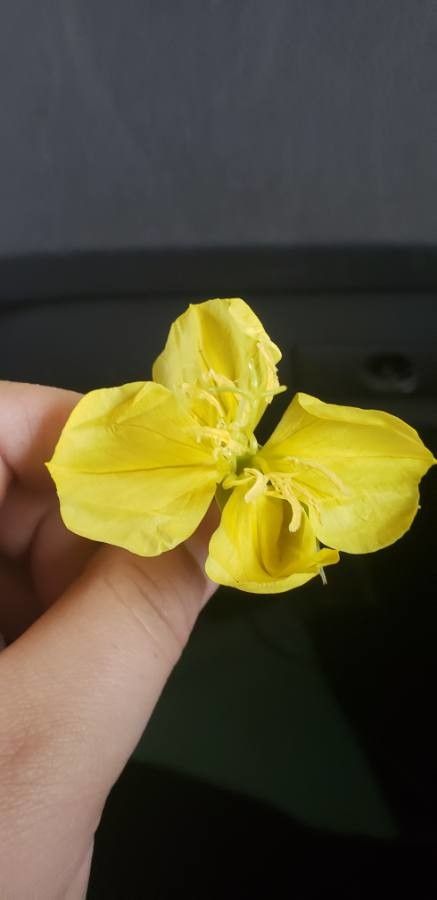
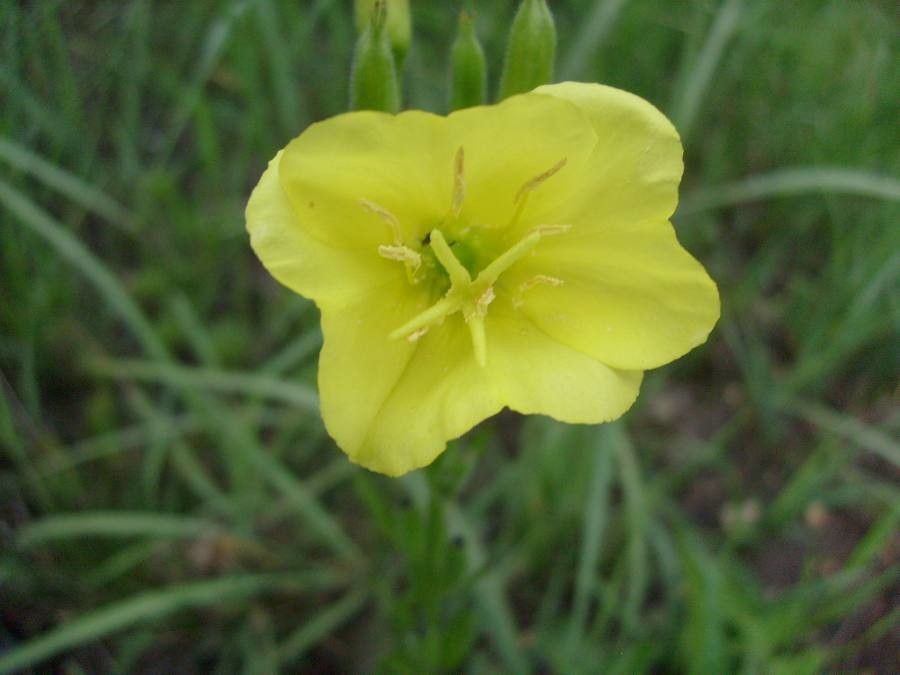
The plant typically reaches 1 to 3 feet in height and spreads about 1 to 2 feet wide. Its lance-shaped leaves, which can grow up to 6 inches long, are arranged alternately along the stem. From June to August, Oenothera triloba produces bright yellow flowers with four petals.
Renowned for its medicinal properties, the three-lobed evening primrose contains high levels of gamma-linolenic acid (GLA), known for its anti-inflammatory benefits. Native Americans have historically used the plant's roots to treat various ailments, such as stomach problems, respiratory issues, and skin conditions.
Oenothera triloba prefers well-drained soil with full sun exposure but can tolerate partial shade. Although it is drought-tolerant once established, the plant requires regular watering during its initial growth period.
Overall, Oenothera triloba is an attractive perennial plant with valuable medicinal benefits. It is a worthy addition to any garden or landscape design project in North America's temperate regions, where it naturally thrives with minimal human intervention once properly established. When provided with suitable soil conditions and adequate sunlight, the plant matures over several years, depending on environmental factors. During its blooming season, its bright yellow flowers attract pollinators such as bees, butterflies, and hummingbirds.
Stemless Evening Primrose is fairly resistant to disease and usually not prone to illnesses. It can, however, be vulnerable to pests and diseases present in its environment; such infections are generally not severe. Regarding care, this plant requires moderate maintenance. It should be pruned regularly to preserve a tidy appearance and healthy growth. Fertilizing can also help encourage flowering. Stemless Evening Primrose is appropriate for anyone with outdoor space, such as a garden or patio, and does not demand extensive care experience. It may need more attention when grown indoors.
How to keep Oenothera Triloba.
Light
The stemless Evening Primrose does best with abundant sunlight for its health and vigor. Its native habitat of wide open areas suggests it requires ample light. This need stays the same throughout its various growth stages. However, too much sun can be damaging, and too little light can stunt its growth.
Water
The Stemless Evening Primrose, native to the North American prairies, thrives in well-drained soils and is tolerant of drought. For optimal health, it requires weekly watering, although its water needs decrease during dormancy in temperate zones, aligning with seasonal rainfall patterns.
Temperature
Stemless Evening Primrose is indigenous to habitats with temperatures between 68 and 95 °F (20 to 35 ℃). It does best in these moderate to warm conditions. During cooler seasons, consider moving it indoors or providing a heat source to prevent temperature-related damage.
Fertilizer
When most of the Stemless Evening Primrose's blooms have opened to full size, resume fertilizing. As the flowers reach peak production, apply fertilizer every three to four weeks, weather permitting. Then, once the Stemless Evening Primrose begins to produce fewer new blooms, stop fertilizing; there's no need to feed it when it can no longer produce more flowers.
Pruning
The Stemless Evening Primrose, known for its bright yellow flowers and lush rosette of leaves, benefits from pruning between early and late spring. To encourage renewed growth, remove any dead foliage and spent flowers during this time. It's important to avoid pruning in the fall to protect the plant during the winter months. By giving the plant the proper care, you can enhance its health, improve airflow, and increase its blooming vigor.
Botanical profile.
- Plant Type
- Herb
- Life Cycle
- Annual, Biennial, Perennial
- Genus
- Oenothera
- Family
- Onagraceae
- Hardiness Zone
- 4-9
- Mature Height
- 20 cm
- Mature Spread
- 30 cm
- Leaf Color
- Green, Blue
- Leaf Type
- Deciduous
- Flower Color
- Yellow
- Flower Size
- 2.54 cm to 5.08 cm
- Bloom Time
- Late spring, Early summer, Mid summer
- Planting Time
- Spring, Summer
- Harvest Time
- Mid summer, Late summer, Early fall
- Native Area
- Mexico
Other names.
Reader questions.
How should I water my Stemless Evening Primrose plant?
Watering Stemless Evening Primrose is easy and flexible. You can use a garden hose, watering can, or any common watering tool. This plant is not picky about water sources, so rainwater, tap water, or filtered water all work fine. Avoid watering from above, as it can harm leaves and flowers and cause disease. Drip irrigation systems are recommended for this plant, as they provide even and direct watering to the soil. For container-grown plants, simply use a cup, watering can, or tap to water directly into the soil.
What are the sunlight requirements for Stemless Evening Primrose?
Stemless Evening Primrose requires a significant amount of sunlight to thrive, indicative of its origin in vast open areas. It needs full sun exposure, which is above 6 hours of sunlight daily, for optimal health and vigor. Alternatively, it can also grow in partial sun, which amounts to about 3-6 hours of sunlight a day. It's important to observe your garden's sunlight patterns to find a location that meets these requirements, ensuring a balance of light and shade for the plant's happiness.
What is the ideal temperature range for Stemless Evening Primrose?
Stemless Evening Primrose thrives in moderate to warm environments, with ideal temperatures ranging from 68 to 95 °F (20 to 35 °C). It performs best within these conditions, adapting well to the warmth. In cooler seasons, it's advisable to move the plant indoors or near a heat source to maintain its ideal temperature range and prevent cold damage.
What should I do if I give my Stemless Evening Primrose too much or too little water?
To remedy underwatering Stemless Evening Primrose, simply water it more regularly when you notice it lacks moisture. However, overwatering can be a more serious issue if not caught early. Overwatering can lead to diseases and the decline or death of the plant. To prevent this, choose a proper location with ample sunlight and good drainage to avoid waterlogged soil. If you overwater a potted Stemless Evening Primrose, consider changing to a new pot with proper drainage. When repotting, use loose soil and ensure the new pot drains efficiently.
How does artificial lighting support plant growth indoors?
When natural sunlight is insufficient, especially in winter or less sunny spaces, artificial lighting can be crucial for the growth of indoor plants like the Stemless Evening Primrose. LED lights are often the preferred choice as they can provide specific wavelengths of light needed by the plants. Full sun plants require 30-50W/sq ft, partial sun plants need 20-30W/sq ft, and full shade plants should have 10-20W/sq ft of artificial light. The light source should be placed 12-36 inches above the plant to mimic natural sunlight and should be on for 8-12 hours per day to simulate the natural duration of daylight.
How does Stemless Evening Primrose handle cold conditions?
The Stemless Evening Primrose exhibits strong cold resistance, making special frost protection measures usually unnecessary for winter. However, in extremely cold conditions where temperatures are expected to fall below -30°C, providing cold protection is essential. This can be achieved by covering the plant with soil or straw and watering it abundantly before the first freeze, helping to keep the soil moist and reducing the risk of drought and water scarcity during the colder seasons.
How much water does my Stemless Evening Primrose need?
To keep your Stemless Evening Primrose healthy, make sure to water it regularly throughout the growing season. In the spring, water it once a week, and as the season gets hotter, increase the watering frequency to two to three times a week. However, be careful not to exceed this rate as it can harm the plant. It's important to keep the soil moist but not overly wet regardless of how often you water. If your Stemless Evening Primrose is in a pot, you'll need to water it more frequently than if it were planted in the ground. Typically, watering a potted plant a few times a week should suffice, while an in-ground plant can be watered just once a week.
What are common symptoms of insufficient or excessive sunlight in Stemless Evening Primrose?
When grown indoors or under inadequate light conditions, Stemless Evening Primrose may exhibit symptoms like smaller new leaves, leggy growth, faster leaf drop, slower or halted growth, and lighter-colored new leaves or chlorosis. Excessive sunlight can cause symptoms such as sunscald, leaf curling to minimize water loss, wilting due to increased transpiration, and leaf scorching. These symptoms indicate the plant's struggle with its current lighting conditions, either seeking more light or suffering from too much exposure.
What should I do if my Stemless Evening Primrose is exposed to low temperatures?
Stemless Evening Primrose is cold-tolerant, ideally kept in temperatures above 0°C during winter. Exposure to temperatures below -30°C may not show immediate changes but can lead to decreased or absent sprouting in spring. To mitigate this, it's recommended to remove any part of the plant that fails to sprout as spring arrives, ensuring the health and continued growth of the plant.
How much water does my Stemless Evening Primrose require?
Determining how much water to give your Stemless Evening Primrose can be approached in a few different ways. Some gardeners prefer to gauge water volume by checking the soil moisture. This method suggests watering until the top six inches of soil feel moist. Another option is to use a specific measurement, such as around two gallons per week, taking into account factors like temperature and soil dryness. However, it's important to avoid overwatering if your plant requires less water. When growing Stemless Evening Primrose in a container, a different method is needed. It's best to moisten all layers of dry soil, which can be checked by sticking your finger in the soil or noticing excess water trickle from the pot's drainage holes.
What solutions can optimize sunlight exposure for both indoor and outdoor Stemless Evening Primrose?
To optimize sunlight exposure for Stemless Evening Primrose, gradually move indoor plants to sunnier locations to ensure they receive at least 6 hours of direct sunlight daily or use artificial light such as desk lamps or grow lights for at least 8 hours a day. For outdoor plants, find the best spot for sunlight without causing sunburn by transitioning them to sunnier spots weekly. Additionally, for ground-planted specimens, reducing obstructions like pruning branches or trees that block sunlight, or transplanting the plant during its dormant period to a well-lit area with good drainage, can significantly improve light access.
What are the effects of high temperatures on Stemless Evening Primrose, and how can they be addressed?
During summer, it's crucial to keep Stemless Evening Primrose's temperature below 35°C to prevent heat stress. Exposure to temperatures exceeding 38°C can cause the leaves to lighten in color, curl, become susceptible to sunburn, and in severe cases, lead to wilting and drying of the plant. Addressing heat stress involves trimming sunburned and dried parts, relocating the plant to a shaded area away from midday and afternoon sun, or using a shade cloth. Additionally, watering the plant in the morning and evening helps keep the soil moist and supports the plant's well-being.