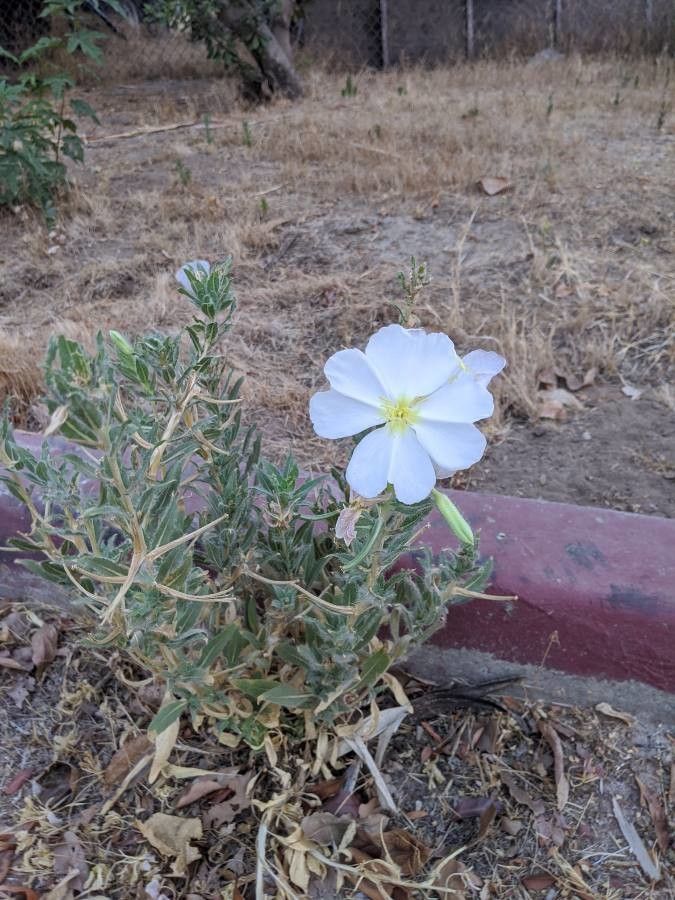
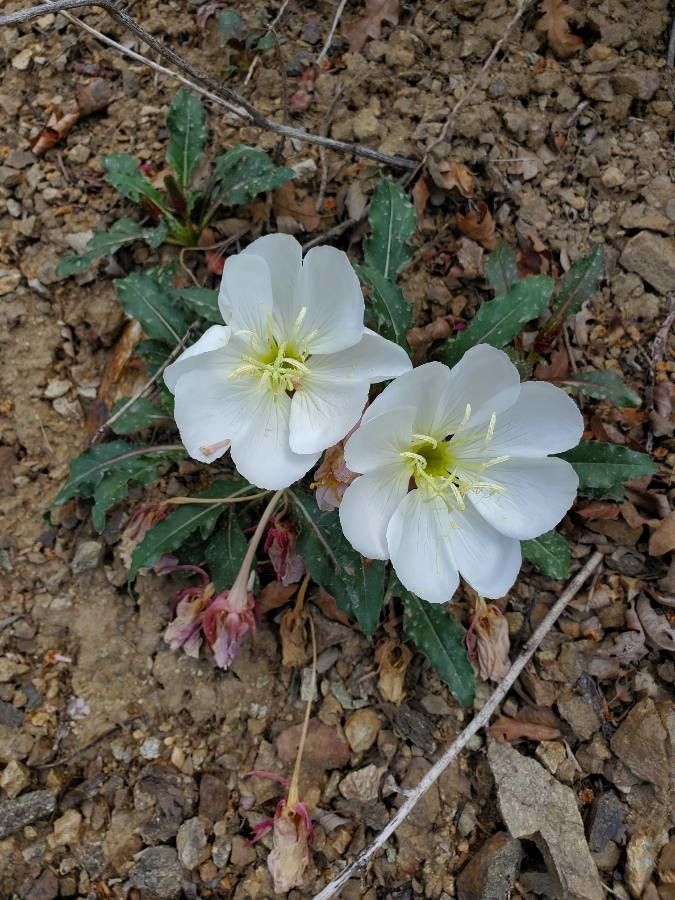
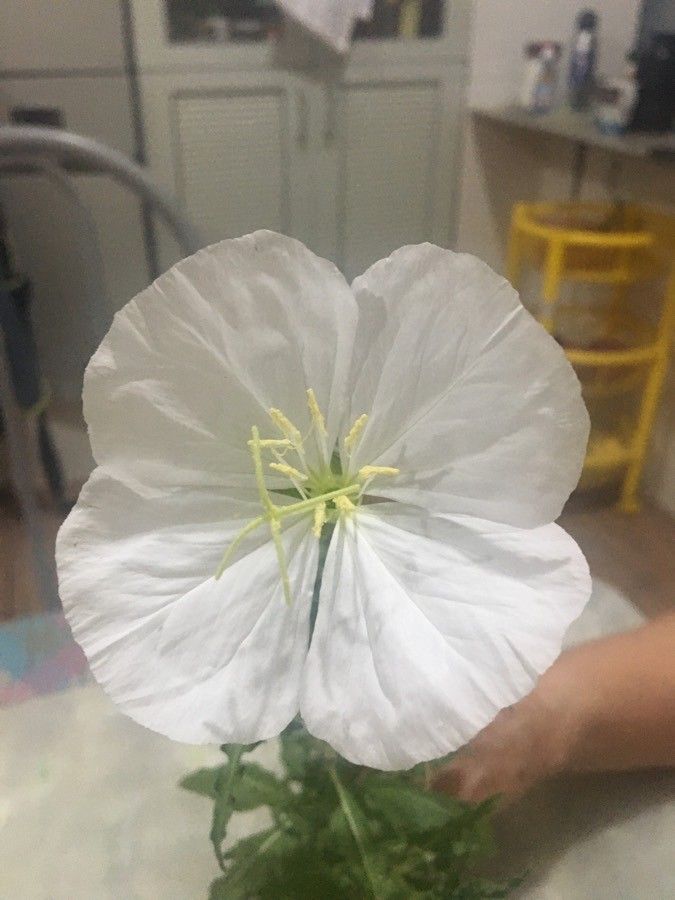
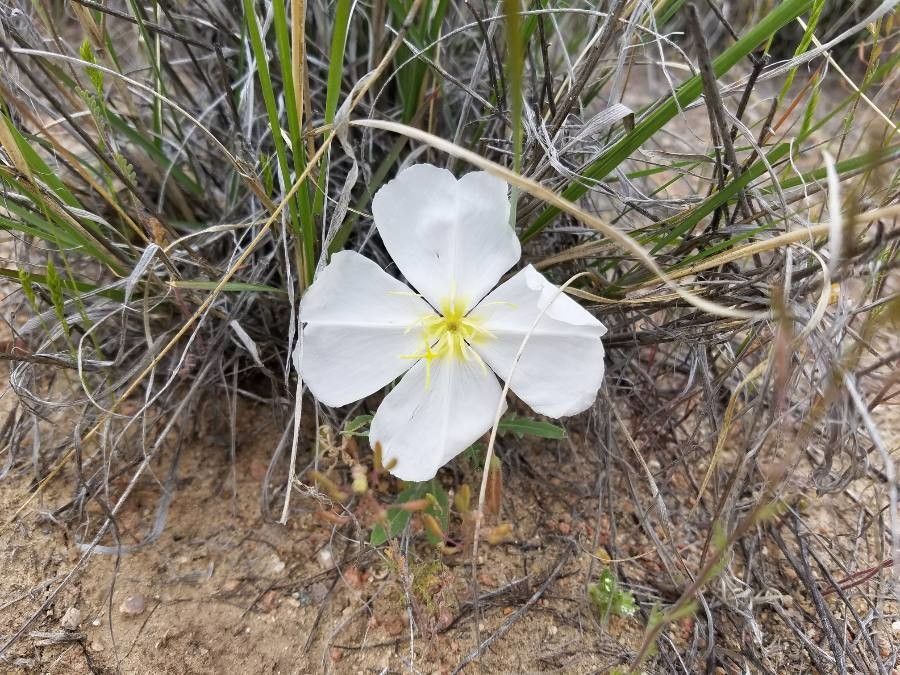
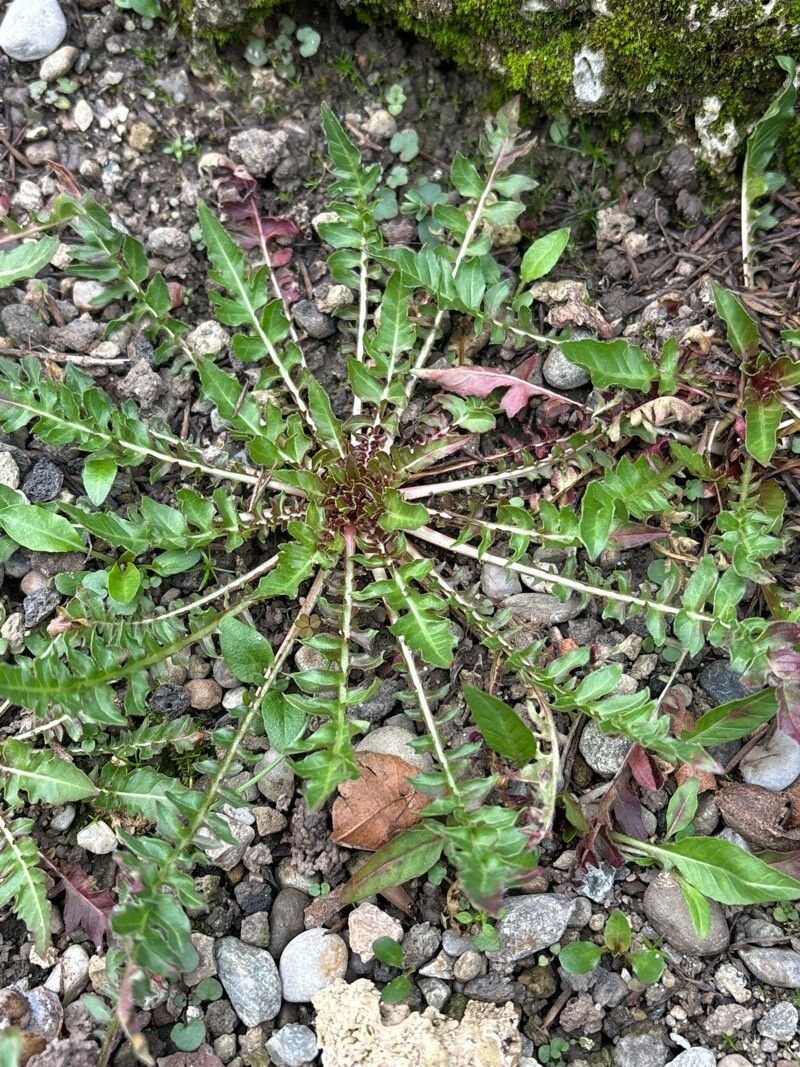
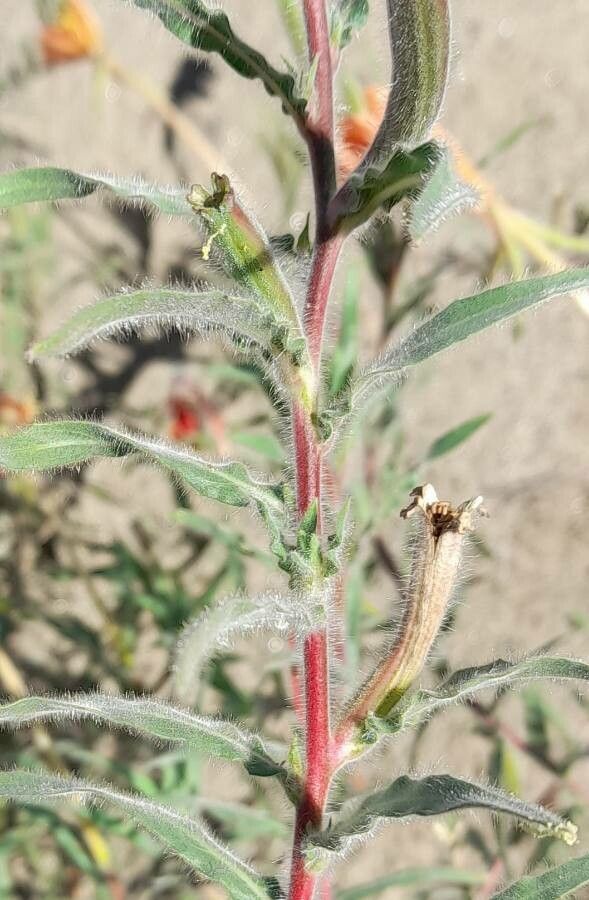
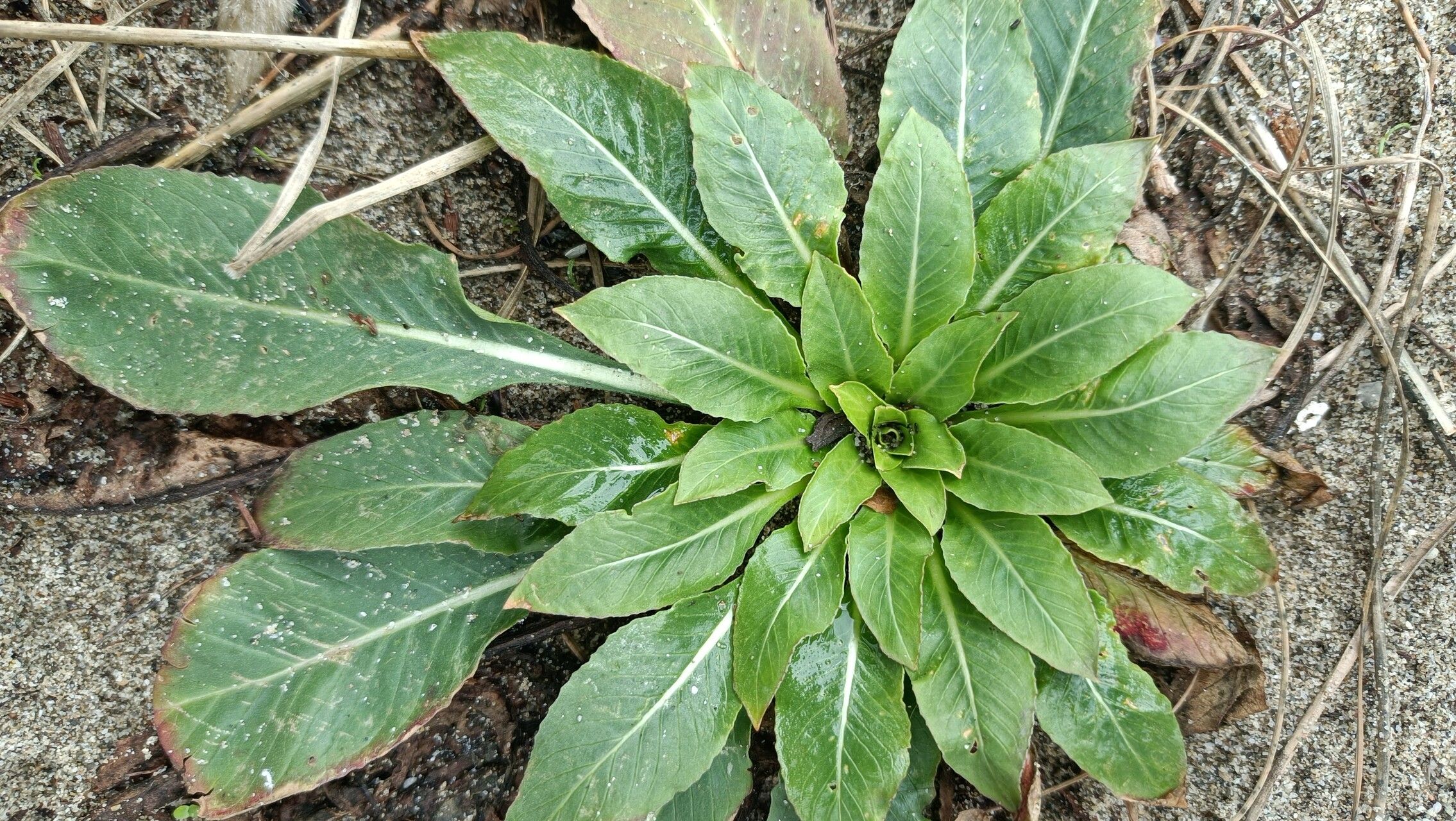
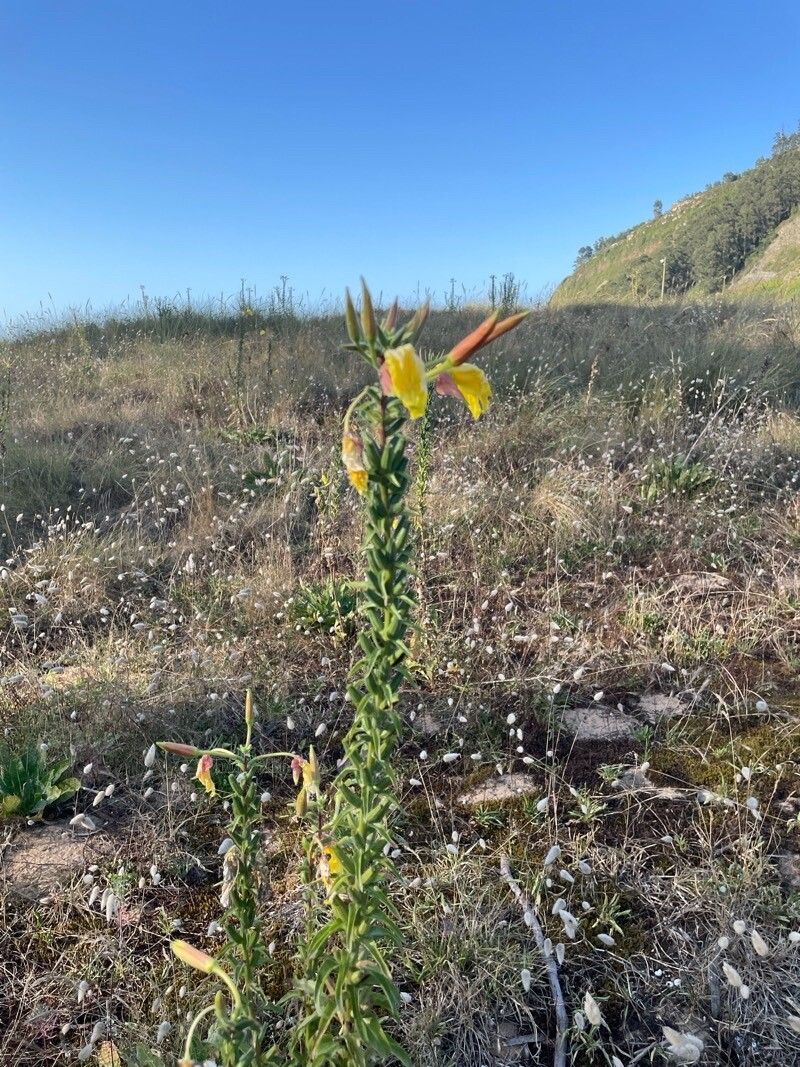
Oenothera albicaulis is a New World plant in the evening primrose family. It is known by the common names prairie evening-primrose, white-stem evening-primrose, whitish evening primrose, or whitest evening primrose.
Whitest Evening Primrose is fairly disease-resistant and typically not prone to illnesses. However, it can be affected by pests and diseases present in its environment. These problems are usually minor. In terms of care, the plant requires moderate maintenance. It should be pruned regularly to maintain a tidy appearance and healthy growth. Fertilizing can also help encourage flowering. Whitest Evening Primrose is suitable for anyone with outdoor space, such as a garden or patio, and does not demand extensive gardening experience. It may need more care if grown indoors.
How to keep Oenothera Albicaulis.
Light
Whitest Evening Primrose does best with steady daylight throughout the day, which helps it grow well. However, it does not require a specific level of light tolerance. Too little or too much light will not greatly affect the plant's health. Its natural habitat likewise receives abundant light each day.
Water
The Whitest Evening Primrose flourishes in semi-arid environments, needing only minimal water and requiring irrigation just once every 1-2 weeks. This drought-tolerant plant thrives in dry soil and makes efficient use of any sparse rainfall to sustain its flowering cycle, which makes it ideal for outdoor cultivation.
Temperature
Whitest Evening Primrose is native to habitats where temperatures range from 68 to 95 °F (20 to 35 ℃). For optimal growth, it needs an environment that can replicate that temperature range. Seasonal adjustments may be required to keep conditions within this range.
Fertilizer
When Whitest Evening Primrose has opened most of its blooms to full size, resume fertilizing. At peak bloom, apply fertilizer every three to four weeks, weather permitting. Then, once the plant begins producing fewer new blooms, stop fertilizing; there's no need to feed it when it can no longer produce additional blooms.
Pruning
The Whitest Evening Primrose is known for its attractive white flowers and hardy nature. To maintain its health and encourage new growth, prune the plant from early to late spring, removing any damaged stems. While light, regular trimming is beneficial, avoid heavy pruning as it can stress the plant. Pruning at this time aligns with post-winter growth, promoting better blooming.
Botanical profile.
- Plant Type
- Herb
- Life Cycle
- Annual, Biennial, Perennial
- Genus
- Oenothera
- Family
- Onagraceae
- Hardiness Zone
- 4-8
- Mature Height
- 15 cm to 30 cm
- Mature Spread
- 30 cm
- Leaf Color
- Green, Blue
- Leaf Type
- Semi-evergreen
- Flower Color
- White
- Flower Size
- 6.35 cm
- Bloom Time
- Late spring, Early summer, Mid summer
- Planting Time
- Spring, Autumn
- Harvest Time
- Summer
- Native Area
- Mexico
Other names.
Reader questions.
How should I water my Whitest Evening Primrose?
Watering Whitest Evening Primrose is easy and flexible. You can use a garden hose with a spray nozzle, a watering can, or any other common watering tool. This plant isn't picky and can thrive on rainwater, tap water, or filtered water. However, it's best to avoid watering from above as it can harm the leaves and flowers and potentially cause disease. Using a drip irrigation system is often the most effective method because it delivers water evenly and directly to the soil. For container-grown Whitest Evening Primrose, you can follow a similar approach but use a cup, watering can, or tap to water the soil directly.
Why should I put fertilizer on my Whitest Evening Primrose?
All plants need nutrients to grow, but some plants, like Whitest Evening Primrose, have the ability to obtain all the necessary nutrients without requiring additional fertilizers. Just like other plants, Whitest Evening Primrose uses nutrients to support its growth and internal processes. The main nutrients that plants need, such as nitrogen, phosphorus, and potassium, each have specific roles in supporting a plant's essential functions. In the case of foliage, nitrogen is particularly important. However, Whitest Evening Primrose can struggle to acquire enough nitrogen from the soil, which is why many gardeners choose to supplement its nitrogen levels by providing additional sources of this nutrient.
What are the sunlight requirements for Whitest Evening Primrose?
Whitest Evening Primrose requires full sun exposure, which means it should receive above 6 hours of sunlight daily. It can also thrive in partial sun, with about 3-6 hours of sunlight. Observing how sunlight moves through your garden is crucial to finding spots that provide the perfect balance of light and shade for your plants, ensuring their happiness.
What is the ideal temperature range for growing Whitest Evening Primrose?
Whitest Evening Primrose thrives in environments where temperatures range from 68 to 95 °F (20 to 35 °C). It is essential to provide an environment that can mimic this temperature range for optimum growth of the plant. Adjustments may need to be made seasonally to maintain this ideal temperature range, ensuring the plant can grow successfully.
What do I need to do if I give too much or too little water to my Whitest Evening Primrose?
To remedy underwatering Whitest Evening Primrose, simply water it more regularly when you notice it lacks moisture. Overwatering, on the other hand, can be more problematic. It can lead to diseases and the decline and death of the plant. The best way to prevent this is to choose a growing location with ample sunlight and good drainage. If you overwater a potted Whitest Evening Primrose, consider changing it to a new pot with proper drainage. When repotting, use loose soils and a pot that drains efficiently.
When should I fertilize my Whitest Evening Primrose for the best results?
To help Whitest Evening Primrose thrive, you can apply fertilizer every month during its active growth period in spring and summer, but not in fall and winter when it requires fewer nutrients. Look for signs of new growth to know when to begin fertilizing. Whether the plant is growing outdoors or indoors in a container, follow the same fertilization schedule. However, if your Whitest Evening Primrose is in a container, you may not need to fertilize for the first one to two months because the potting soil already contains sufficient nutrients. Begin fertilizing only after the plant has been in the same soil for a while.
What are the essentials for growing Whitest Evening Primrose?
The essentials for growing Whitest Evening Primrose include consistent luminosity throughout the day, contributing to its flourishing growth. The plant does not require specific light tolerance, as neither insufficient nor excessive exposure significantly impacts its health. Its natural environment also benefits from abundant daily light. For indoor plants, artificial lighting can be crucial, especially in winter or less sunny spaces. LED lights are popular, with full sun plants needing 30-50W/sq ft of artificial light, partial sun plants 20-30W/sq ft, and full shade plants 10-20W/sq ft. The right distance (12-36 inches above the plant) and duration (8-12 hours per day) of artificial light mimic natural sunlight conditions.
Does Whitest Evening Primrose require any special frost protection measures during winter?
Whitest Evening Primrose possesses strong cold resistance, so it usually does not require special frost protection measures during winter. However, if winter temperatures are expected to drop below -30°C, it becomes important to provide cold protection for the plant. This can be done by covering the plant with soil or straw to insulate it against the extreme cold. Moreover, before the first freeze in autumn, it's recommended to water the plant abundantly. This ensures that the soil remains moist and enters a frozen state, which helps in preventing drought and water scarcity for the plant during winter and early spring.
How frequently should I water my Whitest Evening Primrose?
To keep your Whitest Evening Primrose healthy, it's important to water it regularly but not excessively. In the spring, watering once a week is a good starting point. As the season progresses and the weather gets warmer, you may need to increase watering to two or three times a week. However, be cautious not to overwater your plant as it can be harmful. It's also important to keep the soil moist but not soggy, regardless of how frequently you water. If your Whitest Evening Primrose is in a pot, you'll generally have to water it more often because the soil in pots can dry out faster. In most cases, plan to water a potted Whitest Evening Primrose a few times a week compared to just once a week for a plant in the ground.
When should I not give fertilizer to my Whitest Evening Primrose?
To ensure the health of your Whitest Evening Primrose, avoid fertilizing it when it is not healthy, such as when it has a disease or insect pests. Additionally, refrain from fertilizing a dehydrated plant, as this will exacerbate the problem. It is best to only fertilize plants that are in good health. When watering, take care not to splash fertilizer onto the leaves or stem, as this can cause burned spots. If you do need to apply fertilizer directly to the plant, make sure to use a special fertilizer designed for foliage application.
What symptoms indicate light deficiency or excessive sunlight in Whitest Evening Primrose?
Symptoms of light deficiency in Whitest Evening Primrose include smaller new leaves, leggy or sparse growth, faster leaf drop, slower or no new growth, and lighter-colored new leaves. Excessive sunlight can cause chlorosis, sunscald, leaf curling, wilting, and leaf scorching. These symptoms can negatively affect the plant's ability to photosynthesize and maintain overall health.
What should I do if the temperature falls below -30°C and affects my Whitest Evening Primrose?
If the temperature falls below -30°C, Whitest Evening Primrose may not display immediate changes during winter, but there might be a decrease in sprouting or no sprouting at all during springtime. In such cases, the solution involves removing any parts of the plant that have failed to sprout in spring, allowing for healthy growth in the new season.