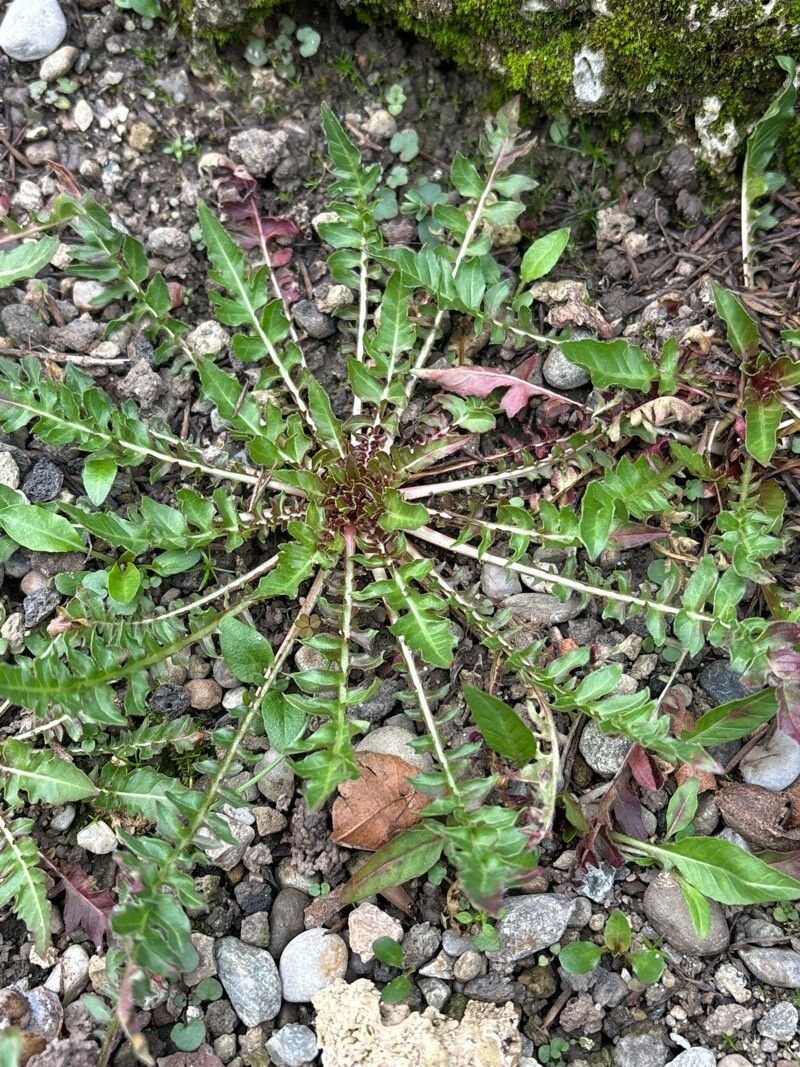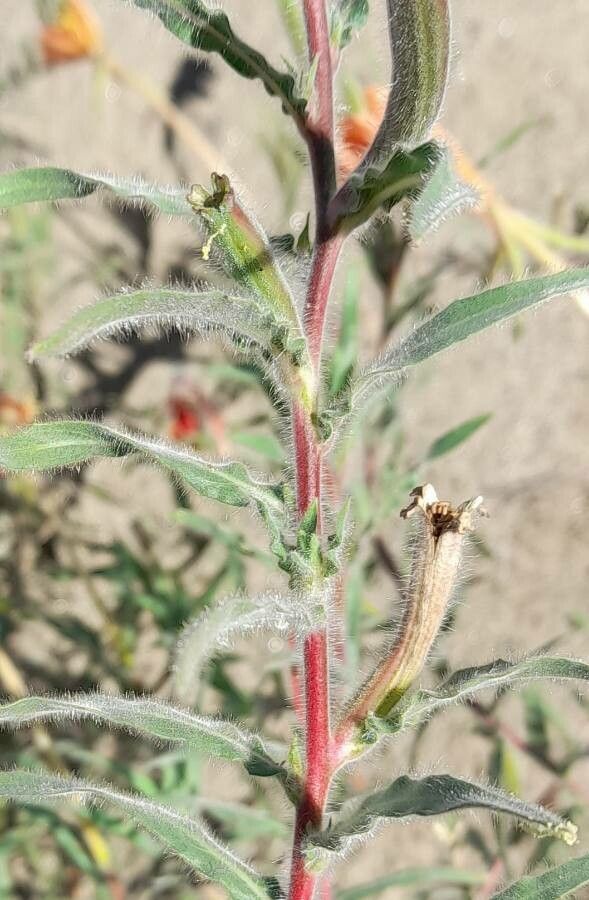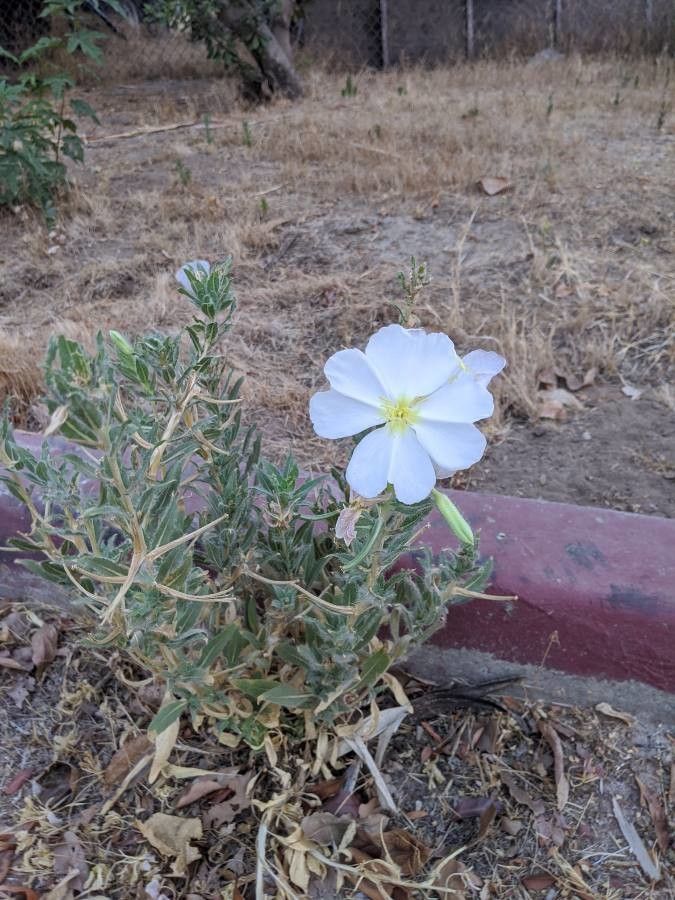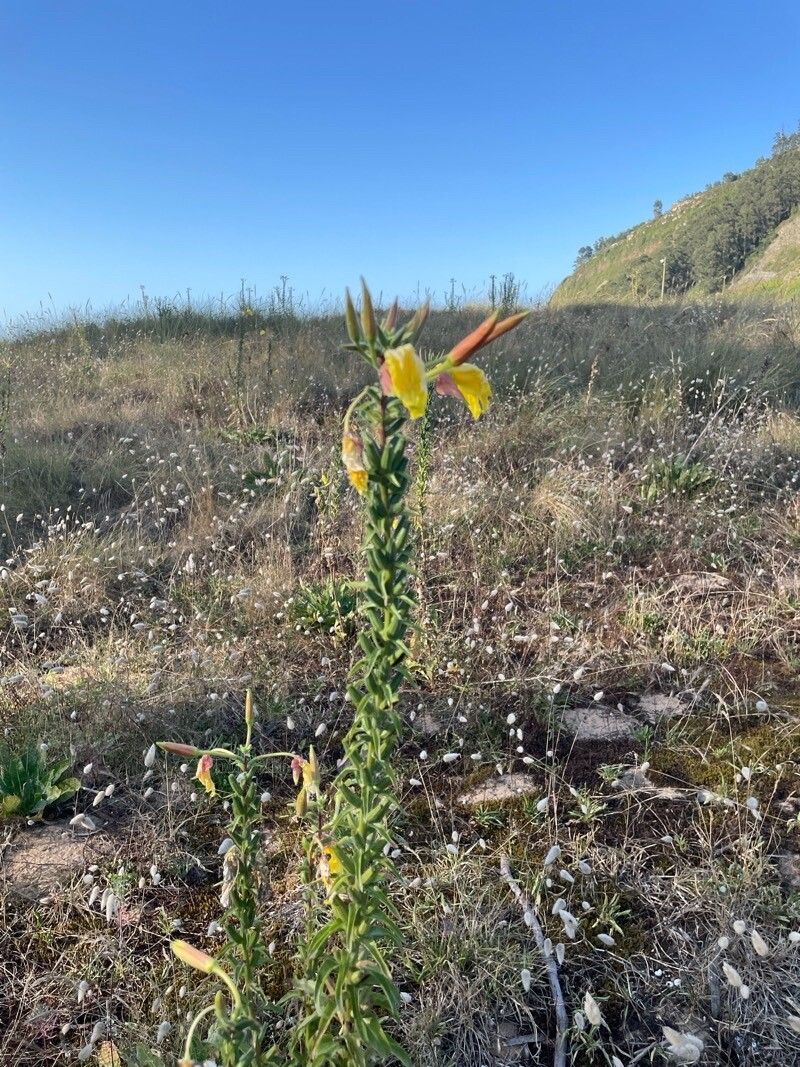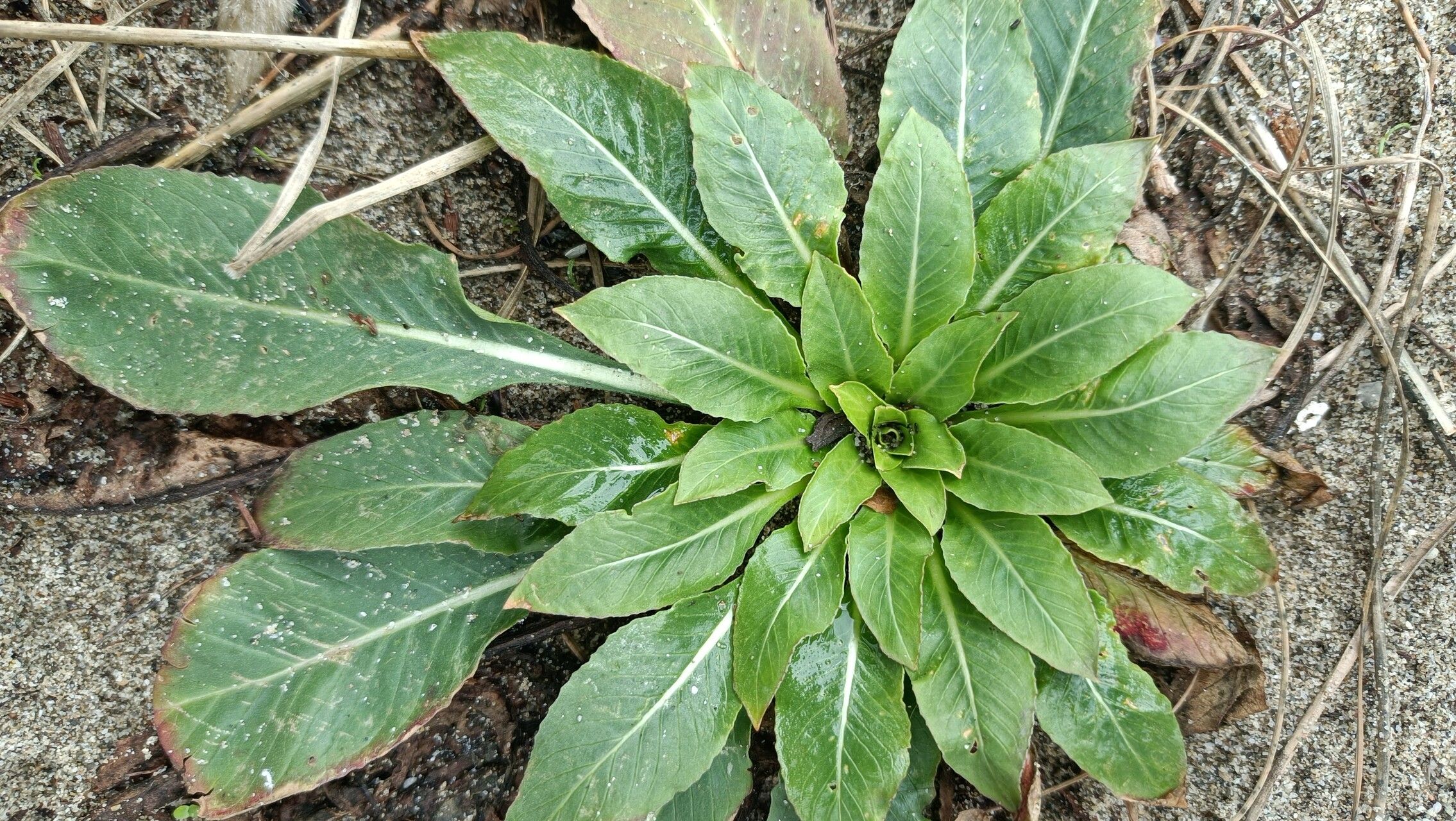
Oenothera argillicola, commonly known as the clay-loving evening primrose, is a perennial plant species within the Onagraceae family. Native to North America, it can be found in regions such as California, Nevada, and Arizona.
This plant typically grows to a height of 1 to 2 feet and spreads about 1 to 2 feet wide. It features lance-shaped, green leaves that can reach up to 4 inches in length. The bright yellow flowers, each with four petals, bloom from late spring through summer.
Oenothera argillicola thrives in well-drained soils with a high clay content but can also tolerate sandy soils. It prefers full sun for optimal growth but can adapt to partial shade as well.
Notably, this plant is recognized for its medicinal properties due to its high levels of gamma-linolenic acid (GLA), which has anti-inflammatory effects. GLA may help alleviate symptoms associated with conditions such as eczema, rheumatoid arthritis, and premenstrual syndrome (PMS).
Overall, Oenothera argillicola is a beautiful perennial plant that not only enhances aesthetic appeal but also offers medicinal benefits when used appropriately.
How to keep Oenothera Argillicola.
Water
The shale barren evening primrose is drought-tolerant and ideal for xeriscaping. To keep the plant healthy, it is important to avoid waterlogging. If you have it in a pot, water it deeply once a week. When planting outdoors, water deeply after planting in the spring, then water occasionally during the summer. Natural rainfall is usually sufficient for the remainder of the year.
Fertilizer
The shale barren evening primrose flourishes in poor soil and needs minimal fertilization. To encourage robust growth and abundant flowering, mix organic fertilizer and humus into the soil. Additionally, apply a liquid fertilizer rich in phosphorus and potassium every two weeks to boost blooming.
Pruning
The shale barren evening primrose flourishes in shale barrens and benefits greatly from early spring pruning. Essential techniques include removing damaged stems and thinning crowded areas to increase airflow and light. Regular pruning not only enhances flowering but also prevents disease, thereby improving the plant's overall appearance in the garden.
Botanical profile.
- Plant Type
- Herb
- Life Cycle
- Biennial
- Genus
- Oenothera
- Family
- Onagraceae
Other names.
Reader questions.
What are the sunlight requirements for Shale barren evening primrose?
The Shale barren evening primrose (Oenothera argillicola) thrives in conditions that match its natural habitat, requiring specific amounts of sunlight to grow healthy and strong. It needs full sun, which means it should receive above 6 hours of sunlight daily, to flourish. However, it can also tolerate partial sun - about 3-6 hours of sunlight per day. When selecting a location for your Shale barren evening primrose, observe the movement of sunlight across your garden throughout the day. Choose a spot that offers a harmonious balance of light and shade, ensuring the plant's well-being. This thoughtful consideration will help mimic the plant’s native conditions, promoting its growth and bloom.
What is Shale barren evening primrose?
Shale barren evening primrose is a plant known by its botanical name Oenothera argillicola. It does not have additional information provided regarding its essentials or symptoms.