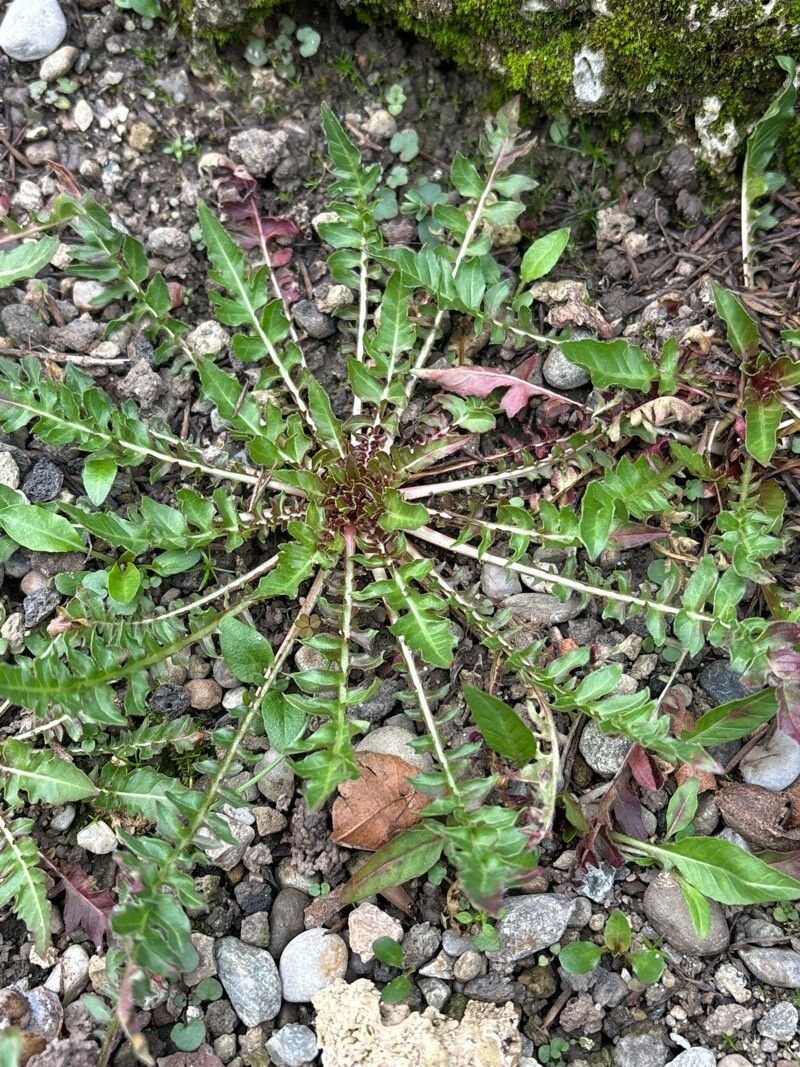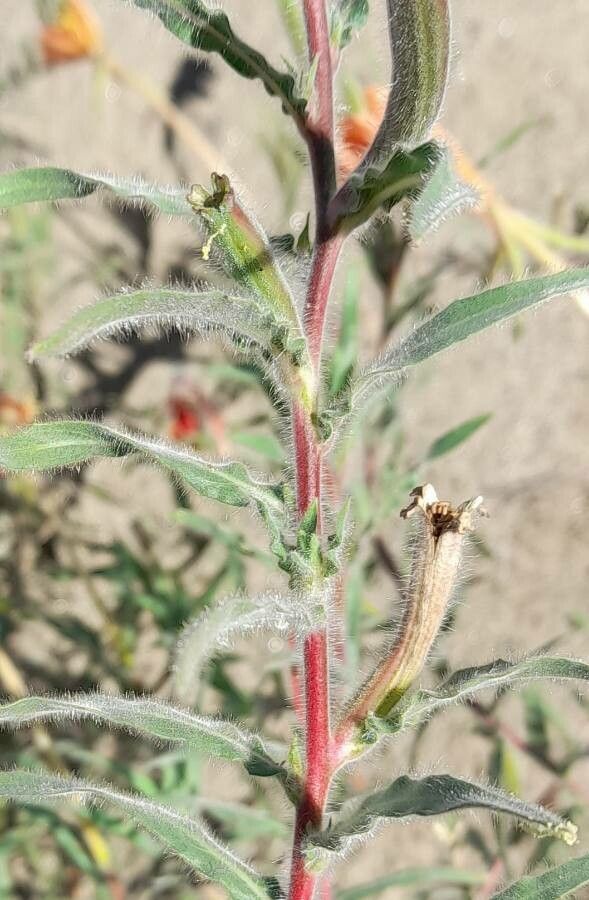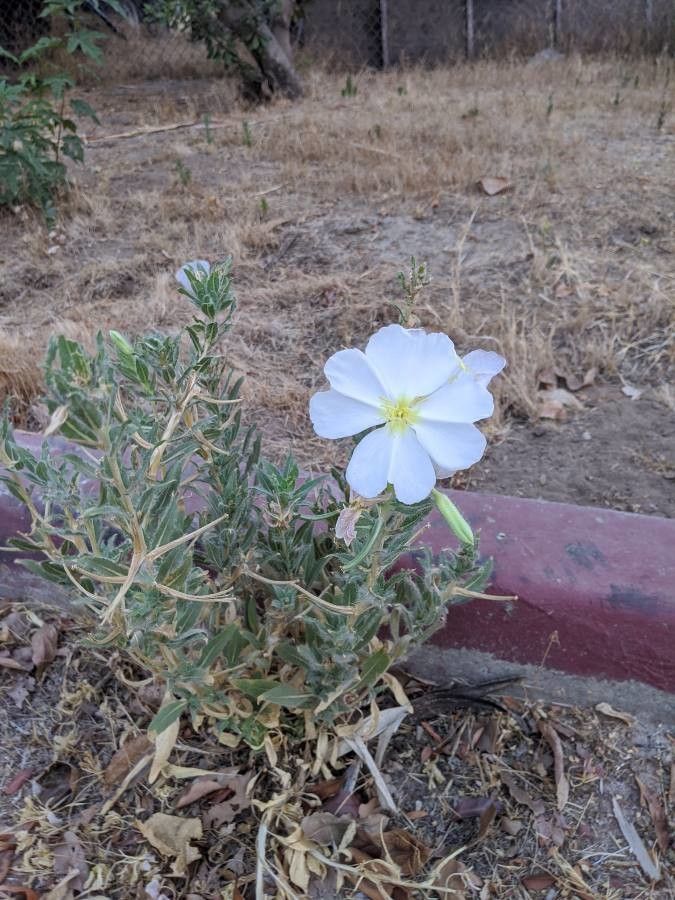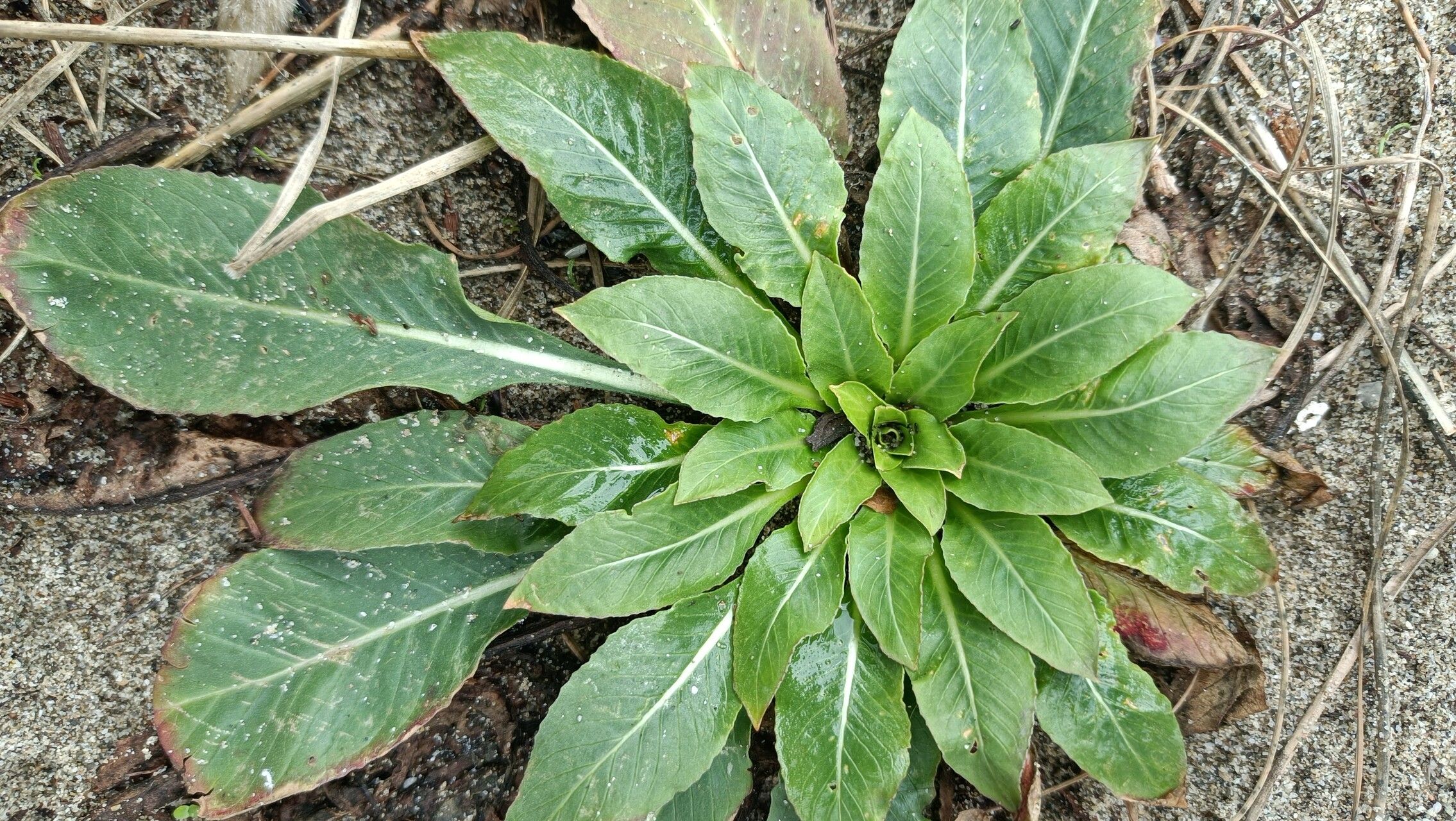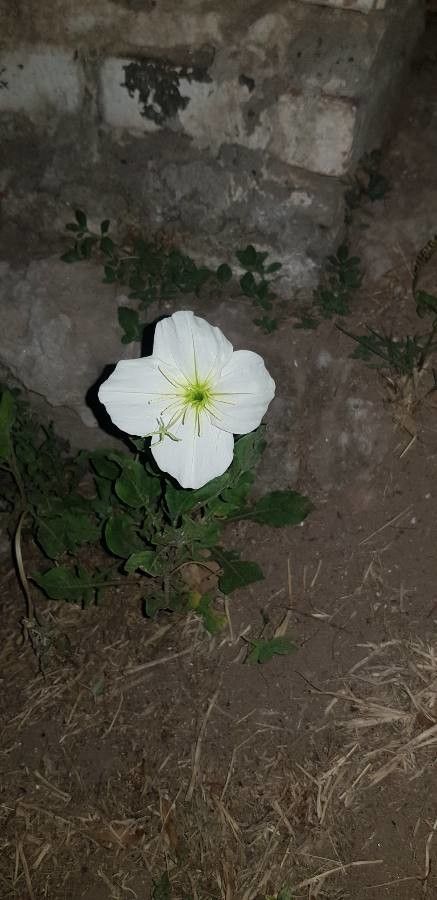
Oenothera tetraptera, known as fourwing evening primrose, is a species of flowering plant in the evening primrose family (Onagraceae) native to the Americas. It has widely naturalized in other areas, including southern Africa, Europe, Asia, and Oceania.Oenothera tetraptera was first formally named by Spanish botanist Antonio José Cavanilles in 1796. It is an annual or short-lived perennial herb growing 15–50 cm (0.5–1.6 ft) tall. The four-petaled, white flowers open around sunset. Each petal grows up to 3.8 cm (1.5 in) in length and the flowers change from white to pinkish purple as they age. The fruit is a hairy, obovoid capsule, 7–18 mm in length with wings 2–3 mm wide on the valves, for which the species was named.
Fourwing evening primrose is fairly disease-resistant and generally not prone to illness. However, it can be vulnerable to pests and diseases present in its environment. Such infections are usually mild. Regarding care, this plant needs moderate maintenance. It requires regular pruning to maintain an attractive appearance and healthy growth. Fertilizing can also help encourage flowering. Fourwing evening primrose is suitable for anyone with outdoor space, such as a garden or patio, and does not demand extensive plant-care experience. It may need more attention when grown indoors.
How to keep Oenothera Tetraptera.
Light
Fourwing evening primrose prefers full sun for vigorous growth. It can, however, tolerate partial sunlight. Its natural habitat reflects this preference, although no particular region can be named. Too much or too little light can negatively affect the plant's health.
Water
The fourwing evening primrose is well adapted to arid conditions and does best with moderate watering once a week. It prefers well-draining soil to avoid root rot. Its growth significantly increases during the rainy season, highlighting its natural relationship with precipitation cycles.
Temperature
Fourwing evening primrose can adjust to a wide range of temperatures, but its distribution may still be restricted by different combinations of moisture and heat. It does best in warm summers with sufficient rainfall or watering. Extended periods of cloudy, rainy weather or sustained high temperatures raise the likelihood of Fourwing evening primrose dying. In winter, adequate protection from cold can enhance the plant's survival rate.
Fertilizer
When most of the Fourwing evening primrose blooms have opened to full size, resume fertilizing. At the height of bloom production, apply fertilizer again every three to four weeks, as weather allows. Then, once the Fourwing evening primrose begins producing fewer new blooms, cease fertilizing; there is no need to feed the plant when it can no longer produce additional blooms.
Pruning
The Fourwing Evening Primrose is known for its vibrant yellow flowers and its ability to thrive in a variety of environments. For optimal growth, prune the plant from early to late spring by removing any dead stems. This encourages new growth and improves air circulation. In addition, trimming spent blooms can extend the flowering period and prevent the plant from self-seeding. Cutting back any leggy growth will also help maintain a more compact shape.
Botanical profile.
- Plant Type
- Herb
- Life Cycle
- Annual
- Genus
- Oenothera
- Family
- Onagraceae
- Hardiness Zone
- 7-12
- Mature Height
- 91 cm
- Mature Spread
- 49 cm
- Leaf Color
- Green, Dark Green
- Leaf Type
- Semi-evergreen
- Flower Color
- White
- Flower Size
- 5.08 cm to 7.62 cm
- Bloom Time
- Late spring, Summer, Early fall
- Planting Time
- Spring, Summer, Autumn
- Harvest Time
- Mid summer, Late summer, Fall
- Native Area
- Colombia, Honduras, Mexico, Guatemala, Bolivia, Venezuela, Peru, Ecuador, Costa Rica
Other names.
Reader questions.
What are the sunlight requirements for Fourwing evening primrose?
Fourwing evening primrose thrives in full sun, requiring above 6 hours of sunlight daily for robust growth, but can also withstand partial sun exposure of about 3-6 hours. Originating from a habitat that favors maximum solar exposure, the plant's health may be negatively affected by either excessive or insufficient light. It's crucial to observe how sunlight moves through your garden and select locations that offer an optimal balance of light and shade to ensure the plants' well-being.
What is the Fourwing evening primrose?
The Fourwing evening primrose, known scientifically as Oenothera tetraptera, is a plant species recognized for its distinct characteristics. Unfortunately, there are no further details provided about its essentials, such as care, growing conditions, or its additional attributes. Similarly, information about any specific symptoms related to this plant, possibly in the context of plant diseases or care issues, was not included in the provided data.
How can artificial lighting support Fourwing evening primrose indoors?
When natural sunlight is insufficient, especially during winter or in less sunny spaces, artificial lighting becomes essential for the growth of indoor plants like Fourwing evening primrose. LED lights are recommended because they can be customized to provide specific wavelengths needed by the plants. For full sun plants, 30-50W/sq ft is required; partial sun plants need 20-30W/sq ft, while full shade plants should get 10-20W/sq ft. The artificial light source should be placed 12-36 inches above the plant, mimicking the natural daylight hours specific to the plant species, which is typically 8-12 hours per day.
What are the signs of inadequate lighting for Fourwing evening primrose?
Fourwing evening primrose shows several symptoms when grown under inadequate lighting conditions. Indoors, it may exhibit smaller new leaves, leggy or sparse growth, faster leaf dropping, and a halt in new growth signifying survival mode due to poor light. Additionally, lighter-colored new leaves or chlorosis, indicating a lack of chlorophyll and essential nutrients, can occur alongside sunscald, leaf curling, wilting, and leaf scorching from extreme sunlight exposure.
What solutions can help improve the lighting for Fourwing evening primrose?
To improve lighting for Fourwing evening primrose, gradually move plants to sunnier locations, aiming for at least 6 hours of direct sunlight daily. Indoors, keep plants near south-facing windows with curtains open during the day or use artificial lights like desk lamps or professional grow lights for at least 8 hours daily. Outdoors, move plants to better spots gradually to avoid sunburn. If physical obstructions block sunlight, consider pruning or transplanting to sunnier areas with good drainage, especially during plants' dormant periods.