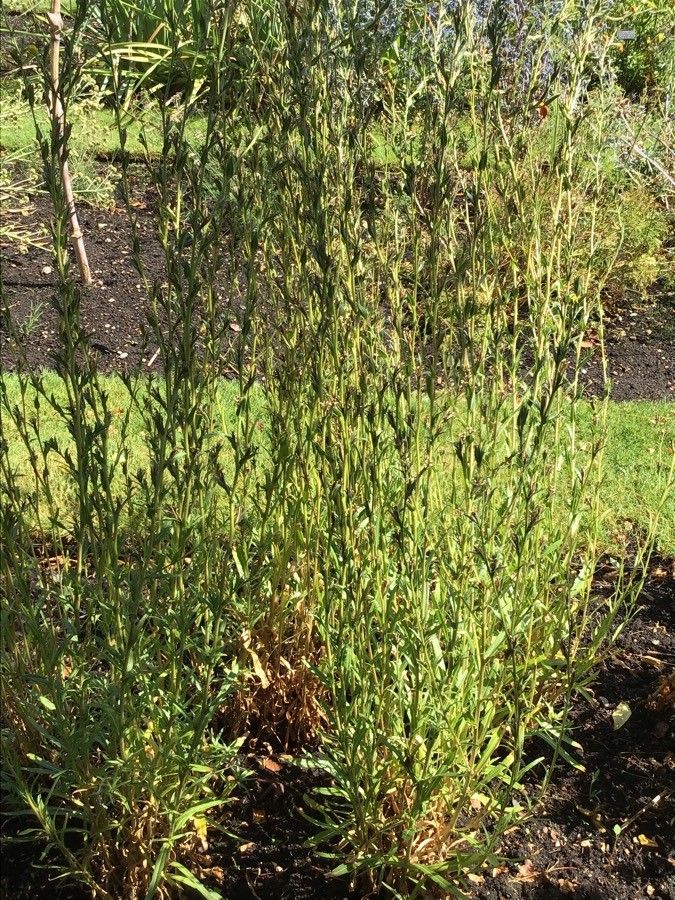
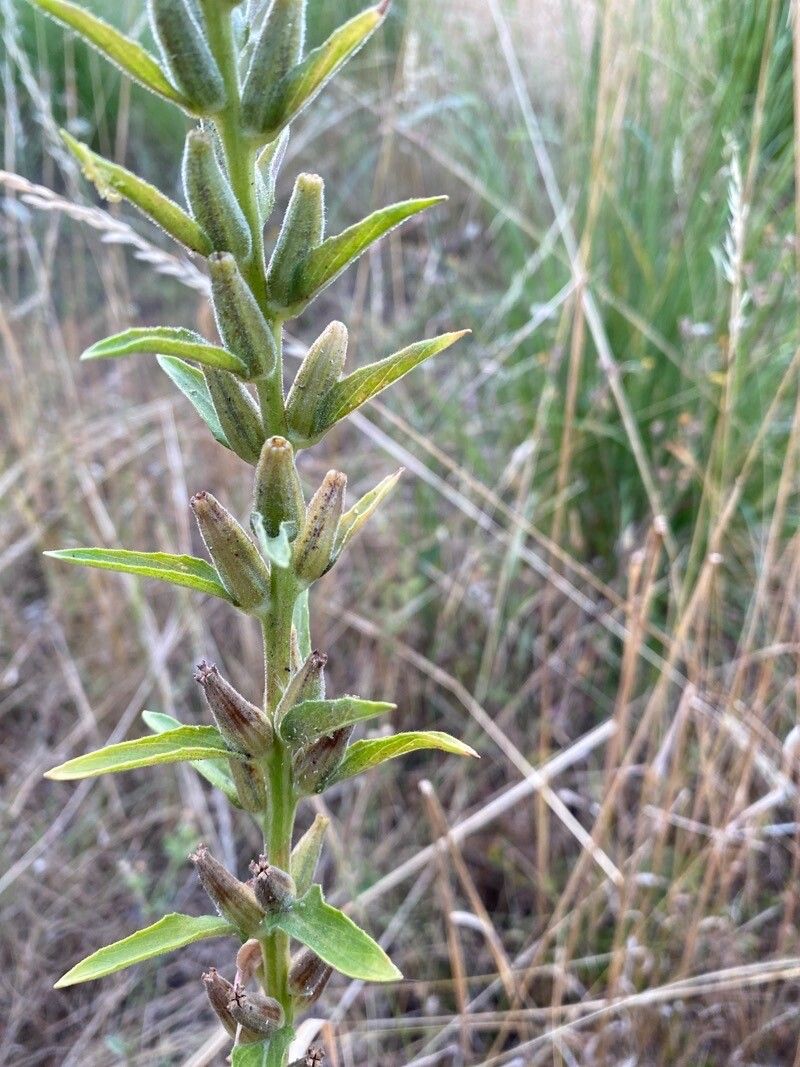
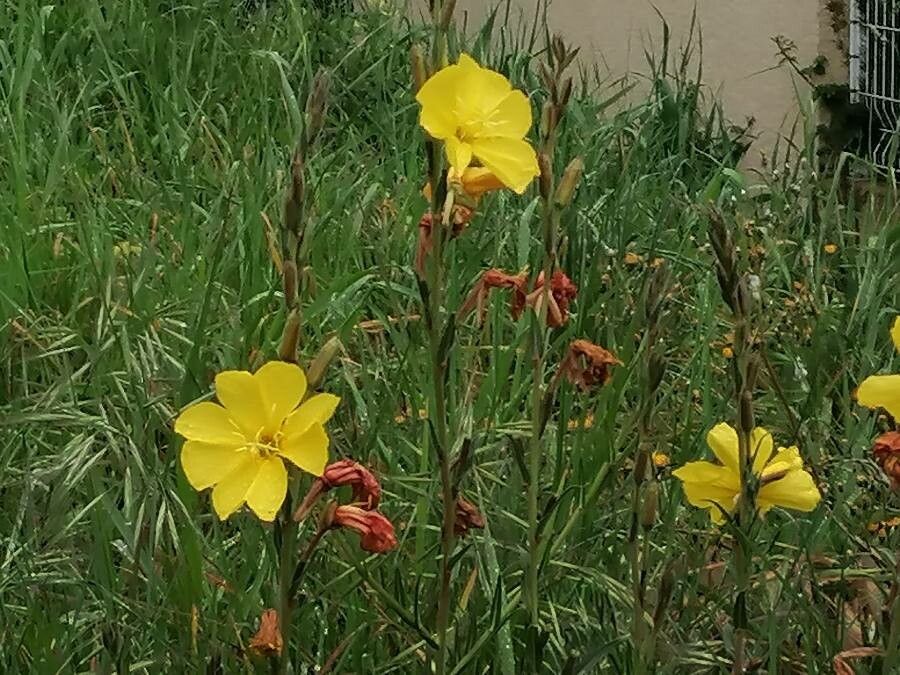
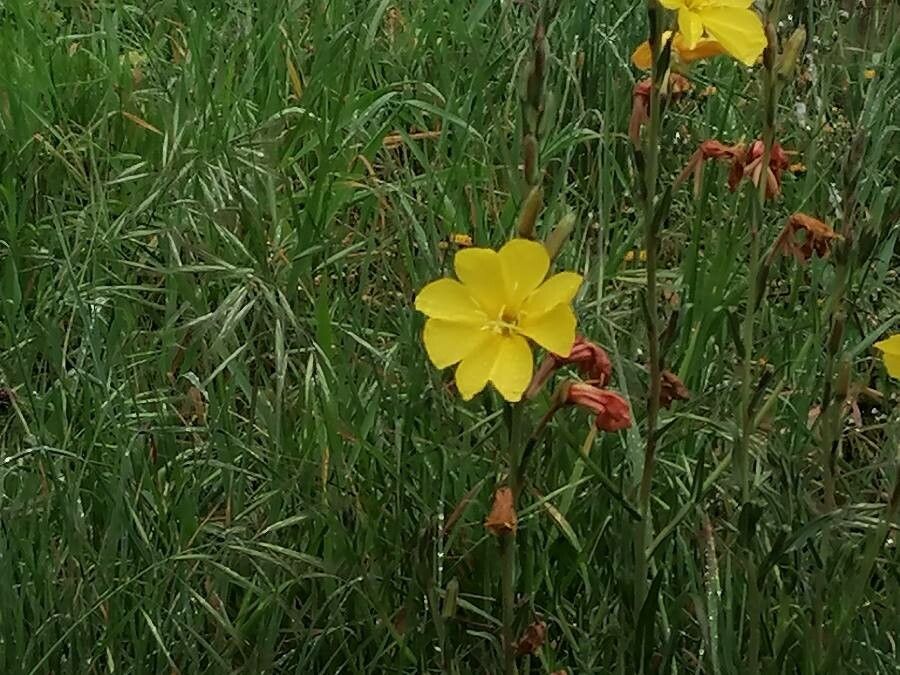
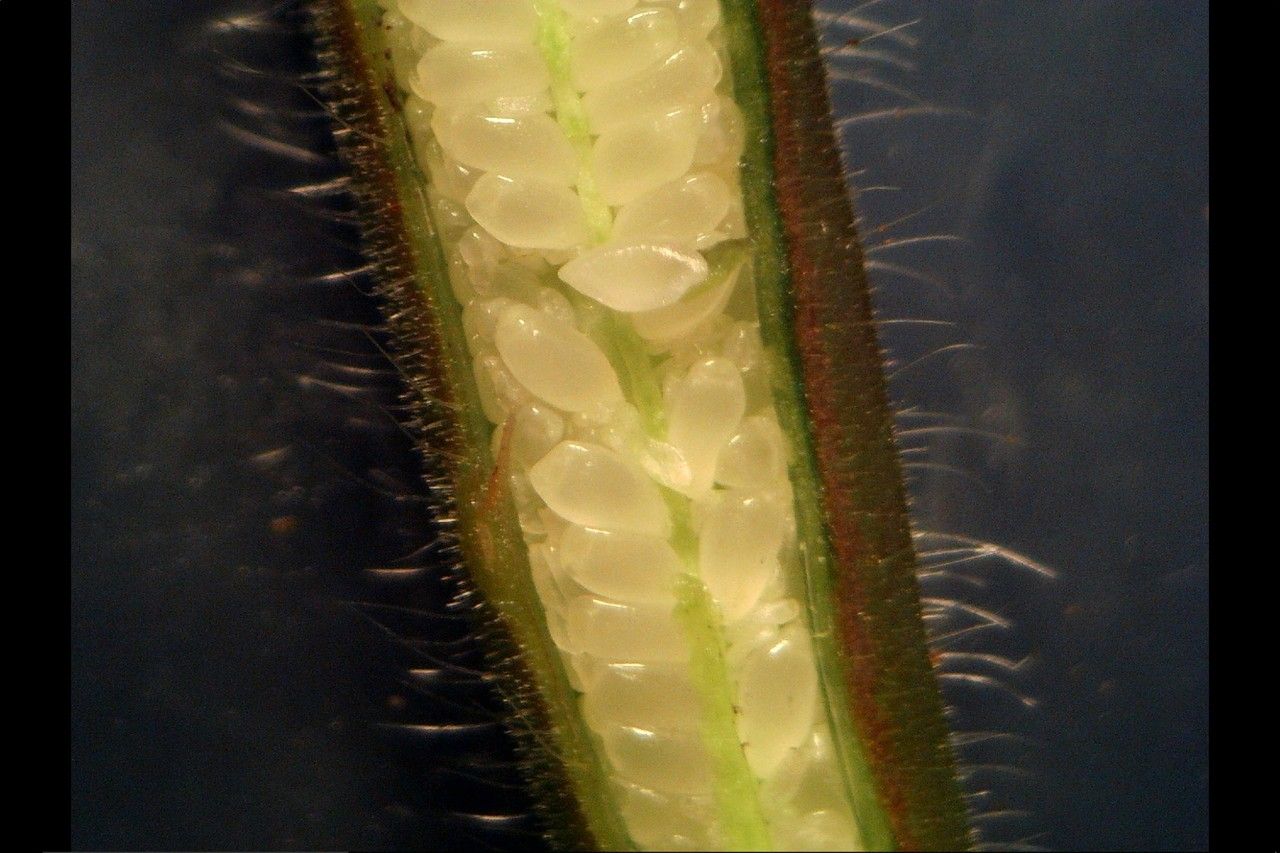
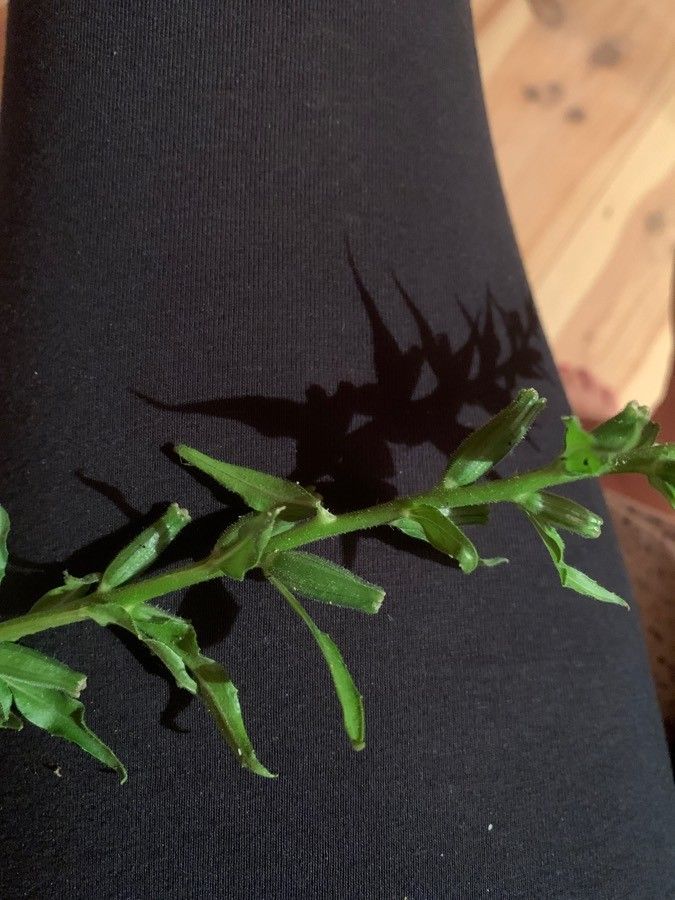
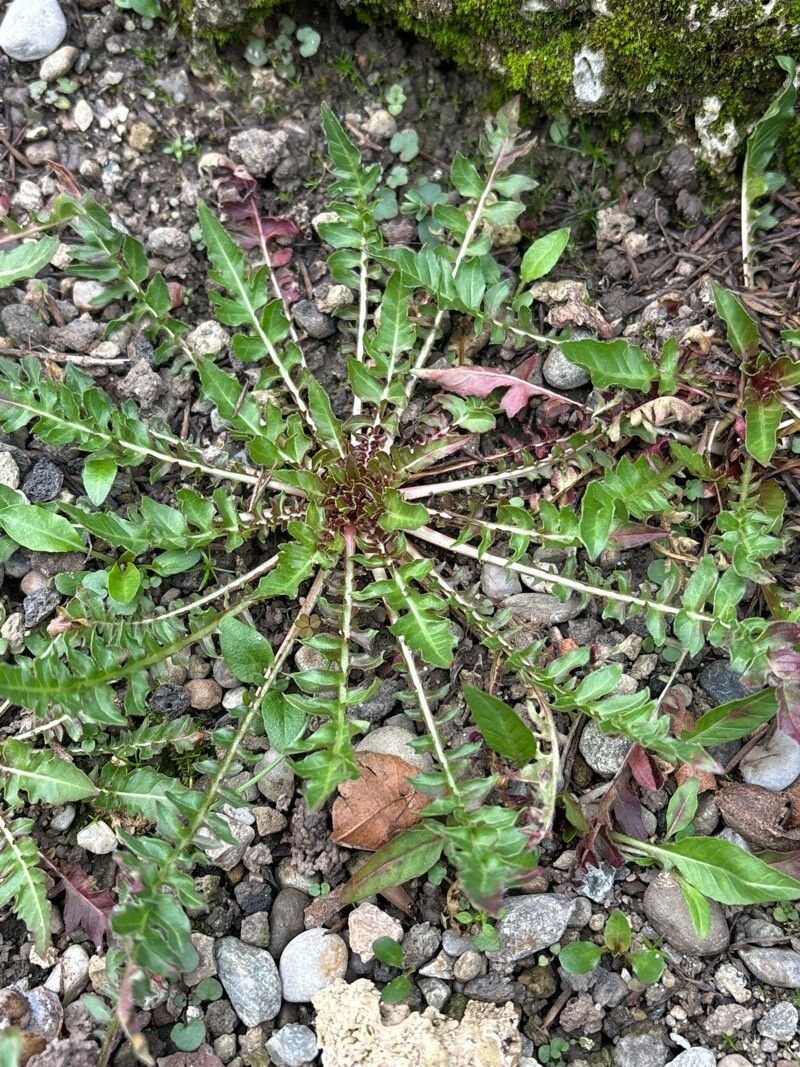
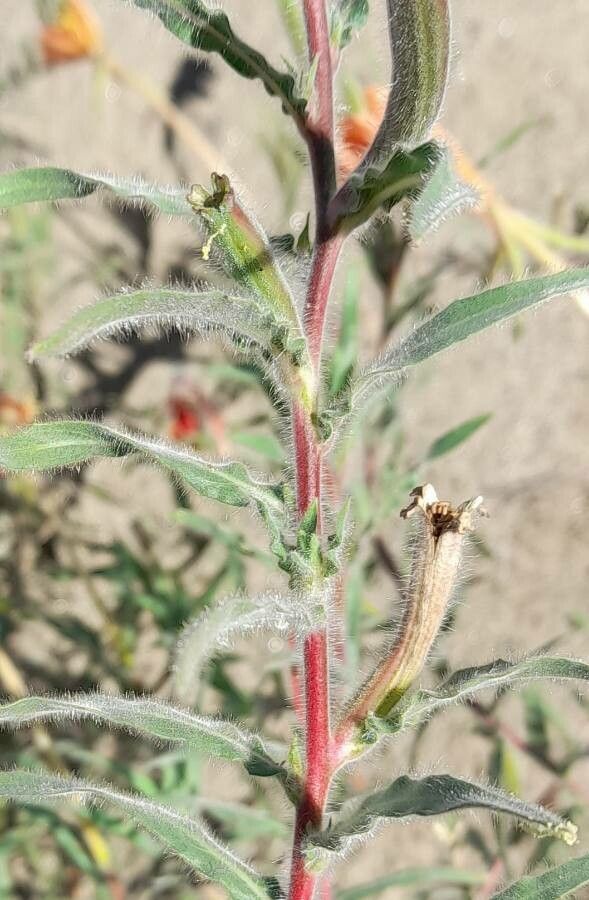
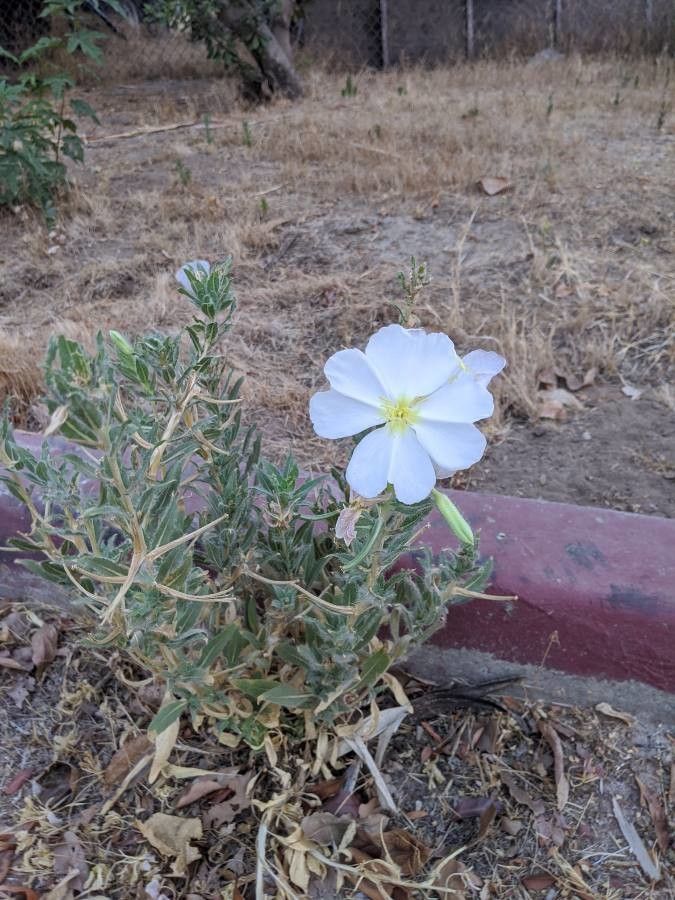
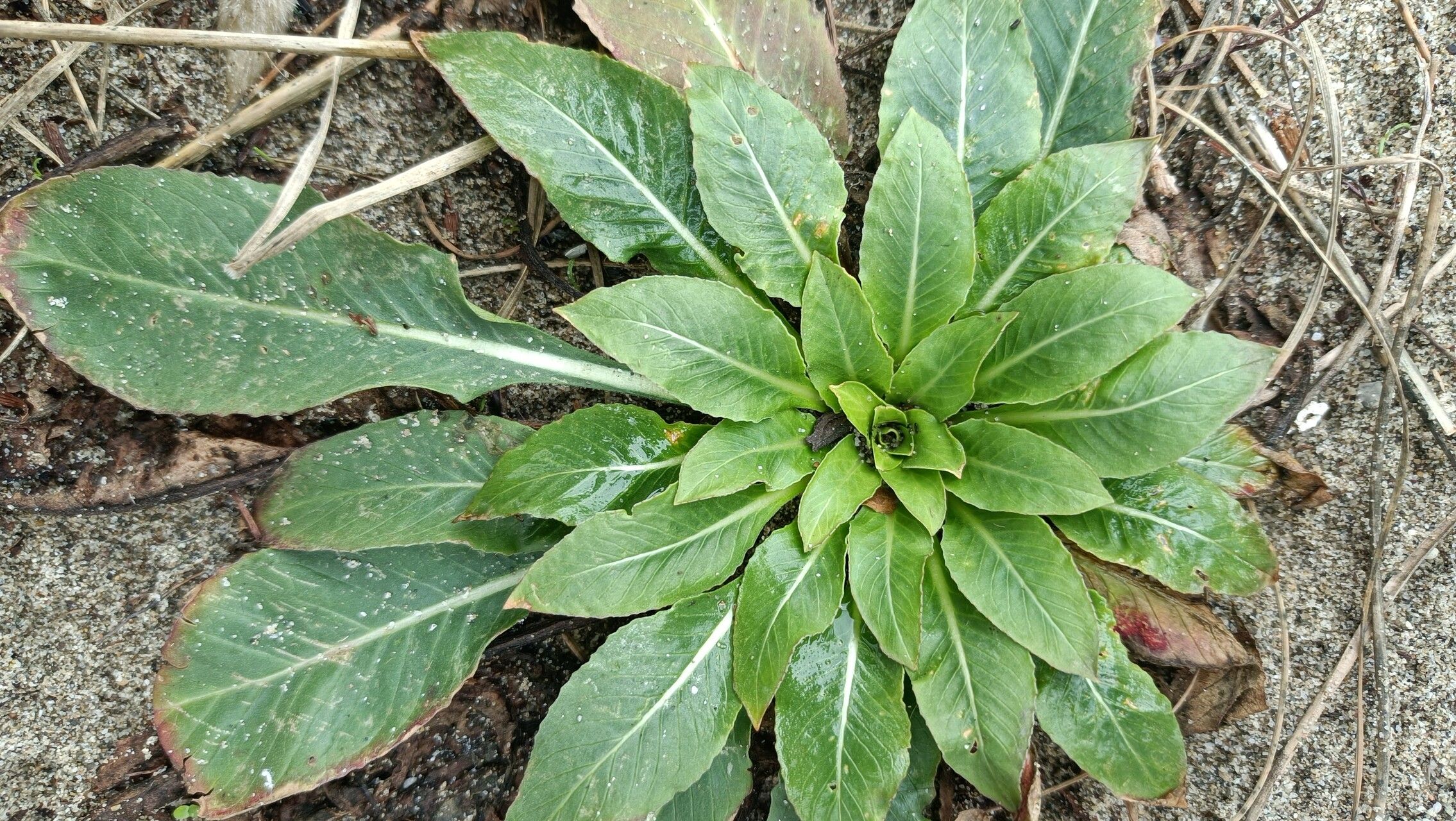
Oenothera stricta, commonly known as the erect evening primrose, is a flowering plant in the Onagraceae family. Native to North America, it thrives in various habitats, including prairies, meadows, and open woods. Typically growing 1 to 3 feet tall, the plant features a slender stem with lance-shaped leaves arranged alternately.
The bright yellow flowers of Oenothera stricta have four petals that open in the evening and close during the day. These blooms appear from June to September and attract a variety of pollinators, such as bees, butterflies, moths, and hummingbirds.
Historically, Native Americans have used the plant for medicinal purposes. The roots were employed to treat stomach ailments, while the leaves aided in healing wounds.
Oenothera stricta is also known for its adaptability, capable of thriving in disturbed areas like roadsides and abandoned fields due to its rapid growth. However, it can become invasive if not properly managed.
Overall, Oenothera stricta is a beautiful flowering plant with medicinal properties. It plays an important role in North American ecosystems and is adaptable enough to flourish even in less-than-ideal conditions.
Fragrant evening-primrose is fairly disease-resistant and generally does not suffer from many illnesses. However, it can be vulnerable to pests and diseases present in its environment. These problems are typically mild. In terms of care, this plant needs moderate maintenance. It should be pruned on a regular basis to preserve a neat appearance and support healthy growth. Fertilizing can also encourage flowering. Fragrant evening-primrose is appropriate for anyone with outdoor space, such as a garden or patio, and does not demand extensive gardening experience. It may need more attention if grown indoors.
How to keep Oenothera Stricta.
Light
Fragrant evening-primrose does best in places that receive strong sunlight for most of the day. Without sufficient sun, its health may suffer. In its natural environment this plant is accustomed to full, unobstructed sun. Although it is not tolerant of low light, extended periods of intense sun can also harm its well-being.
Water
The fragrant evening-primrose flourishes in environments with moderate moisture. It prefers deep, infrequent watering, ideally about once a week. This plant balances its drought resistance with occasional moisture needs, making it well-suited for xeriscaping and reflecting its natural ability to conserve water.
Temperature
Fragrant evening-primrose is native to areas where temperatures range from 68 to 100 °F (20 to 38 ℃). It has a pronounced preference for those climates. Seasonal adjustments may be necessary to satisfy these temperature requirements, reflecting the conditions of its native habitat.
Fertilizer
When most of Fragrant evening-primrose’s blooms have opened to full size, it’s time to resume fertilizing. Around the period when blooms are at peak output, begin feeding it again every three to four weeks, weather permitting. Then, once Fragrant evening-primrose starts producing fewer new blooms, stop fertilizing; there’s no need to apply fertilizer when the plant can’t produce any more blooms.
Pruning
Fragrant evening-primrose is a herbaceous perennial known for its yellow blooms and sweet scent. To promote healthy growth and extended blooming, prune the plant from early to late spring to remove dead stems and spent flowers. Use sanitized tools to prevent disease and encourage robust flowering. Be careful to avoid heavy pruning, as this could disrupt the plant's natural shape.
Botanical profile.
- Plant Type
- Herb
- Life Cycle
- Annual, Biennial, Perennial
- Genus
- Oenothera
- Family
- Onagraceae
- Hardiness Zone
- 9-11
- Mature Height
- 30 cm to 91 cm
- Mature Spread
- 10 cm to 49 cm
- Leaf Color
- Green, Blue, Bronze
- Leaf Type
- Deciduous
- Flower Color
- Yellow
- Flower Size
- 1.27 cm to 2.29 cm
- Bloom Time
- Summer, Early fall, Mid fall
- Planting Time
- Spring
- Harvest Time
- Late summer, Fall, Early winter
Other names.
Reader questions.
How should I water my Fragrant evening-primrose plant?
There are different ways to water Fragrant evening-primrose, such as using a garden hose, watering can, or any common watering tool. This plant is not too particular about the type of water it receives, whether it's rainwater, tap water, or filtered water. It's best to avoid watering from overhead as this can harm the leaves and flowers and potentially cause disease. A drip irrigation system is often recommended for watering Fragrant evening-primrose, as it provides even and direct watering to the soil. If you have a container-grown plant, you can use a cup, watering can, or tap to water it directly into the soil.
Why should I put fertilizer on my Fragrant evening-primrose?
All plants need nutrients to grow, but some types can obtain them without requiring additional fertilizers. Fragrant evening-primrose is one such plant that needs nutrients for growth and internal processes. The main nutrients that plants use, such as nitrogen, phosphorus, and potassium, serve essential functions in supporting plant growth. In the case of foliage, nitrogen is the most important nutrient. However, Fragrant evening-primrose may struggle to obtain sufficient nitrogen from the soil alone. This is why many gardeners choose to provide additional nitrogen through feeding.
How much sunlight does Fragrant evening-primrose need each day to grow well?
To ensure the well-being of the plants, it is important to provide them with 6 to 8 hours of sunlight per day. Particularly during the summer, they thrive with increased exposure to morning light. The Fragrant evening-primrose, in particular, requires ample sunlight to thrive. When these species receive sufficient light, their ability to produce food, display stunning blooms, and survive increases.
What is the ideal temperature range for Fragrant evening-primrose?
Fragrant evening-primrose thrives in environments where temperatures range from 68 to 100 °F (20 to 38 °C). It is extremely heat-loving and requires conditions that reflect its native habitat's climate. It's important to make seasonal adjustments to maintain these temperature demands. During the colder months, it is advisable to bring the plant indoors and place it near a bright window, keeping it at a certain distance from heaters to avoid cold damage. Maintaining temperatures above 20°C during winter is beneficial for the plant's growth, as any temperatures nearing 0°C can be detrimental.
What should I do if I give too much or too little water to my Fragrant evening-primrose?
To remedy underwatering for Fragrant evening-primrose, simply water the plant more regularly when you notice it lacks moisture. Overwatering, on the other hand, can be a more serious issue if not detected early. Overwatered plants are at risk of contracting diseases that can cause decline and death. To prevent this, choose a location with sufficient sunlight to help dry the soil and ensure good drainage to prevent waterlogging. If your potted Fragrant evening-primrose is overwatered, consider switching it to a pot with better drainage and loose soil when repotting.
When should I fertilize my Fragrant evening-primrose plant?
Fragrant evening-primrose generally grows well, but it benefits from monthly fertilization during its active growth period in spring and summer. During fall and winter, when the plant is less active, fertilization is not necessary. Look for new growth as a signal to start fertilizing. Whether grown outside or in a container, the fertilization schedule remains the same. However, for container plants, there may be no need to fertilize for the first one to two months. This is because the potting soil usually contains enough nutrients. Only start fertilizing after the plant has been in the same soil for a while.
What kind of sunlight does Fragrant evening-primrose need?
To ensure successful growth of the Fragrant evening-primrose, it is important to provide full sunlight. Avoid overcrowding plants, as this hinders even sun exposure. Additionally, the leaves should not be deprived of sunlight. If planting in pots, place the herbaceous flowers in windows with direct sun and ensure they receive full sunlight year-round. Partial or filtered light should be avoided as it may result in weak stems and unhealthy flowers. Overall, it is best to always expose the Fragrant evening-primrose to the sun.
How should I care for Fragrant evening-primrose in low temperatures?
Fragrant evening-primrose is not tolerant of low temperatures and thrives best when the temperature is above 20°C, requiring it to be kept above 0°C during winter. Exposure to temperatures below -5°C can cause the leaves to lighten in color and, following frost damage, to turn brown or black. Symptoms may include wilting and drooping. If your Fragrant evening-primrose suffers from frost damage, you should trim off the frost-damaged parts and move the plant indoors to a warm spot, preferably near a south-facing window, to ensure it gets enough sunlight. Avoid placing the plant near heaters or air conditioning vents to prevent excessive dryness in the air.
How frequently should I give water to my Fragrant evening-primrose plant?
To keep your Fragrant evening-primrose healthy, follow these watering guidelines throughout the growing season. In spring, water it once a week. As the weather gets warmer, increase your watering rate to about two to three times per week, but avoid exceeding this frequency as it can harm the plant. Regardless of how often you water, make sure the soil remains moist but not wet for your Fragrant evening-primrose. If your Fragrant evening-primrose is in a pot, you'll need to water it more often compared to ground soil. Generally, plan to water a container-grown Fragrant evening-primrose a few times per week, as the soil in pots can heat up and dry out faster.
When is it best not to put fertilizer on my Fragrant evening-primrose?
To ensure proper plant health, avoid fertilizing a Fragrant evening-primrose that is not in good condition, such as if it is diseased or infested with insects. Additionally, refrain from fertilizing a dehydrated plant as it could exacerbate the issue. Only apply fertilizer to healthy plants. Avoid splashing fertilizer onto the leaves or stem of the plant when watering, as this can cause burn marks. Take care to prevent direct contact between the fertilizer and the plant, unless you are using a specific foliage fertilizer.
Can sunlight harm plants? How can I protect Fragrant evening-primrose from damage caused by the sun and heat?
When the temperature exceeds 90℉(32℃), the Fragrant evening-primrose can suffer damage, particularly if exposed to hours of direct sunlight. It is advisable to provide some shade in the afternoon during the summer, as sunlight is stronger and lasts 50% longer during this season compared to winter. If the Fragrant evening-primrose becomes overly stressed by sunlight, ensure they are well-hydrated by watering them when the top of the soil is about 2 inches dry. If it is too hot outside, consider moving potted plants indoors. It is normal for the plant leaves to wilt during the day, with recovery typically occurring at night. However, if the Fragrant evening-primrose continues to droop, it indicates rapid water loss and necessitates watering.
What should I do if my Fragrant evening-primrose experiences high temperatures?
During the summer, it's crucial to keep Fragrant evening-primrose below 38°C. Exposure to temperatures exceeding 43°C may cause the leaves to lighten in color and increase the risk of sunburn. To care for a plant that has been subjected to high temperatures, trim away the sunburned and dried-up parts. Then move the plant to a shaded location that protects it from the midday and afternoon sun. It's advisable to water the plant in the morning and evening to keep the soil consistently moist, helping to mitigate the effects of excessive heat.