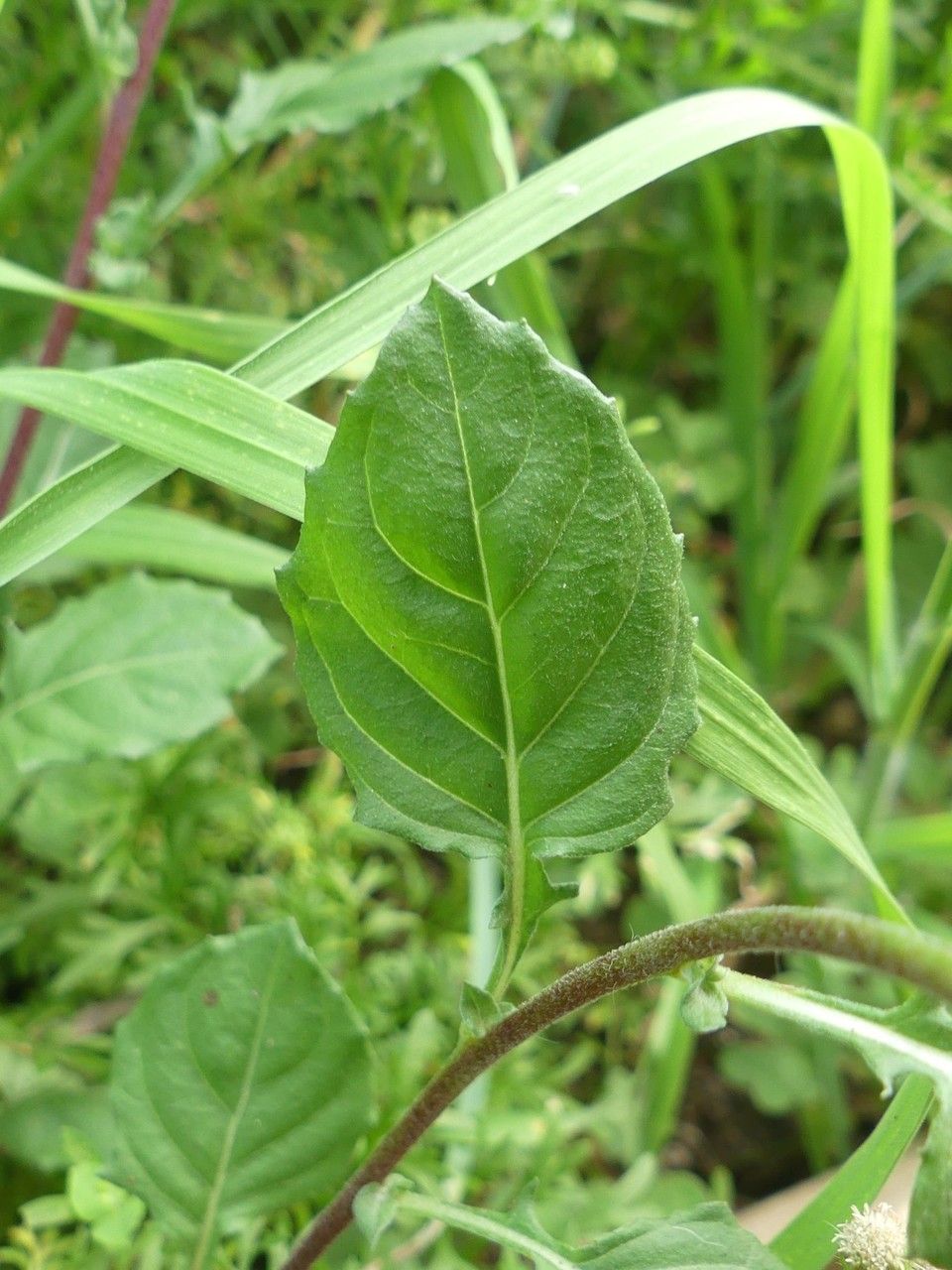
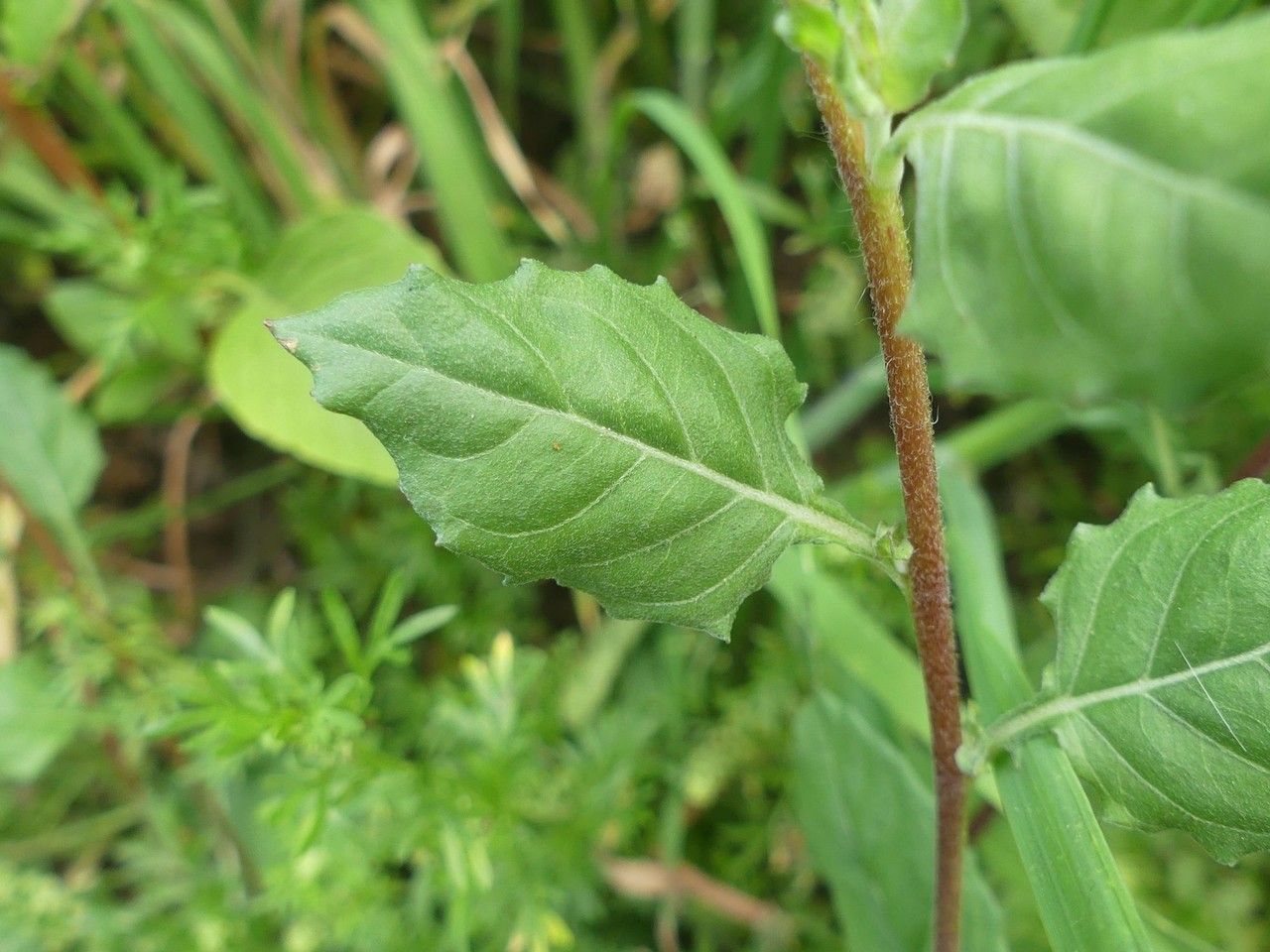
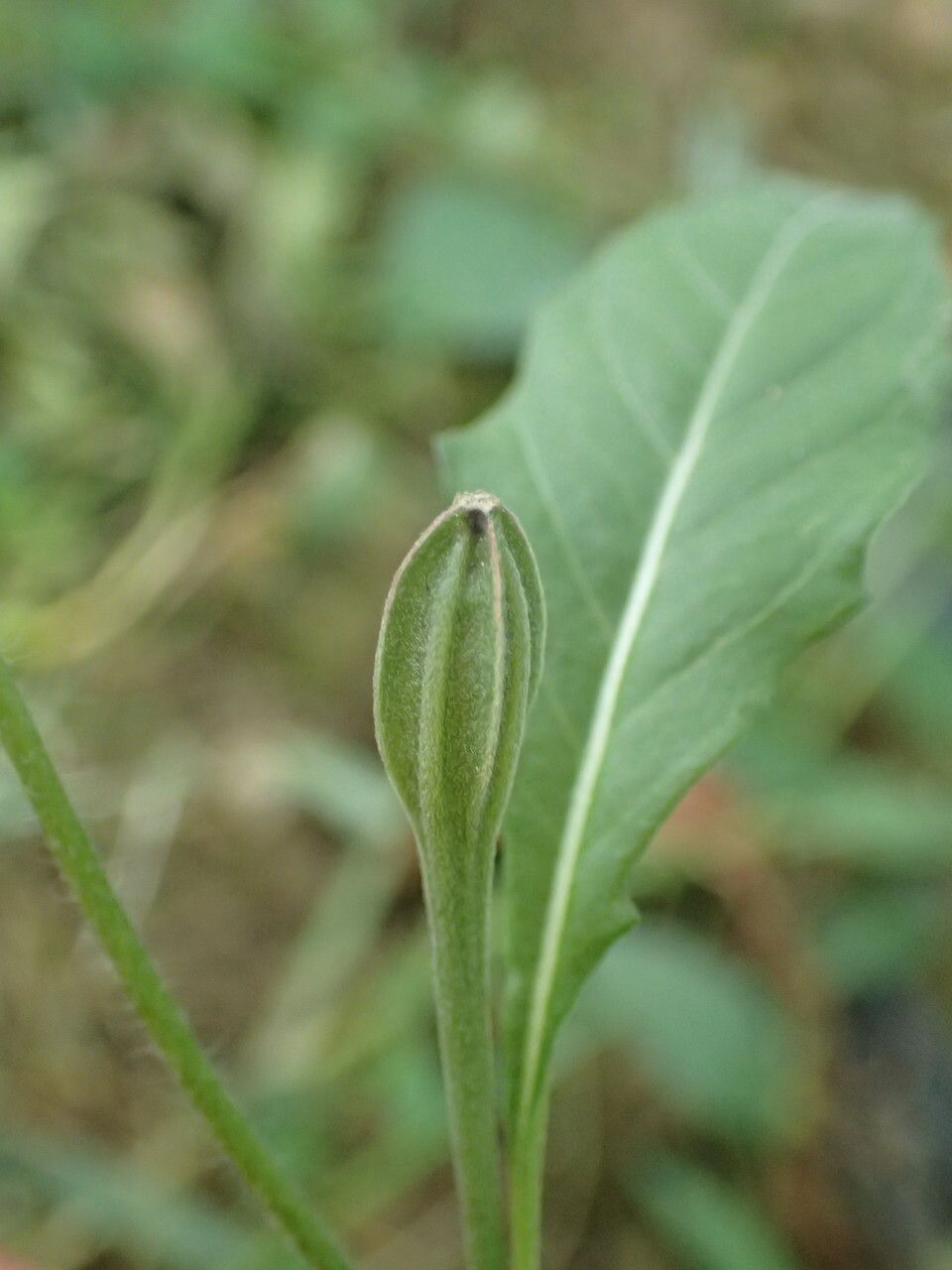
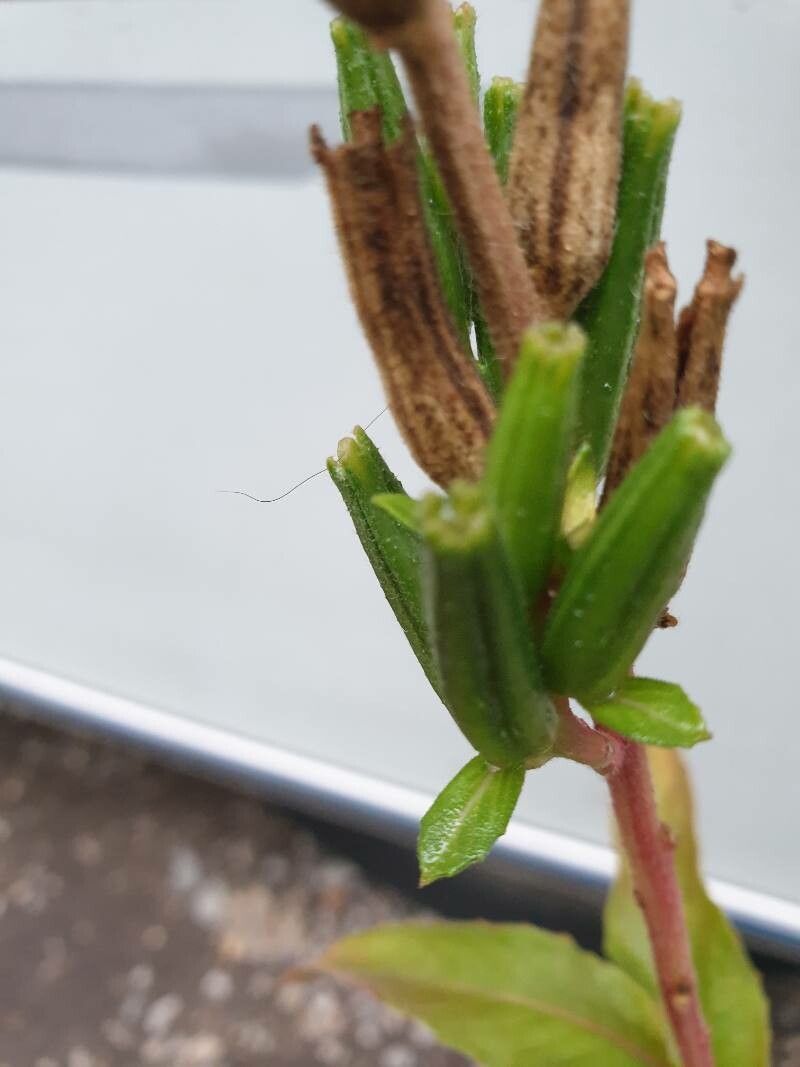
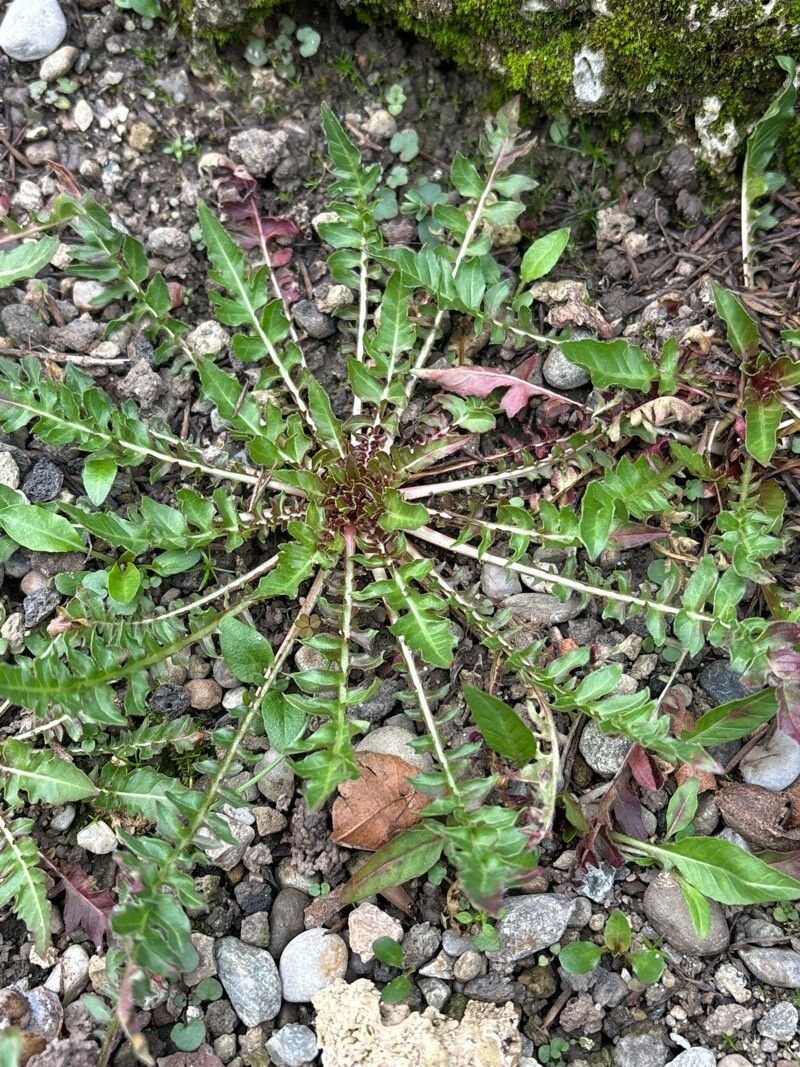
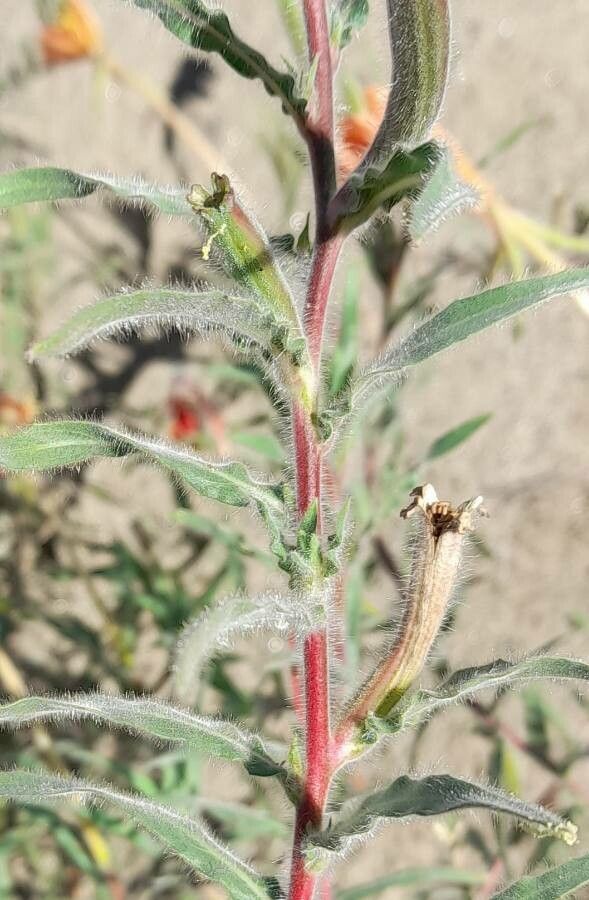
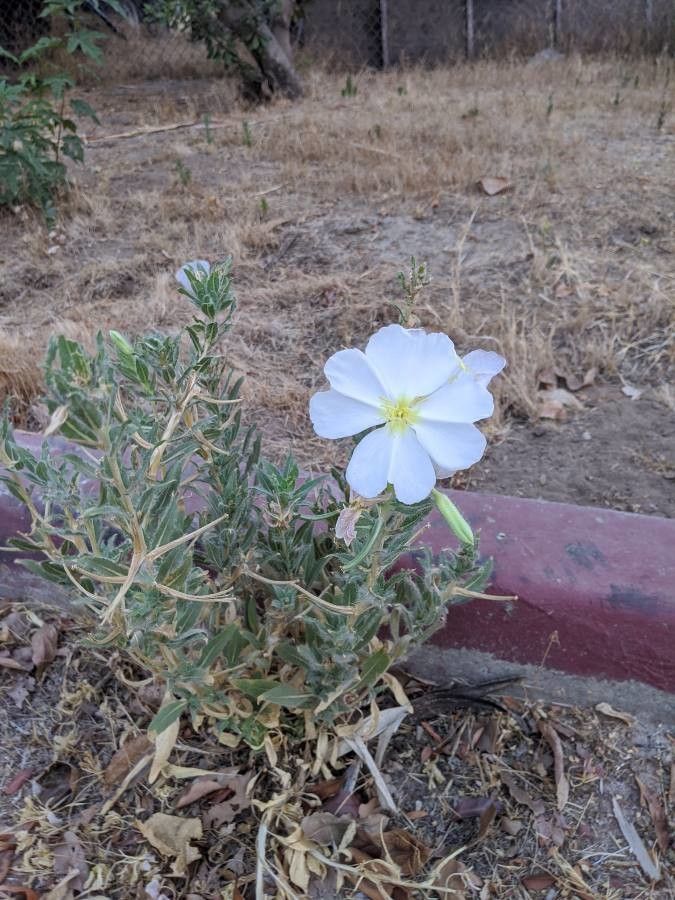
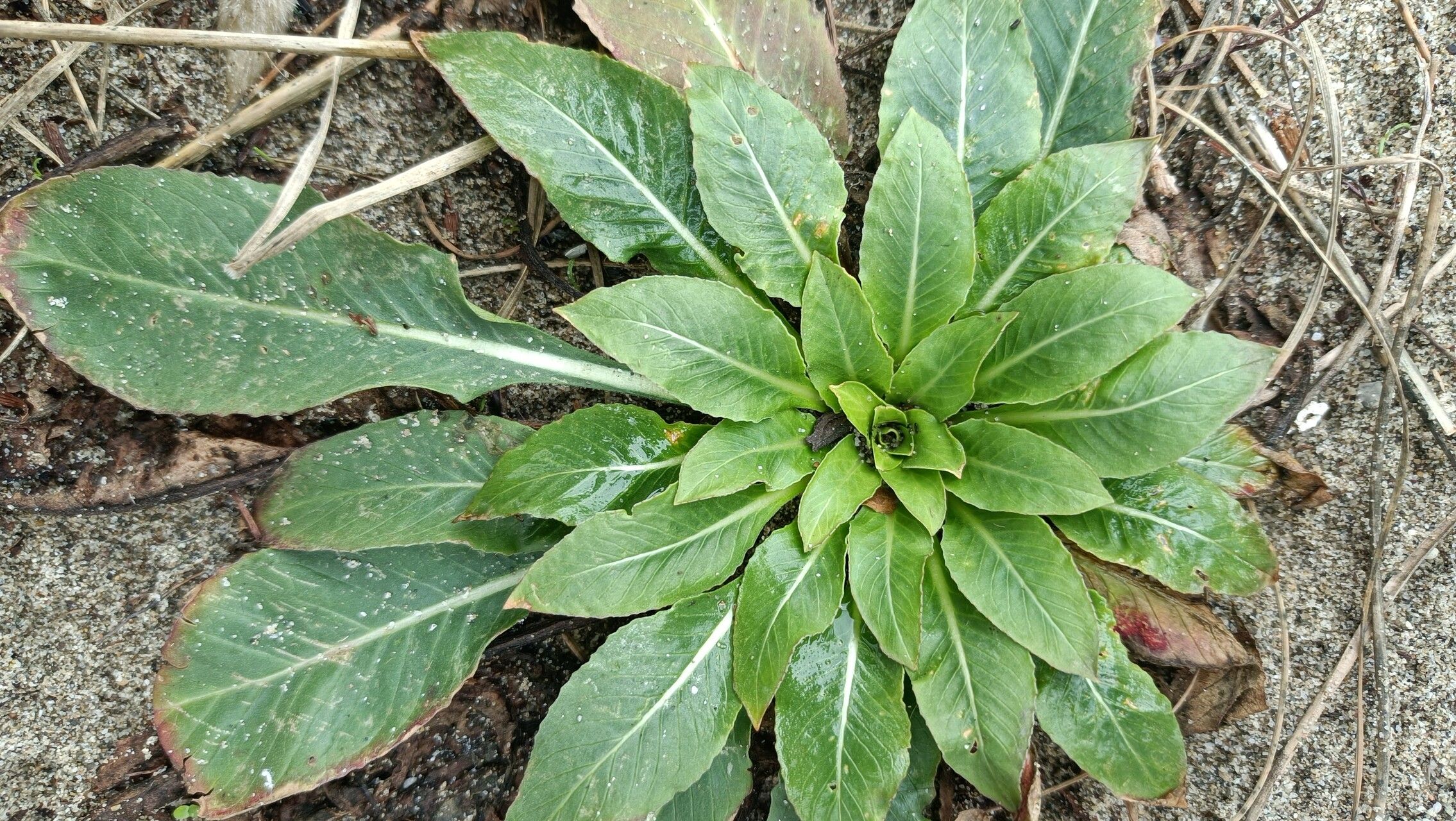
Oenothera rosea, commonly known as the pink evening primrose, is a flowering plant native to North America. It belongs to the Onagraceae family and is a perennial herb that can grow up to 60 cm tall. The plant features lance-shaped leaves arranged in a rosette at the base of the stem, with alternate leaves along its length.
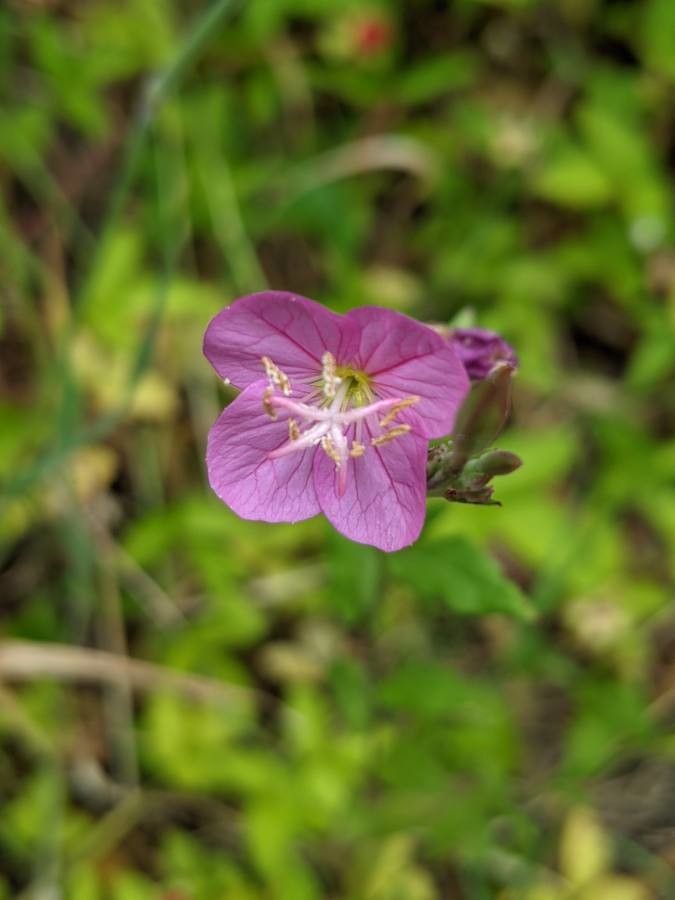
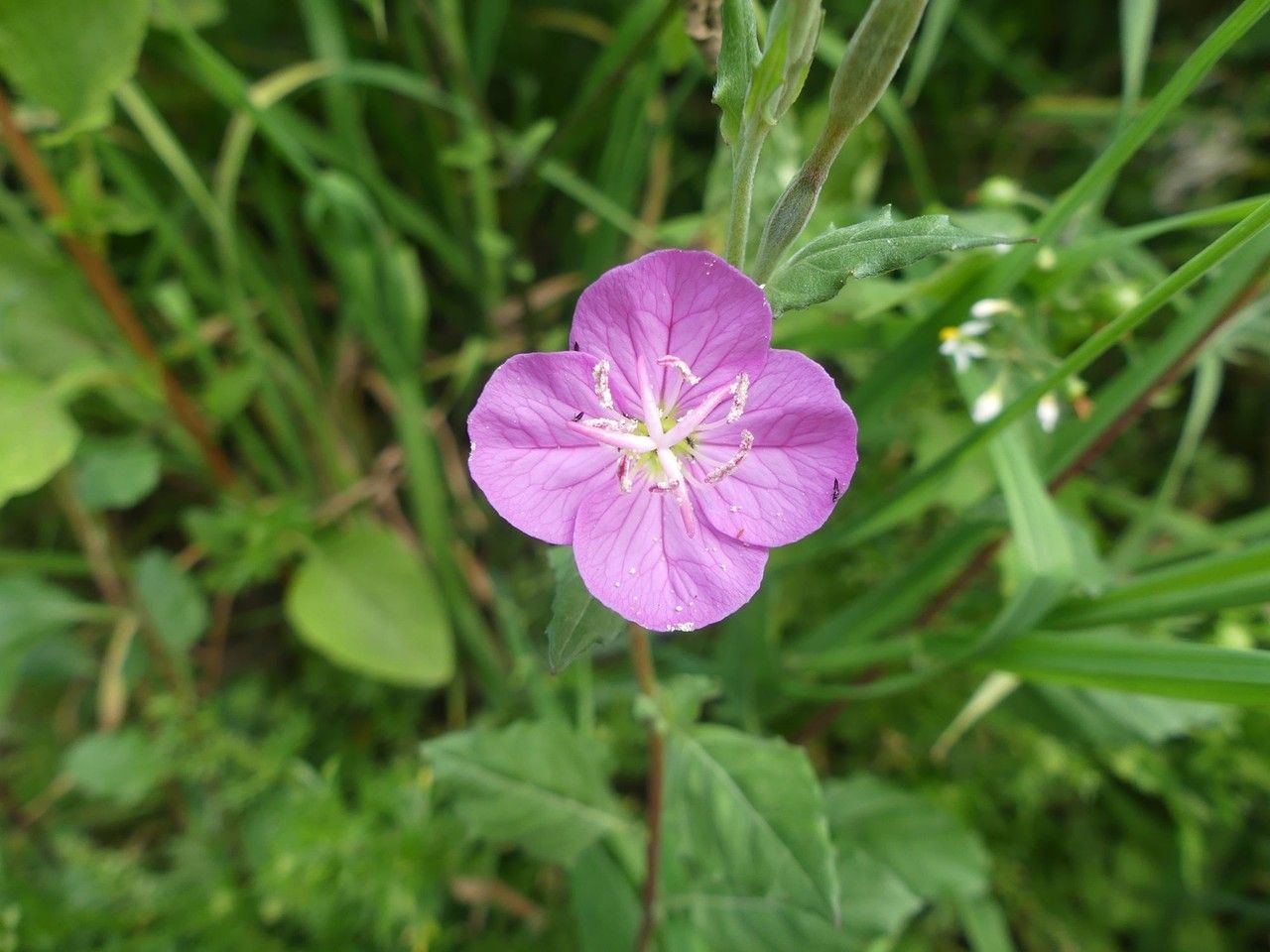
The pink evening primrose produces striking pink flowers that bloom in late spring or early summer. These cup-shaped flowers, measuring about 2-3 cm in diameter, have four petals each. They open at dusk and remain open throughout the night, attracting nocturnal pollinators such as moths.
The plant thrives in well-drained soil with full sun exposure but can also tolerate partial shade. While it is drought-tolerant once established, it requires regular watering during its initial growth period.
In Mexico and Ecuador, Oenothera rosea is a key ingredient in a traditional tonic that is widely and regularly consumed. This herb plays a significant role in the informal economy and is commonly found in local markets. Its medicinal properties are recognized worldwide, and ongoing research aims to further explore and utilize its benefits. FUN FACT · FROM THE LIBRARY
Oenothera rosea is known for its medicinal properties, including anti-inflammatory effects on skin conditions such as eczema and psoriasis. Its oil extract is also used to treat premenstrual syndrome (PMS) symptoms, including breast tenderness, mood swings, and headaches.
Overall, Oenothera rosea is an attractive flowering plant with several medicinal benefits, making it an excellent addition to any garden or landscape design project.
The name "oenothera" for the rose evening primrose has an uncertain origin, but the most likely explanation traces back to Greek. It is thought to come from "oinos," meaning wine, and "thera," meaning to drink or thirst after. There is a belief that when the rose evening primrose is mixed with wine, it can lead to overindulgence.
Botanical profile.
- Plant Type
- Herb
- Life Cycle
- Perennial
- Genus
- Oenothera
- Family
- Onagraceae
- Hardiness Zone
- 4-9
- Mature Height
- 15 cm to 46 cm
- Mature Spread
- 15 cm to 30 cm
- Leaf Color
- Green, Dark Green
- Leaf Type
- Deciduous
- Flower Color
- Pink
- Flower Size
- 2.54 cm
- Bloom Time
- Late spring, Early summer, Mid summer
- Planting Time
- Spring
- Harvest Time
- Summer
- Native Area
- Colombia, Honduras, Mexico, Guatemala, Bolivia, Peru, El Salvador, Ecuador, Costa Rica
Other names.