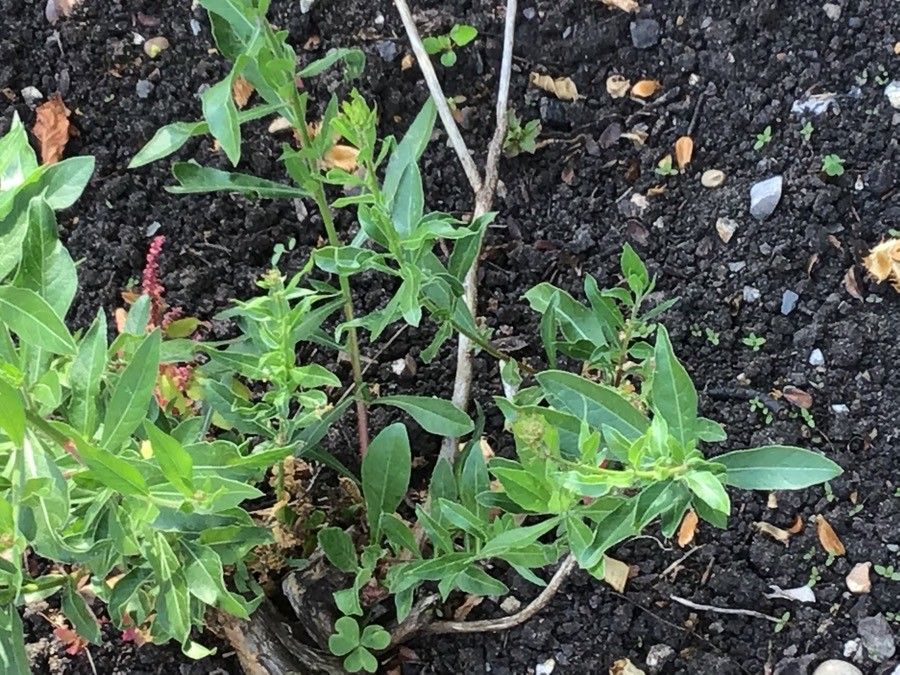
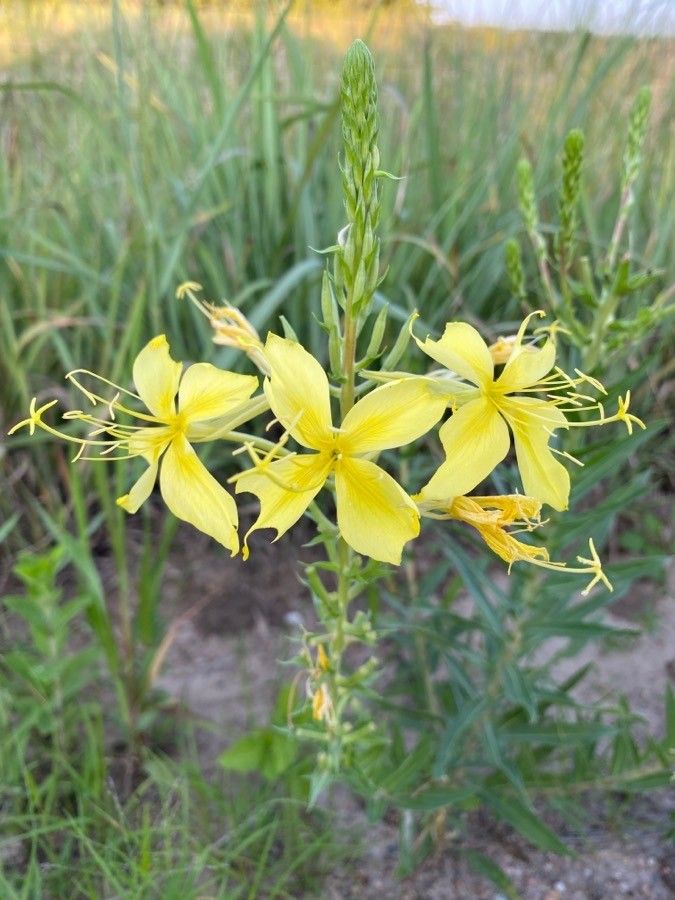
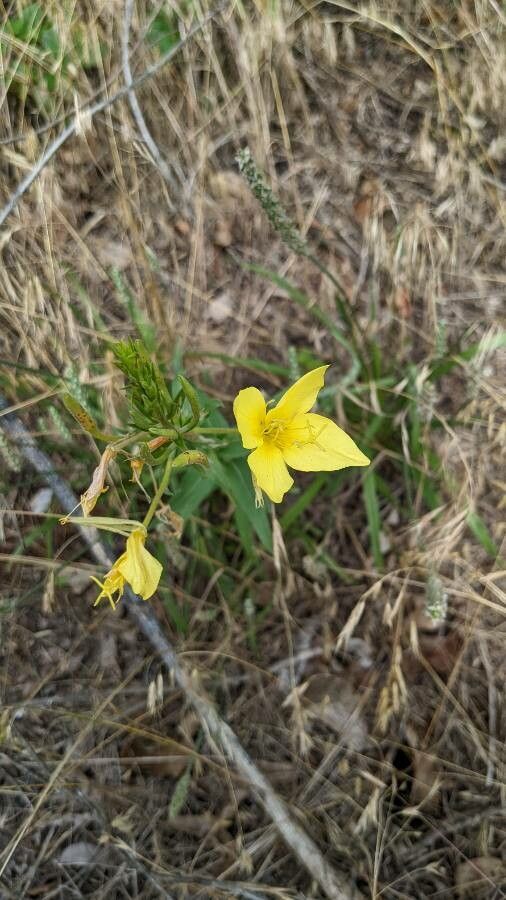
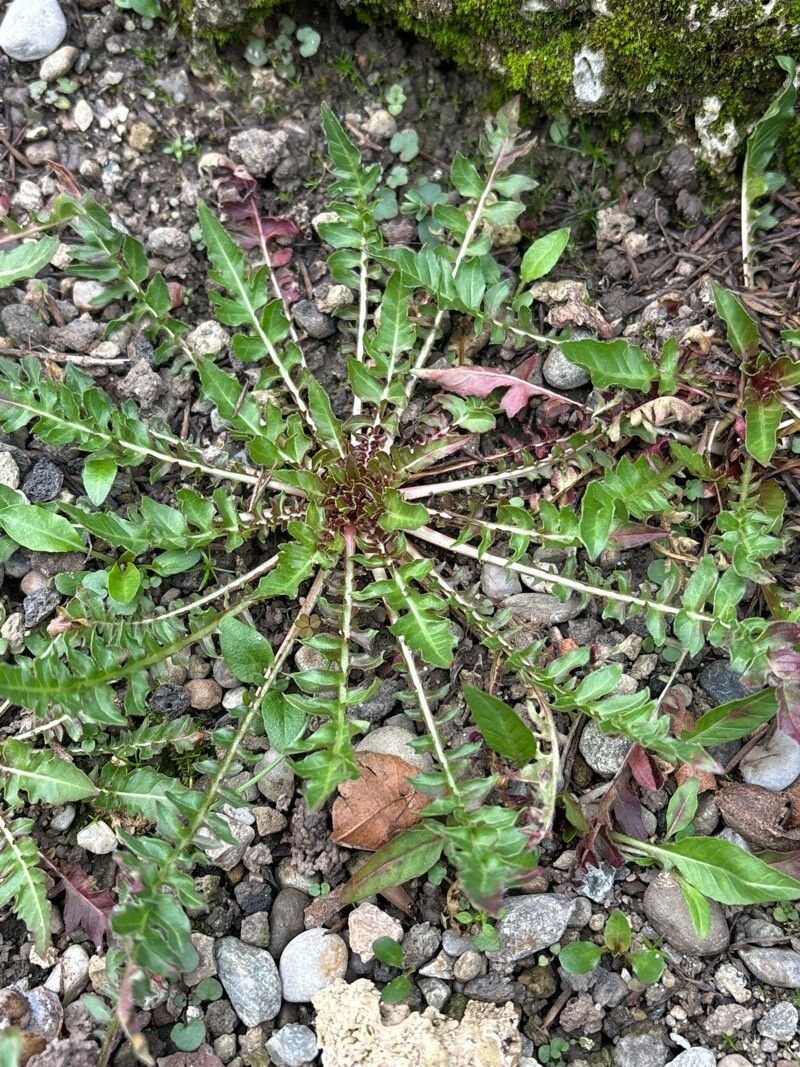
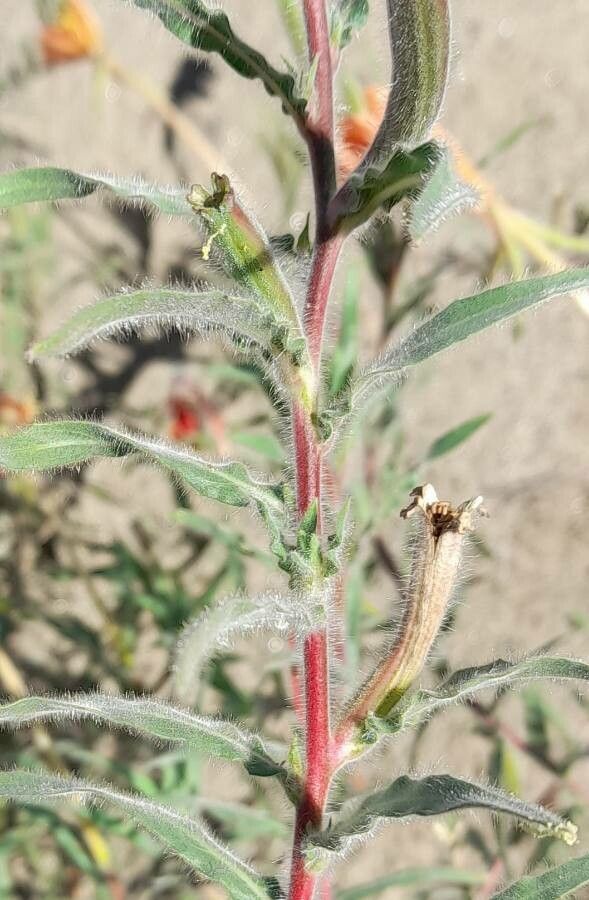
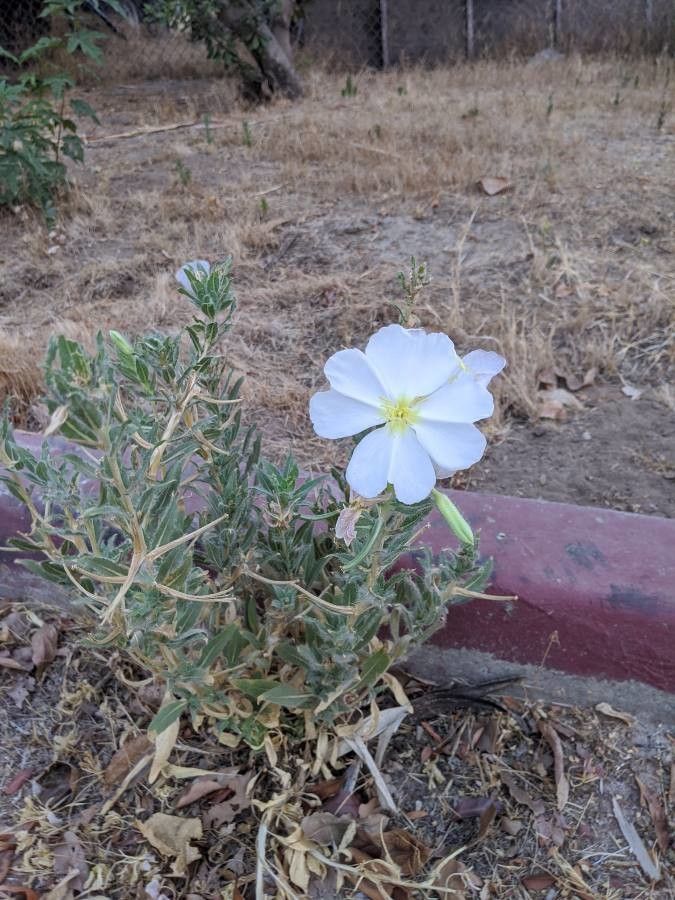
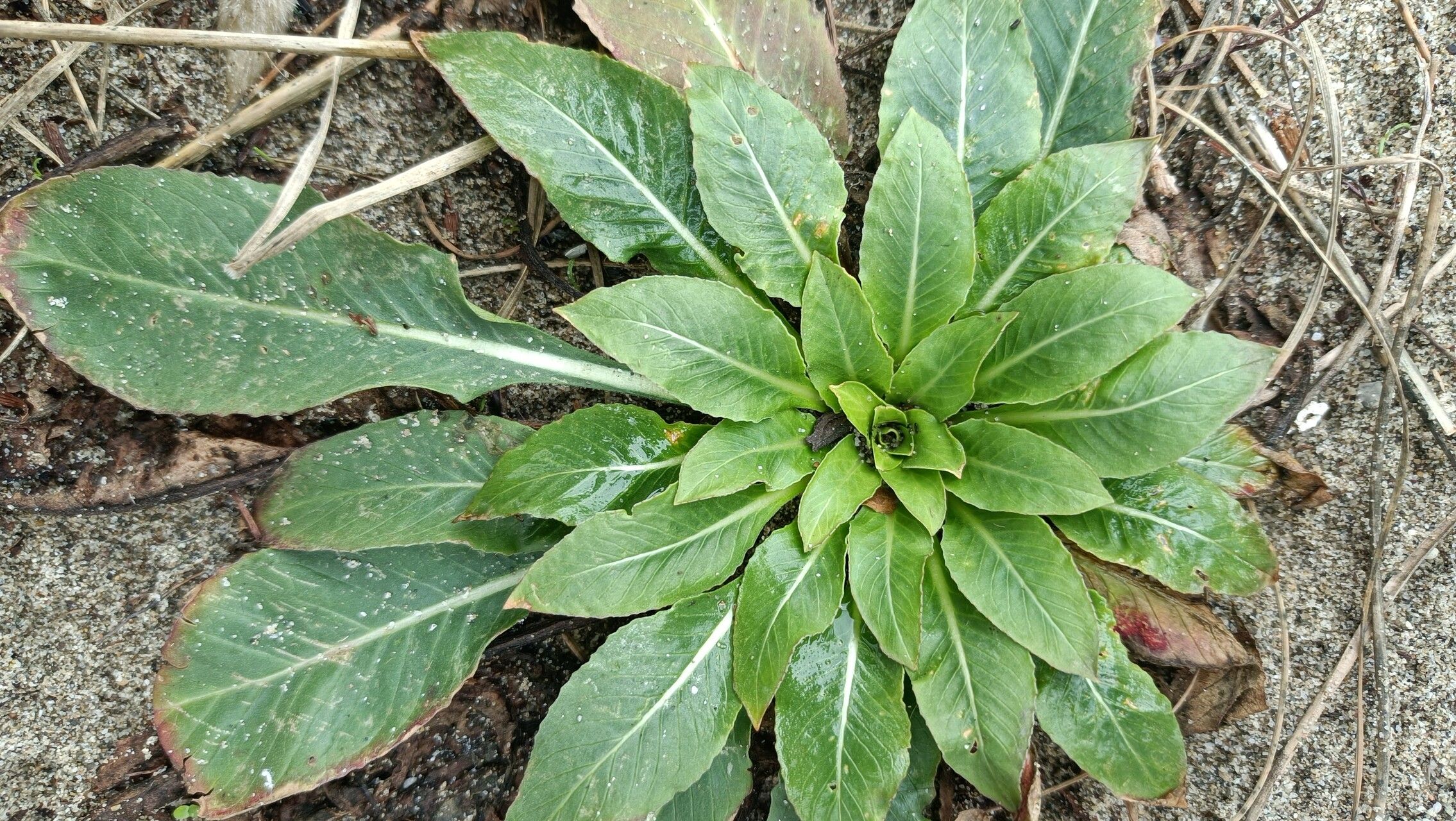
Oenothera rhombipetala, the four-point evening-primrose, greater four-point evening-primrose, or diamond petal primrose, is a species of flowering plant in the family Onagraceae. It is native to the central United States. A biennial, it is often found alongside roads. It can grow up to 5 feet tall.
Fourpoint evening primrose is fairly resistant to disease and generally does not tend to get sick. However, it can be vulnerable to pests and illnesses present in its environment. These problems are typically mild. In terms of upkeep, the plant requires moderate maintenance. It should be pruned regularly to preserve a neat appearance and encourage healthy growth. Fertilizing can also aid in promoting blooms. Fourpoint evening primrose is well suited to anyone with outdoor space, such as a garden or patio, and does not demand extensive care experience. It may need more attention if grown indoors.
How to keep Oenothera Rhombipetala.
Light
Fourpoint evening primrose is native to bright, open habitats and thrives in full sun. It tolerates partial sun but favors direct sunlight for the best growth. This plant, which can be annual or biennial, is recognized for its sun-loving habit.
Water
The Fourpoint evening primrose thrives in well-drained, moderately moist soil and requires consistent hydration, although it can endure short dry spells. To maintain optimal health, it's best to water it twice a week. This plant is mostly grown outdoors, where it benefits from natural rainfall, which enhances its growth and flowering potential.
Fertilizer
Fourpoint evening primrose benefits from regular, dilute fertilizer applications to encourage healthy leaf development. During the summer, you should feed Fourpoint evening primrose about once a month. Nitrogen is important for the foliage, and providing nitrogen-rich sources helps Fourpoint evening primrose thrive.
Pruning
The Fourpoint evening primrose is known for its large, yellow, star-shaped flowers. To help it thrive, it is important to prune it annually, from early to late spring. This practice encourages vigorous blooming, prevents the plant from becoming leggy, and improves air circulation. It's also essential to remove any dead or damaged stems. Be careful not to over-prune, as the Fourpoint evening primrose blooms on new growth.
Botanical profile.
- Plant Type
- Herb
- Life Cycle
- Annual, Biennial
- Genus
- Oenothera
- Family
- Onagraceae
- Hardiness Zone
- 4-10
- Mature Height
- 30 cm to 91 cm
- Leaf Type
- Semi-evergreen
Other names.
Reader questions.
How much sunlight does the Fourpoint evening primrose require?
The Fourpoint evening primrose, scientifically known as Oenothera rhombipetala, thrives under specific sunlight conditions to ensure its happiness and growth. It requires 'full sun' exposure, which is characterized by above 6 hours of sunlight daily, for optimal health and flowering. However, it can also grow under 'partial sun' conditions, which means it should receive about 3-6 hours of sunlight each day. It's crucial to observe how sunlight moves through your garden throughout the day to pick a spot that offers a perfect balance of light and shade suitable for your plant.