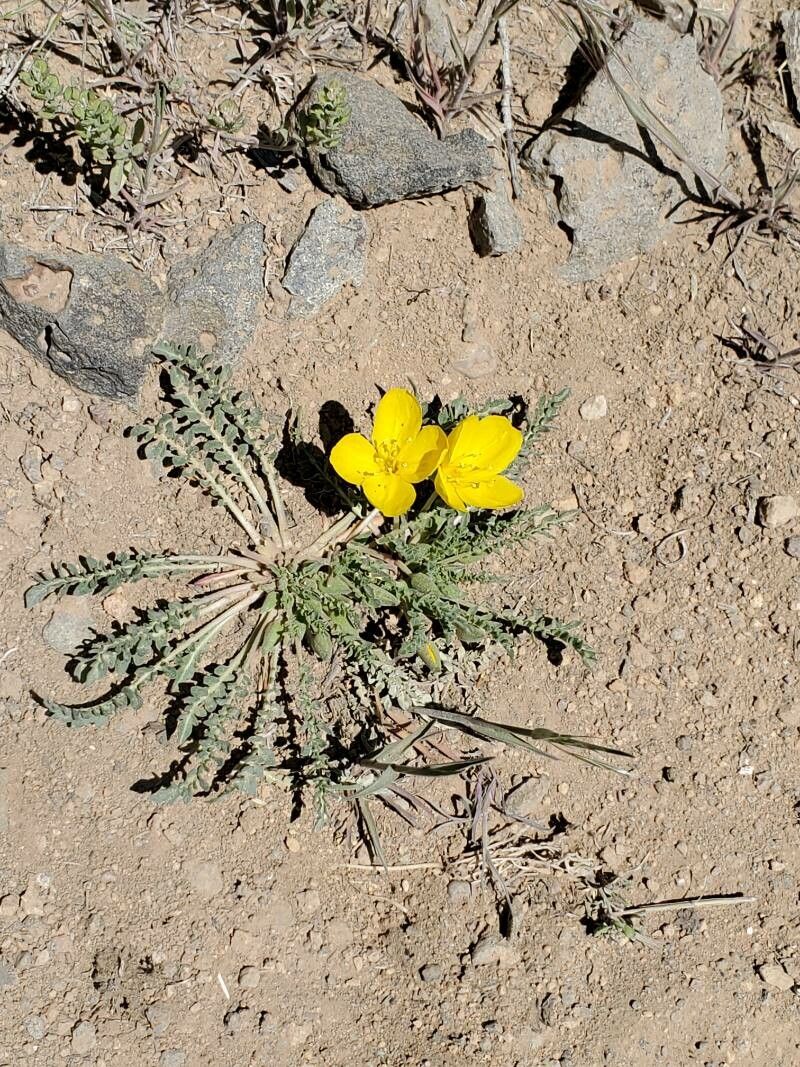
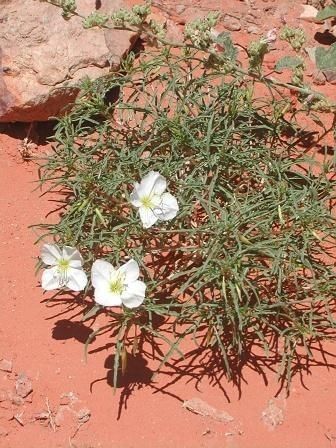
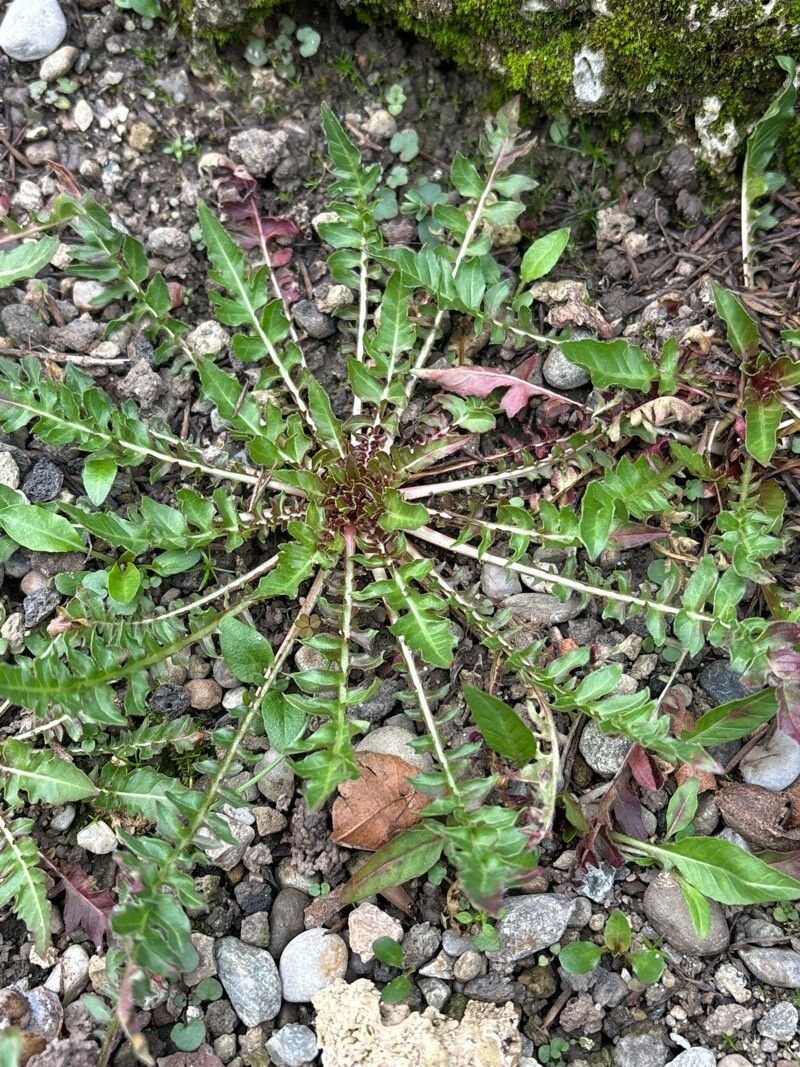
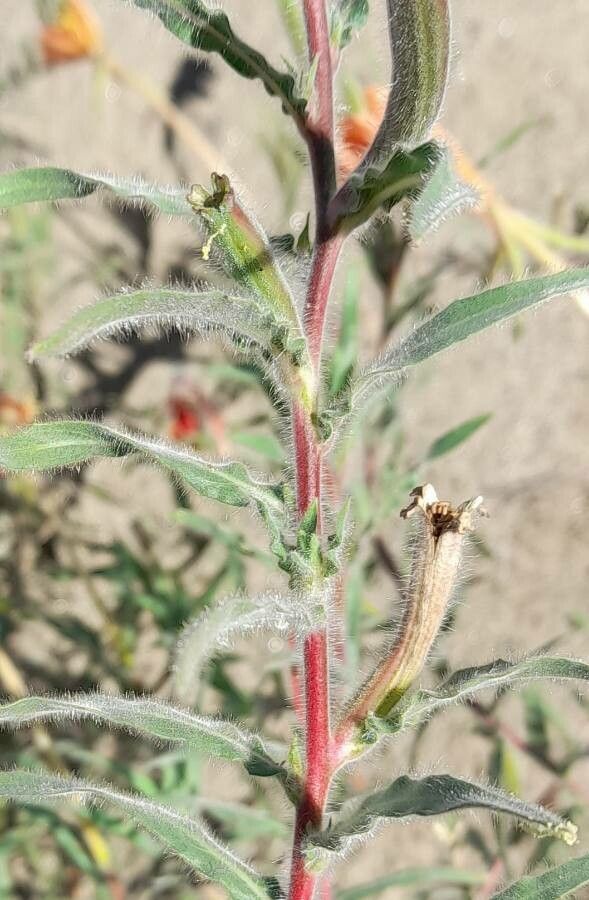
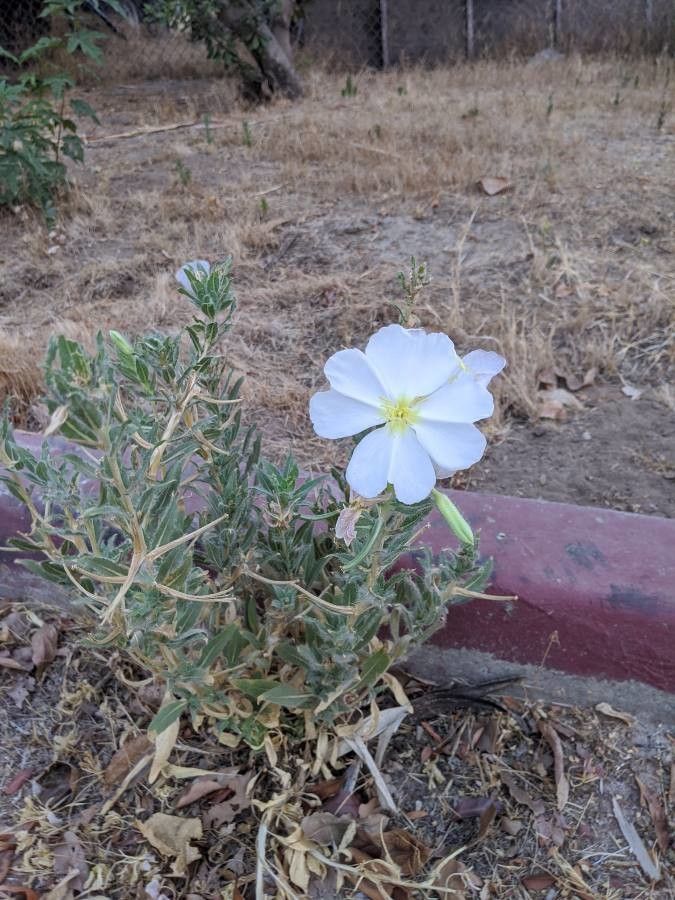
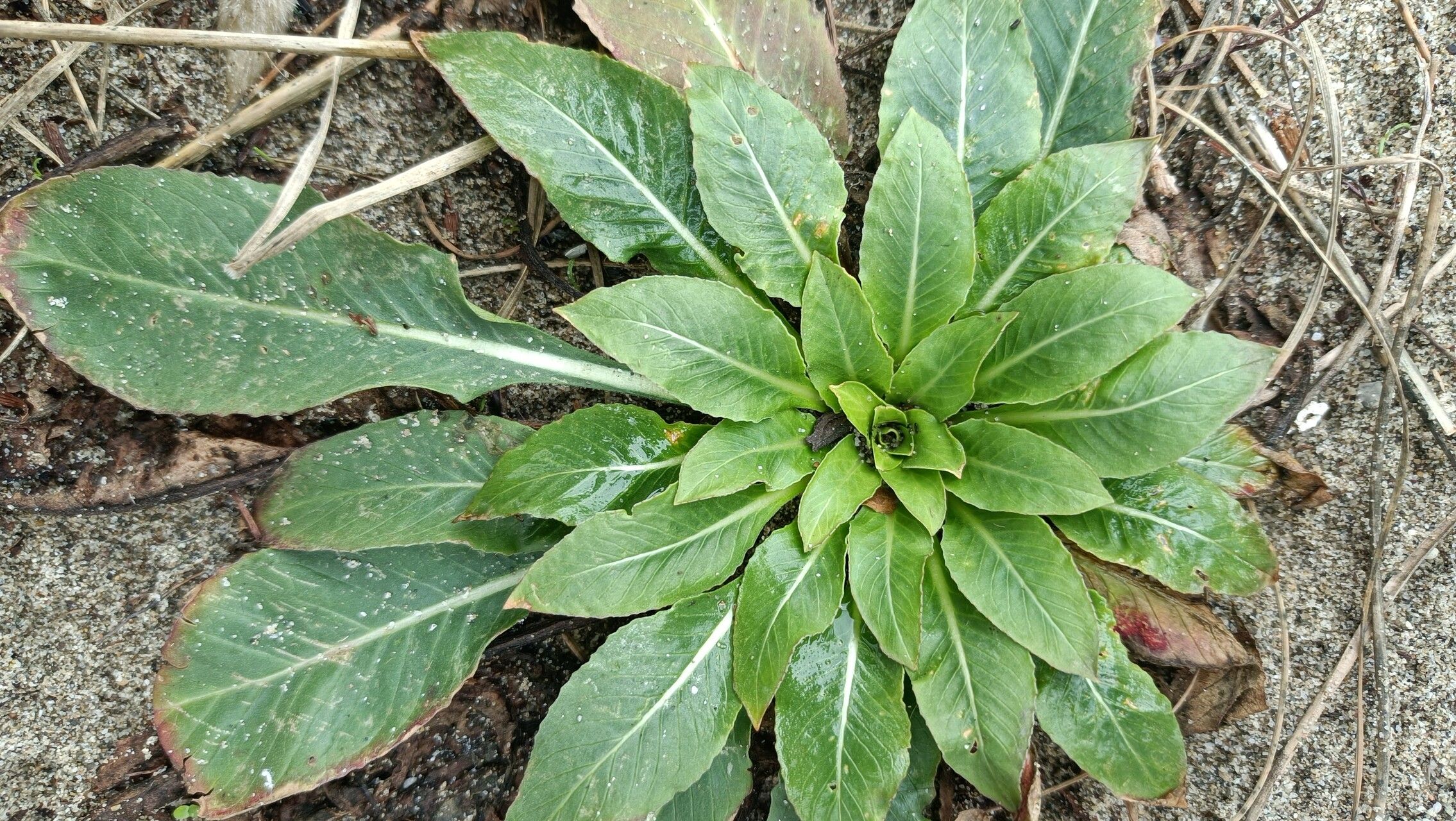
Oenothera primiveris is a species of flowering plant in the evening primrose family known by the common names yellow desert evening primrose, bottle evening-primrose, and desert evening-primrose.
Desert evening primrose is fairly disease resistant and generally not prone to illnesses. However, it can be vulnerable to pests and diseases found in its surroundings. These infections are usually mild. Regarding care, the plant requires moderate maintenance. It should be pruned regularly to maintain a neat appearance and healthy growth. Fertilizing can also support flowering. Desert evening primrose is suitable for people with outdoor spaces such as a garden or patio and does not demand extensive care experience. It may need more attention when grown indoors.
How to keep Oenothera Primiveris.
Light
Desert evening primrose comes from bright, open habitats and performs best in full sun. It can handle some partial shade but favors direct sunlight for optimal growth. This plant, which can be annual or biennial, is noted for its sun-loving habit.
Water
Desert evening primrose is a drought-tolerant plant, making it perfect for xeriscaping. It should not be waterlogged. For potted plants, deep watering once a week is recommended, but be careful not to overwater, as this can lead to root rot. When planted outdoors, water the primrose deeply after planting in the spring and occasionally during dry spells in the summer. Otherwise, natural rainfall usually provides enough moisture.
Temperature
Desert evening primrose shows good temperature adaptability, tolerating higher heat and substantial temperature fluctuations. In hot conditions, it’s important to monitor watering and supply appropriate shade to avoid sunburn. However, desert evening primrose is relatively sensitive to low temperatures; although it can endure some cold, excessively low temperatures may cause frost damage.
Fertilizer
When most of the Desert evening primrose's blooms have opened to full size, resume fertilizing. During the peak flowering period, apply fertilizer every three to four weeks, as weather allows. Once the Desert evening primrose begins producing fewer new blooms, stop fertilizing; there's no need to feed it when it can no longer produce more flowers.
Pruning
The desert evening primrose is a hardy plant known for its yellow blooms that open in the evening. To encourage growth and more abundant flowering, it is best to prune the plant in early spring. During pruning, remove any dead stems and thin out the center of the plant to improve air circulation. This regular maintenance not only enhances the plant's health and flower production but also boosts its ornamental appeal.
Botanical profile.
- Plant Type
- Herb
- Life Cycle
- Annual, Perennial
- Genus
- Oenothera
- Family
- Onagraceae
- Hardiness Zone
- 7-10
- Mature Height
- 0 cm to 30 cm
- Mature Spread
- 15 cm to 30 cm
- Leaf Color
- Green, Light Green
- Leaf Type
- Deciduous
- Flower Color
- Yellow
- Flower Size
- 3.05 cm to 5.08 cm
- Bloom Time
- Early spring, Mid spring
- Planting Time
- Spring, Summer
- Harvest Time
- Late spring, Early summer
Other names.
Reader questions.
What is the Desert Evening Primrose?
The Desert Evening Primrose, known botanically as Oenothera primiveris, is a plant species with no additional details provided regarding its essentials or symptoms related to its characteristics or interactions.