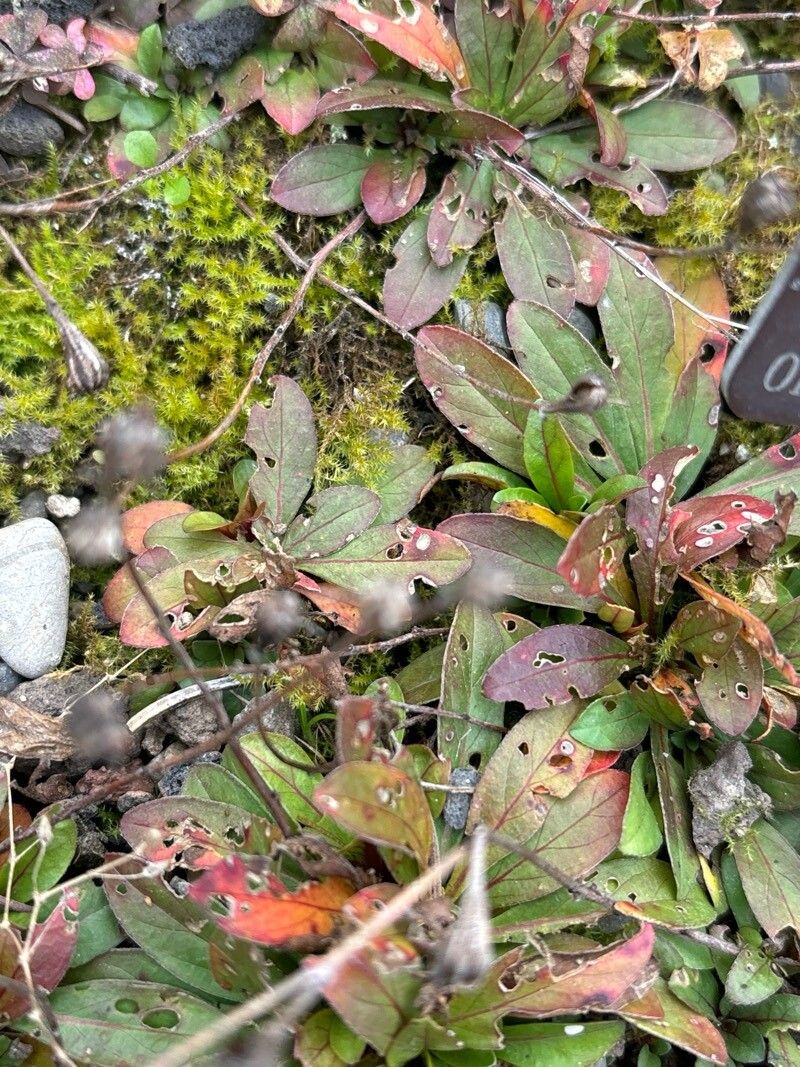
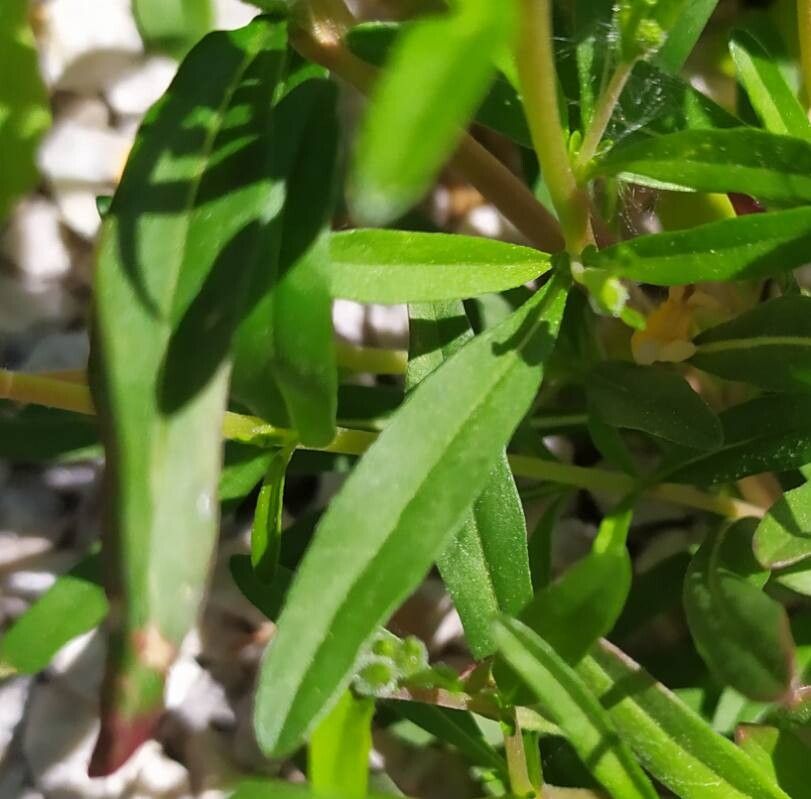
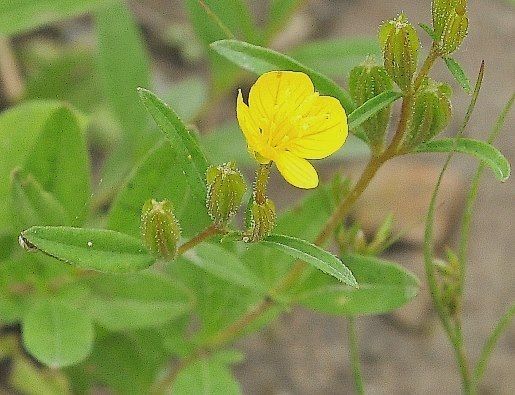
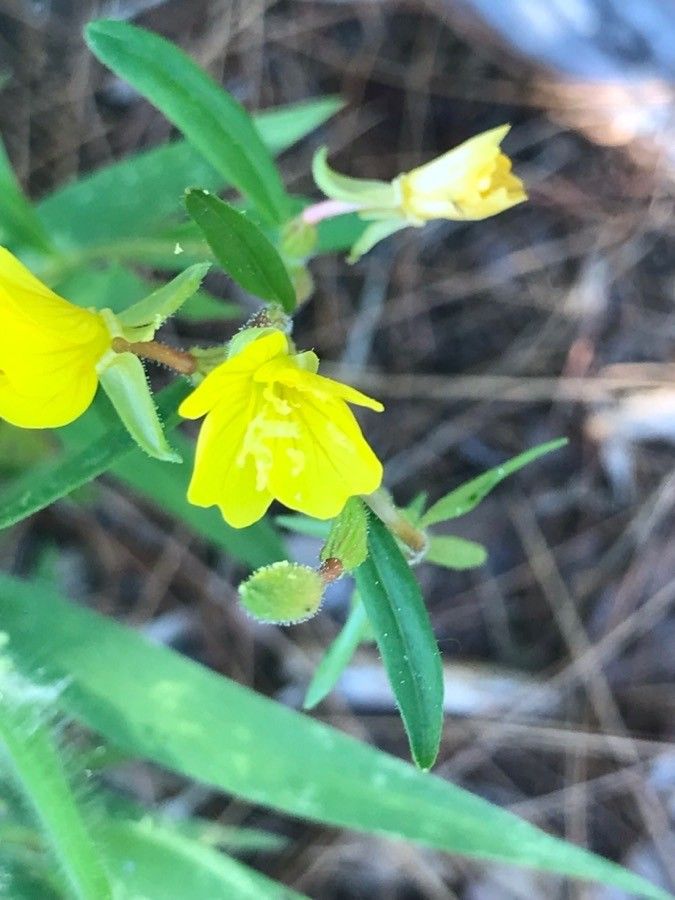
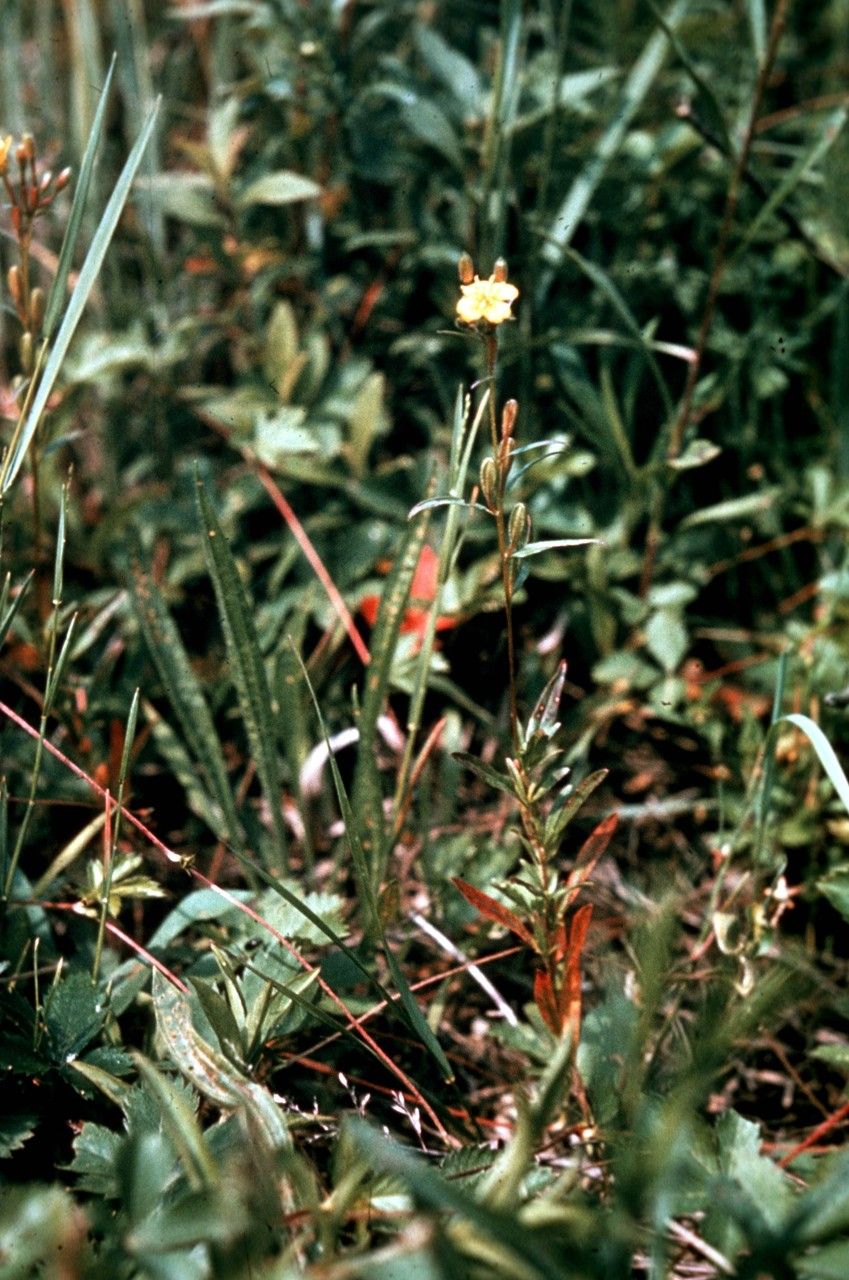
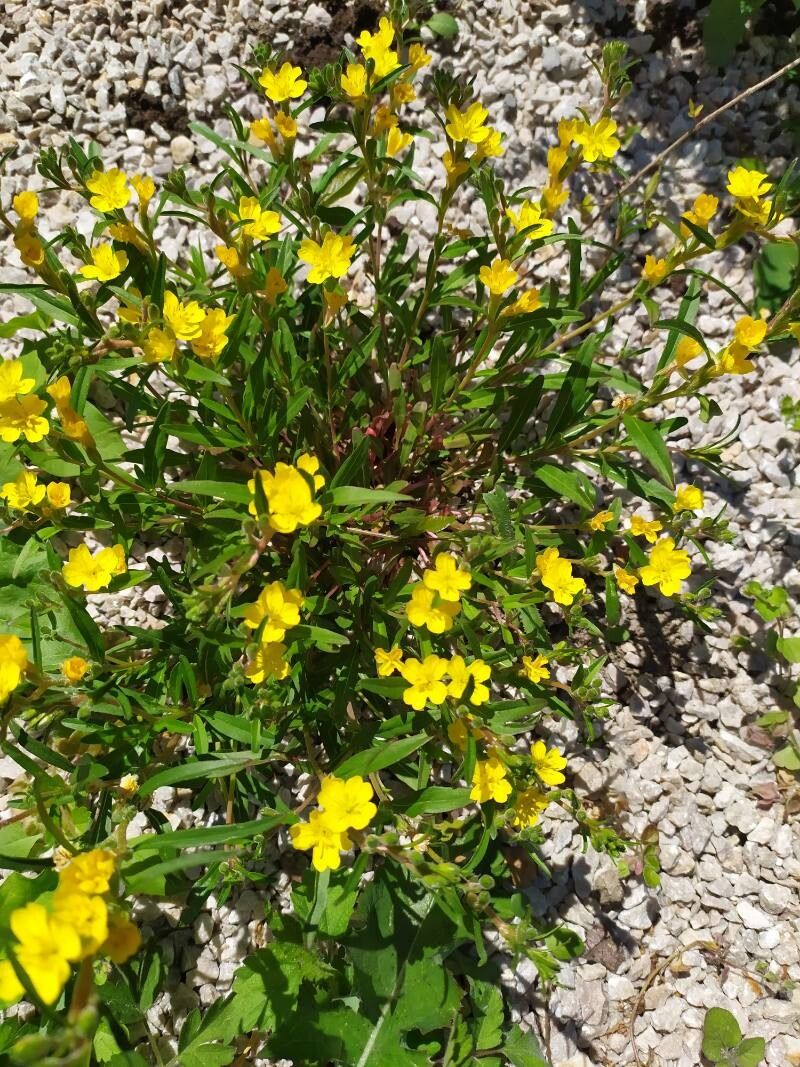
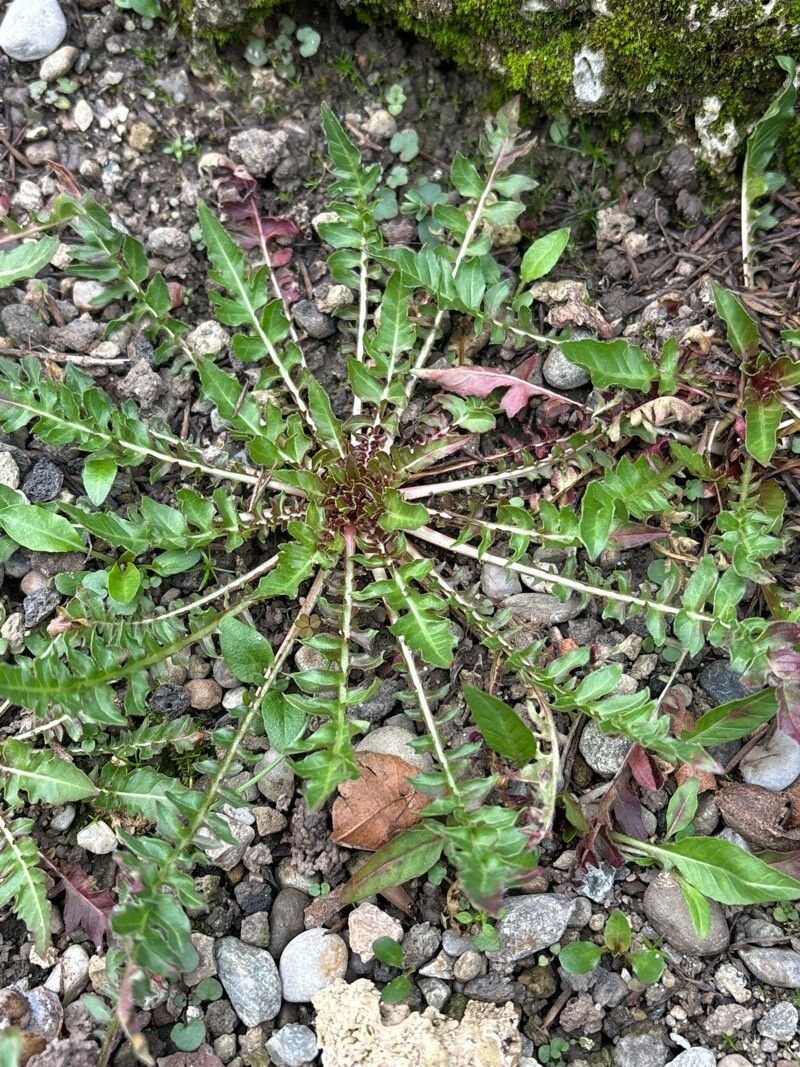
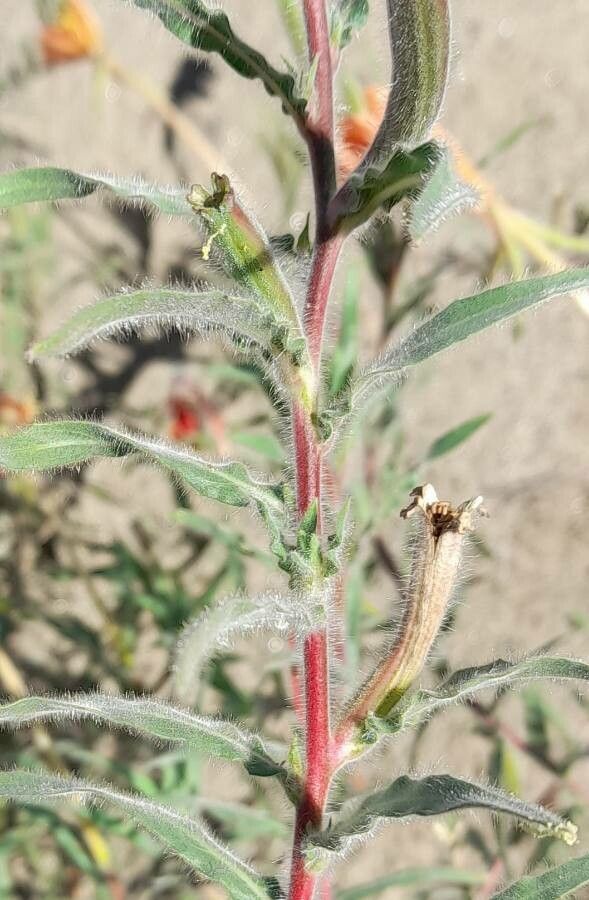
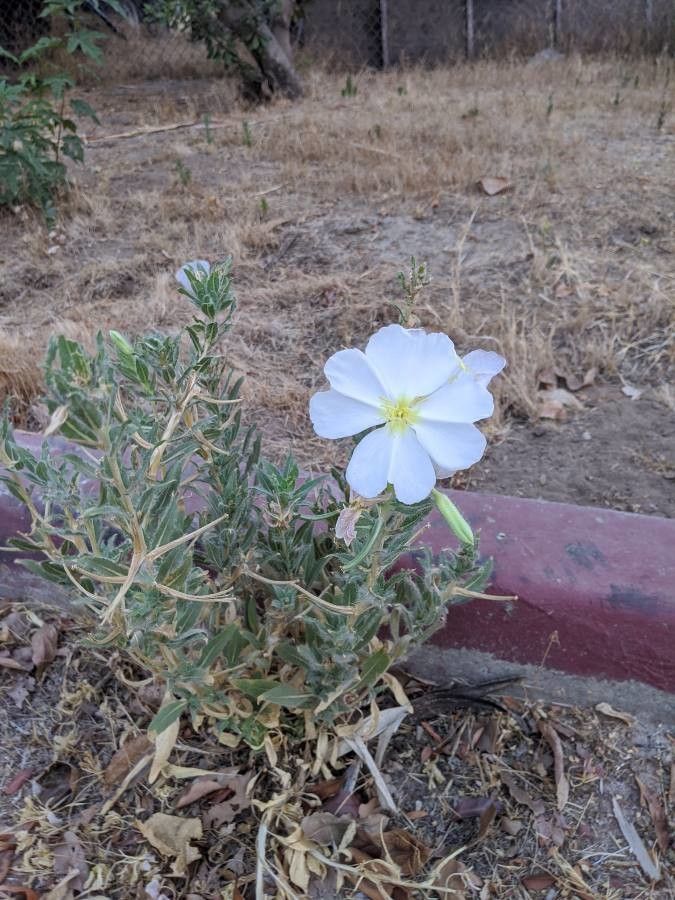
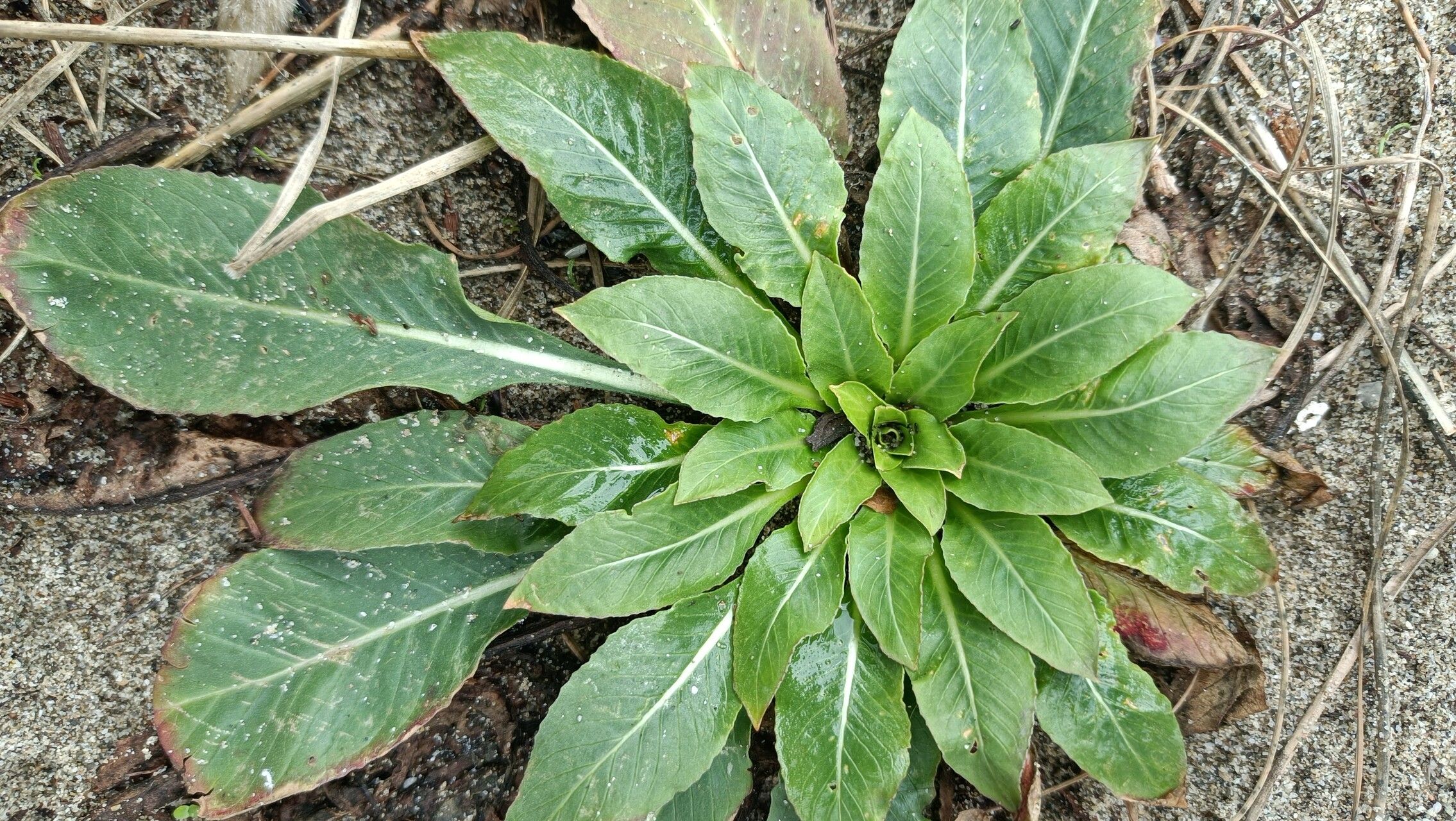
Oenothera perennis is a species of flowering plant in the family Onagraceae and is native to the eastern United States and Canada. Its common names include little evening primrose, small sundrops, and small evening primrose. Its native habitats include shaly slopes, moist or dry fields, pastures and roadsides. Oenothera perennis is a perennial herb. It has yellow flowers that open during the day and close at night. Each flower has four petals that are notched at the tip with veins radiating from the base.
Little evening primrose has strong resistance to diseases and is generally unlikely to become ill. Still, it can be affected by pests and diseases present in its environment. When infections do occur, they are typically mild. Regarding care, the plant needs a moderate level of upkeep. Regular pruning is necessary to preserve a neat appearance and encourage healthy growth. Applying fertilizer can also aid in boosting flowering. Little evening primrose is appropriate for anyone with outdoor space, such as a garden or patio, and does not demand extensive gardening experience. It may need more attention if cultivated indoors.
How to keep Oenothera Perennis.
Light
The small evening primrose prefers a setting with abundant sunlight throughout the day. This plentiful light is vital for its robust growth. Because of its native habitat, it thrives where there is little to no shade. Irregular or inadequate sun exposure can adversely impact the plant’s growth and overall health.
Water
The little evening primrose thrives best in well-drained soil and can tolerate moderate drought conditions. It should be watered every 1 to 2 weeks, once the soil has dried out. This plant does well outdoors, where it requires a careful balance of sunlight and moisture to grow and flower successfully during its active season.
Temperature
The little evening primrose is naturally adapted to a temperate climate and does best at temperatures between 41 and 95 °F (5 to 35 ℃). Seasonal temperature adjustments may be necessary if environmental conditions fall outside this range.
Fertilizer
The best time to fertilize a Little evening primrose is in early spring, as it is coming out of dormancy and beginning active growth. Fertilizing supplies essential nutrients for healthy development. Although Little evening primrose has fairly low fertilizer requirements, applying fertilizer annually can improve its survival and encourage healthier, longer-lasting flowers.
Pruning
Pruning the evening primrose is crucial for promoting healthy growth and ensuring abundant blooms. In early spring, trim any dead stems, and in late spring, remove spent flowers to encourage new blossoms. Additionally, thinning out crowded areas improves air circulation, reduces the risk of disease, and helps maintain a compact and vibrant plant structure.
Botanical profile.
- Plant Type
- Herb
- Life Cycle
- Perennial
- Genus
- Oenothera
- Family
- Onagraceae
- Hardiness Zone
- 4-9
- Mature Height
- 23 cm to 61 cm
- Mature Spread
- 15 cm to 46 cm
- Leaf Color
- Green, Dark Green
- Leaf Type
- Deciduous
- Flower Color
- Yellow
- Flower Size
- 2.54 cm
- Bloom Time
- Late spring, Early summer, Mid summer
- Planting Time
- Spring
- Harvest Time
- Mid summer, Late summer, Early fall
Other names.
Reader questions.
What are the sunlight requirements for Little evening primrose?
Little evening primrose thrives in environments that offer abundant sunlight throughout the day, as this is crucial for its healthy growth. It should be placed in locations where shading is minimal to nonexistent. To promote optimal growth, the plant requires exposure to full sun, defined as over 6 hours of sunlight daily, or partial sun, which refers to about 3-6 hours of sunlight. Notably, the movement of sunlight through your garden should be observed to select areas that provide a perfect balance of light and shade, ensuring the plants' wellbeing.
How does artificial lighting support plant growth?
In scenarios where natural sunlight is lacking, especially during winter or in less sunny spaces, artificial lighting becomes a crucial alternative for indoor plant growth. It aids in healthier and faster growth by compensating for the absence of natural light. LED lights are recommended for indoor plant lighting, as they can be tailored to supply specific wavelengths needed by plants. The requirements based on plant types are full sun plants needing 30-50W/sq ft, partial sun plants 20-30W/sq ft, and full shade plants 10-20W/sq ft of artificial light. The light source should be placed 12-36 inches above the plant, imitating natural sunlight, and duration should mimic natural daylight hours, usually 8-12 hours per day.
What are the symptoms of insufficient sunlight in Little evening primrose?
Signs of inadequate lighting in Little evening primrose include smaller new leaves compared to older ones, leggy or sparse growth, premature leaf drop, halted new growth indicating survival mode due to poor lighting, lighter-colored new leaves signifying a deficiency in chlorophyll and nutrients, and chlorosis, where leaves lose their green color and turn yellow due to chlorophyll breakdown. Excessive sunlight can lead to sunscald, leaf curling as a defense mechanism, wilting from increased water loss, and leaf scorching characterized by dry, brown edges on leaves, all adversely affecting the plant's health.
How can I address the sunlight needs of Little evening primrose both indoors and outdoors?
To meet the sunlight needs of Little evening primrose, gradually move your plants to sunnier locations each week until they receive at least 6 hours of direct sunlight daily. For indoor plants, use a south-facing window and keep the curtains open or consider using artificial lighting for those that are large or hard to move. Outdoors, ensure a gradual adaptation to sunlight to prevent sunburn. If sunlight is blocked by trees or other structures, consider pruning or transplanting smaller plants during their dormant season to a location with ample sunlight and good drainage. Remember, parts of the plant affected by low light might not recover, but new growth will be healthy with improved light exposure.