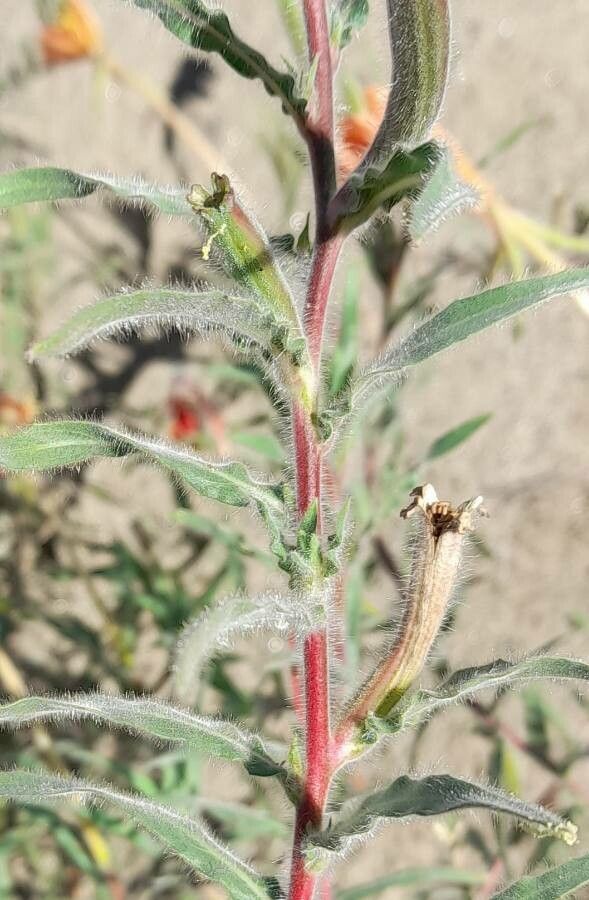
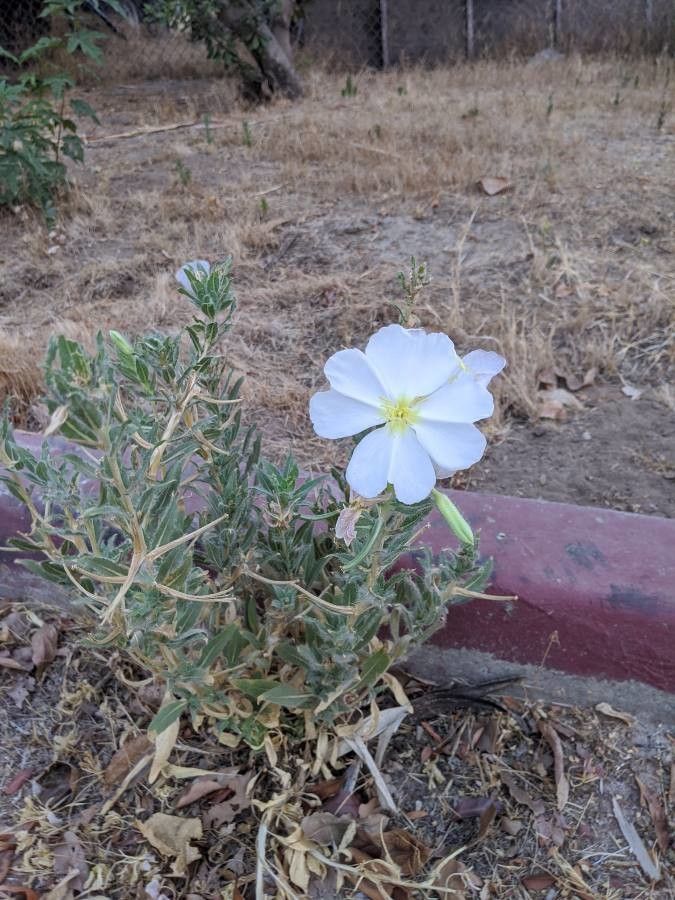
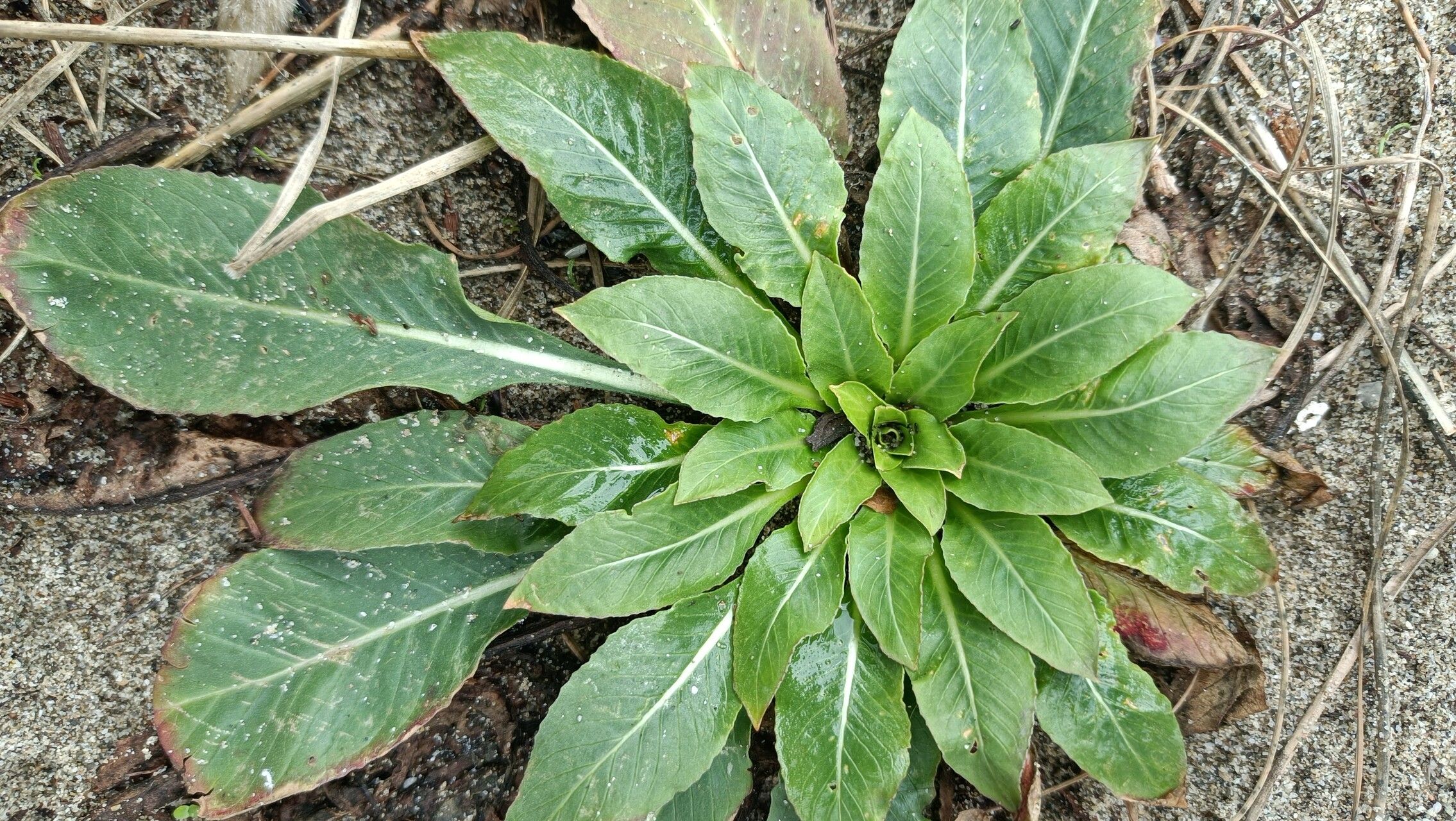
Oakes's evening primrose is fairly disease-resistant and typically does not suffer from many illnesses. Nevertheless, it can be affected by pests and diseases present in its surroundings. Such infections are usually not severe. In terms of care, the plant requires moderate maintenance. Regular pruning is needed to preserve a neat appearance and support healthy growth. Fertilizing can also help encourage flowering. Oakes's evening primrose is suitable for someone with outdoor space, like a garden or patio, and does not demand extensive care experience. It may need more attention when grown indoors.
How to keep Oenothera Oakesiana.
Light
Oakes's evening primrose does best with a generous amount of sunlight, which greatly affects its growth and overall health. Native to areas with plentiful solar exposure, the plant can tolerate reduced sun, although this may influence its flowering. Both excessive and insufficient sun exposure can lead to potential health problems.
Water
Oakes's evening primrose is well-suited to moist environments. It needs regular hydration but should not be waterlogged, and it thrives in moderate humidity. For optimal growth, a weekly watering schedule is ideal, supplemented by natural rainfall when grown outdoors.
Temperature
Oakes's evening primrose is a plant native to regions with mild temperatures. It thrives in a temperature range of 68 to 95 °F (20 to 35 °C). If grown in different climates, appropriate adjustments should be made to replicate those conditions.
Fertilizer
Oakes's evening primrose needs regular fertilization to encourage flowering but doesn't tolerate too much. It requires small, frequent applications of fertilizer throughout its entire life cycle, especially during the peak period of active growth and while it is flowering. You should feed your Oakes's evening primrose until it stops blooming.
Pruning
Oakes's evening primrose is known for its vibrant yellow flowers and bushy appearance. To ensure optimal health and blooming, it is important to prune the plant from early to late spring. Start by removing any dead stems and thinning out areas where the plant is overcrowded. Additionally, cut back any spent blooms. These practices will improve air circulation, promote vigorous regrowth, and help prevent fungal diseases.
Botanical profile.
- Plant Type
- Herb
- Life Cycle
- Biennial, Perennial
- Genus
- Oenothera
- Family
- Onagraceae
- Hardiness Zone
- 3-9
- Mature Height
- 30 cm to 91 cm
- Mature Spread
- 20 cm to 40 cm
- Leaf Color
- Green, Dark Green
- Leaf Type
- Semi-evergreen
- Flower Color
- Yellow
- Flower Size
- 2.03 cm to 4.06 cm
- Bloom Time
- Summer
- Planting Time
- Spring, Summer, Autumn
- Harvest Time
- Late summer, Early fall, Mid fall
Other names.
Reader questions.
What are the sunlight requirements for Oakes's evening primrose?
Oakes's evening primrose requires a significant amount of sunlight to thrive, ideally thriving in full sun, which is described as more than 6 hours of sunlight daily. It can also grow in partial sun, receiving about 3-6 hours of sunlight. The plant originates from environments with ample solar exposure, which is crucial for its growth and overall health. However, it can withstand some lack of sun, which may impact its blossoming. It's important to note that both excessive and insufficient sun exposure can cause potential health implications for the plant.
What is the ideal temperature range for Oakes's evening primrose?
Oakes's evening primrose thrives in moderate temperatures, with an ideal range of 68 to 95°F (20 to 35°C). This plant has a strong resistance to cold and does not usually require special frost protection measures during the winter. However, adapting to climates outside its preferred temperature range might necessitate adjustments to create similar conditions.
What should I do if my Oakes's evening primrose is not getting enough light?
If your Oakes's evening primrose is not getting enough light, particularly when grown indoors, you can use artificial lighting to supplement natural sunlight. LED lights are recommended as they can be customized to provide specific wavelengths needed by the plant. Full sun plants require 30-50W/sq ft, partial sun plants need 20-30W/sq ft, and full shade plants need 10-20W/sq ft of artificial light. Ensure the light source is placed 12-36 inches above the plant for 8-12 hours per day to mimic natural daylight hours. This can promote faster, healthier growth.
What are the recommended cold protection measures for Oakes's evening primrose?
Although Oakes's evening primrose is cold-tolerant, it's important to provide cold protection if winter temperatures are expected to drop below -35°C. Protection can be provided by covering the plant with soil or straw. Additionally, watering the plant abundantly before the first freeze in autumn to keep the soil moist can help prevent drought and water scarcity during the colder months and early spring.
How can I tell if my Oakes's evening primrose is suffering from light deficiency?
Light deficiency in Oakes's evening primrose can manifest through several symptoms. New leaves may grow smaller, and the plant may exhibit leggy or sparse growth, indicating insufficient light. Other signs include faster leaf drop, slower or no new growth, and lighter-colored new leaves. Conditions like chlorosis, sunscald, leaf curling, wilting, and leaf scorching can also occur either from too much or too little sunlight. These symptoms highlight the plant's struggle with inadequate light conditions.
How does Oakes's evening primrose react to low temperatures?
Oakes's evening primrose is cold-tolerant and does well when the temperature stays above 20°C. During winter, it's crucial to maintain temperatures above 0°C. If temperatures fall below -35°C, the plant may not show immediate changes but could experience decreased sprouting or fail to sprout at all come spring. Removing non-sprouting parts in spring is recommended for rejuvenation.
What are some solutions to alleviate light deficiency symptoms in Oakes's evening primrose?
To address light deficiency in Oakes's evening primrose, gradually moving the plant to a sunnier location, either indoors or outdoors, is beneficial. Indoors, use a south-facing window to maximize sunlight exposure or supplement with artificial lighting, keeping lights on for at least 8 hours daily. Outdoors, ensure the plant is moved gradually to avoid sunburn. Additionally, reducing obstructions like pruning trees can help increase sunlight exposure. For smaller plants, consider transplanting to a location with ample sunlight and good drainage. Remember, parts of the plant affected by insufficient sunlight may not fully recover, but new growth should be healthy with improved lighting conditions.
What should be done if Oakes's evening primrose is exposed to high temperatures?
During the summer, it's important to keep the temperature below 35°C for Oakes's evening primrose. Exposure to temperatures above 38°C can cause the leaves to lighten in color, become prone to curling, get sunburnt, and in severe cases, lead to wilting and drying out of the entire plant. In such situations, trimming the affected parts, relocating the plant to a shaded area, or using a shade cloth and watering in the morning and evening can help mitigate damage.