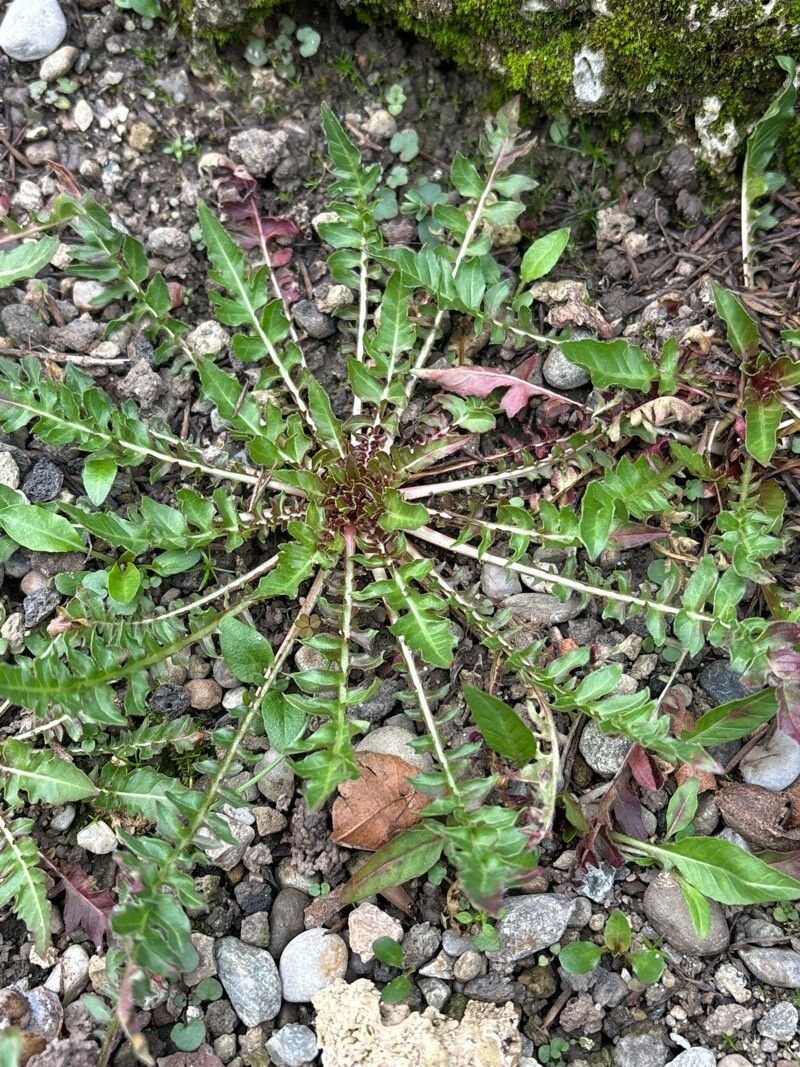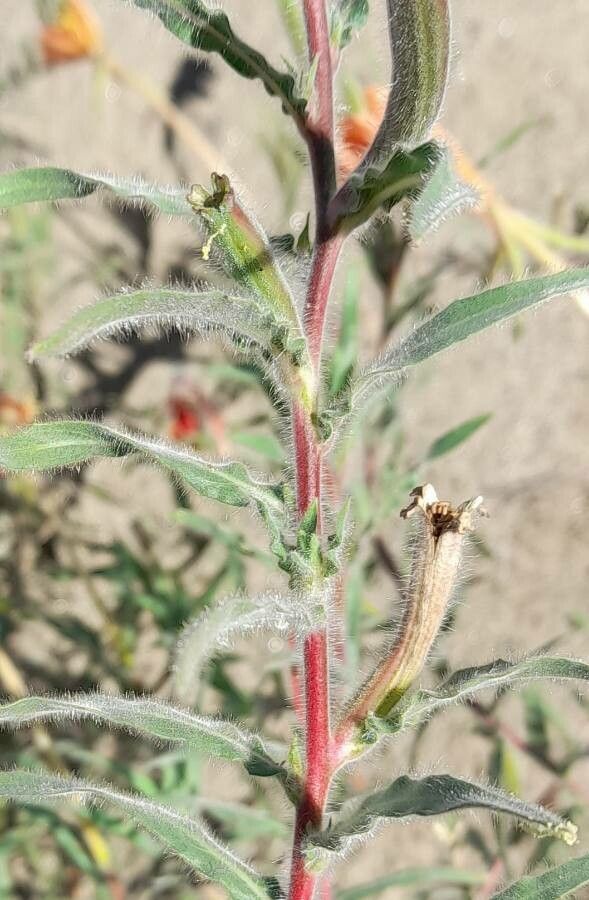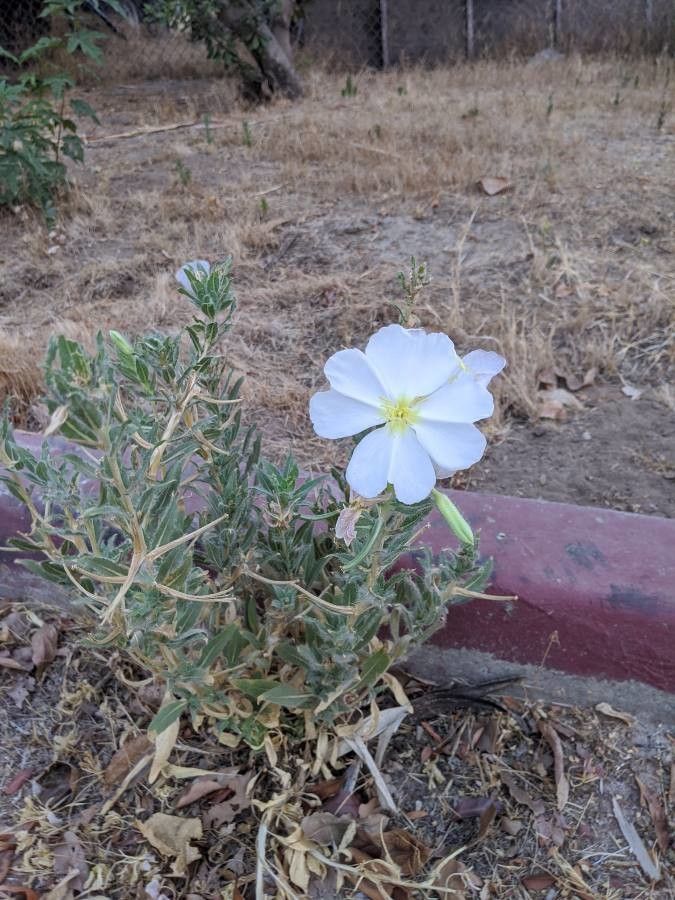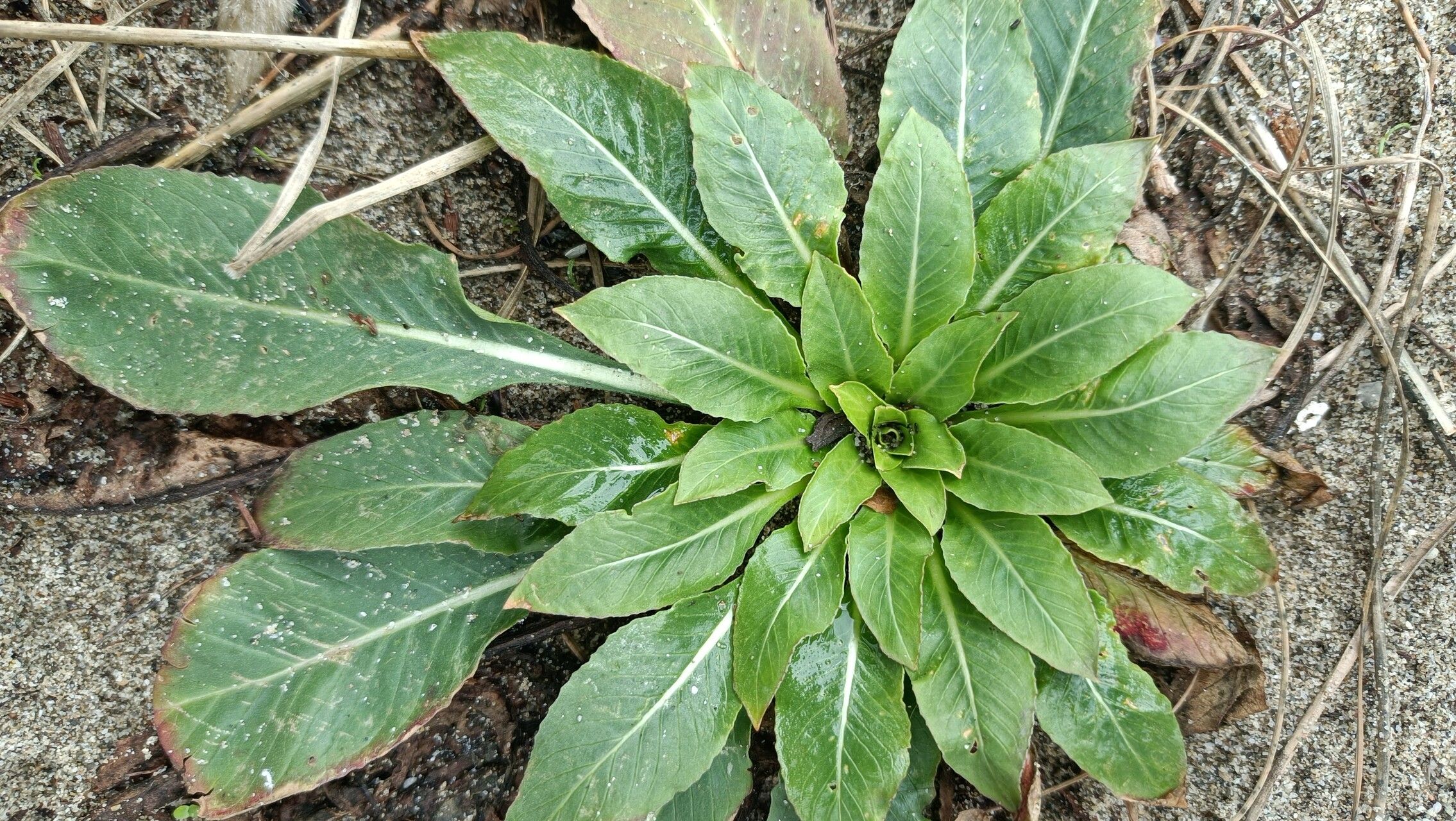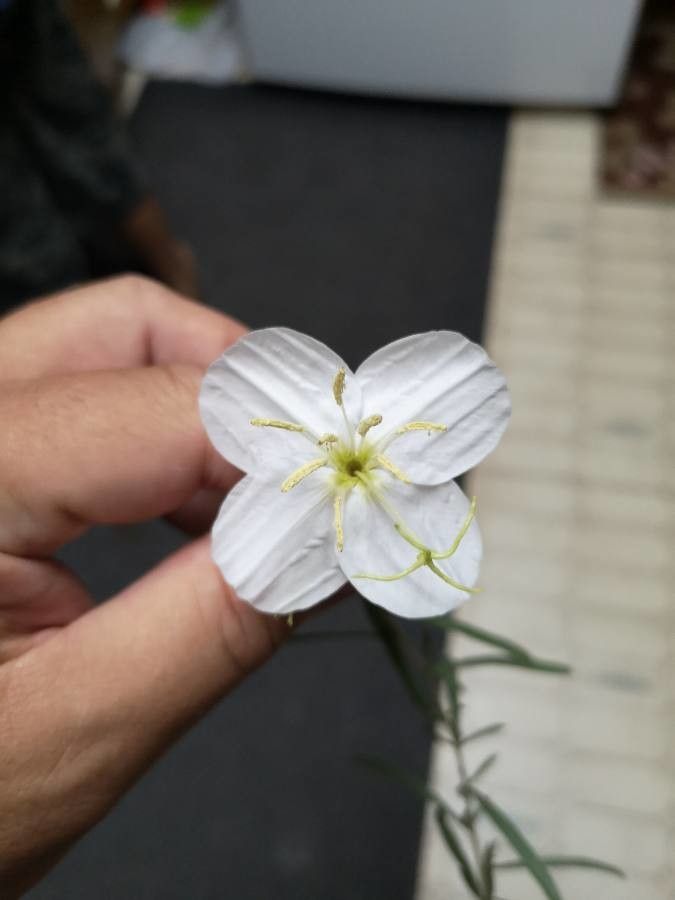
Oenothera nuttallii, the white-stemmed evening-primrose, is a species of flowering plant in the evening primrose family. It is native to western Canada, and the north-central United States, and it has been introduced to Illinois. A perennial reaching 60 cm (24 in), it is found in grasslands, sagebrush steppes, and plains, usually in sandy soils.
Whitest Evening Primrose is fairly disease-resistant and typically not prone to illnesses. However, it can be affected by pests and diseases present in its environment. These problems are usually minor. In terms of care, the plant requires moderate maintenance. It should be pruned regularly to maintain a tidy appearance and healthy growth. Fertilizing can also help encourage flowering. Whitest Evening Primrose is suitable for anyone with outdoor space, such as a garden or patio, and does not demand extensive gardening experience. It may need more care if grown indoors.
How to keep Oenothera Nuttallii.
Light
Whitest Evening Primrose does best with steady daylight throughout the day, which helps it grow well. However, it does not require a specific level of light tolerance. Too little or too much light will not greatly affect the plant's health. Its natural habitat likewise receives abundant light each day.
Water
Nuttall's evening primrose is a drought-tolerant plant that is ideal for xeriscaping and thrives in well-drained soil. If you are growing it in a pot, water deeply once a week, but be careful not to overwater, as excess moisture can cause root rot. For outdoor cultivation, water deeply after planting in the spring, and then water occasionally during hot and dry summer days.
Temperature
Whitest Evening Primrose is native to habitats where temperatures range from 68 to 95 °F (20 to 35 ℃). For optimal growth, it needs an environment that can replicate that temperature range. Seasonal adjustments may be required to keep conditions within this range.
Fertilizer
When Whitest Evening Primrose has opened most of its blooms to full size, resume fertilizing. At peak bloom, apply fertilizer every three to four weeks, weather permitting. Then, once the plant begins producing fewer new blooms, stop fertilizing; there's no need to feed it when it can no longer produce additional blooms.
Pruning
Nuttall's evening primrose features bright yellow flowers and grows in a rosette pattern. For best results, prune it in early spring to remove any winter damage and encourage new growth. Light and regular pruning improves air circulation, helps reduce pests, and aligns with the plant's growth cycle, promoting optimal blooming and overall health.
Botanical profile.
- Plant Type
- Herb
- Life Cycle
- Annual, Biennial, Perennial
- Genus
- Oenothera
- Family
- Onagraceae
- Hardiness Zone
- 4-8
- Mature Height
- 15 cm to 30 cm
- Mature Spread
- 30 cm
- Leaf Color
- Green, Blue
- Leaf Type
- Semi-evergreen
- Flower Color
- White
- Flower Size
- 6.35 cm
- Bloom Time
- Late spring, Early summer, Mid summer
- Planting Time
- Spring, Autumn
- Harvest Time
- Summer
- Native Area
- Mexico
Other names.
Reader questions.
What are the sunlight requirements for Nuttall's evening primrose?
Nuttall's evening primrose (Oenothera nuttallii) thrives under specific sunlight conditions. It requires full sun, which means it needs more than 6 hours of sunlight daily to flourish. However, it can also grow in partial sun, defined as about 3-6 hours of sunlight each day. It's important to observe the movement of sunlight through your garden to find the ideal spots that offer a harmonious balance of light and shade. This careful placement ensures the well-being and happiness of your Nuttall's evening primrose plants.
What is Nuttall's evening primrose?
Nuttall's evening primrose, scientifically known as Oenothera nuttallii, is a species of plant. There is no further provided information on its essentials, content, or symptoms related to this plant.