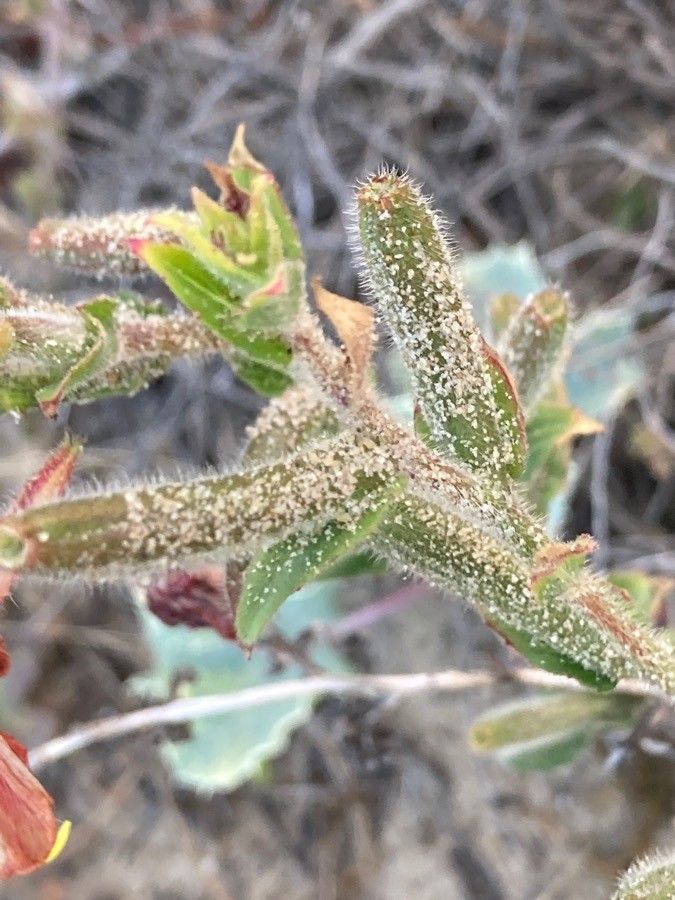
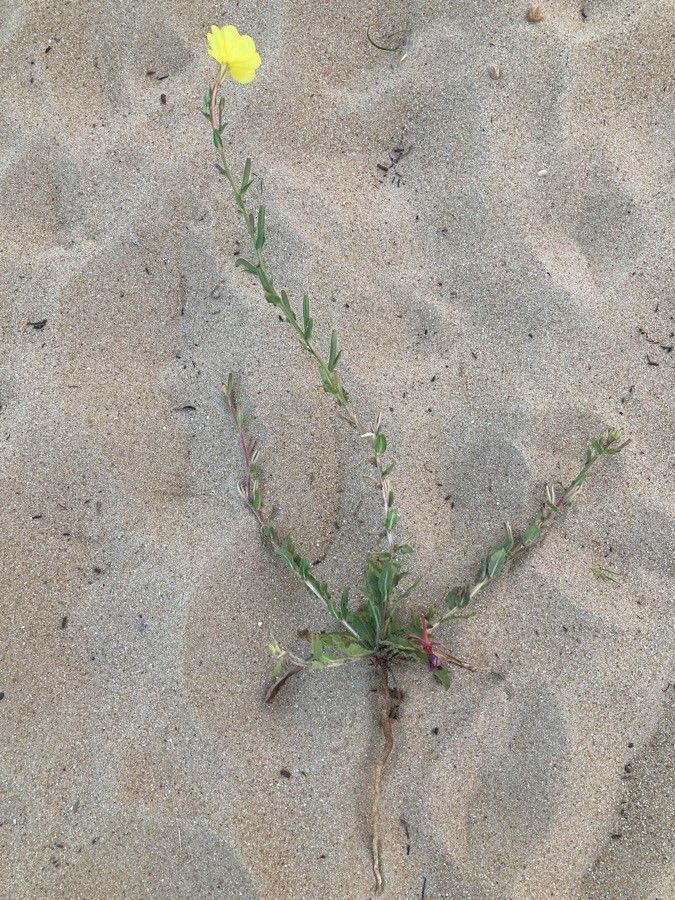
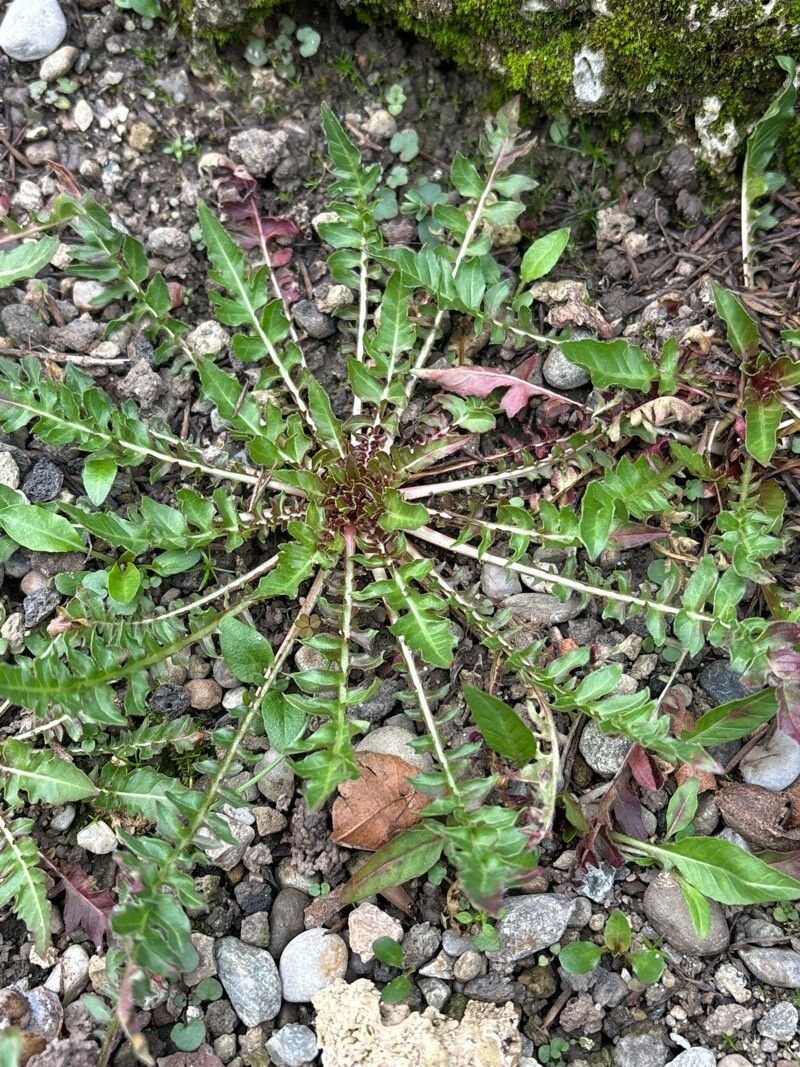
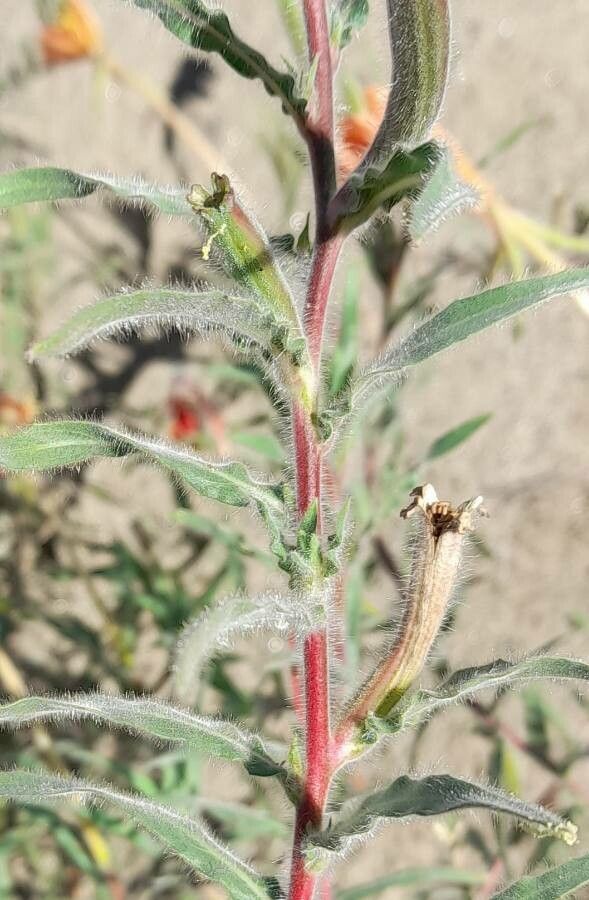
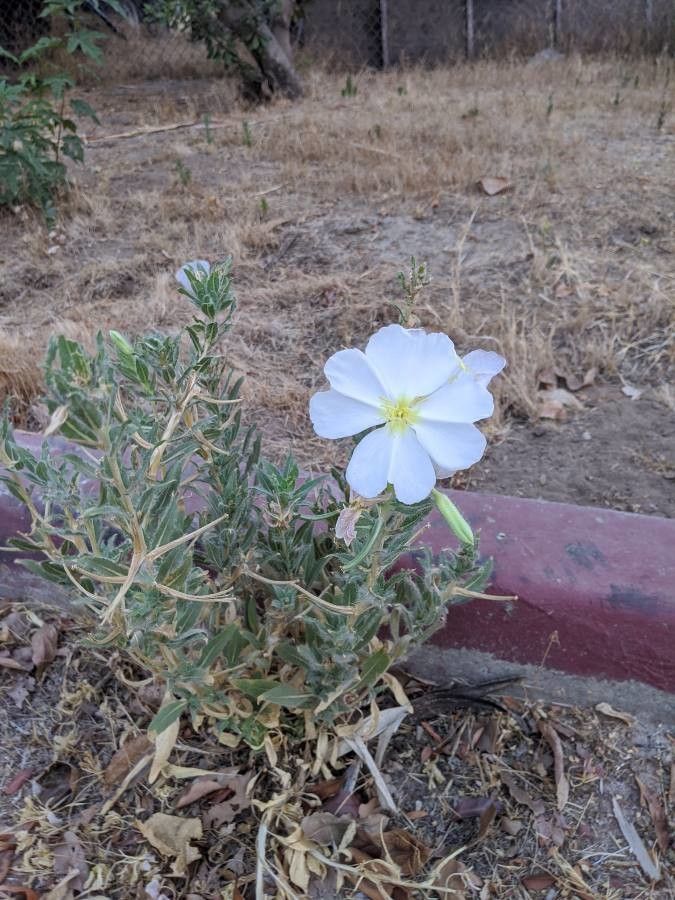
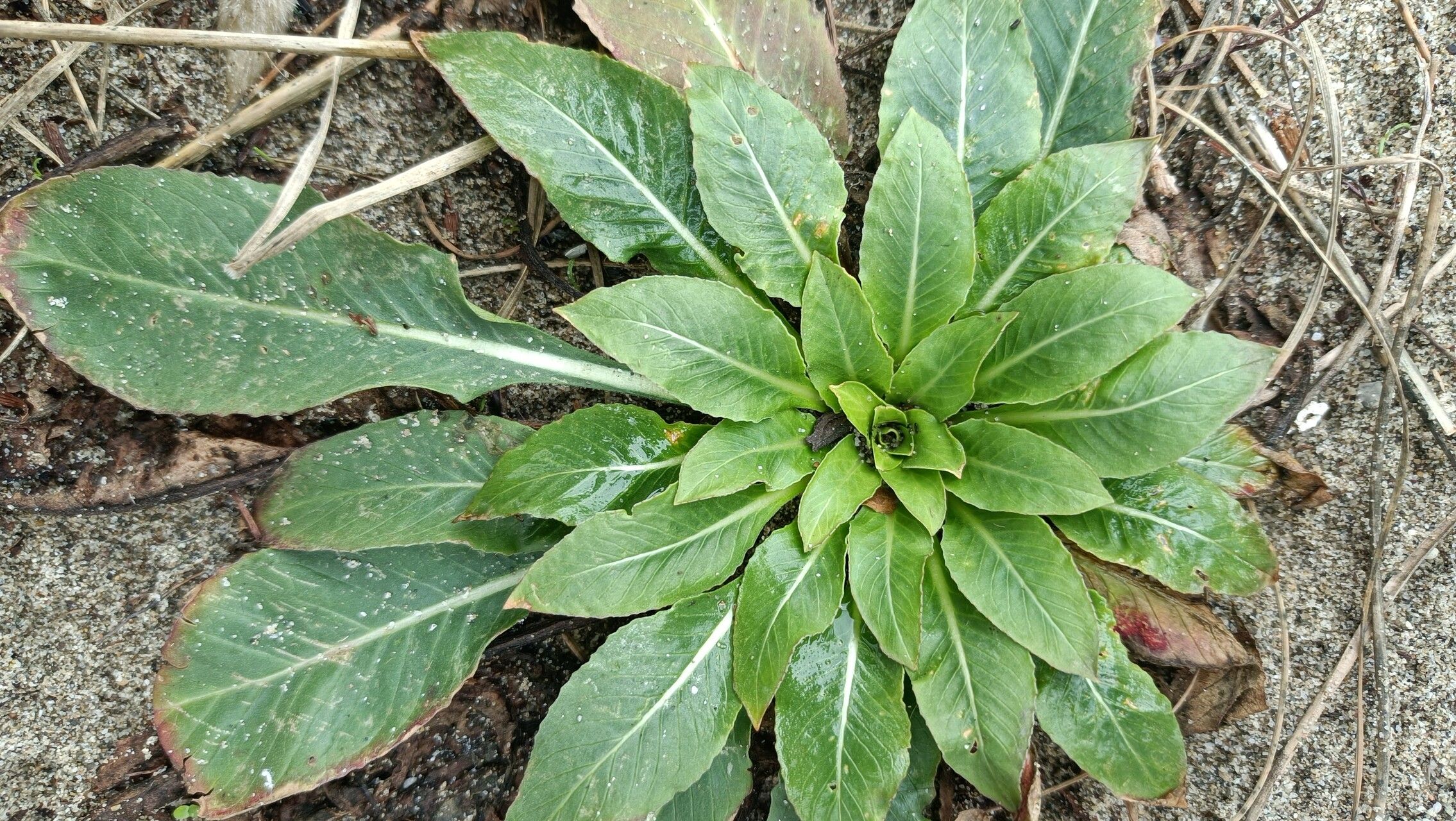
Cutleaf evening primrose is fairly disease-resistant and usually not prone to illnesses. Still, it can be affected by pests and diseases present in its surroundings; these problems are typically mild. For care, the plant needs moderate maintenance. It should be pruned regularly to keep a tidy appearance and support healthy growth. Fertilizing can also encourage more flowering. Cutleaf evening primrose is suitable for anyone with outdoor space, such as a garden or patio, and does not require extensive experience in plant care. It may demand more attention when grown indoors.
How to keep Oenothera Longiflora.
Light
The cutleaf evening primrose favors full, direct sunlight, which promotes its vigor. It can also tolerate sites where sun exposure is broken by periods of shade. Too much or too little sunlight can affect its health and flowering. These light preferences mirror the ecosystems where the cutleaf evening primrose naturally occurs.
Temperature
Cutleaf evening primrose is native to areas with temperate climates. It typically favors temperatures between 68 and 95 °F (20 to 35 °C). During severe seasonal shifts, it is advised to gradually acclimate the plant to the forthcoming temperatures.
Fertilizer
Cutleaf evening primrose benefits from regular, light fertilizer applications to encourage healthy leaf growth. You should fertilize Cutleaf evening primrose about once a month during the summer months. Nitrogen is essential for foliage, and adding nitrogen-rich sources helps Cutleaf evening primrose thrive.
Botanical profile.
- Plant Type
- Herb
- Life Cycle
- Annual, Perennial, Biennial
- Genus
- Oenothera
- Family
- Onagraceae
- Hardiness Zone
- 6-10
- Mature Height
- 15 cm to 61 cm
- Mature Spread
- 15 cm
- Leaf Color
- Green, Blue
- Leaf Type
- Deciduous
- Flower Color
- Yellow
- Flower Size
- 0.76 cm to 1.78 cm
- Bloom Time
- Late spring, Early summer, Mid summer
- Planting Time
- Spring, Summer
- Harvest Time
- Early summer, Mid summer
- Native Area
- Mexico, Costa Rica, Panama
Other names.