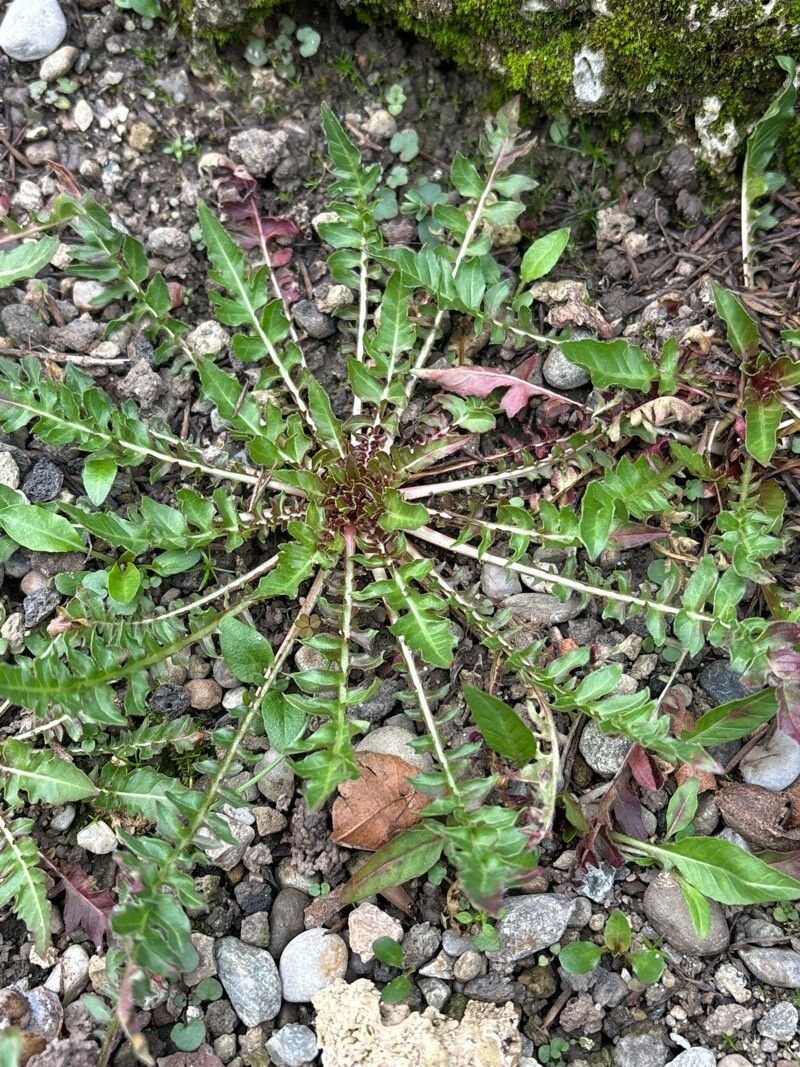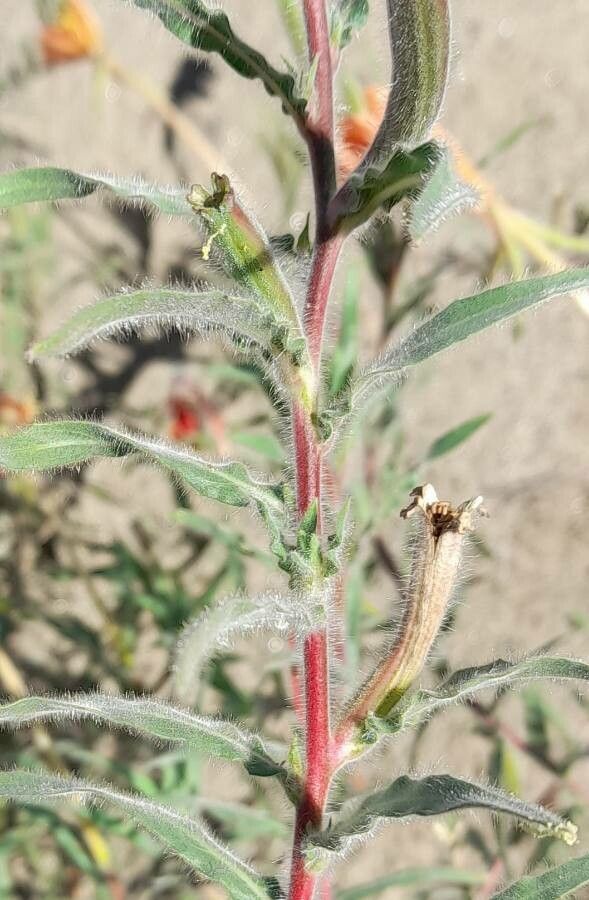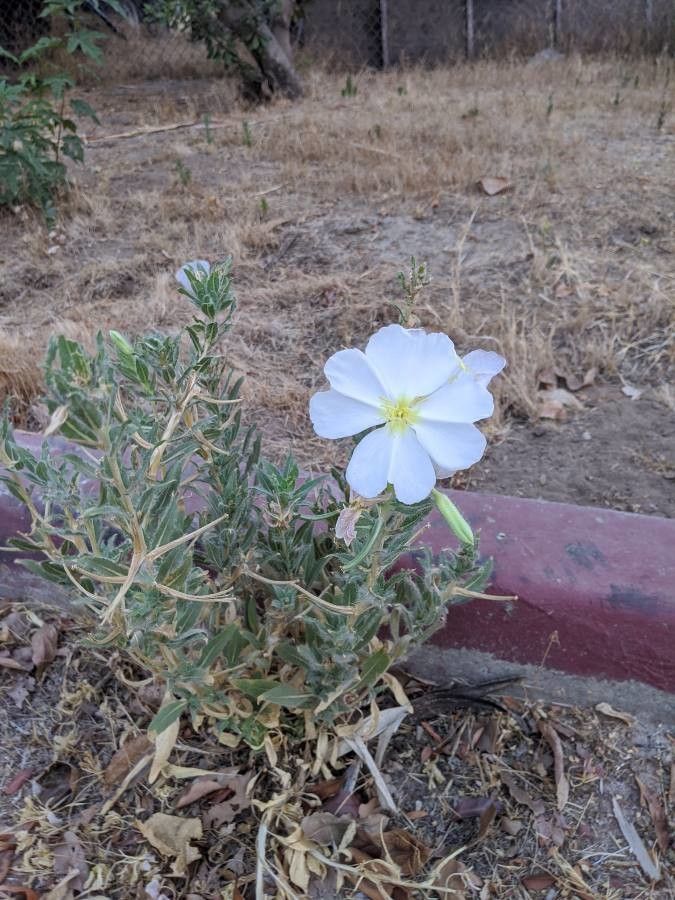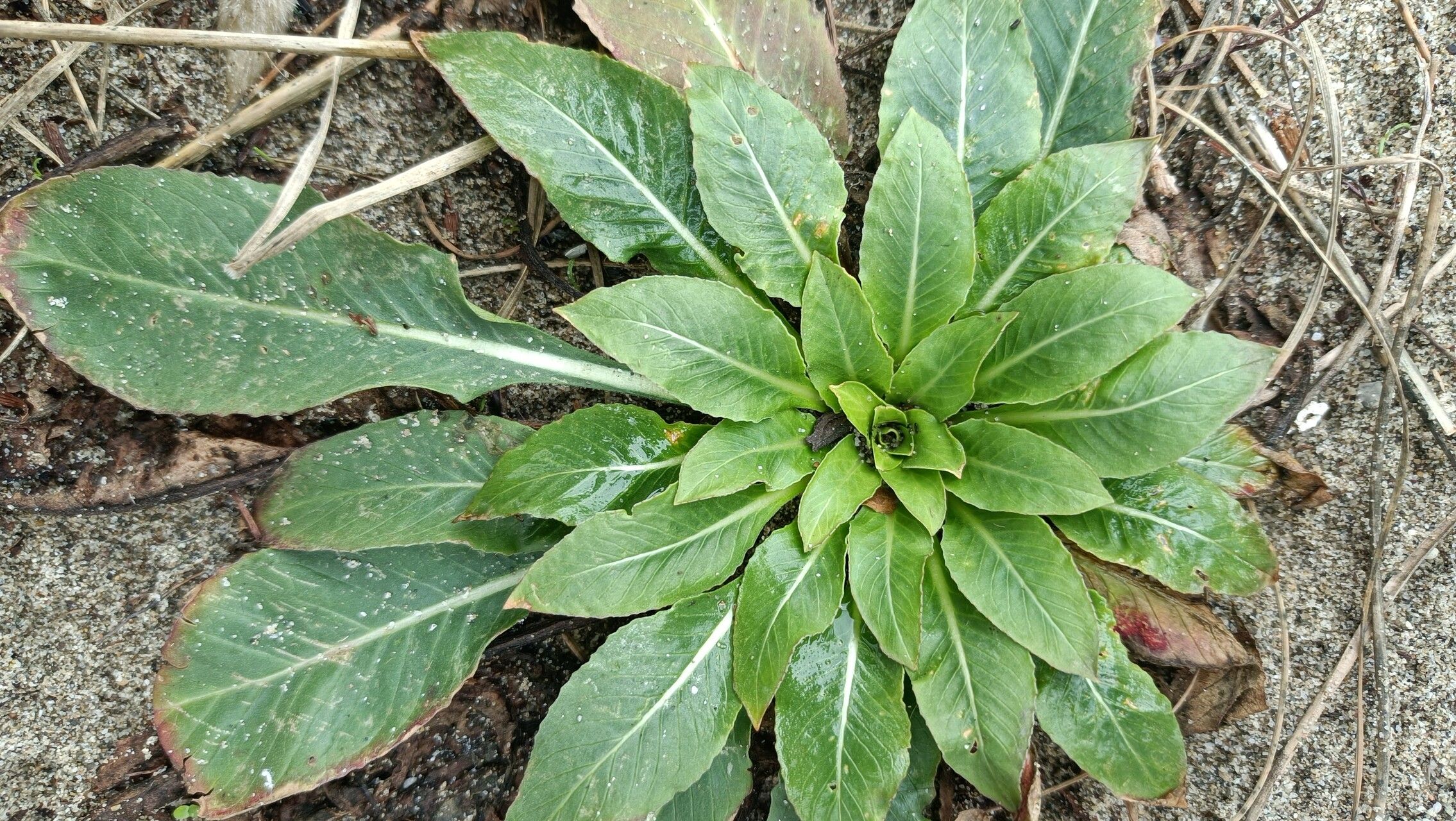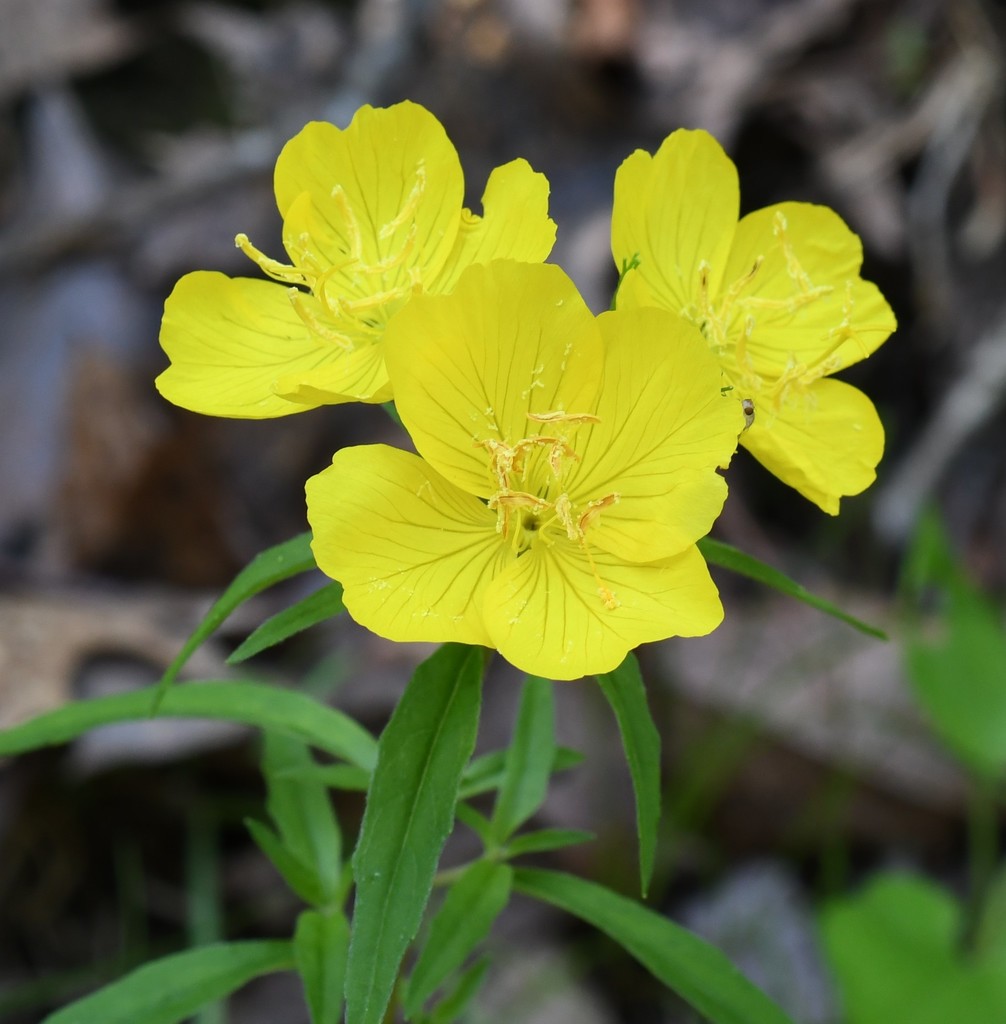
Oenothera fruticosa, the narrowleaf evening primrose or narrow-leaved sundrops, is a species of flowering plant in the evening primrose family. It is native to much of eastern North America, where it is found in a variety of open habitats, including dry woodlands, rock outcrops and moist savannas. It is an erect herbaceous perennial growing to 20–90 cm (8–35 in) tall, with alternative, simple, entire or slightly toothed leaves. The saucer- or cup-shaped yellow flowers, 2.5–5 cm (1–2 in) in diameter, appear in late spring and summer. The fruit is a capsule that is strongly 4-angled or winged and shaped like a club. Many varieties have been named, but the infraspecific taxonomy of this species is still in an unresolved state.
Narrowleaf evening primrose: Despite its common name, evening primrose, this plant's flowers bloom in the morning and last for several days. Its leaves are narrower and thinner than those of the typical evening primrose, which is why it is called narrowleaf evening primrose.
Narrowleaf evening primrose has strong disease resistance and is generally not prone to illnesses. Still, it can be vulnerable to pests and diseases present in its environment. These issues are typically mild. In terms of care, this plant requires moderate maintenance. It should be pruned regularly to preserve a neat appearance and healthy growth. Fertilizing can also help encourage flowering. Narrowleaf evening primrose is suitable for anyone with outdoor space, such as a garden or patio, and does not demand extensive care experience. It may need more attention if grown indoors.
How to keep Oenothera Fruticosa.
Light
The narrowleaf evening primrose grows best in plentiful sunlight, taking in large amounts of solar energy to build strength and produce vivid blooms. Its typical habitat is well-lit areas. However, it can tolerate locations with slightly reduced sunlight. Excessive shading stunts growth, while too much sun exposure can damage the plant's health.
Water
Narrowleaf evening primrose thrives best with periodic rainfall, as it requires a balance between moisture and drought tolerance. To mimic its natural environment, water the plant weekly. Although it is low-maintenance in terms of hydration, the seasonal rain patterns can impact its flowering and growth cycles, especially when cultivated outdoors.
Temperature
Narrowleaf evening primrose is native to temperate regions and generally does well in temperatures of 68 to 95 °F (20 to 35 °C). When cultivated outside its natural climate, recreating these conditions may be necessary, especially in colder seasons.
Fertilizer
The best time to fertilize a Narrowleaf evening primrose is in early spring, when it is coming out of dormancy and beginning active growth. Fertilization supplies essential nutrients for healthy development. Although Narrowleaf evening primrose has relatively low fertilizer requirements, an annual application can improve its survival and encourage better, longer-lasting blooms.
Pruning
The narrowleaf evening primrose is a plant with bright yellow flowers and slender leaves. To keep it vibrant and healthy in your garden, prune it by deadheading the spent blooms and cutting back old growth from early to late spring. This improves air circulation, reduces pests, and encourages new growth.
Pot & Repot
When repotting Narrowleaf evening primrose, select a pot 1–2 inches (2.5–5.1 cm) larger with ample drainage. Use a well-draining potting mix. Repot in spring or fall, positioning the root ball slightly lower than the rim of the pot. Water thoroughly after repotting and place in a warm spot with indirect sunlight.
Toxicity
Oenothera fruticosa oil is generally well tolerated, with reported minor adverse effects, including gastrointestinal upset and headaches.
Further reading →
The toxicity and danger assessments provided are for reference only. We do not assure their accuracy, so it's crucial not to depend on them. Seek professional advice when necessary for accurate guidance.
Botanical profile.
- Plant Type
- Herb
- Life Cycle
- Perennial, Biennial, Annual
- Genus
- Oenothera
- Family
- Onagraceae
- Hardiness Zone
- 4-9
- Mature Height
- 20 cm to 91 cm
- Mature Spread
- 61 cm
- Leaf Color
- Green
- Leaf Type
- Deciduous
- Flower Color
- Yellow
- Flower Size
- 2.54 cm to 5.08 cm
- Bloom Time
- Late spring, Early summer, Mid summer
- Planting Time
- Spring, Summer
- Harvest Time
- Early summer, Mid summer
- Native Area
- Central to southwestern United States
Other names.
Reader questions.
How should I water my Narrowleaf evening primrose?
To care for the Narrowleaf evening primrose, follow these steps: 1. Use filtered water at room temperature: Tap water may contain harmful particles, so using filtered water is better. 2. Avoid cold water: The Narrowleaf evening primrose is accustomed to warm environments, so cold water can be a shock to its system. 3. Don't overhead water: Instead, apply the filtered room temperature water directly to the soil. 4. Soak the soil: Ensure that the water saturates the soil completely. This helps moisten the roots and allows them to spread and gather necessary nutrients.
Why should I add fertilizer to my Narrowleaf evening primrose plant?
Fertilization is important for the Narrowleaf evening primrose and other plants because it provides essential nutrients for growth both above and below ground. Although the overall fertilization needs for the Narrowleaf evening primrose are low, annual fertilization can be highly beneficial. It helps the plant survive and may improve the quality and longevity of its flowers. Therefore, regular fertilization is recommended for those who want their Narrowleaf evening primrose to thrive.
What are the sunlight requirements for narrowleaf evening primrose?
Narrowleaf evening primrose thrives best in full sun conditions, which means it requires more than 6 hours of direct sunlight per day for optimal growth and vibrant blooms. It can also tolerate partial sun, defined as about 3-6 hours of sunlight. However, it's important to carefully observe the movement of sunlight through your garden to select spots that offer the right balance of light and shade, ensuring the plant's happiness. Excessive shading can hamper growth, while too much direct sun might deteriorate the plant's health. For indoor plants, when natural sunlight is insufficient, artificial lighting can be a vital solution. LED lights are recommended because they can provide specific wavelengths needed by plants. Full sun plants require 30-50W/sq ft, partial sun plants need 20-30W/sq ft, and full shade plants need 10-20W/sq ft of artificial light.
What is the ideal climate for growing Narrowleaf evening primrose?
Narrowleaf evening primrose is indigenous to temperate regions and thrives best in temperatures ranging from 68 to 95 °F (20 to 35 °C). To support its growth outside its native climate, particularly in colder seasons, adjustments may be necessary to replicate these conditions. The plant exhibits strong cold resistance, generally not requiring special frost protection measures in winter. However, for extremely cold winters with temperatures dropping below -30°C, protecting the plant by covering it with soil or straw, and ensuring the soil remains moist before the first freeze in autumn, are recommended practices.
What should I do if I give too much water or too little water to my Narrowleaf evening primrose plant?
Overwatering is a more common issue than underwatering for Narrowleaf evening primroses. When this species gets too much water, the stems and leaves may wilt and turn yellow. Over time, overwatering can lead to diseases like root rot, mold, and mildew, which can be fatal for your plant. Underwatering is less common for this plant, as it can tolerate drought to some extent. However, if underwatering does occur, the leaves may become brittle and brown. It's important to notice signs of overwatering early so you can take action. Some diseases caused by overwatering, like root rot, may not be fixable if you wait too long. If you see early signs of overwatering, reduce your watering schedule immediately. You should also check the soil drainage. If it drains poorly, replace it with a loose, well-draining mix. If you notice signs of underwatering, simply water more regularly until the signs disappear.
When should I put fertilizer on my Narrowleaf evening primrose?
The best time to fertilize a Narrowleaf evening primrose is late winter to early spring when it is transitioning from dormancy to active growth. This promotes healthy growth and sets the plant up for a successful season. While early spring is generally recommended, fall is also an option for fertilization. However, it is not advisable to fertilize the plant during summer or winter.
What are the common symptoms of inappropriate sunlight exposure for narrowleaf evening primrose?
Narrowleaf evening primrose shows several symptoms when exposed to inadequate or excessive sunlight. Insufficient light may cause new leaves to be smaller, growth to be leggy or sparse, faster leaf drop, slower or no new growth, and lighter-colored new leaves. Excessive sunlight, on the other hand, may lead to chlorosis, sunscald, leaf curling, wilting, and leaf scorching. Chlorosis is characterized by the leaves losing their green color and turning yellow, while sunscald appears as pale, bleached areas. Leaf scorching is noticed by brown, dry edges on leaves. These symptoms indicate the plant's stress due to inappropriate light levels.
How does Narrowleaf evening primrose react to low temperatures?
Narrowleaf evening primrose is notably cold-tolerant. It thrives best when temperatures remain above 20°C and should ideally be kept above 0°C during winter. If temperatures fall below -30°C, there might not be noticeable changes during the winter months, but there can be a reduced sprouting or no sprouting at all in the following spring. To address this, it's advised to remove any parts of the plant that have failed to sprout as the weather warms.
How frequently should I water my Narrowleaf evening primrose?
To determine if your Narrowleaf evening primrose needs water, check the soil using the following methods based on where your plant is located. If it is in a pot, simply put your finger into the soil. If the top two to three inches feel dry, it's time to water. For those growing the plant outdoors in the ground, the same method applies. When the first few inches of soil have dried out, it's time for watering. Usually, watering once a week is sufficient during spring and early fall. However, during hot weather, you may need to water twice or more per week. Nonetheless, mature and established Narrowleaf evening primrose plants have a remarkable ability to withstand drought.
When is the best time to not fertilize my Narrowleaf evening primrose?
To avoid overfertilization and complications, it is best to only fertilize your Narrowleaf evening primrose in late winter and early spring. This plant has low fertilization needs, so one annual feeding is sufficient. It is important to refrain from fertilizing during spring, summer, and fall, unless you missed fertilizing in the spring. However, there is no need to fertilize during winter when the plant is in a dormant growth phase and not producing new growth.
How can I manage inappropriate sunlight exposure for narrowleaf evening primrose?
To manage inappropriate sunlight exposure for narrowleaf evening primrose, consider the following solutions based on your plant's location. Indoors, gradually move your plant to a sunnier location until it receives the required amount of sunlight, utilize south-facing windows, and consider artificial lighting if moving the plant isn't feasible. Outdoor plants should also be moved gradually to sunnier spots to prevent sunburn, noting that parts of the plant damaged by insufficient light may not recover but new growth will be healthy post-adjustment. For ground-planted species, reduce obstructions like overhanging branches and consider transplantation during the plant's dormant period to a more suitable location with adequate sunlight and good drainage.
How should you care for Narrowleaf evening primrose in high temperatures?
In the summer months, Narrowleaf evening primrose should ideally be kept at temperatures below 35°C. Exposure to temperatures above 38°C can lead to the plant's leaves becoming lighter, curling, and becoming prone to sunburn, and in severe cases, the plant may wilt and dry out. To combat this, trim away the sunburned and dried-up parts. Relocate the plant to an area with shade during the midday and afternoon sun or use a shade cloth. Additionally, watering the plant during the morning and evening hours will help to maintain soil moisture and alleviate the effects of high temperatures.