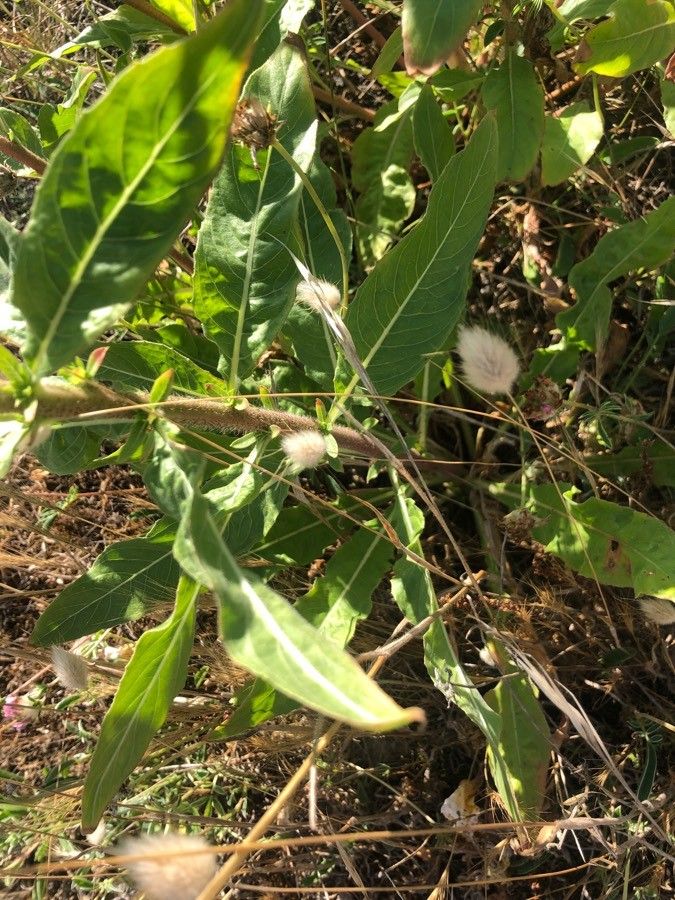
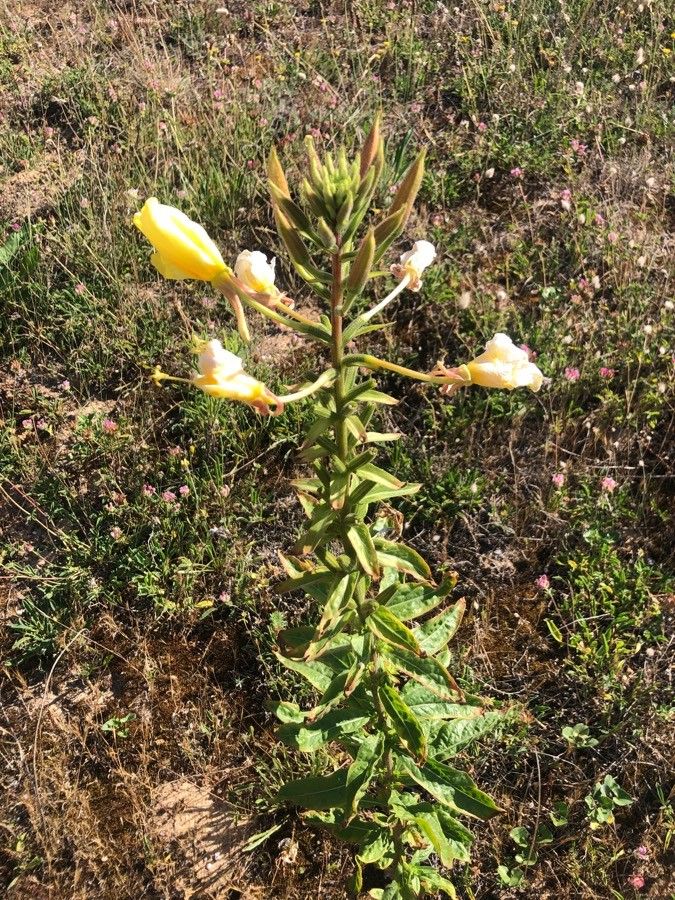
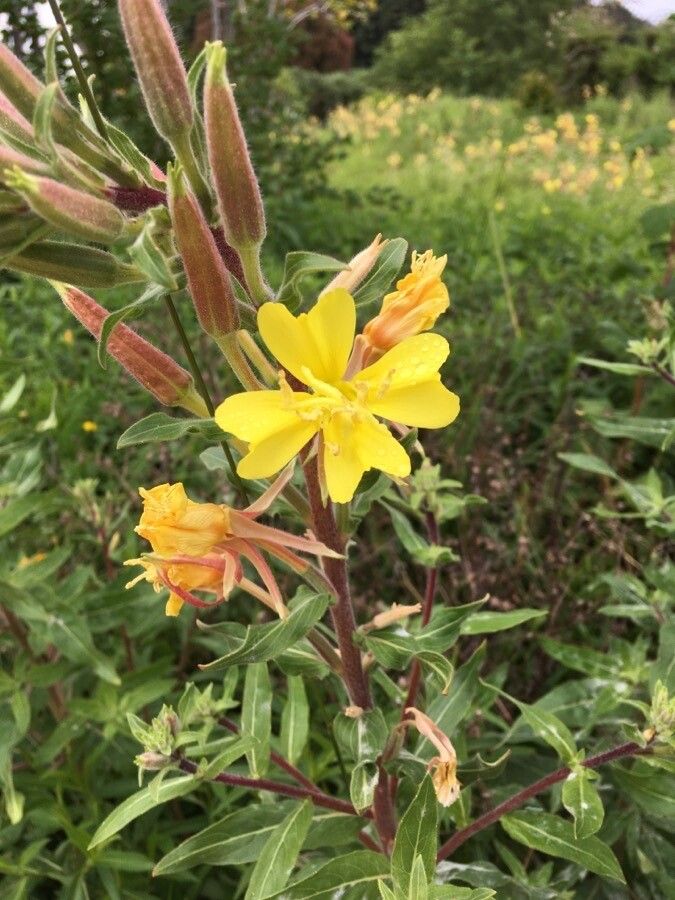
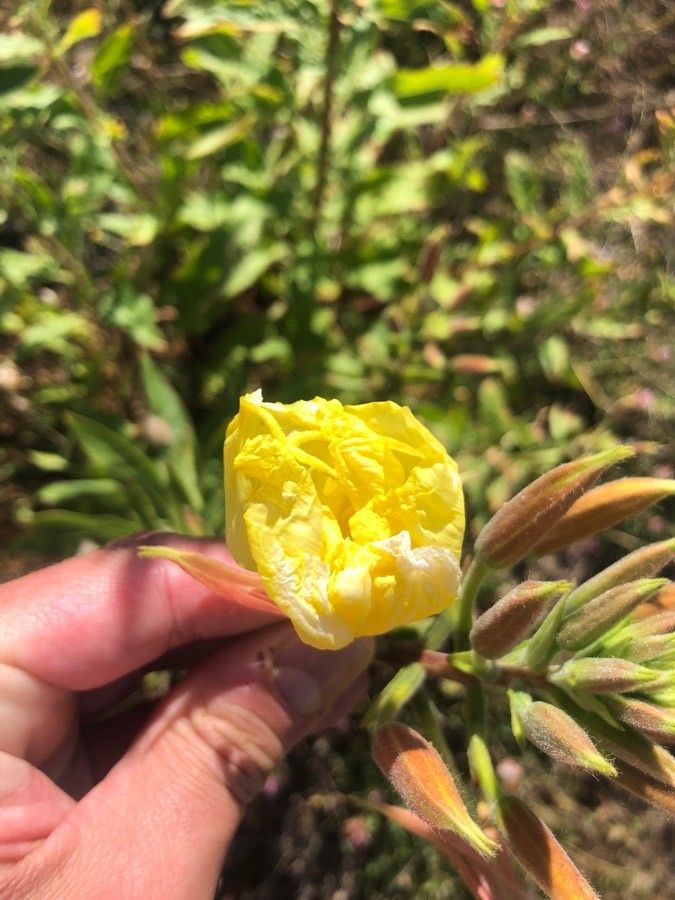
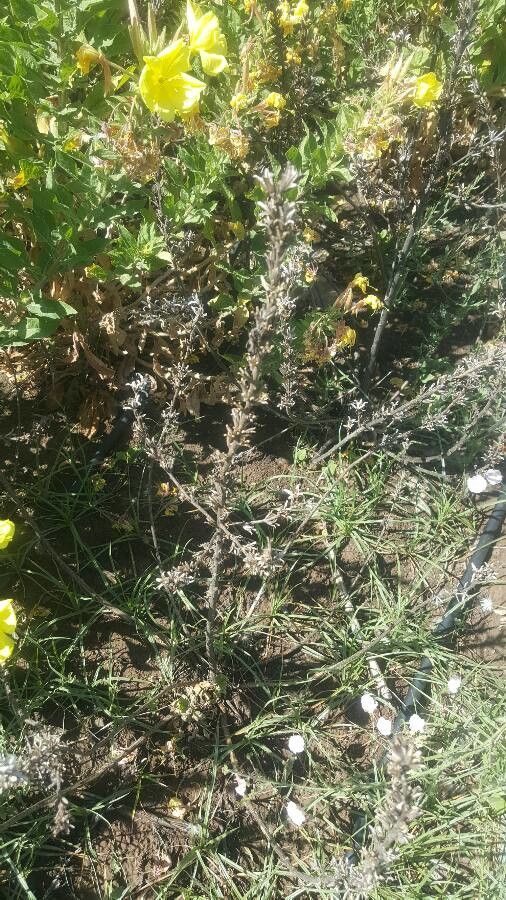
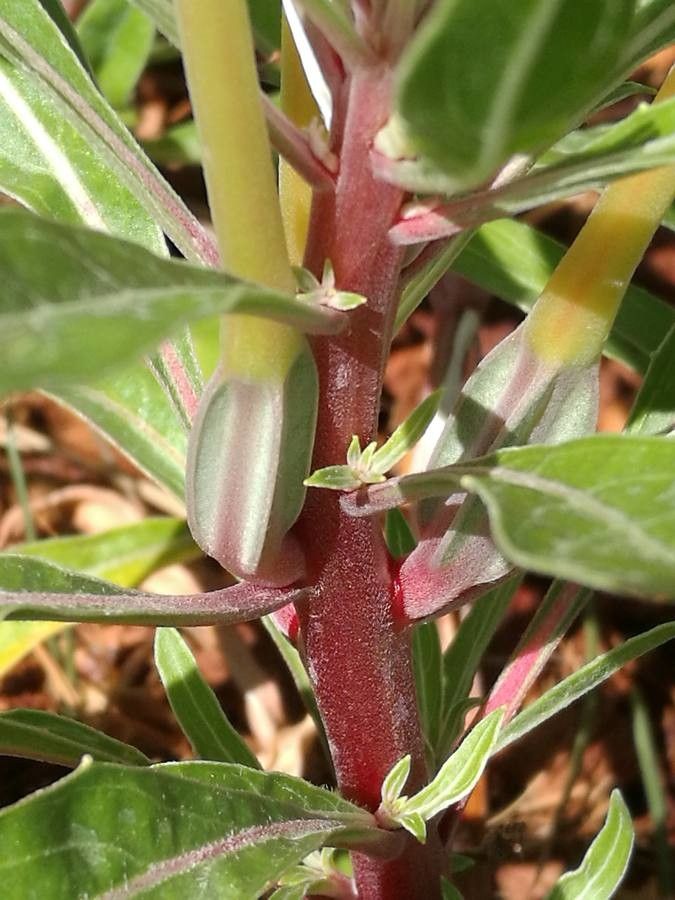
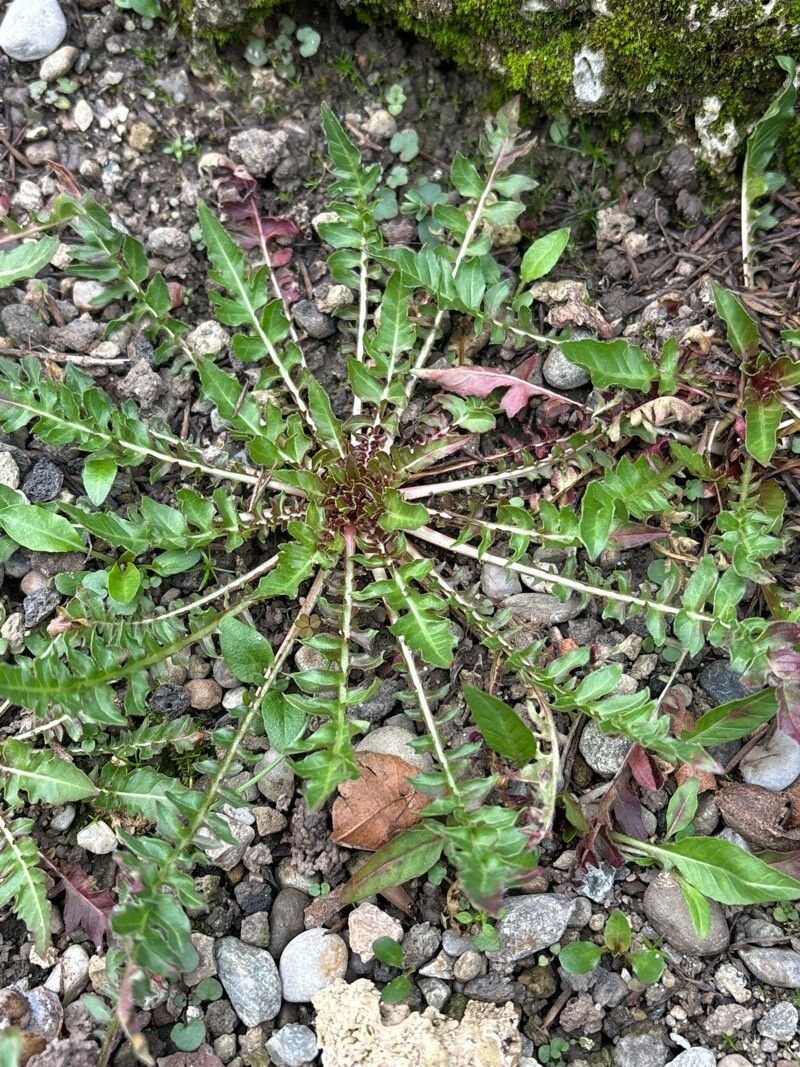
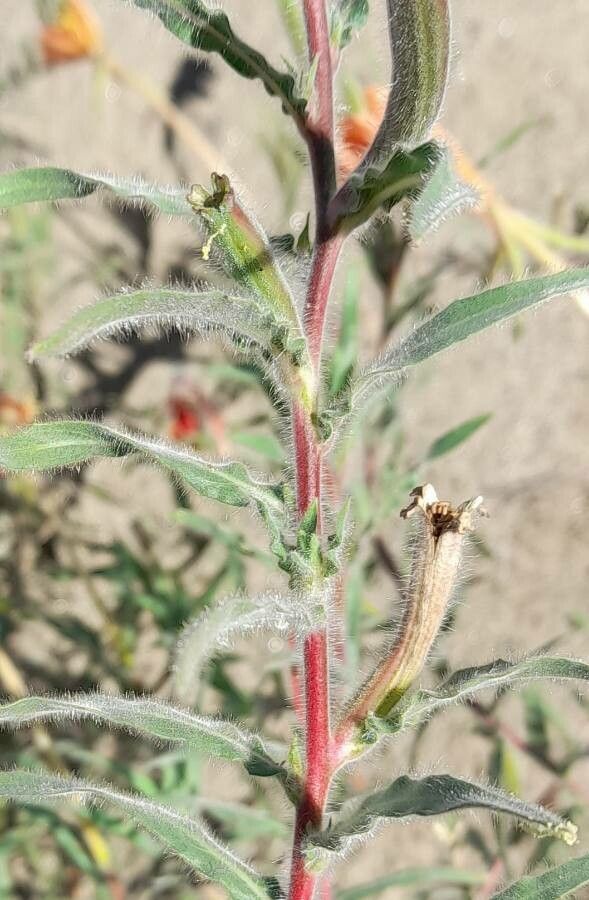
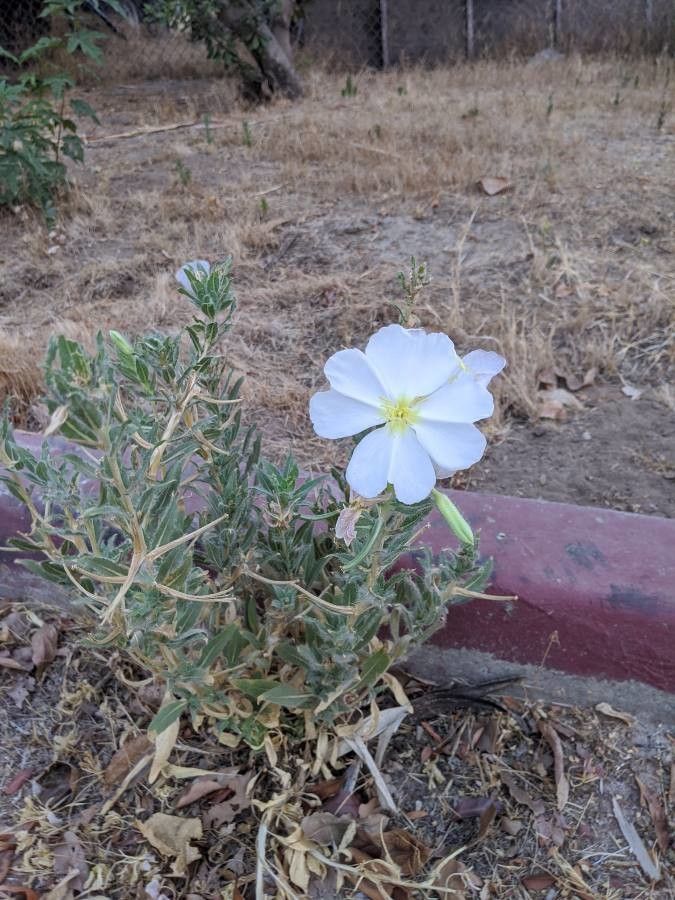
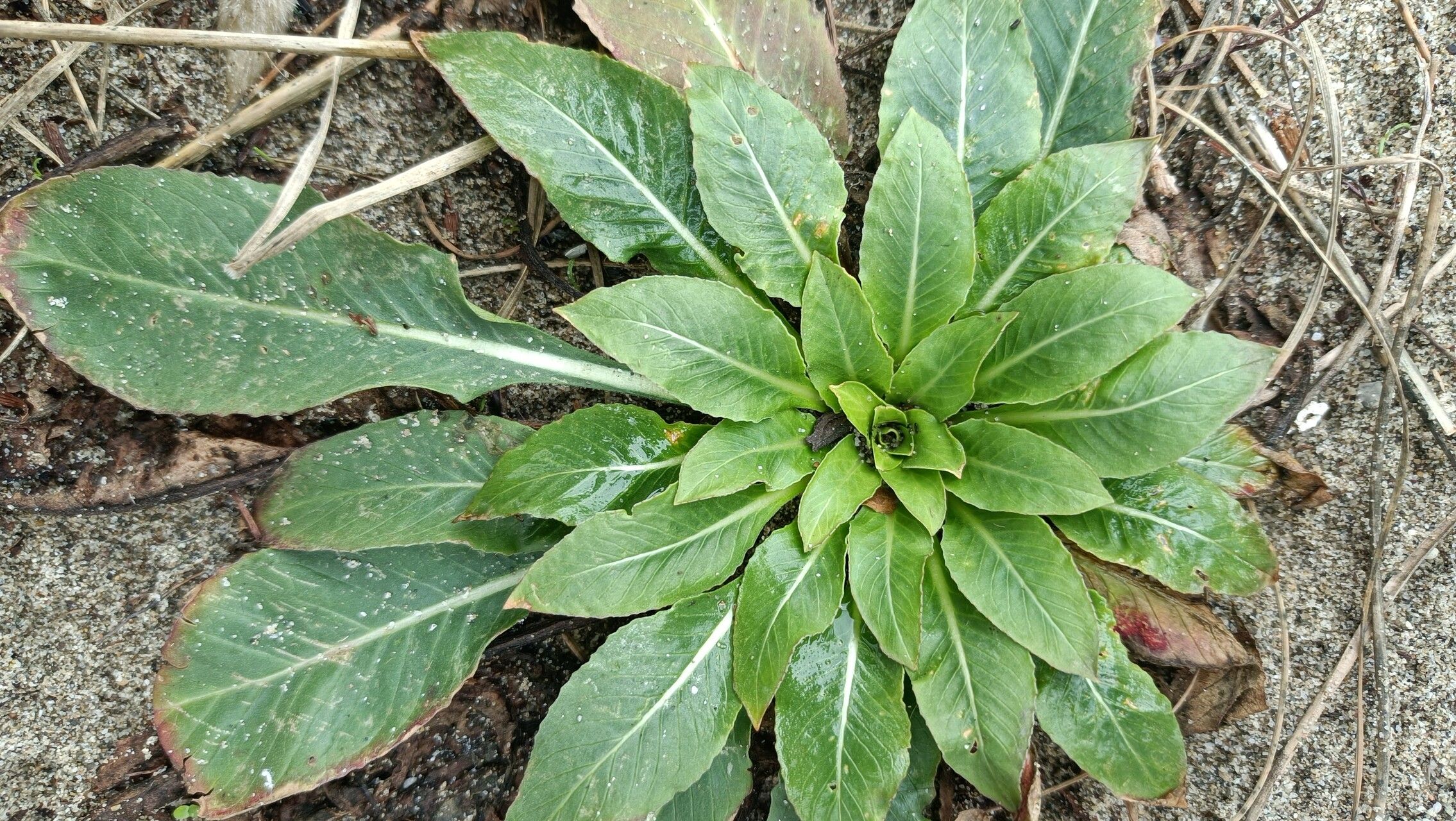
Oenothera elata, commonly known as the evening primrose, is a flowering plant native to North America. It can be either a biennial or perennial plant, reaching heights of up to 1.5 meters. Its yellow flowers bloom in the evening and last until the morning. The leaves are lance-shaped and can grow up to 15 centimeters in length.
This plant thrives in well-drained soil and can tolerate both full sun and partial shade. Once established, it is drought-tolerant. Due to its attractive blooms, Oenothera elata is often used as an ornamental plant in gardens.
For centuries, Native Americans have used Oenothera elata for medicinal purposes. The roots have been utilized to treat various ailments, including coughs, sore throats, and gastrointestinal issues.
Overall, Oenothera elata is a beautiful flowering plant with notable medicinal properties, making it an excellent addition to any garden or landscape design.
Hooker's evening primrose is fairly disease-resistant and usually not prone to illnesses. However, it can be affected by pests and diseases present in its surroundings, and these issues are typically not severe. For care, the plant requires moderate maintenance. It should be pruned regularly to maintain a neat appearance and support healthy growth. Fertilizing can also help encourage flowering. This species is suitable for anyone with outdoor space, such as a garden or patio, and does not demand extensive care experience. It may need more attention when grown indoors.
How to keep Oenothera Elata.
Light
Hooker's evening primrose grows best in places that receive full sun throughout the day, though it can tolerate sites that get only strong morning or strong afternoon sun. Its native habitat similarly includes areas with comparable light patterns. Notably, too much sun can cause scorching, while too little sun can limit its growth.
Water
Hooker's evening primrose flourishes in well-drained soils and is drought-tolerant, making it adaptable to moderate moisture levels. For optimal growth, water it weekly and use mulch to help retain moisture during the growing season.
Temperature
Hooker's evening primrose is native to temperate regions and requires temperatures of 68 to 95 °F (20 to 35 °C). It does best in warm climates, so maintaining that temperature range consistently year-round is recommended for optimal growth.
Fertilizer
Hooker's evening primrose requires regular feeding to encourage flowering but dislikes excess. Apply light amounts of fertilizer frequently throughout its life, especially during the main period of active growth and while it is blooming. Continue feeding your Hooker's evening primrose until it stops blooming.
Pruning
Hooker's evening primrose is known for its vibrant yellow flowers and requires pruning from early to late spring. To maintain healthy plants, it's important to cut back spent blooms and remove dead stems, which helps improve air circulation. Be sure to prune just above the leaf nodes to encourage regrowth, prevent overcrowding, and ensure robust growth throughout the growing season.
Botanical profile.
- Plant Type
- Herb
- Life Cycle
- Biennial, Perennial, Annual
- Genus
- Oenothera
- Family
- Onagraceae
- Hardiness Zone
- 6-9
- Mature Height
- 1.83 m
- Mature Spread
- 61 cm to 91 cm
- Leaf Color
- Green
- Leaf Type
- Semi-evergreen
- Flower Color
- Yellow
- Flower Size
- 5.08 cm to 10.16 cm
- Bloom Time
- Early summer, Mid summer
- Planting Time
- Spring, Summer
- Harvest Time
- Mid summer
Other names.
Reader questions.
How should I water my Hooker's evening primrose plant?
To properly water the Hooker's evening primrose, it is recommended to use filtered water at room temperature. This is because tap water might contain harmful particles. The plant prefers warmer water as it is accustomed to a warm environment, and cold water can be a shock to its system. Additionally, it is best to avoid watering from above to prevent issues with the foliage. Instead, slowly pour filtered room temperature water onto the soil until it is completely saturated. This helps moisturize the roots and aids in nutrient absorption.
Why should I put fertilizer on my Hooker's evening primrose?
To help Hooker's evening primrose plants grow stronger and produce more vibrant blooms, it's important to properly fertilize them. These plants are known for their abundant flowering, so they require generous amounts of fertilizer to replenish the necessary nutrients for their growth. Nitrogen is particularly useful in stimulating early-season vegetative growth and maintaining healthy green foliage through photosynthesis and chlorophyll production. Phosphorus plays a vital role in enhancing flower formation, increasing stem strength, and aiding in the conversion of sunlight into usable energy for growth. Meanwhile, potassium facilitates the movement of water, nutrients, and sugars within the plant, transferring them from the roots to the shoots. It also encourages root growth and improves the plant's ability to tolerate drought conditions during the summer.
What are the sunlight requirements for Hooker's evening primrose?
Hooker's evening primrose thrives best in areas that receive full sunlight for the majority of the day; it requires more than 6 hours of sunlight to flourish optimally. However, it can also tolerate partial sun conditions, where it receives about 3-6 hours of sunlight. It's crucial to observe the movement of sunlight through your garden to choose spots that offer a balance of light and shade, ensuring the plant's well-being. This plant's native habitat consists of environments with similar light patterns, and while it can endure intense sun for parts of the day, excessive exposure may lead to scorching, and insufficient sunlight can impede growth.
What is the ideal temperature range for growing Hooker's evening primrose?
The ideal temperature range for growing Hooker's evening primrose is between 68 to 95 °F (20 to 35 °C). This temperature range supports optimal growth, as the plant thrives in warm climates. Maintaining this temperature consistently throughout the year is crucial for the plant's health and development.
What should I do if I give too much or too little water to my Hooker's evening primrose?
Overwatering is a common problem for Hooker's evening primrose, causing wilting, yellowing, and potential diseases like root rot, mold, and mildew. Underwatering is less common, but can still occur, resulting in brittle, brown leaves. It's important to catch signs of overwatering early, as some diseases may be irreversible if left untreated. In that case, reduce watering and check the soil's drainage. If the soil drains poorly, replace it with a well-draining potting mix. If signs of underwatering are present, simply water more regularly until the plant recovers.
When should I fertilize my Hooker's evening primrose to get the best results?
The Hooker's evening primrose enjoys small amounts of fertilizer regularly, rather than large amounts all at once. It needs to be fed with light doses of fertilizer consistently throughout its entire lifespan, especially during its peak growth and flowering periods. Keep feeding the Hooker's evening primrose until it stops blooming. Container-grown plants require more frequent fertilization compared to those planted in the ground because their roots have less space and access to nutrients is limited.
How can artificial lighting be used for Hooker's evening primrose indoors?
For indoor cultivation of Hooker's evening primrose, especially in situations where natural sunlight is insufficient, such as during winter or in less sunny areas, artificial lighting serves as an essential solution. Optimal growth is achieved by simulating natural sunlight conditions as closely as possible. LED lights are recommended due to their ability to provide specific wavelengths needed by the plant. For plants requiring full sun, an intensity of 30-50W per square foot is ideal; partial sun plants should have 20-30W per square foot, and full shade plants need 10-20W per square foot. The light source should be placed 12-36 inches above the plant to mimic natural sunlight effectively. Additionally, to ensure the plant receives the right amount of light, keep the artificial lights on for about 8-12 hours per day, depending on the specific needs of your Hooker's evening primrose.
Does Hooker's evening primrose require frost protection measures during winter?
While Hooker's evening primrose exhibits strong cold resistance, special frost protection measures are generally not necessary. However, if temperatures are expected to drop below -25°C during winter, it's important to protect the plant. This can be done by covering it with soil or straw to provide insulation. Additionally, watering the plant abundantly before the first freeze in autumn helps the soil remain moist and prevents drought and water scarcity during winter and early spring.
How frequently do I need to water my Hooker's evening primrose plant?
If your Hooker's evening primrose plant is in a pot, the most accurate way to determine if it needs water is by checking the soil. Plunge your finger into the soil and if the top two to three inches feel dry, it's time to water it. If you have the plant growing outdoors in the ground, you can use the same method to test the soil moisture. When the top few inches of soil are dry, it's time to water. Generally, during the spring and early fall, you'll need to water about once a week using this method. However, in extremely hot weather, you may need to water twice or even more per week. It's worth noting that mature, well-established Hooker's evening primrose plants have a remarkable ability to tolerate drought.
When is not a good time to put fertilizer on my Hooker's evening primrose plant?
Avoid fertilizing Hooker's evening primrose if the plant is already stressed due to diseases or insect problems. Fertilizing in such cases can weaken the plant's defenses and make it more susceptible to further issues. Additionally, refrain from fertilizing when the soil surface is hardened or dry as it can result in root damage. Instead, ensure that the soil is slightly moist before applying fertilizer. Furthermore, during the hottest part of summer when growth slows or the plant goes dormant, hold off on fertilizing until growth resumes.
What are the symptoms of inadequate sunlight for Hooker's evening primrose?
When Hooker's evening primrose does not receive adequate sunlight, especially when grown indoors, it may exhibit several symptoms indicative of light deficiency. These symptoms include new leaves growing smaller than those that have matured, an overall leggy or sparse appearance due to longer spaces between leaves or stems, premature leaf drop as the plant conserves resources, and halted or significantly slower growth rates as the plant enters survival mode. Additionally, new leaves may appear lighter in color or display chlorosis, a condition where leaves turn yellow due to a lack of chlorophyll. Excessive sunlight, on the other hand, can cause symptoms such as sunscald, characterized by pale or necrotic patches on plant tissue, leaf curling as a protective measure against sunlight, wilting from increased water loss, and leaf scorching indicating damage from too much sun.
How does low temperature affect Hooker's evening primrose and what are the solutions?
Hooker's evening primrose is cold-tolerant, best thriving when temperatures are above 20°C and should be kept above 0°C during winter. If temperatures fall below -25°C, the plant may not show noticeable changes in winter, but there could be a decrease in sprouting or even no sprouting in spring. The solution is to remove any parts that have failed to sprout in the spring, aiding the plant's recovery and growth.