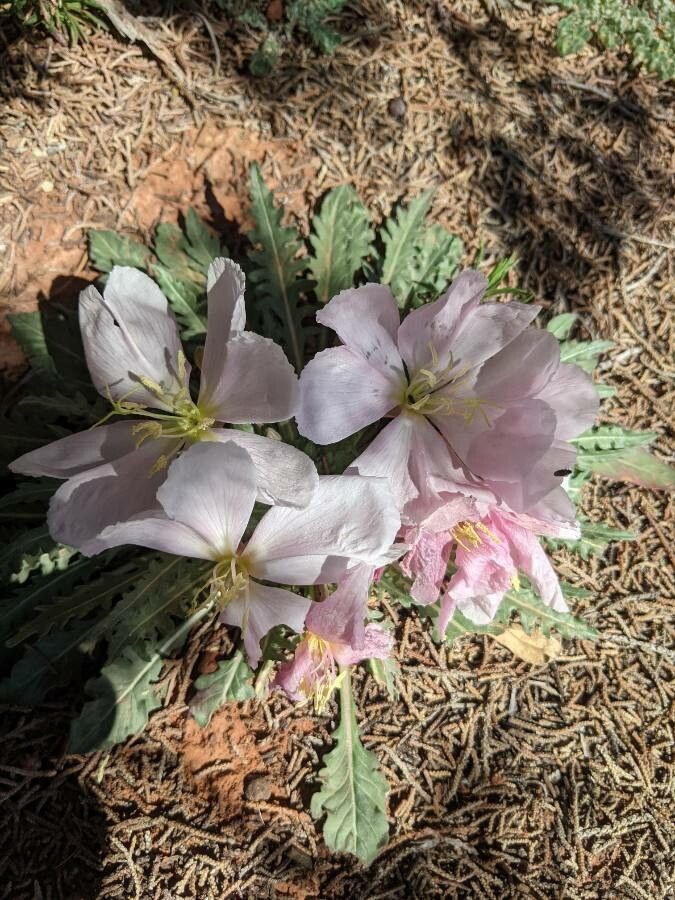
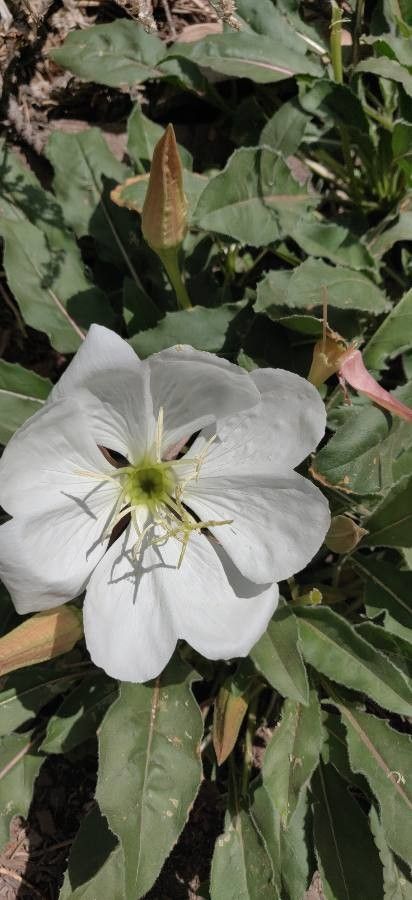
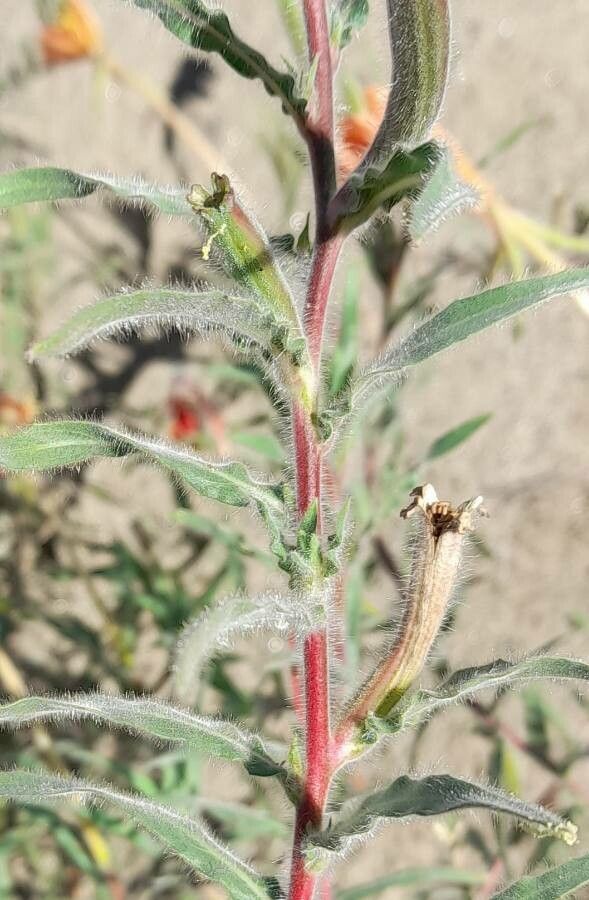
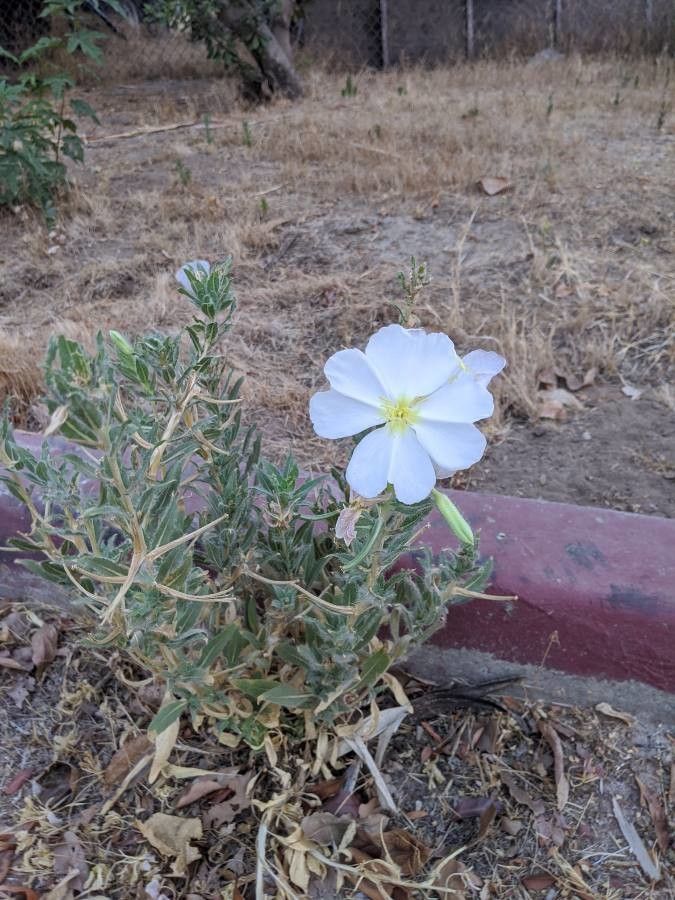
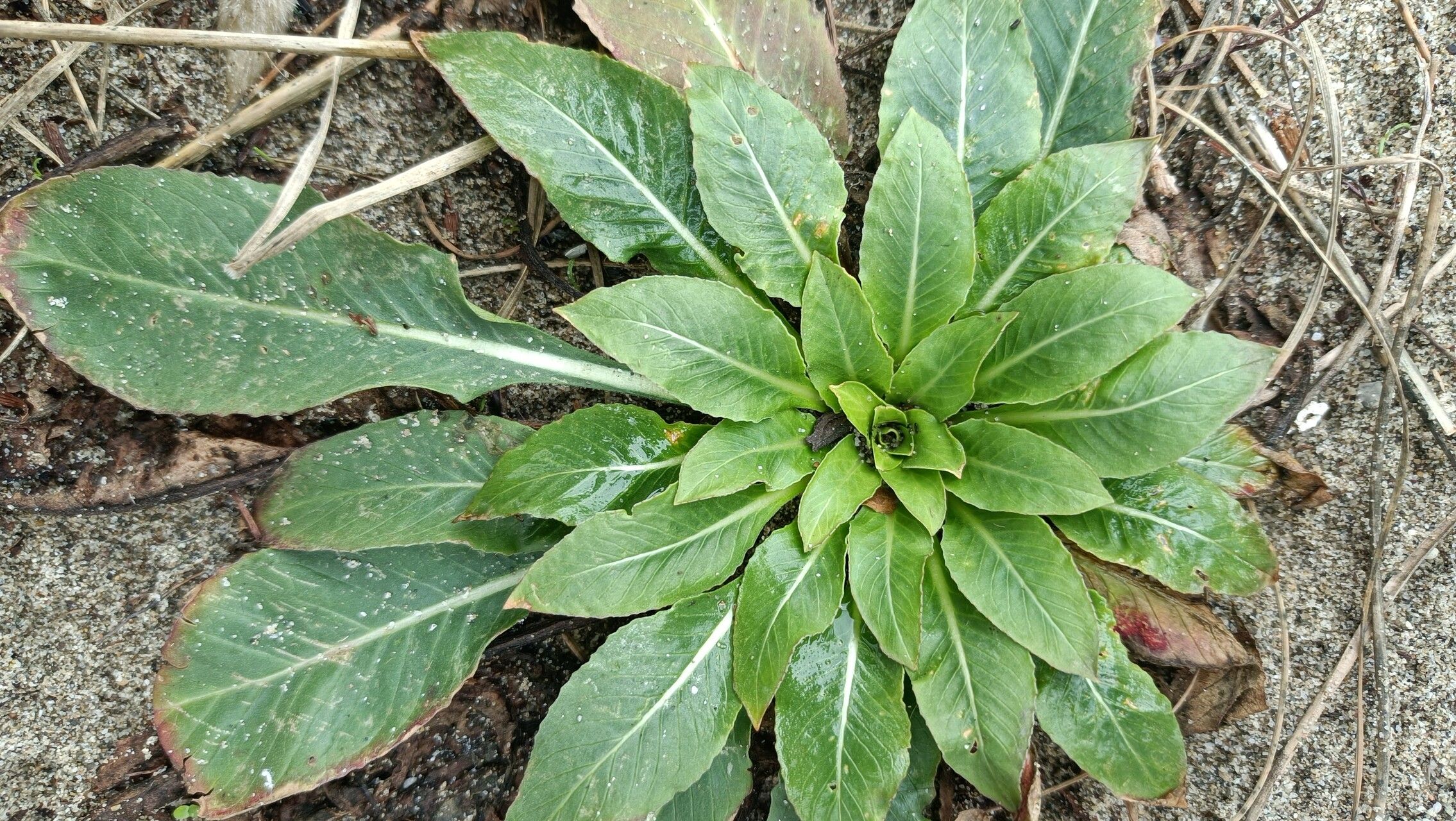
Oenothera caespitosa, known commonly as tufted evening primrose, desert evening primrose, rock-rose evening primrose, or fragrant evening primrose, is a perennial plant of the genus Oenothera native to much of western and central North America, in habitats such as talus slopes and sandy plains. It is normally night-blooming.The plant is considered good for rock gardens. There are many subtaxa, referred to as subspecies or varieties.
How to keep Oenothera Cespitosa.
Light
The tufted evening primrose performs best in direct, full sun, reflecting the sunny conditions of its native habitat. It needs strong light to develop vigorously. However, too much sun can cause wilting, and too little light will limit its growth, showing it does not tolerate a wide range of light conditions.
Water
Tufted Evening Primrose is a drought-tolerant plant that thrives with minimal moisture and deep, infrequent watering. It is best suited for outdoor environments with well-draining soil, where it can endure dry spells. Watering it weekly mimics its natural arid conditions, enhancing its resilience and ability to flourish.
Temperature
The Tufted Evening Primrose originates from temperate regions and does well at temperatures between 41 and 90 °F (5 to 32 ℃). If grown in conditions that are warmer or colder than this range, adjustments are needed to recreate its natural habitat. It should be kept cool in summer and relatively warm in winter.
Fertilizer
Early spring, when the Tufted Evening Primrose is coming out of dormancy and starting active growth, is the best time to fertilize. Fertilization supplies essential nutrients that support healthy growth. Although the Tufted Evening Primrose has fairly low fertilizer requirements, feeding it annually can improve its survival and encourage better, longer-lasting blooms.
Pruning
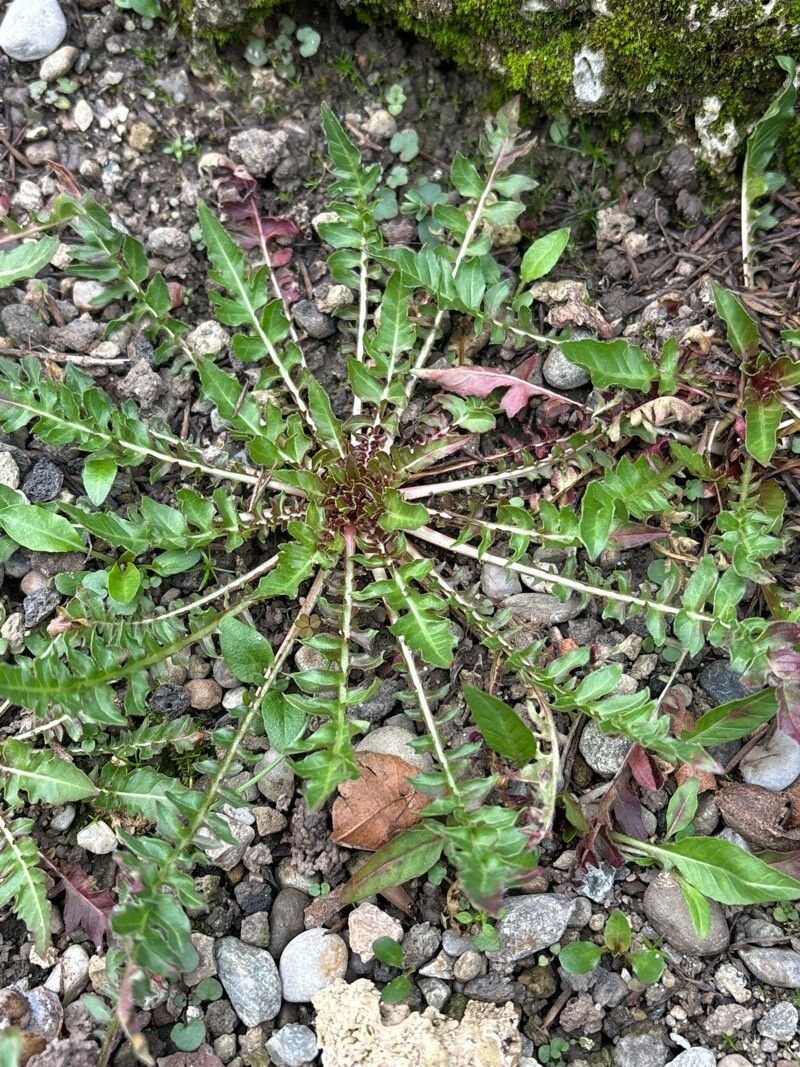
The Tufted Evening Primrose showcases a rosette of low-growing leaves and large, fragrant flowers. To promote healthy growth and continuous flowering, prune the plant from early to late spring. Remove any dead stems and faded blooms to improve its appearance and support vigorous health, ensuring prolonged blooming periods.
Botanical profile.
- Plant Type
- Herb
- Life Cycle
- Perennial
- Genus
- Oenothera
- Family
- Onagraceae
- Hardiness Zone
- 4-8
- Mature Height
- 15 cm to 30 cm
- Mature Spread
- 15 cm to 30 cm
- Leaf Color
- Green, Light Green
- Leaf Type
- Semi-evergreen
- Flower Color
- White
- Flower Size
- 2.54 cm to 5.08 cm
- Bloom Time
- Late spring, Early summer, Mid summer
- Planting Time
- Autumn
- Harvest Time
- Early summer, Mid summer
Other names.
Reader questions.
How should I water my Tufted Evening Primrose plant?
To properly care for the Tufted Evening Primrose, it is important to use filtered water at room temperature. Tap water may have harmful particles, so filtered water is a better choice. Since the plant thrives in warm environments, it is best to use water that is at room temperature or slightly warmer to avoid shocking the plant. Additionally, overhead watering should be avoided as it can cause issues with the foliage. Instead, it is recommended to apply filtered room temperature water directly to the soil until it is completely soaked. This method of watering is beneficial as it helps moisten the roots and allows them to spread and gather the necessary nutrients from the soil.
What are the sun requirements for the Tufted Evening Primrose?
The Tufted Evening Primrose requires full sun, meaning it needs above 6 hours of sunlight daily, but it can also thrive in partial sun, which is about 3-6 hours of sunlight. It's important to observe the movement of sunlight in your garden to find spots that offer a good balance of light and shade, ensuring the plants' well-being.
What are the optimal temperature conditions for Tufted Evening Primrose?
Tufted Evening Primrose thrives in temperate climates and is comfortable in a range of 41 to 90°F (5 to 32°C). It possesses strong cold resistance, making it quite robust against cooler temperatures. However, in environments where temperatures deviate significantly from its ideal range, especially if it's much hotter or colder, care should be taken to mimic its natural conditions as closely as possible. This includes keeping it cool during hot summers and ensuring it remains relatively warm during winters. Although it is cold-resistant, if winter temperatures are expected to drop below -30°C, protection from the cold by covering the plant with soil or straw is advisable. Moreover, before the first freeze of autumn, watering the plant abundantly to ensure moist soil can help safeguard against drought and water scarcity during the winter and early spring.
What do I do if I give my Tufted Evening Primrose too much water or too little water?
Overwatering is a more common issue than underwatering for the health of your Tufted Evening Primrose. When this plant receives too much water, its stems and leaves may wilt and turn yellow. Overwatering for a long time can also cause diseases like root rot, mold, and mildew, which can kill the plant. Underwatering is less likely, as the Tufted Evening Primrose is somewhat drought tolerant. However, if it does happen, the leaves will become brittle and brown. It's important to notice signs of overwatering early on. Some diseases from overwatering, like root rot, may not be fixable if left too long. If you see early signs, reduce watering immediately and check the soil drainage. If it drains poorly, replace it with a well-draining potting mix. If you notice signs of underwatering, simply water more regularly until the signs go away.
Can the Tufted Evening Primrose thrive under artificial lighting?
Yes, the Tufted Evening Primrose can thrive under artificial lighting, which is crucial when natural sunlight is insufficient. LED lights are recommended due to their ability to provide specific wavelengths needed by plants. For full sun plants, 30-50W per square foot of artificial light is needed; for partial sun plants, 20-30W per square foot; and for full shade plants, 10-20W per square foot. The light source should be placed 12-36 inches above the plant and turned on for 8-12 hours per day to mimic natural sunlight effectively.
How does Tufted Evening Primrose react to low temperatures?
Tufted Evening Primrose is quite tolerant of cold temperatures, thriving best when the temperature remains above 5°C. During winters, it's important to keep it above -25°C for optimal health. When temperatures fall below -30°C, the primrose may not show immediate distress. However, such low temperatures could lead to a decreased ability to sprout in spring or, in some cases, failure to sprout at all. To address this, any parts of the plant that have failed to sprout by spring should be removed to encourage new growth and health.
How frequently do I need to water my Tufted Evening Primrose?
If your Tufted Evening Primrose plant is in a pot, the most precise way to determine if it needs water is by checking the moisture level in the soil. Inserting your finger into the soil and feeling the first two to three inches will help you determine if it has dried out. If it is dry, it's time to water the plant. If you have planted your Tufted Evening Primrose outdoors in the ground, the same method can be used to test the soil. Check the top few inches of soil and if it has dried out, it's time to water the plant. Typically, during the spring and early fall seasons, watering the plant once a week using this method should be sufficient. However, when the weather becomes extremely hot, you may need to increase the frequency of watering to twice or more per week. It's worth noting that mature and well-established Tufted Evening Primrose plants are known to have a remarkable ability to tolerate drought.
What symptoms indicate inadequate lighting for the Tufted Evening Primrose?
Symptoms of inadequate lighting in Tufted Evening Primrose include smaller new leaves, leggy or sparse growth, faster leaf drop, slower or halted growth, and leaves becoming lighter in color or showing signs of chlorosis (yellowing due to lack of chlorophyll). Sunscald, leaf curling, wilting, and leaf scorching can also occur due to overexposure to intense sunlight.
How should Tufted Evening Primrose be cared for in high temperatures?
In the summer, it's critical to ensure the Tufted Evening Primrose is kept below 32°C to prevent stress from heat. When temperatures soar above 35°C, the plant can experience several problems, such as leaves becoming lighter, curling, becoming prone to sunburn, and severe wilting or drying out. To mitigate these issues, sunburned and dried parts of the plant should be trimmed away. It's advisable to move the plant to a location with shade, especially during the midday and afternoon sun. Utilizing a shade cloth can also offer protection. Keeping the soil moist by watering the plant in the morning and evening is crucial during periods of intense heat.
How much water does my Tufted Evening Primrose plant require?
When watering your Tufted Evening Primrose, don't be afraid to give it a generous amount of water. Make sure the top few inches of soil are dry before watering, and then thoroughly soak the soil. The water should be enough to enable excess water to drain out of the pot's drainage holes. If you don't see any excess water draining out, you may not have given enough water. However, be careful not to let water accumulate in the soil, as this can be harmful to the plant. If water is not draining properly, it could be due to poorly draining soil, which is not good for the plant's health. If the plant is kept outside, it generally needs about 1 inch of rain per week.
How can I provide optimal lighting conditions for an indoor Tufted Evening Primrose?
For indoor Tufted Evening Primroses, gradually moving them to sunnier spots to ensure at least 6 hours of direct sunlight via a south-facing window is recommended. If natural light isn’t sufficient or the plant is too large to move easily, supplementing with artificial lighting such as desk, ceiling lamps, or professional grow lights for at least 8 hours daily can help provide the necessary light for growth and nutrient accumulation.
How should I water my Tufted Evening Primrose as it grows?
The water needs of the Tufted Evening Primrose can vary depending on its growth stages. In the first few years or after transplanting, more water than usual is required. During this time, the plant focuses on developing new roots to support future growth, so they require extra moisture. As the plant matures, its water needs decrease. Additionally, during the bloom period, when the flowers are developing, the plant may also need more water due to increased moisture demands.