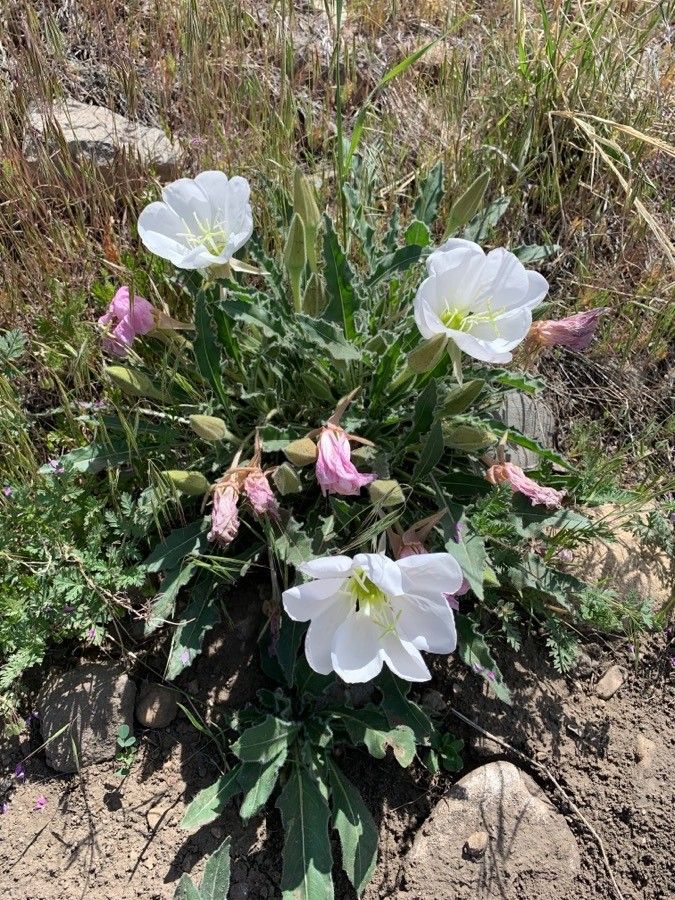
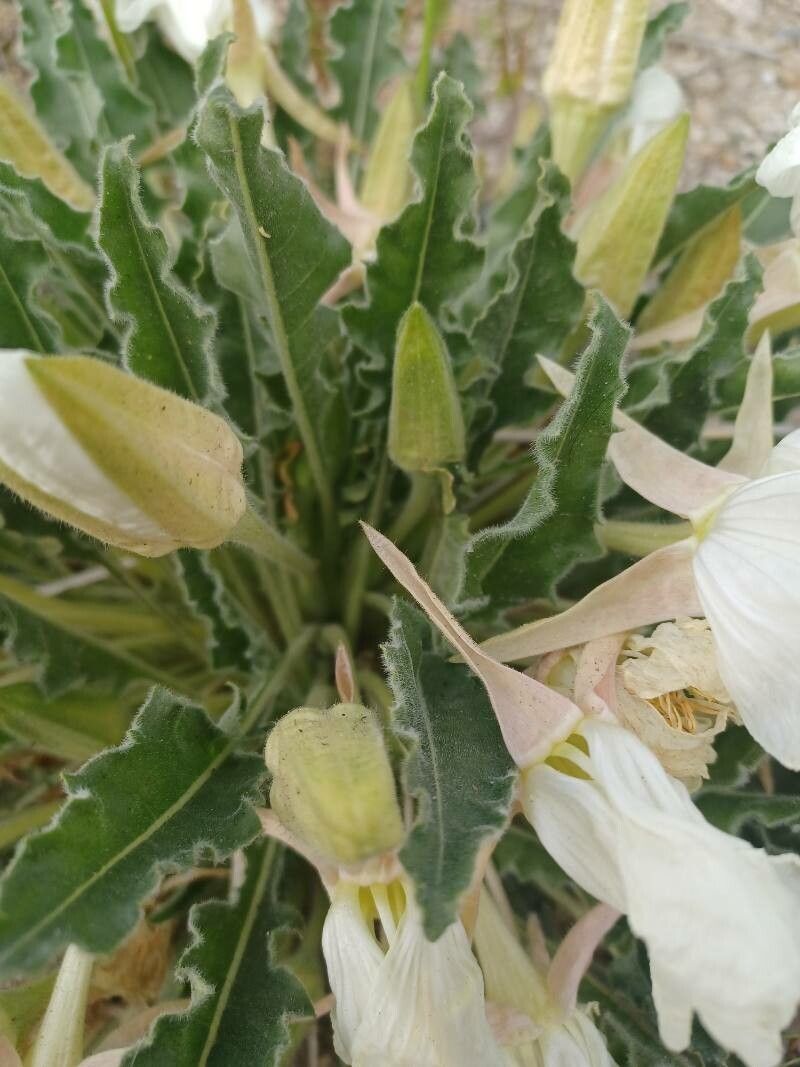
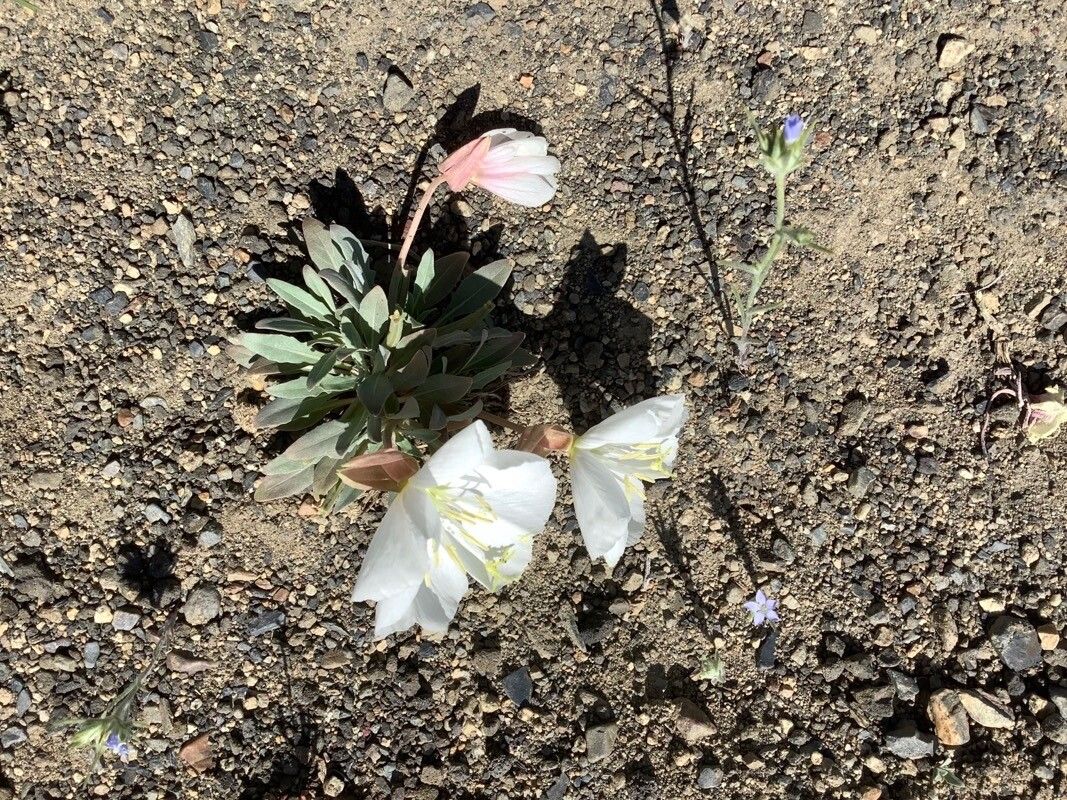
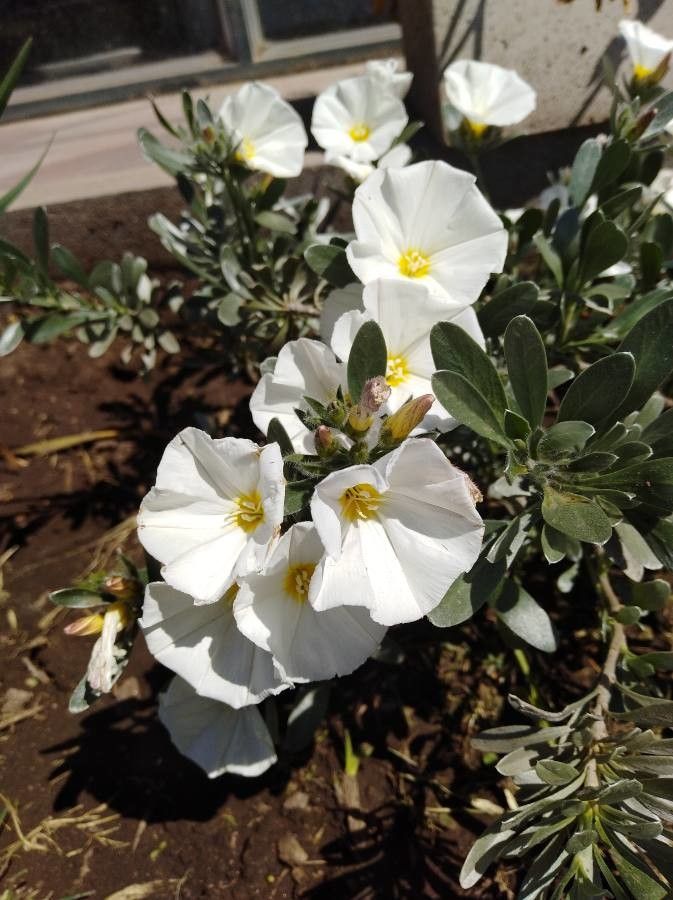
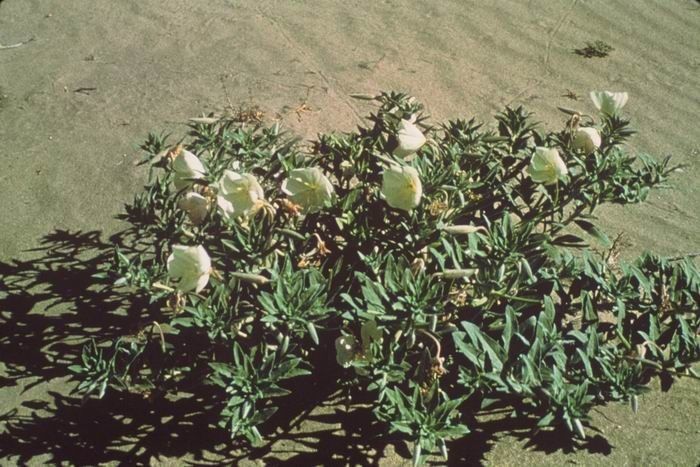
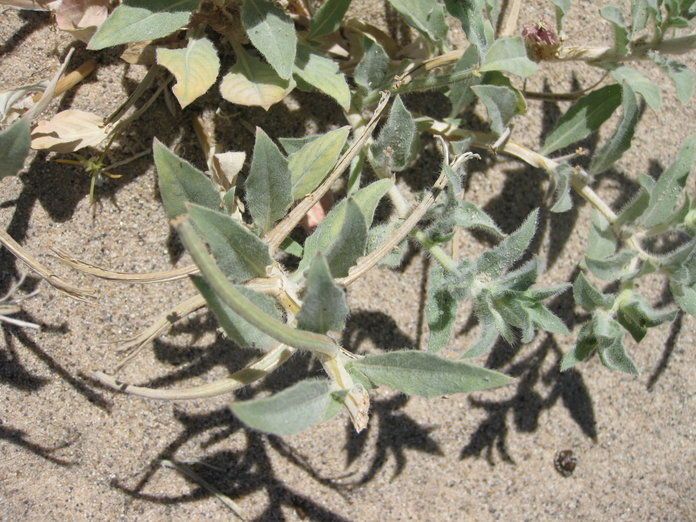
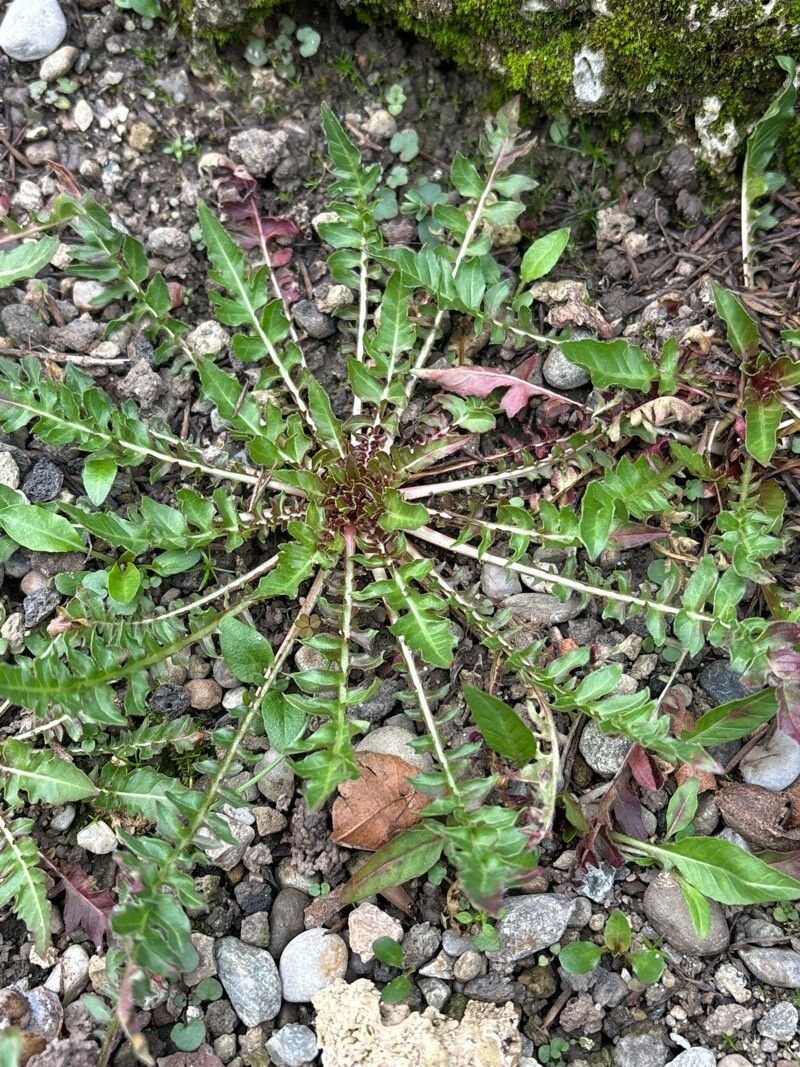
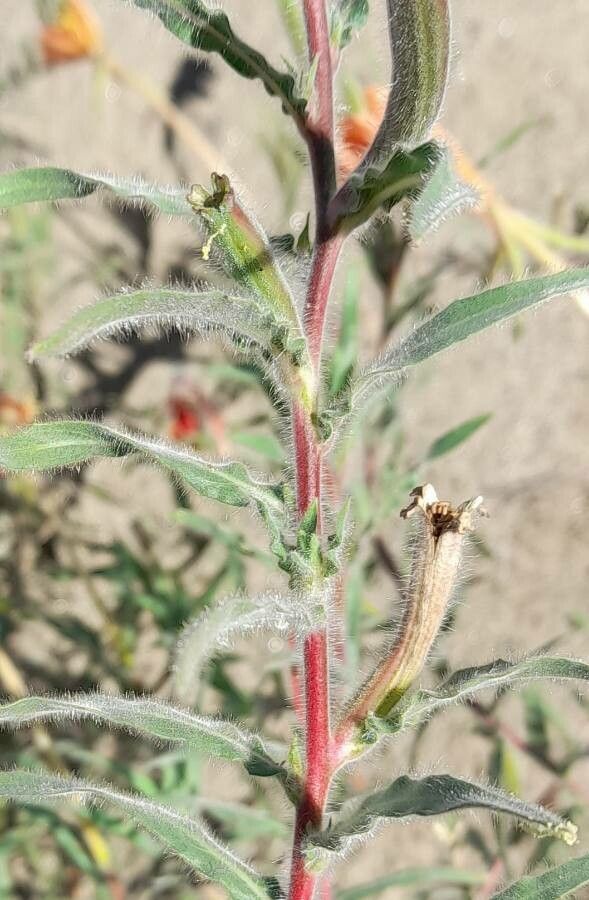
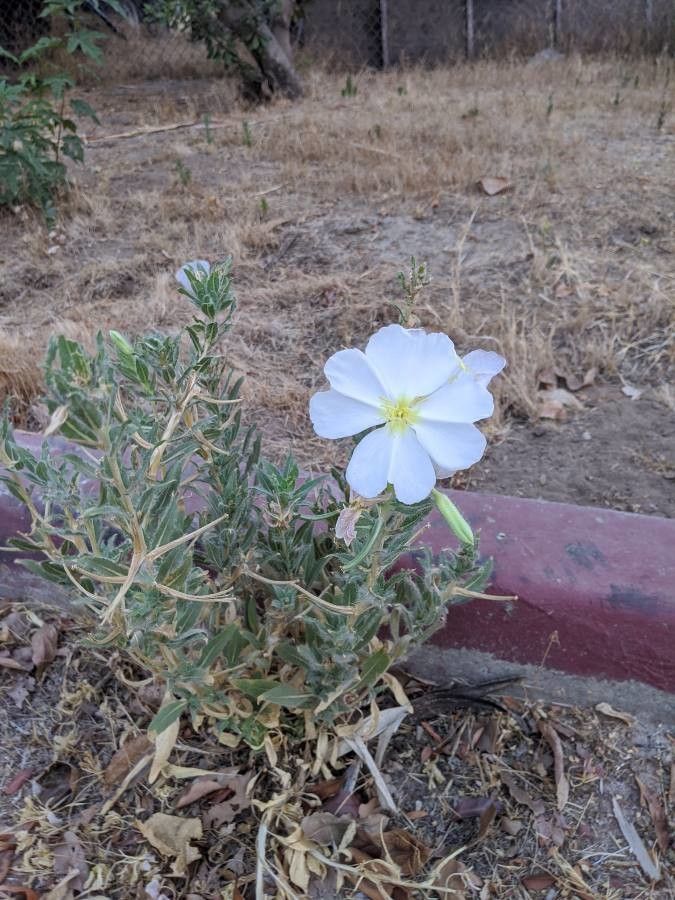
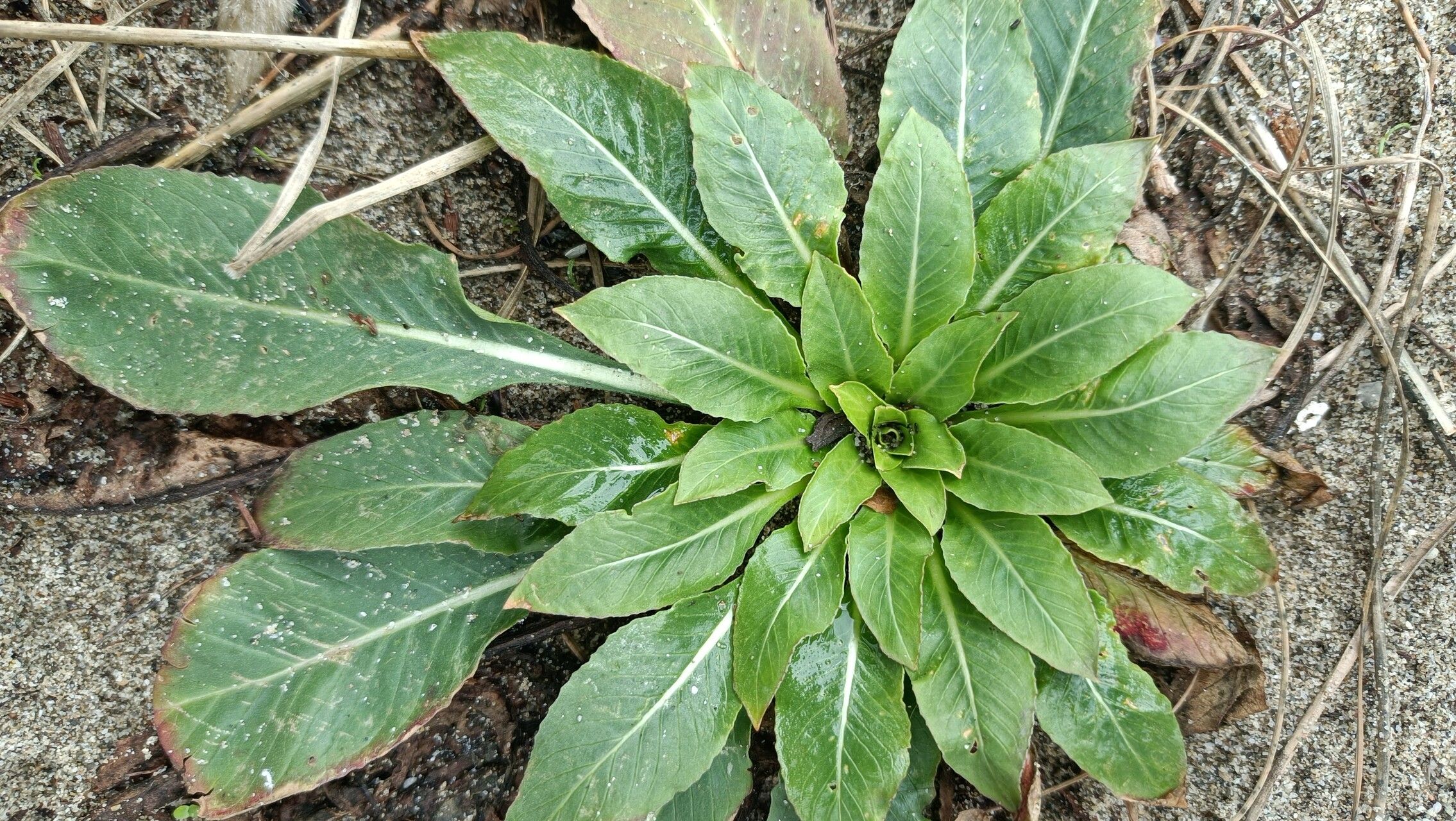
Oenothera californica, commonly known as the California evening primrose, is a flowering plant native to California and Baja California. This perennial herb belongs to the Onagraceae family and can grow up to 1 meter tall. Its lance-shaped leaves are green and can reach up to 10 centimeters in length.
The flowers of Oenothera californica are bright yellow, featuring four petals arranged in a cross shape. They bloom from late spring through summer and attract a variety of pollinators, including bees, butterflies, and hummingbirds.
The plant thrives in well-drained soils with full sun exposure but can also tolerate partial shade. Once established, it is drought-tolerant but requires regular watering during the growing season.
Native Americans have used Oenothera californica for medicinal purposes for centuries. The roots served as an anti-inflammatory agent, while the leaves were used to treat skin conditions such as eczema.
Overall, Oenothera californica is an attractive flowering plant that enhances the beauty of any garden or landscape. It also provides ecological benefits by attracting pollinators.
California evening primrose is fairly disease-resistant and generally not prone to illnesses. However, it can be vulnerable to pests and diseases present in its environment. These problems are typically not serious. In terms of care, the plant needs moderate maintenance. Regular pruning is required to maintain a neat appearance and support healthy growth. Fertilizing can also help encourage flowering. California evening primrose is suitable for anyone with outdoor space, such as a garden or patio, and does not demand extensive care experience. It may need more attention if grown indoors.
How to keep Oenothera Californica.
Light
The California evening primrose flourishes when it receives a copious amount of light. This plant thrives in environments where there is a generous amount of light throughout the day, which contributes to and encourages a robust growth cycle. While it can survive in partially shaded areas, insufficient light might impede its blooming. Prolonged periods of inadequate light may diminish its capability to thrive to its full potential.
Water
The California evening primrose flourishes in well-drained soils and can withstand occasional dry conditions. Once established, these plants become drought-tolerant and require little additional watering. While they prefer weekly watering, they are ideal for xeriscaping and low-water gardens. During the growing season, they display their deciduous nature.
Temperature
The California evening primrose shows strong versatility when it comes to temperature, with an ability to endure both hotter temperatures and wide temperature changes. It is crucial to monitor its hydration and furnish suitable shade when the temperatures escalate to prevent heat-induced injury. Conversely, this plant has a limited capacity to endure colder temperatures. Though it can survive to an extent in cool climates, extremely low temperatures could result in frost damage.
Fertilizer
When the California evening primrose has predominantly displayed its blossoms in their full glory, it signals the resumption of fertilizing. Commence with the fertilization process approximately every three to four weeks during the period of maximum flowering, provided the climate allows. However, once the California evening primrose begins to generate fewer blossoms, discontinue fertilizing, as it's not necessary when the plant has ceased bloom production.
Pruning
To enhance the shape and vigor of its blooms, California evening primrose benefits from pruning from early to late spring. By removing spent flowers and leggy growth, you promote healthier foliage and reduce the risk of disease. Consistent pruning not only supports a lush appearance and robust growth but also makes the plant an attractive feature in any garden.
Botanical profile.
- Plant Type
- Herb
- Life Cycle
- Annual, Perennial
- Genus
- Oenothera
- Family
- Onagraceae
- Hardiness Zone
- 7-10
- Mature Height
- 30 cm to 61 cm
- Mature Spread
- 30 cm to 46 cm
- Leaf Color
- Green, Light Green
- Leaf Type
- Deciduous
- Flower Color
- Pink
- Flower Size
- 5.08 cm to 7.62 cm
- Bloom Time
- Mid spring, Late spring, Early summer, Mid summer
- Planting Time
- Spring, Summer
- Harvest Time
- Summer, Early fall
Other names.
Reader questions.
What are the sunlight requirements for California evening primrose?
The California evening primrose requires full sun, defined as more than 6 hours of sunlight a day, for optimal growth. It can also tolerate partial sun, which means about 3-6 hours of sunlight. The plant thrives under abundant exposure to light, stimulating and promoting a healthy growth cycle. While it can survive in somewhat shaded areas, insufficient light may inhibit its flourishing, leading to less robust growth. It's important to observe how sunlight moves through your garden to ensure you find the perfect balance of light and shade for your plants.
How can artificial lighting be used for California evening primrose indoors?
Indoor California evening primroses require adequate lighting for optimal growth, especially when natural sunlight is insufficient, like in winter or in less sunny spaces. Artificial lights can provide a vital solution, encouraging faster, healthier growth. LED lights are recommended because they can be customized to provide the specific wavelengths of light that plants need. For full sun plants, 30-50W/sq ft of artificial light is needed; partial sun plants require 20-30W/sq ft; and full shade plants need 10-20W/sq ft. The light source should be placed 12-36 inches above the plant and turned on for 8-12 hours a day to mimic natural daylight hours.
What are the symptoms of inadequate light in California evening primrose?
When California evening primroses do not receive enough light, they may display several symptoms indicating light deficiency. These include small leaves, leggy or sparse growth, faster leaf drop, slower or no new growth, and lighter-colored new leaves. Other symptoms under extreme light conditions can include chlorosis, where leaves turn yellow due to a breakdown of chlorophyll; sunscald, characterized by pale, bleached areas on plant tissue; leaf curling as a defense against excessive sunlight; wilting from loss of turgor pressure; and leaf scorching, where leaves show brown, dry edges due to too much sunlight.
How can you address light deficiency for California evening primrose both indoors and outdoors?
To address light deficiency for California evening primrose, gradually increase its exposure to sunlight. For indoor plants, move them to a sunnier location each week until they receive at least 6 hours of direct sunlight daily, use a south-facing window, and keep curtains open during the day. If the plant is large or not easily movable, consider using artificial light or professional plant grow lights for at least 8 hours daily. For outdoor plants, also move them to sunnier spots gradually to prevent sunburn. If trees obstruct sunlight, prune them to allow more light through. For smaller plants, you may consider transplanting them during their dormant period to a location with better sunlight and drainage. Note that parts of the plant affected by insufficient sunlight may not recover, but new growth should be healthy after increasing light exposure.