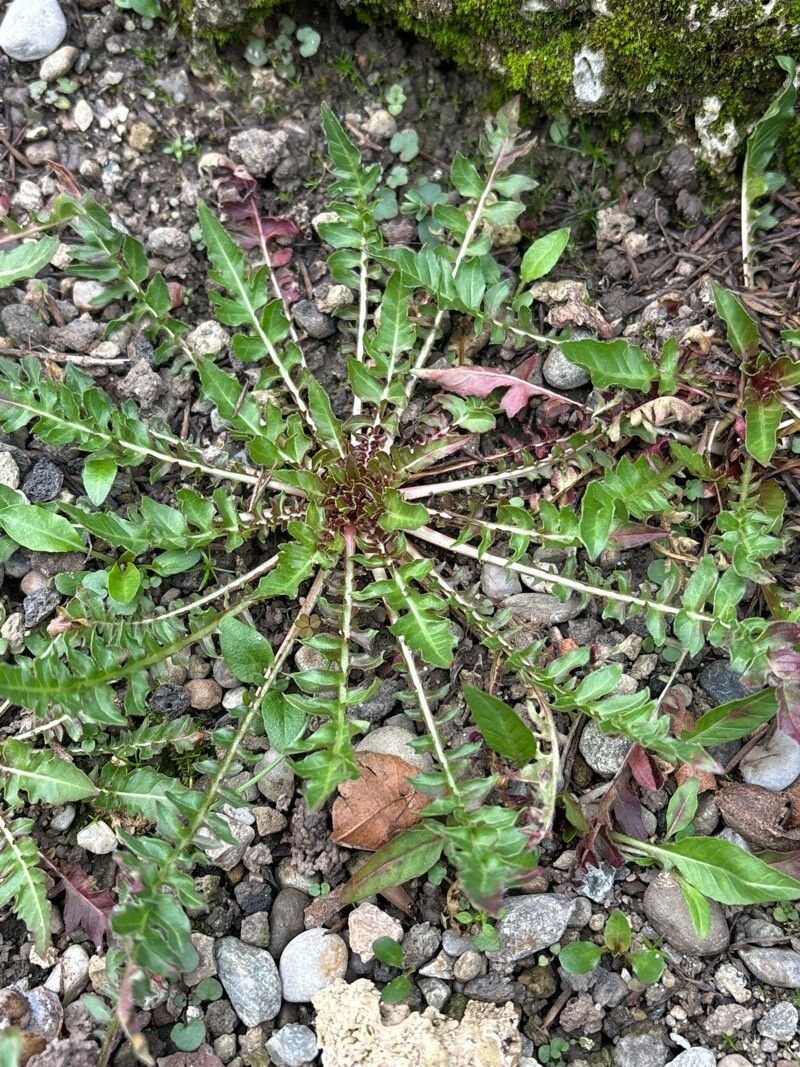
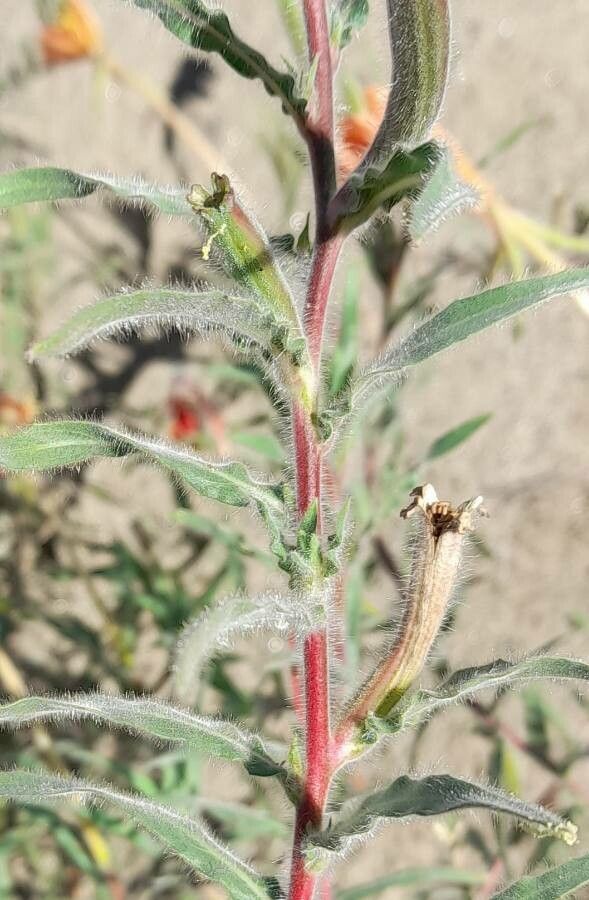
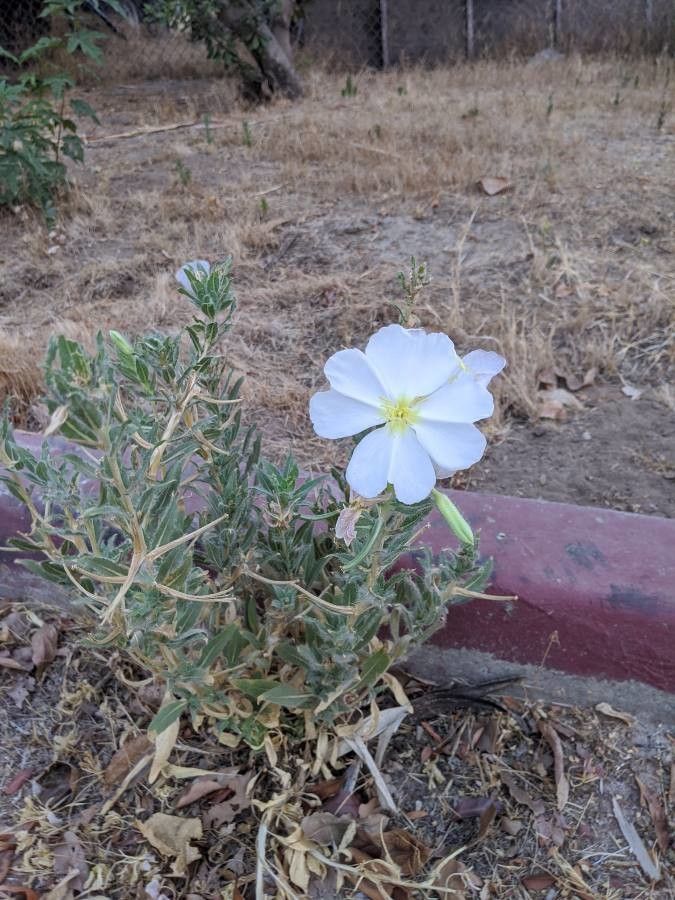
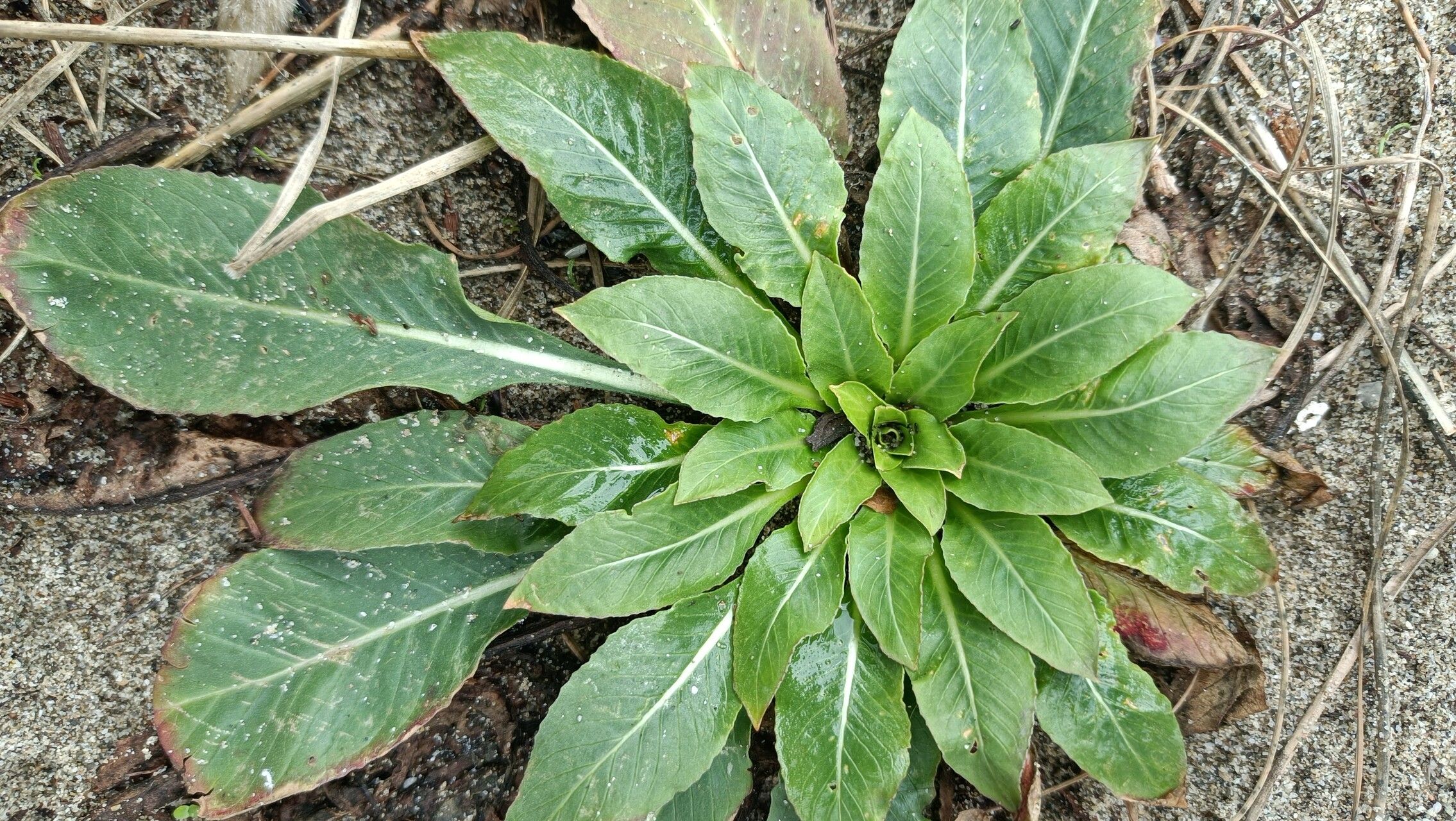
Oenothera caespitosa, known commonly as tufted evening primrose, desert evening primrose, rock-rose evening primrose, or fragrant evening primrose, is a perennial plant of the genus Oenothera native to much of western and central North America, in habitats such as talus slopes and sandy plains. It is normally night-blooming.The plant is considered good for rock gardens. There are many subtaxa, referred to as subspecies or varieties.
Epilobium subdentatum has strong resistance to diseases and is generally not vulnerable to them. However, it can be affected by pests and diseases present in its environment. Such infections are typically not severe. In terms of care, this plant requires moderate maintenance. It should be pruned regularly to maintain a neat appearance and support healthy growth. Fertilizing can also help encourage flowering. Epilobium subdentatum is suitable for anyone with an outdoor area, such as a garden or patio, and does not demand extensive gardening experience. It may need more attention when cultivated indoors.
How to keep Oenothera Caespitosa.
Light
Epilobium subdentatum naturally thrives in settings like forest undergrowth or stony regions, where it is naturally shaded. While it favors partially sunny conditions, it shows flexibility in adapting to both completely sunny and entirely shaded environments, illustrating its resilient and adaptable character.
Temperature
Epilobium subdentatum is capable of adjusting to various temperature circumstances, however, its spread might be constrained by differing combinations of moisture and heat conditions. It flourishes optimally in summer's warm climates with sufficient rain or irrigation. Extended durations of overcast and wet weather, along with extended periods of high temperatures, can enhance the chances of Epilobium subdentatum perishing. During winter, offering adequate protection against the cold can enhance the survivability of the plant.
Fertilizer
Typically, one application of fertilizer in the spring is adequate for Epilobium subdentatum, but to reach its optimal growth, multiple feedings might be beneficial. Fertilize once every one to one and a half months. Fertilization improves the look and function of the leaves, thus ensuring regular color and healthy texture. Moreover, it encourages the growth of roots and the absorption of nutrients, which contributes to the sustained health of the plant.
Pot & Repot
While repotting Epilobium subdentatum, opt for a container that is 1-2 inches (2.5-5 cm) larger and possesses satisfactory drainage. Employ a potting mixture that drains well. Carry out the repotting process in either spring or autumn, making sure that the root ball sits a bit lower than the flower pot's edge. Thoroughly water the plant after repotting and situate it in a warm area receiving indirect sunlight.
Botanical profile.
- Plant Type
- Herb, Shrub
- Life Cycle
- Perennial
- Genus
- Oenothera
- Family
- Onagraceae
- Hardiness Zone
- 7-10
- Mature Height
- 8 cm to 23 cm
- Mature Spread
- 20 cm
- Leaf Color
- Green, Dark Green
- Leaf Type
- Semi-evergreen
- Flower Color
- Pink
- Flower Size
- 1.02 cm to 1.52 cm
- Bloom Time
- Early summer, Mid summer
- Planting Time
- Spring, Summer
- Harvest Time
- Late summer, Early fall