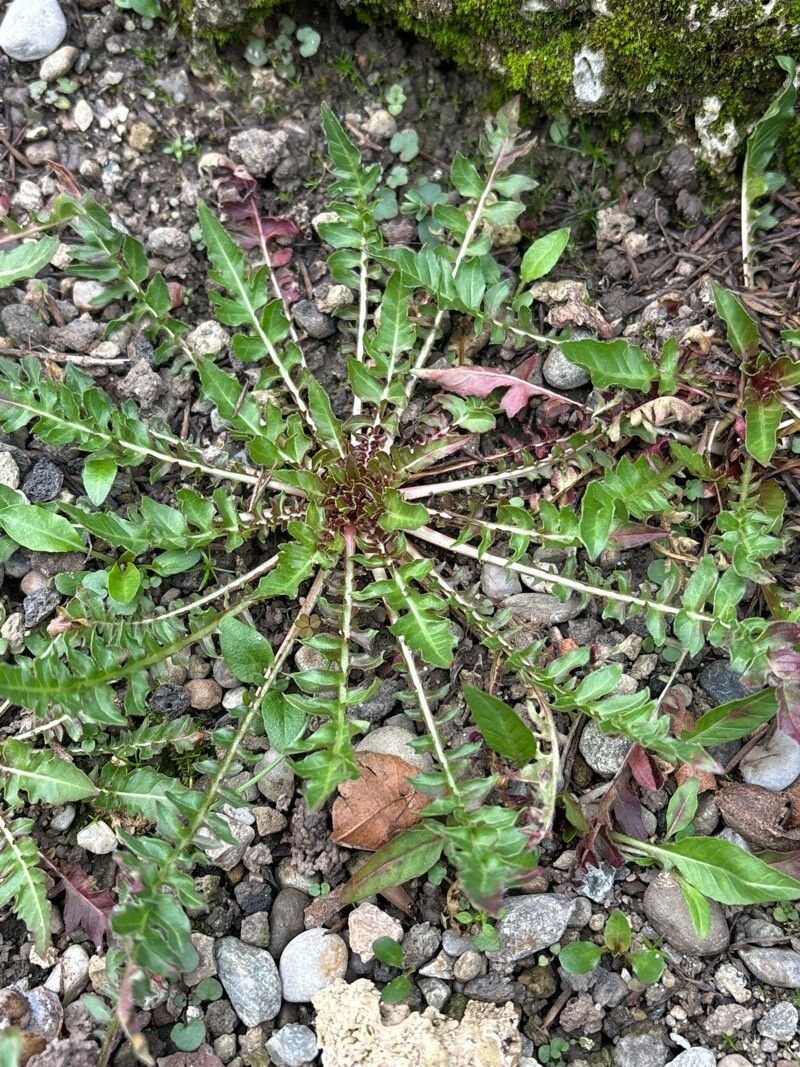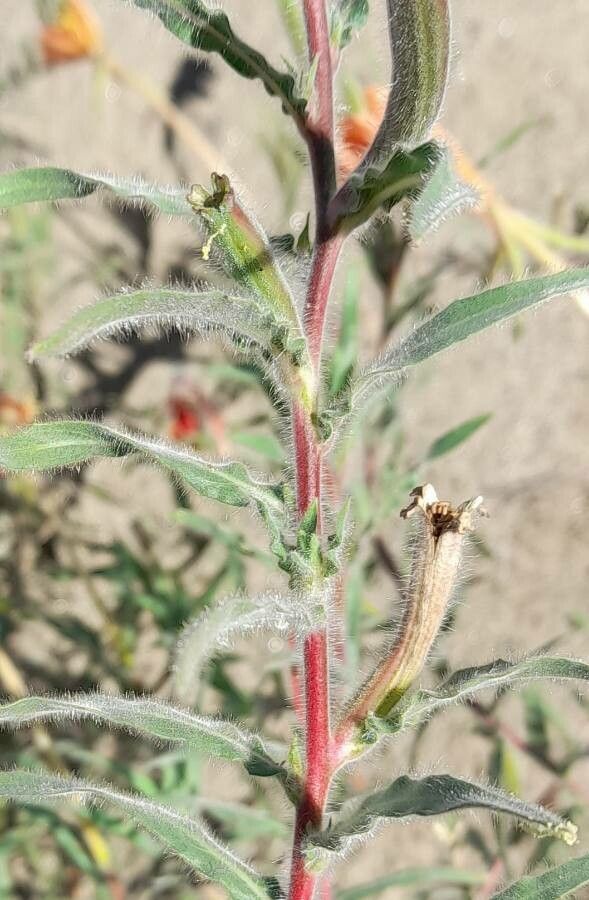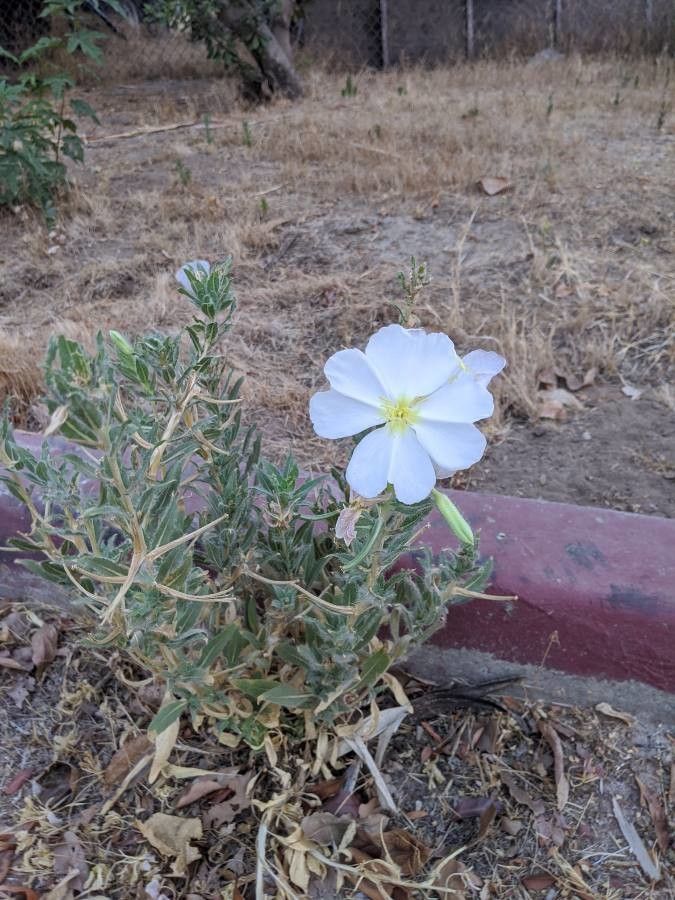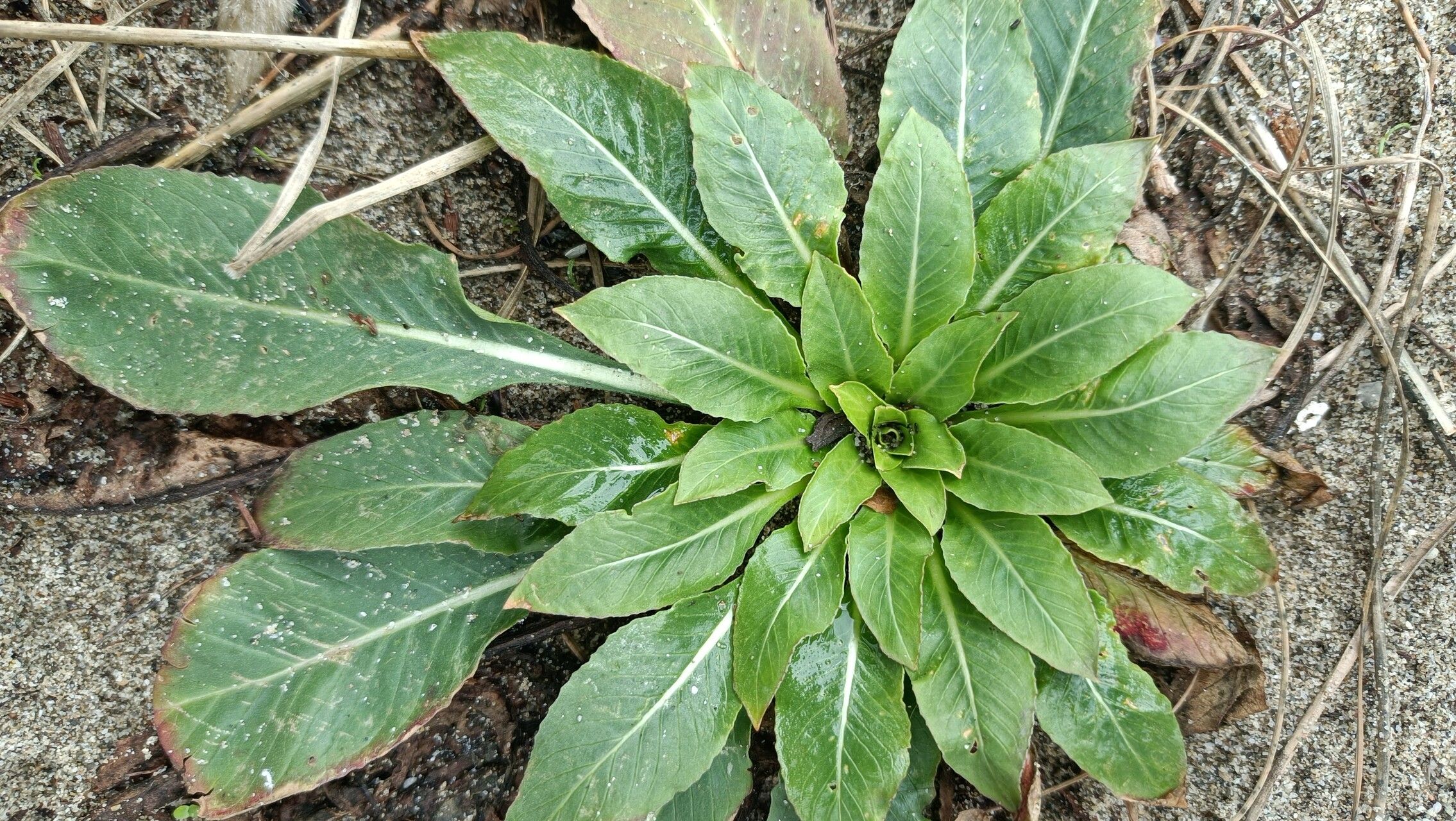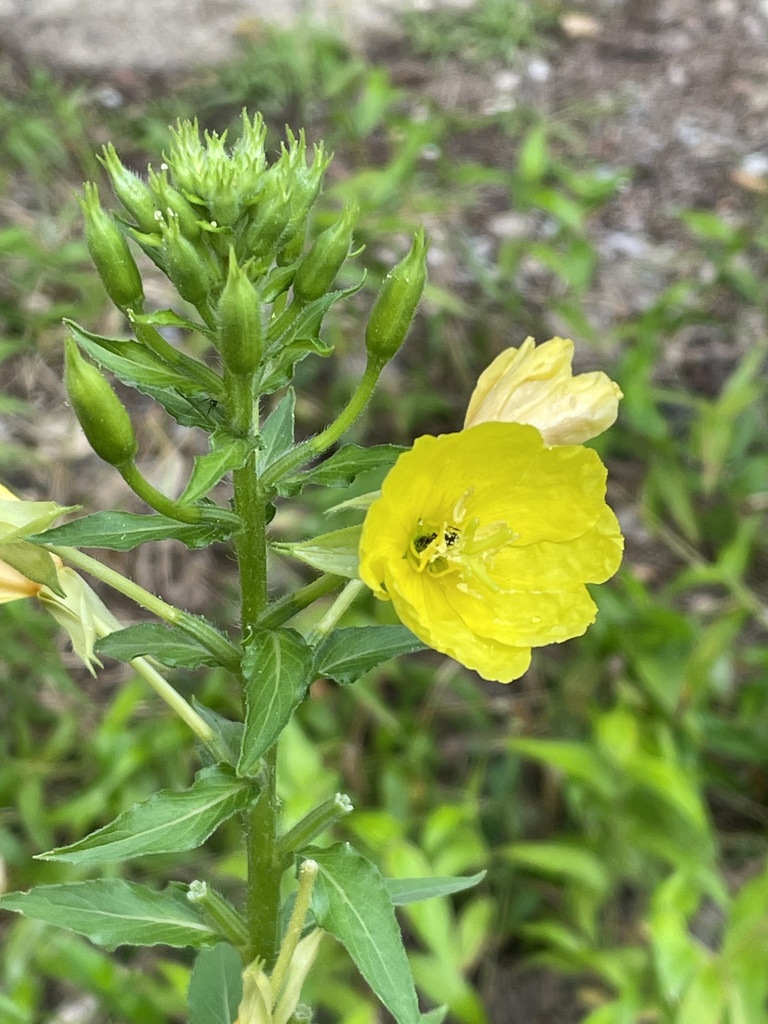
Oenothera biennis, commonly known as evening primrose, is a biennial plant native to North America. It can grow up to 6 feet tall and produces yellow flowers that bloom in the evening, giving the plant its name. This plant has a long history of medicinal use by Native Americans, who employed it to treat various ailments such as skin irritations and respiratory issues. The oil extracted from its seeds contains a high concentration of essential fatty acids and is often used in cosmetics and dietary supplements.
Evening primrose prefers well-drained soil and full sun exposure but can tolerate partial shade. It is easy to grow from seed and has the potential to self-seed if left undisturbed after flowering. However, it can become invasive in some regions if not properly managed, as it spreads rapidly through underground rhizomes.
The common evening-primrose has golden flowers similar to those of the primrose, but with a unique characteristic: it only blooms during the evening. As dusk falls, its flowers slowly open, and they close again shortly after sunrise. This makes the plant appear as though it is specifically designed to enhance the beauty of its surroundings at night. It is named the common evening-primrose because it is the most prevalent species of its genus.
Common evening-primrose has strong disease resistance and is generally not very susceptible to illnesses. Still, it can be affected by pests and diseases that exist nearby. Such infections are typically mild. Regarding care, this plant needs a moderate amount of attention. It should be pruned on a regular basis to preserve a neat appearance and encourage healthy growth. Applying fertilizer can also support better flowering. Common evening-primrose is appropriate for anyone who has outdoor space, like a garden or a patio, and does not demand extensive gardening experience. It can require more attention if cultivated indoors.
How to keep Oenothera Biennis.
Light
Common evening-primrose flourishes with regular exposure to ample sunlight. As it grows, it adapts and can tolerate some shade as well. It comes from habitats where sunlight is plentiful. However, a lack of light can impede its growth, while too much can cause harmful damage.
Water
The common evening-primrose grows best in well-drained soils with moderate moisture levels. It prefers consistent watering but can handle short dry periods. Watering once a week usually maintains the ideal balance for this plant. As an outdoor herbaceous plant, it takes advantage of seasonal rainfall, which ensures it gets enough moisture without the risk of becoming waterlogged.
Temperature
Common evening-primrose is native to temperate regions and does best at temperatures between 68 and 95 °F (20 to 35 ℃). Its growth can be affected by any marked decrease or increase in temperature. Periodic adjustments may be needed, particularly during extreme seasonal changes.
Fertilizer
Common evening-primrose are considered heavy feeders in regard to nutrients. They need frequent, low doses of nitrogen and potassium fertilizers and periodic applications of phosphorus, micronutrients, sulfur, and magnesium to maintain good growth and bright coloration. Continuous fertilization throughout the growing season prevents deficiency symptoms and maintains optimal growth.
Pruning
The common evening-primrose is a biennial plant known for its tall stems and yellow flowers. To encourage growth and blooming, prune the plant in early spring by cutting away dead stems and removing spent flowers. Additionally, thinning out overcrowded stems can enhance air circulation, which helps reduce the risk of disease and improves the plant's overall health and appearance.
Toxicity
Evening primrose oil is generally well tolerated, with reported minor adverse effects, including gastrointestinal upset and headaches.
Further reading →
The toxicity and danger assessments provided are for reference only. We do not assure their accuracy, so it's crucial not to depend on them. Seek professional advice when necessary for accurate guidance.
Botanical profile.
- Plant Type
- Herb
- Life Cycle
- Biennial, Perennial, Annual
- Genus
- Oenothera
- Family
- Onagraceae
- Hardiness Zone
- 4-9
- Mature Height
- 0.3 m to 2.13 m
- Mature Spread
- 61 cm to 91 cm
- Leaf Color
- Green
- Leaf Type
- Deciduous
- Flower Color
- Yellow
- Flower Size
- 2.54 cm to 5.08 cm
- Bloom Time
- Early summer, Mid summer
- Planting Time
- Spring, Summer
- Harvest Time
- Mid summer, Late summer
- Native Area
- Mexico, Iran
Other names.
Reader questions.
When Should I Water My Common Evening-primrose?
Watering your common evening-primrose appropriately is key to its growth and well-being. The soil's dryness is a major indicator of the plant's need for water. It's advisable to water when the top soil layer feels dry. Leaf changes, including wilting or color fade, suggest dehydration. Stunted growth can also indicate a need for water. Be mindful of the consequences of improper watering times, as both over-watering and under-watering can harm the plant. Common evening-primrose, being a sun-loving plant, may require more water if subjected to high temperatures or more sunlight than usual. Seasonal variations affect its water needs, with more required during warmer months and less during cooler seasons.
What are the sun requirements for Common evening-primrose?
Common evening-primrose thrives in full sun to partial sun conditions, meaning it requires above 6 hours of sunlight for 'Full sun' and about 3-6 hours of sunlight for 'Partial sun'. It's essential to monitor the movement of sunlight through your garden to ensure your plants receive the ideal balance of light and shade, contributing to their optimal growth and health.
What is the ideal temperature range for Common evening-primrose?
Common evening-primrose thrives in temperate climates, ideally between 68 to 95°F (20 to 35°C). It is capable of adjusting to seasonal changes but significant deviations from this temperature range can affect its growth. Despite its strong cold resistance, it does require special attention when temperatures are expected to go below -30°C.
How Should I Water My Common Evening-primrose?
To properly water your common evening-primrose, consider bottom-watering by placing the plant pot in a tray of water, allowing the roots to absorb moisture from the bottom up. This method prevents excess moisture on the foliage and minimizes fungal diseases. When using a watering can, opt for one with a narrow spout to direct water to the base of the plant, thus avoiding excessive moisture on the leaves and promoting healthy root hydration.
How does sunlight affect the growth of Common evening-primrose?
Sunlight plays a crucial role in the growth of Common evening-primrose. When provided with regular, generous amounts of sunlight, it flourishes, adapting even to some shade as it matures. Originating from environments abundant in sunlight, this plant requires sufficient light for healthy growth. A lack of sunlight can hinder its development, while too much sunlight can cause damage.
How can Common evening-primrose be protected during extreme cold?
Common evening-primrose has strong cold resistance and usually does not need frost protection measures. However, in winters expected to be colder than -30°C, it's important to provide additional protection. Before the first freeze of autumn, watering the plant abundantly helps ensure the soil remains moist through winter. Protecting the plant with soil or straw can also help safeguard it against extreme cold.
How Much Water Does Common Evening-primrose Really Need?
Common evening-primrose needs to be watered sufficiently to keep the soil moist but not waterlogged, usually about 1 inch of water per week, depending on various conditions like pot size and plant size. Green, healthy leaves and slightly damp, crumbly soil are signs of proper hydration. Over-watering can cause root rot, while under-watering may stunt growth and reduce flower production. Use well-draining soil and pots with drainage holes to prevent water accumulation, and adjust watering based on environmental conditions.
What are the artificial lighting requirements for Common evening-primrose?
For indoor cultivation, when natural sunlight is insufficient, particularly during winter or in less sunny spaces, artificial lighting becomes essential. LED lights are recommended as they can be tailored to provide specific light wavelengths needed by plants. The required wattage varies by plant type: full sun plants need 30-50W/sq ft, partial sun plants 20-30W/sq ft, and full shade plants 10-20W/sq ft. It's important to place artificial lights 12-36 inches above the plant and to mimic natural daylight hours, usually providing 8-12 hours of light per day to promote healthy growth.
What symptoms indicate Common evening-primrose is affected by low temperatures?
Even though Common evening-primrose is cold-tolerant, temperatures below -30°C can impact it, possibly resulting in a decrease or absence of sprouting in spring. This shows that the plant can manage cold to a certain extent but may struggle to recover from extremely low temperatures.
What Kind of Water is Best for Common Evening-primrose?
Distilled water is ideal for common evening-primrose due to its purity and lack of contaminants. Rainwater is also a great option as it is natural and contains beneficial minerals. Tap water can be used but may need to be dechlorinated if it contains high levels of chlorine. Filtered water is suitable provided it removes harmful contaminants. The plant prefers water at room temperature to avoid shock from extreme temperatures.
What are the symptoms of insufficient or excessive sunlight in Common evening-primrose?
Common evening-primrose may show several symptoms when exposed to insufficient or excessive sunlight. Symptoms of light deficiency include smaller leaves, leggy or sparse growth, faster leaf drop, slower or ceased growth, pale or lighter-colored new leaves. Excessive sunlight can lead to chlorosis (yellowing leaves), sunscald, leaf curling, wilting, and leaf scorching. These symptoms highlight the importance of providing the right amount of sunlight for healthy plant growth.
What should be done if Common evening-primrose is affected by low temperatures?
If Common evening-primrose is affected by low temperatures, indicated by a lack of sprouting in spring, the non-sprouting parts of the plant should be removed. This can help the plant to recover and focus energy on the growth of healthy parts.