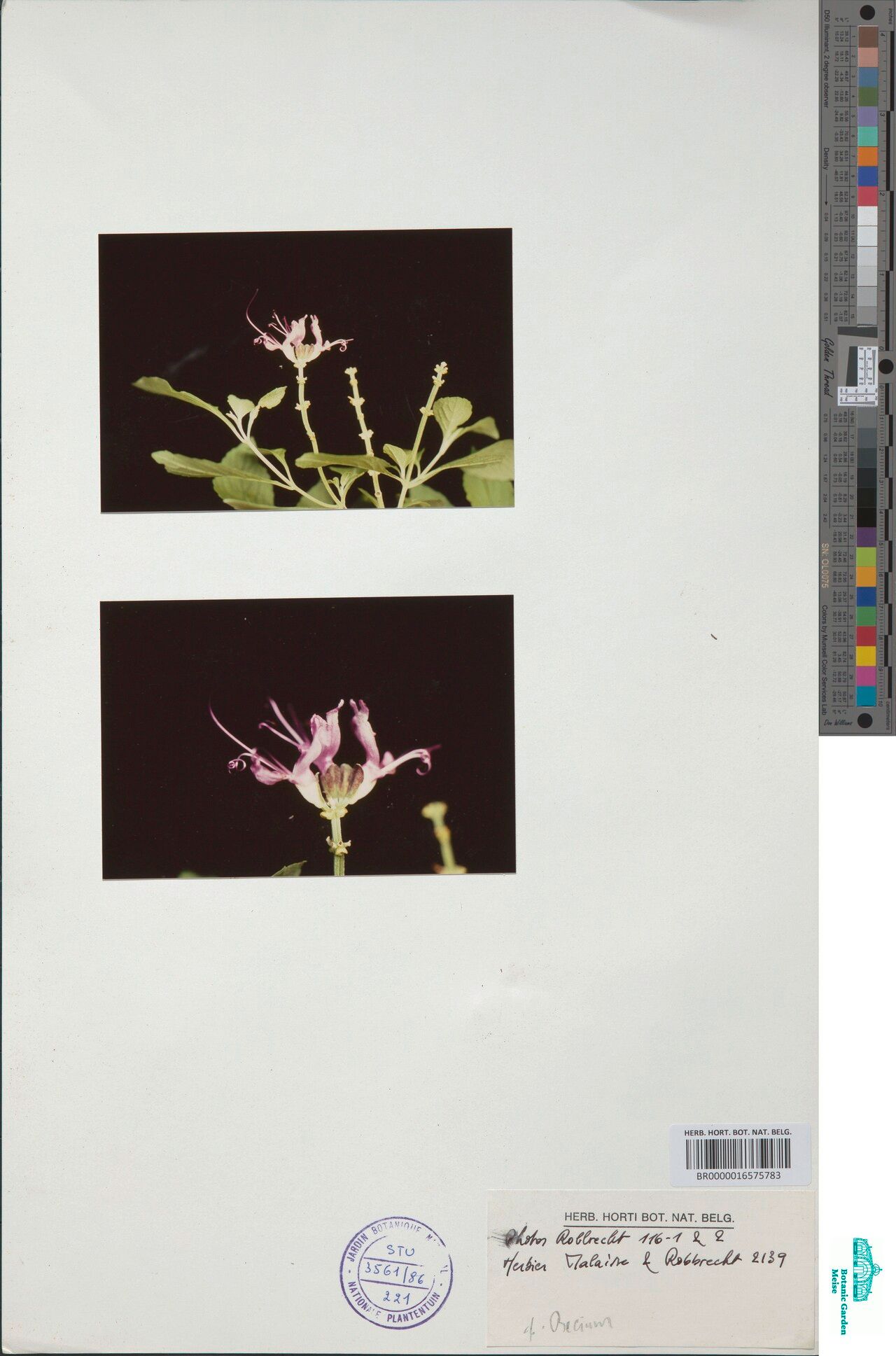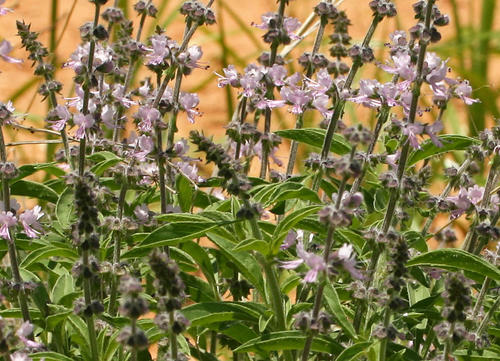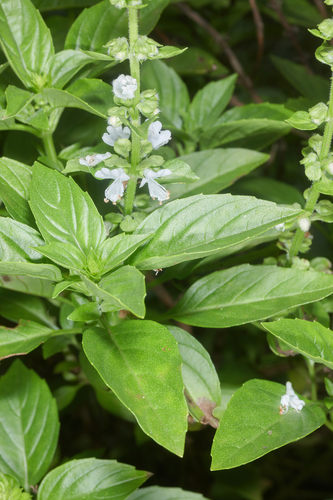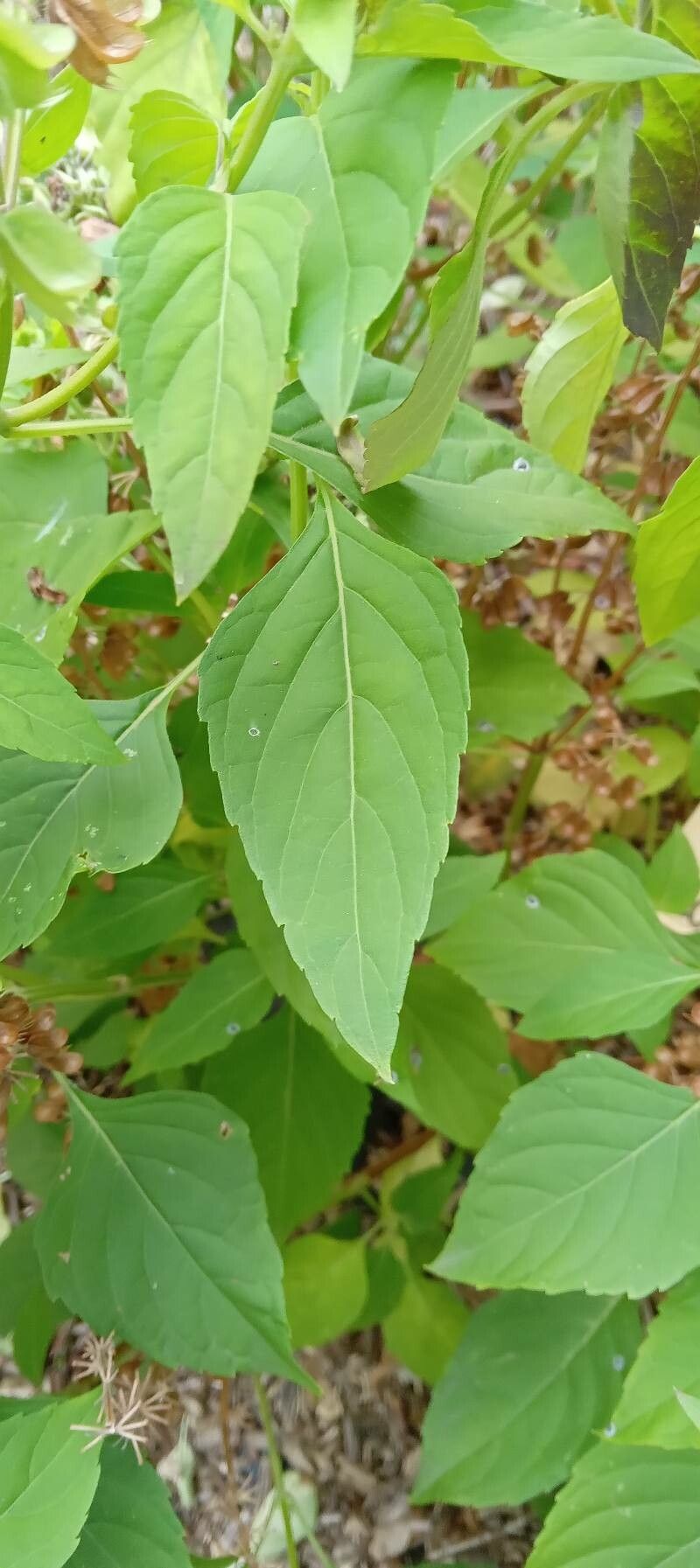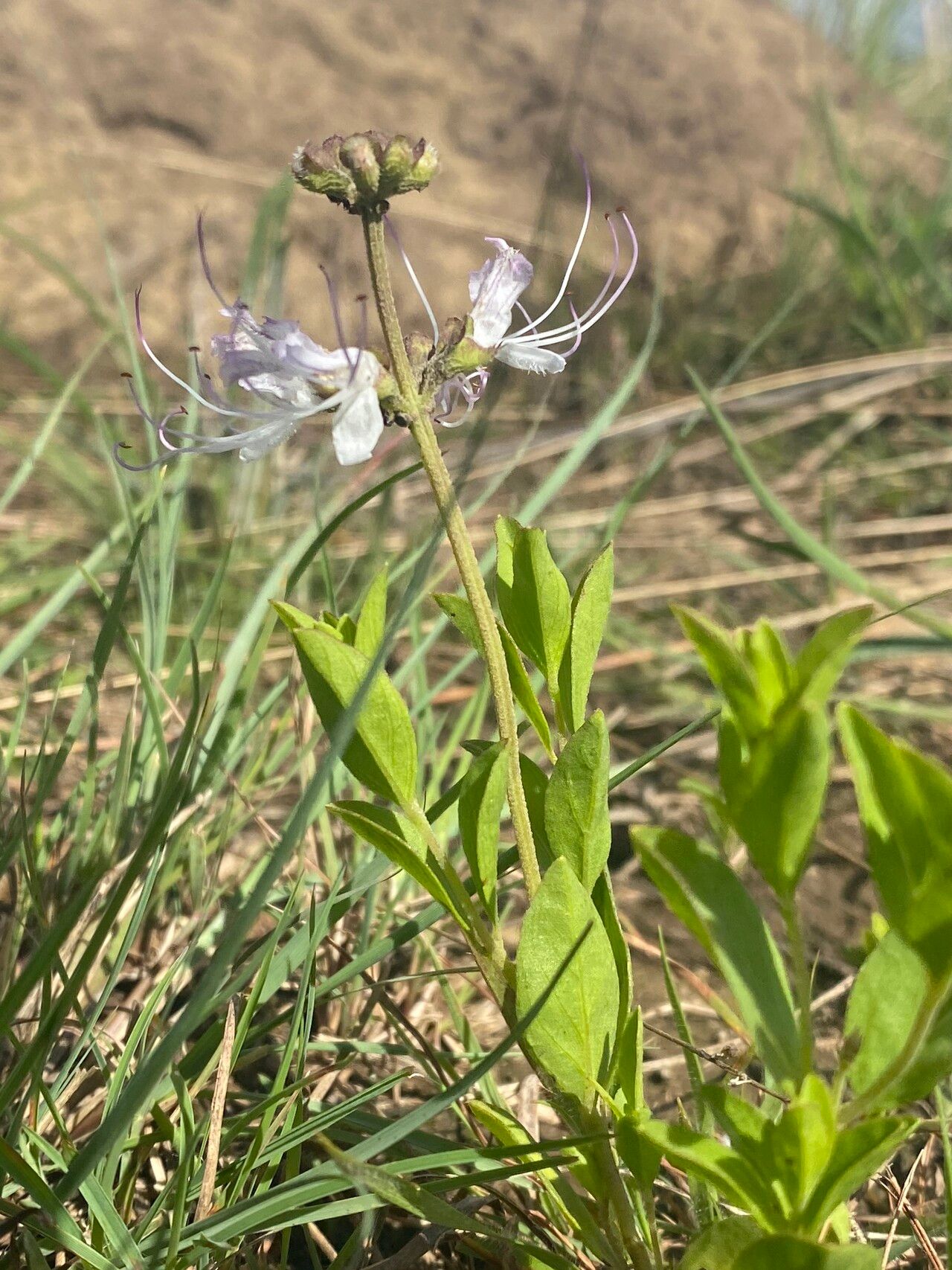
Greek basil has moderate resistance to disease but can be susceptible to problems like leaf spot. Its vulnerability to insect pests varies by variety, though most are not very resistant to pests. For care, Greek basil needs regular watering and fertilizing, along with frequent removal of yellow leaves. It’s important to control pests and diseases as they appear and to harvest the plant promptly. Greek basil is suitable for people who can devote some time and energy to regular care.
How to keep Ocimum Obovatum.
Light
Greek basil thrives under direct sunlight for the whole day, which is conducive to its healthy growth. Hailing from a region with lots of sunlight, greek basil indeed prefers these conditions. Nonetheless, an excess of sun can result in the withering of the leaves, and a lack thereof can severely hinder the growth and production of leaves.
Temperature
Understanding that Greek basil inherently requires heat, it thrives best in a temperature range of 59 to 100 °F (15 to 38 ℃). To ensure the plant's well-being, it is essential to maintain and adjust the temperature throughout the different seasons.
Fertilizer
For the best output, Greek basil thrives when it regularly receives balanced fertilizer, especially one that is rich in nitrogen. The fertilizer should be added before sowing the seeds, at the time of planting, and when the seedlings reach a height of 2 inches (5.1 cm). Continuous supply of nutrients can also be ensured by adding compost or manure. A lack of adequate nutrients in the soil can lead to the development of weak leaves and stems, lower quality flavors, thin stems, and might even introduce a bitter taste.