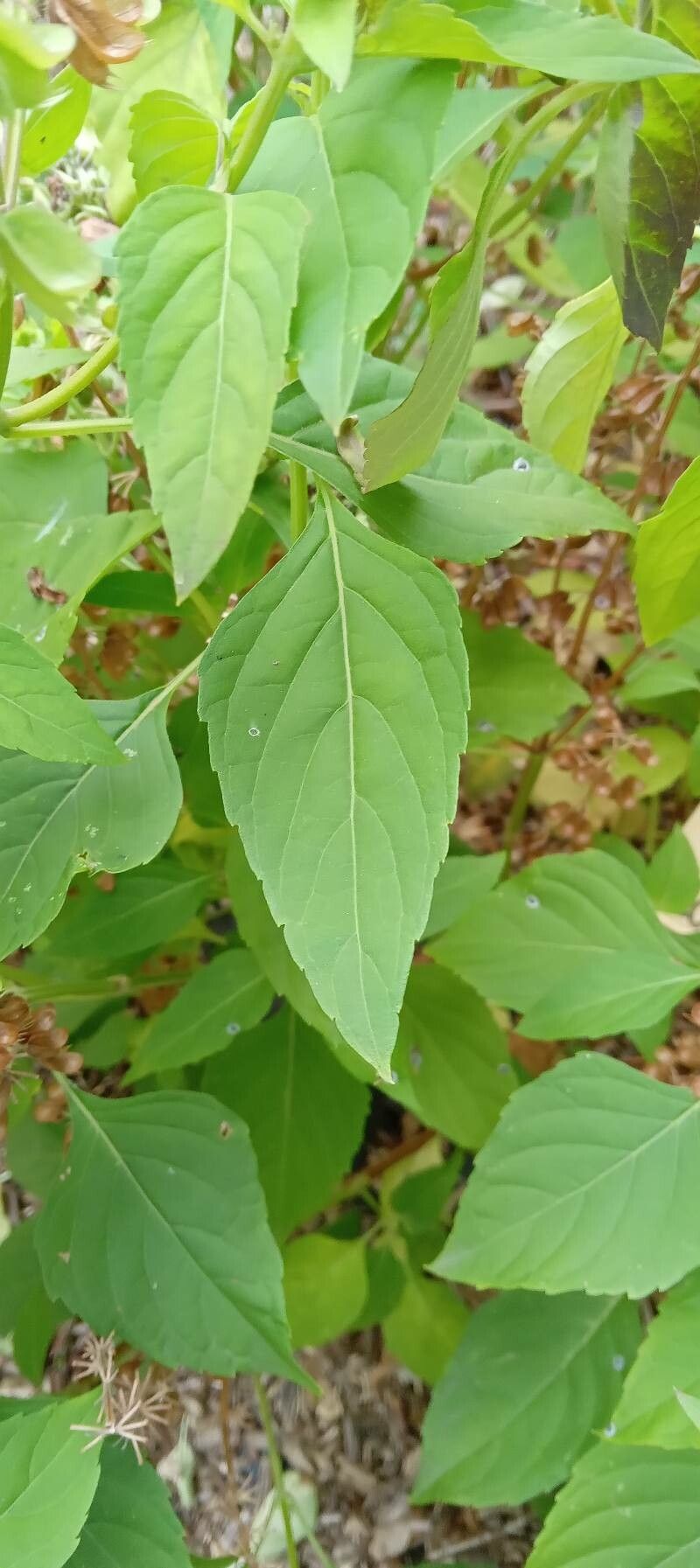
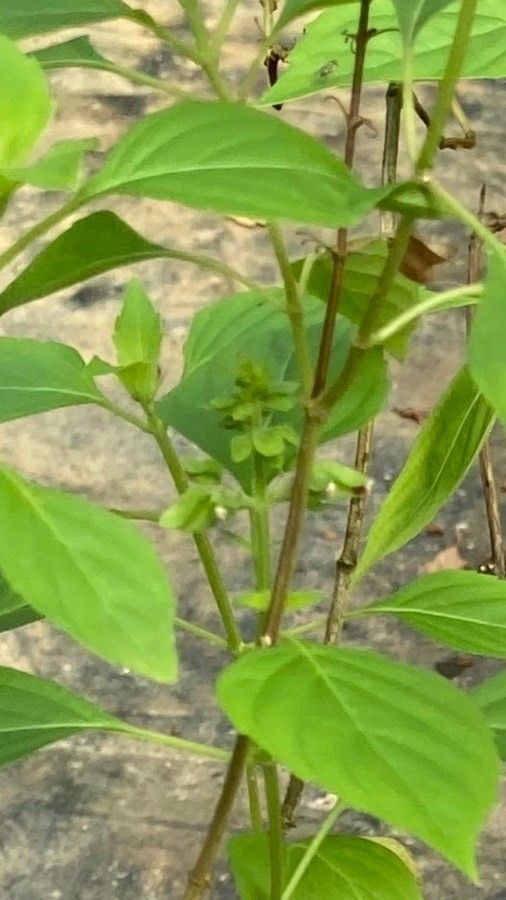
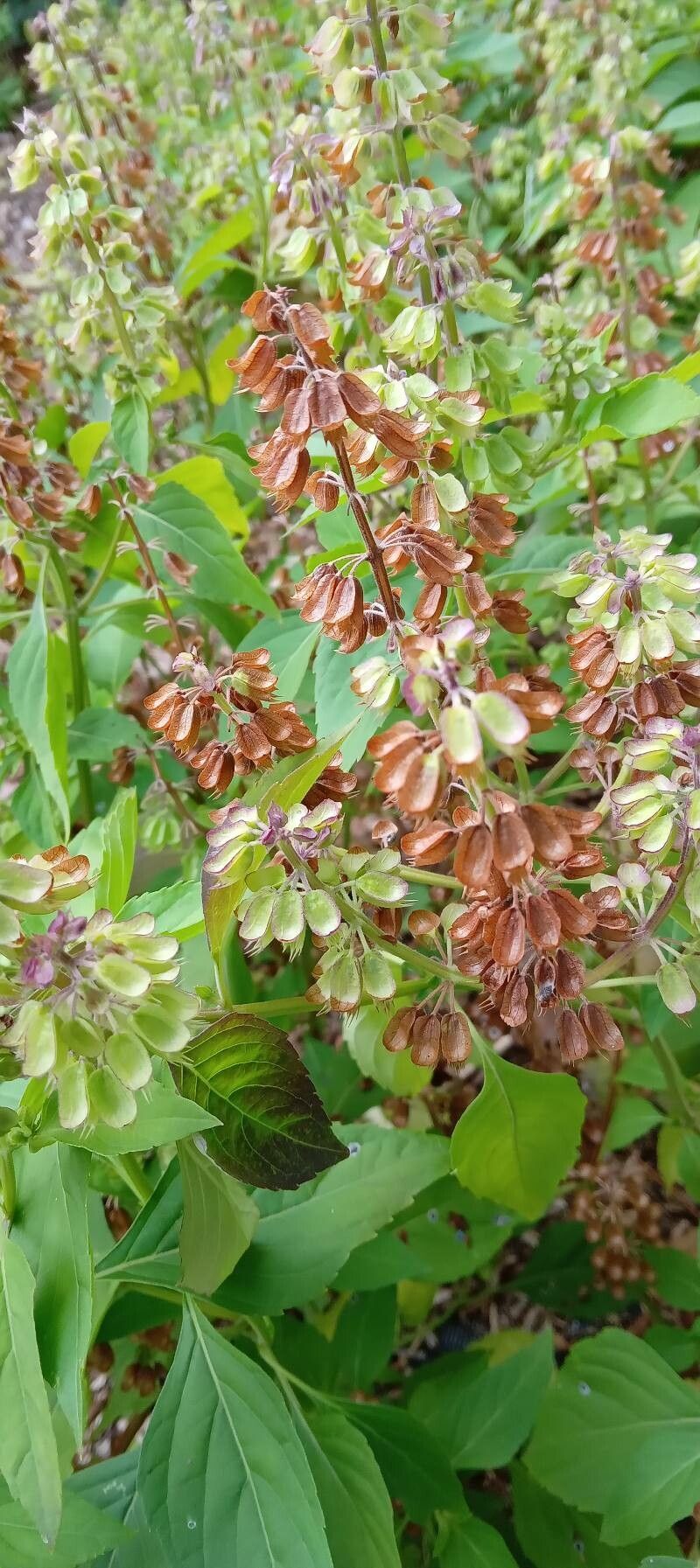
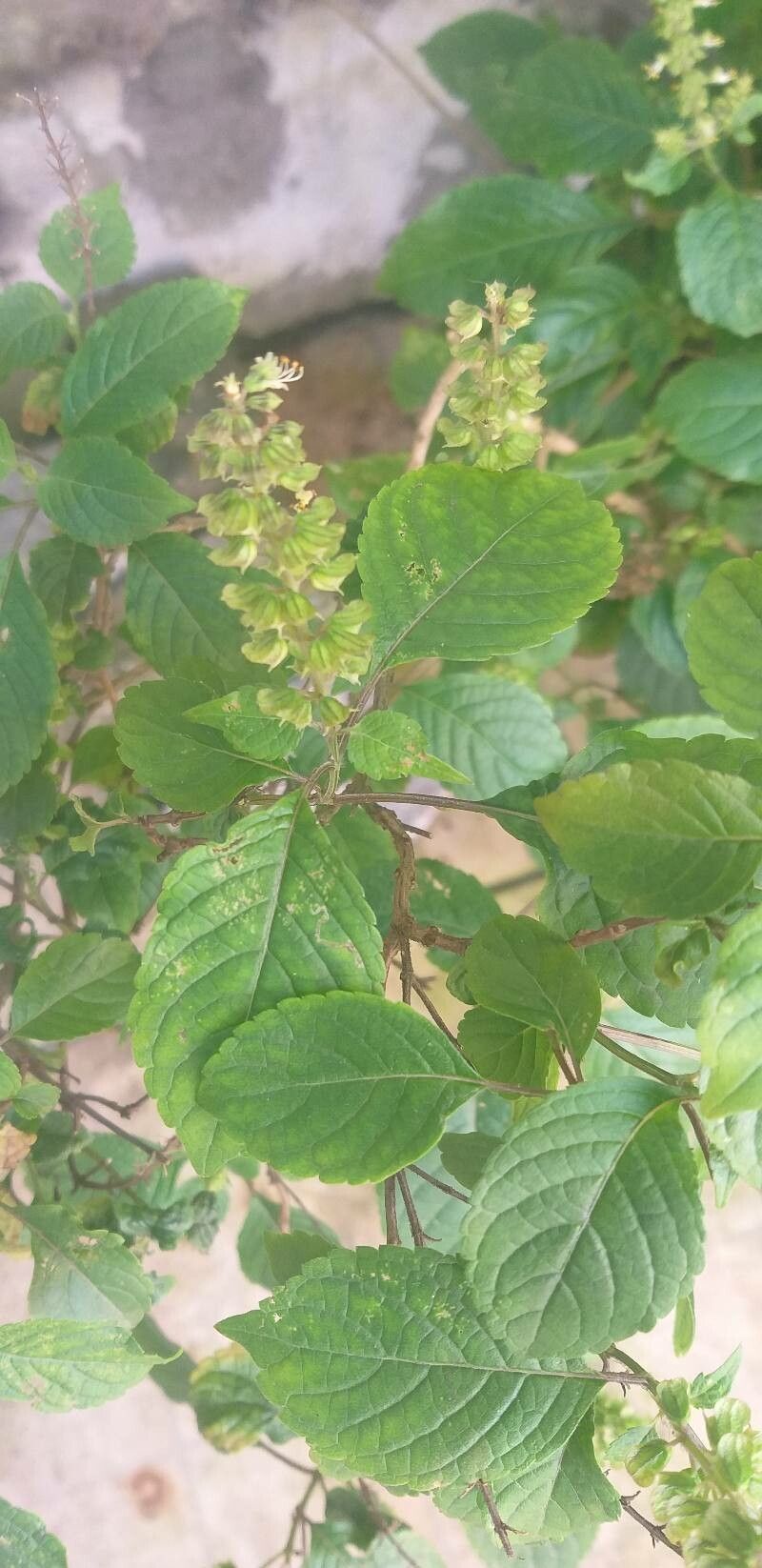
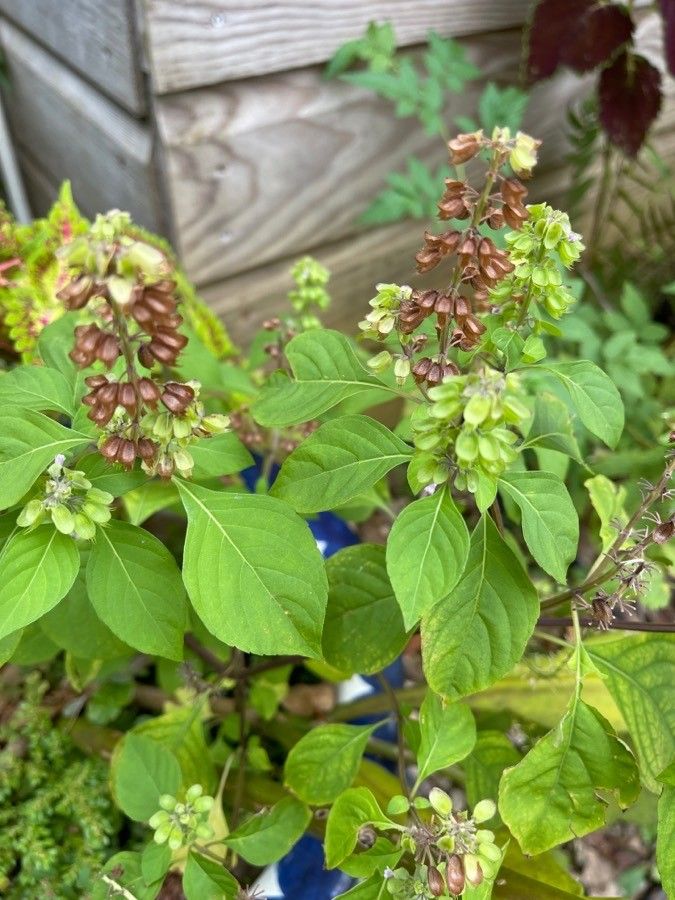
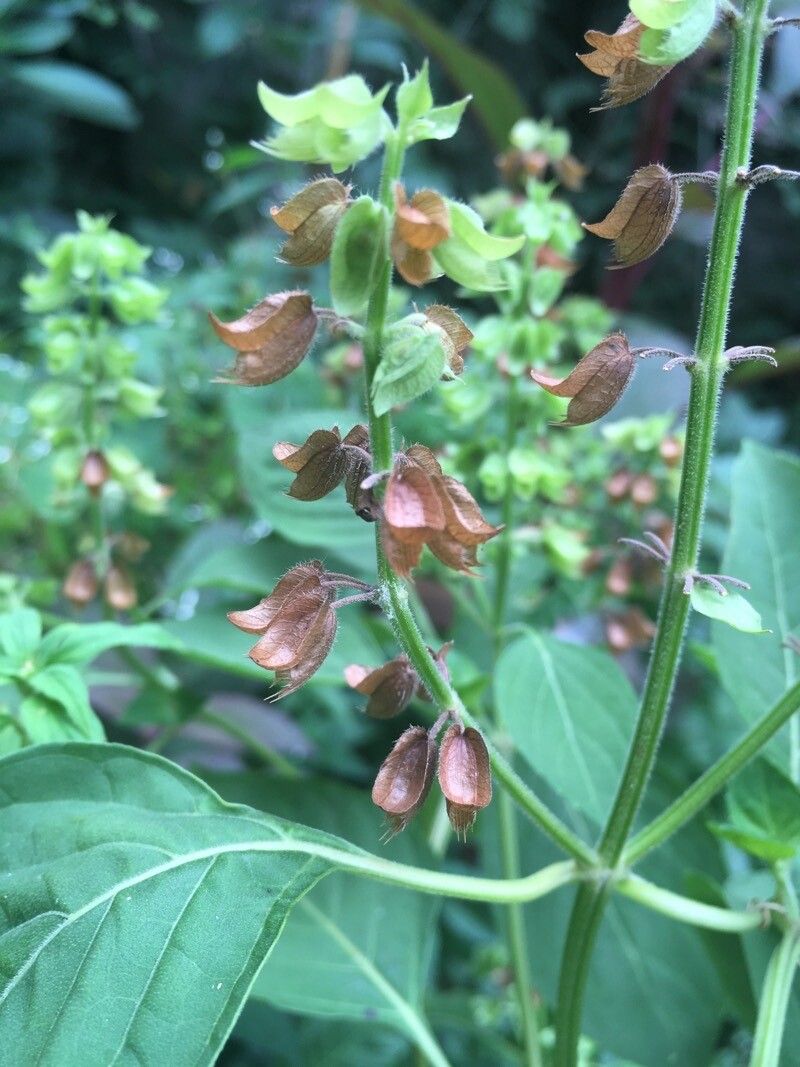
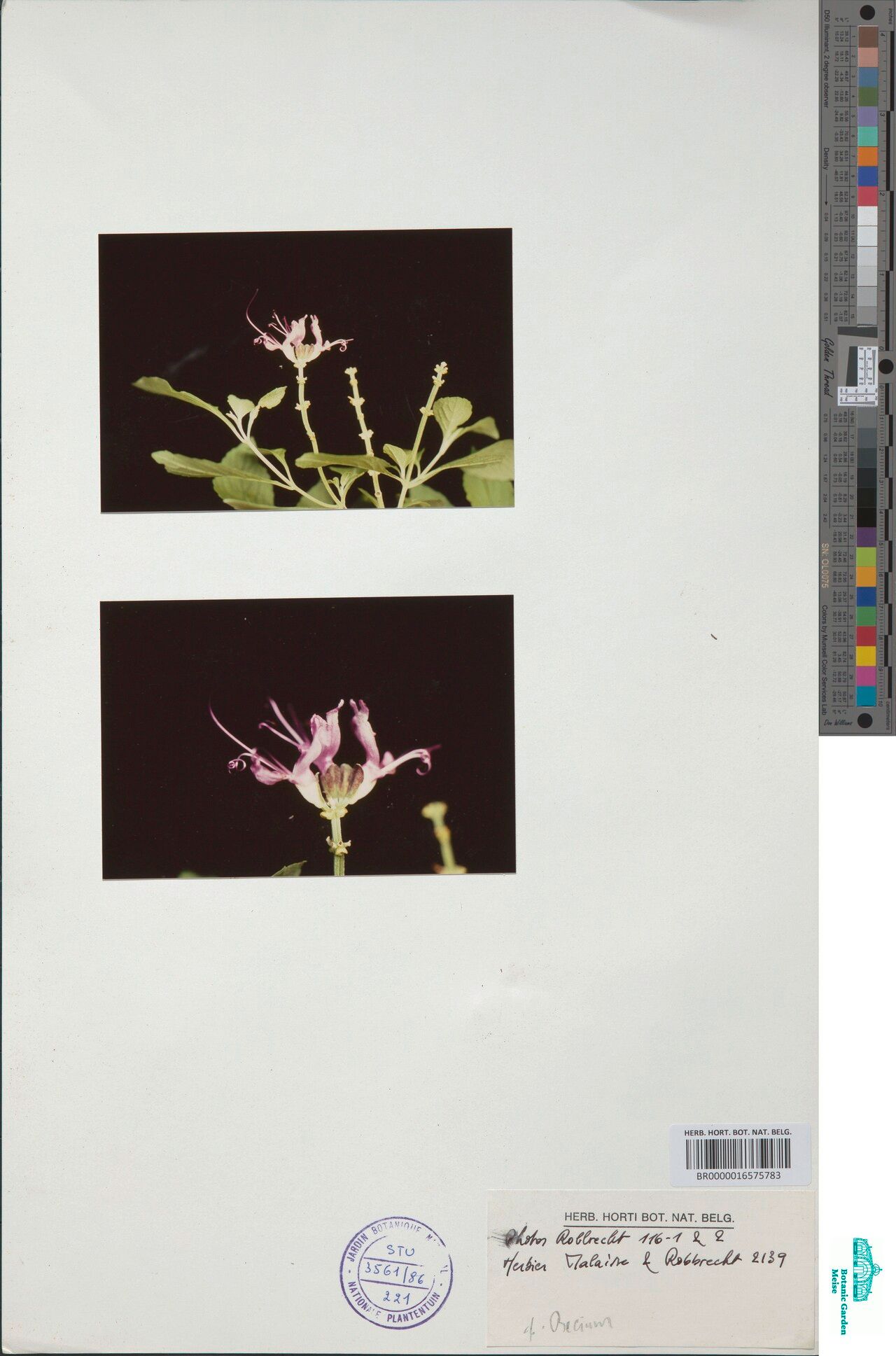
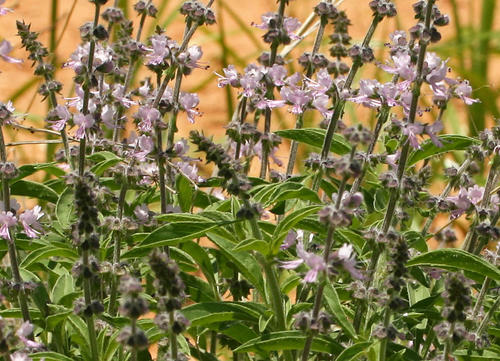
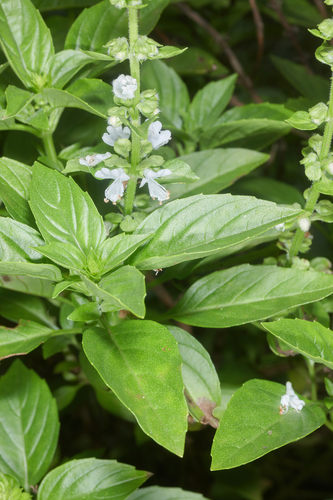
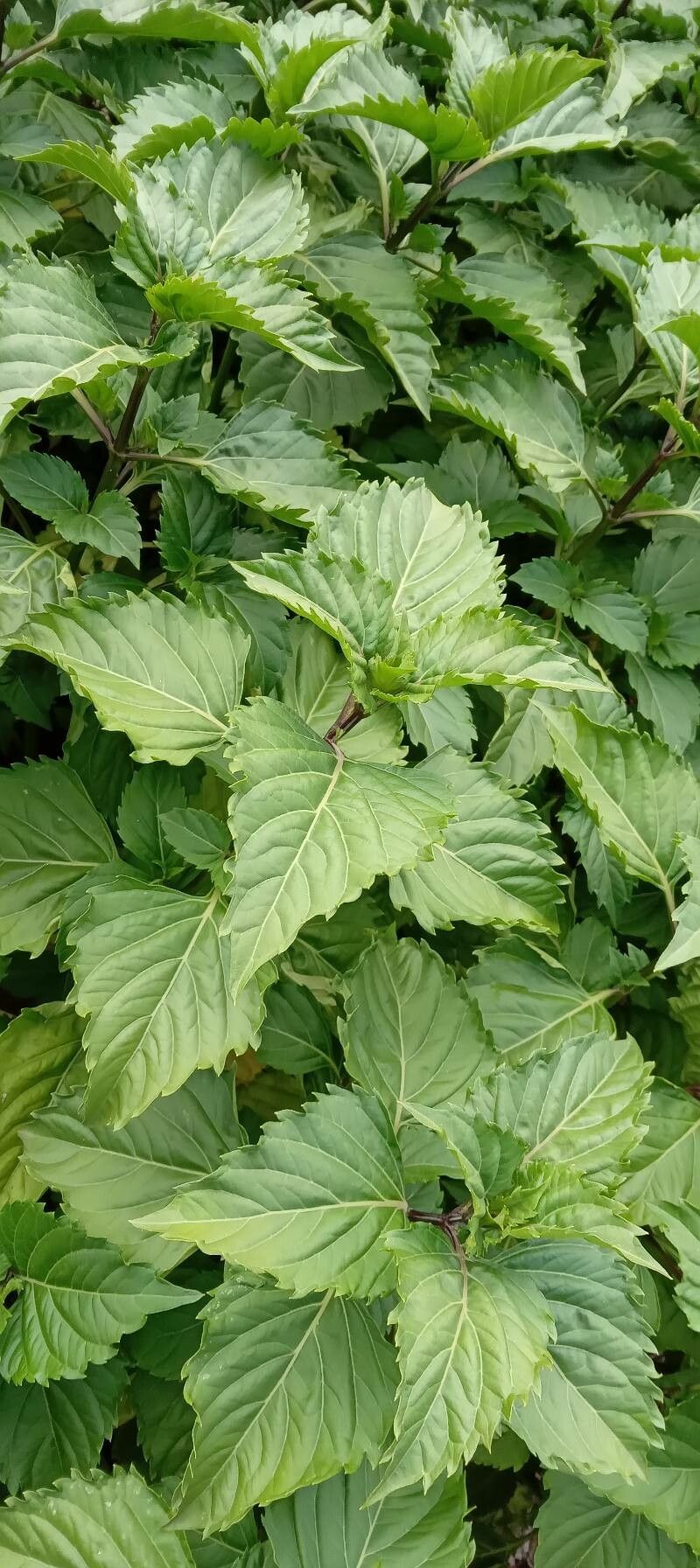
Ocimum campechianum is a plant species in the family Lamiaceae, widespread across Mexico, Central America, South America, the West Indies, and Florida.Leaves of Ocimum campechianum are eaten in Brazil's Amazon jungle. Similar to basil, it has a pungent flavor and contains essential oils which have been used ethnomedicinally. In Amazonia, the aromatic leaves are used as an admixture in ayahuasca brews. The plant is known as albahaca in Mexico and called xkakaltun in Mexico's Yucatan Peninsula, where it is considered a honey plant and is used as an abortifacient. It is referred to in Brazil as alfavaca and has also been referred to as albahaca del monte, Amazonian basil, wild sweet basil, wild mosquito plant, least basil, Peruvian basil, spice basil, alfavaca-do-campo, manjericao and estoraque.
Least basil is fairly disease-resistant and usually not prone to illness. However, it can be vulnerable to pests and diseases present in its environment. These problems are generally mild. In terms of care, this plant needs moderate attention. It should be pruned regularly to keep a neat appearance and support healthy growth. Fertilizing can also encourage flowering. Least basil is appropriate for anyone with outdoor space, such as a garden or patio, and does not require extensive care experience. It may demand more attention when grown indoors.
How to keep Ocimum Campechianum.
Light
Least basil is a sun-loving, perennial herbaceous plant native to open habitats, commonly occurring in meadows and grasslands. It prefers full sun but can also tolerate partial sun.
Humidity
This plant will thrive in moderate humidity, which is probably the level in your home. However, misting it a few times a week can be very beneficial. Make sure the room has good ventilation.
Temperature
Least basil comes from tropical areas, where the climate is usually warm and humid. Consequently, it is well adapted to high heat and moisture. It dislikes sudden temperature shifts and prefers a steady temperature, so it's important to avoid fluctuations indoors. It typically cannot withstand cold and needs warmer conditions to grow. If the environmental temperature falls too much, the plant may stop growing or even die.
Fertilizer
Least basil needs the most fertilizer during its active growth period, which takes place mainly in spring, summer, and early fall. Fertilization provides essential nutrients that the soil may lack, supporting healthy root and stem development and the attractive foliage that is a distinguishing feature of this plant.
Botanical profile.
- Plant Type
- Herb
- Life Cycle
- Perennial
- Genus
- Ocimum
- Family
- Lamiaceae
- Hardiness Zone
- 10-12
- Mature Height
- 30 cm to 61 cm
- Mature Spread
- 30 cm to 46 cm
- Leaf Color
- Green, Dark Green
- Leaf Type
- Evergreen
- Flower Size
- 0.51 cm to 0.76 cm
- Bloom Time
- Summer, Early fall, Mid fall
- Planting Time
- Autumn, Winter
- Harvest Time
- Late summer, Fall, Early winter
- Native Area
- Belize, Honduras, Mexico, Peru, Panama, Jamaica, Colombia, Bahamas, Cuba, Bolivia, Venezuela, Guyana, Nicaragua, Ecuador, Costa Rica
Other names.