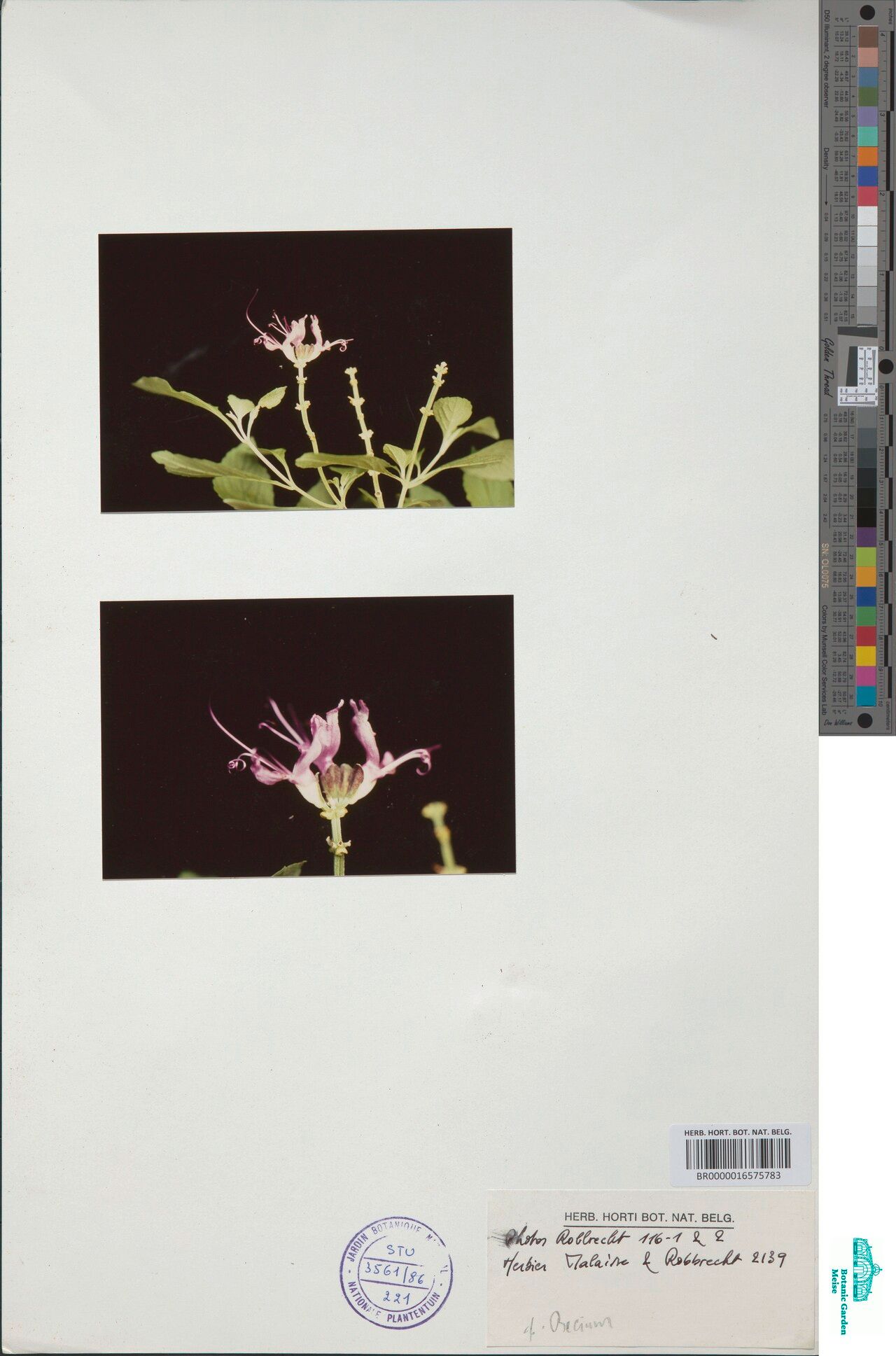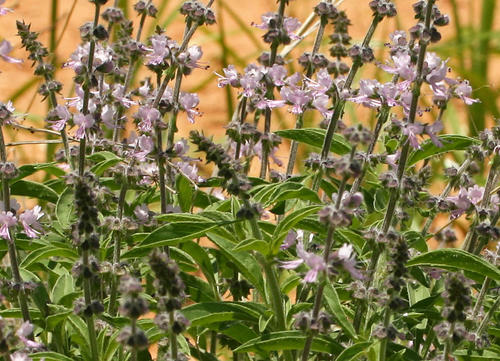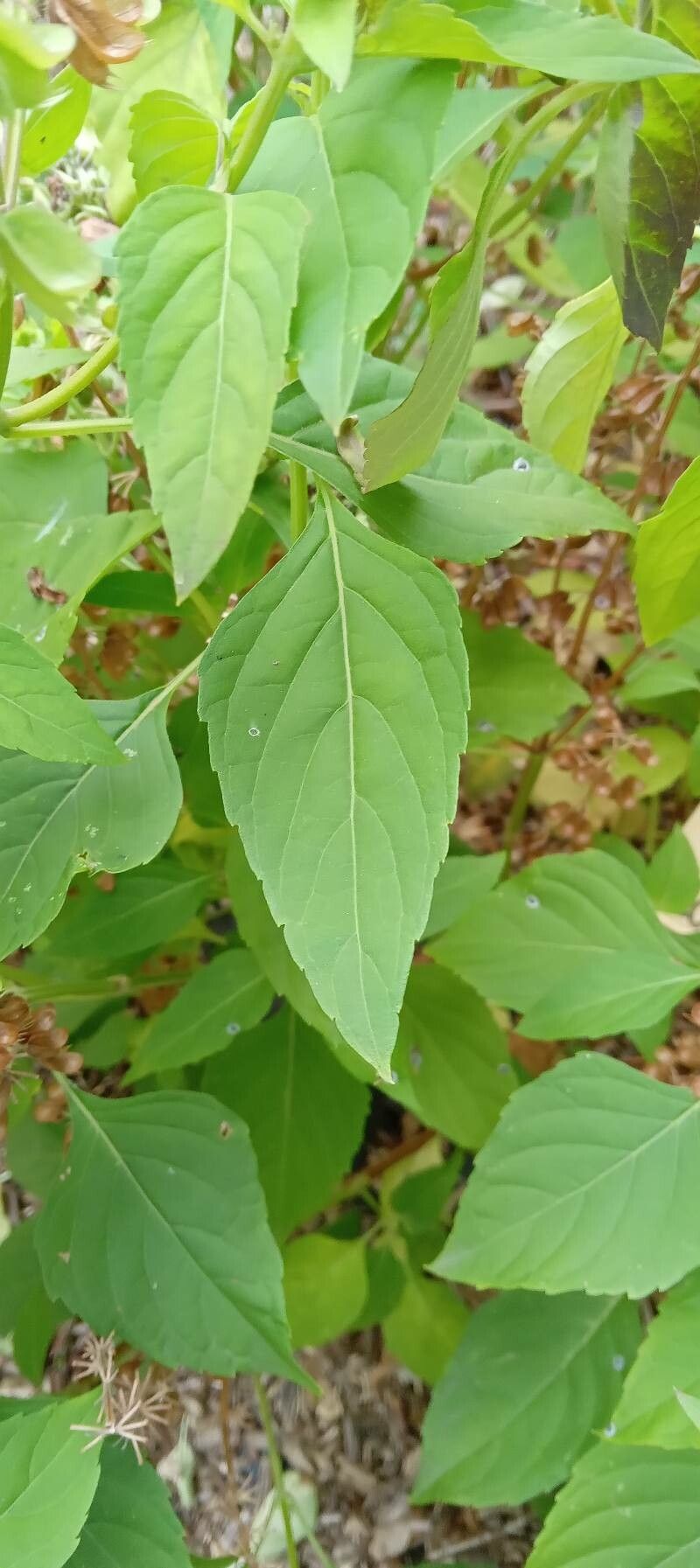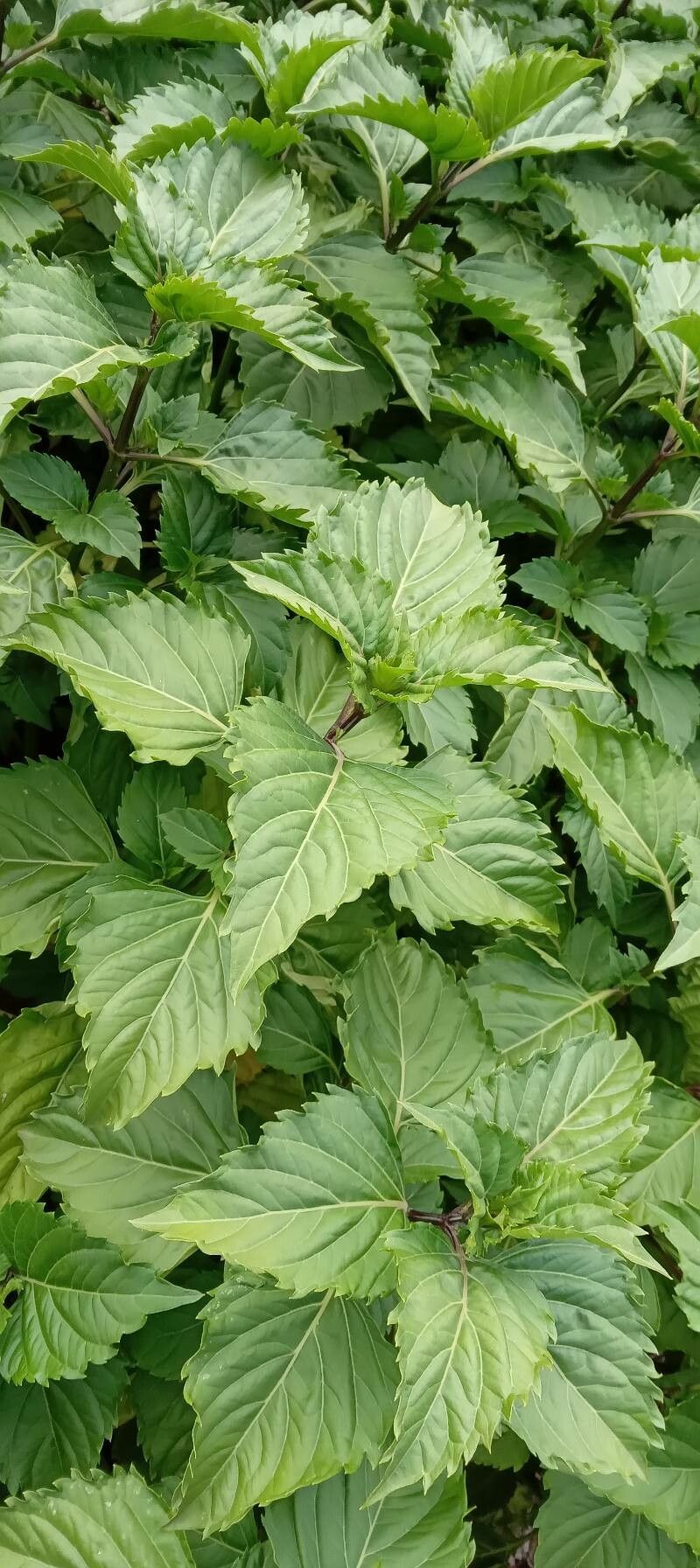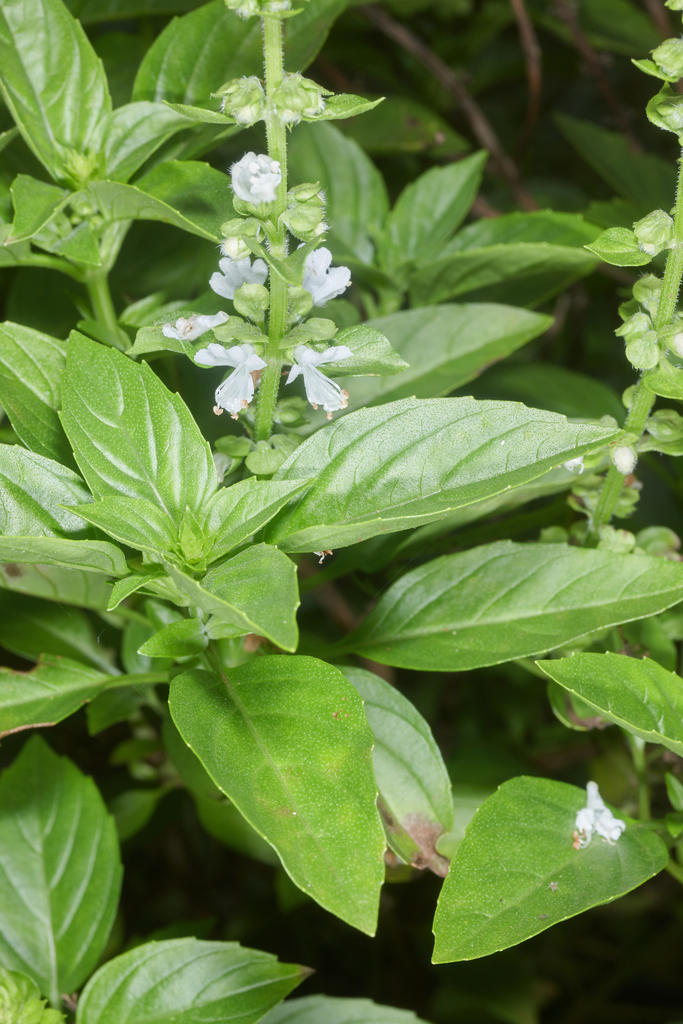
Ocimum basilicum, commonly known as basil, is a popular herb that belongs to the mint family. Native to the tropical regions of central Africa and Southeast Asia, basil has been widely cultivated worldwide. This annual plant can grow up to 60 cm tall and features green leaves with a strong, distinctive aroma. Basil leaves are frequently used in cooking as a flavoring agent in various dishes, such as pasta, pizza, salads, soups, and sauces. The essential oils in basil, including eugenol, linalool, and citronellol, contribute to its characteristic aroma. In addition to its culinary applications, basil also possesses medicinal properties. It contains antioxidants that help protect against cell damage caused by free radicals. Moreover, basil has anti-inflammatory properties that can aid in reducing inflammation in the body. Basil is easy to grow at home or in gardens, requiring well-drained soil and plenty of sunlight. There are many varieties of basil, including sweet basil (the most common variety), Thai basil (widely used in Asian cuisine), and lemon basil (which has a citrusy flavor), among others. Overall, Ocimum basilicum, or basil, is an important herb used in culinary practices worldwide for its unique taste profile and medicinal benefits, making it a valuable addition to any kitchen garden or herb collection!
Sweet basil is an essential ingredient in European cuisine, adding depth and flavor to a wide variety of dishes. Its absence would be akin to losing the soul of the dish. No matter the recipe, a touch of sweet basil is often desired. Its strong and intense aroma, combined with a hint of sweetness, enhances the overall flavor profile. This unique combination is why it is aptly named "sweet basil."
Basil has good resistance to disease and is generally not susceptible. However, it can develop leaf spots if light and ventilation are poor and watering is excessive. The care level for this plant is considered easy, as it only requires regular watering and not much else. Basil is suitable for people who don't have the time and energy to devote to regular care.
How to keep Ocimum Basilicum.
Light
Basil does best with abundant sunlight but can tolerate shaded spots. It comes from habitats where light is filtered through leaves. Plenty of light supports vigorous growth and better health. However, both excessive sun exposure and too little light can harm the plant and lead to poor growth.
Water
Sweet basil thrives in tropical climates, as it requires consistent moisture and humidity. It does best in slightly damp soil and typically needs to be watered twice a week. To encourage optimal growth, plant sweet basil in well-draining soil. This is especially important during periods of active growth to promote its lush foliage and aromatic qualities.
Humidity
This plant will thrive in moderate humidity, which is probably the level in your home. However, misting it a few times a week can be very beneficial. Make sure the room has good ventilation.
Temperature
Basil is native to warm areas and prefers temperatures between 68 and 100 ℉ (20 to 38 ℃). In colder months it may need supplemental heat, such as a heat lamp or a space heater, to keep it within that preferred temperature range.
Fertilizer
Basil benefits from frequent, dilute fertilizer applications to encourage healthy leaf growth. You should fertilize Basil about once a month during the summer. Nitrogen is vital for foliage, and adding nitrogen-rich sources helps Basil thrive.
Pruning
Sweet basil thrives when regularly pruned from early to late spring. This practice encourages bushier growth and prevents flowering. To promote lush foliage, pinch off the top leaves and remove any flower buds. Consistent pruning helps improve air circulation, reduces the risk of disease, and extends the harvest period, ultimately enhancing the plant's overall health and productivity.
Pot & Repot
When repotting Basil, choose a pot that's 1-2 inches (2.5–5.1 cm) larger in diameter and make sure it has good drainage. Use a well-draining potting mix, and consider adding perlite for extra drainage. Repot in spring or early summer, water thoroughly afterward, and place it in a shady spot at first.
Toxicity
Basils are non-toxic plants for people and pets. These edible herbs ara a stable in many dishes worldwide.
Further reading →
The toxicity and danger assessments provided are for reference only. We do not assure their accuracy, so it's crucial not to depend on them. Seek professional advice when necessary for accurate guidance.
Botanical profile.
- Plant Type
- Herb
- Life Cycle
- Annual, Perennial, Biennial
- Genus
- Ocimum
- Family
- Lamiaceae
- Hardiness Zone
- 9-11
- Mature Height
- 0.2 m to 1.52 m
- Mature Spread
- 30 cm
- Leaf Color
- Green, Purple
- Leaf Type
- Evergreen
- Flower Color
- White, Lavender
- Flower Size
- 3.05 cm to 7.62 cm
- Bloom Time
- Summer
- Planting Time
- Spring, Summer
- Harvest Time
- Mid summer, Late summer, Early fall
- Native Area
- Nepal, Sri Lanka, Saudi Arabia, Tajikistan, India, Malaysia, Philippines, Bangladesh, Laos, Yemen, China, Indonesia, Cambodia, Vietnam, Myanmar, Bhutan, Oman, Iran, Thailand
Other names.
Reader questions.
When Should I Water My Sweet Basil?
Proper and timely watering is crucial for the health of sweet basil. Observing the condition of the plant, such as wilting or droopy leaves which remain green, indicates the need for water. Dry topsoil, especially an inch or two beneath the surface, signals it's time to water the plant. Changes in leaf color to yellow or brown, leaf tip burn, or curling can also indicate watering issues. Both overwatering and underwatering pose risks such as stunted growth, leaf drop, or plant death due to root rot or drying out. Careful observation and adjustment based on the plant's environment are key to ensuring a thriving sweet basil.
Why is it important to add fertilizer to my Sweet basil plant?
Plants require nutrients to grow. However, some plants, including sweet basil, are capable of obtaining these nutrients without the need for additional fertilizers. Like other plants, sweet basil relies on nutrients to support its growth and internal processes. The main nutrients that plants require are nitrogen, phosphorus, and potassium. Each of these nutrients plays a role in various essential functions of a plant. In the case of sweet basil's foliage, nitrogen is particularly important. However, sweet basil often struggles to obtain sufficient nitrogen from the soil alone, which is why many gardeners choose to supplement its nitrogen intake by feeding it with a nitrogen source.
What are the sunlight requirements for sweet basil?
Sweet basil thrives in conditions ranging from partial to full sun exposure, needing about 3-6 hours of sunlight daily, and can even grow in full shade areas where sunlight exceeds 6 hours. It’s essential to observe the movement of sunlight in your garden to find the ideal balance of light and shade that ensures the plants' optimal growth. Sweet basil originally comes from environments where sunlight is naturally filtered through foliage. Adequate sunlight is crucial for its vigorous growth and overall health but it's important to avoid both excessive sunlight and insufficient light to prevent negative impacts on the plant.
What is the preferred temperature range for Sweet Basil?
The sweet basil plant, botanically known as Ocimum basilicum, thrives in warm regions and prefers a temperature range of 68 to 100°F (20 to 38°C). It is an extremely heat-loving plant that may require additional warmth, such as a heat lamp or space heater, during colder months to maintain its temperature preference. When temperatures drop, especially in autumn, it's recommended to bring outdoor-grown sweet basil indoors and place it near a bright window while keeping a safe distance from heaters to avoid damage. Maintaining temperatures above 20°C during winter is beneficial for the plant's growth, as temperatures nearing 0°C are detrimental.
How Should I Water My Sweet Basil?
Sweet basil requires specific watering practices for optimal health. It prefers consistently moist soil without being waterlogged. Bottom-watering is an effective method, allowing the plant to absorb water from the bottom up, minimizing the risk of disease. Misting provides supplemental humidity but shouldn't be the primary watering method. Use a watering can with a narrow spout to focus hydration at the base and prevent excess moisture on the leaves. Utilizing a moisture meter can help determine when the plant needs water. Ensure soil around the root zone is thoroughly saturated without overwatering, and the pot has proper drainage to prevent root rot. Adjust watering frequency based on the plant's environment.
When is the right time to put fertilizer on my Sweet basil?
Sweet basil usually grows well, but it benefits from monthly fertilization when it is actively growing. This should be done only during spring and summer, as the plant becomes less active in fall and winter and does not require as many nutrients. You can start fertilizing Sweet basil when you notice new growth. Whether the plant is grown outside or in a container indoors, the fertilization schedule remains the same. However, if it is in a container, you may not need to fertilize for the first one to two months. Container plants use the nutrients already present in the potting soil, so wait until your Sweet basil has been in the same soil for some time before starting to fertilize.
How can artificial lighting support sweet basil's growth?
Artificial lighting is a beneficial solution for supporting sweet basil's growth indoors, especially when natural sunlight is insufficient, such as during winter or in less sunny locations. Optimal growth can be achieved with the correct type of artificial light, such as LED lights, which can be customized to provide specific light wavelengths. For full sun plants, 30-50W/sq ft is recommended; partial sun plants need 20-30W/sq ft, and full shade plants require 10-20W/sq ft of artificial light. The light source should be placed 12-36 inches above the plants, mimicking natural sunlight conditions for 8-12 hours per day to promote faster and healthier growth.
How does low temperature affect Sweet Basil and what are the solutions?
Sweet basil is sensitive to low temperatures and thrives best when the temperature is above 20°C, requiring it to be kept above 0°C during winter. Exposure to temperatures below -5°C may result in the leaves lightening in color; after frost damage, the leaves can turn brown or black, and the plant may show signs of wilting and drooping. To combat this, trim off any frost-damaged parts and move the plant to a warm environment indoors, placing it near a south-facing window for ample sunlight. It's crucial to avoid placing the plant near heaters or air conditioning vents to prevent excessive dryness in the air.
How Much Water Does Sweet Basil Really Need?
The optimal watering amount for sweet basil varies based on pot size, root depth, and plant size. Typically, a small or medium-sized plant in a 6-inch pot requires about 250-350 milliliters of water per session, while larger plants may need up to 500 milliliters. Properly hydrated sweet basil will have vibrant, glossy leaves and show healthy growth. Over-watering can result in root rot due to excessive moisture, while under-watering can lead to wilted leaves and stunted growth. To ensure the best results, use well-draining soil and water the plant early in the morning.
When is the best time to not fertilize my Sweet basil plant?
To effectively care for your Sweet basil, it's crucial to consider its health condition. If the plant is unhealthy due to a disease or insect pests, refrain from fertilizing it. Similarly, avoid fertilizing a dehydrated plant as it can exacerbate the issue. Only fertilize your basil when it is in good health. When watering, be cautious not to splash fertilizer onto the leaves or stem, as this can cause burned spots. Additionally, take care to prevent direct contact between the plant and fertilizer, unless you have a specialized foliage fertilizer.
What are common symptoms of inadequate light for sweet basil?
Inadequate light for sweet basil can lead to several symptoms indicating poor plant health. These include leggy or sparse growth, with increased spacing between leaves or stems giving the plant a stretched-out appearance. The plant may also experience slower or no new growth as it enters survival mode due to insufficient light. Faster leaf drop, chlorosis or yellowing of the leaves, sunscald with pale or bleached areas on plants, leaf curling as a defense against excessive sun, wilting from excessive water loss, and leaf scorching with brown or crispy leaf edges are other symptoms to watch for. These signs suggest that the plant's light conditions need to be addressed to restore growth and health.
What should be done if Sweet Basil is exposed to high temperature?
During the summer, it's important to keep sweet basil below 38°C to prevent heat stress. When temperatures exceed 43°C, the leaves may lighten in color, and the plant becomes more susceptible to sunburn. In such cases, trim away sunburned and dried-up parts of the plant. It's advisable to move the plant to a shadier spot to protect it from the midday and afternoon sun. Additionally, watering the plant in the morning and evening will help keep the soil moist and reduce stress on the plant.