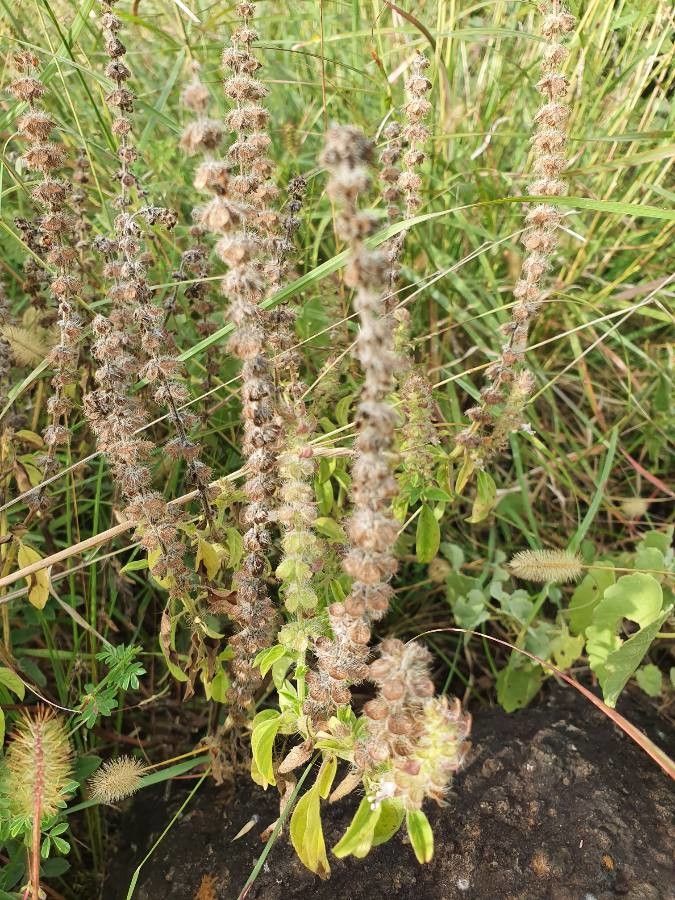
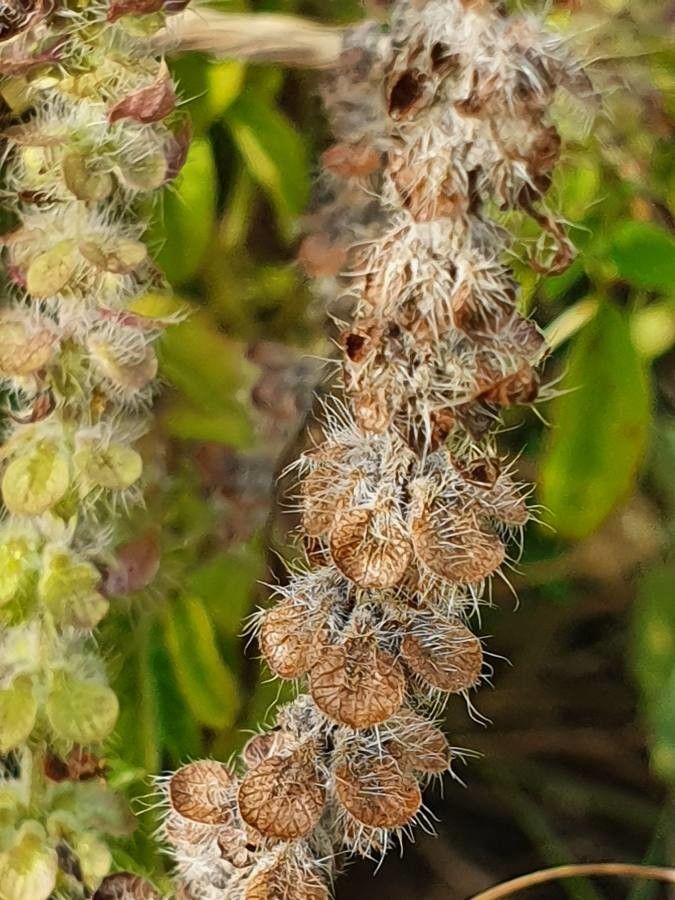
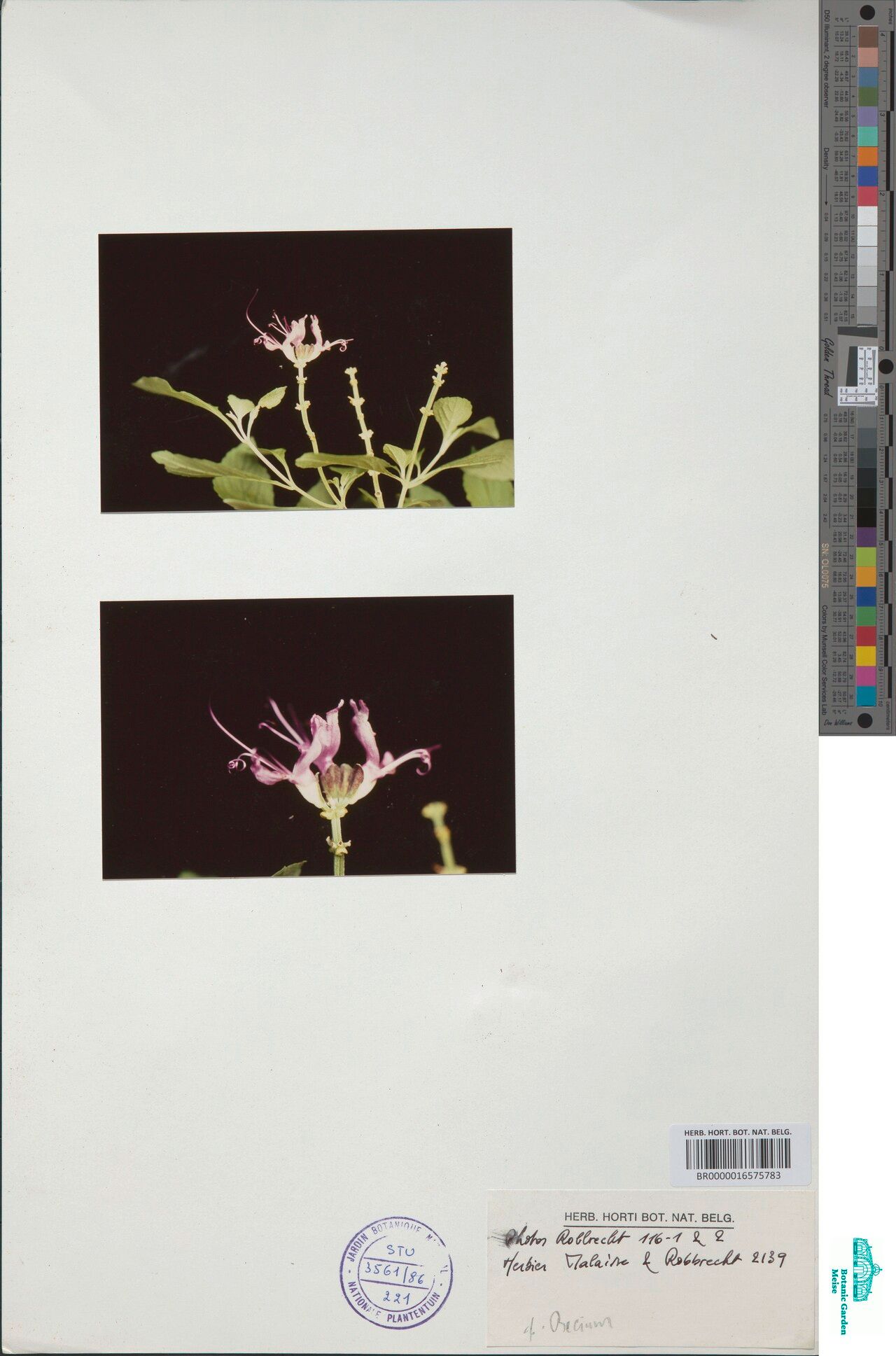
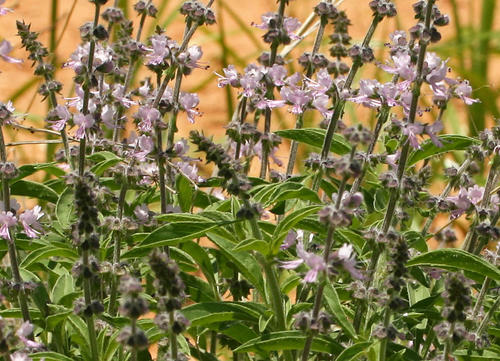
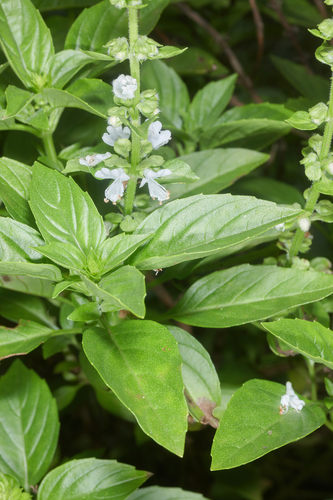
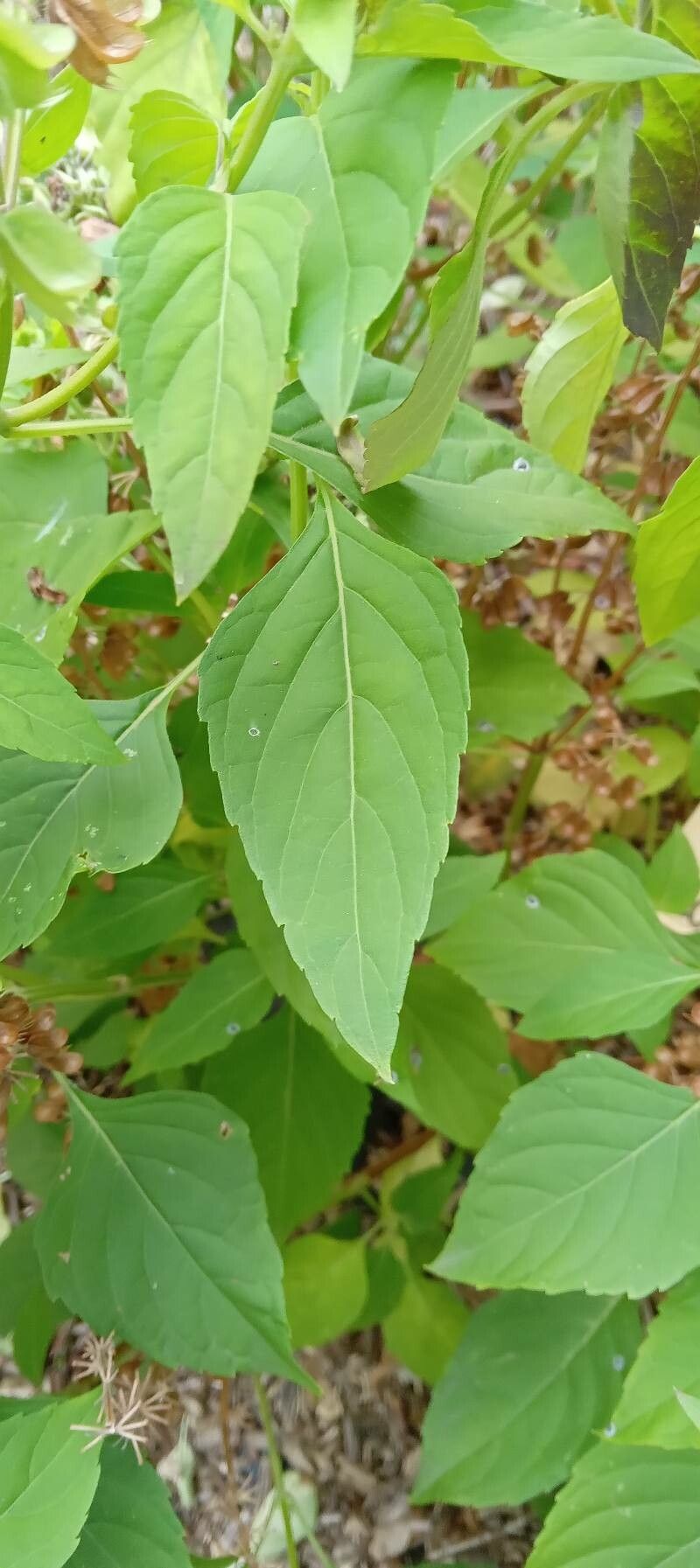
Ocimum kilimandscharicum, commonly known as Kilimanjaro basil, is a perennial herb in the Lamiaceae family. Native to East Africa, it thrives in the highlands of Tanzania and Kenya. The plant is well-regarded for its strong aroma and is widely used in traditional medicine due to its medicinal properties.
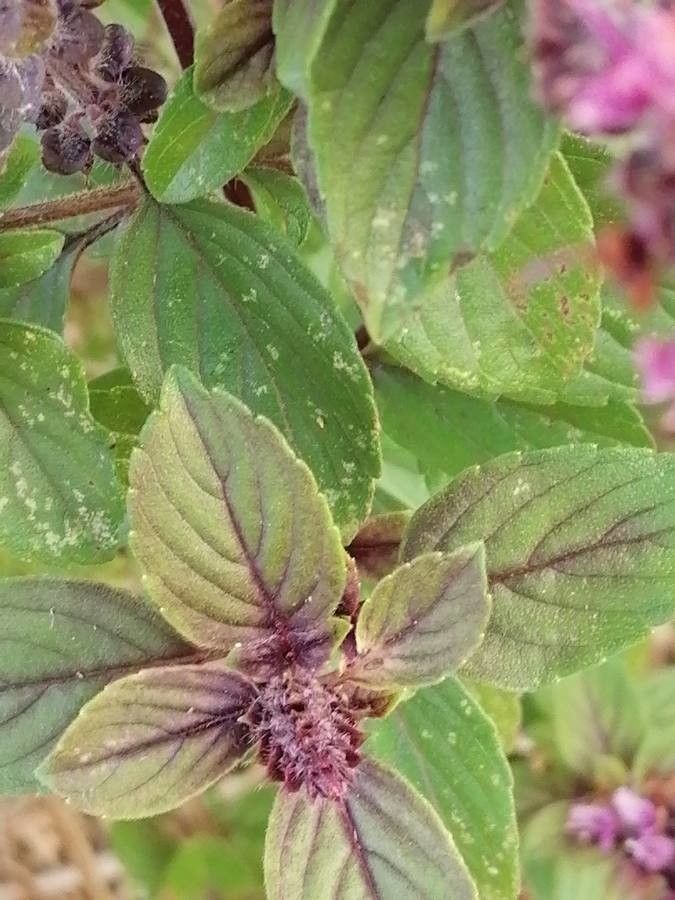
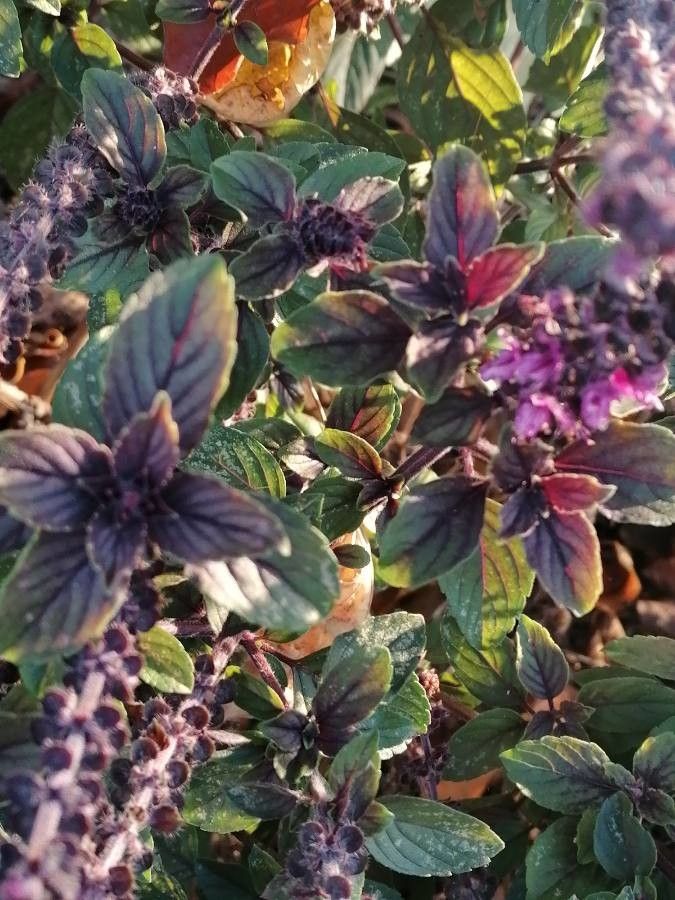
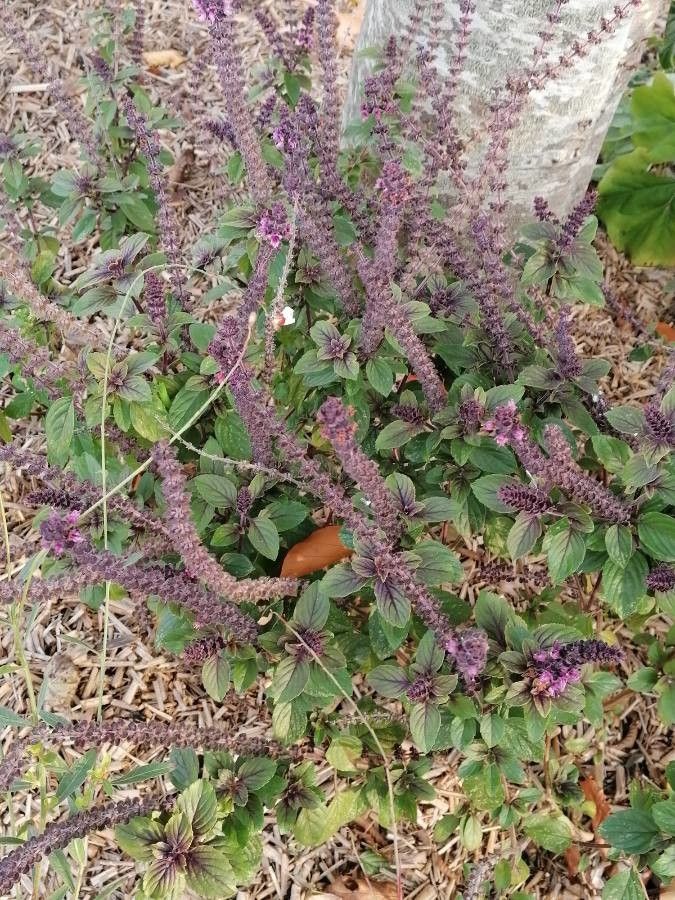
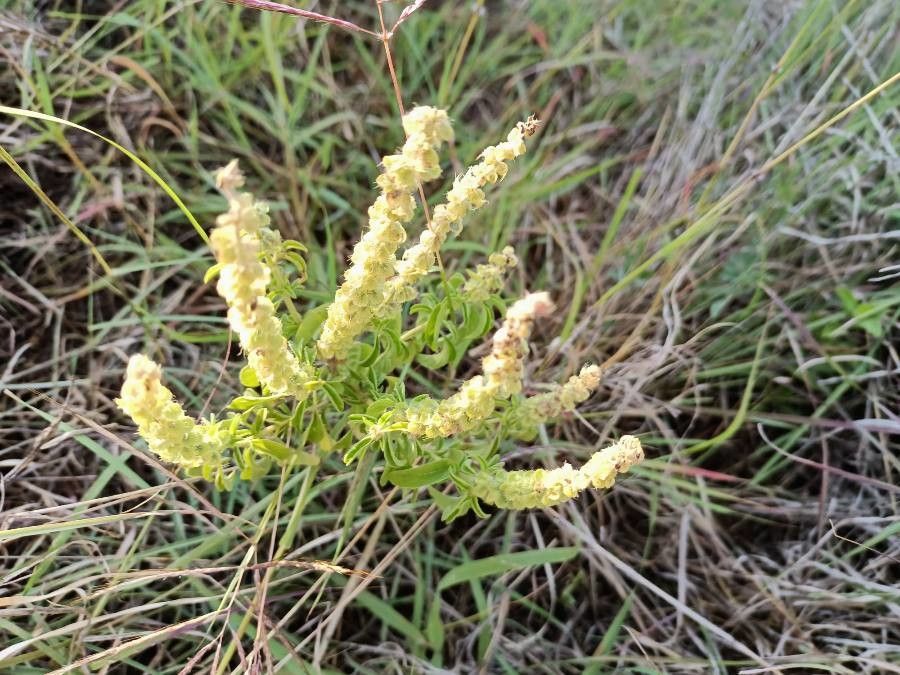
Kilimanjaro basil features an upright growth habit with slightly hairy, green leaves that are lance-shaped with serrated edges, reaching up to 10 cm in length. During the summer months, the plant produces small clusters of white or pink flowers.
The essential oil extracted from Kilimanjaro basil is rich in eugenol, which contributes to its distinctive aroma. Studies have shown that this oil possesses antimicrobial properties effective against various bacteria, fungi, and viruses.
Beyond its medicinal applications, Kilimanjaro basil is also valued as a culinary herb. Its robust flavor makes it a popular addition to soups, stews, sauces, and salads.
Overall, Ocimum kilimandscharicum offers significant medicinal and culinary benefits, making it a valuable herb in various cultures around the world.
Hoary basil is fairly disease-resistant and typically not prone to illnesses. However, it can still be affected by pests and diseases present in its environment. Such outbreaks are generally mild. Regarding care, this plant needs moderate maintenance. It should be pruned regularly to maintain an attractive appearance and encourage healthy growth. Applying fertilizer can also help stimulate flowering. Hoary basil is suitable for anyone with outdoor space, like a garden or patio, and does not require extensive gardening experience. It may need more attention when grown indoors.
How to keep Ocimum Kilimandscharicum.
Light
Hoary basil is a perennial herbaceous species that favors sunny conditions and comes from open habitats, commonly growing in meadows and grasslands. It prefers full sun but can also tolerate partial sun.
Temperature
Hoary basil comes from tropical areas, where the weather is generally warm and humid. Consequently, it is well suited to high heat and moisture. It does not tolerate abrupt temperature shifts and favors a consistent thermal environment, so preventing indoor temperature swings is important. It is generally intolerant of cold and needs warmer conditions to grow. If the surrounding temperature falls too low, the plant can stop growing or even die.
Fertilizer
Appropriate fertilization is vital for Hoary basil's health and appearance. Fertilize Hoary basil during summer, repeating the treatment every month throughout summer. Nutrients fuel growth and support the plant's parts. Fertilization boosts Hoary basil's flower display, ensuring the best blooms.
Botanical profile.
- Plant Type
- Herb
- Life Cycle
- Perennial
- Genus
- Ocimum
- Family
- Lamiaceae
- Hardiness Zone
- 9-11
- Mature Height
- 61 cm to 91 cm
- Mature Spread
- 40 cm to 61 cm
- Leaf Color
- Green, Dark Green
- Leaf Type
- Deciduous
- Flower Color
- White, Lavender
- Flower Size
- 0.76 cm to 1.02 cm
- Bloom Time
- Summer, Early fall, Mid fall
- Planting Time
- Spring, Summer, Autumn, Winter
- Harvest Time
- Late summer, Fall, Early winter
- Native Area
- Kenya, Ethiopia, Uganda, Tanzania
Other names.