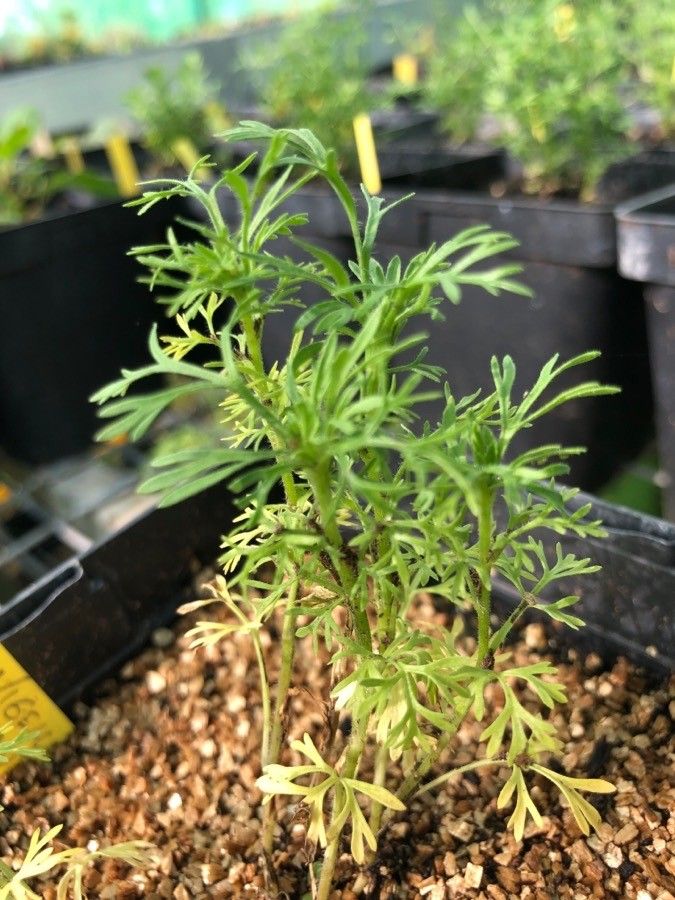
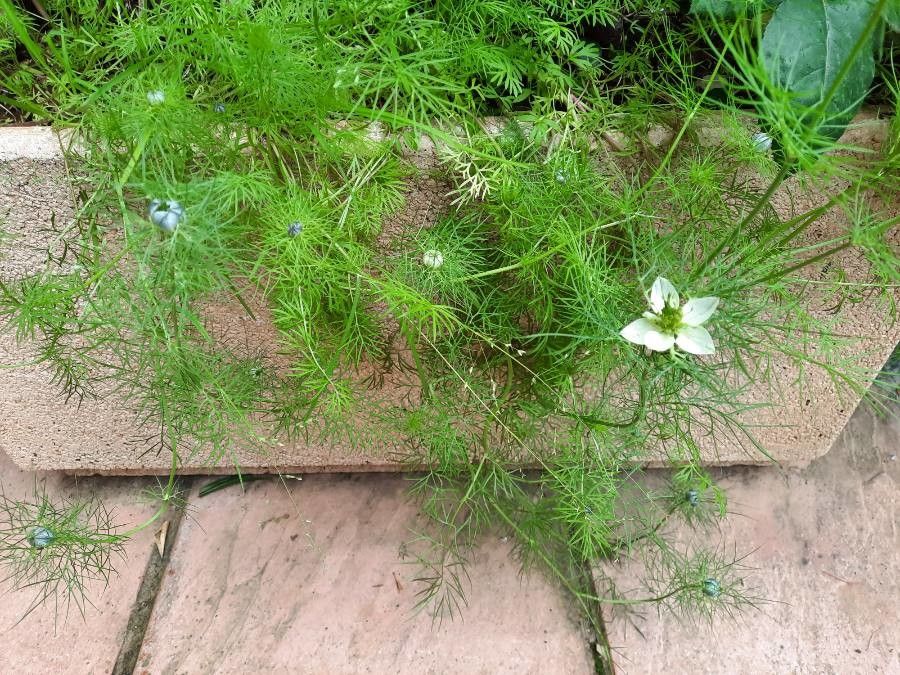
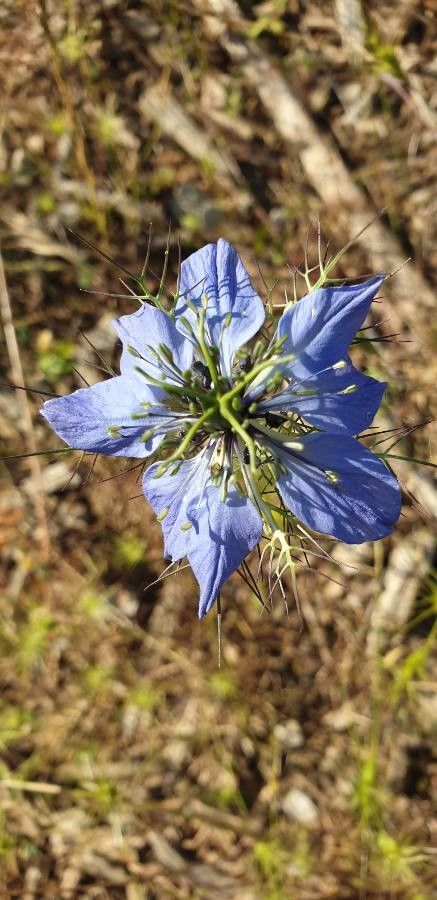
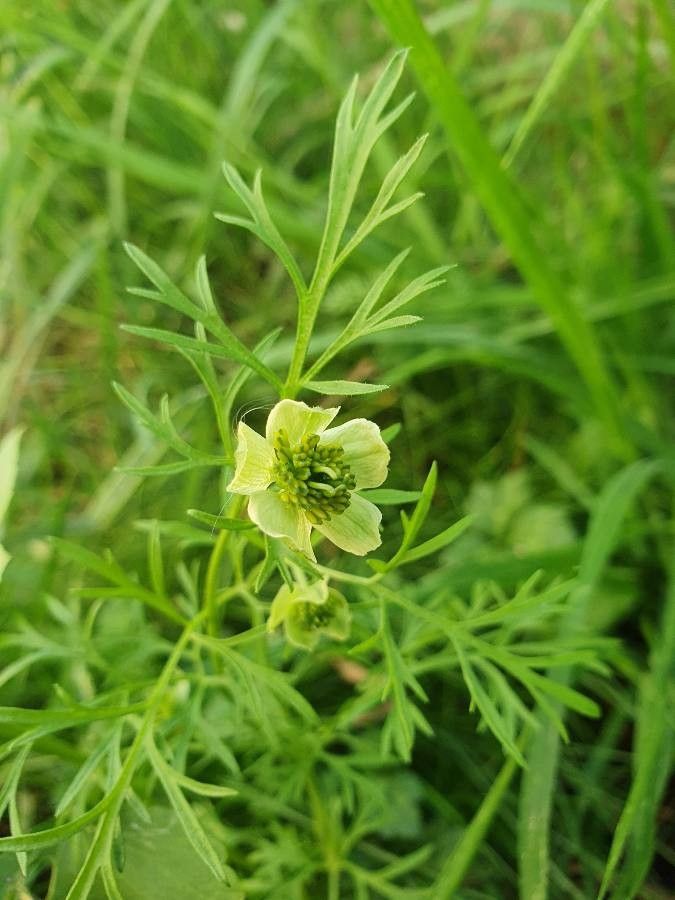
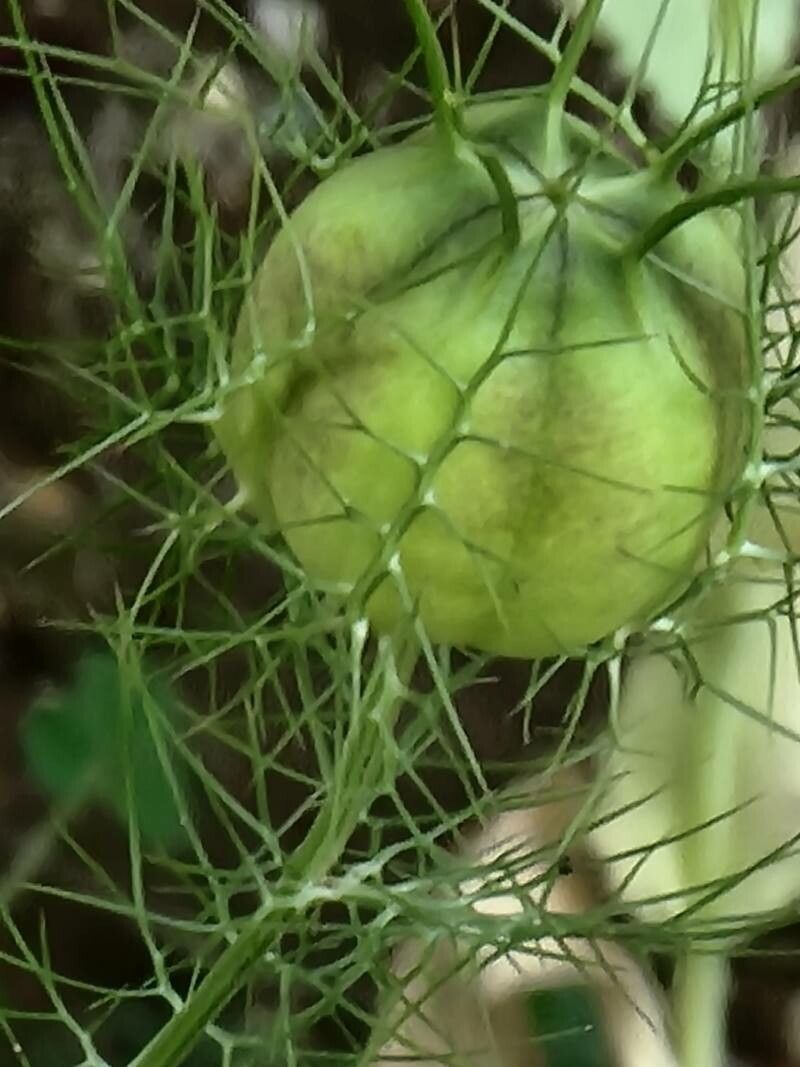
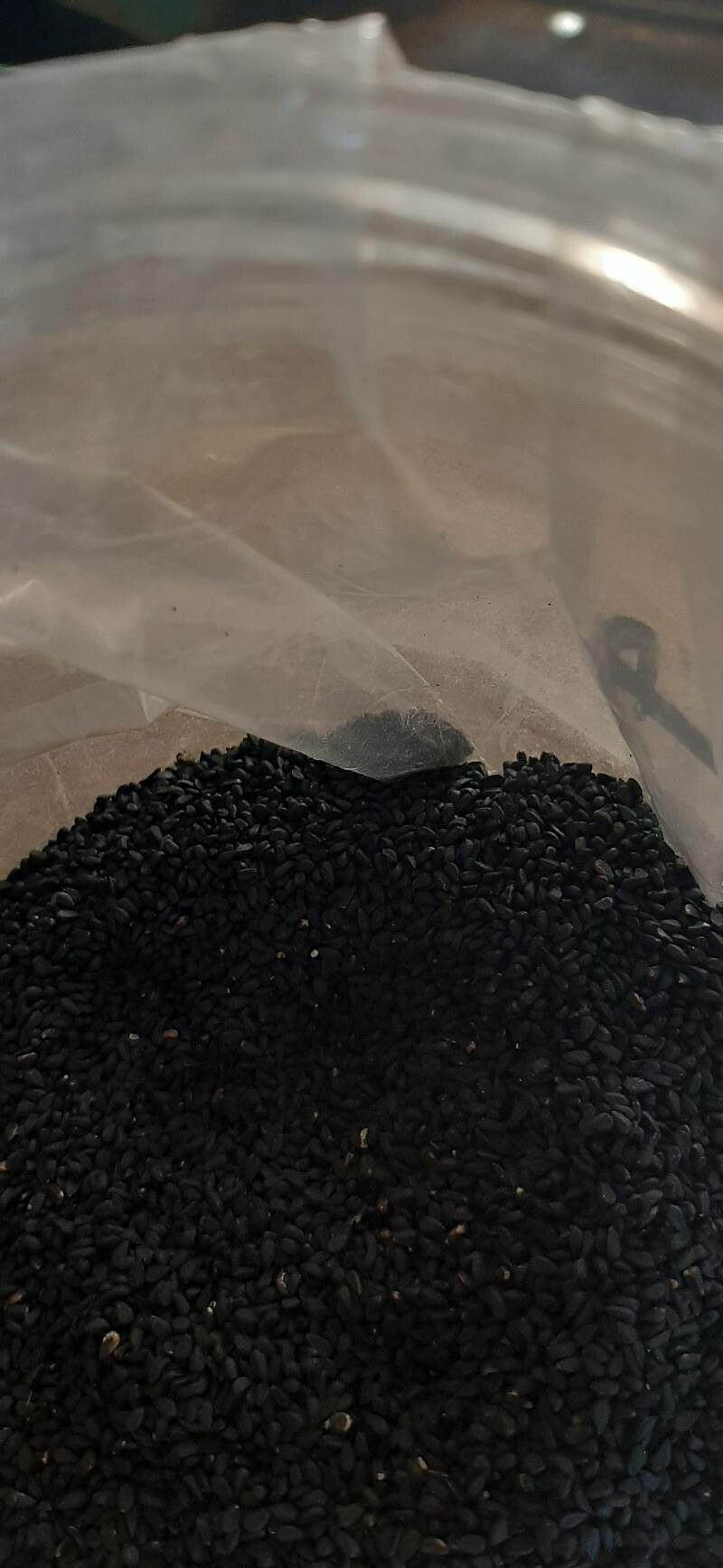
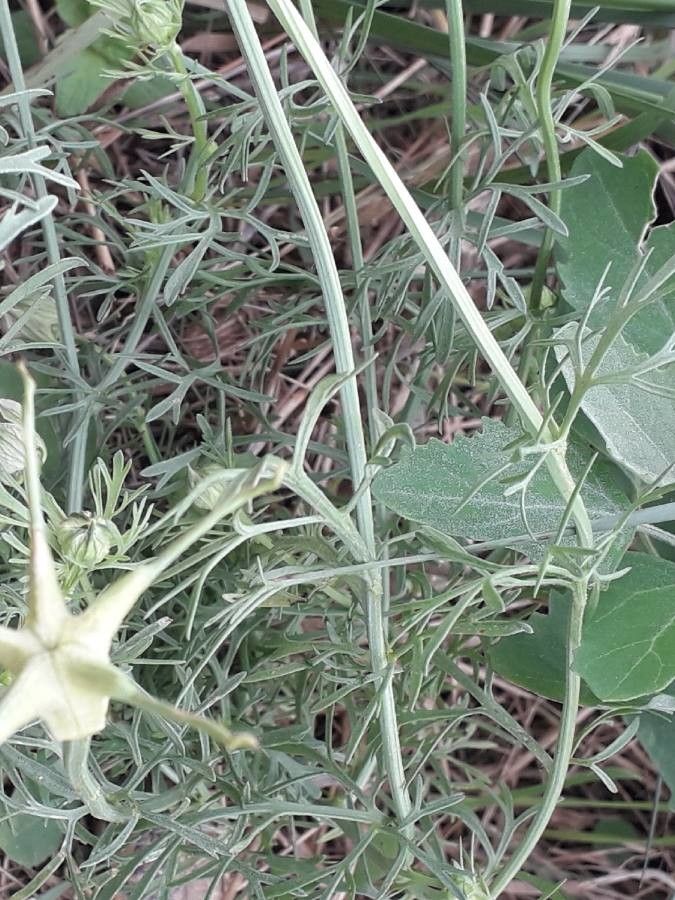
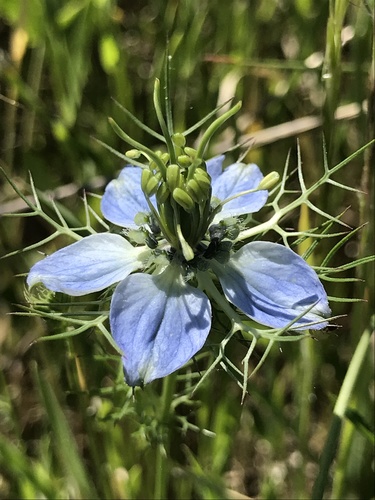
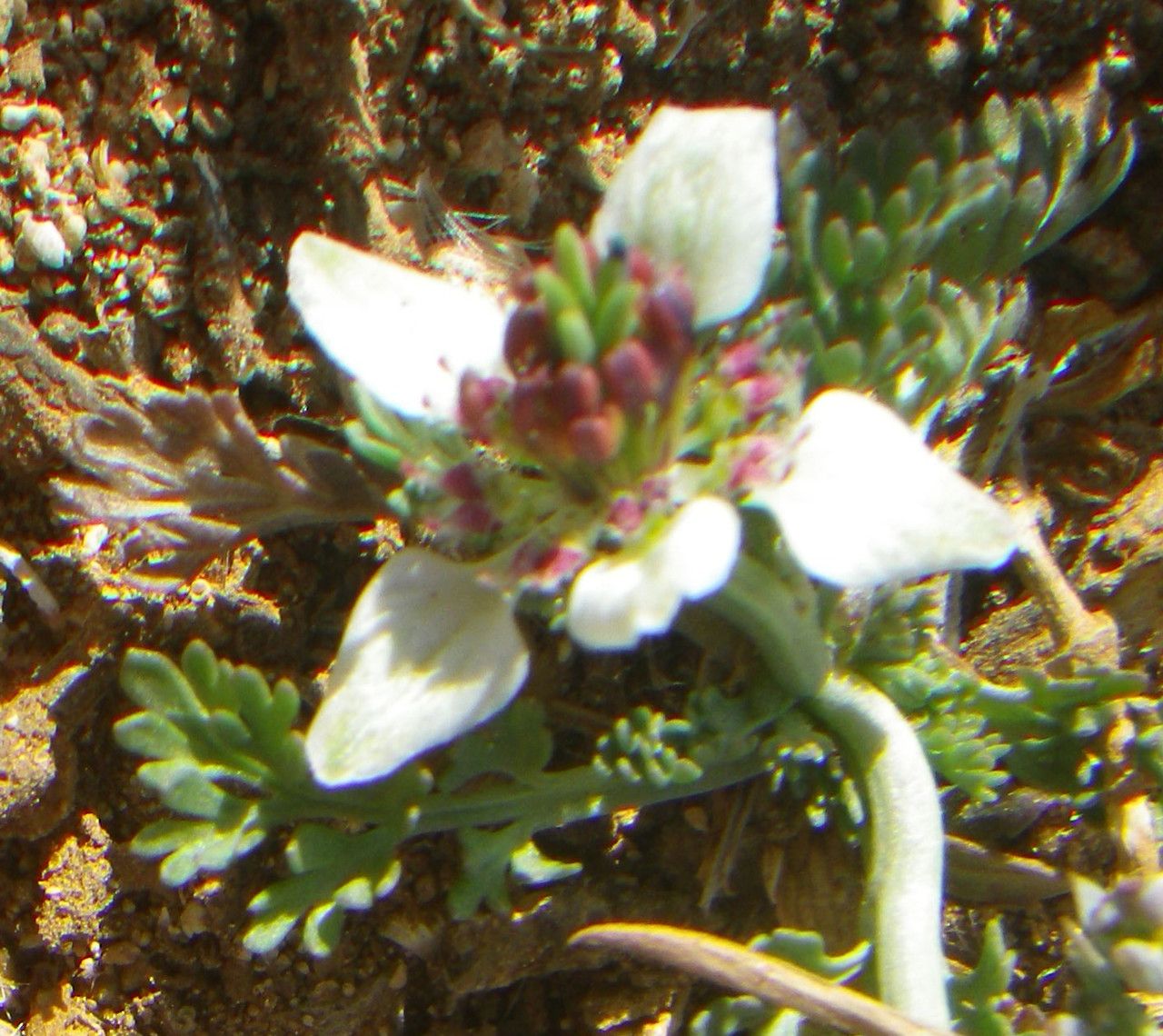
Nigella sativa, commonly known as black cumin or black seed, is a flowering plant native to Southwest Asia and the Mediterranean region. It belongs to the Ranunculaceae family and is an annual herb that grows to a height of 30-60 cm. The plant features finely divided leaves and delicate blue or white flowers that bloom in early summer.
The seeds of Nigella sativa have been used for medicinal purposes for thousands of years in traditional medicine systems such as Ayurveda, Unani, and Siddha. They are rich in essential fatty acids, vitamins A, B1, B2, and C, as well as minerals like calcium, iron, and potassium.
The oil extracted from Nigella sativa seeds has been found to possess anti-inflammatory properties, which can help reduce inflammation throughout the body. It also contains thymoquinone, an antioxidant that helps protect cells from damage caused by free radicals.
Nigella sativa is widely used in cooking across Asia and the Middle East, adding a unique flavor to dishes such as curries and breads. Apart from its culinary uses, it is also valued for its medicinal properties, including treating respiratory conditions like asthma and bronchitis, digestive issues such as bloating, skin conditions like eczema, and reducing high blood pressure, among other benefits.
Overall, the Nigella sativa plant offers numerous health benefits, making it an important herb with potential therapeutic applications across various fields, including medicine and nutrition research.
Black cumin is fairly resistant to disease and usually does not develop illnesses. However, it can be vulnerable to pests and diseases present in its surroundings. These problems are typically not serious. As for care, the plant requires a moderate amount of maintenance. It should be pruned regularly to keep a neat appearance and encourage healthy growth. Fertilizing can also aid in promoting blooms. Black cumin is well suited for anyone with outdoor space, such as a garden or patio, and does not demand extensive gardening experience. It can require more attention if grown indoors.
How to keep Nigella Sativa.
Light
Black cumin thrives when situated where it gets sunlight for the majority of the day. Prolonged sun exposure boosts both its germination rate and overall health, consistent with its origins in sunlit environments. Insufficient or excessive sunlight can affect its vigor.
Water
Black cumin flourishes in arid environments and exhibits drought tolerance, but it still needs weekly watering, especially during the growing season, to ensure optimal flowering and seed production. During this time, it's crucial to water carefully to prevent overwatering.
Temperature
Black cumin is indigenous to regions where temperatures range from 68 to 95 °F (20 to 35 ℃). It favors a moderately warm climate and tolerates seasonal temperature changes. In cooler periods, consider measures to raise temperatures to keep it within its preferred range.
Fertilizer
When most of Black cumin's flowers have opened fully, resume fertilizing. At the peak of flowering, apply fertilizer every three to four weeks, weather permitting. Once Black cumin begins to produce fewer new blossoms, stop fertilizing; there's no need to feed the plant when it can no longer set additional blooms.
Pruning
Black cumin requires minimal pruning, but a few key maintenance steps can enhance its appearance and yield. In early spring, trim away dead stems to encourage new growth. Pinching off spent flowers can help extend the blooming period into the summer. Performing light maintenance at the right time improves air circulation, which reduces the risk of disease and boosts the plant's vitality.
Botanical profile.
- Plant Type
- Herb
- Life Cycle
- Annual, Biennial
- Genus
- Nigella
- Family
- Ranunculaceae
- Hardiness Zone
- 7-9
- Mature Height
- 30 cm
- Mature Spread
- 25 cm
- Leaf Color
- Green
- Leaf Type
- Deciduous
- Flower Color
- White
- Flower Size
- 2.54 cm
- Bloom Time
- Early summer, Mid summer
- Planting Time
- Spring, Summer, Autumn
- Harvest Time
- Late summer, Early fall
- Native Area
- Nepal, Iraq, Turkey, Tajikistan, Syria, India, Egypt, Myanmar, Iran, Cyprus, Azerbaijan, Armenia, Yemen
Other names.
Reader questions.
How should I water my Black cumin plant in the best way?
To water Black cumin, you have various options. You can use a garden hose with a spray nozzle, a watering can, or any typical watering tool. The good news is that Black cumin is not very particular about the type of water it receives. It can thrive on rainwater, tap water, or filtered water. However, it's best to avoid watering this plant from above as it can harm the leaves and flowers and possibly lead to disease. Instead, a drip irrigation system is often the ideal method for providing water. These systems distribute water evenly and directly into the soil. When watering Black cumin in a container, you'll need to adjust the tools you use. For container-grown Black cumin, simply apply water directly to the soil using a cup, watering can, or your tap.
Why do I have to put fertilizer on my Black cumin plant?
In order to survive, plants need nutrients. This is a well-known fact for most gardeners, regardless of their experience. Without proper nutrients, Black cumin will not survive long after its first pollination. The best way to ensure that Black cumin thrives and produces beautiful flowers throughout the blooming season is by providing the right type and amount of nutrients. Fertilizer is particularly beneficial in helping Black cumin develop a strong and healthy root system. This is important because the plant has a thin and delicate root system that is easily damaged. By fertilizing at the time of planting, Black cumin is able to establish a sturdy root structure that not only provides stability but also sets the stage for an impressive flowering display. By timing fertilization correctly, it is possible to significantly prolong Black cumin's flowering period.
What are the sunlight requirements for Black Cumin (Nigella sativa)?
Black Cumin (Nigella sativa) thrives best under full sun conditions, requiring more than 6 hours of sunlight daily to prosper optimally. It can also grow under partial sun, needing about 3-6 hours of sunlight. Observing how sunlight moves through your garden will help you select the perfect spots that provide a balance of light and shade, ensuring your Black Cumin plants remain healthy and happy.
What is the native climate for Black Cumin (Nigella sativa)?
Black cumin, with the botanical name Nigella sativa, is native to regions where the temperature ranges from 68 to 95 °F (20 to 35 °C). It thrives in a moderately warm climate and is capable of adjusting to seasonal temperature variations. To maintain its preferred temperatures during the cooler seasons, it might be necessary to implement warming strategies.
What should I do if I give my Black cumin plant too much or too little water?
To prevent underwatering, simply water Black cumin more frequently when it appears dry. Overwatering can be a more serious issue, as it can lead to diseases and potentially kill the plant. To avoid this, choose a sunny location with good drainage to help the soil dry out and prevent water from pooling. If you overwater a potted Black cumin, consider transferring it to a new pot with better drainage and loose soil.
When should I fertilize my Black cumin?
Black cumin experiences rapid growth after the last frost of the growing season. It is best to fertilize black cumin during planting, when it is first put in the ground or in planters. This initial dosage of fertilizer is sufficient until the flowers are fully bloomed later in the year. Once the black cumin is in full swing and most of its blooms have opened, it is time to start fertilizing again. During peak bloom output, fertilize every three to four weeks, depending on the weather. When the black cumin begins to produce fewer new blooms, it is no longer necessary to fertilize as the plant cannot produce any more blooms.
How does sunlight affect the growth of Black Cumin?
The growth of Black Cumin significantly benefits from positioning in full sunlight for the majority of the day. This sun exposure enhances both the germination rate and the overall health of the plant, which is consistent with its natural preference for sun-exposed habitats. Insufficient or excessive sunlight can affect the plant's vitality, making careful consideration of sunlight exposure essential for its growth.
Does Black cumin need protection from cold?
Black cumin possesses strong resistance to cold, so it doesn't usually require special frost protection measures during the winter. However, if temperatures are expected to drop below -15°C, it's important to provide cold protection. This can be done by covering the plant with materials such as soil or straw. Additionally, watering the plant abundantly before the first freeze of autumn to keep the soil moist can help prevent drought and water scarcity during winter and early spring.
How frequently do I need to water my Black cumin plant?
To properly care for your black cumin plant, it's important to maintain a consistent watering schedule throughout the growing season. In the spring, watering once per week is recommended. As the weather gets warmer, you may need to increase watering to two or three times per week. However, it's crucial not to overwater, as this can harm the plant. The soil should be kept moist, but not soaked, regardless of the watering frequency. If your black cumin is in a pot, it will need more frequent watering compared to one growing in the ground. Typically, watering a potted black cumin plant a few times per week is advisable, while an in-ground plant only needs to be watered once per week.
When is the best time to not use fertilizer on my Black cumin?
Regular fertilizing is important for Black cumin, but it's crucial to apply it at the right time. In some situations, it's necessary to hold back on fertilizing. These situations are usually climate-related, but can also be influenced by controllable factors. If something is wrong with the plant, the soil, or the climate, it's best to wait until the issues are resolved and the plant has recovered before fertilizing. For example, if there are severe or unexpected weather changes, it's not advisable to fertilize. If there's a sudden cold snap in the middle of summer, it's better to wait until it warms up again before starting to fertilize. The same goes for soil that is too dry or compacted to absorb the fertilizer properly. In such cases, the fertilizer may go straight to the roots without being properly diffused by the soil, which can be harmful to the roots of Black cumin. During the hottest parts of the day when temperatures reach around 90 degrees Fahrenheit, it's also not recommended to apply fertilizer. High temperatures can cause fertilizer to break down too quickly, so it's important to avoid this. Additionally, any pests or diseases should be treated and cleared up before re-fertilizing.
What are the recommendations for artificial lighting for indoor Black Cumin plants?
When growing Black Cumin indoors, adequate lighting is crucial for optimal growth. In conditions where natural sunlight is lacking, especially during winter or in less sunny locations, artificial lighting becomes a necessary substitute. LED lights are recommended due to their adaptability in providing specific light wavelengths needed by the plant. Full sun plants require 30-50W/sq ft of artificial light, partial sun plants need 20-30W/sq ft, and full shade plants should have 10-20W/sq ft. The light source should be positioned 12-36 inches above the plant, simulating the natural sunlight effect. Most plants will need 8-12 hours of light per day to mimic natural daylight hours effectively.
How does Black cumin react to low temperatures?
Black cumin is cold-tolerant and prefers temperatures above 20°C. Throughout the winter, it's crucial to keep it above 0°C. When the temperature drops below -15°C, while there might not be noticeable changes during the winter, there could be a decrease in sprouting or possibly no sprouting at all in the spring. To address this, any parts that have failed to sprout by spring should be removed.